Alina Şerban

Published by:

Alina Şerban

The Romanian film “Eu contez” [I matter] directed by Alina Șerban won the Audience Award at the 83rd Venice International Film Festival, marking a historic achievement for Romanian cinema.

Alina Șerban, a Roma director, is the first Romanian to present a feature film at the Venice Festival, and her film addresses themes of social exclusion and identity through the story of a young Roma woman.

The film has received widespread acclaim for its emotional authenticity and is expected to be a strong contender for international distribution and possibly an Oscar nomination.

Greece and Roma

Published by:

Greece and Roma

During a concert in Thessaloniki, singer Antonis Remos humorously referenced politician Afroditi Latinopoulou in relation to the Gipsy Kings’ performance, linking it to her public dispute with Roma singer Vasilis Paiteris over her use of the term “gypsies” (she used the Greek derogatory giftoi).

Remos suggested that Latinopoulou would be the ideal political figure to attend the concert, eliciting laughter from the audience.

In response, Latinopoulou posted a video on Instagram stating she chose not to attend the concert in protest of the band’s name, expressing she would have attended if it were called “Roma Kings.”

French Chronicle …

Published by:

French Chronicle …

Not many news this week in France on Roma. Only two relevant articles, apart from the le Monde reportage. One in Nantes where a restaurant owner tries to block Roma from putting their camping cars in front of his restaurant, and another also near Nantes, where Roma are squating in a wood and are cutting trees.

The Hamidović Clan

Published by:

The Hamidović Clan

A reportage from le Monde on the Hamidović clan, Roma from Bosnia, mostly located in France, who engage in widespread theft / pickpocket activities. Woemn are sent to steal, men spend the money. A really sad story, as this re-inforces the stereotypes on Roma in general.

But a true story too, and a story that may have been different had it not been a civil war in Bosnia who dispalced them all.

Gyár Acél

Published by:

Gyár Acél

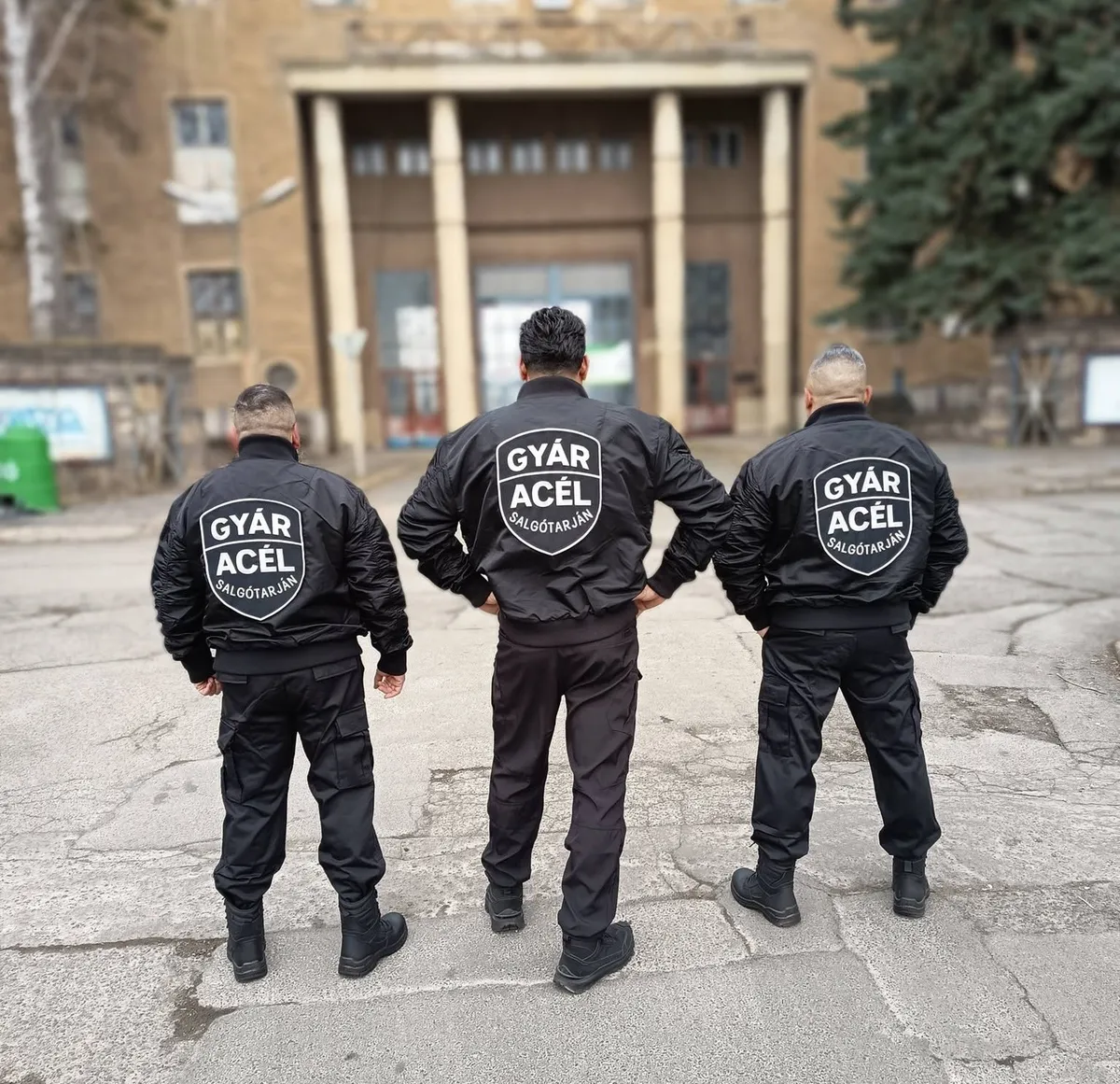
Gyár Acél (meaning “Factory Steel”) is a civil community and association based in Salgótarján, Hungary, that fights against drug abuse and drug-related crime through the mobilization of Romani volunteers.

Its main objective is protecting the residents and local community of Salgótarján from destructive synthetic drugs, especially the spread of “crystal” (crystal meth/bath salts). It operates with local Romani volunteers who work together in an exemplary community effort to stand up against drug dealers and crime.

Pisa Study and Slovakia

Published by:

Pisa Study and Slovakia

Slovak Education Minister Tomáš Drucker acknowledges the negative impact of socio-economic backgrounds on student performance and is implementing reforms to address this issue, including earlier access to pre-primary education.

Recent changes in a large Roma community in Jarovnice involved the removal of afternoon classes, leading to all children attending school only in the morning.

Teachers play a crucial role in these reforms, with a focus on providing equal educational opportunities regardless of a child’s family background, as emphasized by Drucker and supported by opposition claims of neglect in education under previous governments.

Roma in Hungary

Published by:

Roma in Hungary

Norbert Olah, a Roma artist from Hungary, initially avoided stating his Roma heritage in his art due to fear of being labeled as a ‘Roma artist’ and facing stereotypes about Roma culture.

As Hungary’s political climate shifted under Viktor Orbán, Olah began to confront issues of identity, exclusion, and the impact of political rhetoric on the Roma community through his artwork, including a notable installation at the Budapest Off-Biennale.

Following a change in government, there is cautious optimism for improved conditions for Roma in Hungary, but Olah remains realistic about the slow pace of change and continues to explore themes of identity and social mobility in his future projects.

Sinti in Duisburg

Published by:

Sinti in Duisburg

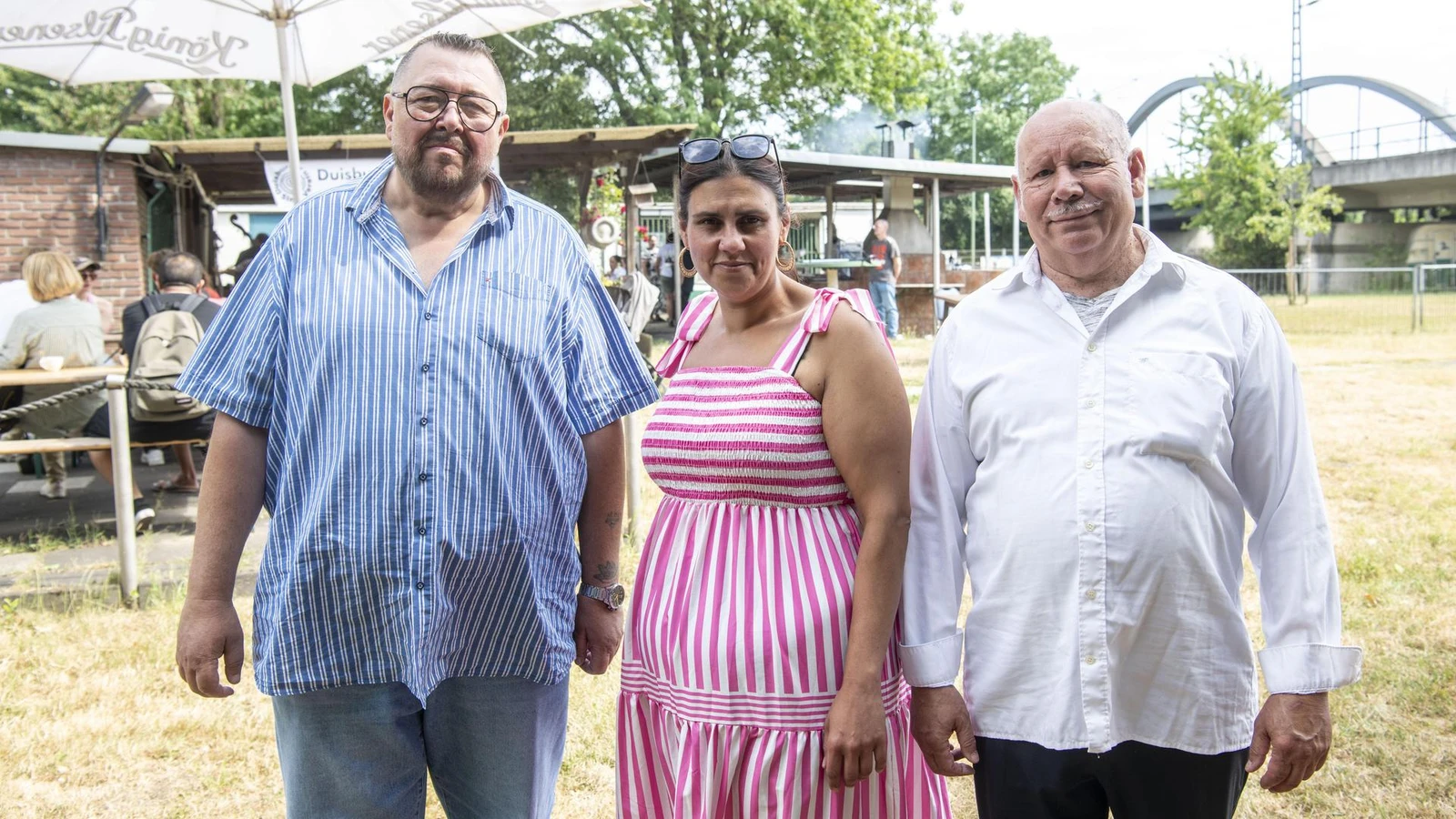
Sinti families have been residing in Duisburg since the 1970s, living in container homes.

They are currently facing fears of being displaced from their homes.

The situation has led to increasing desperation among the Sinti community.

Mahala Beats

Published by:

Mahala Beats

Mahala Beats is a collaborative project aimed at empowering young Roma in the Nadejda neighborhood of Sliven, Bulgaria, through media education and music, addressing issues of trust, representation, and resilience against misinformation.

The project includes workshops that engage participants as active producers of content, exploring local narratives and misinformation, culminating in the creation of music and video productions.

The initiative seeks to foster critical thinking and community engagement, ultimately aiming to reshape the narrative around Roma identity and representation in the public discourse.

Moldova and Drugs

Published by:

Moldova and Drugs

The village of Vulcăneşti in the Nisporeni district—located approximately 70 kilometers from Chişinău and 20 kilometers from the Romanian border—has the highest proportion of Roma residents in the Republic of Moldova. There are only three ethnic Moldovan families in the village, while a few other Moldovans have come to live there after marrying into the Roma community.

Tensions have flared up again (there was a murder a while back). This time, a group of residents has united against the drug trade in the village; according to them, more than half of the villagers regardless of age, use drugs.

What apparently angered the Roma community of Vulcăneşti the most was the fact that a young fellow villager, detained by the police for allegedly having drugs in his car, was released the very same day. The young man’s family, a rather influential one in the area, claims the case against him was fabricated by “enemies,” specifically other villagers.

Roma Politics and Serbian Elections

Published by:

Roma Politics and Serbian Elections

Roma have been waiting for over two decades for authentic representation in the Serbian Assembly and institutions that affect their lives. Historically, Roma have been viewed merely as votes for other political parties, without recognition of their own political capacity.

Movements and organizations representing the Roma community have decided to run in the elections as a coalition. The agreement, set to be signed at 2:00 PM, is being signed by the Union of Roma of Serbia, the Democratic Union of Roma, and the Civic Movement of Roma. They state that this alliance is crucial for the Roma to gain authentic representatives and to ensure the Roma community is no longer viewed merely as a reliable source of votes for other political parties.

Mihajlović emphasizes the need for the Roma community to elect their own representatives in the upcoming elections, rather than having them chosen by others.

Burial Customs

Published by:

Burial Customs

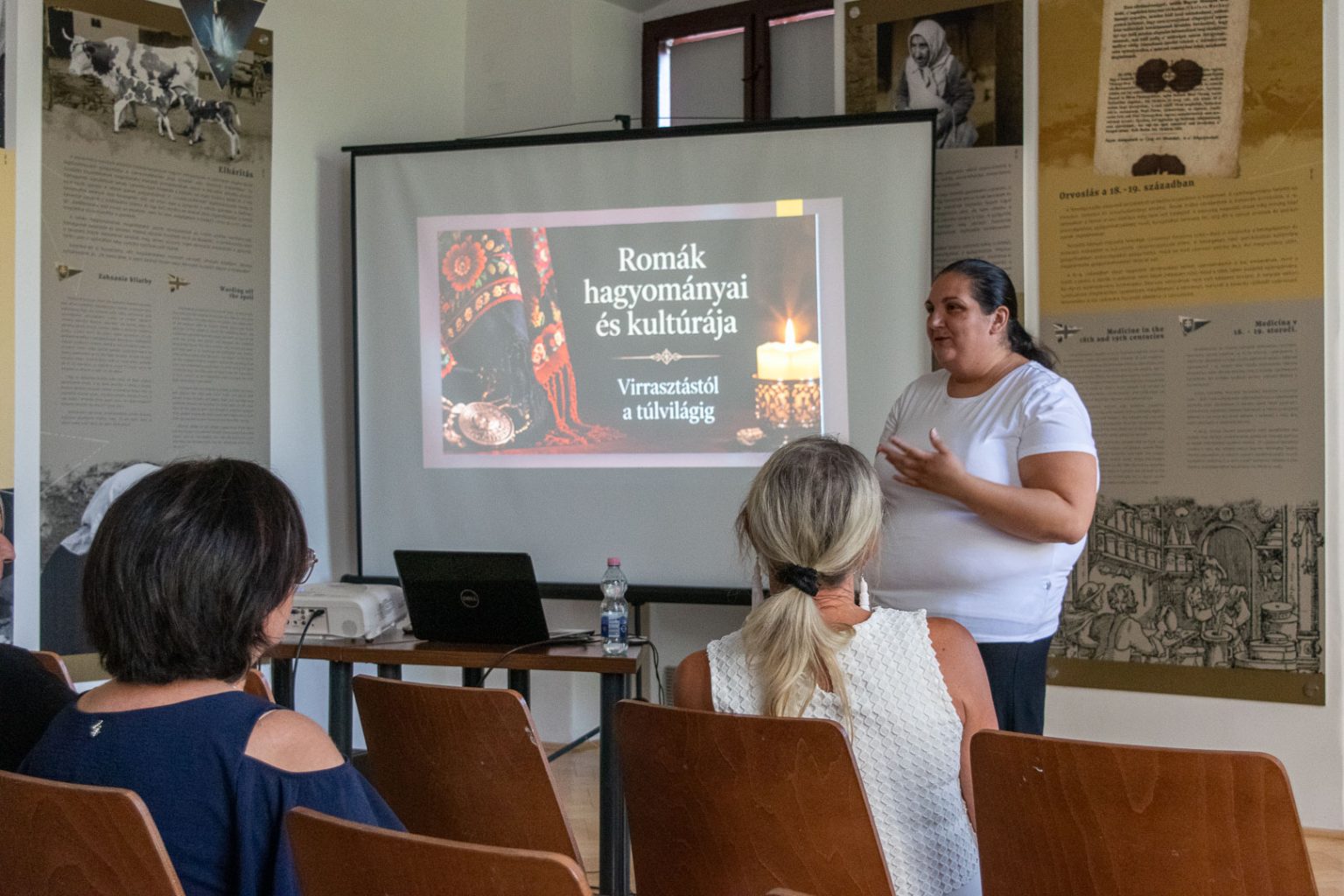
The event “I Will Meet You with God, My Brother” showcased Roma burial customs, featuring a presentation by teacher and Romni Nikoletta Nagy on the significance of mourning rituals in the Roma community.

Nagy emphasized the importance of understanding these traditions, which reflect deep community ties and the role of family, faith, and memory in honoring the deceased.

The presentation highlighted that Roma funeral practices are not merely extravagant but are rooted in community identity and shared experiences of grief and remembrance.

Romani Politics

Published by:

Romani Politics

Srđan Šajn, president of the Roma Party, stated that his party is unwilling to accept conditions set by the Union of Roma of Serbia regarding coalition formation for upcoming parliamentary elections.

The Union insisted that their president, Miloš Mihajlović, must be the lead candidate, which Šajn criticized as disrespectful to the Roma community.

Šajn proposed that the top positions on any joint list should not be held by current party leaders, advocating for new, independent candidates instead.

Greece: Motion

Published by:

Greece: Motion

Four members of the New Left party in Greece raised concerns in Parliament about alleged racist targeting of Roma by the Greek police during the “ENTOΣ” operation, particularly regarding the attempted eviction of a Roma community in Thessaloniki.

The European Commissioner for Human Rights has intervened, highlighting police practices that involve heavily armed forces in areas associated with Roma, raising issues of ethnic targeting and police violence.

The MPs are demanding detailed reports from the government on the number of police checks, arrests, and legal proceedings involving the Roma community, questioning the justification for the extensive police actions given the relatively small number of arrests compared to the population.

Travellers in Switzerland

Published by:

Travellers in Switzerland

The Canton of Baselland plans to take more responsibility for providing spaces for travellers, specifically the Jenischen and Sinti, to alleviate the burden on municipalities.

A proposed law revision aims to improve the availability of designated sites for these communities, as current provisions have been deemed insufficient.

The Canton will coordinate with municipalities to establish these sites and will also assume responsibility for their maintenance and operation, with additional costs covered within the existing budget.

ADI-ROM

Published by:

ADI-ROM

A meeting of the Council of Europe’s Committee of Experts on Roma and Traveller Issues (ADI-ROM) took place in Strasbourg on September 8-9, 2026, focusing on desegregation and inclusive education policies for Roma children.

The proposed recommendations aim to eliminate school segregation and create a quality, inclusive, and non-discriminatory educational environment, addressing issues beyond schools such as residential segregation and anti-Roma racism.

The Slovak Republic’s participation allowed for sharing experiences and contributing to the development of common standards, with a focus on sustainable funding for the implementation of these recommendations.

I Matter

Published by:

I Matter

“I Matter,” the debut feature film by director Alina Șerban, premiered on September 8 at the Venice International Film Festival in the Venice Spotlight section, making her the first Roma female director in the festival’s official selection.

The film follows Rebeca, a young Roma woman preparing to leave her care center, hoping to find stability through her father’s release from prison, but faces challenges in her transition to independent life.

The film, a Romania-Germany-Belgium co-production, will be released in Romanian cinemas in February 2027 and is also competing for the Luigi De Laurentiis Award for Best Debut and the Audience Award in the Venice Spotlight section.

Bela Pokuta

Published by:

Bela Pokuta

Béla Pokuta, a prominent Romani singer, left behind numerous recordings that may be compiled into a new album, blending his early authentic singing with later musical experimentation from the group afterPhurikane.

His music, characterized by raw emotion and a unique atmosphere, has been preserved in recordings spanning over two decades, with the oldest dating back to 2001.

A crowdfunding campaign has been launched to support the completion of the album, which aims to document Pokuta’s exceptional musical journey from a Romani settlement to European concert stages.

Gypsy Lore Society

Published by:

Gypsy Lore Society

The University of Zagreb’s Faculty of Philosophy hosted the annual Gypsy Lore Society conference, focusing on the history, language, culture, and social status of the Roma community.

Approximately 90 scholars from around the world presented their research and discussed various topics related to the Roma community, with some panels conducted in the Romani language to emphasize its preservation.

The conference facilitated networking among researchers and institutions, and included a visit to the Roma Memorial Center in Uštica, dedicated to the memory of Roma victims of World War II.

Only?

Published by:

Only?

Over 130,000 citizens of Serbia identified as Roma in the last census, but their political influence has not been realized, leading to a call for concrete political representation in the upcoming elections on October 25. This number is definitively an understatement, as in most censuses where Roma tend not to state their ethinicity.

The article emphasizes the need for Roma voters to demand specific commitments from political parties regarding employment, education, healthcare, and anti-discrimination measures, rather than vague promises.

The legitimacy of Roma political representation is questioned, highlighting the importance of authentic minority lists versus candidates from larger parties, and the need for accountability post-elections.

rroma.org
en_GBEN