Author Archives: Roma Foundation

Trash – Continued

Published by:

Trash – Continued

The reality show “The Secret Lives of Gypsy Wives” has faced backlash from the traveller community, who find it embarrassing and insulting, calling for it to be taken off air.

The show follows Trewley-Precious Wass, a TikTok star navigating her mixed Romani and non-Romani heritage, and her struggles with traditional gypsy rules imposed by her family.

Critics argue that the portrayal of gypsy wives in the show does not accurately represent the community and perpetuates negative stereotypes.

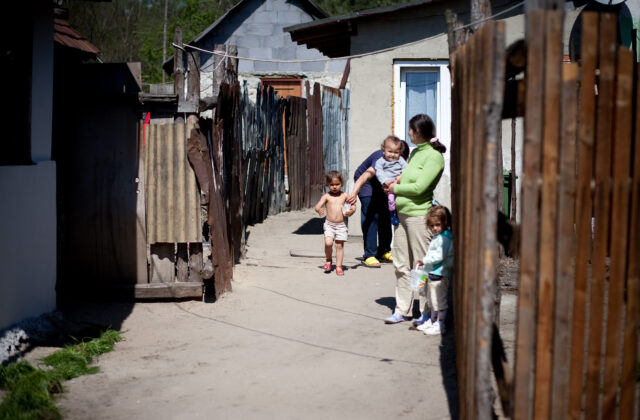
Housing in Romania

Published by:

Housing in Romania

The Cluj-Napoca Local Council approved a program worth over 400 million lei to purchase 350 homes for Roma and other vulnerable communities, aiming for social integration rather than segregation.

Mayor Emil Boc emphasized that the initiative will use the SIEG mechanism to legally facilitate the purchase of homes and provide social services to the relocated families.

The program aims to eliminate informal settlements like Pata Rât by 2030, with over 500 individuals already relocated to decent housing through previous projects.

This is a drop of water on a hot stone …

Bosnia and Fascism

Published by:

Bosnia and Fascism

Young artist, author of the book “Cactus in an Orchid Field” and human rights activist Almir Agić, guesting on “Sarajevo Morning”, drew attention to the worrying level of hate speech and prejudice that the Roma community faces every day in public space.

On this occasion, Agić decided to speak about the worrying comments directed at young men and women of the Roma population instead of personal successes, emphasizing that dehumanization and racist rhetoric represent a serious problem for the entire society.

“The moment when fascism becomes a solution for something in our public space and society, it is not just a problem for Roma, it is a problem for our entire society.” – Almir Agić emphasized.

Police Operations

Published by:

Police Operations

Targeted police operations were conducted in Messinia, Argolis, and Corinthia as part of the Greek Police’s efforts to prevent and combat crime, particularly in areas inhabited by Roma communities. In Messinia, checks focused on camps in Meligalas, Panagakia, and Agia Triada, resulting in the arrest of 10 individuals for various offenses.

A 46-year-old Roma woman was arrested in Kalamata for not possessing a police identity card, and five traffic violations were recorded during the operations.

Seems meagre if, as the Greek press reports, Roma are responsible for the majority of the criminality in the country… What about the officials who embezzled millions of EU agrar help?

Child Marriages

Published by:

Child Marriages

Child marriages, particularly in Roma communities in Montenegro, continue despite legal prohibitions, with many girls entering into arranged marriages as young as 12 or 14 years old.

Victims like Jasmina recount experiences of abuse and lack of agency, with decisions about their marriages made by male family members without their consent.

Organizations are working to combat child marriages, but many cases remain unreported due to societal pressures and the normalization of these practices within the communities.

Amnesty and Bulgaria

Published by:

Amnesty and Bulgaria

Amnesty International’s regional office in Europe has sent an open letter to the mayor of Stara Zagora, Mr. Zhivko Todorov, requesting urgent information regarding the planned eviction of Roma families in the Lozenets neighborhood on July 22, 2026.

The letter expresses concerns about the lack of proper notice and the potential impact on approximately 64 Roma individuals, including children and elderly people, who may be affected by the eviction.

Amnesty International is seeking clarification on the municipality’s assessment of the situation, alternatives to eviction, and measures for providing adequate housing for those affected.

Orban and Roma

Published by:

Orban and Roma

When Viktor Orbán’s returned to power in 2010, laws were changed to allow and promote the segregation of Roma students in Hungary, reversing previous integration efforts.

The Chance For Children Foundation (CFCF) successfully challenged school segregation through legal means prior to 2010, resulting in the integration of approximately 3,000 Roma students. The current situation shows a significant increase in Roma students attending segregated schools, with estimates suggesting that two-thirds are now in such institutions, compared to one-third before Orbán’s regime.

Heat and Roma

Published by:

Heat and Roma

The Community Center of Sparta conducted an awareness campaign to prevent heatstroke, focusing on local Roma settlements.

The initiative aimed to educate vulnerable populations about the dangers of extreme heat, particularly for children who are often outdoors during peak sun hours.

Social workers provided information and distributed illustrated pamphlets with safety tips to ensure the message was accessible to all age groups.

Nice but what about better housing?

Jenisch

Published by:

Jenisch

Markus Josl speaks Jenisch, a language influenced by German and Romani, which is now spoken by only a few people and is part of his cultural identity.

Jenische people share a mixed European culture with Roma, Sinti, and Jews, historically connected through travel and craftsmanship.

Josl, a Jenisch activist, aims to preserve his culture and language, advocating for political recognition of the Jenische as a distinct ethnic group in Austria.

Trash

Published by:

Trash

Trewley-Precious Wass, a 26-year-old TikTok star, is featured in Channel 4’s reality series “The Secret Lives of Gypsy Wives,” showcasing her life as a half Romani gypsy and half Gorger.

The show highlights her struggle with family expectations, particularly regarding her career as an influencer, which contrasts with traditional Traveller customs.

Trewley-Precious has a unique full name and three sisters with equally distinctive names, and she shares a close bond with her brother, Jamie John, who supports her choices.

Roma Soul

Published by:

Roma Soul

The project “Roma Soul Food” explores Roma musical and culinary traditions through interviews with community members in three countries, resulting in a collaborative album.

The initiative emphasizes the connection between food and music as vital elements of Roma culture, fostering community ties and storytelling.

Despite being one of Europe’s largest ethnic minorities, Roma communities face significant social exclusion, with low feelings of inclusion reported in Serbia, Greece, and Slovenia.

No Water

Published by:

No Water

Residents of the Roma neighborhood “Kremikovtsi” in Garmen have been without water for over two months after the local government cut off supply due to illegal housing and unpaid bills.

For six years, water was supplied from the drinking water pipeline of Garmen, but issues with unpaid bills and deliberate damages led to the service being terminated.

The situation has escalated to regional authorities and political parties, prompting a swift political response.

Czechia and Roma

Published by:

Czechia and Roma

According to lawyer Maroš Matiaško, the decision of the European Court of Human Rights in the case of the death of Stanislav Tomáš could be a key verdict for the protection of the rights of Roma in the Czech Republic. According to him, the court named errors in the police intervention, shortcomings in the subsequent investigation and the state’s failure to investigate a possible racial motive. Matiaško represents the deceased’s sister in cooperation with the European Roma Rights Center and the Human Rights Forum.

Montenegro and Roma

Published by:

Montenegro and Roma

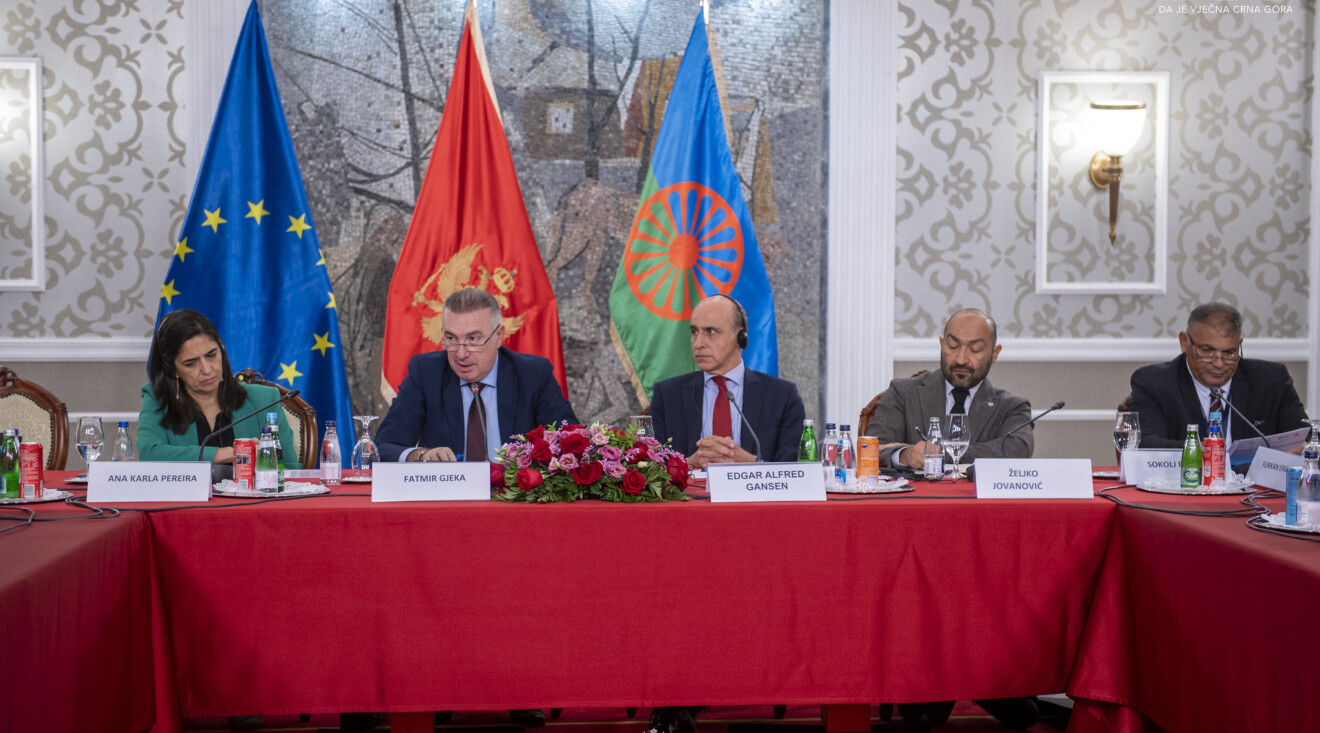
The Roma and Egyptian communities in Montenegro face structural discrimination, low living standards, and limited access to education, employment, and social security, necessitating long-term interventions for true equality and integration.

A significant portion of individuals at risk of statelessness are children, with many lacking birth registration, which is essential for legal identity.

Despite existing laws and programs aimed at inclusion, high levels of discrimination persist, particularly in education and employment, leading to poverty and social isolation among these communities.

Serbian Social Cards

Published by:

Serbian Social Cards

The UN has criticized Serbia’s social card system for leaving over 60,000 citizens, particularly from the Roma community, without financial assistance due to issues with data processing and automated decision-making.

Experts highlight that many Roma earn informal or irregular incomes, which are misinterpreted as grounds for denying social aid, exacerbating their poverty. The UN recommends that Serbia improve transparency, establish effective appeal mechanisms, and ensure that digital systems do not lead to discrimination against vulnerable populations.

Bulgarian Elections

Published by:

Bulgarian Elections

Boyko Borisov, leader of GERB, predicts that the Roma community will overwhelmingly support the Progressive Bulgaria party in the upcoming presidential elections, citing their influence over the voting process.

He expresses skepticism about the ability of other political parties to compete fairly under the current voting system, which he claims is controlled by the Ministry of Interior. Borisov criticizes the current government budget, calling it deceptive and suggesting that the administration is artificially lowering revenue projections despite high inflation leading to increased tax income.

Would be nicer if he were using ‘Roma’ instead of “цигани” in some of these articles, and not be so dismissive as to assume that all Roma will vote en block for his party.

  • Борисов за президентския вот: Ромският вот ще е изцяло за Прогресивна България. In: Flagman. 19.07.2026. https://www.flagman.bg/article/386096

French Chronicle …

Published by:

French Chronicle …

Not much this week in France about Roma. A concert titled “Vent d’Est” in the South of France; the closure of acamp near Nantes will not be closed before next spring; and finally, an article about the accusation by the rightist oppposition in Nantes, that Roma were registered to vote (which by the way in legal for EU citizen to vote in local elections in France.

Roma in Burgenland

Published by:

Roma in Burgenland

The documentary “Roma in Burgenland – Stories We Tell Ourselves” by director Robert Dornhelm explores the history, culture, and current challenges faced by the Burgenland Roma, a group rooted in Austria for centuries but still facing prejudice and discrimination.

It spans from the 1930s to the present, highlighting the Roma’s vibrant culture through music, traditions, and personal stories, while also addressing their historical victimization.

The film features contributions from the Roma community and includes reflections on the legacy of figures like Charlie Chaplin, emphasizing themes of identity, memory, and dignity.

Serbian Elections

Published by:

Serbian Elections

The Roma Party announced its decision to participate in upcoming elections and is open to discussions with opposition parties for potential collaboration if there is mutual political will.

Party President Srđan Šajn emphasized their goal is not to divide the opposition but to create a broad front to defeat the ruling Serbian Progressive Party (SNS) and promote a free-thinking Serbia.

Šajn criticized the SNS for not disclosing their presidential candidate and future government composition, suggesting that their allies are expected to follow orders without independent thought.

Roma in Montenegro

Published by:

Roma in Montenegro

Ivan Radulović emphasizes the need to correct the position of the Roma and Egyptian communities in Montenegro before implementing guaranteed parliamentary mandates for minority representatives.

He argues that while guaranteed mandates are necessary, they should not replace affirmative action but rather complement it, ensuring fairness in existing measures.

The call for a lower electoral threshold for Roma and Egyptians has been ongoing for over a decade, but reforms to electoral laws are currently stalled, raising concerns about genuine representation in parliament.

rroma.org
en_GBEN