Category Archives: Spain

All the Love

Published by:

All the Love

The short film “All the Love in My Body” by Finnish-Greek director Carmen Baltsar tells the tragic story of two Roma sisters who drowned while selling trinkets on a beach in Italy in 2008, highlighting societal indifference.

The film is part of the “Raising Romani Gaze” program at the Seville European Film Festival, showcasing works by Roma filmmakers from various European countries.

The festival aims to challenge stereotypes and provide a platform for Roma voices in cinema, with a focus on personal narratives and experiences within the community.

I Matter

Published by:

I Matter

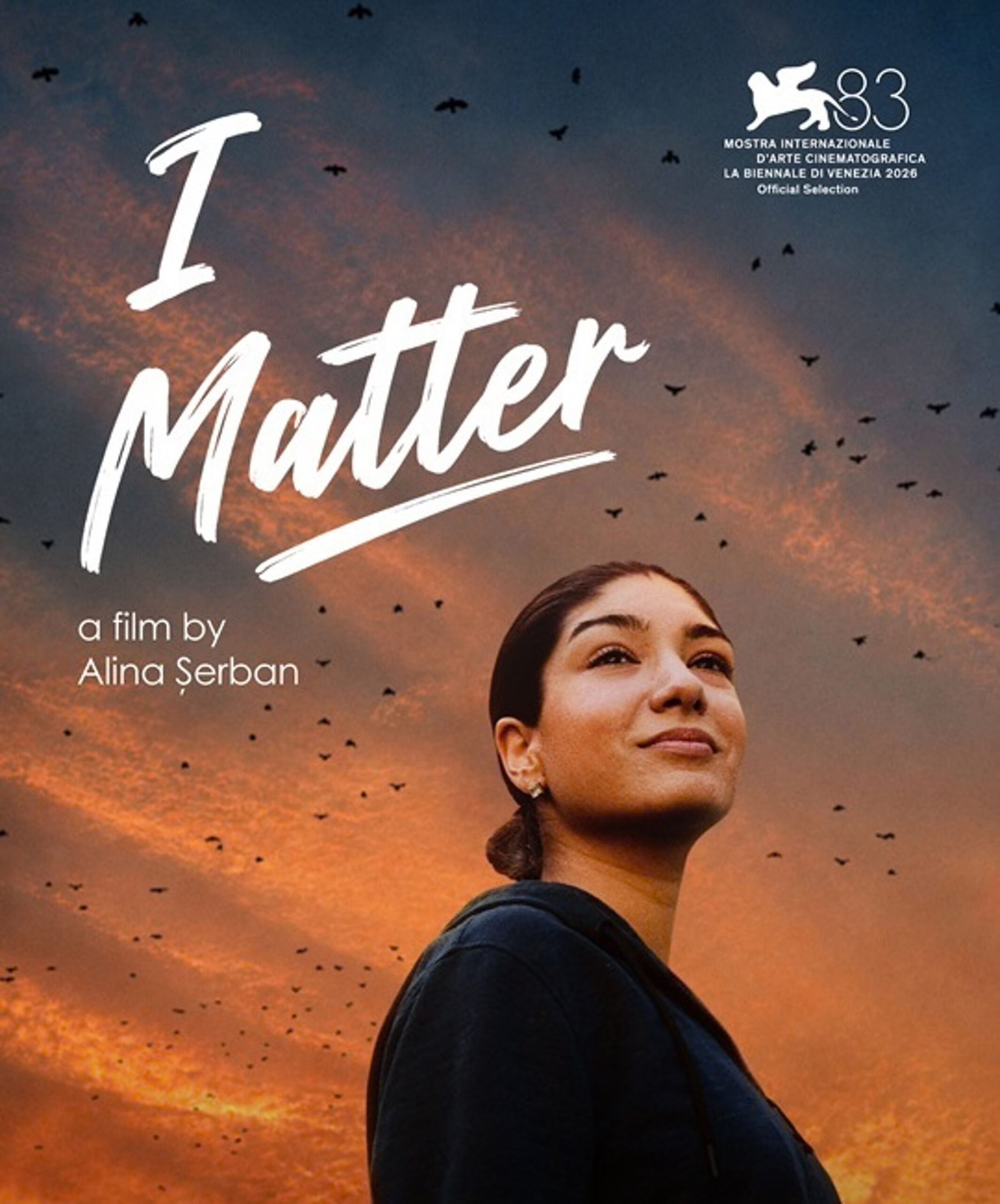
Alina Șerban, a Romani actor and filmmaker, is part of a movement showcasing Romani narratives at the Seville European Film Festival, aiming to counter stereotypes of Roma people in media.

Her film, “I Matter,” explores Romany identity and won an audience award at the Venice Film Festival, emphasizing the humanity of Roma individuals.

The showcase, titled “Raising Romani Gaze,” features diverse films by Romany filmmakers, highlighting their stories and challenging long-standing discrimination against the Roma community in Europe.

Movie

Published by:

Movie

The film “SMOOTH THE EDGES,” directed by Charles Newland, is a significant step for Roma representation in British cinema, premiering at the Seville European Film Festival.

The story focuses on a Romni’s struggles with prejudice and identity, highlighting the challenges of concealing cultural heritage for acceptance.

The production features a majority Romani cast and crew, aiming to challenge stereotypes and provide authentic representation in the film industry.

Mallorca Roma

Published by:

Mallorca Roma

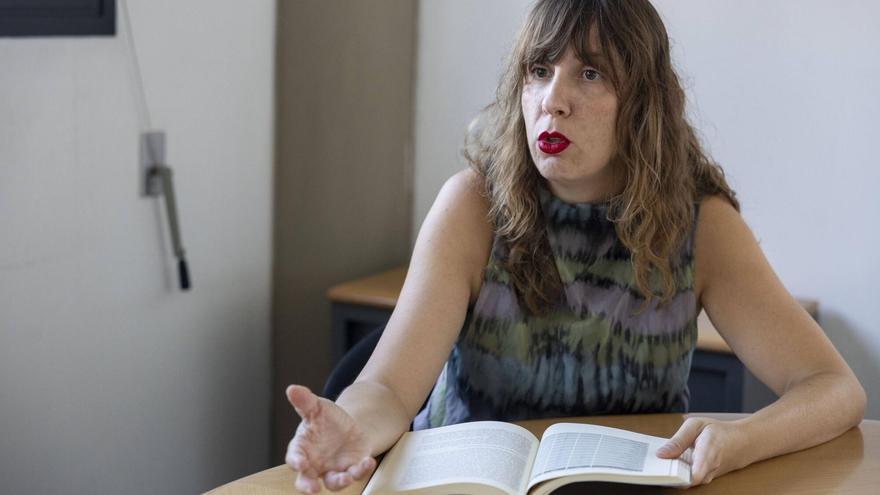
Laura Jurado’s book “Mallorca romaní” highlights the history and struggles of the Romani community in Mallorca, documenting their legal persecutions, displacement, and contributions to tourism and local culture.

The book aims to recover the memory of a marginalized group that has faced significant stigma and resistance throughout history. It also addresses the community’s involvement in the development of areas like Son Banya and the historical expulsion from the city center.

Mallorca and Roma

Published by:

Mallorca and Roma

Laura Jurado’s new work, ‘Mallorca romaní. Una historia de la comunidad gitana’, explores five centuries of Romani presence in Palma and Mallorca, detailing their history and current social debates. The book discusses the historical oppression faced by the Romani people, including restrictions on their clothing, language, and livelihoods, as well as significant events like the Gran Redada in 1749, which targeted all Romani individuals in Spain.

The establishment of Son Banya, a settlement for Romani people in the 1960s, is highlighted as a failed urban planning initiative that has become a stigma for the Romani community, exacerbated by issues like drug problems and illegal constructions.

Shooting

Published by:

Shooting

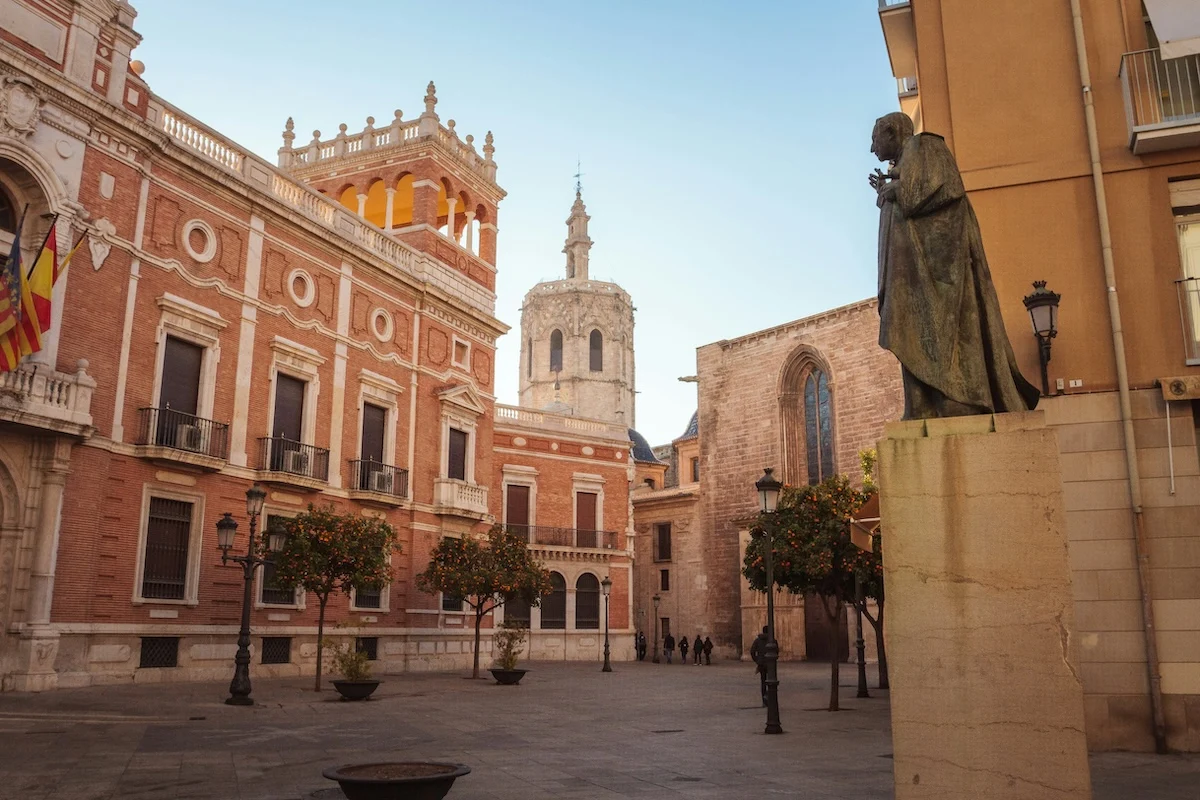
A shooting incident in Valencia involving rival Roma families resulted in one death and three injuries, with four men arrested. The violence escalated from a family argument between two young cousins, leading to a brawl and gunfight in the streets.

The victim, shot multiple times, died shortly after being hospitalized, while one of the arrested men was also injured in the incident.

You can only wonder at the use of sentences such as “clans of Roma gypsy origin”. They really don’t know what they are talking about …

Etnosur Festival

Published by:

Etnosur Festival

The Etnosur festival will kick off the filming of “Voces Gitanas desde el Sur,” a documentary aimed at highlighting the social, educational, political, and cultural contributions of the Roma community in Granada and Jaén.

The project, led by the La Comunitaria association and part of the European ROVA initiative, seeks to combat stereotypes by sharing real stories from prominent figures within the Roma community.

The filming will begin on July 18 with a cultural event featuring flamenco music and international dance, culminating in a performance by the DHOAD Gypsies of Rajasthan, promoting cultural exchange between Eastern and Western Roma roots.

Resistance / Six Centuries

Published by:

Resistance / Six Centuries

An article in El Pais about Roma resistqance and the new generation. Unfortunately, they mix up their history. They say six centuries in Europe. Roma have effectively been for six centuries in Western Europe, but for much longer in the Balkan and in Greece.

This is always the same misreading of history, and from a normally good paper. And in addition they state “Roma people”… Would they say Spanish people? Or just Spaniards?

Annoying.

Roma in Spain

Published by:

Roma in Spain

The book “Pueblo Gitano. 600 años de historia y cultura en España” [The Gitanos People: 600 Years of History and Culture in Spain] coordinated by Gonzalo Montaño, Joan M. Oleaque, and Arnau Vilaró, dismantles six centuries of silence, prejudice, and official narratives about Roma history.

Too bad they used the Gitanos name and not the endonym, “Cale”.

Sally Cortes

Published by:

Sally Cortes

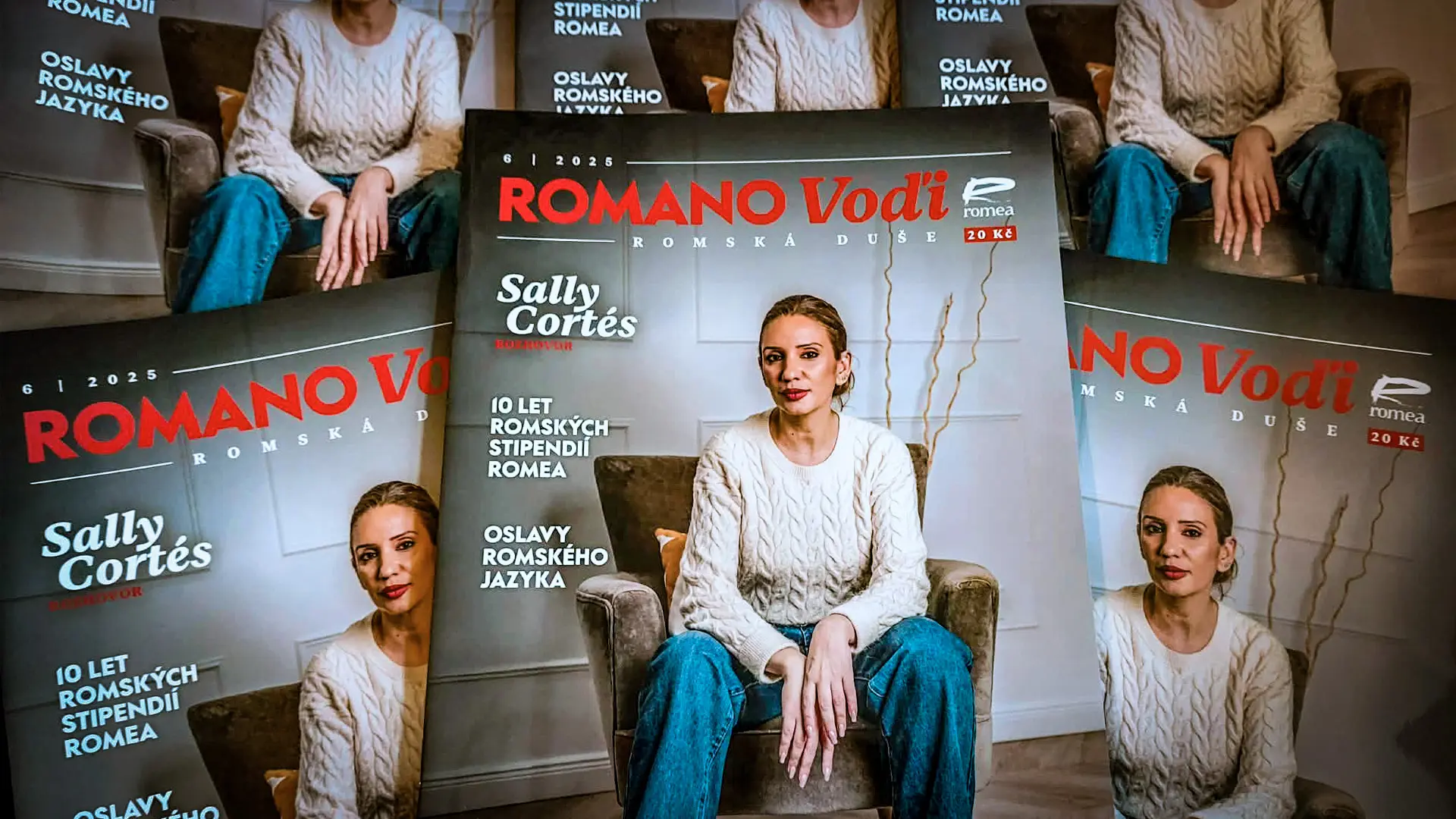
“The first step must be taken by oneself – to believe that one can achieve everything one dreams of,” says Romani writer and activist Sally Cortés in an interview.

Roma in Spain

Published by:

Roma in Spain

An overview of the current situation, progress, and challenges faced by Roma in Spain.

Catalogna: Exhibition

Published by:

Catalogna: Exhibition

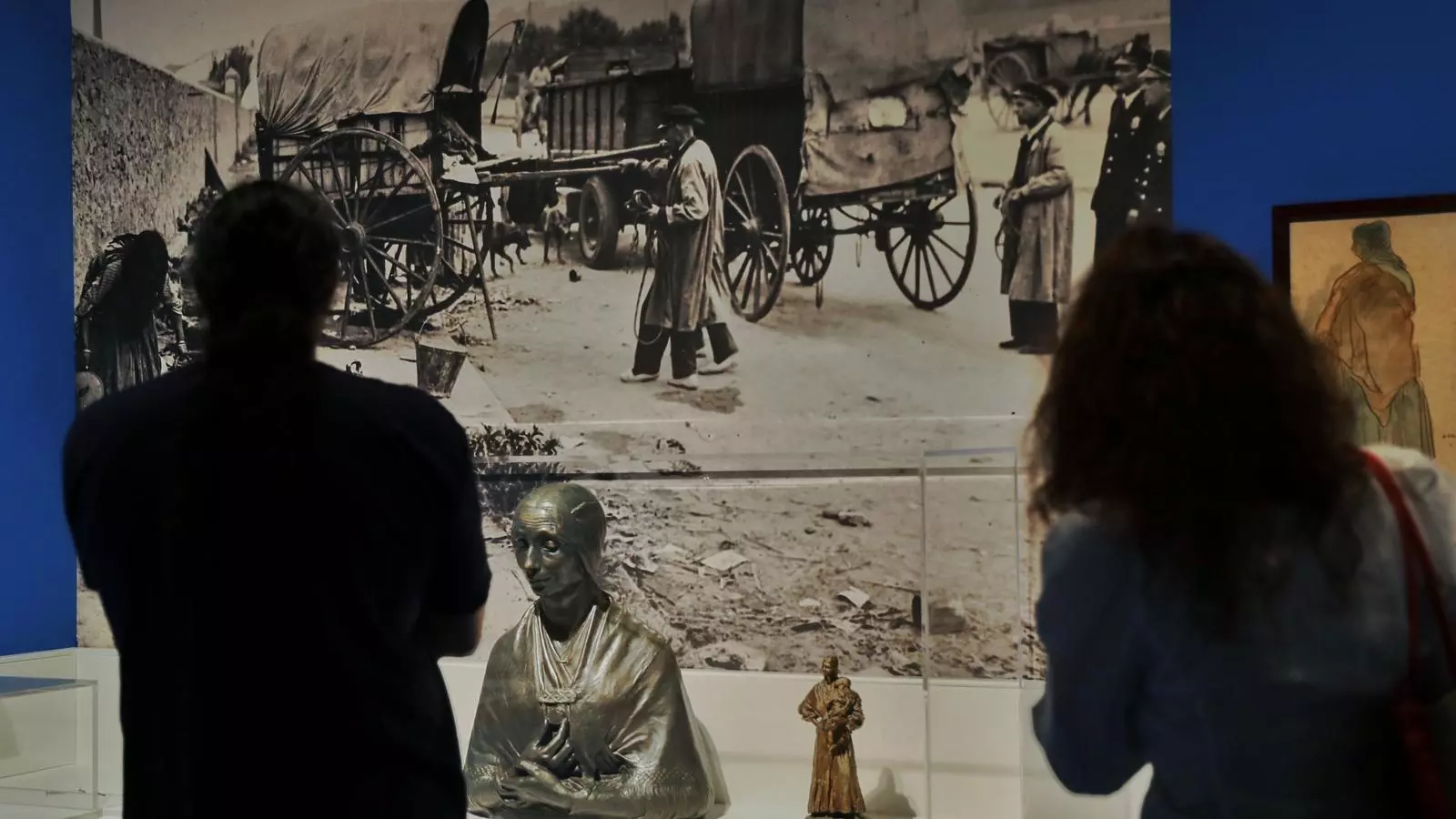
Mercedes Porras, a Romani activist and curator of the exhibition The Roma people in Catalonia: history and culture, which can be seen at the Museum of the History of Catalonia until August 2, 2026 is part of the commemoration of the 275th anniversary of the Great Raid of 1749 and the 600th anniversary of the arrival of the Roma people to the peninsula.

Spain: Commemoration

Published by:

Spain: Commemoration

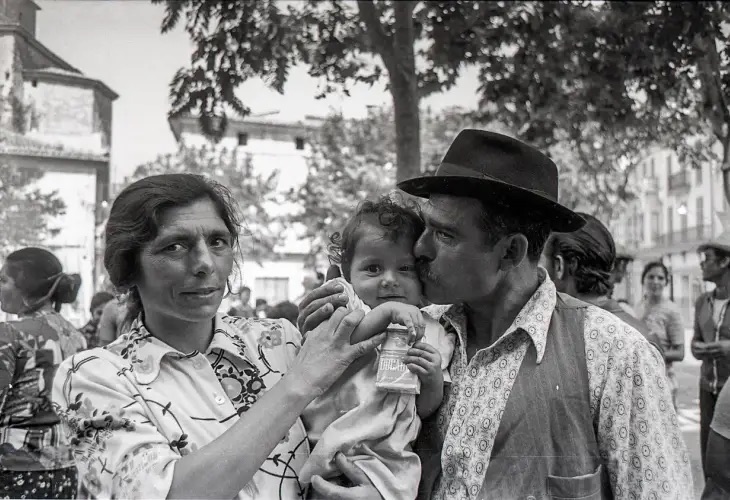
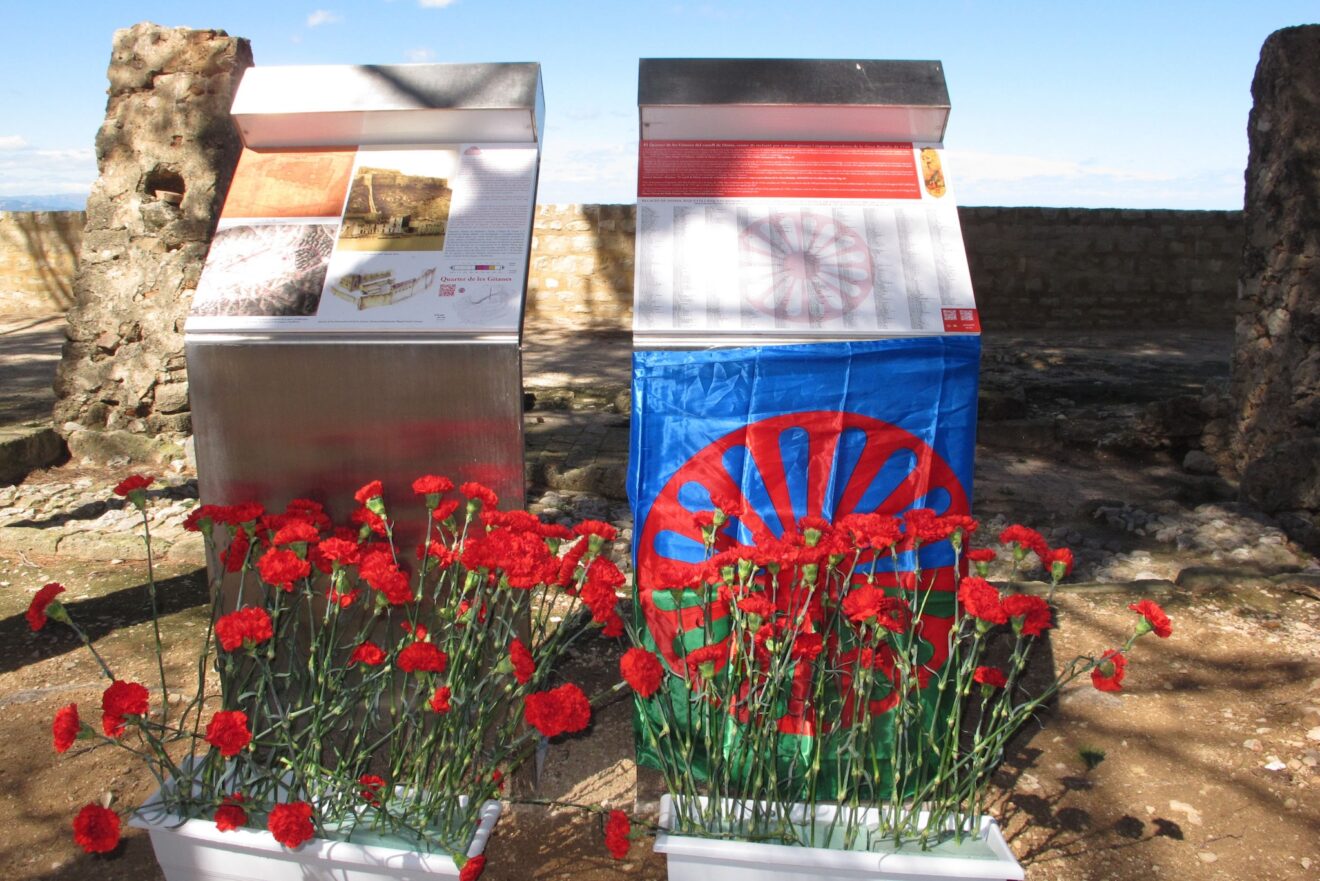
The Spanish city of Denia commemorated the liberation 275 years ago of nearly 300 Romnja and children who were arrested in a raid against Roma in 1749 that took place throughout Spain, incarcerated in the local fortress and only liberated a year later.

Roma and Statistics

Published by:

Another one of those “statistics”. Here, it states that only 29% of Roma are getting the minimum living income. It then proceeds to conclude that 71% of Roma who are entitled to this benefit are not receiving it.

Spot the issues? 1. How many Roma are there? No one knows for sure. 2. The author is assuming that all Roma are poor. Which is not the case.

Bad journalism, even worse arithmetics.

rroma.org
en_GBEN