Category Archives: Czech Republic

Czechia: Award

Published by:

Czechia: Award

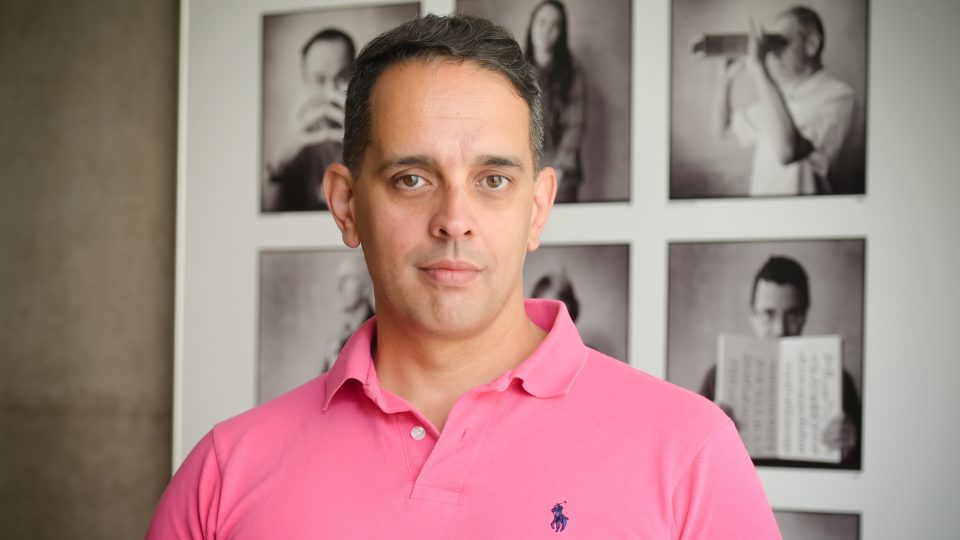
Milan Bindatsch is this year’s winner of the Milena Hübschmannová Award for Contribution to Romani Language, which is awarded by the Department of Romani Studies of the Faculty of Arts, Charles University on the occasion of International Romani Day. He works as a teaching assistant at the Ibsenova Elementary School in Ostrava, where, in addition to his regular teaching work, he also focuses on developing the language skills of Romani children.

Funky Brothers

Published by:

Funky Brothers

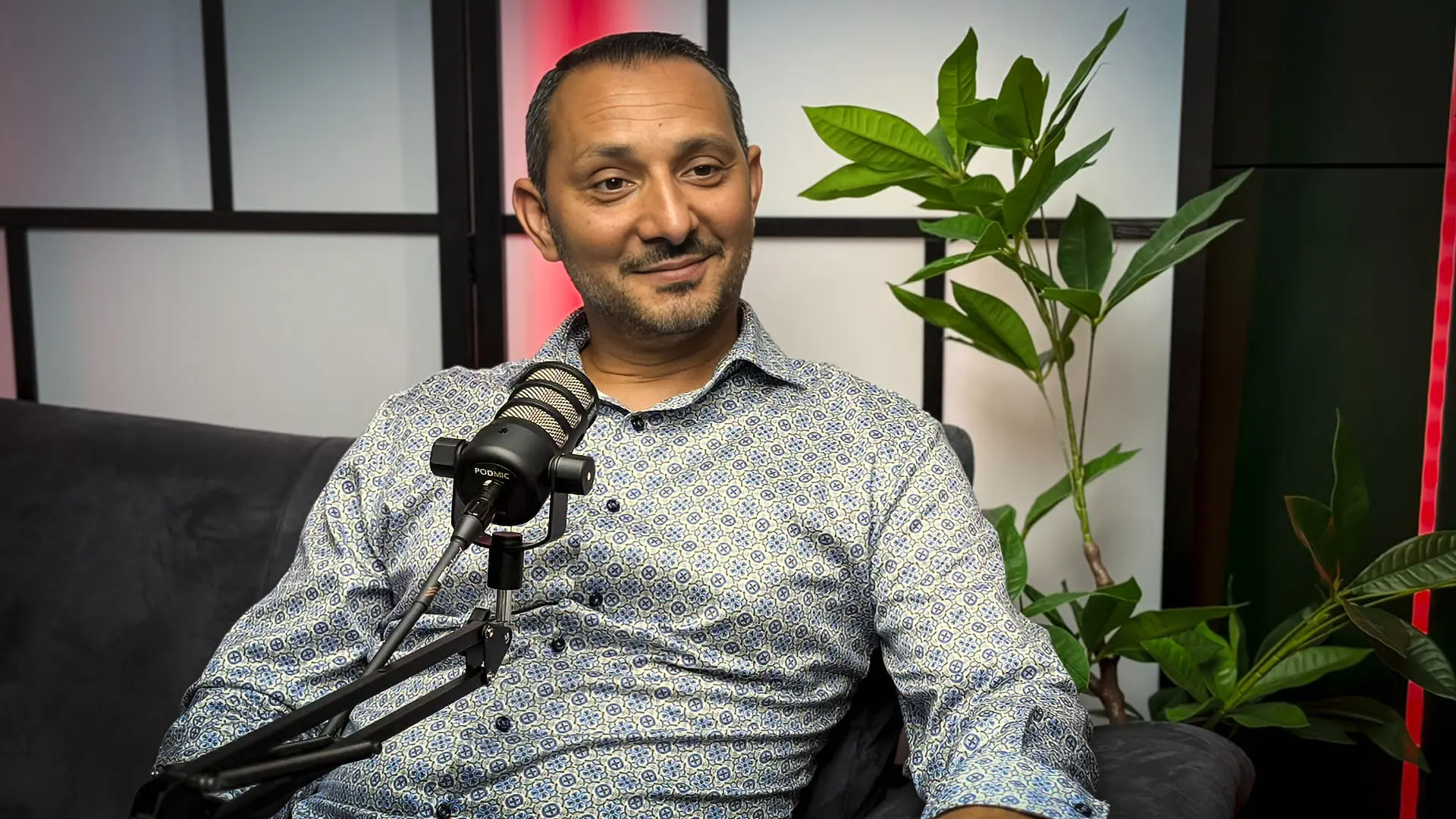
The band Funky Brothers became one of the most significant Roma music projects of its time. In the 147th episode of the Desetiminutovka program, musician, rapper and producer Ladislav Cirok talks about his first successes, the end of the group, the transformation of the music scene and why he helps young talents in his studio today, even though they sometimes don’t even have money to pay.

Czechia Podcast

Published by:

Czechia Podcast

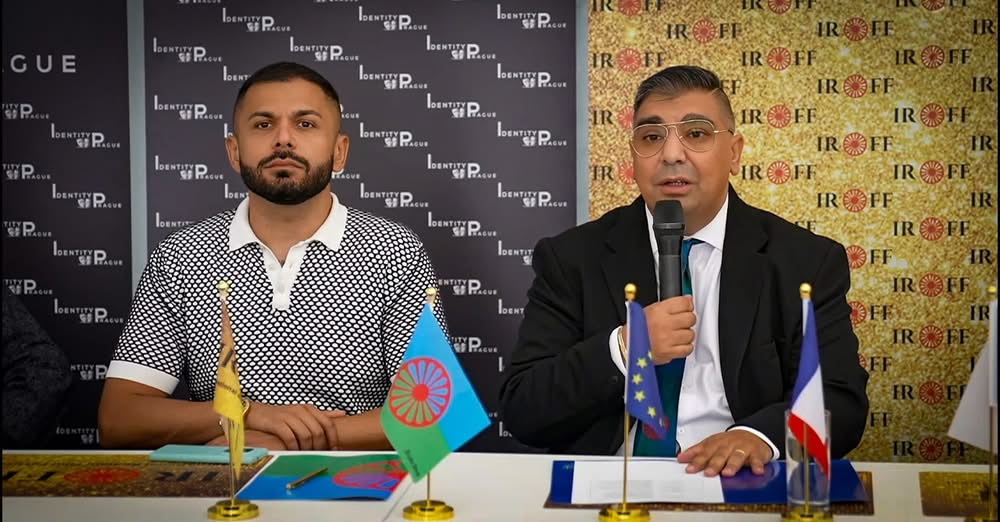
In the twenty-second review episode of the SODAcast podcast, its authors Zdeněk Ryšavý and Patrik Banga return to this year’s celebrations of International Roma Day, the reception of Roma personalities at Prague Castle, and the debate on changes in the Agency for Social Inclusion. They also address the case of Václav Sivák, who wore a sweatshirt with a Russian flag at a press conference, the police crackdown on children in Most, and other events of recent weeks.

Romanes in Czechia

Published by:

Romanes in Czechia

According to estimates, there are about a quarter of a million Romani people living in the Czech Republic, but only a portion of them speak Romani. About a third of the youngest generation speaks the language. Romani scholar Marie Podlahová Bořkovcová is trying to reverse this trend not only through teaching, but also through competitions, workshops and literature. “There are also those who are ashamed of speaking Romanes, because being a Rom among children today is not easy,” she says in an interview.

April 8th – Czechia

Published by:

April 8th – Czechia

The Czech president Pavel received two dozen Roma for the April oth celebration.

International Roma Day

Published by:

International Roma Day

A recapitulative of the events and people who were involved in the first World Roma Congress which led to the recogintion og the International Roma day on April 8th.

April 8th in Prague

Published by:

April 8th in Prague

President Petr Pavel and Eva Pavlová will receive Roma community leaders at Prague Castle on the occasion of International Roma Day. According to information from the Romea.cz server, a total of 20 Roma men and women are expected to attend. Almost half of them are graduates of the educational program Supporting the Social Inclusion of Roma through Community Development and Entrepreneurship, which was implemented by the Ministry of Labor and Social Affairs. The three-year program involved 80 participants from 11 regions of the Czech Republic. The names of the specific participants have not yet been published.

Condemnation

Published by:

Condemnation

The Regional Court in Ostrava has sentenced a group of three men and one woman, who according to the indictment were led by 23-year-old Enrico Pešta, known as the Roma rapper Hard Rico. He was sentenced to four years in prison for robbery and extortion and must pay two million crowns. Two other defendants were sentenced to five years in prison, and Hard Rico’s former girlfriend was sentenced to three years in prison.

Vera Bila

Published by:

Vera Bila

Věra Bílá, who was born on May 22, 1954 in Rokycany as one of Karol Gini’s six children, was a phenomenon of Romani music at the turn of the millennium. She sang for Bill Clinton at the White House, filled the Paris Olympia and was on her way to becoming the most famous Czech singer in the world. However, her career was later affected by the deaths of her husband, son and gambling. In March, we commemorate the seven-year anniversary of her death.

Jakub Jarý

Published by:

Jakub Jarý

Jakub Jarý’s life journey proves that if a person really wants to, he can overcome obstacles that may seem insurmountable to others. He is now a medical doctor in Czechia.

Even though he comes from an excluded locality and grew up in a working-class family, he was set up from the beginning to want to fight for a better life. As he himself says: “No shortcuts will help and in the long run they will not bring anything good, I am convinced of that. If young people want to live in better conditions than the ones they grew up in, they can only achieve this through diligence and work.”

The Roma rapper Hard Rico

Published by:

The Roma rapper Hard Rico

The Regional Court in Ostrava heard a case involving a group of four men and one woman, allegedly led by 23-year-old Enrico Pešta, known as the Roma rapper Hard Rico. The members of the group face five to seven years in prison for robbery and extortion. Hard Rico pleaded guilty in the courtroom, the prosecutor is asking for six years in prison for him. The verdict will be handed down in April.

Bad.

Social Inclusion Agency

Published by:

Social Inclusion Agency

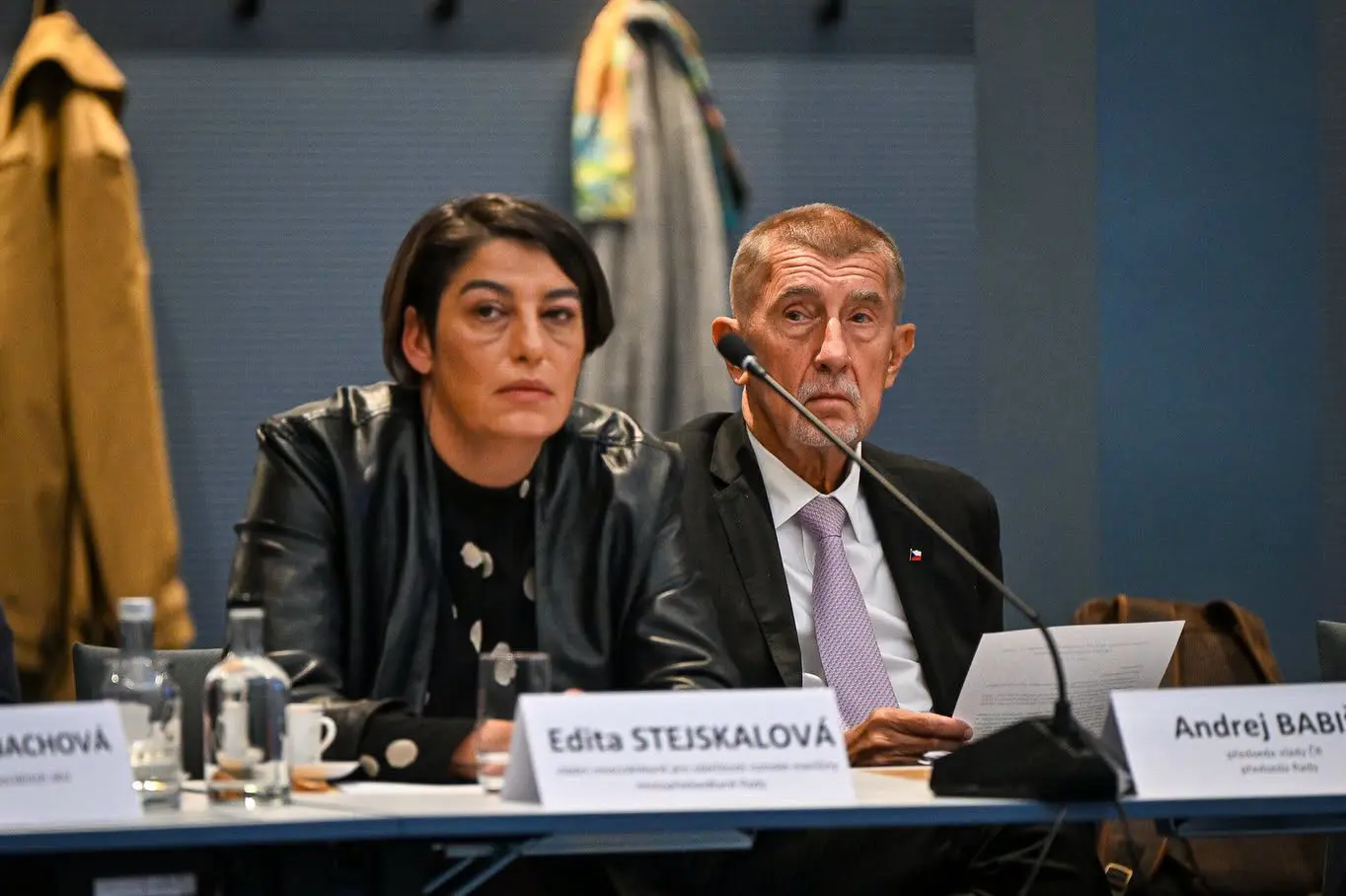
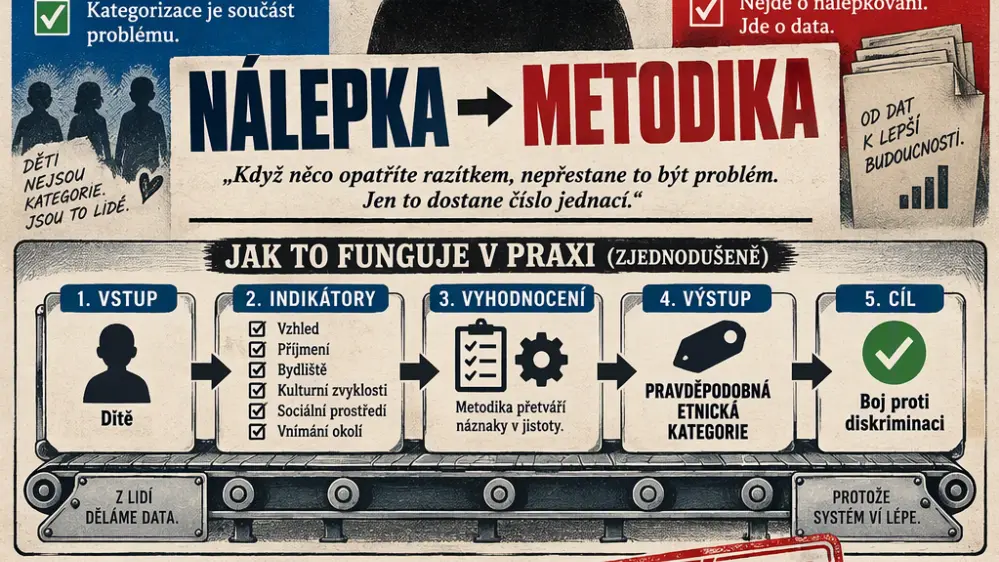
The Czech Social Inclusion Agency, an agency whose goal was the inclusion of Roma, is being restructured. Unions in the Agency are calling of a strike, and several Roma organisations have expressed concerns.

In a statement to the news server Romea.cz, the Government Commissioner for Roma Minority Affairs Lucie Fuková stated that the Agency for Social Inclusion has moved away from its original mission over the years, which was to support the integration of Roma and address the situation in socially excluded localities. She criticizes the lack of measurable results, transparent data and real participation of Roma and also refers to the conclusions of the Supreme Audit Office from 2024. According to her, it is therefore appropriate to consider a fundamental transformation and readjustment of the social inclusion agenda.

Czech TV Show

Published by:

Czech TV Show

Roma are often talked about in the Czech Republic, but much less are they actually listened to. The guest of the 21st episode of the SODAcast podcast is Iveta Millerová, who describes why, in her opinion, the public debate does not see the whole, what the limits of institutions are, and why no fundamental change will occur without the will of the families and communities themselves.

Every Child has a Chance

Published by:

Every Child has a Chance

An open discussion will be held on the 17th of March in the Teologická fakulta, Jihočeská univerzita v ČB,  in České Budějovice. The discussion meeting is intended primarily for representatives of city administration, schools, kindergartens and the professional public. Together they will focus on current topics related to supporting children not only in education, sharing practice, experiences, opinions and opportunities for mutual cooperation. The aim of the meeting is to create a space for dialogue and inspiration for further steps towards quality and fair education for every child.

Social Inclusion in Czechia

Published by:

Social Inclusion in Czechia

The Ministry of Regional Development is preparing organizational changes that, according to information from the Seznam Zprávy server, could actually mean the end of the Social Inclusion Agency. Since 2008, it has been helping municipalities solve problems in socially excluded localities.

According to information from Seznam Zpráv, the current Department of Social Inclusion is to be merged with the Department of Housing Policy. In practice, this could mean a fundamental limitation of the activities of the Agency for Social Inclusion, which currently employs around a hundred employees and operates directly in the regions, where it helps municipalities prevent social exclusion.

Memorial Service

Published by:

Memorial Service

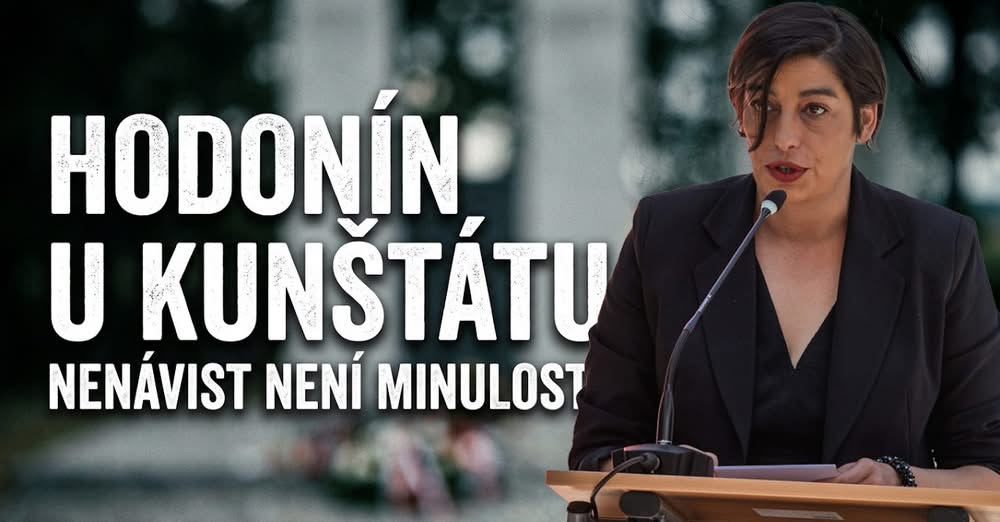
ROMEA TV broadcasted a live coverage of a memorial service in Prague’s Ruzyne on Tuesday, March 10, at 3 p.m., commemorating the Roma and Sinti Holocaust victims. The memorial service took place at the former forced labor camp, from where Roma and Sinti were deported to the Auschwitz II – Birkenau extermination camp in March 1943.

Movies and Roma

Published by:

Movies and Roma

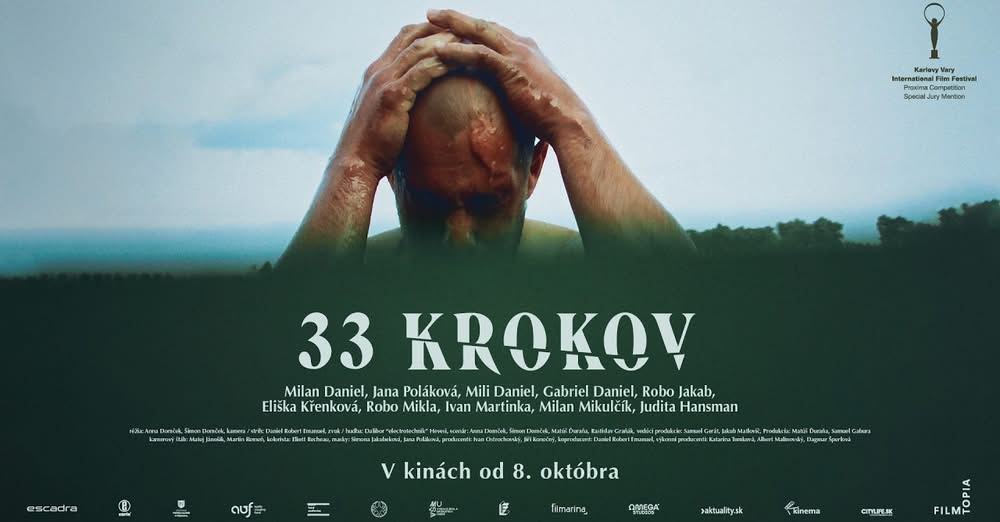
An interview with Nick Ferenc, a Romano actor. On social media, he breaks down prejudices and humorously breaks down stereotypes that he himself struggles with. In the podcast Hlas Heroine, he describes how difficult it is for a Romani actor to break free from pre-given expectations and not just play flat caricatures. For example, he sees a positive change in his role in the upcoming series from the creators of the hit Most!, where he plays a prisoner. “It was important to me that I didn’t play ‘Roma’.

As he himself says, even top screenwriters can throw away their talent and write a flat caricature when writing Romani roles.

Romano Vod’i

Published by:

Romano Vod’i

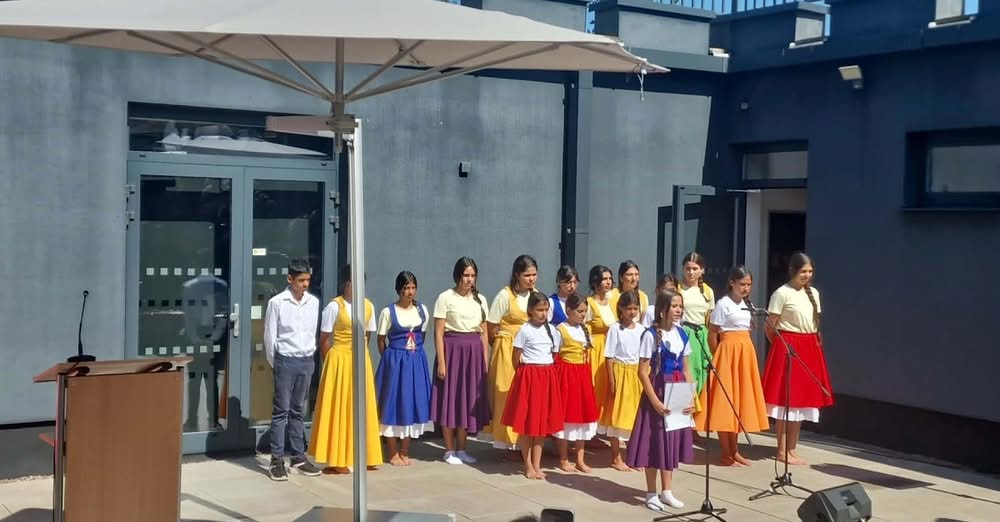
Rehearsals for the Romano voďi (Roma Soul) singing group take place regularly every Tuesday. For the children, it is a fixed point in the week that they look forward to. “We rehearse in the facilities of the Mutual Coexistence organization on Bieblová Street in Ostrava,” says Milan Giovanni Bindatsch. However, it is not just about “singing”. According to him, the key is to work systematically and sensitively. “It’s not just about singing itself, but mainly about working with the voice and listening to others so that the children sing in harmony with each other and don’t shout at each other,” says Bindatsch.

Roma and Czech Politics

Published by:

Roma and Czech Politics

Romani activist and founder of Ara Art association David Tišer announced at the beginning of this year that he will leave the Council of the Czech Republic because of the issues of the Romani minority. That fulfills the function of the advisory body of the state. Tišer made his decision based on the fact that he was reacting to the development of the political environment in the Czech Republic. “Okamura and Turek are not among the people I can trust, who will push the Roma issue forward,” he explains in an interview.

Halgata

Published by:

Halgata

Long and sad Roma songs that sing about losses, poverty and injustices – the so-called halgáta. This musical tradition, which is passed down from generation to generation among the Roma, could gain official recognition. Dozens of people, including researchers and members of the Roma community, are trying to register halgáta on the national cultural heritage list.

rroma.org
en_GBEN