Category Archives: Bosnia

Bosnia and Fascism

Published by:

Bosnia and Fascism

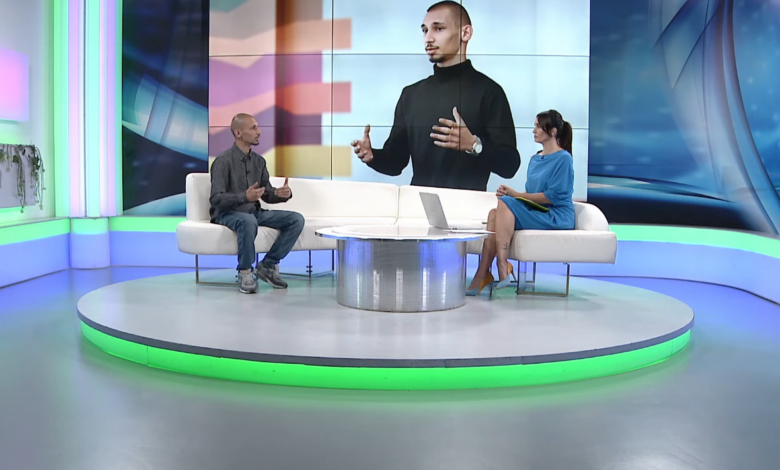
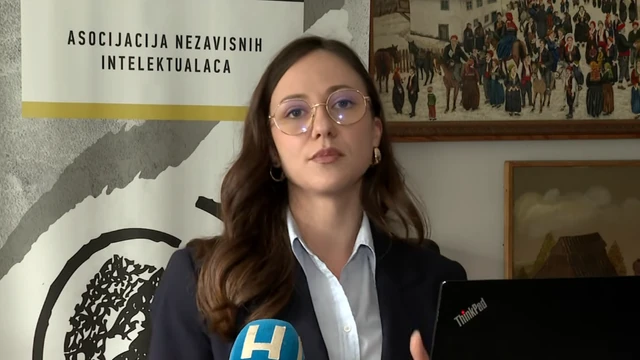
Young artist, author of the book “Cactus in an Orchid Field” and human rights activist Almir Agić, guesting on “Sarajevo Morning”, drew attention to the worrying level of hate speech and prejudice that the Roma community faces every day in public space.

On this occasion, Agić decided to speak about the worrying comments directed at young men and women of the Roma population instead of personal successes, emphasizing that dehumanization and racist rhetoric represent a serious problem for the entire society.

“The moment when fascism becomes a solution for something in our public space and society, it is not just a problem for Roma, it is a problem for our entire society.” – Almir Agić emphasized.

Massacre Survivor

Published by:

Massacre Survivor

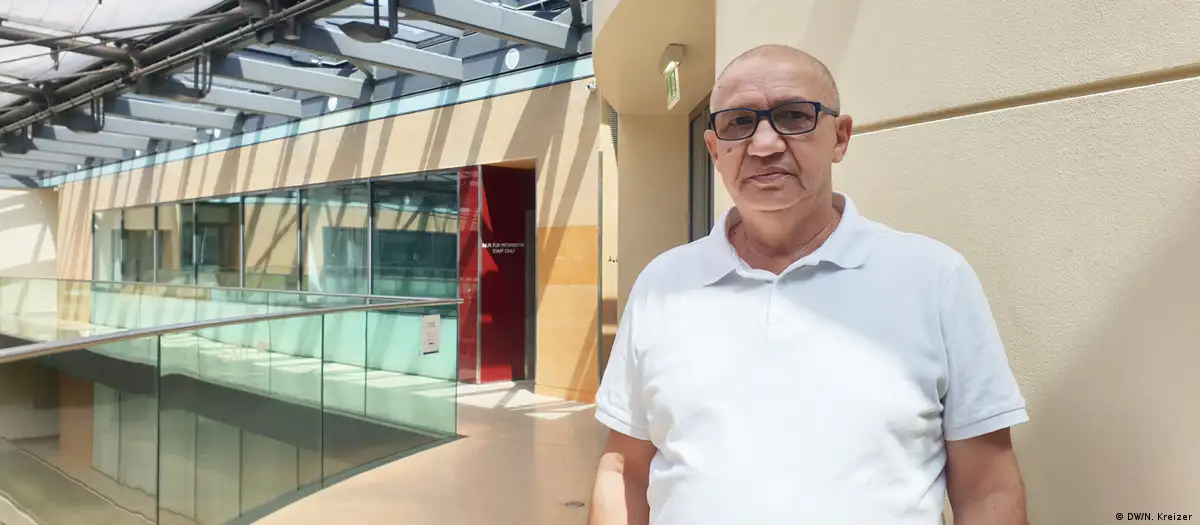
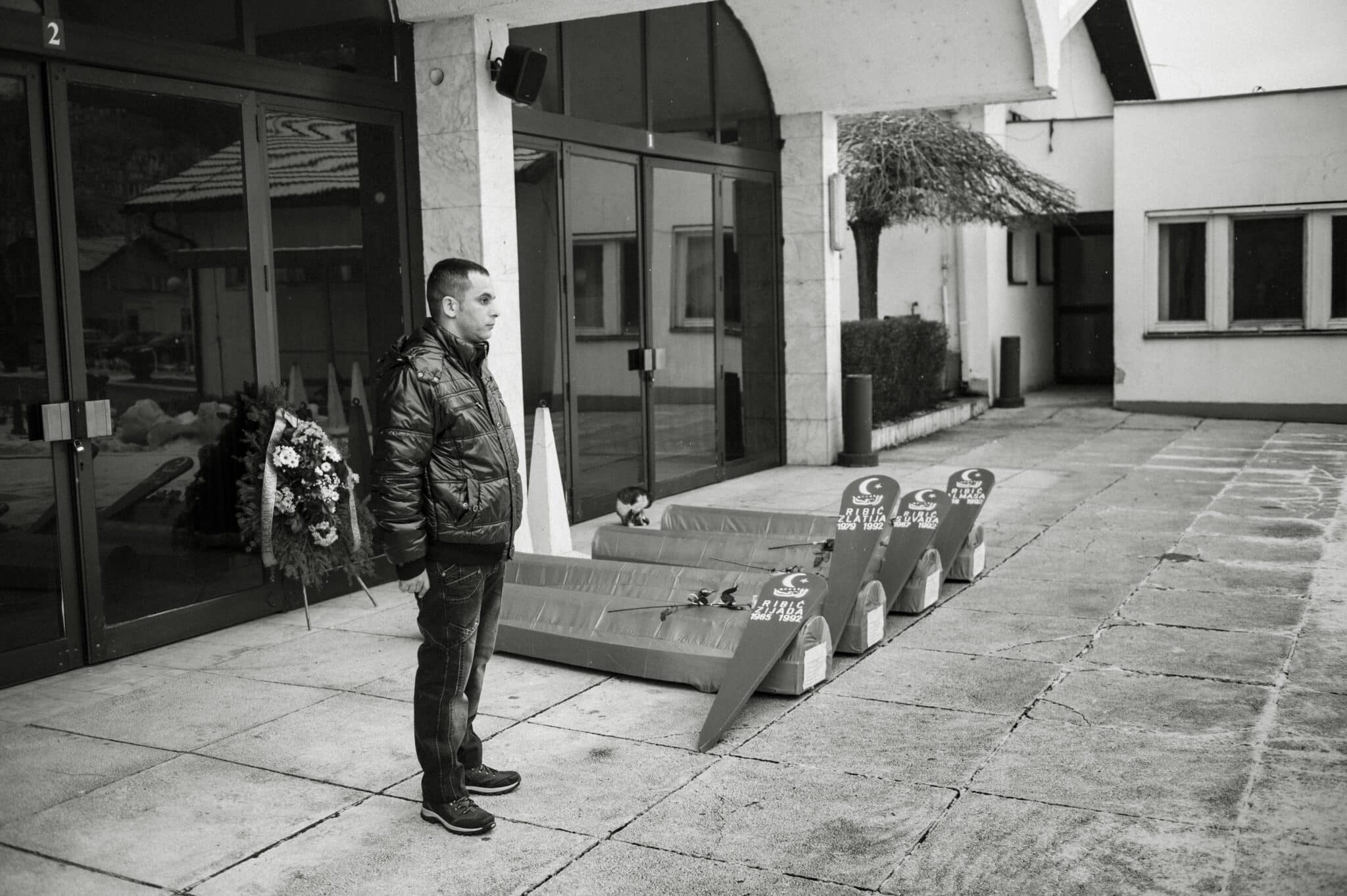
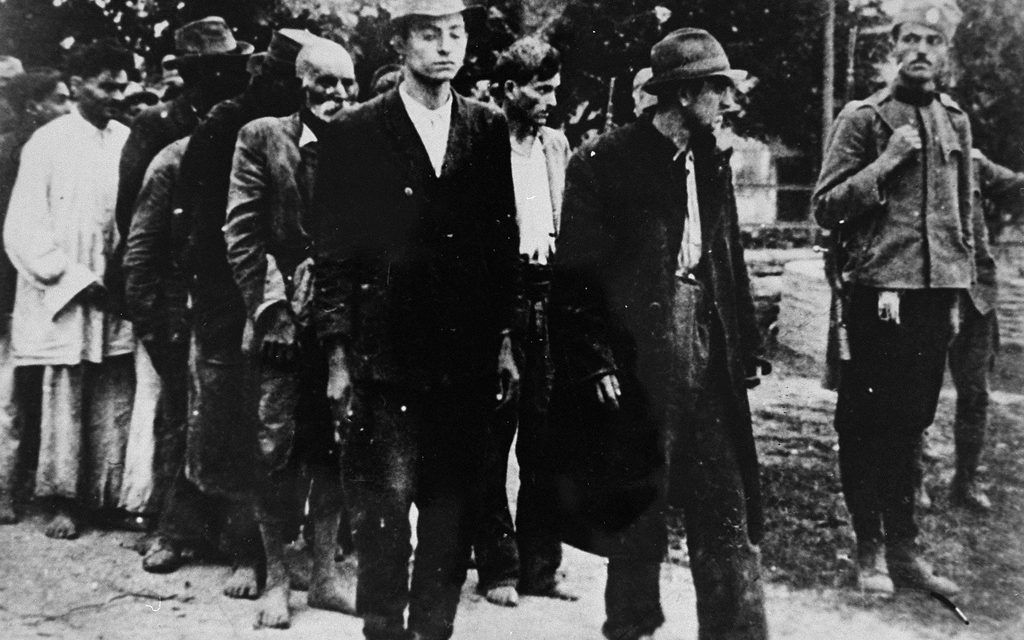
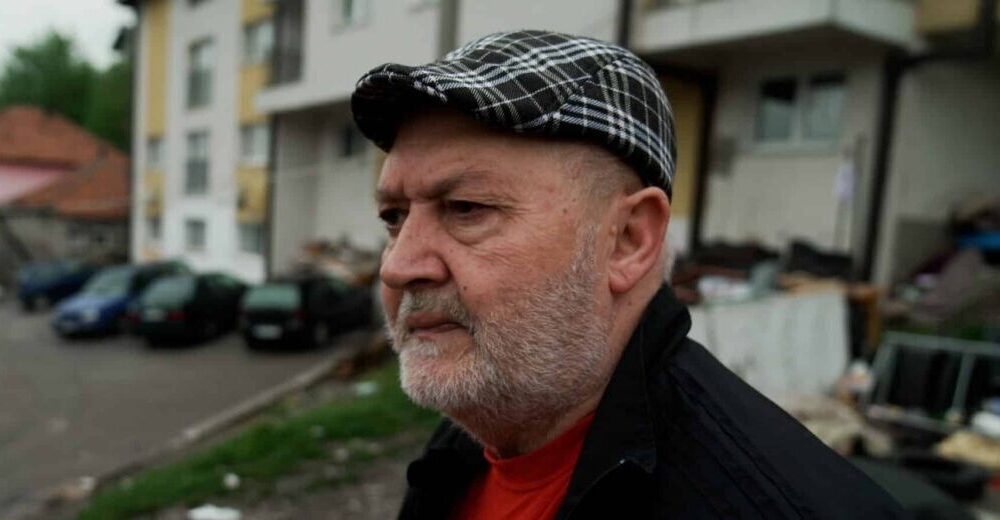
Ribic survived a brutal attack by Serbian paramilitaries, who believed him dead and buried him with his family, but he escaped and was later saved by Serbian soldiers who refused to return him to his attackers.

The Ribic family had previously fled to Serbia to escape ethnic cleansing but returned to Bosnia, where they were ultimately killed in the Skocic massacre, a significant crime against the Roma during the Bosnian war.

The suffering of the Roma community during the war has been largely overlooked, with a recent study highlighting their persecution, and calls for justice remain unfulfilled, reflecting a historical pattern of neglect.

Bosnian War Crimes

Published by:

Bosnian War Crimes

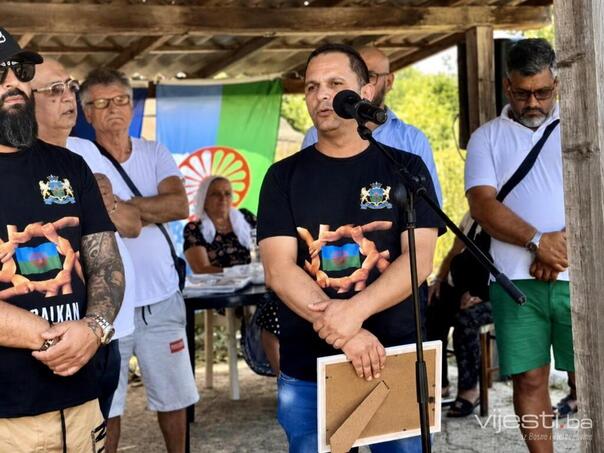
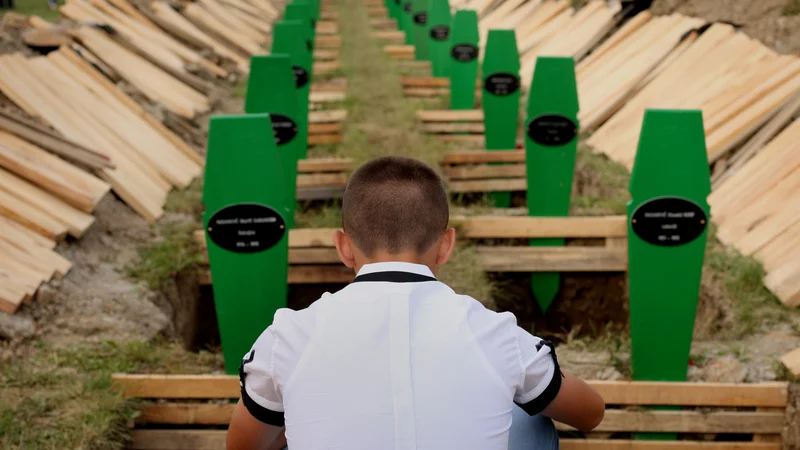
July 12 marks the 34th anniversary of one of the most serious and monstrous crimes committed against Roma civilians during the war in Bosnia and Herzegovina.

On the Orthodox holiday of St. Peter’s Day in 1992, members of a paramilitary formation known as “Sima’s Chetniks” carried out a massacre of the inhabitants of the Roma settlement of Skočić near Kozluk, near Zvornik.

After looting, brutal beatings, torture, rape and humiliation, they captured members of Roma families and then took them to the hamlet of Hamzići near Malešić, where they were shot and thrown into a pit.

28 Roma civilians were killed in the crime, including nine children and one pregnant woman. This massacre is considered the largest single war crime against Roma committed in Bosnia and Herzegovina.

Conference in Bosnia

Published by:

Conference in Bosnia

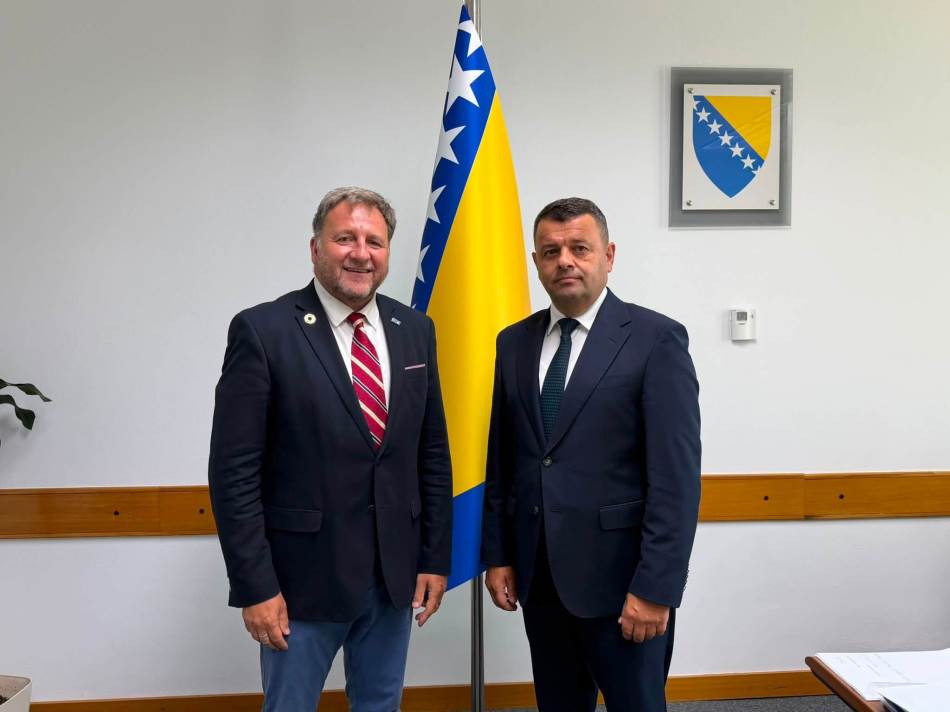
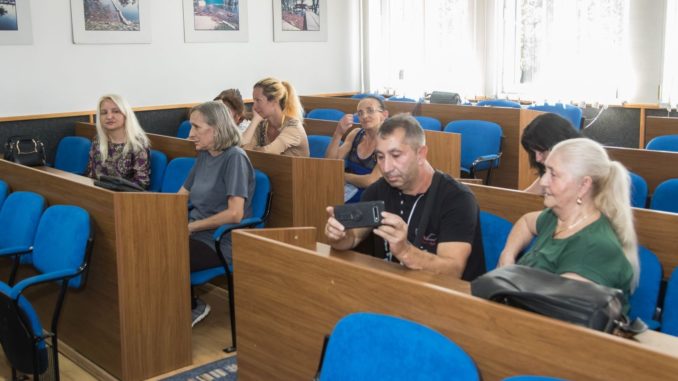
A conference supported by the OSCE Mission in Bosnia and Herzegovina focused on the political participation of national minorities and proposed changes to the electoral law to ensure their representation at various government levels.

Council Chairman Mujo Fafulić emphasized the need for guaranteed seats for national minorities in the electoral law, aiming for representation by 2028 and 2030.

OSCE officials highlighted the importance of inclusive decision-making and the ongoing challenges in implementing legal protections for national minorities in Bosnia and Herzegovina.

Bosnian Unity

Published by:

Bosnian Unity

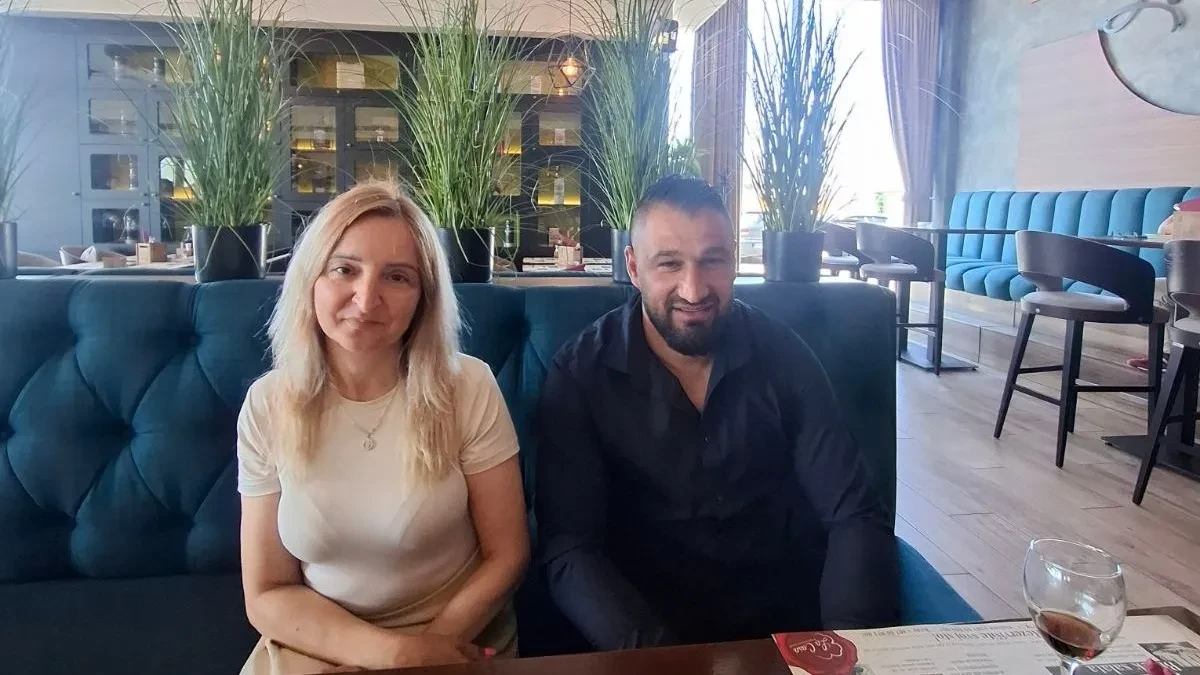
Leaders of Roma organizations in Bosnia emphasize unity among Roma to improve living conditions, education, and employment opportunities. Future collaboration will focus on joint projects, youth support, and preserving Roma culture while strengthening ties with local communities.

The situation for Roma in Bosnia and Herzegovina is gradually improving, with education and community involvement seen as key to further progress.

Integration in Bosnia

Published by:

Integration in Bosnia

Although the Roma community in Bosnia and Herzegovina continues to face numerous challenges, examples from Gradiška and Prnjavor show that the position of the Roma has been changing for the better in recent years.

Romano David Bowie

Published by:

Romano David Bowie

Jovan Živadonović Džipsii, a Roma musician from Zaječar who is called the Roma David Bowie, will perform this Saturday in front of the Sarajevo audience at the Hemingway’s Bar club.

Bosnia and Hercegovina

Published by:

Bosnia and Hercegovina

An interesting article stating that the younger generation in Bosnia and Hercegovina is asking for a change in the country, and for stopping the ethnic divide. This ethnic divide is particularly bad for minorities, Roma, Jews, Turks, who de-facto are not represented and are nowhere at home.

Yugoslav Wars

Published by:

Yugoslav Wars

An interesting  article about Roma victims of the Bosnian war. Among the victims in Srebrenica were also Roma, but this is not recorded, because, like in other parts of the world, Roma also took on local names.

Human rights lawyer Lejla Hadžimesić talks about what went wrong, so that the process of reconciliation and dealing with the past in Bosnia and Herzegovina stopped years ago and started the journey back. She cites Milorad Dodik’s speech about secession fifteen years ago as a turning point. She sees this situation as the reason why it was (only) three decades after the war that the space for researching Roma victims opened up, which she herself is also involved in.

Roma in Bosnia

Published by:

Roma in Bosnia

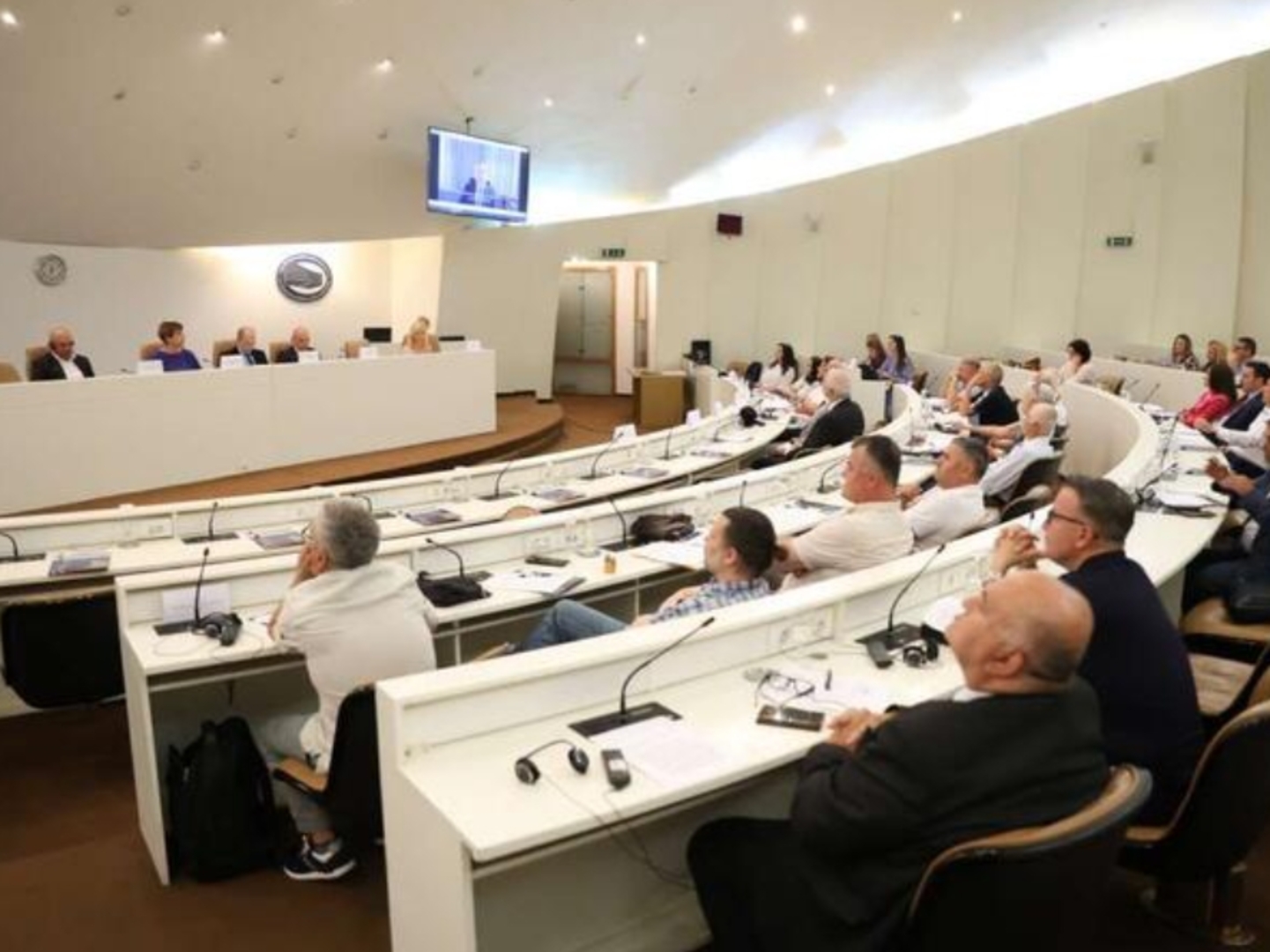
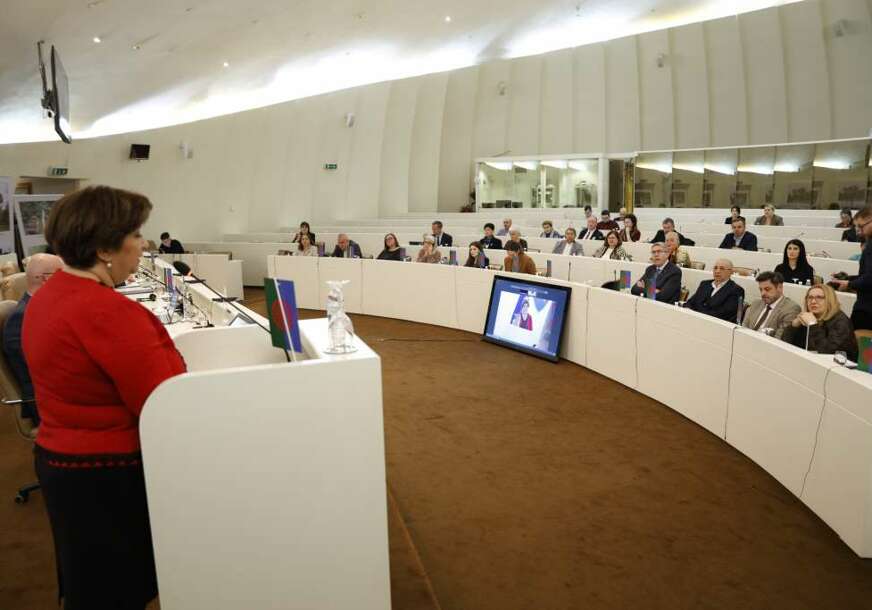
Three decades after the war in Bosnia and Herzegovina, Roma still remain outside the institutional memory, justice and reparations system, although, according to new findings, they were exposed to all forms of war crimes, from murders to expulsions and displacement, it was emphasized at the conference on the suffering of Roma in the period 1992-1995.

The conference was held in the building of the Parliamentary Assembly of Bosnia and Herzegovina under the title “Through Truth to Justice: Thirty Years of Silence on the Suffering of Roma in the Period 1992-1995”, within the project “Improving Roma Participation in Transitional Justice in BiH”, funded by the Government of the United Kingdom.

Bosnia: Women Project

Published by:

Bosnia: Women Project

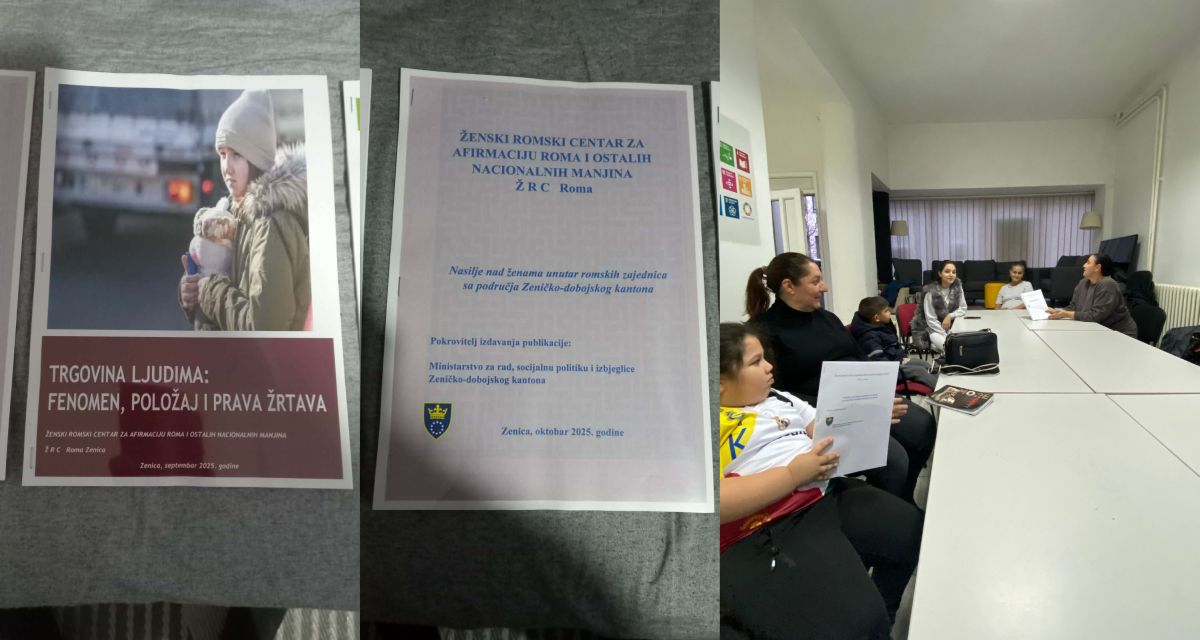
The Women’s Roma Centre for the Affirmation of Roma and Other National Minorities (ŽRC Roma), a newly established association that works to protect and promote the rights of Roma women and women from other national minorities, has successfully completed the implementation of its first project.

This is a project entitled “Promotion and marking of important international dates with the aim of drawing attention to the position of Roma women from the city of Zenica and other cities of the Zenica-Doboj Canton”, which was implemented with the support of the Ministry of Labor, Social Policy and Refugees of the Zenica-Doboj Canton.

New Book

Published by:

New Book

A new book on the history of Roma in Bosnia and Herzegovina was recently published. It is a joint publication of the Sarajevo University institute for history and the Zagreb Ivo Pilar Institute. It is an important cross disciplinary work featuring many new research and facts about Roma history in the region.

Bosnia and Roma

Published by:

Bosnia and Roma

As part of the Roma Month celebrations, an event was held in Gračanica to promote Roma culture and customs. Traditional Roma music and dance, poetry, an exhibition of famous Roma posters, crafts, clothing, and tools—all of this could be seen and heard as part of the program organized by the “Step into the Future” organization.

Danijel Eminović, a young keyboardist and award-winning student at the “Stevan Mokranjac” Music School, performed the Roma anthem “Đelem, Đelem.” Demir Osmani of the “Step into the Future” organization stated that the aim of this event is to promote Roma cultural heritage.

Muharem Serbezovski

Published by:

Muharem Serbezovski

in Skopje, Muharem is deeply attached to Bosnia and Herzegovina, and especially Sarajevo, which he often calls his “soulmate”.

His name is well-known in the former Yugoslavia, where he gained the status of one of the most famous singers, whose music, inspired by Roma and oriental styles, left an indelible mark on the art scene. He released his first album at the age of only 12. He is also an author and he published a translation of the Bible in Romanes.

Bosnia and Hercegovina – Romanes Day

Published by:

Bosnia and Hercegovina – Romanes Day

A very small number of Roma speak their mother tongue. The question is why this is so. Are the Roma additionally exposed to discrimination due to the use of the Romani language, or is it not being given enough attention? And the activities so far have not produced concrete results.

Ago and Beko from Kakanj speak the Romany language every day, thereby emphasizing their tradition, and the language is passed down from generation to generation in their family. “It’s important for us, it’s part of our tradition. The first language is Romanes, and then it gradually goes to Bosnian.”

rroma.org
en_GBEN