Category Archives: Croatia

Roma in Croatia

Published by:

Roma in Croatia

In Croatia Roma officially constitute a community of around 18,000 people, although the actual number is many times higher.

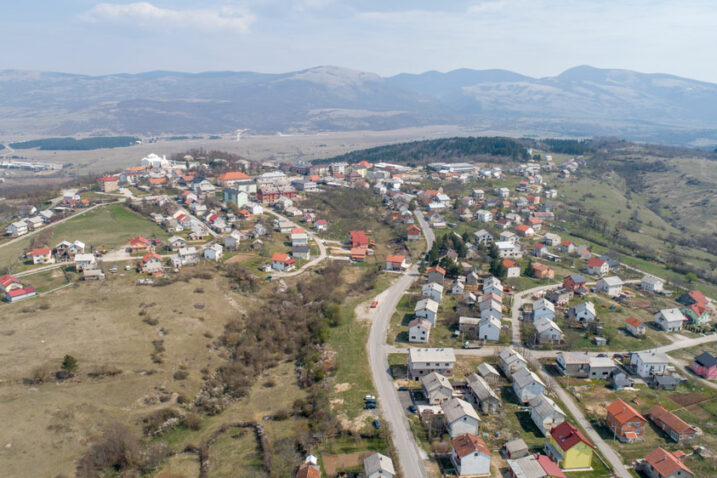
Although the position of Roma has gradually improved in recent years, their social status and level of human rights protection still lag significantly behind the average of the majority population. They are often associated with specific and difficult social and economic circumstances – living in settlements without basic infrastructure, without permanent employment and, especially, without administratively regulated aspects of life, from personal documents and legalization of land and houses to working in the grey zone.

Burgenland

Published by:

Burgenland

On the occasion of International Roma Day, the Roma National High School last week invited young people to a youth event in the Borta Open House (OHO). Young members of the Roma, Croatian and Hungarian ethnic groups participated. The main topic was networking and involving young people in political processes.

April 8th – Croatia

Published by:

April 8th – Croatia

Some of the activities and articles about April 8th in Croatia.

Zagreb and Kris

Published by:

Zagreb and Kris

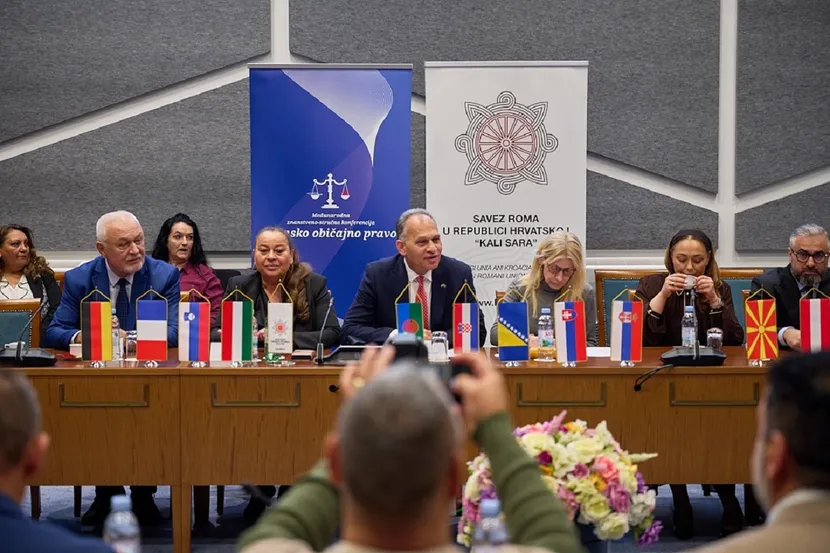
The 2nd International Conference on “Roma Customary Law” opened today at the Zagreb Museum of Contemporary Art, an event that could permanently change the status of Roma tradition on a global scale. The main news of the conference is the launch of an initiative to include Roma customary law, known as Romanipen or the Kriss system, on the UNESCO list of Intangible Cultural Heritage of Humanity.

Croatia: Racism or Not?

Published by:

Croatia: Racism or Not?

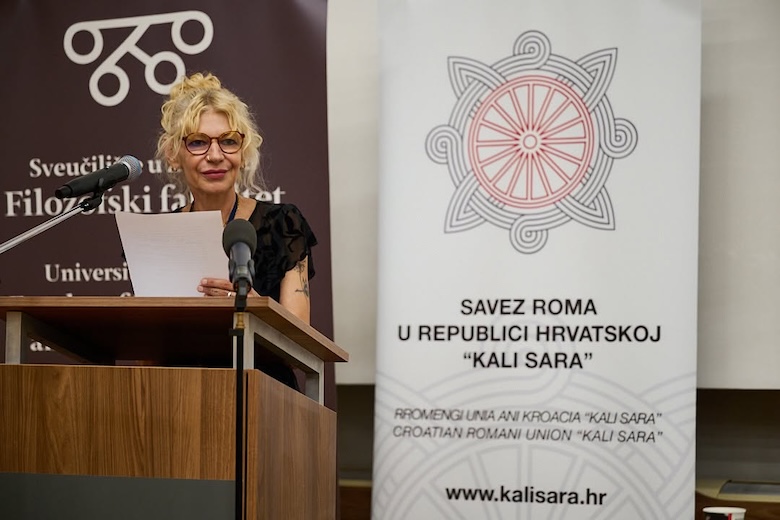
In Premantura, an iftar evening organized by the Croatian Roma Association Kali Sara, led by Suzana Krčmar, to celebrate Ramadan, turned into a dispute between the organizers and the restaurant owner. According to the restaurant, many more guests came, and a 1’800 euro bill was left open.

Croatian MP Veljko Kajtazi also attended the event, who also gave a statement to local media about the incident.

Jovan Živadinović

Published by:

Jovan Živadinović

Jovan Živadinović, a Roma singer and songwriter from Serbia, debuted with the single Sve je isto in July 2021. A year after his first album, he participated in the Eurovision Song Contest 2023 with the song Greh, which led him to the final of the competition.

The second album brings a sonic blend of modern electro pop, club aesthetics and the discreet sensibility of soul and rhythm and blues. Through 19 tracks, the album follows a path of self-exploration, emotional conflicts and attempts to understand one’s own identity, from a short introductory confession by Džipsii’s mother to the final track “Kuda”.

Roma Centre

Published by:

Roma Centre

A Roma centre built in a smal municipality in Istria is raising eyebrows. It is large, luxurious, is reported to have cost 8 million euros, all in a municipality that officially only has 9 Roma residents.

Roma Street Music

Published by:

Roma Street Music

Still more articles on the interdiction of Roma street musicians in some Croatian cities. From Osijek to Sinj, police and local authorities have taken action to expel Roma musicians from public spaces during the holiday season. Is this, as Dubrovnik Mayor Mato Franković insists, just a communal problem (which is being solved quite selectively) or a new front in the culture wars that we have apparently brought into the new year, analised with sociologist Krešimir Krol.

Street Musicians and Politics

Published by:

Street Musicians and Politics

Veljko Kajtazi, the president of the Kali Sara Roma Organisation, reacted to the incident that took place on Christmas Eve in Sinj, where Roma trumpeters were removed from the city square after Mayor Miro Bulj stated that their music was not appropriate for the Christmas atmosphere. Kajtazi said that he believed that Bulj had no intention of insulting the Roma community, but he stressed that it is important to remind people of the fact that Roma are part of Croatian society and its tradition.

“The Roma in Croatia are mostly Catholics, regularly participate in religious life and make pilgrimages to Marian shrines, especially in Marija Bistrica. They also made a significant contribution to the Homeland War,” Kajtazi emphasized.

Speaking about music, he added that Roma musicians have a rich repertoire and that, in addition to traditional Roma songs, they also perform Christmas songs. “My Roma can play ‘Jingle Bells’ and ‘Ederlezi’, especially when they are hired,” he said.

Street Music in Croatia

Published by:

Street Music in Croatia

While in European cities street music is considered part of urban culture and a meeting of different traditions, the debate about banning Roma musicians has reopened in Croatia. In a statement to the Novosti portal, the President of the Roma Association in the Republic of Croatia Suzana Krčmar warns that this does not only call into question playing on the street, but also the acceptance of cultural diversity. She raises the question of whether the ban applies to all street musicians or only to Roma, since foreign and domestic popular music is performed without any problems in the cities.

The article continues by saying that Suzana Krčmar avoided emphasizing that the Roma who played or tried to play in Croatian cities are citizens of Serbia.

Bad.

Roma, Music, and a Mayor

Published by:

Roma, Music, and a Mayor

A huge number of articles in the Croatian press about the mayor of the town of Sinj, Miro Bulj who removed removed the Roma orchestra from the public space on Christmas Eve, even though they played the since years at Christmas. The mayor explained that they were singing “Đurđevdan”, and that it was inappropriate for Christmas Eve, and that anyhow, they were not authorised to play in public. A video contradict this, as it shows him gesturing towards the musicians to leave.

Prior to that, the orchestra played among the gathered citizens, without any visible incident.

Well, depending how you pronounce this mayor’s name, it means an ass in Romanes.

Theatre

Published by:

Theatre

TeatarR, the first and only Roma theatre in Croatia, is visiting Sisak with the play “Prison Flowers” directed by Zvjezdana Bubnjar. After the premiere in Zagreb at the end of November this year, the Sisak audience will have the opportunity to see it on Sunday, December 21, 2025 at 7 p.m. at Theatre 21.

Reactions to the Femicide

Published by:

Reactions to the Femicide

In reaction to the femicide, Vjelko Kajtazi, president of the Kali Sara Roma association said that every time an incident occurs, Roma suddenly have no name and surname.  He was attending a meeting with the vice president Davor Božinović and representatives of the Međimurje local government. The topic of the meeting was the integration of members of the Roma national minority.

Femicide and Racism in Croatia

Published by:

Femicide and Racism in Croatia

in Sitnice, in Northern Croatia close to Slovenia, a man shot two women, killing one, and leaving the other severely wounded in hospital. The two young women were shot in their home in a Roma settlement.

The mayor of Mursko Središće stated that the Sitnice Roma settlement is one of the safest in the country.

A large number of Croats, especially from Međimurje, reacted with hate speech in comments on social networks, without any sympathy for the young woman who lost her life, mocking the Roma and calling for their murder or extermination and the abolition of social assistance.

This is a classic example of femicide, which is a growing problem worldwide, including in Croatia.

Croatia and Revisionism

Published by:

Croatia and Revisionism

From the massive concert by Thompson, a Croatian music legend known for his far-right sympathies, which drew 450,000 people to Zagreb in July, to the attacks by hooligans on Serbian cultural events in November, tensions have been escalating in recent months, notes Florian Bieber of the Austrian University of Graz.

“We are seeing both a rise in historical revisionism and an increase in threats against those who think differently,” explains the researcher. This process is accompanied by numerous attempts to rehabilitate the Ustaša, the pro-Nazi regime that ruled during World War II. “This isn’t new, but it has accelerated and intensified this year,” adds Mr. Bieber.

We reported also on the fact that a “debate” on the victims of Jasenovac was held in the premises of the Croatian Parliament, denying the fact that Jasenovac was an extermination camp.

Nevertheless, thousands of Croatian manifested against this revisionism and the extreme right.

Croatian Revisionism

Published by:

Croatian Revisionism

Last month, a roundtable was held in the Croatian parliament on the Jasenovac camp which was organized by the DOMiNO and Croatian Sovereigns parties. It was attended by historical revisionists Igor Vukić and Nikola Banić, as well as of Milorad Pupovac (SDSS).

“According to credible sources, Jasenovac was not a death camp, during the roundtable. He and his interlocutors denied the official number of victims cited by the Jasenovac Memorial Site Public Institution (JUSP) citing 83,145 people killed there, among which more than 20’000 children. According to these revisionists, there were only children from neighbouring regions attending vocational schools.

The question arises as to who allowed revisionists and deniers of the crimes in Jasenovac to hold a debate and how is it possible that for denying the Holocaust in other European Union countries you end up in prison, but in Croatia you get a hall in the Croatian Parliament.

Croatia: Integration

Published by:

Croatia: Integration

Međimurje County invited citizens to vote online to support the story of the Međimurje Sports Network about Vjeran Balog from Parag, which has entered the competition for the best journalistic work on the topic of inclusion and tolerance in the community.

The story follows Vjeran Balog, a football coach dedicated to working with young people, who last week became the first Roma to hold a coaching diploma from the Croatian Football Federation (HNS). His example shows how motivation and focus can overcome great obstacles.

Croatia and Roma

Published by:

Croatia and Roma

The Deputy Prime Minister of the Republic of Croatia and Minister of the Interior, Dr. sc. Davor Božinović, paid an official visit to Međimurje County. The topic of the meeting was community security, strengthening interdepartmental cooperation and the continuation of projects that contribute to better integration of the population, especially in Roma settlements.

As part of the visit, Minister Božinović visited Kuršanec Elementary School, where he met with Roma helpers in class.

Croatia: Living together

Published by:

Croatia: Living together

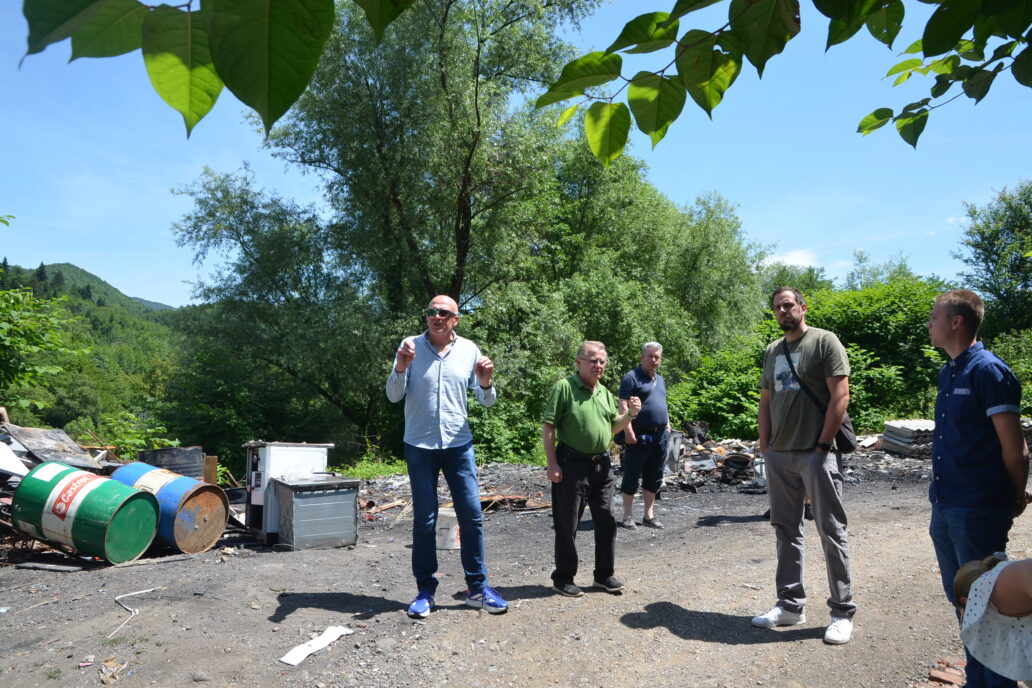
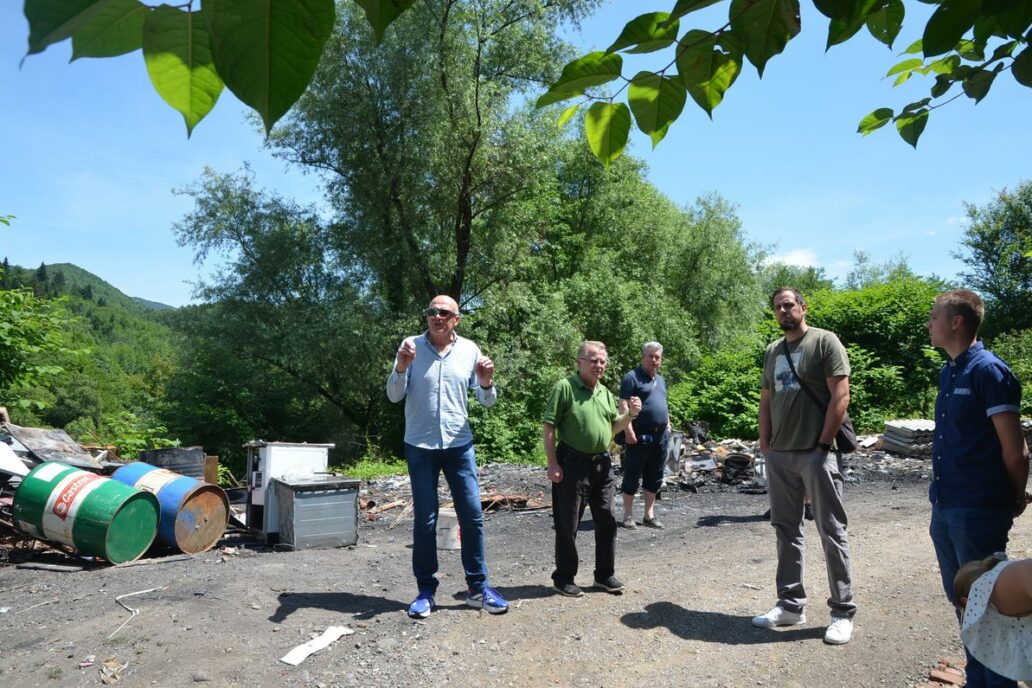
The deputy mayor of the Pribislavec Municipality, a Rom, Rajko Kovačić, spoke out, expressing great dissatisfaction at the stop of the work in the Roma settlement aimed at preventing the illegal dumping of garbage. Ther cause of the stop seems to be tensions within the municipal council.

rroma.org
en_GBEN