Category Archives: Slovenia

Education in Slovenia

Published by:

Education in Slovenia

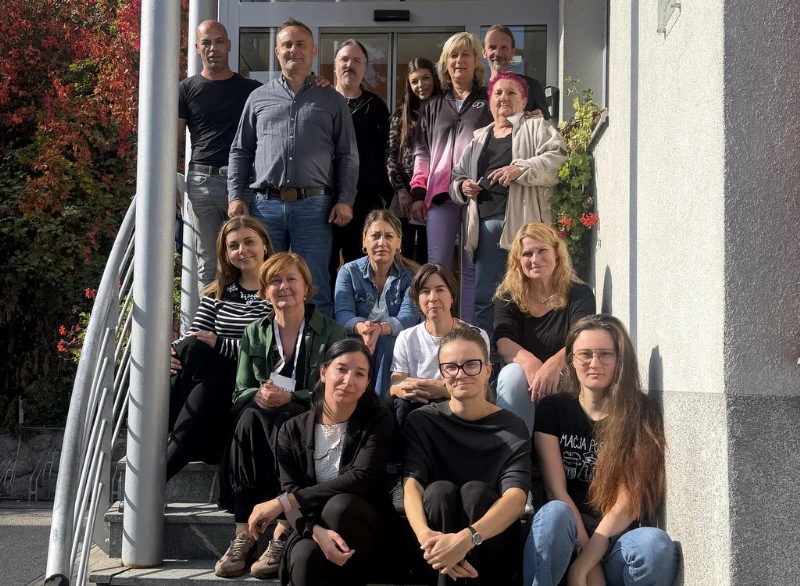
Eleven Roma students from the Kher šu beši Day Center visited the mayor of Trebnje, Mateja Povhe, after regularly attending school and center activities. The mayor emphasized the importance of education for achieving their dreams and encouraged the children to continue attending school for better opportunities.

The municipality of Trebnje is actively promoting the inclusion of Roma children in education, recognizing it as essential for their personal development and successful integration into society.

Education in Slovenia

Published by:

Education in Slovenia

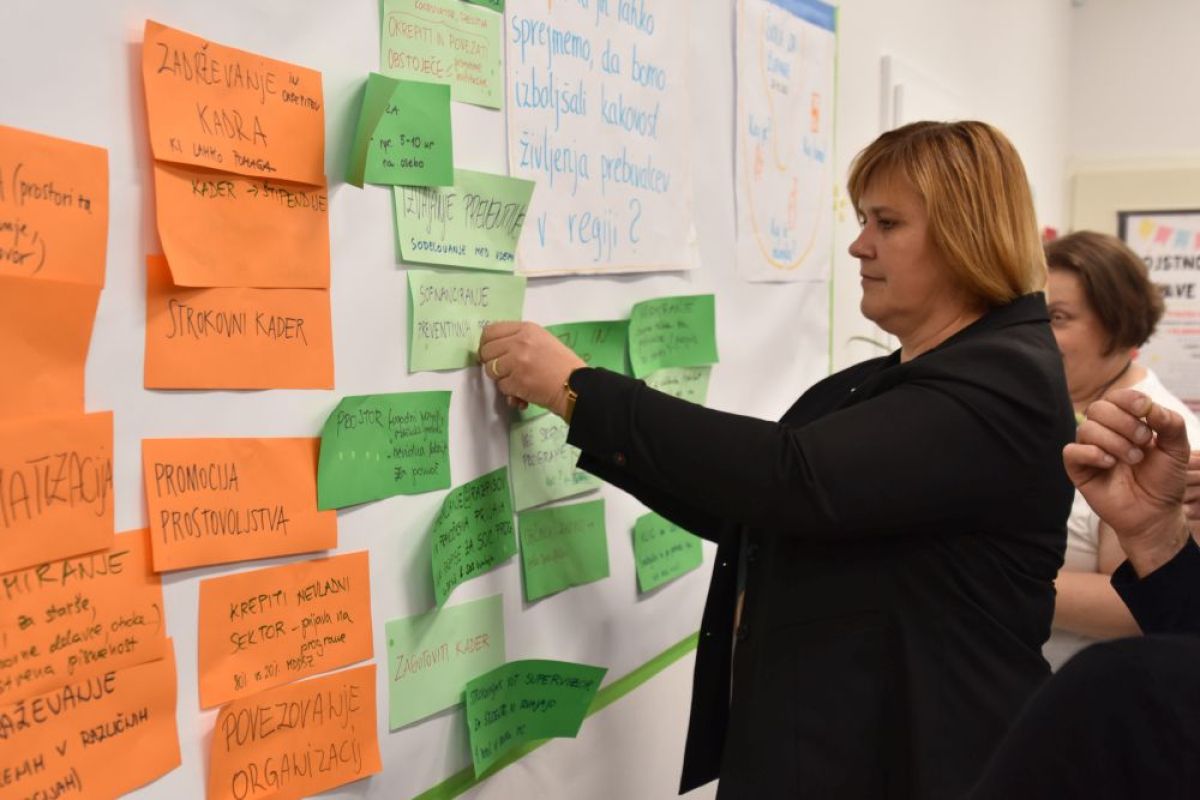
Borut Rončević, a sociology professor at the university of Novo Mesto and current minister of Eudcation in the Slovenian government, speaks about his plans and views. Specifically about Roma, he says there is a need for a comprehensive approach to addressing the challenges faced by Roma children in schools, emphasizing collaboration across various sectors including education, social policy, and local communities. He highlights the importance of accountability among parents, teachers, and the state in ensuring that all children, regardless of their background, achieve basic educational standards. He insists on the equal application of laws for school attendance, something that is being reproached to Roma regularly.

What he did not discuss is the profound issues of exclusion and racism faced by Roma in the region.

Slovenian Conference

Published by:

Slovenian Conference

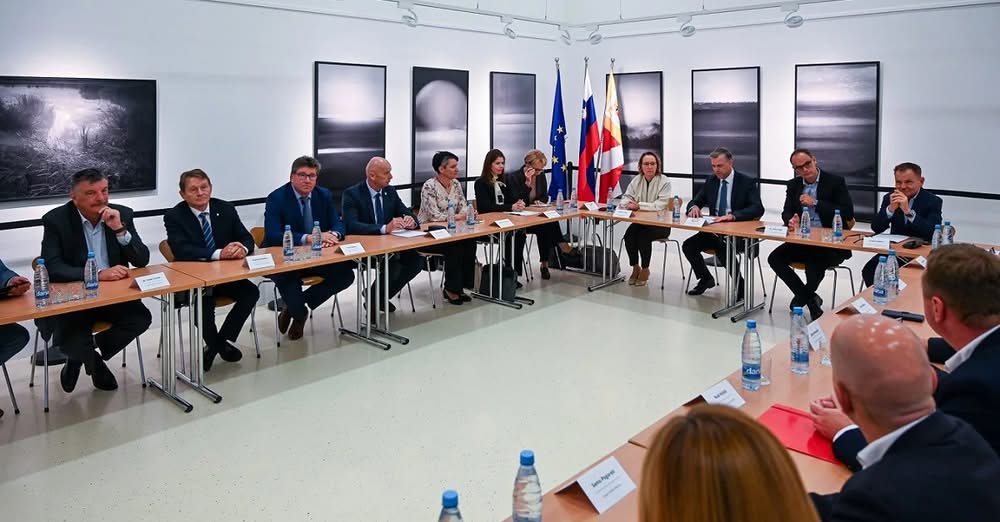
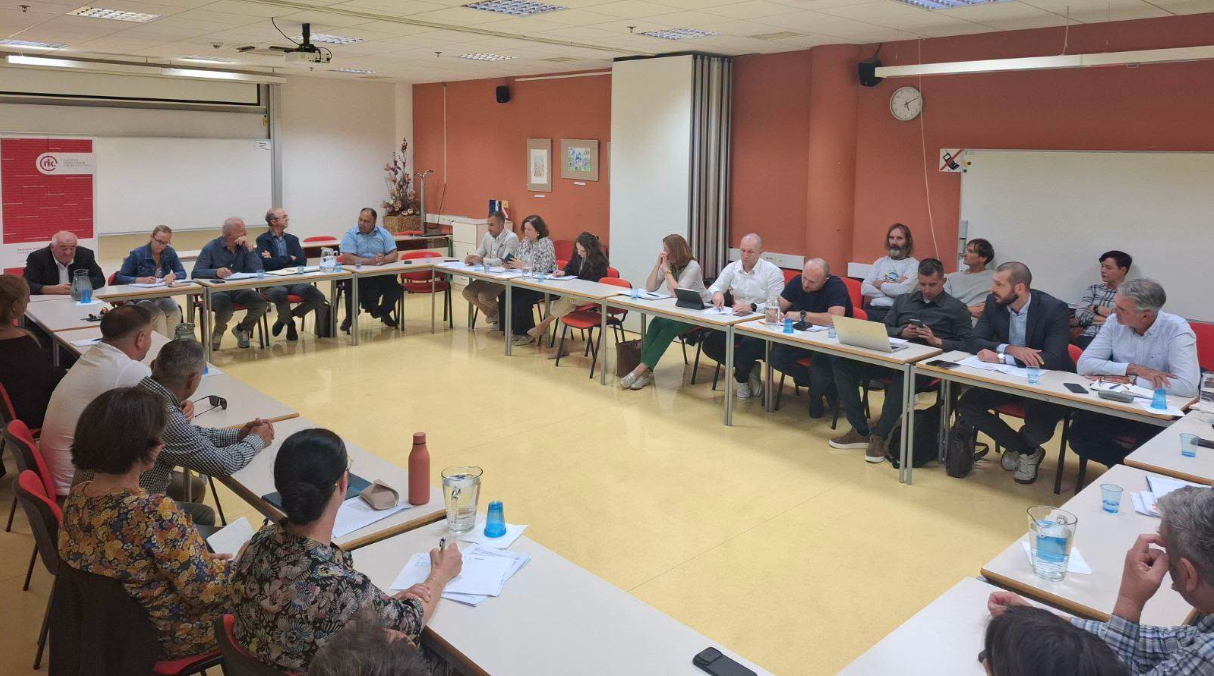
The conference focused on the development of the Roma community’s position over the last two decades, current challenges, and strengthening Roma activism and representation.

Key speakers emphasized the importance of collaboration between state institutions, local communities, and Roma representatives, highlighting the need for connecting formal rights with real-life improvements.

Discussions included Slovenia’s legal and financial framework for the Roma community, the significance of targeted funding, and the ongoing challenge of linking mechanisms to measurable outcomes and effective participation in decision-making.

No Racial Profiling?

Published by:

No Racial Profiling?

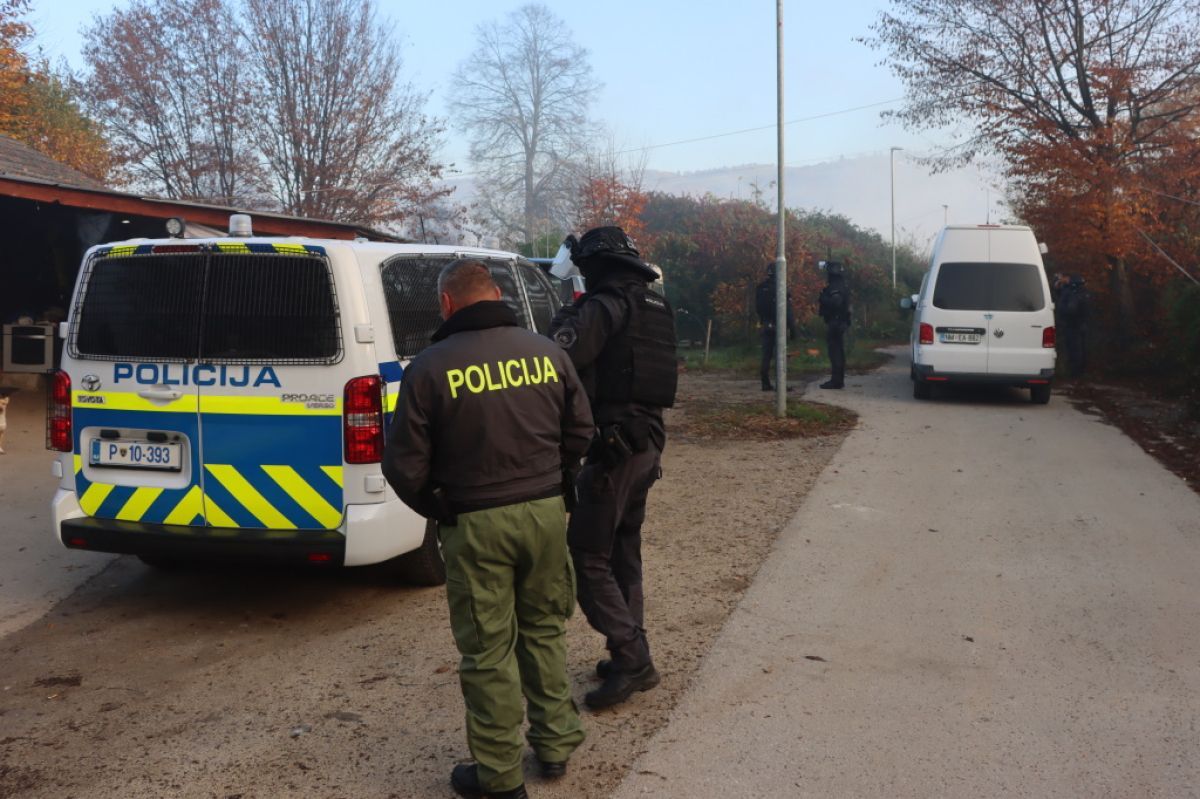
The Slovenian Advocate of the Principle of Equality has halted an investigation into alleged ethnic profiling of Roma during tax enforcement procedures, concluding that no discrimination occurred.

The investigation was initiated due to concerns about vehicle seizures in joint operations by the Financial Administration and police, examining whether Roma were treated unequally based on their ethnicity.

The Advocate found that authorities acted within legal frameworks and based on objective circumstances, with the main reason for enforcement being unpaid debts to the state, not ethnic background.

Slovenia: International Conference

Published by:

Slovenia: International Conference

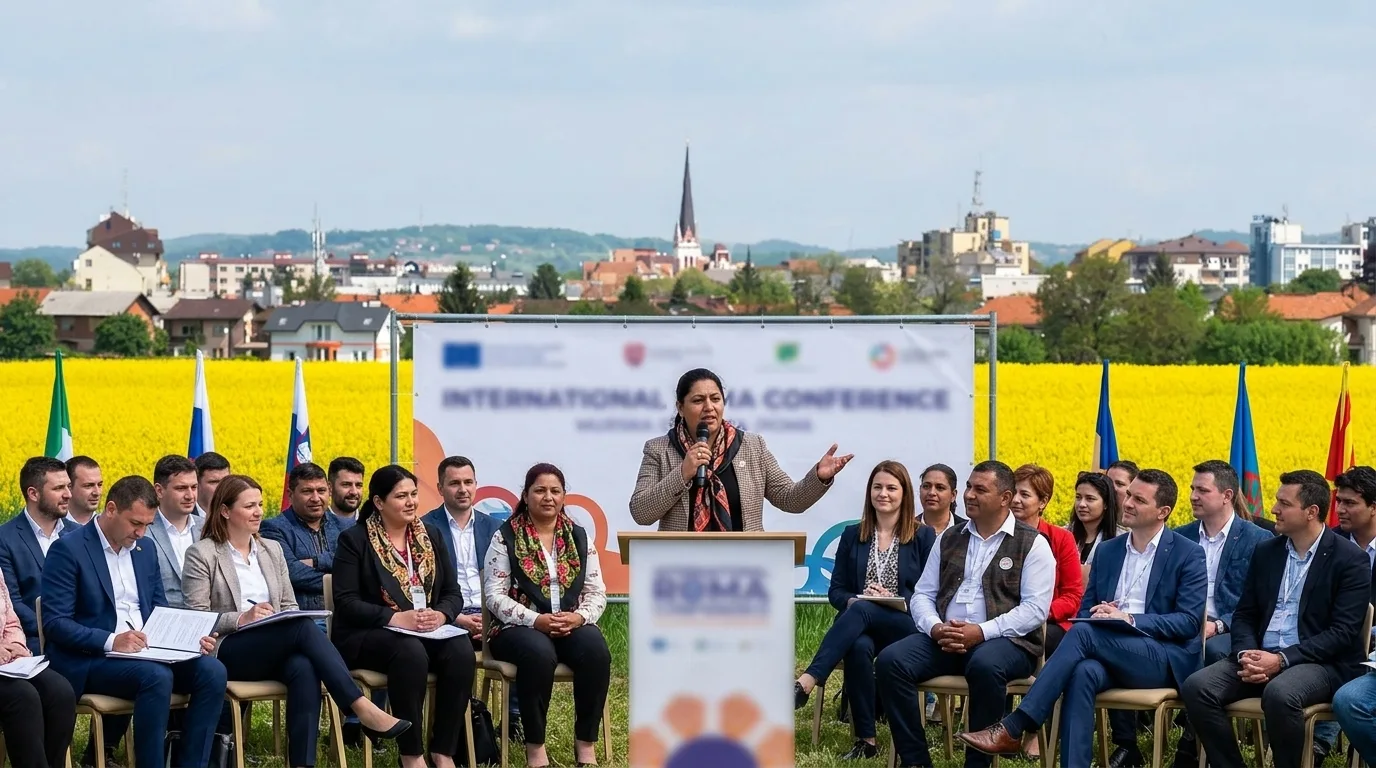
An international conference in Murska Sobota, Slovenia, gathered representatives from Roma communities and organizations across Europe to discuss the progress and challenges faced by Roma people over the past two decades.

Dalibor Nakić, president of the National Council of the Roma National Minority, highlighted advancements in education and political participation for Roma in Serbia, attributing these to collaboration with state institutions and civil society.

The conference showcased successful integration examples, particularly the Pušča settlement, recognized for its developed infrastructure and community organization, serving as a model for local development for Roma in Slovenia.

Slovenia: Conference

Published by:

Slovenia: Conference

An international Roma conference is taking place in Murska Sobota, focusing on the progress, challenges, and future of the Roma community, twenty years after intensified policies were initiated.

Jožek Horvat Muc, president of the Roma Community Council, noted some improvements due to political measures, but highlighted ongoing issues like access to education, housing, and basic utilities. The conference emphasizes the need for greater Roma involvement in decision-making and a coordinated EU approach to address the community’s challenges.

Slovenia: Settlements

Published by:

Slovenia: Settlements

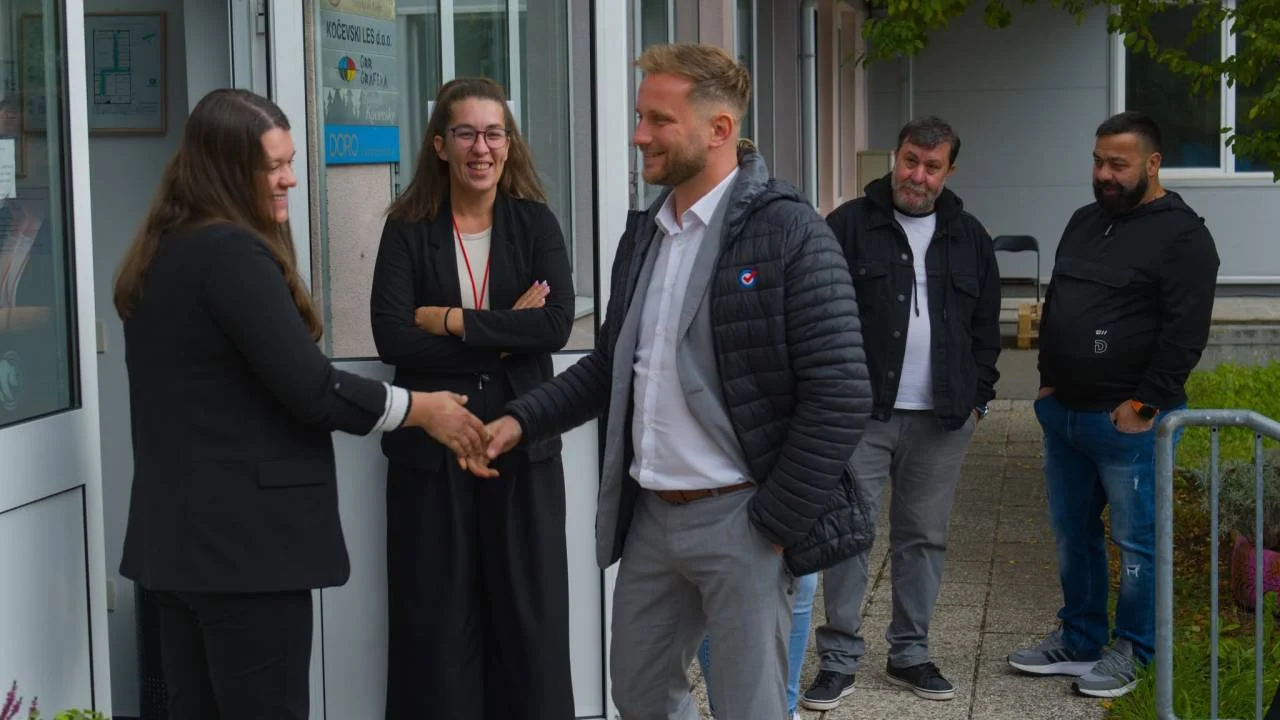
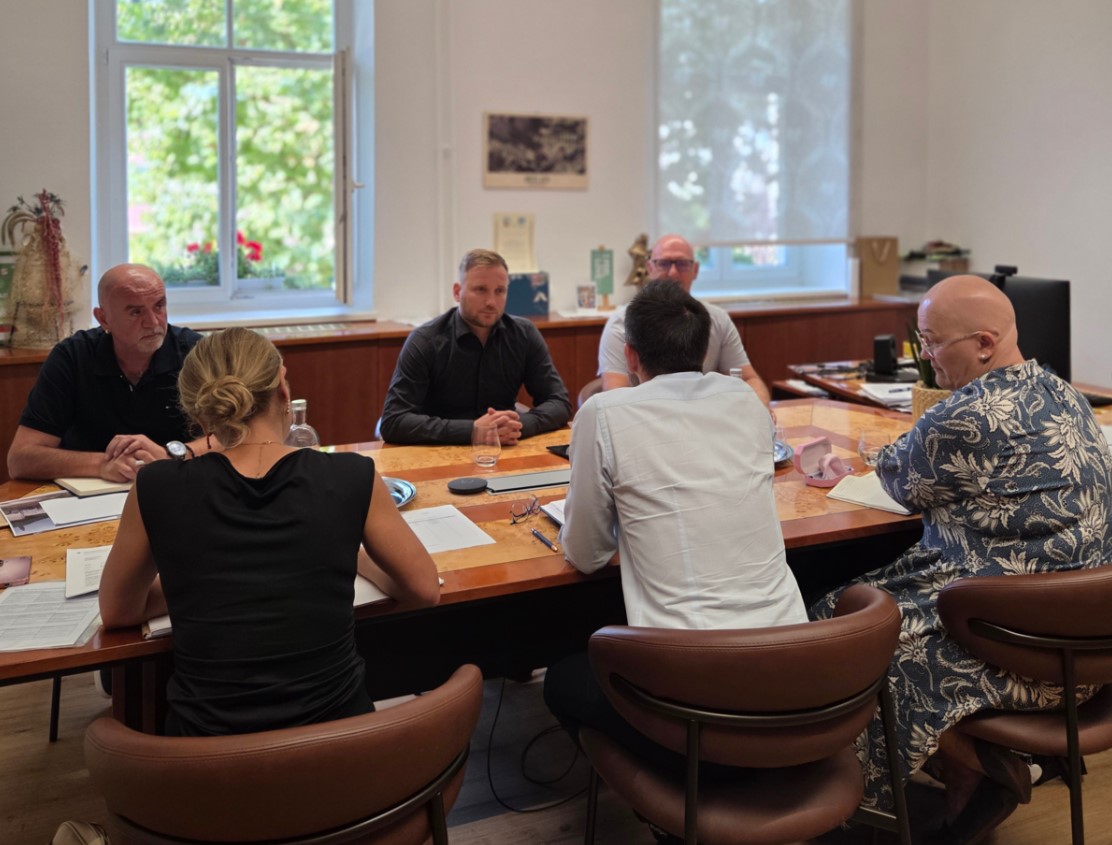
The Minister of the Interior and Public Administration, Franci Matoz, met with Mayor Gregor Macedoni to discuss current security conditions in the municipality of Novo mesto. The Mayor made himself known by taking drastic measures against Roma linking social services as well as warer and electricity to “good behaviour”.

The meeting focused on issues related to the Roma community and illegal construction, emphasizing the need for collaboration between various government departments and local authorities. The Minister confirmed the government’s commitment to addressing Roma issues through inter-departmental cooperation, acknowledging that narrow departmental approaches have hindered effective responses to challenges in southeastern Slovenia and Posavje.

Young Roma in Slovenia

Published by:

Young Roma in Slovenia

The article discusses an international roundtable event focused on creating an open society for youth, held in Murska Sobota, Slovenia, which brought together various stakeholders in youth work.

Key topics included challenges faced by marginalized youth, the importance of education and active participation, and the role of local communities in supporting youth initiatives.

Participants emphasized the need for collaboration among local communities, schools, NGOs, and youth to foster inclusive and quality youth work, highlighting the significance of international programs like Erasmus+.

Slovenia: New Project

Published by:

Slovenia: New Project

A new Slovenian project addresses the prevention of early and forced marriages, gender equality, women’s empowerment, and combating anti-Roma sentiment to enhance the skills of public officials working with the Roma community.

A training session was held online on June 12, 2026, focusing on various aspects of working with Roma youth, emphasizing inter-institutional cooperation and the role of social work centers. The training included presentations from government representatives and educational leaders, highlighting the importance of education in the lives of Roma youth and sharing best practices in inter-institutional collaboration.

Nice, but what is the impact?

Slovenia and WWII Victims

Published by:

Slovenia and WWII Victims

The Slovene National Assembly has passed a law regarding the burial of victims of post-war killings. According to the article, the left continues to label as an ‘ideological law’ and a source of ‘division’. The article argues that this law is a necessary civilizational duty to address the thousands of unburied victims of communist terror, supported by archival documents.

It recounts historical atrocities committed by communists, including the execution of innocent civilians, emphasizing the need for the law’s implementation as a moral obligation.

Roma were also killed by Partisans in Slovenia. From mid-May 1942, communists partisans forcibly gathered and drove a large group of Roma from below Krim, from Vrblje and Podpeč into the gorge. At Benkov meadow, they shot everyone in a row without a shred of mercy: children, young people, old people, men and women. At that time, 43 innocent victims ended up in a common grave, which turned Iška into one large cemetery.

What the article fails to mention, is that the mayor od Ljbljana, who is not a leftist, denied the burial of these Roma victims in local cemetary for war victims … This all is part of a narrative whereby Roma were not killed by Slovenes, but by partisans only (some of which were indeed slovenes).

Slovenia, Kindergartens, and Roma

Published by:

Slovenia, Kindergartens, and Roma

The municipalities of Šentjernej, Škocjan and Šmarješke Toplice are facing challenges in integrating Roma children into kindergartens. Despite the large number of Roma families, the enrollment of Roma children in kindergartens is very low, which raises questions about the success of integration efforts. It seems that the problems with the admission of children have been successfully addressed in the aforementioned municipalities, but we still rarely encounter Roma children in kindergartens.

Kindergarten and Roma

Published by:

Kindergarten and Roma

An article about the fact that there are almost no Roma in Kkindergarten in a Slovenian region that has several Roma settlements. According to the article:

Although there are many Roma people living in the municipality of Šentjernej, and around 70 Roma children attend primary school, this is not reflected in kindergarten enrolment. According to the principal, not a single Roma child currently attends the kindergarten.

“Despite our efforts, we have not managed to collect enough applications for a shorter program funded by the state and intended for children who do not attend kindergarten before entering school.”

Romanes in Slovenia

Published by:

Romanes in Slovenia

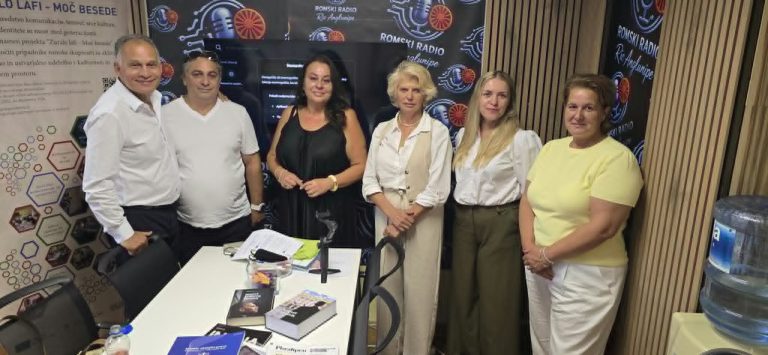
One of the long-standing representatives of the Romani community is Slobodan Nežirović from Šaleška dolina. He pays special attention to the preservation of the Romani language, culture, and tradition, and the inclusion of Roma in education, employment, and public life. He is also the author and editor of several publications in the field of the Romani language, poetry, fairy tales, and folk traditions.

Šutar Act

Published by:

Šutar Act

Zvonko Golobič, president of the Association for the Development of the Roma Community from Črnomelj, Slovenia, said that after 100 days of the so-called Šutar Act, representatives of the Roma settlements of southeastern Slovenia assessed that the situation of the Roma community had drastically deteriorated.

Slovenia and Roma

Published by:

Slovenia and Roma

The change of government in Slovenia is having an effect on Roma.

According to the article, after the enactment of the Act on Emergency Measures to Ensure Public Safety (Šutar’s Act), a shift has already occurred at the local level, says the mayor of Novo Mesto, Gregor Macedoni: “Changes have been detected in the greater inclusion of children in the education system, i.e. increased school attendance.” However, the activities at the state level to date are assessed as insufficient, because progress in solving long-term challenges will require closer cooperation between all institutions, the mayor emphasizes: “We expect the new government to approach solving the problem comprehensively, and above all with a clearly established principle of equal rules for all.”

Slovenia: Verdict

Published by:

Slovenia: Verdict

A while back, following a brawl, Aleš Šutar from Novo Mesto died after being punched once by a Rom Samire Šiljić who pleaded guilty to the attack. He was sentenced to six years and three months in prison, which led to outcries that this was totally inapropriate. The judge justified the sentence with the guilty plea and with th efact that a single blow in the face is not murder.

In response to today’s conviction, the President of the Roma Association of Slovenia, Jožek Horvat Muc, assessed that it is right that all such cases, such as the attack on Aleš Šutar from Novo Mesto, also receive a court epilogue.

Discrimination in Slovenia

Published by:

Discrimination in Slovenia

Advocate of the Principle of Equality Miha Lobnik submitted his regular annual report for 2025 to the President of the National Assembly Zoran Stevanović. The report shows that discrimination in Slovenia remains present in many areas of life, in work, access to services, healthcare, and education. Prejudices against Roma, LGBTIQ+ people, foreigners, and even religious minorities are growing.

A Slovenian in Albania

Published by:

A Slovenian in Albania

The Slovenian journalist and presenter Rosvita Pesek famous in her country, is currently on vacation in Albania. She describes the latter as a country of differences – on one side, majestic buildings, on the other, unfinished buildings, on one side, greenery, on the other, garbage.

Right from the very beginning, Rosvita Pesek described Albania as “a country of a little less than three million people, of Albanians and Roma”.

No Comments …

Slovenia: Award

Published by:

Slovenia: Award

This year, the Andragogic Center of Slovenia awarded the Roma Academic Club an award for exceptional achievements in the field of lifelong learning in the Pomurje region.

The Roma Academic Club, which is based in the municipality of Puconci, has been operating since 2008. It was founded by a group of students from the Roma community with the desire to connect individuals who share a common goal, education.

Roma in Slovenia

Published by:

Roma in Slovenia

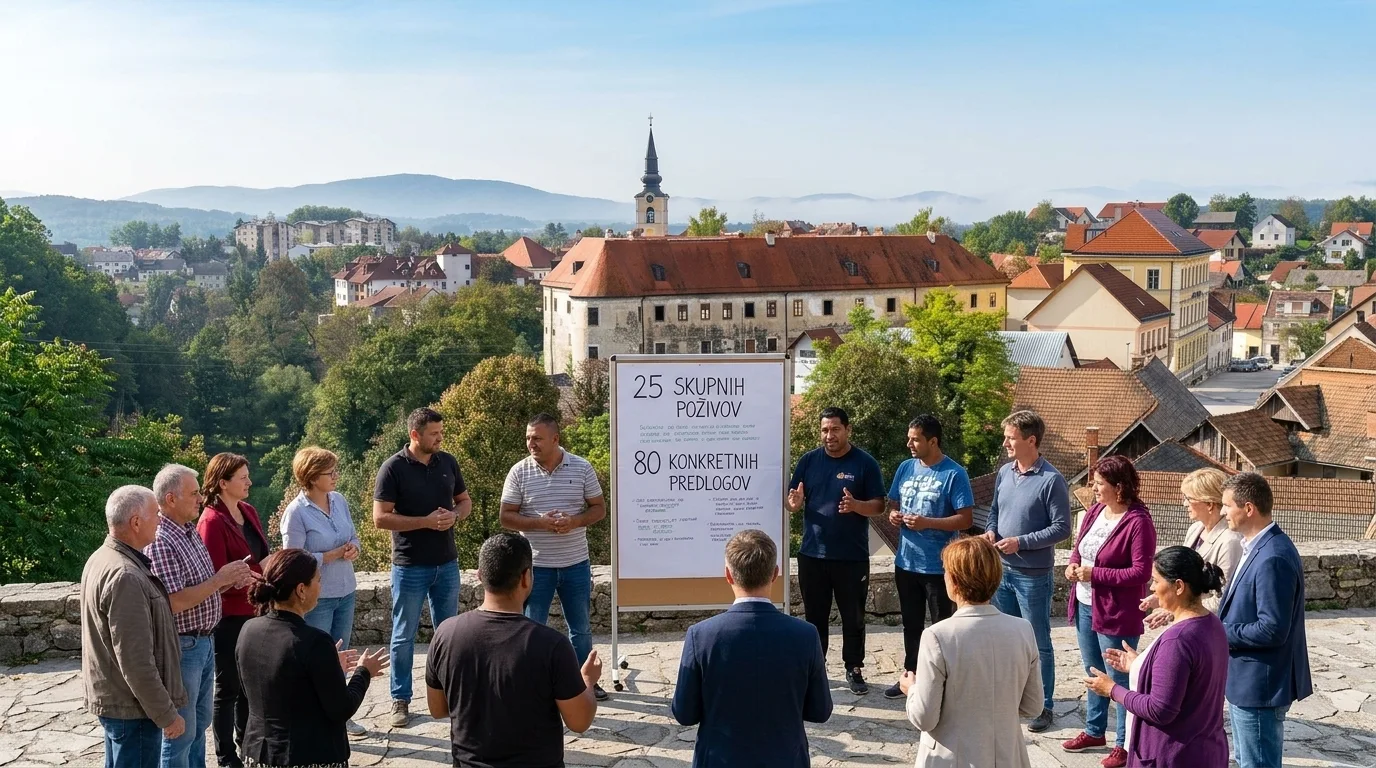
Slovenia is estimating that there are 7,620 Roma residents in 25 municipalities with 80 Roma settlements. Among the municipalities in Dolenjska and Posavje, according to the above estimates, the largest number of Roma is in the municipality of Novo mesto, where approximately 1,180 live in Roma settlements.

When there are so few Roma, why are there so many articles about them being a “threat”?

rroma.org
en_GBEN