Category Archives: Poland

Auschwitz Exhibition

Published by:

Auschwitz Exhibition

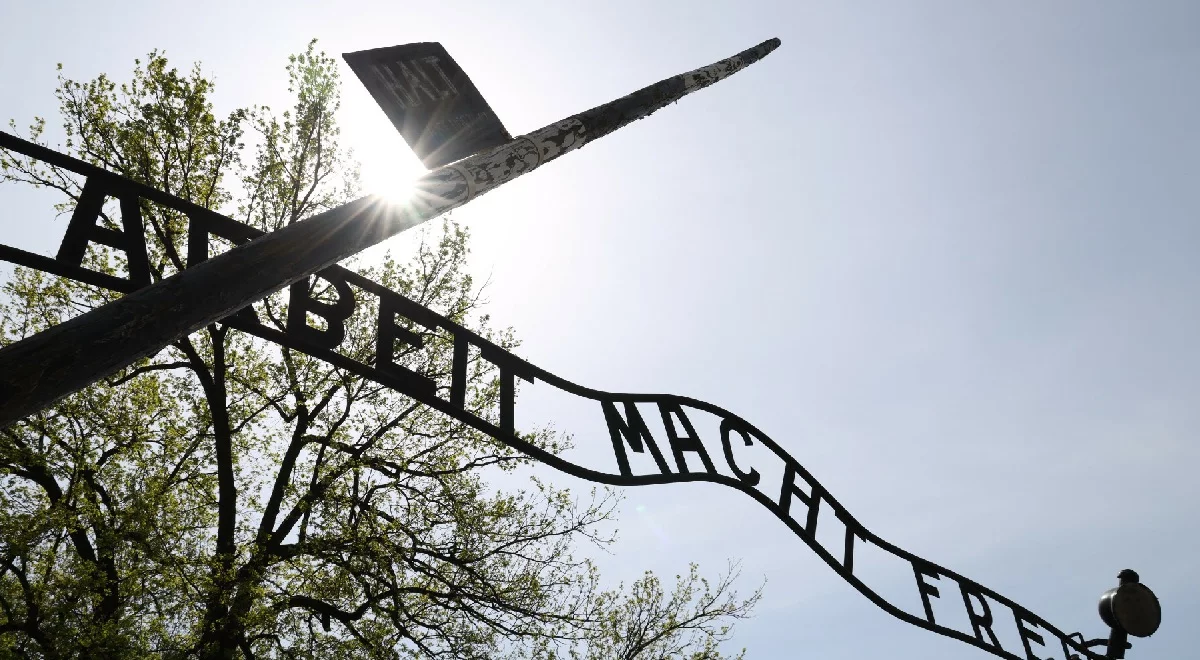
The traveling exhibition “Auschwitz. Not so long ago. Not so far away” will be shown at the United States Holocaust Memorial Museum next year. The Auschwitz-Birkenau State Museum announced this on Monday. Using original artifacts, the exhibition conveys the history and significance of the German Nazi concentration and extermination camp.

Adam Fedorowicz

Published by:

Adam Fedorowicz

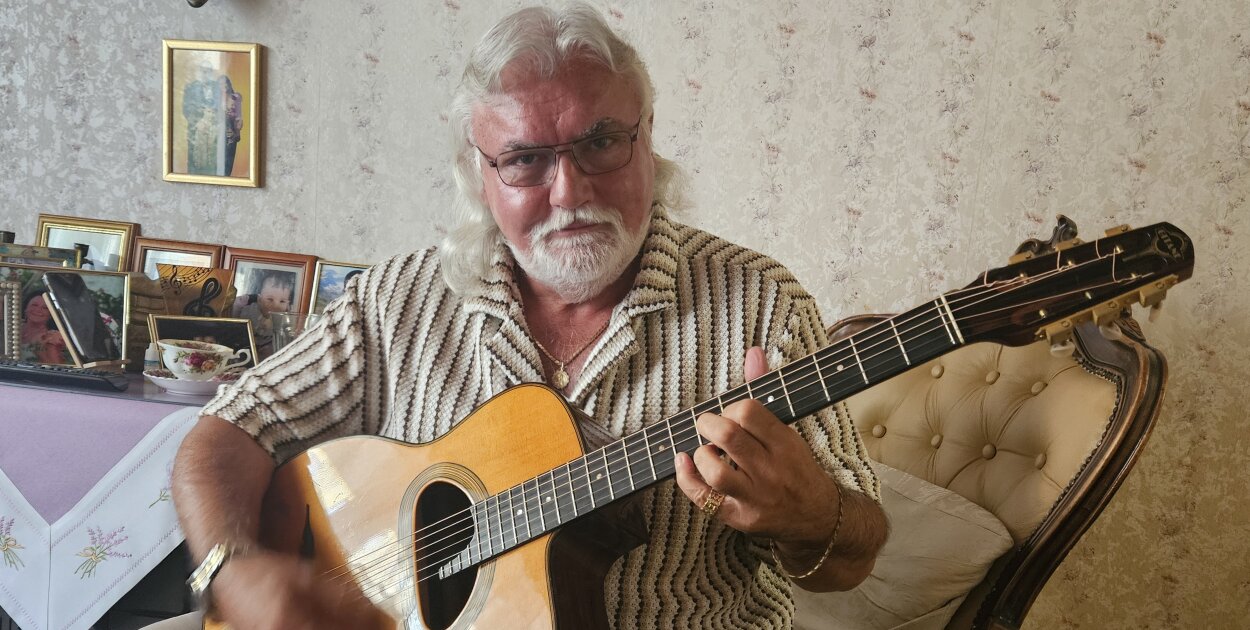
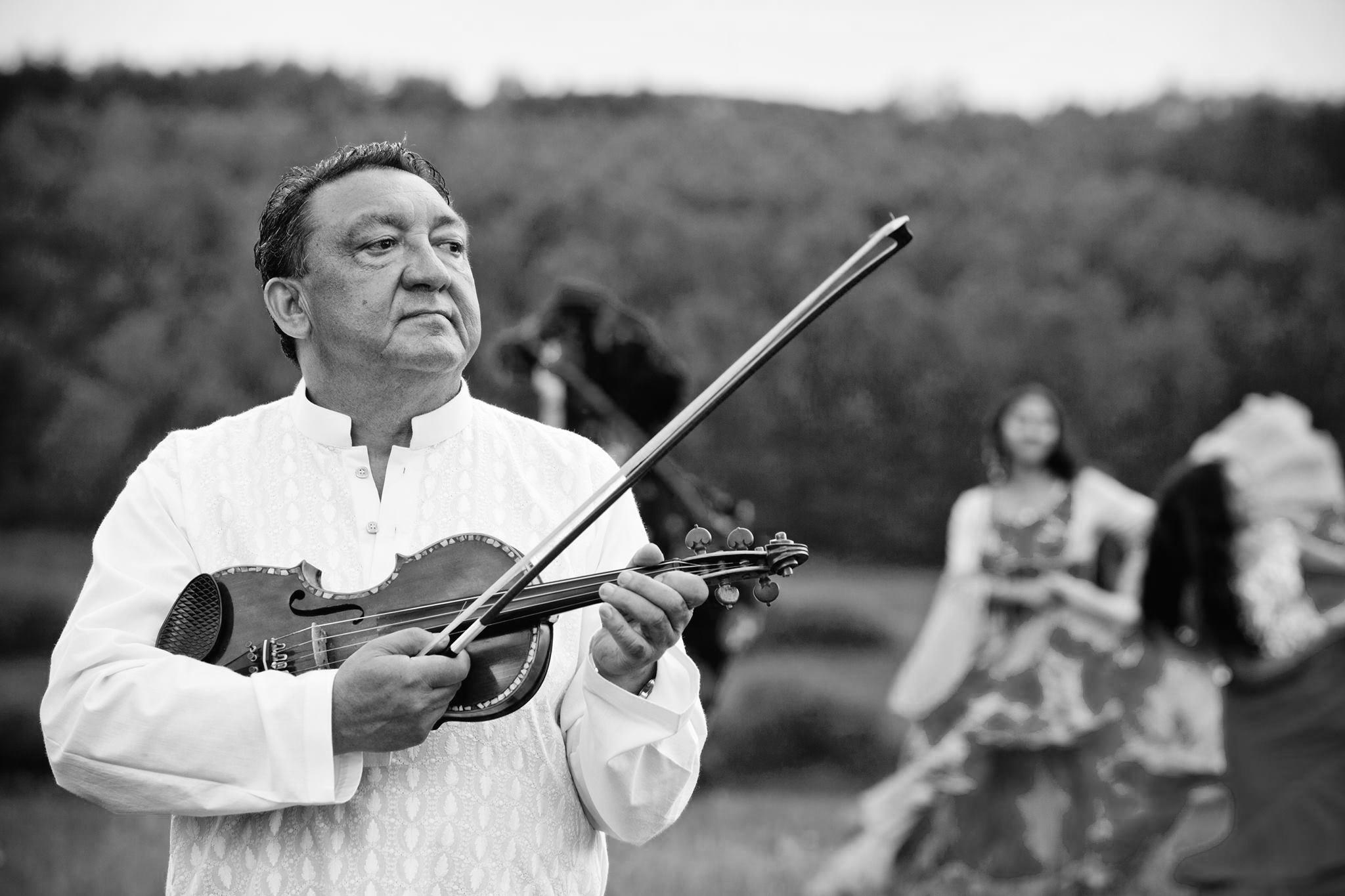
He was one of the most important ambassadors of Roma culture in the region and in Poland. Through his artistic and social work, he promoted the richness of Roma music and customs. Adam Fedorowicz, president of the Hitano Roma Culture Association, musician, composer, and songwriter, has died.

Te javel I phuv lokhi.

Romani Media

Published by:

Romani Media

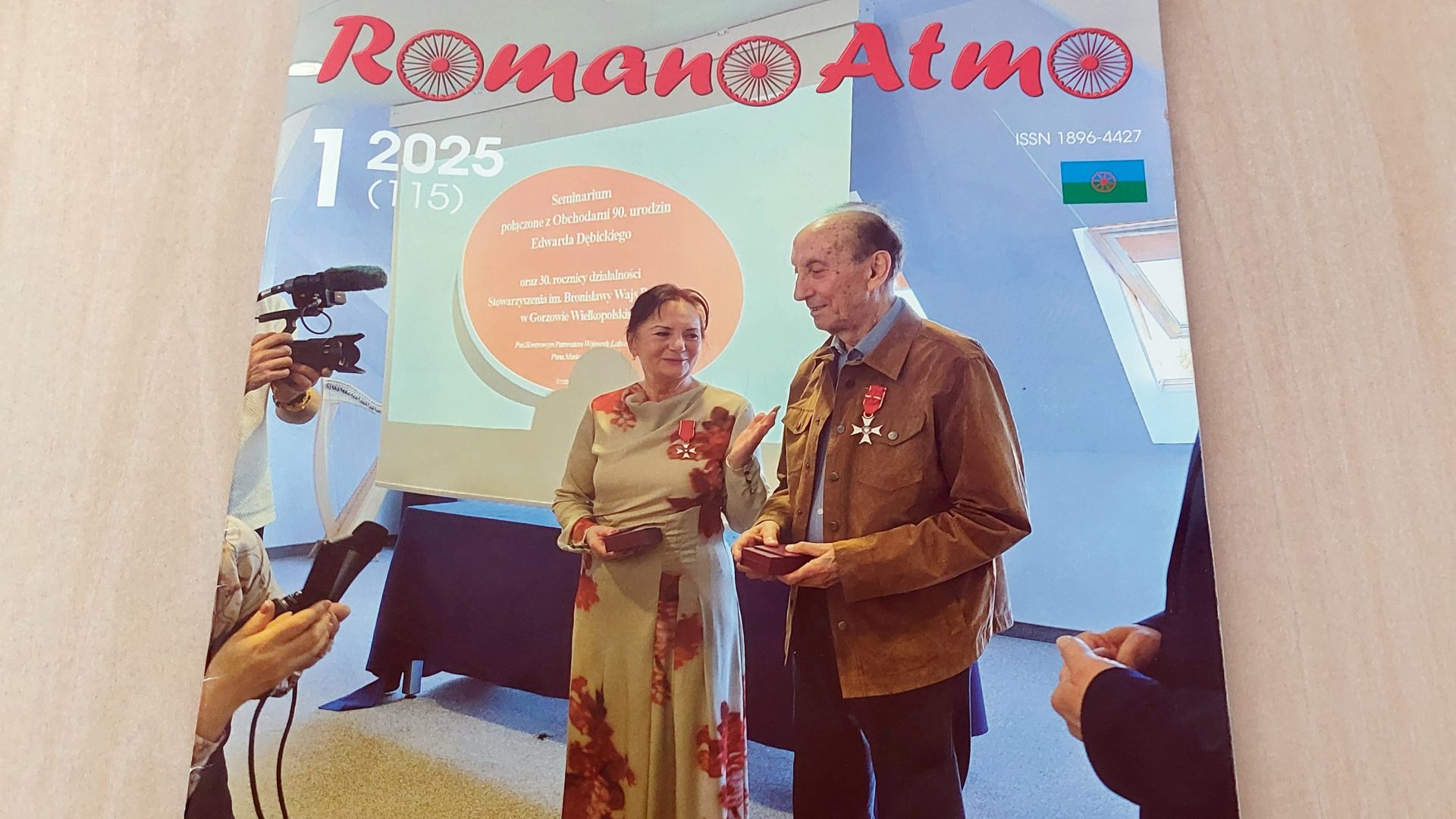
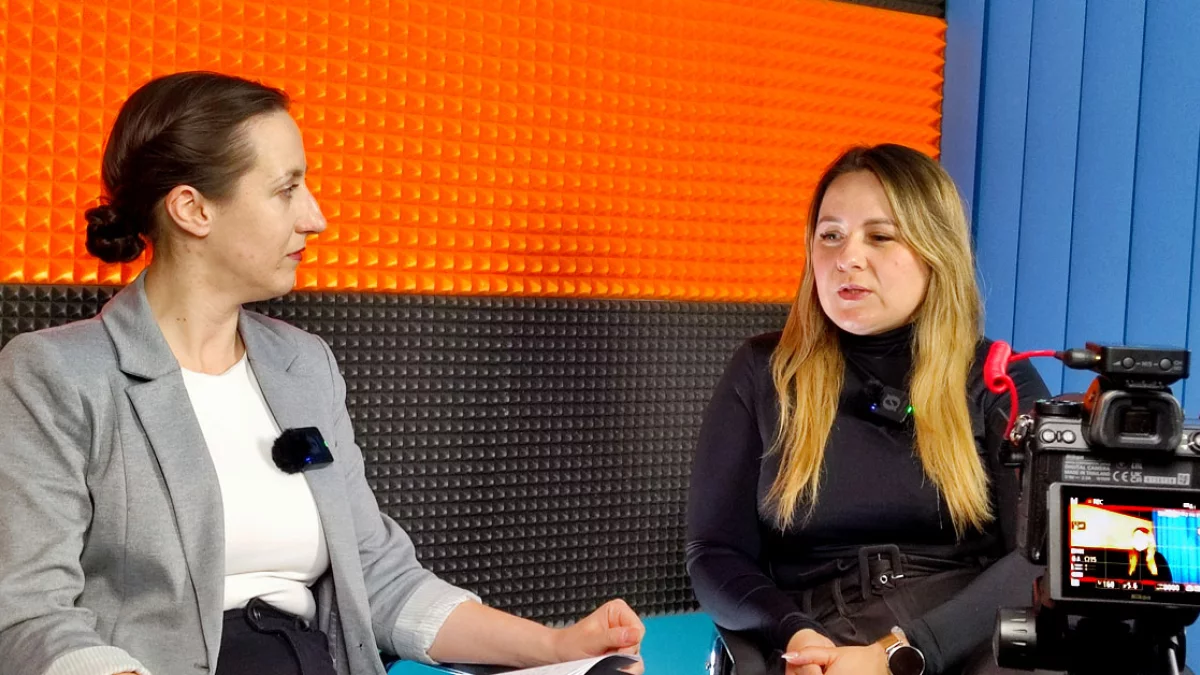
Grzegorz Szczepański, assistant editor-in-chief of Romano Atmo, the Roma minority newspaper published by the Polish Roma Union in Szczecinek, discusses the most important events of the last year and what is happening now in the latest issue of “Roma Magazine.”

Romani Pupils

Published by:

Romani Pupils

An article about Romani pupils in Polish schools. It says that for a Roma child, the threshold of school is often a threshold to a completely different linguistic world. In homes, especially in groups like Polska Roma, which cultivate a stronger tradition, the first language is Romani. It is an intimate, homely language, acting as a guardian of identity. At school, students must rapidly adapt to Polish grammatical structures to master reading and writing, which represents a tremendous cognitive effort.

Well most of them are bilingual… So not sure about that statement.

Zigeunerlager

Published by:

Zigeunerlager

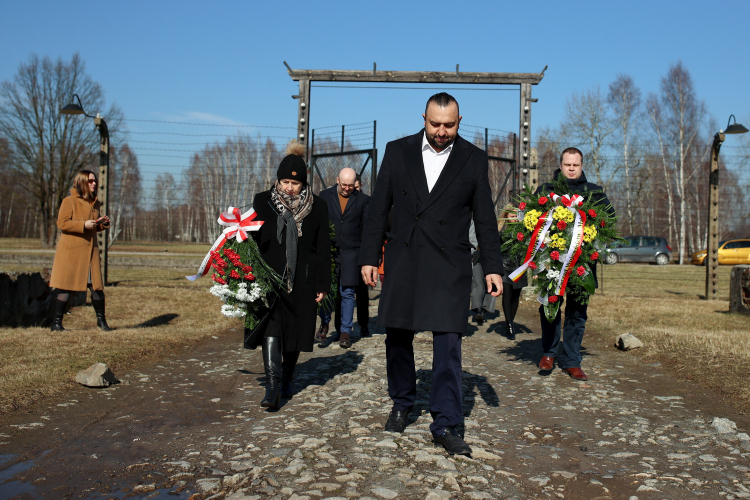
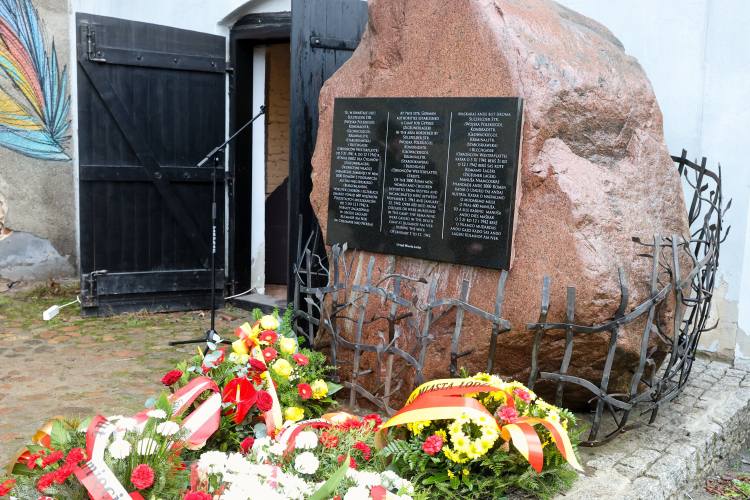
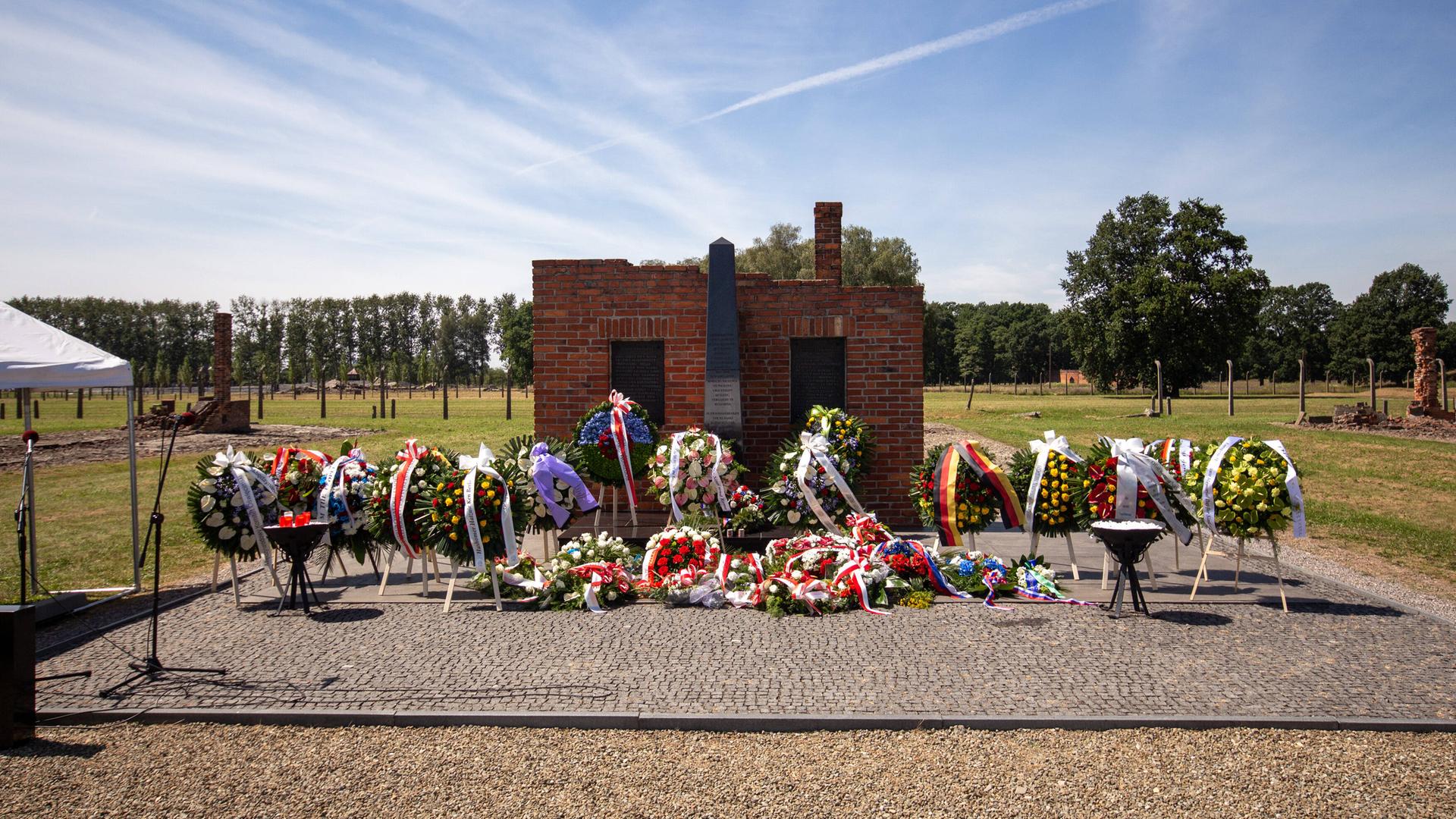
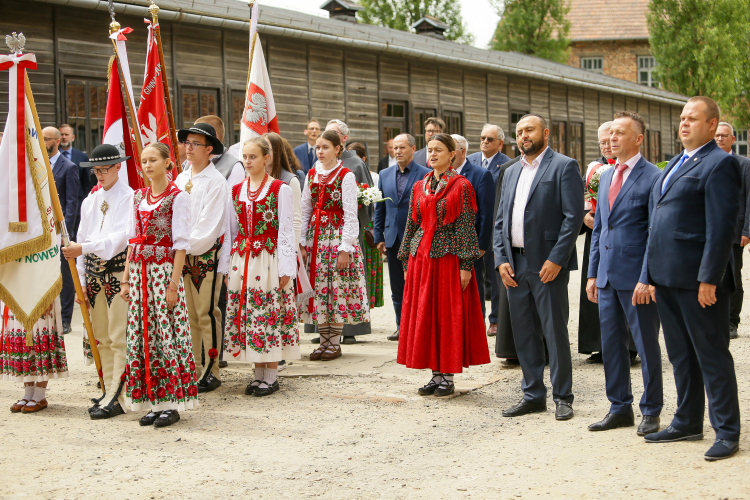
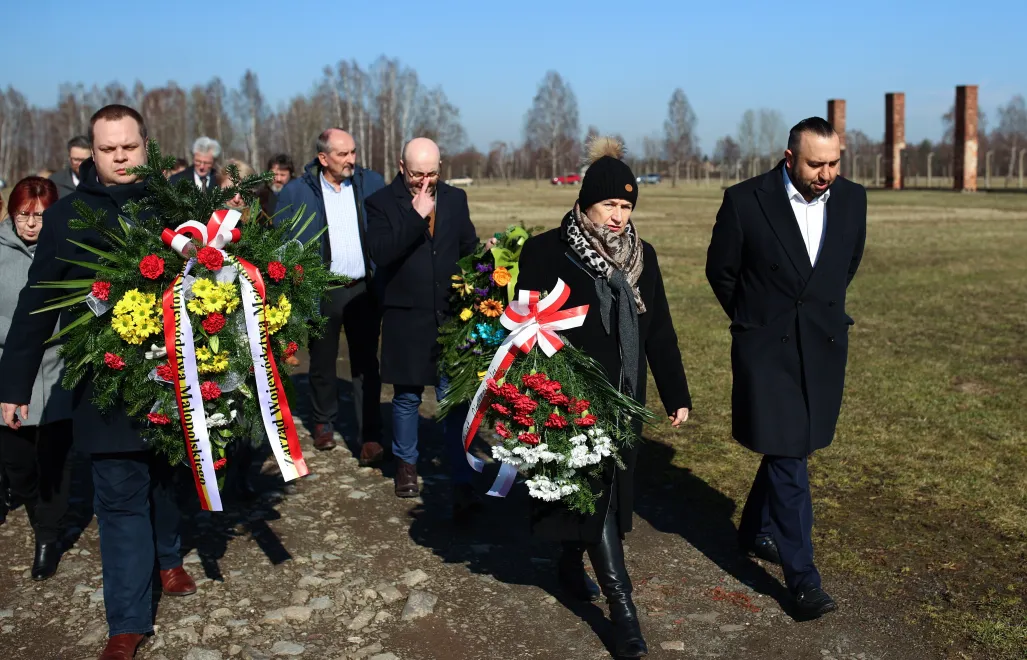
Roma and Poles commemorated the 83rd anniversary of the establishment of the so-called Gypsy camp (Zigeunerlager) by the Germans at Auschwitz II-Birkenau on Thursday. They jointly paid tribute to the victims. Twenty-one thousand Roma and Sinti died in Auschwitz.

Clothing

Published by:

Clothing

An article about Roma cloting in the Polish press.

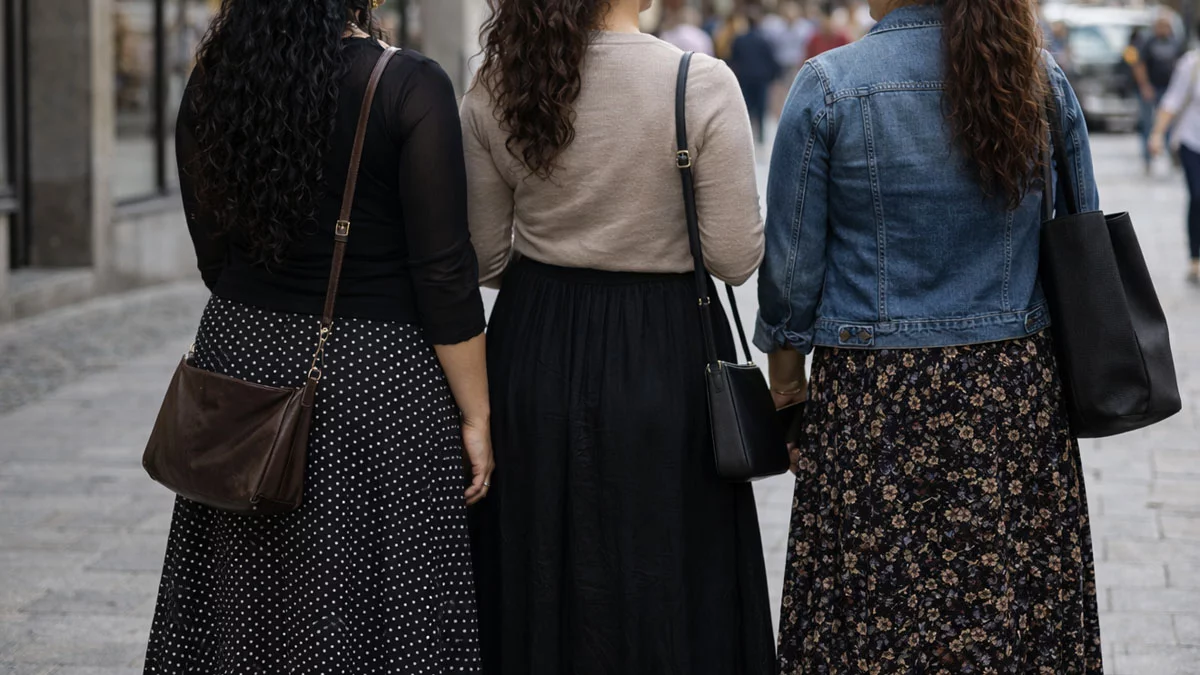
Classic ethnographic studies emphasize that clothing in Romani communities served a social and symbolic function.

Ethnographer Lech Mróz, author of, among others, The publication “Gypsies: Diversity and Intolerance” pointed out that dress was one of the most visible signs of cultural distinctiveness and an element in maintaining intergroup boundaries. However, it was not immutable – it evolved along with living conditions.

For women, traditional clothing – long, full skirts, covered shoulders, and expressive jewelry – was associated not only with aesthetics but also with social norms, including the rules of ritual purity (marime), present in some Romani groups.

There is no single “Roma costume”.

Viki Gabor

Published by:

Viki Gabor

Another flury of articles about Viki Gabor, a singer, who married just before Christmas. And now all sort of stereotypes about Roma weddings, traditions, and so on.

Painful.

Poland and Neighbours …

Published by:

Poland and Neighbours …

An article in the Ukrainian press about who is popular in Poland… Poles feel the most sympathy for Italians – 58% of respondents expressed a positive attitude. They are followed by Czechs (55%), Slovaks (52%) and the British (49%).

Poles traditionally feel the most hostility towards Russians – 74% of respondents noted a negative attitude. A high level of hostility is also observed towards Belarusians and Roma (46% each). A noticeable increase in hostility was recorded towards Jews, Americans and Ukrainians, while sympathy towards these groups decreased by several percentage points.

Reaction to Newsweek Article in Poland

Published by:

Reaction to Newsweek Article in Poland

Several Roma  organisations reacted to the artcile about Roma in pland published by Newsweek. The full text sates:

Subject: Letter to the editor – regarding the article “How do Romani women live in Poland?” (Newsweek,

7.02.2026)

Dear Editors,

Dear Author,

We are referring to the article published on February 7, 2026, on the Newsweek.pl website, “How do Romani women live in Poland? I went to their village. Fifteen is a good age for having children,” by Elżbieta Turlej (https://www.newsweek.pl/polska/spoleczenstwo/jak-zyja-romskie-kobiety-w-polsce-pojechalam-to-sprawdzic-do-wsi-maszkowice/kf443xc ). We believe that this article fits into the well-known and frequently criticized way of talking about Roma people in the Polish media, which leads to the stigmatization of Roma communities in Poland. Despite its reportage style and declared sensitivity, the publication does not offer a new perspective or in-depth reflection, but reproduces established interpretive patterns. The title and lead alone are sensational and simplistic, reducing the experiences of Roma women to a catchy, stigmatizing, and stereotypical image.

The text then revolves around the gesture of entering the world of the Other, understood as a journey to the Roma settlement in Maszkowice, the observation and selection of stories, with the author remaining the primary interpretative authority. This method of constructing the narrative should be explicitly called a form of epistemic violence. Knowledge about Roma women is produced over their heads, without real control over how their experiences are framed, hierarchized, and evaluated.

Roma women appear as protagonists of the story, but not as subjects co-creating its meaning. Their voices are filtered, organized, and instrumentalized in such a way as to confirm a preconceived narrative of tradition, oppression, and imprisonment between worlds. Selective empathy, focused on the most dramatic and intimate fragments of biography, leads to the fetishization of suffering rather than a thorough analysis of the social, institutional, and political conditions of these experiences.

The logic of contrast is particularly problematic. On the one hand, the settlement and tradition are presented as spaces of oppression and cultural confinement, while on the other, individual women’s stories are constructed as exceptions or evidence of the possibility of change. This narrative reinforces the hierarchical division between the imprisoned and the more modern, shifting the responsibility for change to individuals rather than to the structural mechanisms of exclusion, discrimination, and unequal access to public services.

Although the text appears critical, its language remains paternalistic and devoid of self-reflection. It lacks consideration of the power relations inherent in the act of reporting itself and the social consequences of perpetuating such images of Roma people in public debate.

We want to emphasize that such narratives have an impact on institutional practice.

Simplified and sensationalized images of Roma communities often translate into administrative decisions and the design of public policies and support programs based on stereotypes, control, and cultural correction, rather than on equal rights and state responsibility.

Polish Newsweek on Roma

Published by:

Polish Newsweek on Roma

Newsweek Poland published an article about Roma. Alone the tilte says it all: How do Romani women live in Poland? I went to their village. “Fifteen is a good age for having children here.”

It is again a generalisation to all Roma based on a stereotypical view and a visit and selective interviews of Romnja in a settlement. And no, in Poland not all Roma by far live in settlements.

Bad.

Poland and a Wedding

Published by:

Poland and a Wedding

The buzz surrounding the high-profile “wedding” of Viki Gabor a singer and Romni doesn’t cease., According to the news,  she became the wife of  Giovanni Trojanek  “according to Roma tradition”. Fans of the artist were shocked, and well-known celebrities and showbiz figures are being asked for their opinions. In a recent interview, Anna Popek added her two cents. The presenter stated that 18 “is a great age to get married.” “There are certain standards, and then there are these poor, unhappy, outdated brides in their thirties who can’t find a man,” she blurted out.

Viki Gabor

Published by:

Viki Gabor

There was another plethora of articles caused by the announcement of the wedding of Viki Gabor in Poland.

On Saturday, December 27, a video surfaced online showing Viki Gabor having a Roma wedding with her fiancé, Giovanni, the grandson of Bogdan Trojanek. The footage caused a huge sensation and was widely commented on in the media. Unfortunately, it was met with rather negative reception, and was quickly removed. The actress herself posted a story on Instagram, addressing her fans and addressing the matter.

Viki Gabor

Published by:

Viki Gabor

Viki Gabor, one of the most popular Polish singers of the younger generation, may be married which created a frenzy of articles and social media post. She did not say it, but apparently the lyrics of her songs suggest otherwise – she addresses her beloved directly and alludes to Roma wedding traditions.

Warsaw Praga District

Published by:

Warsaw Praga District

The Local Action Plan for the Roma Community in the Praga-Południe District 2025–2030 finished a first preliminary project in 2025. The project’s main goal was to increase the level of social and civic integration of the Roma community living in the Praga-Południe district. As a result of the project, a local action plan was developed, outlining specific directions of support and actions that address the community’s real needs. The project’s nature was participatory, meaning that all stakeholders were actively involved in its development: representatives of the Roma community, their neighbours, residents of the district, representatives of the local administration, NGOs, uniformed services, and other public institutions.

Joanna Talewicz

Published by:

Joanna Talewicz

Dr. Joanna Talewicz, president of the “W Stronę Dialogu” [towards Dialogue] Foundation, has been fighting for years to stop the Roma community from being perceived through the prism of folklore and romantic yet harmful notions. In a conversation with Andrzej Grupa, she discusses why the label of “expert on Roma issues” began to bother her, how the foundation’s new campaign, “Rozprowadzemy stereotypy o Rom(k)ach,” exposes prejudice, and how building community and alliances is the safest “insurance policy” for uncertain times in Poland.

Poland and Cemeteries

Published by:

Poland and Cemeteries

A photo, taken at Poznań’s Junikowo cemetery, shows a huge, roofed tomb with a platform, as well as chairs, benches, and a table embedded in the wall and generated quite a bit of commentaries on social media.

All Saints Day in Poland

Published by:

All Saints Day in Poland

A Polish article on all saints day customs among Polish Roma. Roma celebrate All Saints’ Day differently from Poles, focusing mainly on gatherings at gravesides. “We drink, play music, sing, talk, and tell stories about our deceased loved ones,” Bogdan Trojanek, a Roma singer, leader, and founder of the band Terne Roma told journalists.

Poland: Exhibition

Published by:

Poland: Exhibition

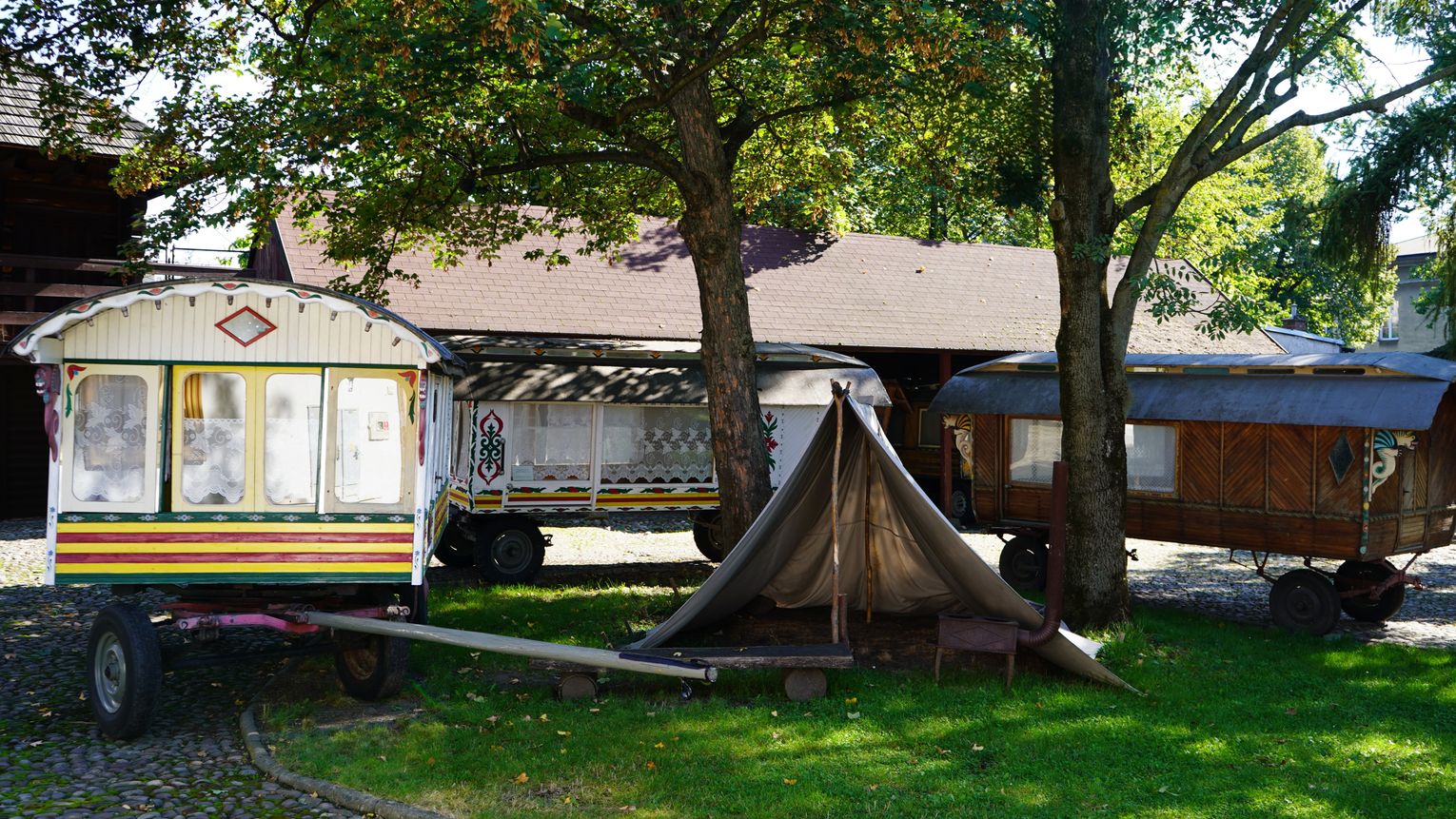
The opening of the exhibition “The Great Wagon. A Wanderer’s Belonging. A Roma Caravan at a Stopover Near Łomża” will take place on Friday, November 7, 2025, at 6:00 PM. The gathering will be an opportunity to discover a world that has almost disappeared.

It focuses on the more stereotypical aspects of travellers, and showcases the poetry of Papusza, a Romani poet.

Movie on Hate

Published by:

Movie on Hate

As part of the OSCE Office for Democratic Institutions and Human Rights (ODHIR) conference in Warsaw on October 13 focusing on Roma human rights the screening of the movie That Boy follows the journey of Toby, a former Roma refugee, and Mirek, a former neo-Nazi, as they confront the roots of hate and explore the possibilities of dialogue and reconciliation. It revisits the largely untold story of anti-Roma violence that spread across parts of Central and Eastern Europe in the 1990s.

rroma.org
en_GBEN