Roma in Serbia

Published by:

Roma in Serbia

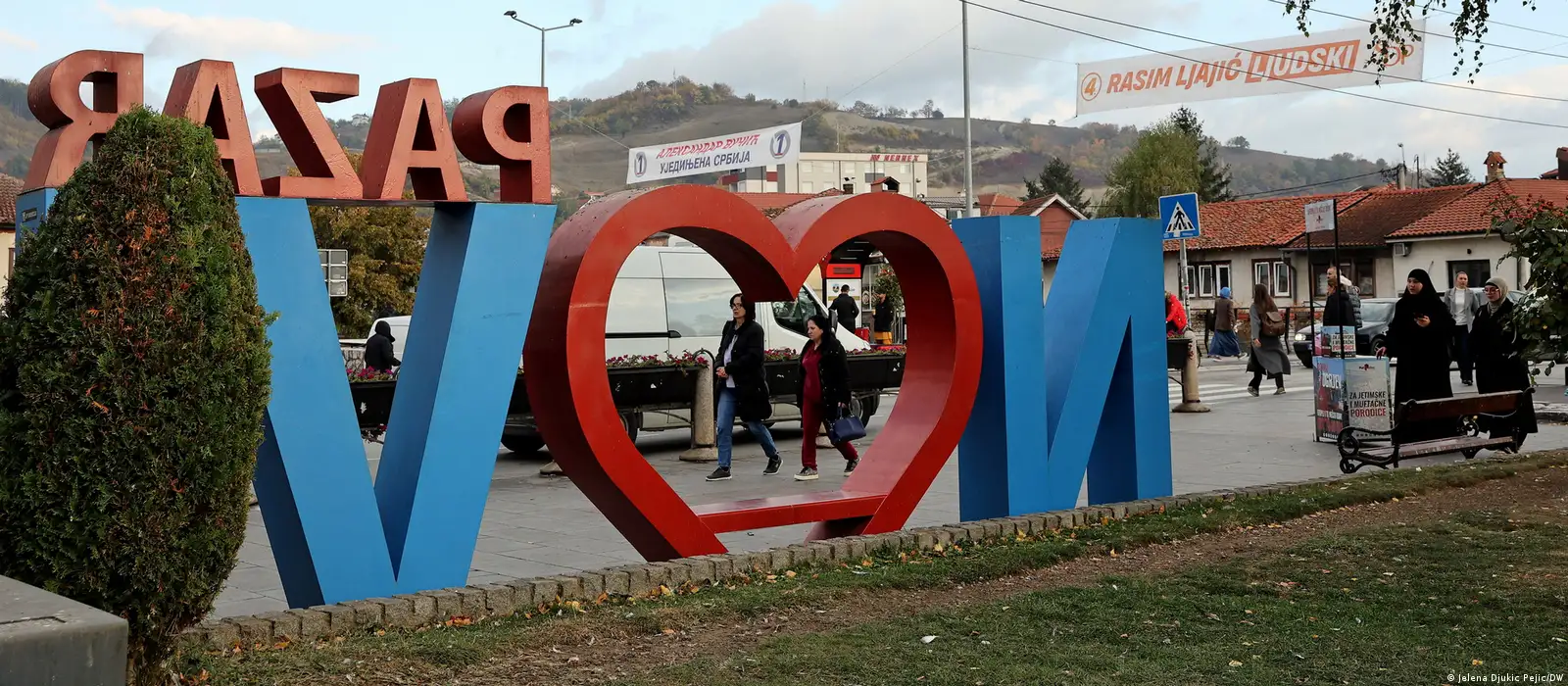
The Roma community in Serbia is advocating for better living conditions and proposed two methods to improve their situation alongside the country’s development.

Salih Saitović, President of the Democratic Union of Roma in Serbia, emphasized the need for a broader policy on labor value, education, and equal job opportunities for all citizens, regardless of their background.

The YUROM Center and Roma education representatives proposed amendments to education laws to ensure systemic support for Roma students, including affirmative enrollment and prevention of segregation in schools.

Culture

Published by:

Culture

Young Roma from Brezje and Jedinščica explored radio and Roma culture in Prekmurje, Slovenia, visiting various cultural centers and participating in media workshops.

The initiative aims to provide opportunities for young Roma to learn about their culture and improve their social skills, fostering interregional connections and self-confidence.

Participants expressed enthusiasm for the experience, highlighting the importance of community engagement and the desire to pursue their goals despite challenges.

Action Plan for Minorities

Published by:

Action Plan for Minorities

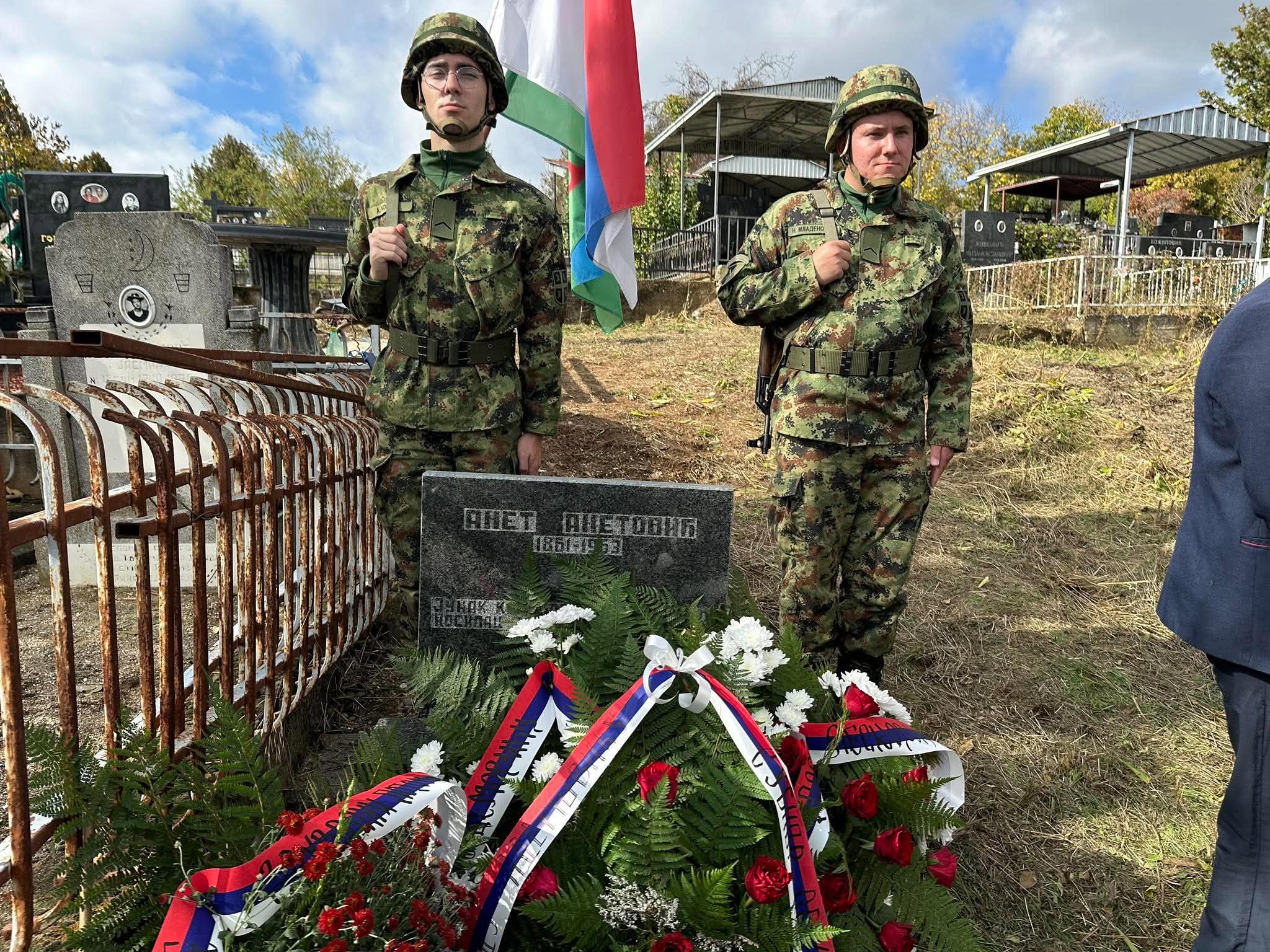
The inaugural meeting of the Coordination Body for Monitoring the Implementation of the Serbian Action Plan for Minority Rights (2026-2029) took place on August 11, with participation from state officials and minority councils.

Minister Demo Beriša emphasized the importance of collaboration between state institutions and minority councils to enhance the protection and realization of minority rights.

The Coordination Body will monitor the Action Plan’s implementation, analyze activities, address challenges, and propose measures for improvement, aiming for systematic oversight of minority rights.

Burgenland Roma

Published by:

Burgenland Roma

The Roma community has deep historical roots in Austria but continues to face prejudice, exclusion, and discrimination.

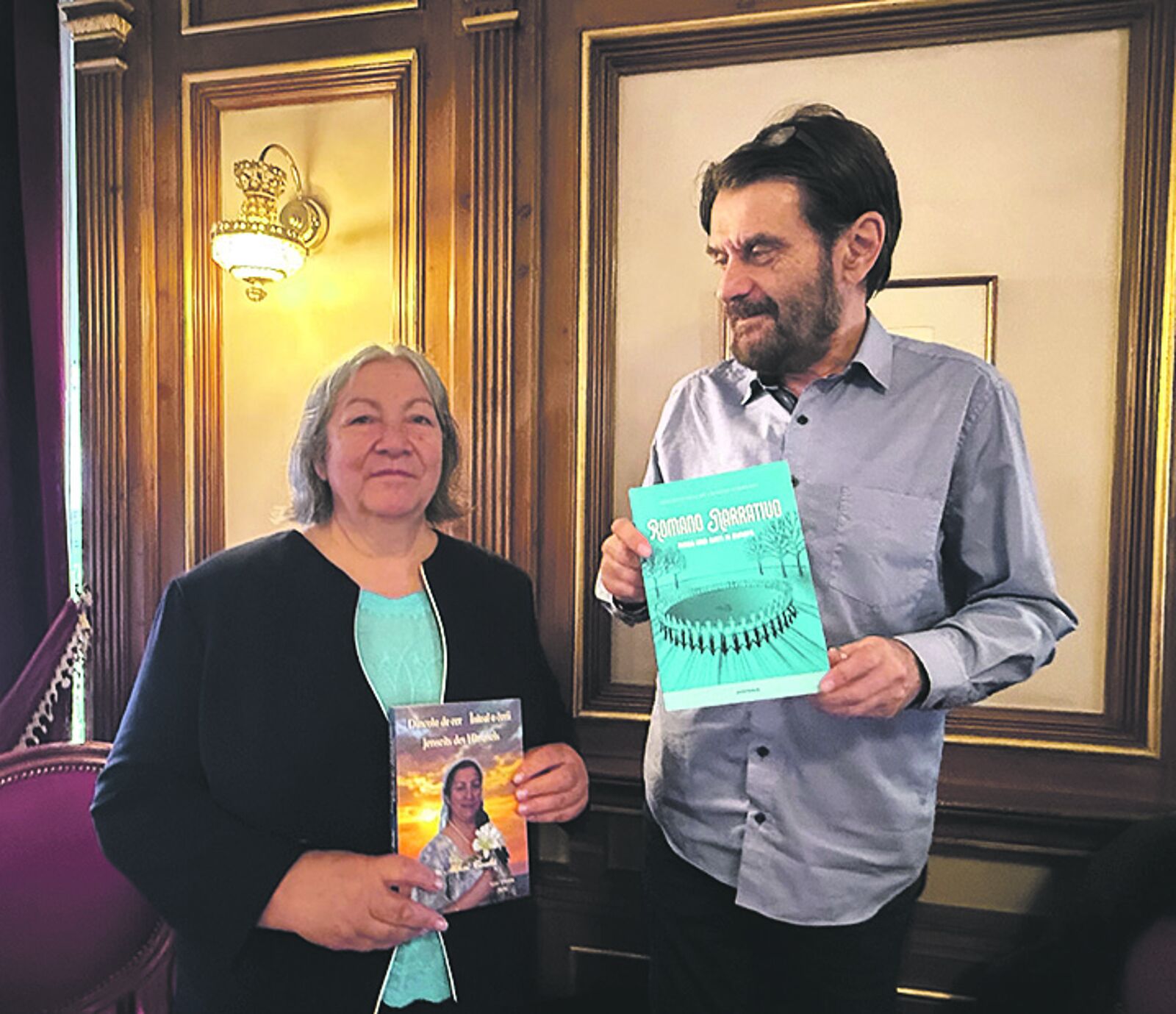
The documentary “Roma. A Cinematic Approach” spans from the 1930s to the present, highlighting both the suffering and the vibrant culture of the Roma people, including their music, traditions, and family stories.

The film features contributions from the Roma community, creating an authentic portrayal rather than an external perspective

Roma in our City

Published by:

Roma in our City

The 14th annual event “Romski svome gradu” in Pirot showcased Romani music, dance, and tradition, organized by the citizens’ association “Ternipe”.

The event attracted many fans of Romani culture, featuring performances by young folklorists from Pirot and guests from Vranje, emphasizing the continuity of Romani culture through new generations.

This year’s program included a humanitarian aspect, raising funds for the education of Romani girls, linking cultural preservation with support for the community’s future.

Police Negligence

Published by:

Police Negligence

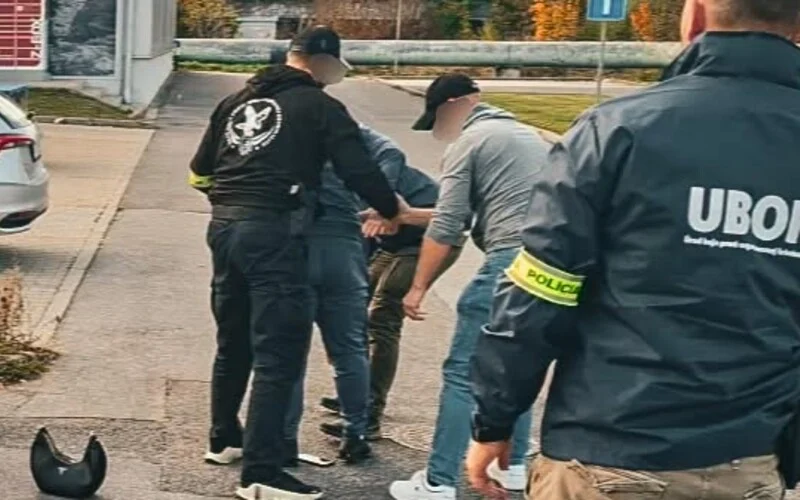
The Hungarian Ombudsman has initiated an investigation into police negligence regarding the neo-fascist vigilante group Bűnvadászok, which targets Roma communities, urging law enforcement to take action against their unlawful activities.

The Bűnvadászok, led by a member of the extremist Mi Hazánk party, have been accused of breaking into homes and intimidating residents, particularly targeting Roma individuals, while the police have historically failed to intervene.

The new Prime Minister Péter Magyar has promised to end the era of anti-Roma sentiment and police negligence, emphasizing the need for reforms to restore trust between law enforcement and Romani communities.

Halgato

Published by:

Halgato

Slovak Romani musician Oto Bunda is preparing a documentary film Halgató: Song of My Soul, dedicated to the traditional Romani musical genre halgato. The filming will take place in the Czech Republic and Slovakia with the participation of Romani musicians. According to Bunda, the film is intended to capture a tradition that is gradually disappearing from Romani communities.

Montenegro and Representation

Published by:

Montenegro and Representation

The Council of Youth Initiatives in Montenegro urges authorities to prioritize authentic political representation for the Roma community in electoral reforms, aiming for a representative in the Montenegrin Assembly.

The EU’s annual report highlights the vulnerable status of Roma and Egyptians in Montenegro, who face discrimination and hate crimes.

The Council emphasizes that authentic representation would enhance political participation and trust in institutions, and they propose a legal mechanism to ensure this representation based on electoral success.

Maribor Roma

Published by:

Maribor Roma

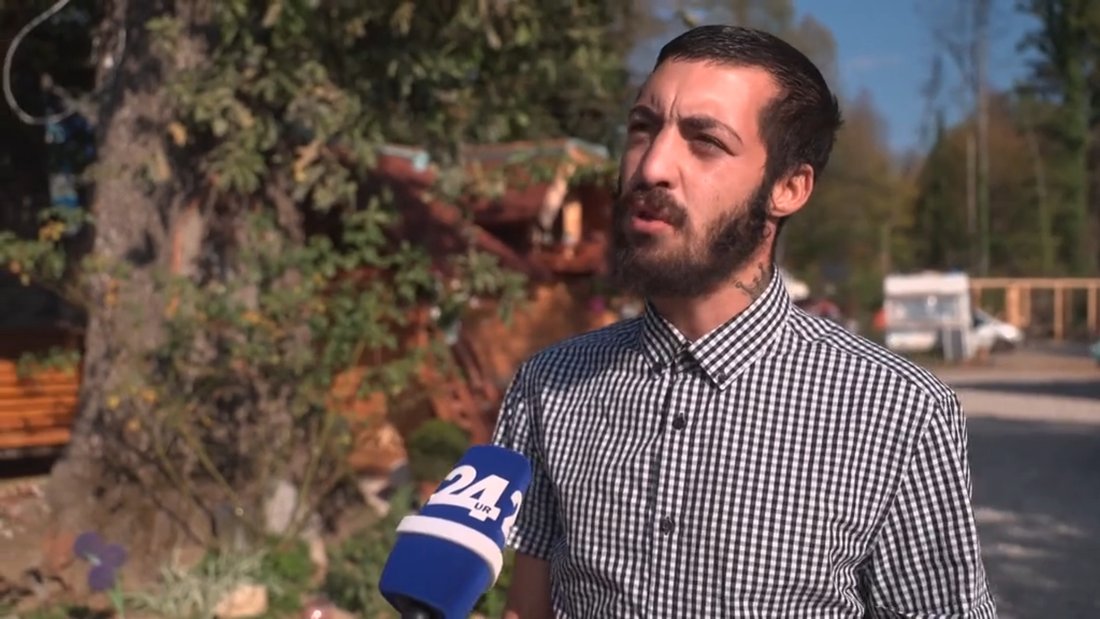
The article features Murim Baftiarov, an activist working to improve the position of the Roma community in Maribor, emphasizing the importance of education, support, and collaboration with the wider society.

Since 2023, he has been involved with the Roma association ‘Sprememba Takoj’, which aims to bridge the gap between the Roma and Slovenian communities and promote positive changes for Roma in Maribor.

He shares his personal educational journey and highlights the need for professional assistance to enhance stability and conditions within the Roma community.

Roma Bašavel

Published by:

Roma Bašavel

Prague 4 invites you to the seventh annual Roma Bašavel on Saturday, August 15th from 3:00 PM to the Central Park in Pankrác. This year, for the first time, it will be held as an open air festival for the general public and will offer a day full of music, dance, family fun and Roma culture. Admission is free.

Slovenia Education

Published by:

Slovenia Education

Nine months after the Ombudsman submitted a report on the education of Roma children to the National Assembly, there has been no discussion on it, prompting the Ombudsman to call for action.

The report, sent in October 2025, includes 19 recommendations aimed at improving the educational progress of Roma children and fostering coexistence with the majority population.

The Ombudsman emphasizes the urgency of addressing educational failures, especially following a tragedy in Novo mesto that highlighted the need for effective measures in education and integration.

Hungarian Speaking Roma

Published by:

Hungarian Speaking Roma

The article discusses the political preferences and behavior of Hungarian-speaking Roma in Slovakia, highlighting their low political activity compared to non-Roma citizens.

A study found that only 24% of Hungarian-speaking Roma identify as committed ethnic voters, with many leaning towards Slovak parties rather than Hungarian ethnic parties.

The popularity of Igor Matovič’s Slovakia Movement is rising among Hungarian-speaking Roma, indicating a shift in political allegiance that could impact the Hungarian ethnic party’s representation.

Tisza and Roma

Published by:

Tisza and Roma

Significant frustration has emerged within the Roma intellectual and civil sectors regarding the Tisza government’s Roma policies, with activists criticizing the exclusion of key representatives from the newly formed Roma Cultural Forum.

Kadét Ernő, head of the Roma Press Center, emphasizes the need for patience as the new government is still establishing its structure and addressing long-standing issues accumulated during the previous Fidesz administration.

There are concerns about the lack of Roma representation in government positions and the perceived inequity in state support for Roma organizations compared to non-Roma-led initiatives.

Slovenia and Roma

Published by:

Slovenia and Roma

The Novo mesto Society for the Development of Voluntary Work organized a day trip for young Roma from Brezje and Jedinščica to the Prekmurje Roma community, where they visited various cultural and educational sites.

The trip aimed to enhance the young Roma’s understanding of their culture and language, as well as to expose them to successful practices in the region, fostering their educational and employment aspirations.

Participants expressed their excitement about the experience, highlighting the importance of such opportunities for personal growth and community connection.

Threats

Published by:

Threats

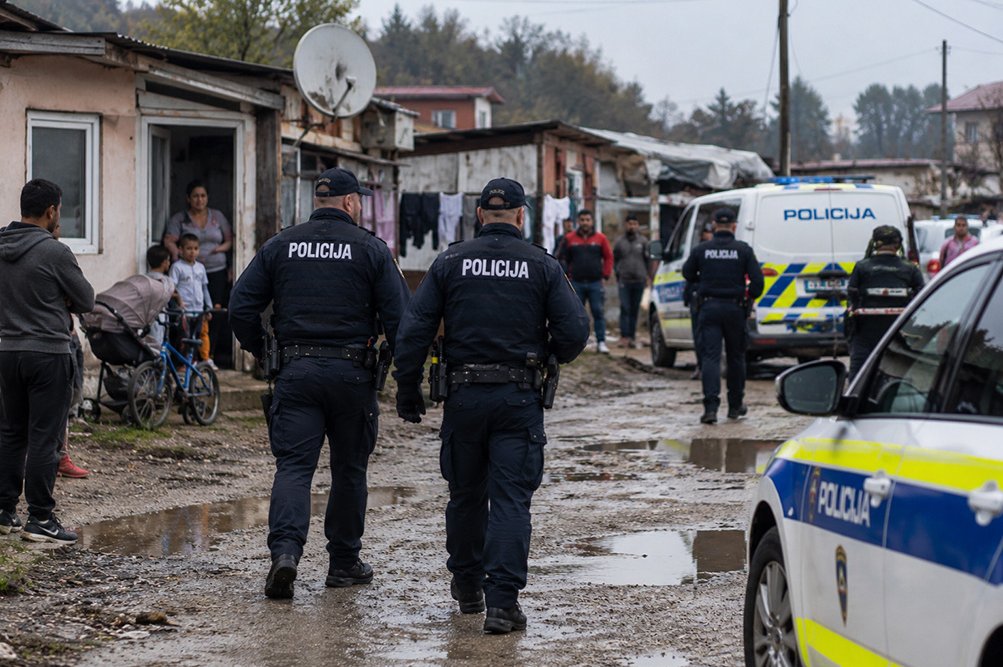
Davorin Klobučar, a prominent sports and tourism figure, has faced escalating threats, including physical violence and death threats, following a public discussion on the legality of a Roma settlement in Gusto Laz.

Klobučar reported an incident on August 3, where he was verbally threatened by a group of Roma while he was cleaning a swimming area, leading him to seek police protection.

He expressed concerns about the safety of Brod na Kupi, urging authorities to take action against the rising violence and threats, which he believes undermine democracy and public safety.

Fire and Relocation

Published by:

Fire and Relocation

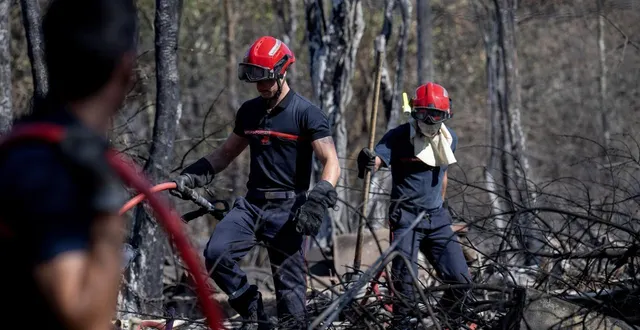
On the night of Wednesday to Thursday, there was a fire in the settlement of Lubina in the Nad jazerom district of Košice, Slovakia. This is the settlement out of which some families moved to Hungary.

The Lubina settlement has been in the news in both Slovak and Hungarian media in recent weeks. The whole case began to develop in mid-July, when the demolition of the illegal Lubina settlement began in the city district, where about 200 Roma live without water and electricity.

According to the article, the fire could have been caused by arson.

Slovakia and Roma

Published by:

Slovakia and Roma

The article discusses the ongoing challenges faced by Roma communities in Slovakia, emphasizing the need for better housing, water, education, and job opportunities to improve their situation.

Officials report significant investments in infrastructure projects aimed at improving living conditions, but some local leaders express skepticism about the effectiveness of these efforts, citing persistent issues like lack of sanitation and healthcare access.

The article effectively claims that these investments are for nothing.

There is a debate over the allocation of scholarships for Roma students, with differing opinions on whether support should be based on ethnicity or socio-economic status, highlighting the complexities of addressing poverty in diverse communities.

Roma in one’s City

Published by:

Roma in one’s City

The event “Romi svome gradu” was held in Pirot, Serbia, showcasing the richness of Romani music, dance, and tradition, featuring performances by local youth and guests from Vranje.

Radmila Nešić from the organizing association “Ternipe” emphasized the festival’s importance in preserving Romani culture and its growing popularity among the audience.

The event also included an initiative to support the education of Romani girls, highlighting the challenges faced in maintaining cultural traditions due to lack of funding and resources.

https://youtu.be/MJnPu_63QTs

Ambulance Attack

Published by:

Ambulance Attack

A violent attack on an ambulance in Cluj County was fueled by false information claiming the crew was kidnapping children, highlighting the dangers of misinformation and distrust in institutions, according to sociologist Gelu Duminică.

Duminică warns that reducing the incident to ethnic identity misses the real issues of fear, precariousness, and the spread of false information, which can manipulate vulnerable populations.

The mayor of Recea-Cristur expressed surprise at the attack, emphasizing the need for social media platforms to take action against the spread of false news that contributed to the incident.

Mariazell

Published by:

Mariazell

The 30th pilgrimage of Roma, Sinti, and Lovara from Austria and other European countries took place at the Basilica of Mariazell, led by Bishop Franz Scharl, who emphasized faith in Jesus Christ during the service.

The mass featured songs in Romanes and German, performed by a mixed group of Roma and non-Roma musicians, symbolizing friendship and unity, with children creating a special pilgrimage candle focused on peace.

The pilgrimage has a long tradition, interrupted in 1938, and resumed in 1996 after the official recognition of the Roma community in Austria, with an estimated 40,000 to 80,000 Roma and Sinti living in the country today.

rroma.org
en_GBEN