Category Archives: Moldova

Elena Sirbu

Published by:

Elena Sirbu

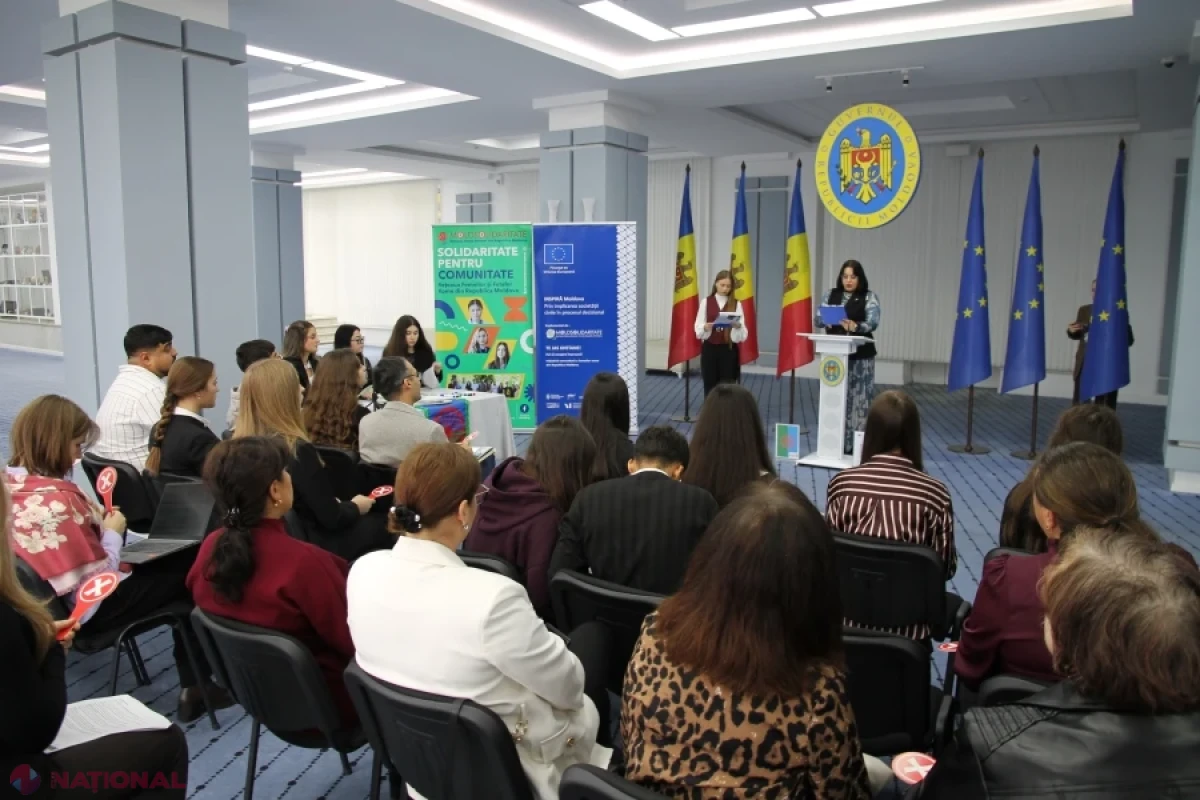
Elena Sirbu is a journalist and human rights advocate in Moldova, leading the Romani Women’s Platform, Romni, which was officially established in 2016 to support Romani women and improve their visibility and rights.

The organization focuses on various issues, including the integration of Romani refugees from Ukraine, advocating for gender equality, and monitoring public policies related to the Romani community in Moldova. Despite some progress, such as scholarships for Romani students, significant challenges remain, including a lack of government support and persistent discrimination against the Romani population in media representation and public perception.

Moldovan Program

Published by:

Moldovan Program

The Moldovan government has approved a program to support the Roma population from 2027 to 2030, focusing on education, employment, health access, and combating discrimination.

The program has a total budget of 58 million lei (2.9 Mio Euros), with half funded by the state and the other half by development partners, aiming to improve integration and service provision for Roma citizens.

The 2024 census recorded 9,356 Roma individuals in Moldova, highlighting ongoing challenges such as limited access to quality education, healthcare, and employment, as well as discrimination and poverty risks, particularly affecting Roma children and women.

Education In Moldova

Published by:

Education In Moldova

The Ministry of Education and Research (MEC) in Moldova is implementing measures to improve educational access for Roma children, including reserving 10% of school places for them and introducing special quotas for higher education admissions.

Participation of Roma children in education has increased significantly, with primary and secondary school enrollment rising from 1,114 to 2,029 students between 2023-2026, and vocational education enrollment increasing from 33 to 76.

MEC is launching an Accelerated Education Program to reintegrate out-of-school children and is collaborating with UNICEF and other organizations to enhance educational support and promote Roma culture and identity.

The numbers seem exceedingly low for the entire country…

Europe Development Bank

Published by:

Europe Development Bank

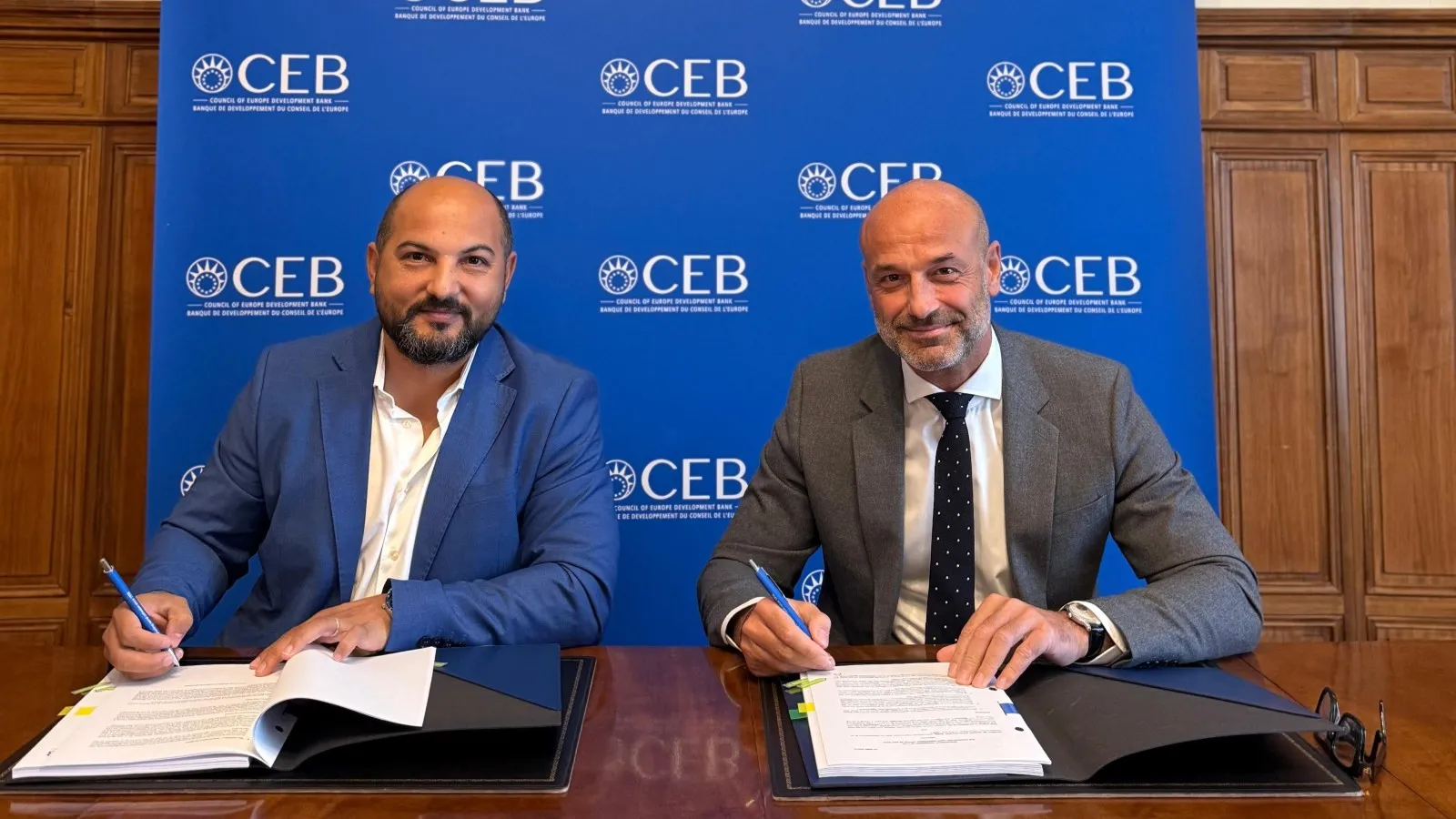
The Council of Europe Development Bank (CEB) and REDI Economic Development S.A. signed a €5 million loan to support Roma-owned microenterprises in Albania, Kosovo, Moldova, and Romania with affordable credit access.

The loan aims to unlock over €8 million in microloans, supporting over 1,000 businesses and creating or maintaining over 2,000 jobs, with a focus on women entrepreneurs and Roma communities.

This is the second loan from CEB to REDI Fund, following a previous €3 million loan in 2021, which has already supported around 460 beneficiaries, including 300 Roma entrepreneurs.

Again

Published by:

Again

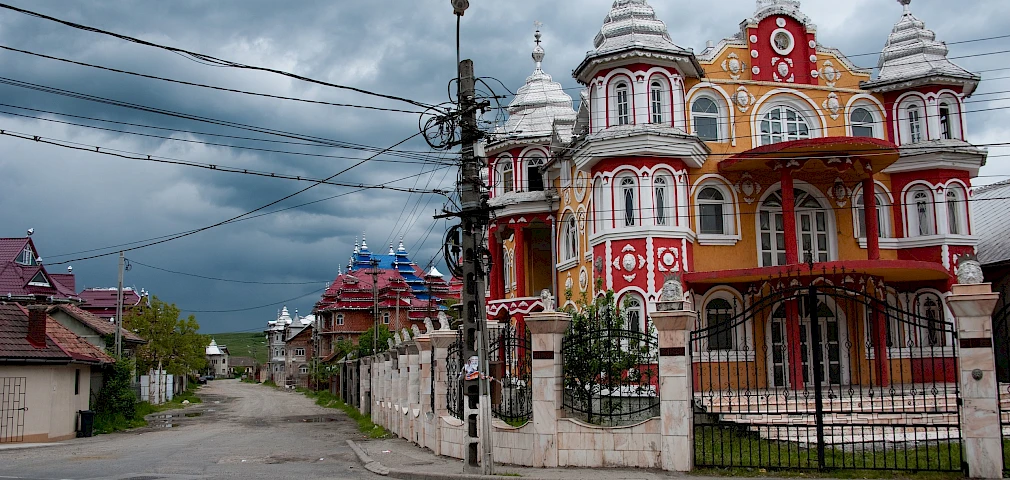
Another article on the very same palaces, which, according to the article symbolize social ascent for Roma families who gained wealth after the 1989 regime change, some reclaiming gold confiscated during the communist era, while others prospered through metal trading or foreign work.

These palaces are deeply connected to the history of the Roma community, which faced centuries of slavery in parts of Romania, with their liberation only completed in 1856, followed by further persecution and discrimination.

Romanian photographer Laurian Ghinițoiu has documented these unique buildings, viewing them as expressions of the community’s self-esteem and desire for visibility, despite outsiders often labeling them as tasteless.

Moldova and Romanes

Published by:

Moldova and Romanes

According to the article, only about 30% of Roma in Moldova speak Romanes, with transmission to younger generations becoming increasingly difficult due to various factors, including lack of standardized writing and integration into other linguistic environments.

The Agency for Interethnic Relations emphasizes the importance of protecting the linguistic and cultural heritage of the Roma community, with initiatives like a new curriculum on Roma traditions and the first certified Romani interpreter in Moldova.

Events are organized to celebrate World Romani Language Day, aiming to promote the language and cultural identity of the Roma, while addressing issues like illiteracy and school dropout rates within the community.

  • „Se pierde”: Limba romani, vorbită doar de o treime dintre romii din R. Moldova. In: Moldova 1. 05.11.2026. https://moldova1.md/p/89510

Roma Culture

Published by:

Roma Culture

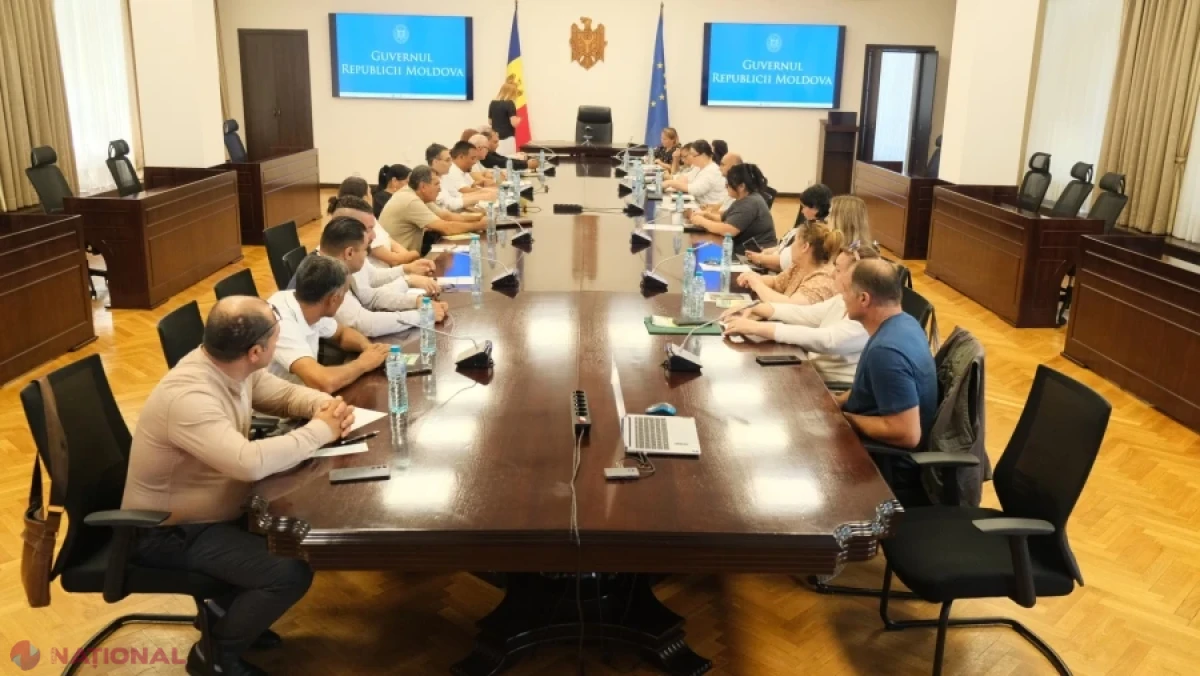
A meeting was held between 20 young Roma from Moldova and representatives of the Ministry of Education to discuss promoting Roma cultural and linguistic identity, as well as expanding access to education. Key topics included the introduction of a subject on Roma history and culture in schools, teacher training, and providing educational materials, along with the possibility of teaching the Romani language as a mother tongue.

The Ministry, in collaboration with European institutions, aims to ensure equal educational opportunities for Roma children and has planned to offer 120 merit scholarships for the academic year 2026-2027.

Moldova – Mediation

Published by:

Moldova – Mediation

Robert Cerari, a Roma leader (in Romanian they use the term Roma Baron), visited Vulcăneşti, Moldova,  to mediate peace between two feuding clans amidst ongoing violence.

During a rainy meeting, Cerari urged the Romani community to resolve their issues peacefully and respect the law, while clan leader Ilie Bogdan accused a rival of criminal behavior.

The article recounts a recent violent incident involving a shooting and subsequent vendetta, highlighting the tensions and need for dialogue within the community.

Moldova and Drugs

Published by:

Moldova and Drugs

The village of Vulcăneşti in the Nisporeni district—located approximately 70 kilometers from Chişinău and 20 kilometers from the Romanian border—has the highest proportion of Roma residents in the Republic of Moldova. There are only three ethnic Moldovan families in the village, while a few other Moldovans have come to live there after marrying into the Roma community.

Tensions have flared up again (there was a murder a while back). This time, a group of residents has united against the drug trade in the village; according to them, more than half of the villagers regardless of age, use drugs.

What apparently angered the Roma community of Vulcăneşti the most was the fact that a young fellow villager, detained by the police for allegedly having drugs in his car, was released the very same day. The young man’s family, a rather influential one in the area, claims the case against him was fabricated by “enemies,” specifically other villagers.

Education in Moldova

Published by:

Education in Moldova

Seven educational institutions in Moldova will test a new methodology for evaluating school practices from a human rights perspective, focusing on the protection of students’ rights, especially for vulnerable groups like Roma and refugees.

The methodology aims to help schools assess the respect for children’s rights in educational processes and daily practices, identifying areas for improvement.

The project is funded by the European Union and implemented by UNICEF Moldova and the UN Office for Human Rights in collaboration with the Ministry of Education and Research.

  • Protecție sporită pentru copiii romi și refugiați: O metodologie nouă privind drepturile omului, testată în șapte școli. In: Radio Moldova. 10.08.2026. https://radiomoldova.md/p/82781

Moldova and Memory

Published by:

Moldova and Memory

On the eve of the memorial date for the genocide of Roma during World War II, vandals painted over a memorial in Moldova, changing its colors to a toxic red, which shocked community members.

The Roma community in Moldova, estimated at 12,000, is advocating for recognition of their genocide during the war, with many more living abroad, and they commemorate the tragedy annually on August 2.

A memorial panel was created to honor the victims, but the community fears it may be vandalized again, highlighting ongoing issues of intolerance and historical neglect regarding the Roma Holocaust.

Moldova Commemoration

Published by:

Moldova Commemoration

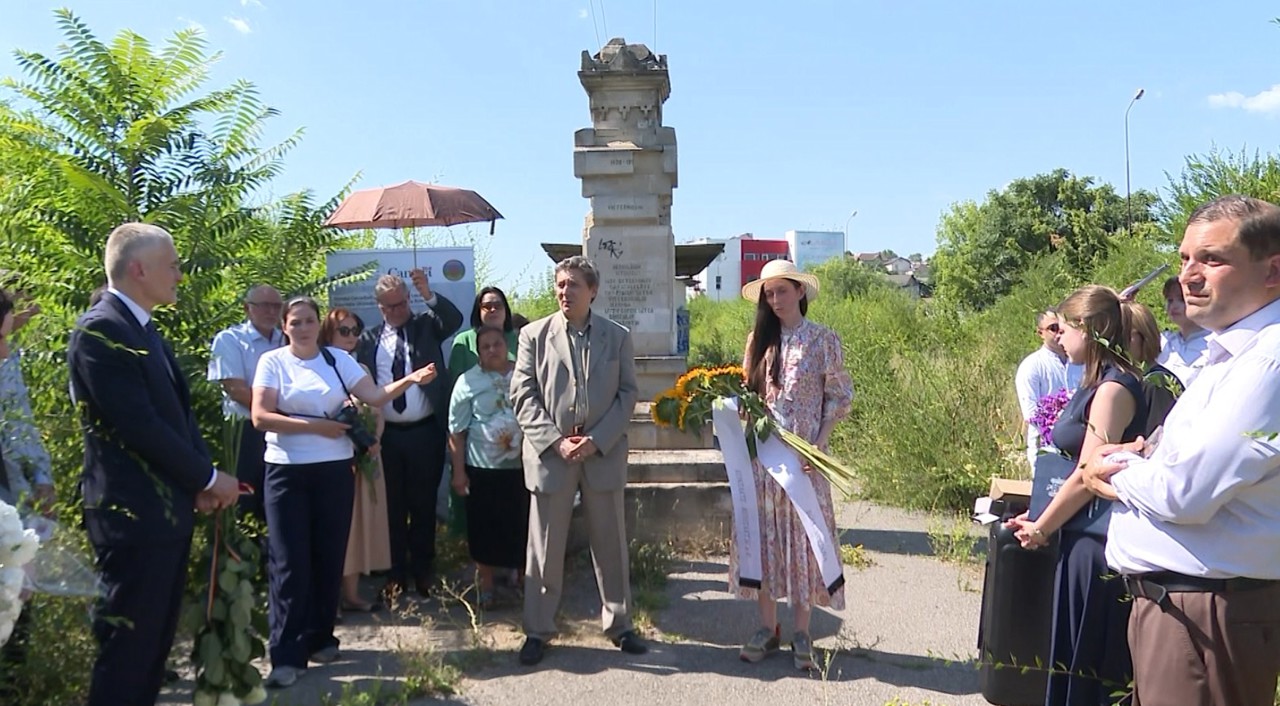
A memorial plaque was inaugurated on August 3rd at the Visterniceni train station in Chișinău to commemorate the Roma deported during World War II, coinciding with the European Day of Commemoration of the Roma Holocaust.

Vasile Drangoi shared his family’s tragic story of deportation, highlighting the suffering and loss experienced by the Roma community during this period.

The Moldovan authorities are working on a national plan to promote awareness of the Roma Holocaust, including addressing anti-Roma sentiment in educational programs.

Education in Moldova

Published by:

Education in Moldova

A meeting organized by the Ministry of Education and Research focused on developing services for Roma communities through community mediators, involving various stakeholders.

Discussions included improving educational access for Roma children and youth, preventing school absenteeism, and enhancing access to health and social services.

The new regulation defines the role of community mediators and aims to strengthen cooperation between mediators and public institutions to support Roma communities in Moldova.

Education In Moldova

Published by:

Education In Moldova

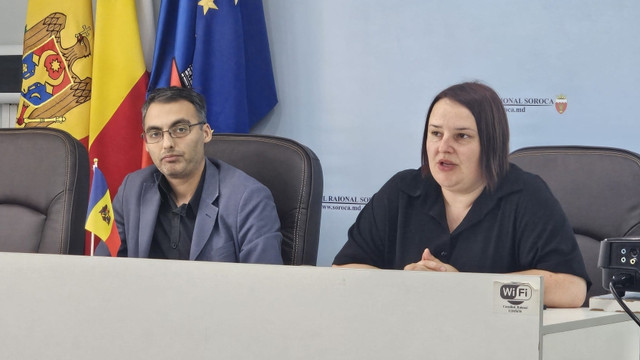
A consultative meeting organized by the Ministry of Education in Soroca focused on improving access to education for Roma children and preventing school dropout.

The meeting included local authorities, educational institutions, community mediators, civil society organizations, and parents, discussing affirmative measures to support Roma students. The importance of early education and collaboration between authorities, schools, and the Roma community was emphasized to create a more inclusive educational environment.

Proposed measures include reserving 10% of places in first and tenth grades for Roma children, admission facilities for vocational and higher education, merit scholarships, and increased social scholarships for vulnerable families.

Artur Cerari

Published by:

Artur Cerari

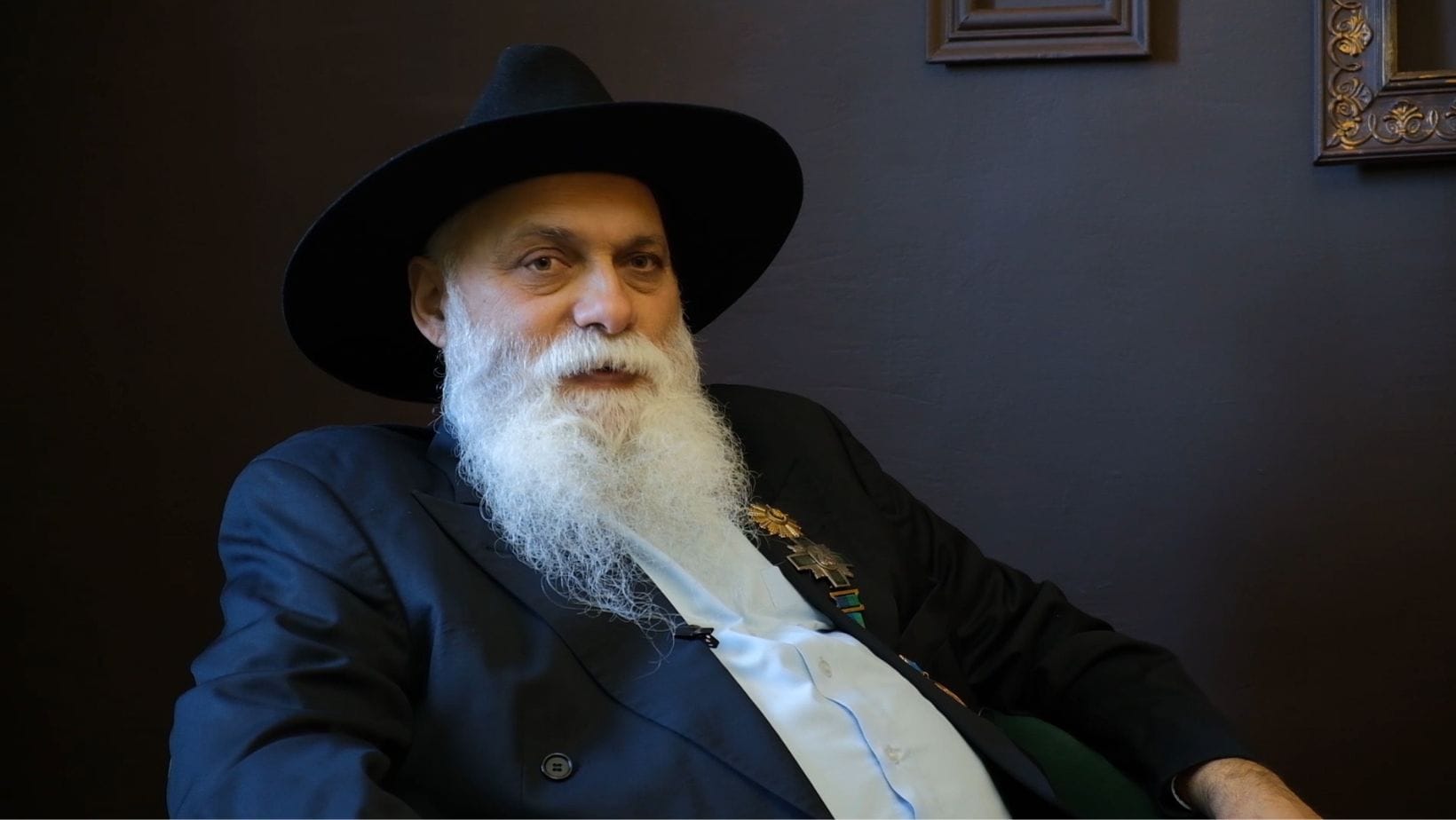
Artur Cerari, the leader of the Roma community in Soroca, Moldova, passed away on July 4, 2026, at the age of 65. He succeeded his father, Mircea Cerari, who was a prominent figure in the Roma community during the Soviet era.

Cerari was known for mediating internal disputes and representing the Roma community in official matters, focusing on issues like economic migration and educational integration.

Te avel I phuv lohi I o drom angla leste puterdo.

Moldova and Education

Published by:

Moldova and Education

Several articles in the Moldovan press about new measures regarding the integration of Roma in education. Starting from the 2026-2027 academic year, special admission quotas and scholarships will be available for Roma students in schools, colleges, and universities, with 10% of available spots reserved for them.

Roma students will be exempt from admission fees and can access funded places, with a total of 120 individuals receiving financial support, including monthly scholarships of 1,200 lei.

The initiative aims to eliminate barriers to education for Roma children and ensure equal opportunities, as stated by Ivan Duminica from the Ministry of Education and Research.

Moldovan Mediators

Published by:

Moldovan Mediators

The Moldovan government approved changes to the regulations governing community mediators to enhance their effectiveness in assisting Roma families in accessing public services.

Community mediators will now have expanded responsibilities, including identifying vulnerable individuals and facilitating their contact with relevant public services. The reform includes ongoing professional training for mediators and aims to improve service quality and resource efficiency, promoting social inclusion and educational access for Roma children.

Moldovan National Program

Published by:

Moldovan National Program

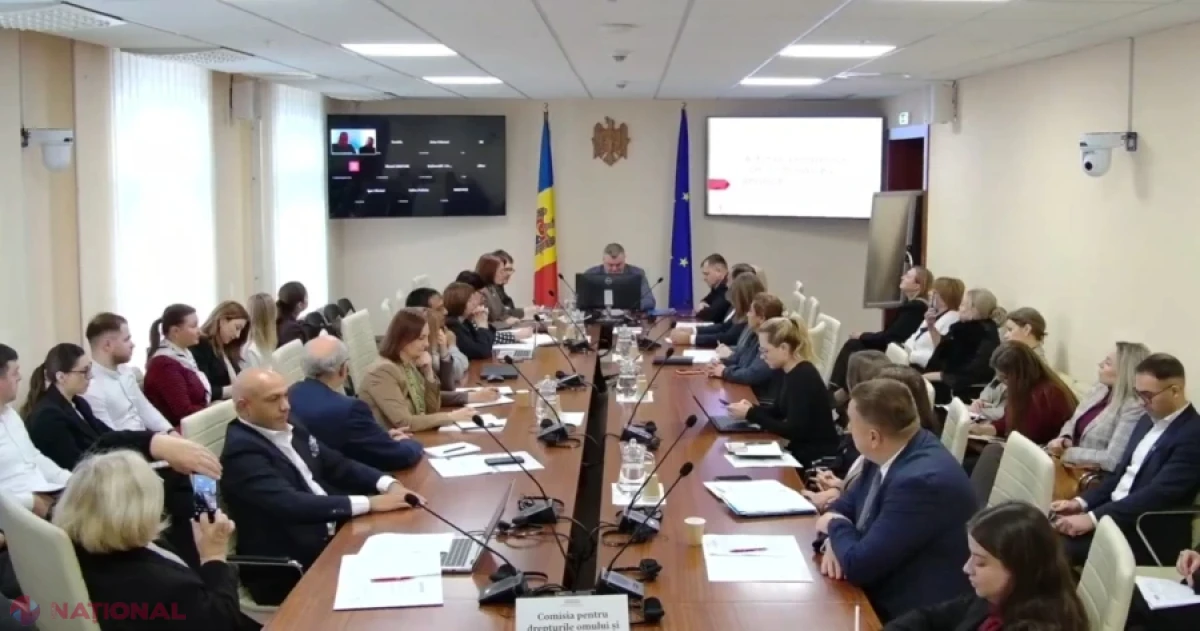
The central goal of the Moldovan Roma National 2027-2030 Program is to enhance social inclusion and ensure equitable access for Roma to education, health, employment, social protection, and public participation.

The program includes measures to combat discrimination, develop community mediators, and promote Roma culture, validated by a meeting involving various stakeholders including government representatives and civil society organizations. Emphasis is placed on reducing inequalities and increasing access to quality public services, with active involvement from all stakeholders deemed essential for the program’s success.

Moldova and Roma

Published by:

Moldova and Roma

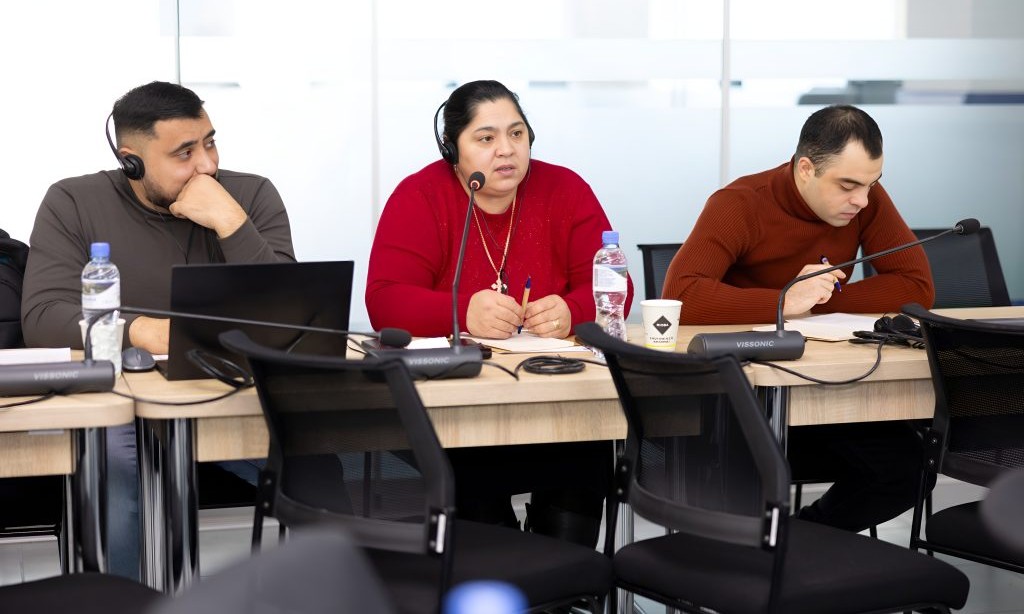
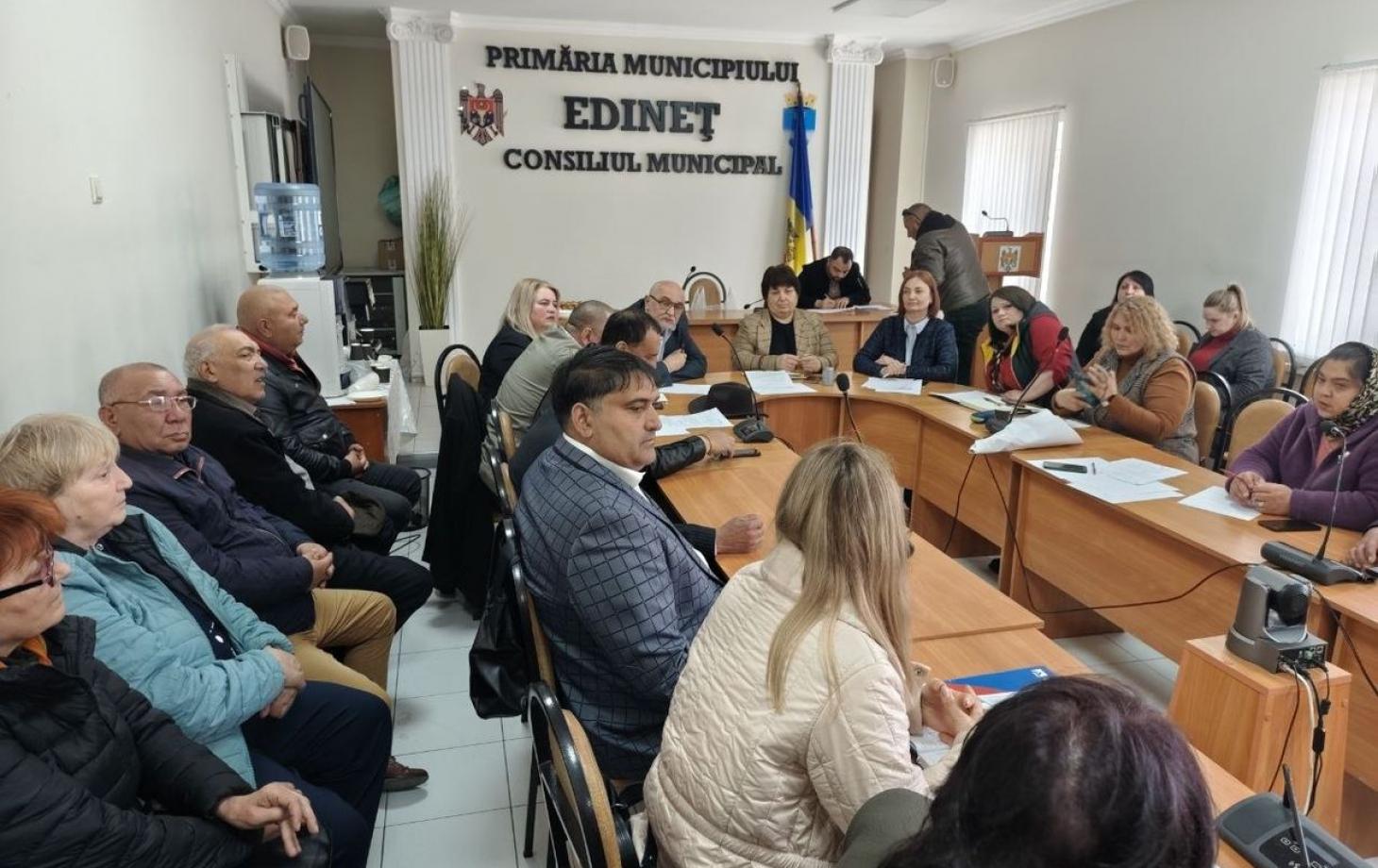
A roundtable discussion at Edinet (Moldova) City Hall brought together representatives of the government, relevant services, and the Roma community. Photo: SP

Why are children from the Roma community in Edinet dropping out of school en masse, while adults are unable to find work? At a roundtable discussion on Roma rights in Moldova, this was addressed directly: with figures, stories, and without the usual excuses. The discussion on Roma community integration quickly expanded beyond the formal agenda to address migration, poverty, and mistrust, which continue to undermine even existing support mechanisms.

April 8th, Moldova

Published by:

April 8th, Moldova

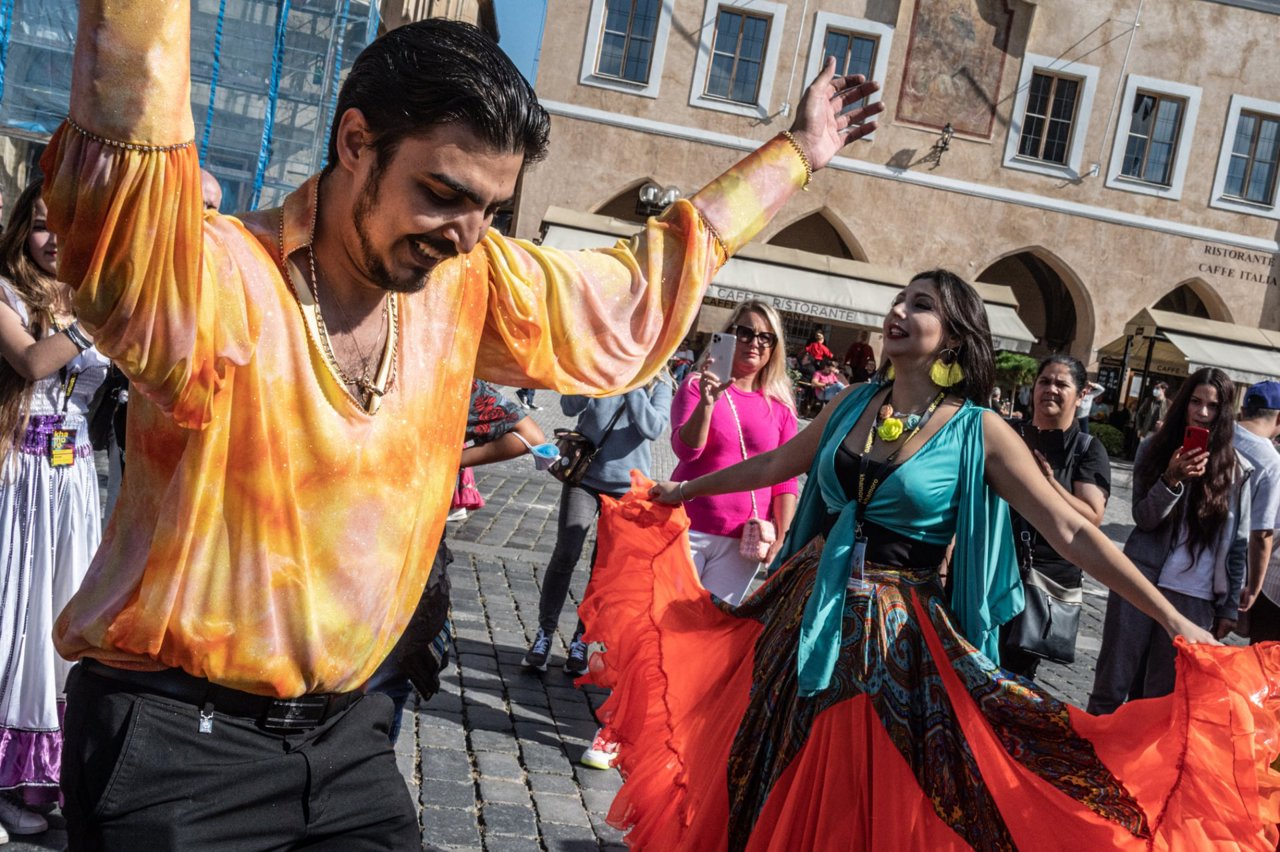
Only through respect and mutual support can we build a more inclusive and strong state, where every person matters and no one is left behind. This was the message expressed by President Maia Sandu on the occasion of International Roma Day on April 8.

rroma.org
en_GBEN