Daily Archives: November 6, 2026

Slovenia and Roma

Published by:

Slovenia and Roma

According to the article, progress has been noted in employment, preschool education, and strengthening national policies for the inclusion of Roma, with the percentage of Roma in severe material deprivation decreasing from 62% in 2016 to 37% in 2024.

The proportion of young Roma engaged in employment, education, or training increased from 38% to 53%, and those in paid employment rose from 43% to 54%.

Despite these improvements, challenges remain, including segregation in schools, low completion rates of secondary education, and high poverty risk among Roma children, with 77% still facing poverty.

The fact that one doesn’t know how may Roma there are in Slovenia renders these percentages pretty irrelevant…

Memorial

Published by:

Memorial

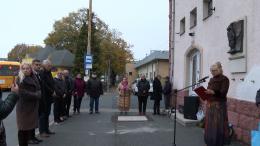
A memorial event was held in Hungary at the Zalaegerszeg train station to honor the Roma victims of the Holocaust, specifically those deported on November 2-3, 1944.

Local officials emphasized the importance of remembering the past and educating younger generations about the atrocities faced by Roma families due to their ethnicity.

The event concluded with the singing of the Romani anthem and the laying of wreaths at a commemorative plaque.

Romanes Day in Slovakia

Published by:

Romanes Day in Slovakia

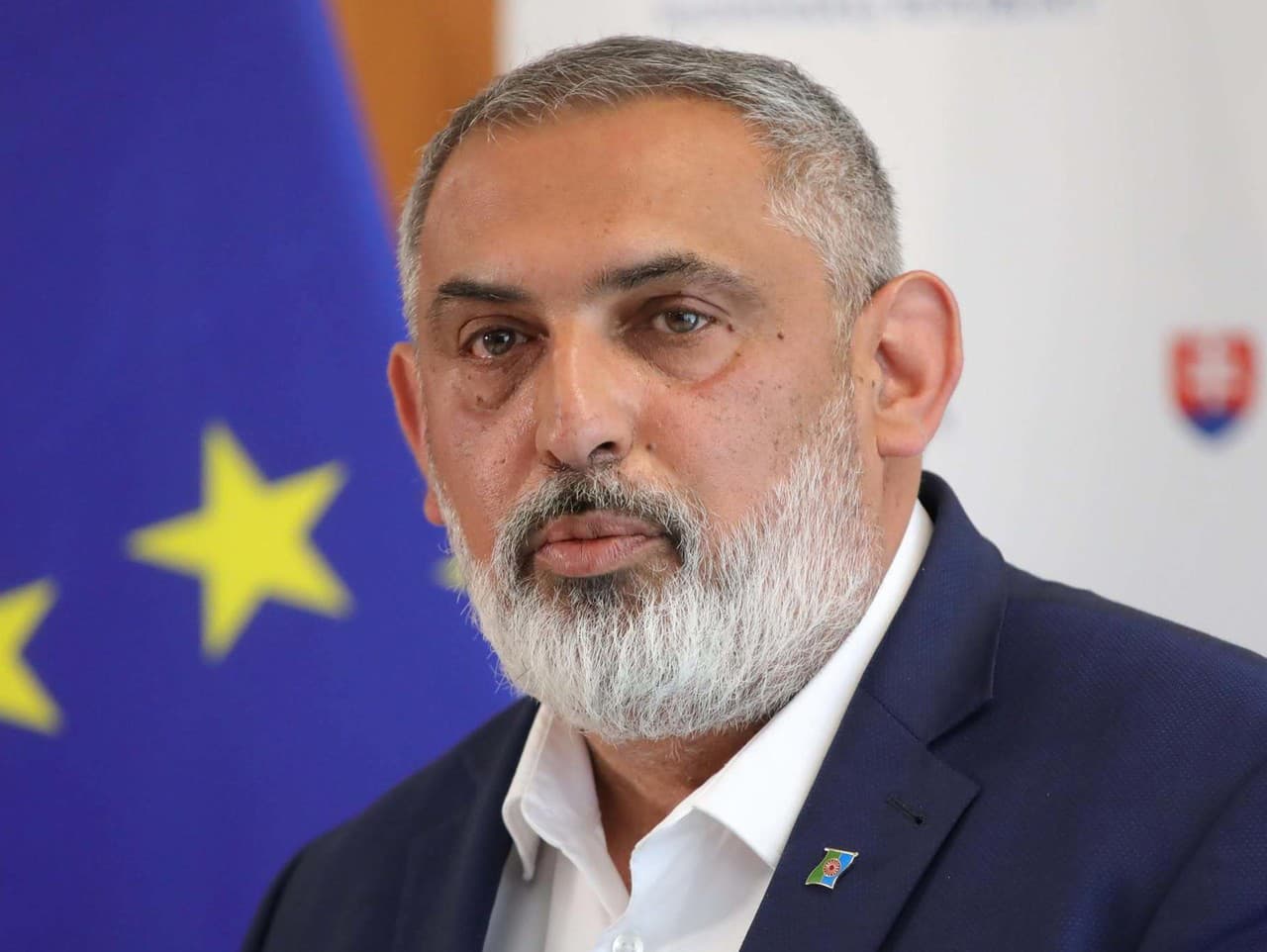
The Slovak government’s commissioner for Roma communities, Alexander Daško, emphasized the importance of protecting and passing on the Romani language to future generations on International Romani Language Day.

He highlighted that the language is a vital part of Romani identity, history, and cultural heritage, containing the stories, traditions, and values that connect generations.

The International Romani Language Day was established on November 5, 2009, by linguists and leaders from 15 European countries, and was recognized by UNESCO in 2015.

National Minorities Council

Published by:

National Minorities Council

Srđan Šajn, president of the Roma Party in Serbia, stated that his party declined to sign an initiative to boycott the elections for the National Council of the Roma National Minority. The reason, he explained, is that other Roma political parties supporting the initiative “were, until recently, close to the regime of the Serbian Progressive Party (SNS).”

Moldova and Romanes

Published by:

Moldova and Romanes

According to the article, only about 30% of Roma in Moldova speak Romanes, with transmission to younger generations becoming increasingly difficult due to various factors, including lack of standardized writing and integration into other linguistic environments.

The Agency for Interethnic Relations emphasizes the importance of protecting the linguistic and cultural heritage of the Roma community, with initiatives like a new curriculum on Roma traditions and the first certified Romani interpreter in Moldova.

Events are organized to celebrate World Romani Language Day, aiming to promote the language and cultural identity of the Roma, while addressing issues like illiteracy and school dropout rates within the community.

  • „Se pierde”: Limba romani, vorbită doar de o treime dintre romii din R. Moldova. In: Moldova 1. 05.11.2026. https://moldova1.md/p/89510

Council of Europe and Romanes

Published by:

Council of Europe and Romanes

The International Romani Language Day conference at the Palace of Europe in Strasbourg focuses on safeguarding the Romani language, emphasizing its cultural significance and the challenges it faces.

Experts highlight the close relationship between Romani identity and language, advocating for its promotion as a shared heritage rather than a test of authenticity.

Discussions include the need for educational initiatives to teach Romanes, combat discrimination, and utilize digital tools to preserve and promote the language.

Romanes in Montenegro

Published by:

Romanes in Montenegro

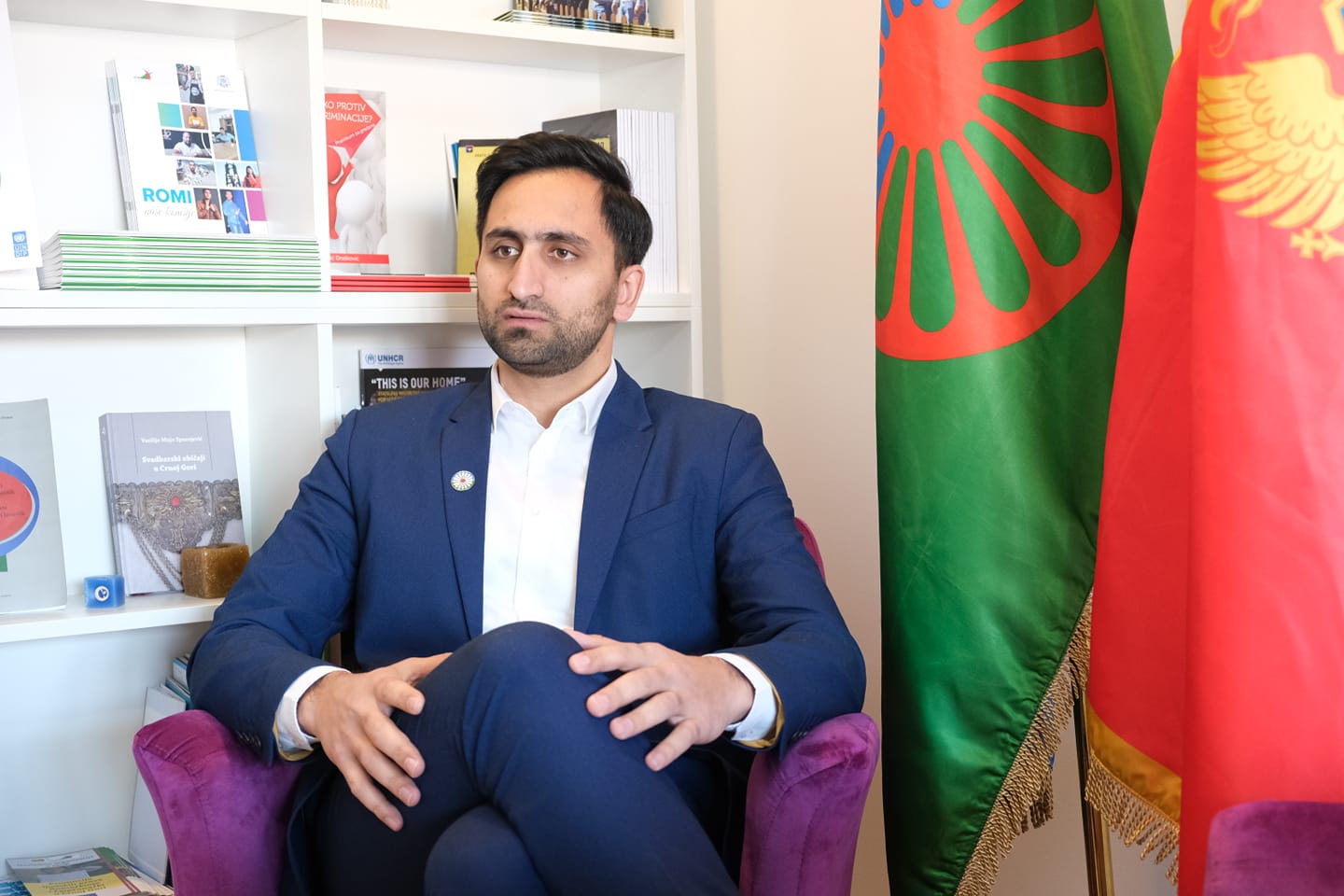
Romanes is crucial for the identity and cultural heritage of the Roma community, yet it lacks formal recognition in Montenegro’s education system.

Elvis Beriša emphasizes the need for Roma children to learn their ancestral language alongside the majority language to foster their educational potential and identity.

International reports highlight the discrimination faced by Roma and the necessity for Montenegro to implement strategies for the protection and promotion of the Roma language in education and public life.

rroma.org
en_GBEN