Category Archives: Europe

Romani Pen

Published by:

Romani Pen

Romani PEN has been officially recognized by PEN International, enhancing the global platform for Romani authors and literature. The initiative, launched in Berlin, aims to support Romani writers and promote their cultural significance and language diversity.

Damian Le Bas emphasizes the importance of this recognition for Romani authors, facilitating better support for both emerging and established writers.

ODHIR on Roma

Published by:

ODHIR on Roma

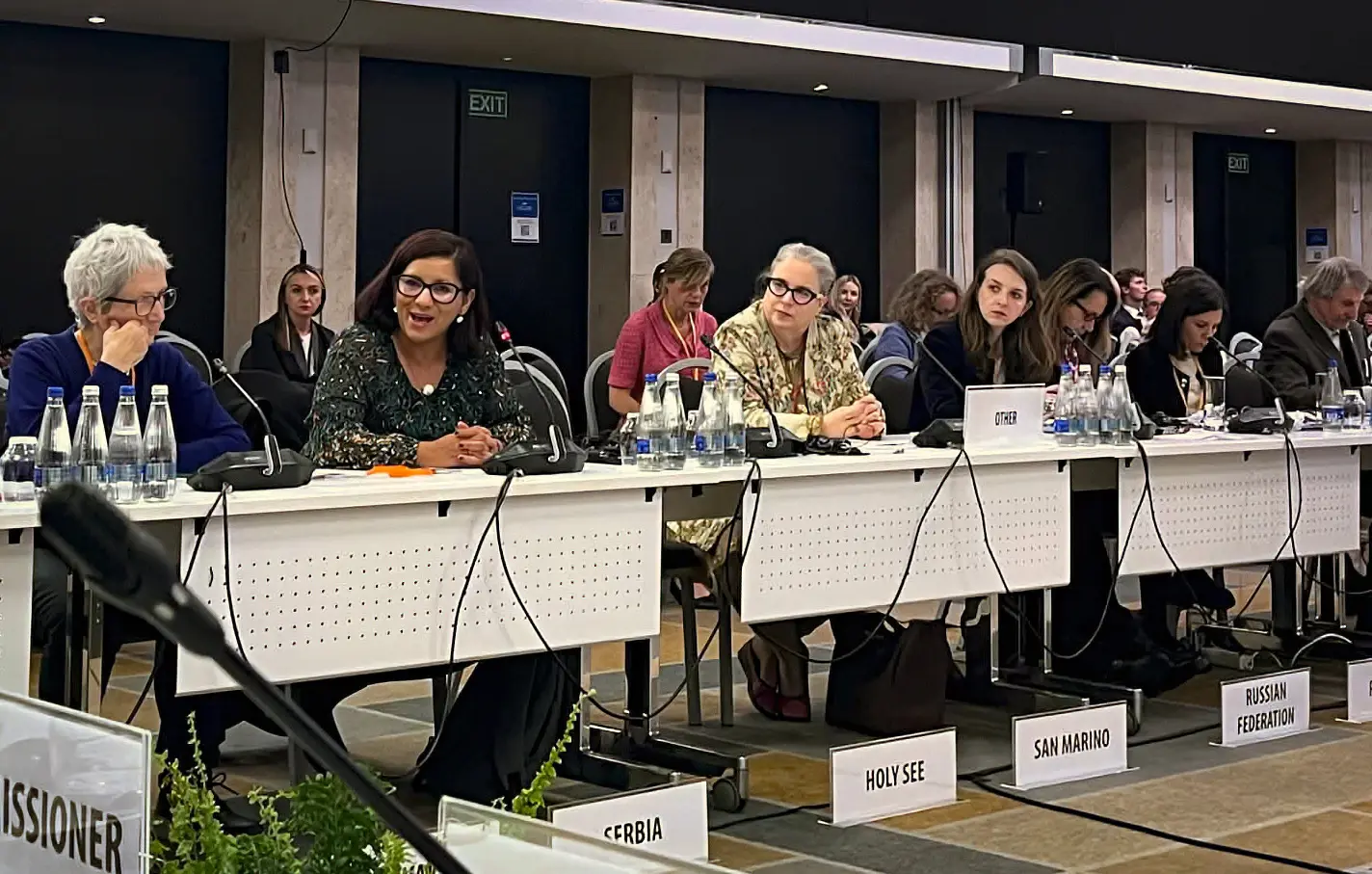
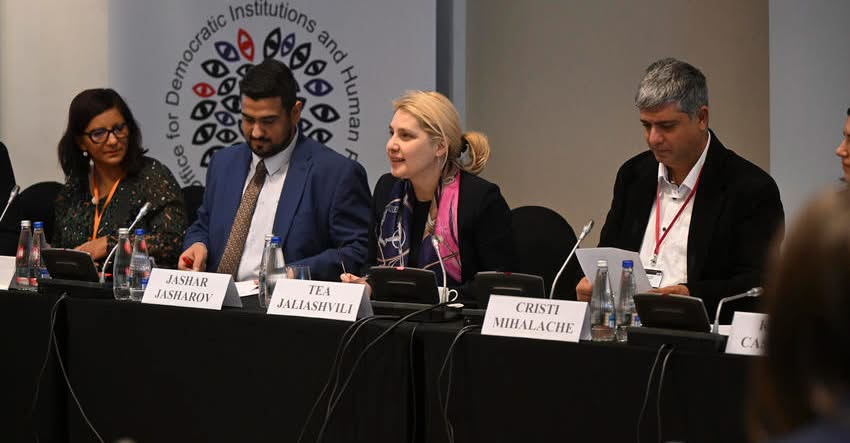
The Warsaw Human Dimension Conference addressed the democratic obligations and human rights of national minorities, focusing on Roma and Sinti issues, including anti-Roma racism and discrimination in various sectors.

The event highlighted the compounded discrimination faced by Roma and Sinti women, emphasizing the need for an intersectional approach to address issues of racism, misogyny, and gender-based violence. Advocates from Romania, Türkiye, and Spain discussed strategies for combating discrimination and the impact of societal issues like polarization and digital threats on Roma and Sinti women.

Human rights activist Gwendolyn Albert criticized the misuse of state security measures against Roma communities in several countries, highlighting police raids in Greece and the elimination of a human rights department in the Czech Republic.

Former Czech Government Commissioner Lucie Fuková emphasized the need for genuine political support and long-term mentoring for Roma candidates to ensure their successful participation in elections.

Roma and Elections

Published by:

Roma and Elections

The OSCE emphasizes the need for ongoing efforts to remove barriers preventing Roma and Sinti from participating in elections, as discussed at a Warsaw conference.

A new handbook was launched to provide guidance on promoting their electoral participation, addressing issues like discrimination, registration difficulties, and under-representation.

The handbook aims to assist various stakeholders in ensuring Roma and Sinti voices are included in electoral processes, highlighting the importance of their active involvement beyond just voting.

Young Roma

Published by:

Young Roma

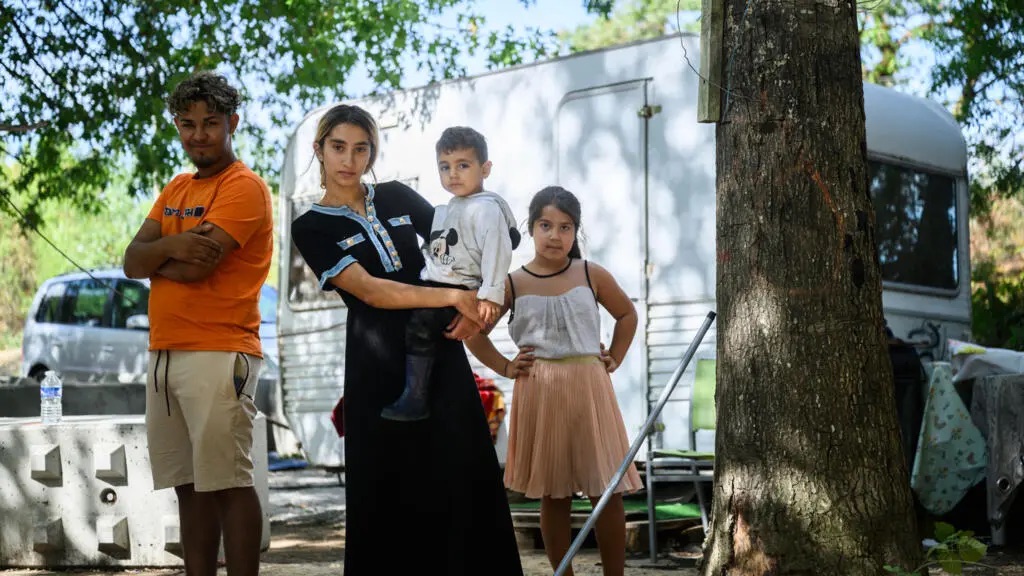
The film “Young Roma Today – Between Heritage and Future” follows four young Roma individuals who challenge stereotypes and advocate for self-empowerment amidst societal discrimination.

The younger Roma generation is increasingly resisting exclusion and fighting for equal opportunities in education, housing, and employment, amidst rising racism and anti-Roma incidents.

The documentary highlights personal stories of engagement, education, and self-determination, showcasing the diverse experiences of young Roma in contemporary society.

EU Enlargement and Roma

Published by:

EU Enlargement and Roma

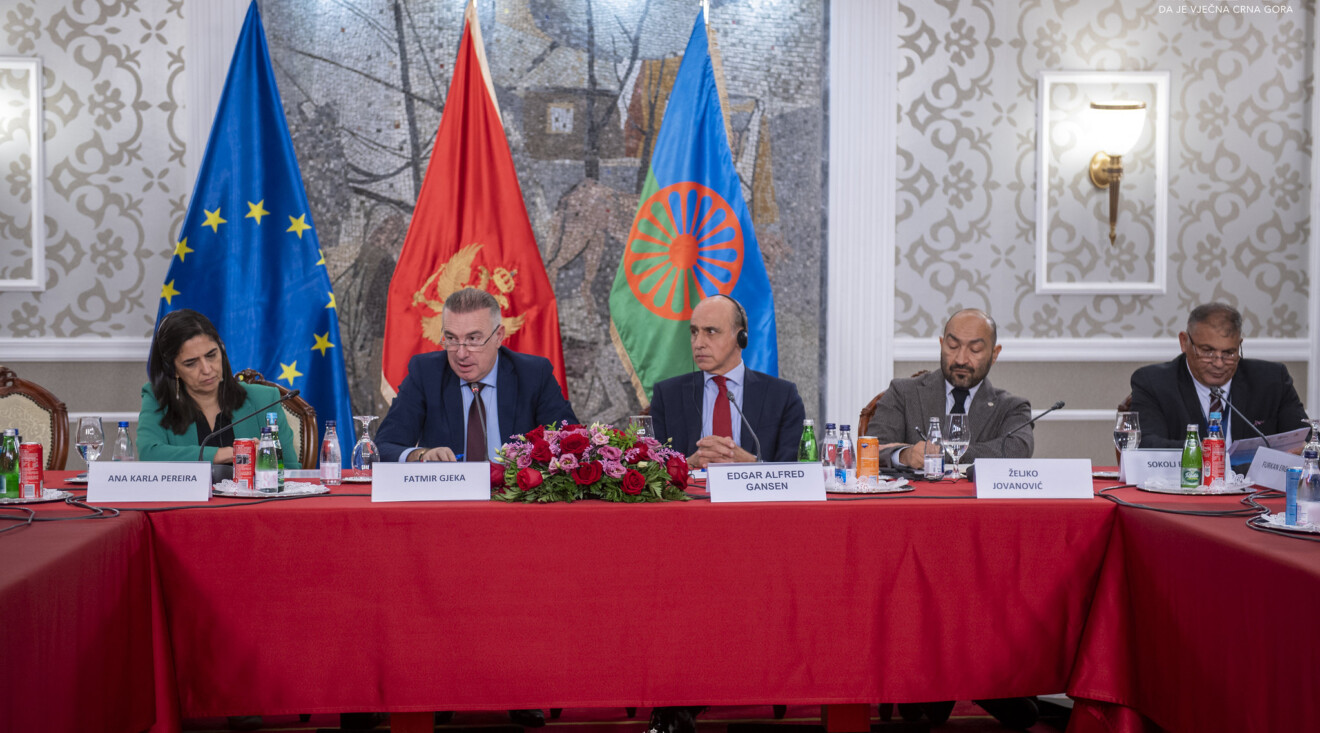
The seventh ministerial meeting on the integration of Roma in the EU enlargement process was held in Podgorica, Montenegro, emphasizing the need for concrete actions to improve the situation of the Roma community.

Officials highlighted the importance of transforming policies into tangible results, focusing on education, employment, and combating discrimination.

The meeting reaffirmed the commitment to regional cooperation and the belief that Roma inclusion is crucial for human rights and economic potential in the Western Balkans.

Council of Europe on Racism

Published by:

Council of Europe on Racism

The Council of Europe reports an alarming rise in racism and hate speech in Europe, particularly against Romani communities, which often goes unnoticed.

Adèle Sutre highlights that anti-Romani racism is perpetuated by political actions and persistent stereotypes, with many Romani people being unfairly labeled as nomadic despite most being sedentary.

In Sweden, foreign Roma are denied free healthcare available to other EU migrants, and the economic struggles of Romani women in Romania, particularly florists, are exacerbated by rising prices and online competition.

Auschwitz Paintings

Published by:

Auschwitz Paintings

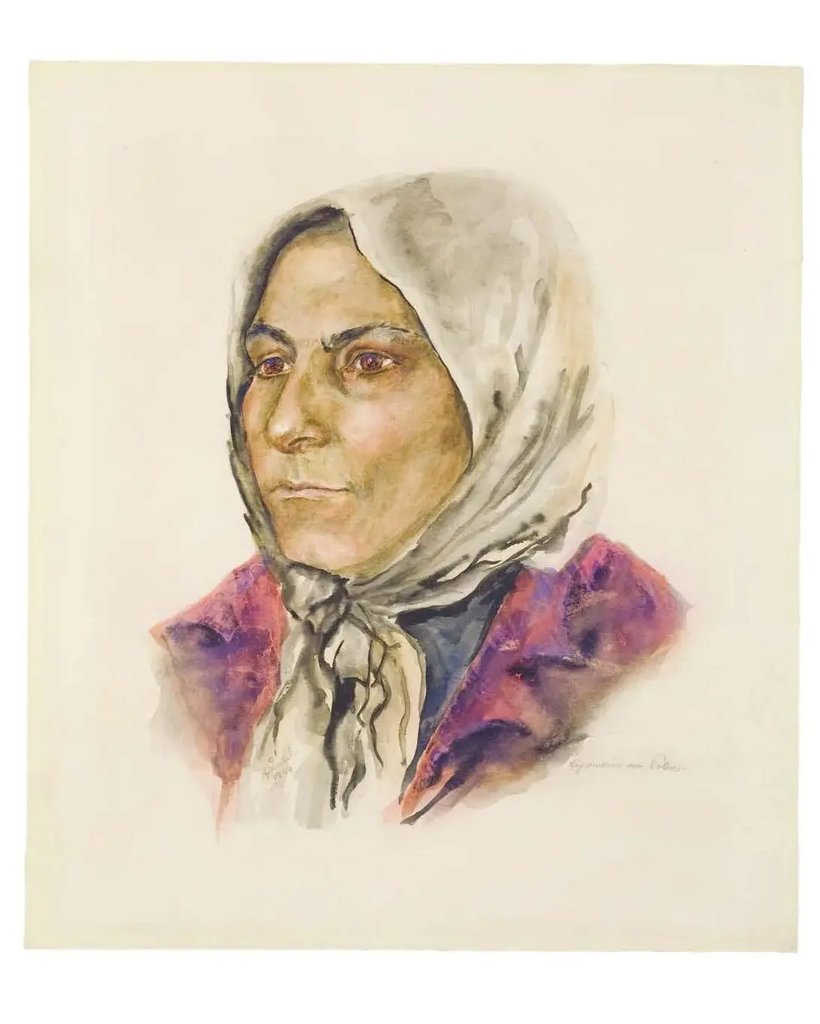
 Dina Gottliebova Babbitt was forced to create watercolors of Roma prisoners for Nazi physician Josef Mengele during the Holocaust, and she spent her life trying to reclaim these artworks from a museum.

Despite her efforts, the museum has refused to return the paintings, citing their historical significance and legal acquisition.

Babbitt’s daughters are now pursuing legal action to retrieve the artwork, highlighting the ongoing debate over art created under duress during the Holocaust.

World Roma Congress

Published by:

World Roma Congress

Sofia will host a summit of Roma leaders from the Western Balkans and Europe in October, focusing on a new model of European Roma leadership. It lists itself at the 15th World Roma congress. Older organisations such as the International Romani Union (IRU) are, as far as we know not attending.

Zlatko Mladenov, the coordinator of the international meeting, emphasizes the need for Roma leaders to have a forward-looking vision for their community within Bulgarian society.

He criticizes the tendency to dwell on past issues and encourages leaders to propose solutions for the future instead.

ADI-ROM

Published by:

ADI-ROM

A meeting of the Council of Europe’s Committee of Experts on Roma and Traveller Issues (ADI-ROM) took place in Strasbourg on September 8-9, 2026, focusing on desegregation and inclusive education policies for Roma children.

The proposed recommendations aim to eliminate school segregation and create a quality, inclusive, and non-discriminatory educational environment, addressing issues beyond schools such as residential segregation and anti-Roma racism.

The Slovak Republic’s participation allowed for sharing experiences and contributing to the development of common standards, with a focus on sustainable funding for the implementation of these recommendations.

Omacom and Omarchy

Published by:

Omacom and Omarchy

Danish entrepreneur David Heinemeier Hansson (DHH), creator of Ruby on Rails, founder of Omarchy and CTO of 37Signals, faced backlash for comparing Roma to ‘wolves’ and advocating for their deportation in a blog post, which has sparked controversy around his company 1Password’s support for the Omacom Foundation.

1Password and 37signals are investing $300,000 each into the Omacom Foundation which supports Omarchy, but this decision has led to criticism from clients and employees, with some users threatening to leave the service.

IT and Extreme Right

Published by:

IT and Extreme Right

David Heinemeier Hansson has called for the extensive deportation of Roma and Sinti, raising controversy around his political views.

He is known as the creator of Ruby on Rails but has lost respect in the software community due to his right-wing political stance and support for far-right extremists.

Omarchy, an initiative associated with Hansson, is linked to his controversial reputation.

Young Roma

Published by:

Young Roma

The young Roma generation is determined to overcome discrimination and stigma in areas like education, housing, and employment, seeking self-determined paths.

Antiziganism is on the rise, with historical prejudices deeply rooted in society, leading to increased racism and stigmatization of Roma children.

The article highlights individual stories of young Roma who are breaking barriers and advocating for their rights, showcasing their aspirations and the challenges they face in a society that often marginalizes them.

Roma Rights

Published by:

Roma Rights

The Roma Rights Network, coordinated by the European Roma Rights Centre, has published the first issue of the revived Roma Rights Review, highlighting the worsening situation of Roma rights in Europe due to the rise of far-right politics and increased criminalization of Roma communities.

The report details instances of police brutality, discrimination, and systemic racism against Roma, including specific cases in Greece and Hungary, and emphasizes the need for stronger protections and recognition of Roma as citizens with rights.

The publication calls for European institutions to maintain targeted funding for Roma equality and warns that attacks on Roma rights foreshadow broader erosions of rights for all marginalized groups.

Anna Mirga-Kruszelnicka

Published by:

Anna Mirga-Kruszelnicka

Anna Mirga-Kruszelnicka, a Polish Romani anthropologist and activist, leads the European Roma Institute for Arts and Culture, focusing on combating anti-Romani sentiment and promoting Romani identity through art and education.

She highlights the resurgence of anti-Romani attitudes in Europe, linking them to a broader decline in democratic values and the importance of minority rights as indicators of democracy.

The article discusses the need for systemic changes in education and public services to improve the socio-economic conditions of Romani communities, emphasizing the role of trust and collaboration between authorities and these communities.

August 2nd.

Published by:

August 2nd.

The European Holocaust Memorial Day for Roma and Sinti is officially observed on August 2, recognizing the genocide of approximately 500,000 Roma during the Nazi regime, with various countries in Central and Southeastern Europe participating in memorial events.

Poland, Slovakia, Hungary, and the Czech Republic have established official commemorations, while other countries like Bulgaria and Serbia observe the day informally or do not recognize it officially.

The memorial events often address not only historical atrocities but also contemporary issues of anti-Roma sentiment and discrimination in these regions.

Roma in Europe

Published by:

Roma in Europe

The European Union’s new strategy for combating discrimination against Roma, adopted on January 21, 2026, aims to address historical and institutional discrimination with more radical measures.

Roma, the largest ethnic minority in Europe, face significant socio-economic challenges, including high poverty rates and discrimination in access to education and healthcare.

The new strategy emphasizes education, equal rights, and political participation for Roma, while acknowledging the need to address broader societal issues that contribute to anti-Roma discrimination.

Journalism Award

Published by:

Journalism Award

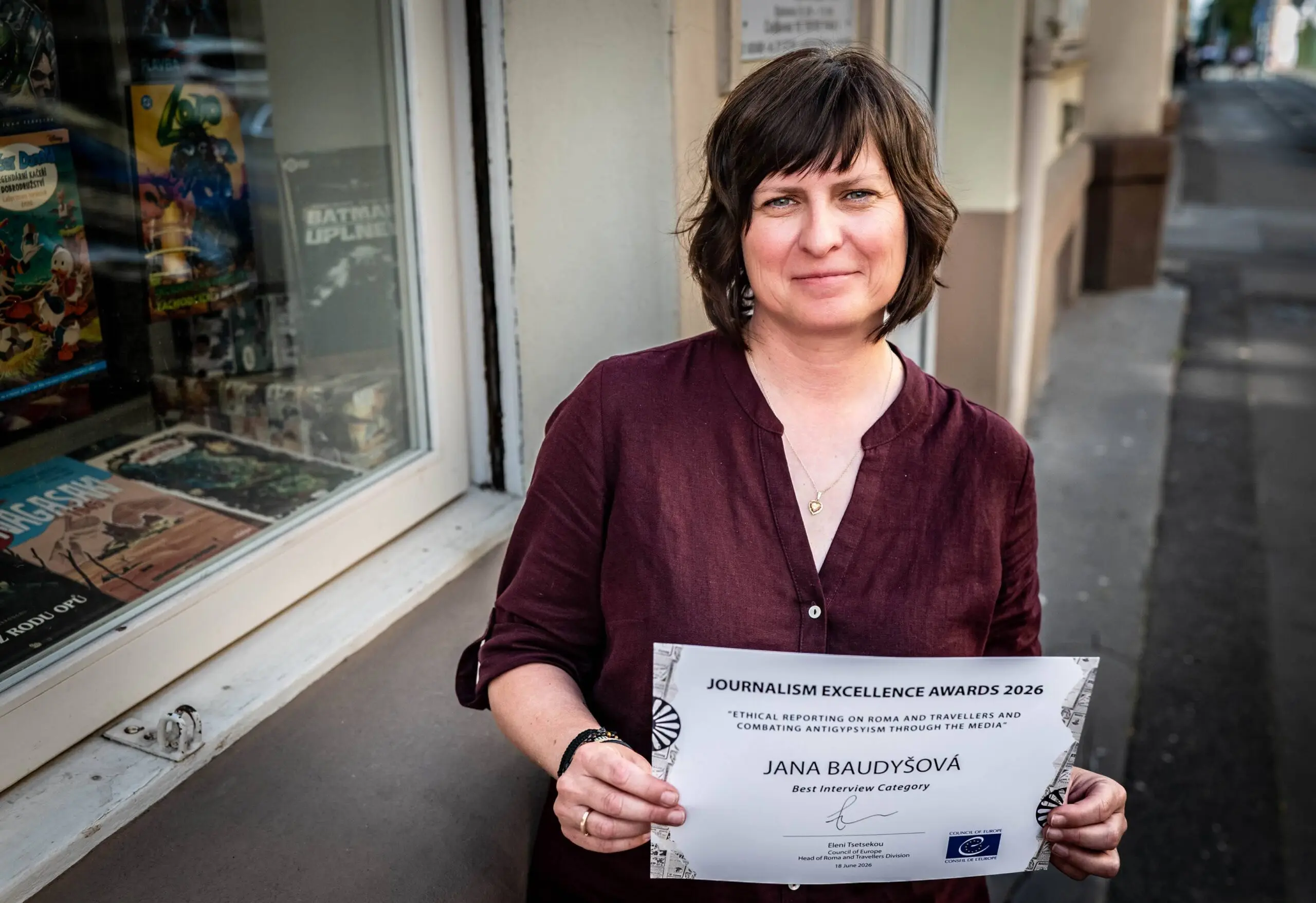
The Council of Europe awarded several journalists for their ethical reporting on Roma and Travellers during a ceremony on June 18, 2026, in Strasbourg, France, coinciding with No Hate Speech Week.

Gwendolyn Albert accepted the award on behalf of Jana Baudyšová, highlighting the recognition of the entire editorial team of the magazine Romano voďi and their contributions to human rights and the Romani movement.

Other awardees included Adam Charlton, Paula Szewczyk, Višnja Višnjić Milić, and Eftychia Soufleri, with the awards emphasizing the importance of addressing prejudices and promoting dignity for the Romani community.

Roma Education

Published by:

Roma Education

Danijela Dimitrovska highlights that Roma communities in Europe face significant barriers in education and employment, with 36% unemployment among Roma and 56% of young Roma not engaged in education or training.

She emphasizes the need for education, vocational training, and support systems to enable equal participation in the labor market, while also addressing discrimination and racism as major obstacles. Dimitrovska calls for greater integration of Roma into society and warns that Europe cannot afford to exclude millions of young people, especially during times of labor shortages and social challenges.

While her position and statements are correct, the use of percentages is definitively not. There are no definitive population numbers for Roma in Europe. And if one doesn’t know, the population, percentages are meaningless.

Dumitru Miclescu

Published by:

Dumitru Miclescu

The statement from the Coalition on Roma Holocaust Education, Remembrance and Recognition on the passing of Dumitru Miclescu, a Romanian survivor of the Genocide of the Roma during the Holocaust.

Bulgaria Anti-Roma Rhetoric

Published by:

Bulgaria Anti-Roma Rhetoric

The European Court of Human Rights sided with Roma activists and journalists who argued national courts treated racist political rhetoric too narrowly while ignoring its wider impact on an entire minority community.

rroma.org
en_GBEN