Daily Archives: November 19, 2026

Representation of Roma

Published by:

Representation of Roma

André Raatzsch, a Roma minority member and researcher, emphasizes the importance of representing Roma identity and addressing discrimination through his artistic and academic work.

He highlights the historical misrepresentation of Roma in Europe and the need for a nuanced understanding of their diverse identities and contributions to society.

Raatzsch calls for improved structures and support for Roma communities in Germany and Romania to combat discrimination and promote self-representation.

Switzerland and Minorities

Published by:

Switzerland and Minorities

The Swiss Federal Council approved the sixth report on the implementation of the Council of Europe’s Framework Convention for the Protection of National Minorities, covering measures from February 2023 to April 2026.

Six million Swiss francs will be allocated in 2026 and 2027 for security measures benefiting particularly vulnerable minorities, including Jewish, Muslim, and LGBTQ+ organizations.

The report also addresses the planned ban on publicly displayed Nazi symbols and notes a slight increase in the number of sites for Jenische and Sinti/Manouches, although significant needs remain.

What needs to be known is that Switzerland doesn’t recognise Roma as a national minority. Only Jenische and Sinti are recognised…

Hungary and Roma

Published by:

Hungary and Roma

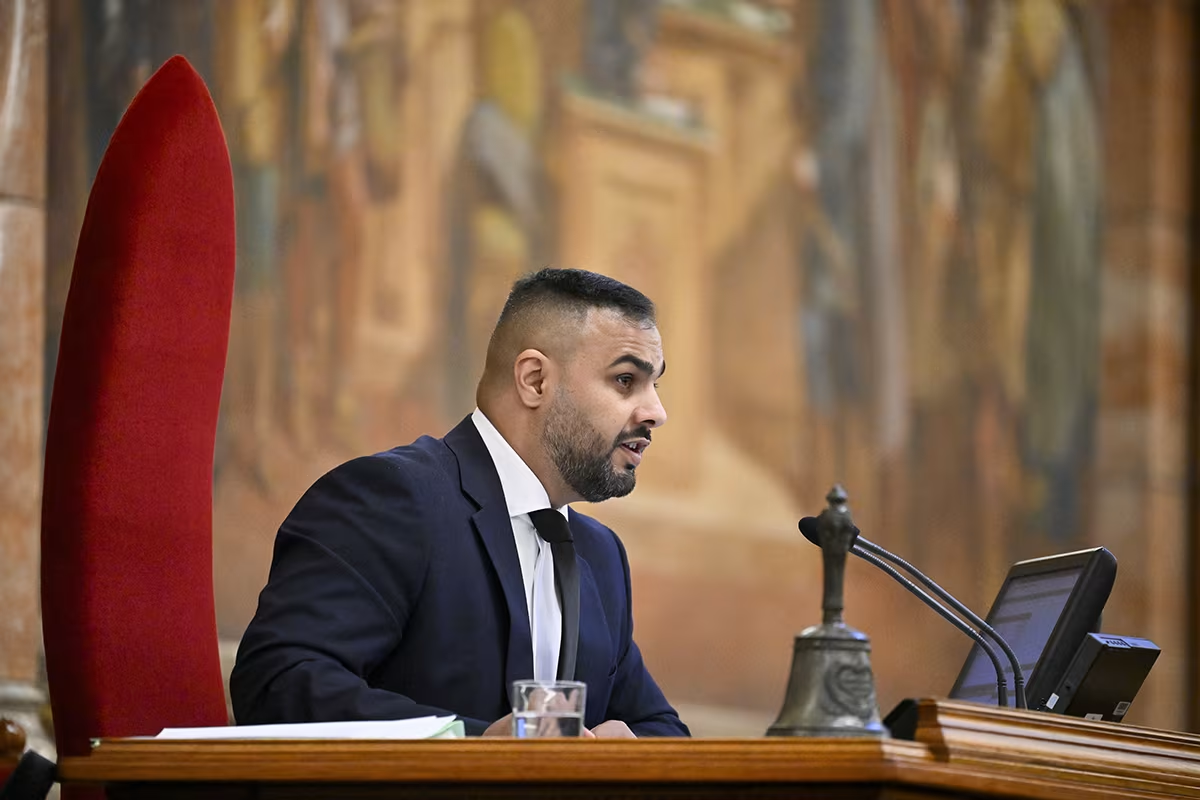
The new government was initially seen as a hopeful change for the Roma community, with Roma representation in parliament and ministries, but this optimism has turned to disappointment as their roles appear to be symbolic rather than impactful.

Discriminatory laws, such as the Identity Law and the ‘lex Gyöngyöspata’, continue to marginalize Roma families, limiting their rights and opportunities, particularly in education and housing.

There is a call for genuine action and legislation to support Roma emancipation, rather than superficial gestures that do not address the systemic issues faced by the community.

Moldovan Program

Published by:

Moldovan Program

The Moldovan government has approved a program to support the Roma population from 2027 to 2030, focusing on education, employment, health access, and combating discrimination.

The program has a total budget of 58 million lei (2.9 Mio Euros), with half funded by the state and the other half by development partners, aiming to improve integration and service provision for Roma citizens.

The 2024 census recorded 9,356 Roma individuals in Moldova, highlighting ongoing challenges such as limited access to quality education, healthcare, and employment, as well as discrimination and poverty risks, particularly affecting Roma children and women.

Baby Trafficking

Published by:

Baby Trafficking

A Roma family from the Lampeitio area allegedly sold their newborn baby three days after birth for €3,500, using the money to buy a used car.

The baby was born at the University General Hospital of Patras on January 5, 2026, and the parents were arrested after police confirmed the details of the case. The infant has been taken into custody by authorities and placed in a pediatric clinic, while legal action has been initiated against the biological parents and the adoptive couple for violating adoption laws.

Roma Politics

Published by:

Roma Politics

Osman Balić, president of the YUROM Center, criticizes the political representation of the Roma community, stating that past representatives have compromised their position, leading to their absence in recent political lists.

He calls for the establishment of a new Roma political party free from corruption and past political failures, emphasizing the need for credible leaders who genuinely represent the community’s interests. Balić highlights the importance of active Roma participation in politics, warning against being mere tokens in institutions and advocating for immediate preparations for local elections to address community issues.

Ku Klux Clan Plovdiv

Published by:

Ku Klux Clan Plovdiv

A suspect in the murder of Georgi Kuzev in Plovdiv was eager to join a local Ku Klux Klan division, revealing a connection to a neo-Nazi group called “Ku Klux Klan 2013 Plovdiv”.

Kluzev, a 37 years old man was lured by teenagers to a meeting with “a 17-year-old girl, posing as a 15-year-old” and then severely beaten up.

The investigation into Kuzev’s murder led police to uncover a radical right-wing structure, resulting in a recent crackdown that arrested 11 individuals, including minors.

Evidence collected during police raids included books, clothing with specific symbols, and a flag associated with the Plovdiv division of the Ku Klux Klan.

rroma.org
en_GBEN