Memory

Published by:

Memory

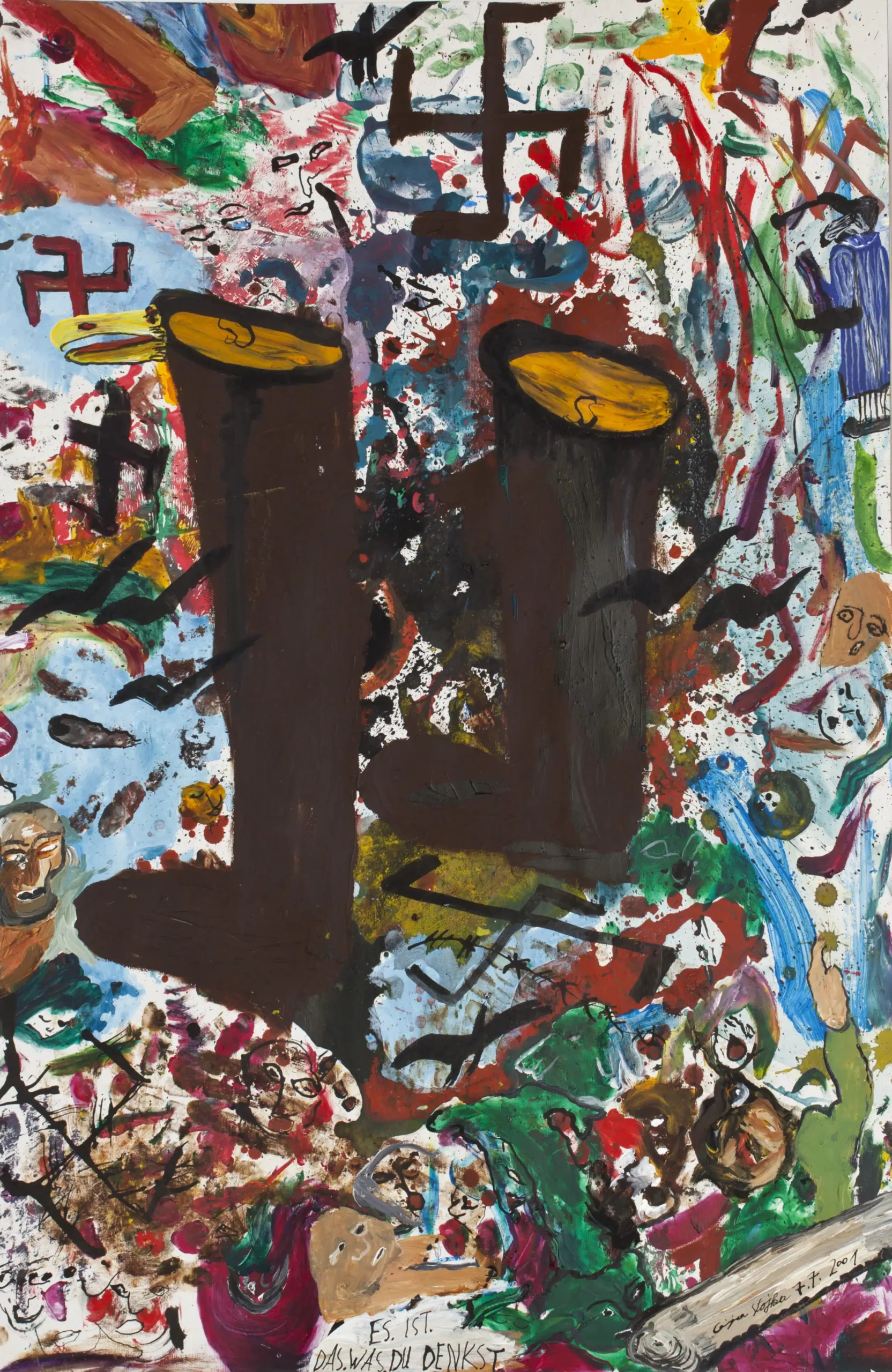
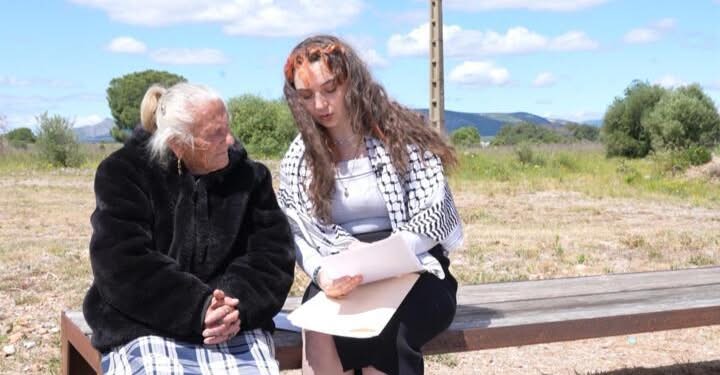
According to the Council of Europe, they key to prevent discrimination against Roma and travellers, is the importance of historical memory.

Unfortunately, not as simple, look at the Holocaust and Antisemitism.

Tambura

Published by:

Tambura

In Slankame, Serbia, Bratislava Braco Nikolić created and leads his tambura orchestra, which has become the trademark of this place.

In just three years, Braca has managed to bring together children of different ages, and help them gain a beautiful experience of orchestral music making, which, he says, is an illustration of life – everyone strives for individual improvement, but when they combine knowledge and sensitivity, it becomes a new experience for everyone.

Romanes and Schools

Published by:

Romanes and Schools

A discussion was held in Belgrade about improving Romani language teaching, with a special focus on the position of teachers, greater student coverage and the need to introduce long-term, systemic solutions into the Serbian education system.

Adam Fedorowicz

Published by:

Adam Fedorowicz

He was one of the most important ambassadors of Roma culture in the region and in Poland. Through his artistic and social work, he promoted the richness of Roma music and customs. Adam Fedorowicz, president of the Hitano Roma Culture Association, musician, composer, and songwriter, has died.

Te javel I phuv lokhi.

Funky Brothers

Published by:

Funky Brothers

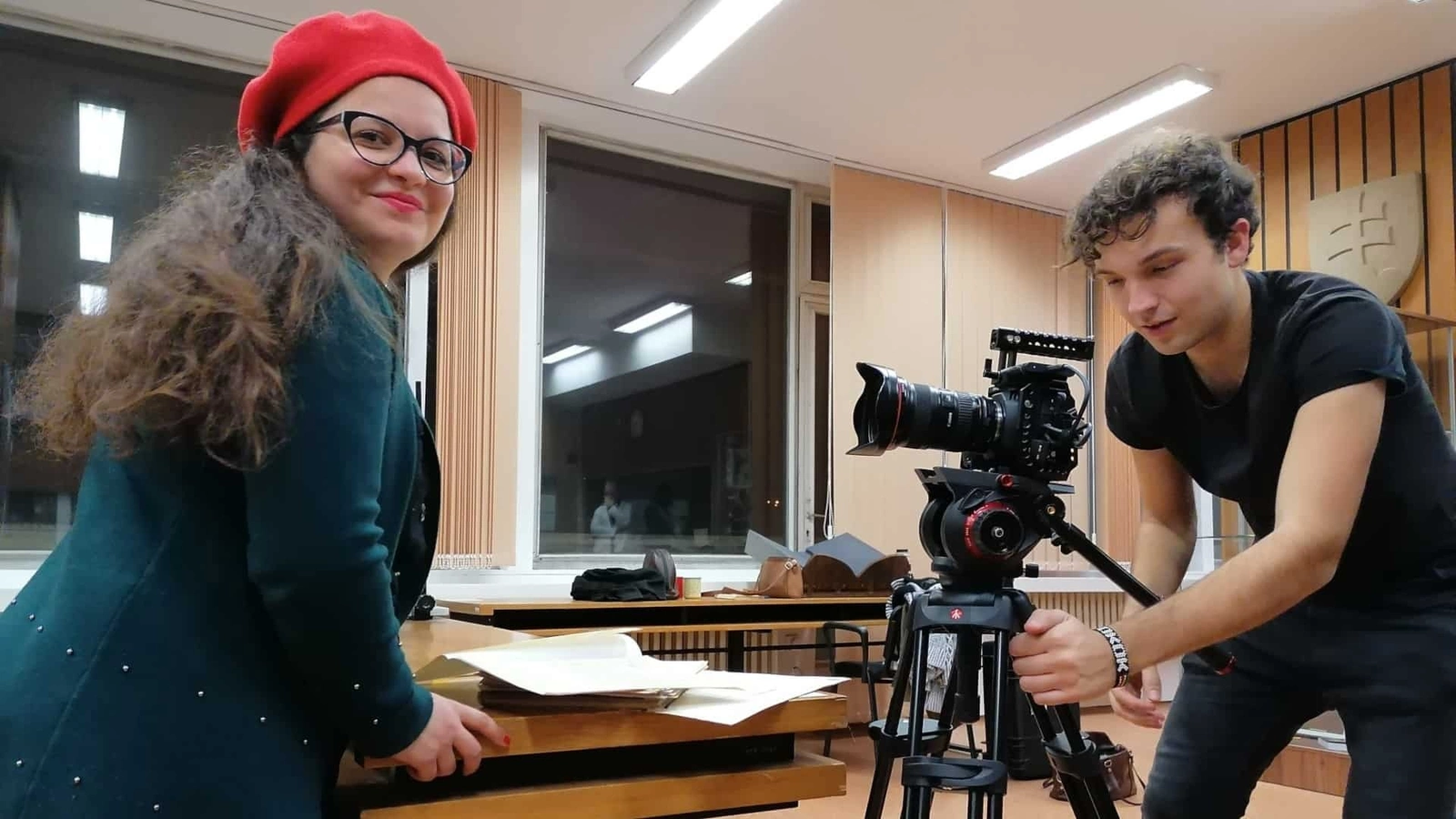
The band Funky Brothers became one of the most significant Roma music projects of its time. In the 147th episode of the Desetiminutovka program, musician, rapper and producer Ladislav Cirok talks about his first successes, the end of the group, the transformation of the music scene and why he helps young talents in his studio today, even though they sometimes don’t even have money to pay.

Vienna Memorial

Published by:

Vienna Memorial

After a very long time, Vienna will erect a memorial to the Roma and Sinti victim of the Holocaust in the Weghuberpark in Vienna-Neubau, built in front of the Ministry of Justice.

Lithuania, Roma, and Work

Published by:

Lithuania, Roma, and Work

Over the past five years, approximately 2,700 Roma have applied to the Employment Service, but only a third of them—29.3%, or 790—have found employment. According to Inga Nomeikienė, Advisor to the Employment Service’s Service Organization Department, one of the biggest challenges in finding employment is low education. “Approximately 30 percent of these clients have no primary education, and more than half have only primary or basic education. Illiteracy is common among older Roma. Only a few have secondary education or vocational qualifications.”

Roma in Croatia

Published by:

Roma in Croatia

In Croatia Roma officially constitute a community of around 18,000 people, although the actual number is many times higher.

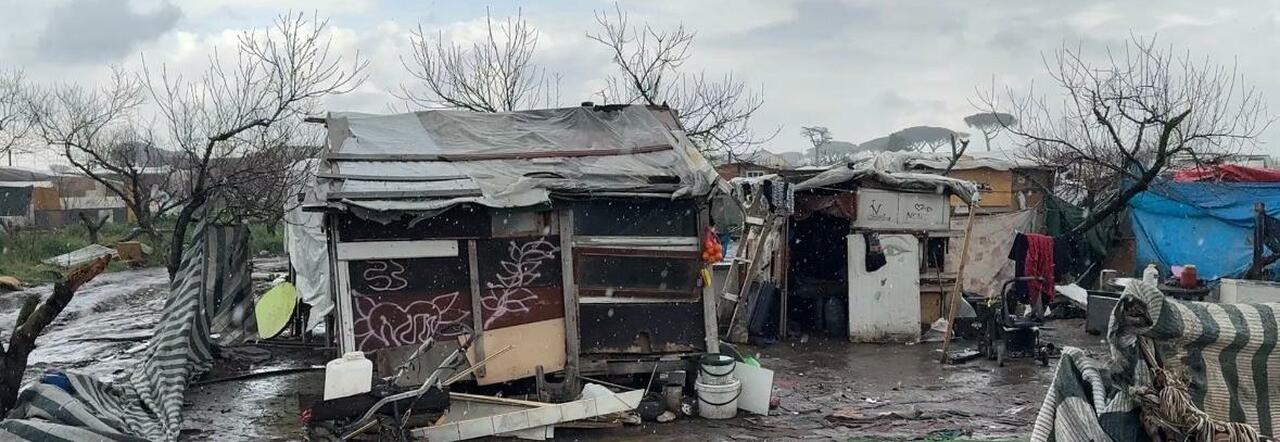
Although the position of Roma has gradually improved in recent years, their social status and level of human rights protection still lag significantly behind the average of the majority population. They are often associated with specific and difficult social and economic circumstances – living in settlements without basic infrastructure, without permanent employment and, especially, without administratively regulated aspects of life, from personal documents and legalization of land and houses to working in the grey zone.

Django Reinhardt Movie

Published by:

Django Reinhardt Movie

A movie from 2017 about Django Reinhardt. While other Sinti across Europe are persecuted, Django’s popularity allows him to feel safe – until the Nazis try to send him on tour to Germany. Django refuses. His Parisian lover helps him, his pregnant wife, and his mother go into hiding near the Swiss border. There he meets members of his extended family, who are also on the run. He plans to cross Lake Geneva into Switzerland, but the Nazis are hot on his heels.

Well, the Swiss denied him Entry …

Amnesty and Slovenia

Published by:

Amnesty and Slovenia

In Slovenia, discrimination remains one of the key problems in ensuring human rights, Amnesty International Slovenia warns. The Roma population still faces it on a daily basis and at a systemic level all too often.

Roma in Berlin

Published by:

Roma in Berlin

After years of complaints and repeated police operations, the Berlin authorities are finally pulling the plug: The controversial Roma accommodation in the “BB Hotel” in Berlin Schöneberg will no longer be used to house the homeless, with many Roma under them.

French Chronicle …

Published by:

French Chronicle …

French news last week were dominated with a reportage from TF1, state TV about how minors are exploited by Roma networks to maximise gains. Again, this might be part of the reality, but how it is presented is simply pandering to sterotypes and extrapolating to all Roma. In brief, a racist narrative.

Other news, the usual: closure of a camp near Orange, in the Sotuh of France, and a fight between Roma (according to the extreme right Breizh info).

Czechia Podcast

Published by:

Czechia Podcast

In the twenty-second review episode of the SODAcast podcast, its authors Zdeněk Ryšavý and Patrik Banga return to this year’s celebrations of International Roma Day, the reception of Roma personalities at Prague Castle, and the debate on changes in the Agency for Social Inclusion. They also address the case of Václav Sivák, who wore a sweatshirt with a Russian flag at a press conference, the police crackdown on children in Most, and other events of recent weeks.

Lolita Cercel

Published by:

Lolita Cercel

Lolita Cercel, created virtually with the help of artificial intelligence, is a star in Romania and beyond. Her genre, “Balkan trip-hop”, combines traditional Roma melodies with modern pop, dance and electronic rhythms and has long since become part of the mainstream music scene. But, in addition to fame, she is also the target of critics. “The instrumentalization of Roma culture”, someone called her. According to critics, while real Roma artists are often underestimated, a “virtual, racially charged and dehumanized Roma identity” is suddenly gaining ground.

Ukraine, War, and Roma

Published by:

Ukraine, War, and Roma

Women Leaders Create First Inclusive Social Laundry in Nerubayska Community in Odessa Region. In the social laundry, vulnerable families can not only use services free of charge, but also wait out the power outage, chat, drink tea, and receive psychological or social support. Another task of the “Pure Dignity” project is to overcome stereotypes: public prejudice against the Roma community, and among Roma families themselves, caution in interacting with services.

rroma.org
en_GBEN