Slovakia and Roma

Published by:

Slovakia and Roma

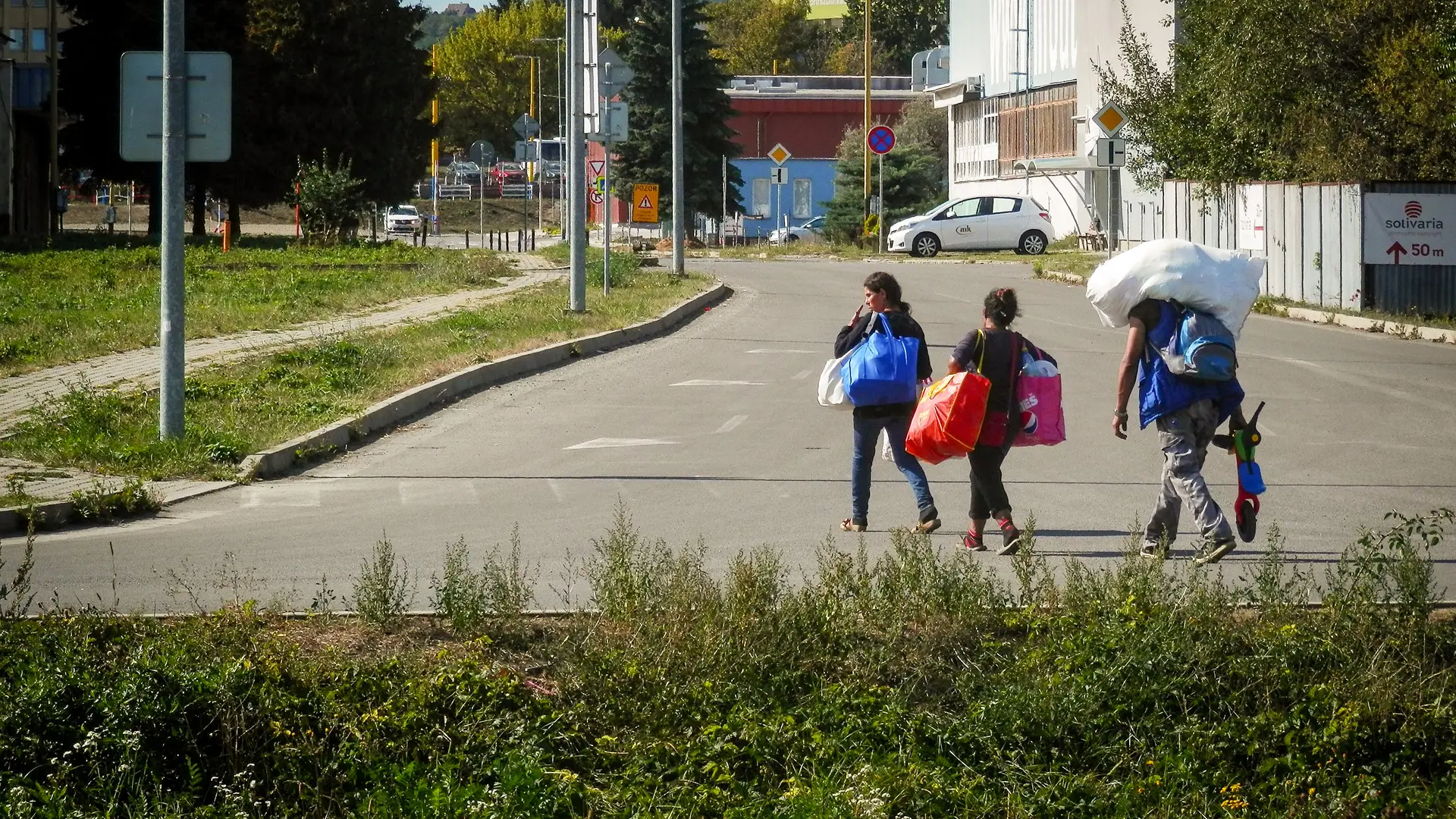
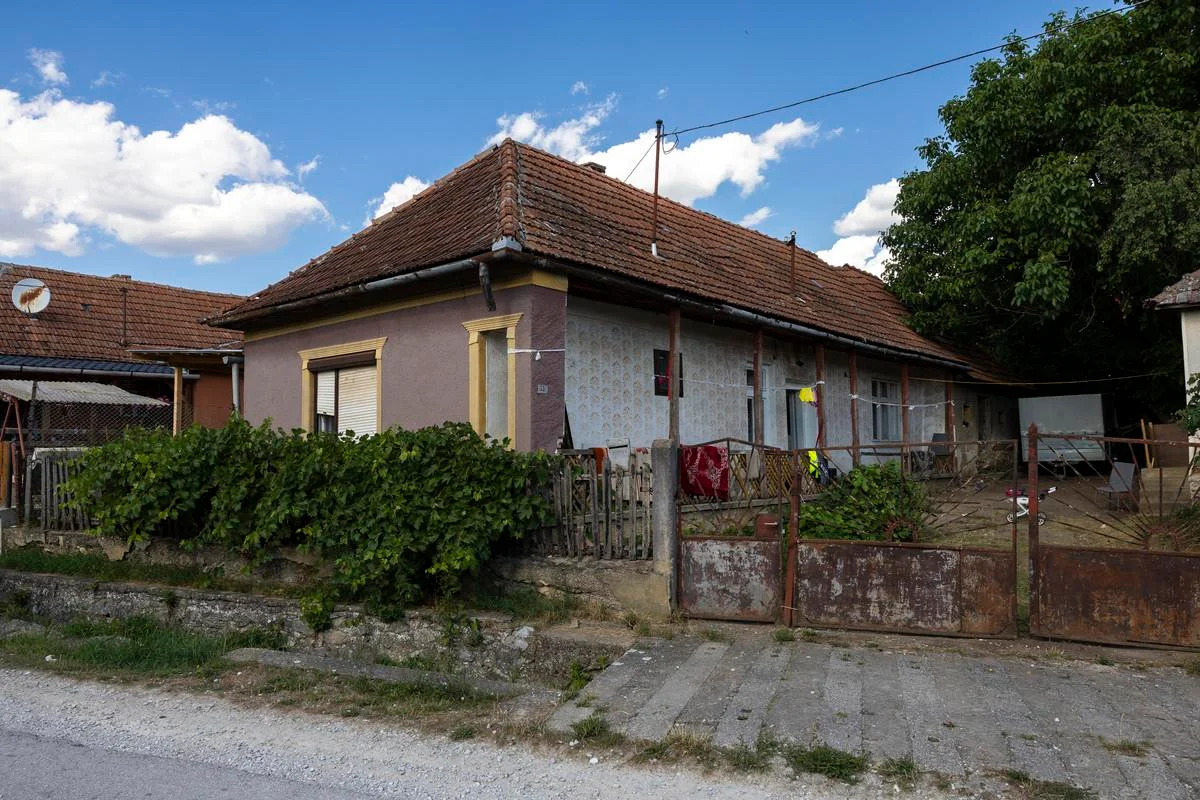
The article discusses the ongoing challenges faced by Roma communities in Slovakia, emphasizing the need for better housing, water, education, and job opportunities to improve their situation.

Officials report significant investments in infrastructure projects aimed at improving living conditions, but some local leaders express skepticism about the effectiveness of these efforts, citing persistent issues like lack of sanitation and healthcare access.

The article effectively claims that these investments are for nothing.

There is a debate over the allocation of scholarships for Roma students, with differing opinions on whether support should be based on ethnicity or socio-economic status, highlighting the complexities of addressing poverty in diverse communities.

Roma in one’s City

Published by:

Roma in one’s City

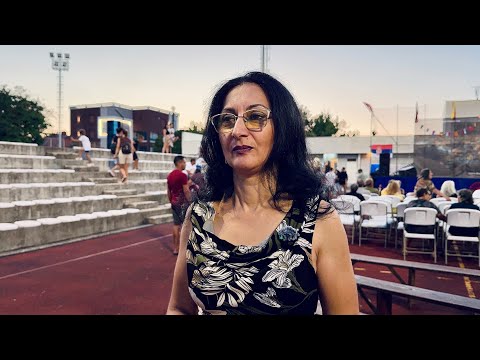
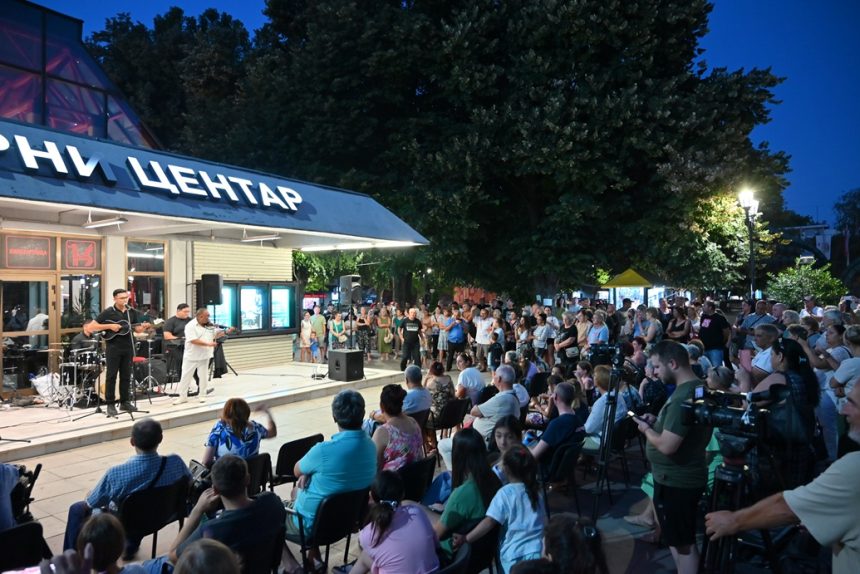
The event “Romi svome gradu” was held in Pirot, Serbia, showcasing the richness of Romani music, dance, and tradition, featuring performances by local youth and guests from Vranje.

Radmila Nešić from the organizing association “Ternipe” emphasized the festival’s importance in preserving Romani culture and its growing popularity among the audience.

The event also included an initiative to support the education of Romani girls, highlighting the challenges faced in maintaining cultural traditions due to lack of funding and resources.

https://youtu.be/MJnPu_63QTs

Ambulance Attack

Published by:

Ambulance Attack

A violent attack on an ambulance in Cluj County was fueled by false information claiming the crew was kidnapping children, highlighting the dangers of misinformation and distrust in institutions, according to sociologist Gelu Duminică.

Duminică warns that reducing the incident to ethnic identity misses the real issues of fear, precariousness, and the spread of false information, which can manipulate vulnerable populations.

The mayor of Recea-Cristur expressed surprise at the attack, emphasizing the need for social media platforms to take action against the spread of false news that contributed to the incident.

Mariazell

Published by:

Mariazell

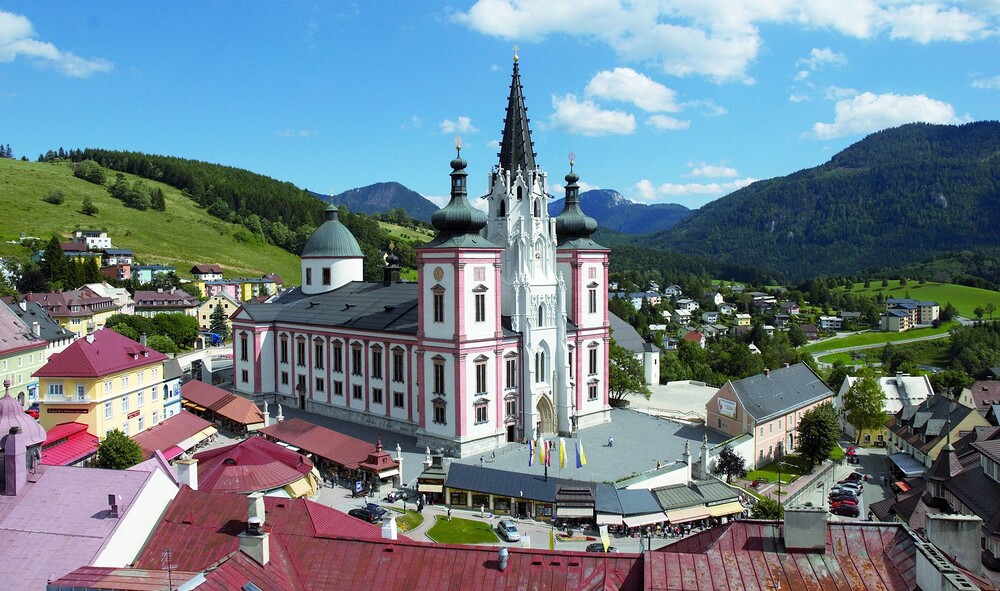
The 30th pilgrimage of Roma, Sinti, and Lovara from Austria and other European countries took place at the Basilica of Mariazell, led by Bishop Franz Scharl, who emphasized faith in Jesus Christ during the service.

The mass featured songs in Romanes and German, performed by a mixed group of Roma and non-Roma musicians, symbolizing friendship and unity, with children creating a special pilgrimage candle focused on peace.

The pilgrimage has a long tradition, interrupted in 1938, and resumed in 1996 after the official recognition of the Roma community in Austria, with an estimated 40,000 to 80,000 Roma and Sinti living in the country today.

Music

Published by:

Music

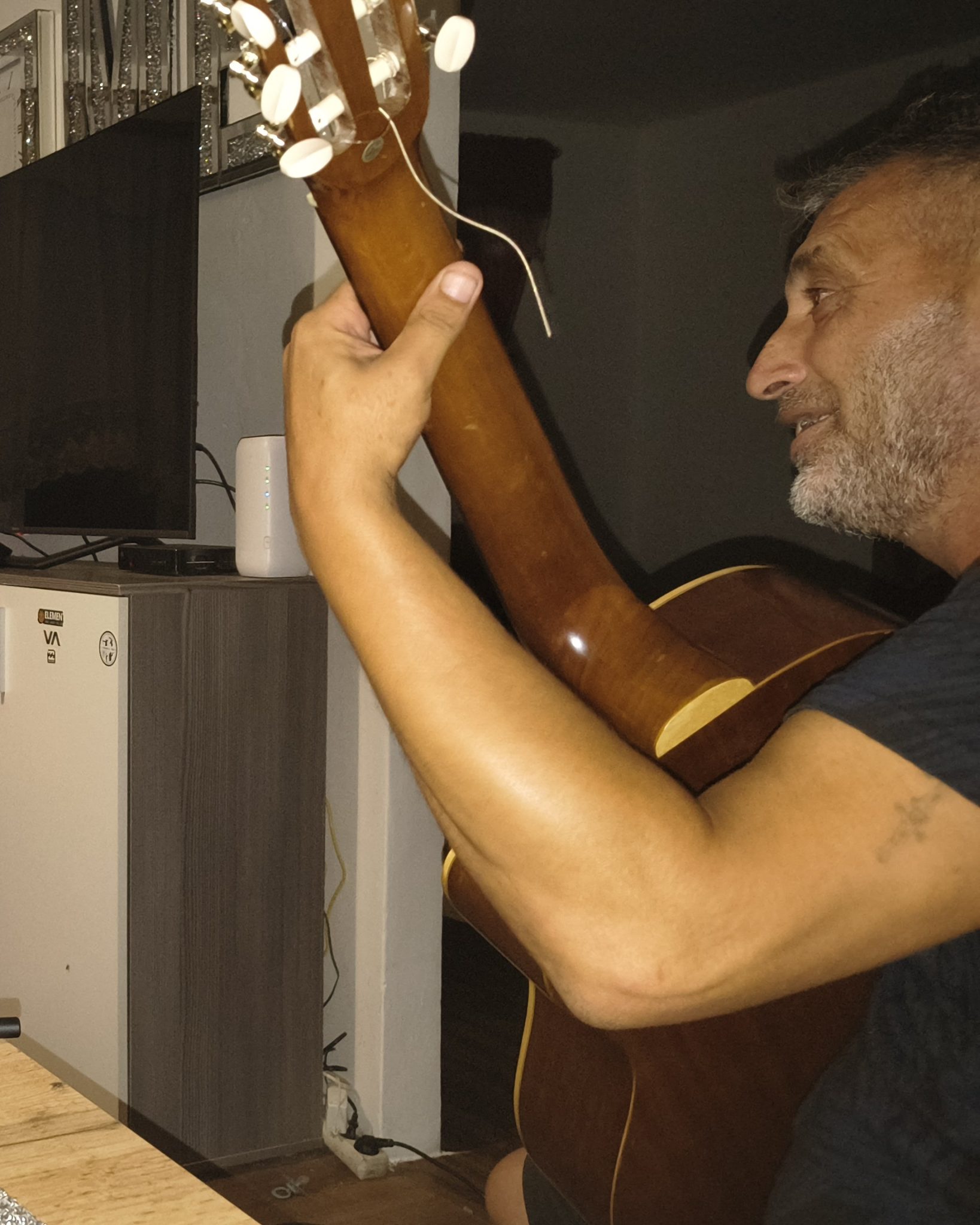
A music album titled “Zumin” was created in the Roma settlement of Habeš near Sečovce, Slovakia, featuring local musicians and children during extreme heat in August 2026.

The album includes a variety of sounds and songs reflecting themes of poverty and migration, showcasing the community’s cultural heritage.

It was produced as part of the Art Aktivista residency, which has been engaging with the community since 2014, and is available for free streaming on Bandcamp.

Roma Rights

Published by:

Roma Rights

The Roma Rights Network, coordinated by the European Roma Rights Centre, has published the first issue of the revived Roma Rights Review, highlighting the worsening situation of Roma rights in Europe due to the rise of far-right politics and increased criminalization of Roma communities.

The report details instances of police brutality, discrimination, and systemic racism against Roma, including specific cases in Greece and Hungary, and emphasizes the need for stronger protections and recognition of Roma as citizens with rights.

The publication calls for European institutions to maintain targeted funding for Roma equality and warns that attacks on Roma rights foreshadow broader erosions of rights for all marginalized groups.

Greece, Politics, and Roma

Published by:

Greece, Politics, and Roma

Aphrodite Latinopoulou, president of ‘Voice of Reason’, faced a verbal attack from a group of Roma while waiting to travel in Tinos, Greece. The confrontation escalated after Latinopoulou defended her statements stating that Roma are criminals, are evading taxes, and using deragotary terms about them, leading to vulgar insults directed at her.

The Coast Guard intervened but did not take further action after asking the parties to cease the altercation; Latinopoulou later reported the incident to the police upon arrival.

Latinopoulou described the incident, stating that she was confronted by men who challenged her comments about criminal behavior among Roma, leading to a heated exchange.

She accused the coast guard of inaction during the incident and linked the altercation to broader governmental issues, expressing disdain for the current political climate in Greece.

Ruma Music and Culture

Published by:

Ruma Music and Culture

The traditional Roma evening in Ruma, in the Vojvodina in Serbia, part of the ‘Cultural Summer’ program, showcased Roma culture through music, dance, and community engagement, emphasizing the importance of cultural events in connecting communities.

Local officials highlighted the progress in education for Roma youth, with increasing numbers continuing secondary education and the introduction of teaching in the Roma language to preserve their identity.

The event was supported by the municipality, which aims to improve the position of the Roma community through various initiatives, including scholarships and educational support for Roma students.

Hungary, Roma, and Commemoration

Published by:

Hungary, Roma, and Commemoration

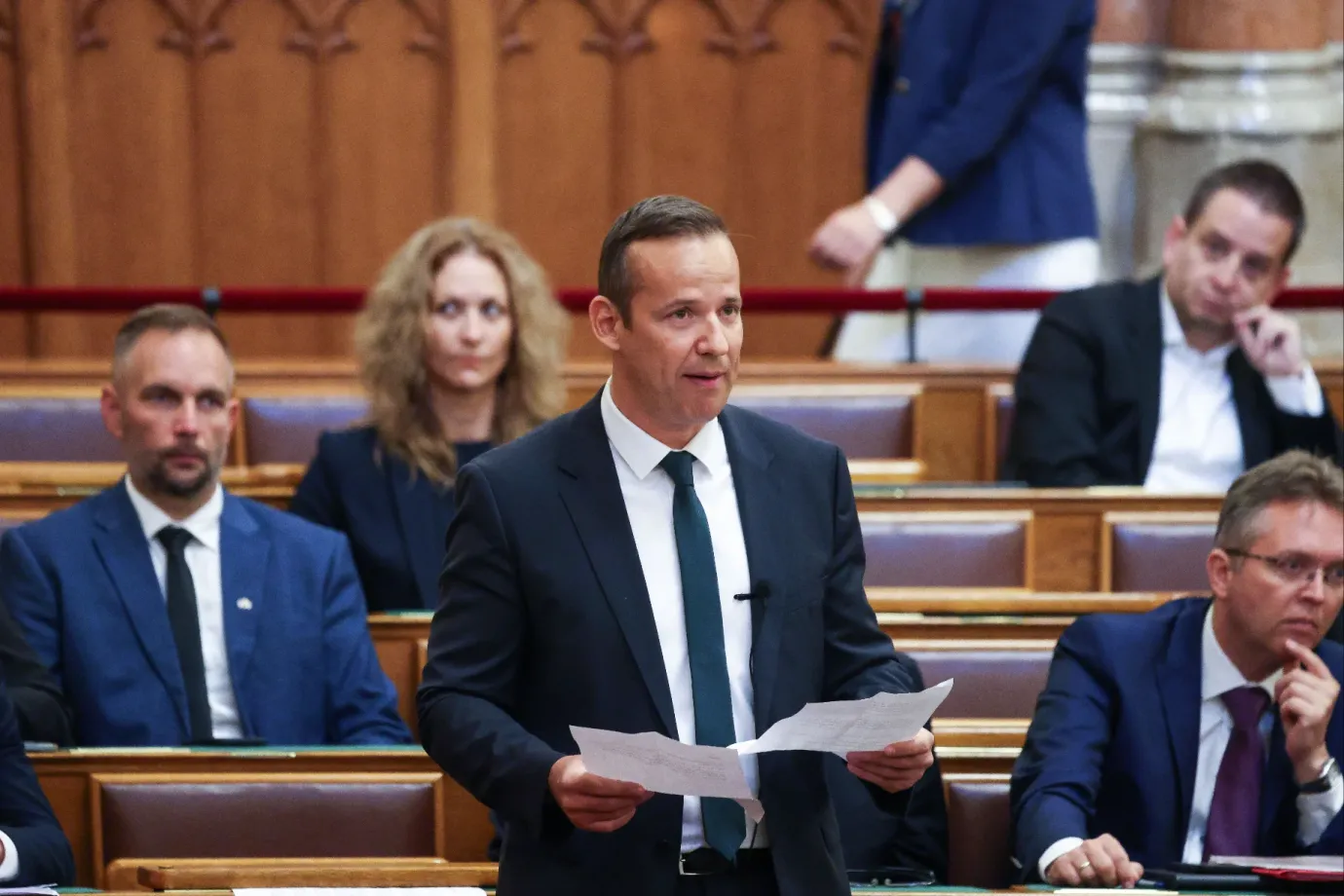
The Hungarian Parliament held a moment of silence to honor the victims of the Roma Holocaust, following a controversial incident where members of the Mi Hazánk (Extreme-Right) party remained seated during a previous commemoration.

Mi Hazánk’s leader, Toroczkai, criticized the political exploitation of the Holocaust remembrance and expressed dissatisfaction with the government’s handling of the upcoming presidential election. He claimed it violated house rules and that the Tisza party was exploiting the situation for political gain. Ábrahám Barnabás, a leader of the Mi Hazánk party, criticized the increasing influence of Roma in Hungary, suggesting that the focus should be on crime rather than the Roma Holocaust

The Prime Minister, other officials, as well as members of the Jewish community condemned Mi Hazánk’s actions, emphasizing the importance of honoring the victims and calling for an apology from the party.

Relocation – Continued

Published by:

Relocation – Continued

Two articles on the relocation of Roma from Slovakia to Hungary. One, in a half humouristic view, suggest to mayors with a “Roma problem” to buy houses for them in Hungary. It highlights that these actions are taken in view of upcoming election. In the second, Alexander Daško, the government’s plenipotentiary for Roma communities says there will be no large scale relocations.

Bulgaria: Protest

Published by:

Bulgaria: Protest

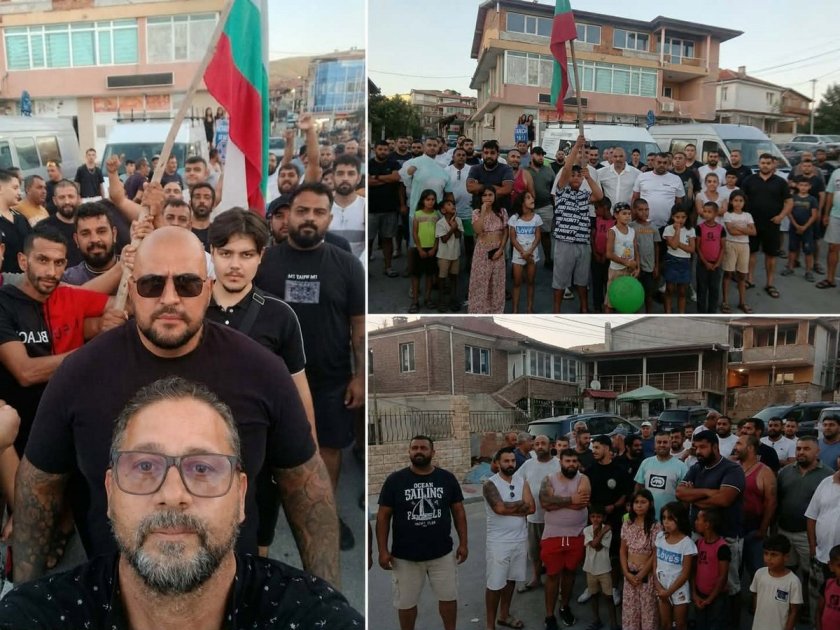
Todor Davidov, known as Gringo, led a protest in the Roma neighborhood of Aytos, demanding better living conditions and infrastructure.

Protesters are advocating for improved roads and public transport access, citing the nearest bus stop is 500 meters away.

The protest has sparked public debate regarding the payment of local taxes by the families in the area and the legality of the houses in the neighborhood. In many of the Roma neighbourhoods, Roma are accused of having built illegally, even when their houses stood for a very long time. This is used to close and dismantle some of these neighbourhoods.

Hungary and the Extreme Right

Published by:

Hungary and the Extreme Right

István Gyöngyösi, a representative from the Tisza Party, commemorated the victims of the Roma Holocaust during a parliamentary session, emphasizing the need to remember the Roma victims who were deported and murdered in Auschwitz.

The Mi Hazánk (our house – an extreme right) party members remained seated during the commemoration, leading to accusations of racism and disrespect from other political figures, including Prime Minister Péter Magyar.

Minister Zoltán Tarr acknowledged ongoing discrimination based on ethnicity and stressed the importance of remembrance and combating hate to prevent future atrocities.

Education in Moldova

Published by:

Education in Moldova

Seven educational institutions in Moldova will test a new methodology for evaluating school practices from a human rights perspective, focusing on the protection of students’ rights, especially for vulnerable groups like Roma and refugees.

The methodology aims to help schools assess the respect for children’s rights in educational processes and daily practices, identifying areas for improvement.

The project is funded by the European Union and implemented by UNICEF Moldova and the UN Office for Human Rights in collaboration with the Ministry of Education and Research.

  • Protecție sporită pentru copiii romi și refugiați: O metodologie nouă privind drepturile omului, testată în șapte școli. In: Radio Moldova. 10.08.2026. https://radiomoldova.md/p/82781

Serbian Elections

Published by:

Serbian Elections

The Union of Roma in Serbia announced its independent participation in the upcoming parliamentary elections, centered around the Movement of Roma in Serbia, aimed at creating a fairer and more dignified society for all citizens.

The goal is to ensure that Roma have representatives in the National Assembly of Serbia after more than two decades, allowing their voices to be heard in legislative processes.

The Movement is intended to be inclusive, gathering a broad team of Roma and other citizens who believe in improving the position of the Roma community through work and knowledge.

Initiative for Romnja

Published by:

Initiative for Romnja

The initiative for Romnja students in Serbia has been empowering young Romane women for over a decade by providing education, mentorship, and community engagement.

Their mission emphasizes that no girl should abandon her education due to a lack of information, support, or role models, fostering a cycle of mentorship and leadership among Romani women.

The initiative challenges stereotypes and discrimination, advocating that education is a right and a powerful tool for equality and social change.

Kosovo Exhibition

Published by:

Kosovo Exhibition

An exhibition showcasing the history and culture of Roma, Ashkali, and Egyptian communities aims to bridge gaps between communities and challenge stereotypes through public events and activities. The Multicultural Festival, organized for eight years, emphasizes collaboration among various communities to promote inclusion and equal opportunities in society.

Educational support for students from these communities is also a focus, with initiatives aimed at developing personal and social skills alongside academic support.

Let’s see if it helps …

Attack

Published by:

Attack

A serious incident occurred in Recea Cristur, Romania, where an ambulance was attacked by a group of individuals using axes, bats, and stones, injuring the driver severely.

The mayor expressed surprise at the attack, noting that there had been no previous issues in the local Roma community, and emphasized the need for police accountability.

Three young men have been detained for 24 hours in connection with the attack, facing charges related to violence and public disorder.

Relocation – Continued

Published by:

Relocation – Continued

The issue of Roma families who moved from Košice, Slovakia, to Szalonna, Hungary, and recently returned is still a topic of discussion, with no agreement reached between Hungarian and Slovak representatives after a four-hour meeting.

A businessman from Farkaslyuk has offered jobs and housing to the Roma families, stating that he has successfully employed Slovak Roma for twenty years and believes in treating them with respect.

Despite the offer, some communities are resistant to accepting families from Slovakian slums, indicating a divide in attitudes towards the Roma community.

Social Help in Slovenia

Published by:

Social Help in Slovenia

Andrej Brečko, a Slovenian lawyer, criticized social welfare recipients, particularly targeting the Roma community, for allegedly misusing benefits while enjoying leisure activities like picnics.

He expressed concerns about societal responsibilities and rights, arguing that individuals should prioritize self-sufficiency and contribute to society rather than rely on state support.

Brečko highlighted the disparity between those who have worked for decades with minimal pensions and those who exploit social assistance, calling for a reevaluation of social support systems.

Cologne and Deportation

Published by:

Cologne and Deportation

An article which severely condemns the Cologne city administration for preventing the deportation of Roma who have committed crimes and are required to leave the country. The article’s author says tht this must not go unpunished.

rroma.org
en_GBEN