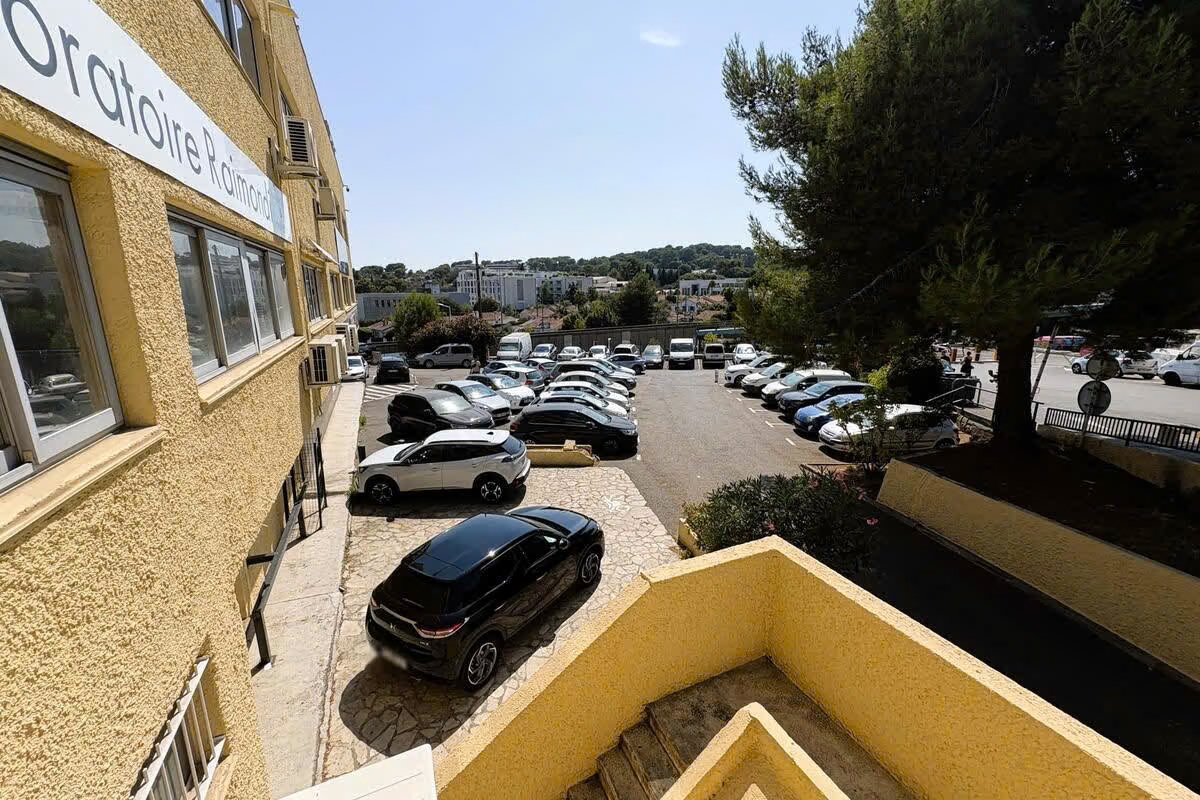
A documentary from Arte about a village in Romania with a large Nato base.
- Cincu, un village qui abrite l’OTAN. https://www.arte.tv/fr/videos/120881-010-A/arte-regards/
A documentary from Arte about a village in Romania with a large Nato base.
There was very little news in the French press about Roma this week. Charlie Hebdo, one satirical French paper published an article about Stolipinovo, the Roma Mahala in Plovdiv, Bulgaria. As usual in France, unfortunately not well informed. Other than that, In Nantes, a collective is trying to help Roma.
The Roma Cultural Center Pančevo in the Vojvodina, Serbia, delivered school supplies to children who are studying “Roma language with elements of Roma national culture” at the “Braća Novakov” Elementary School in Paragami near Bačka Palanka.
An article on the Roma music group Romano Glauso from the Roma settlement of Pušča near Murska Sobota, which according to the article, not only enriches the musical landscape, but also actively builds intercultural dialogue with a modern interpretation of tradition and contributes to greater understanding and coexistence in society.
Another article about the problems around Roma settlements in Slovenia. This time it is about the municipalities of Grosuplje and Semič, and mainly in the settlements Smrekec and Sovinek. Noise, shooting, illegal fires, and similar issues.
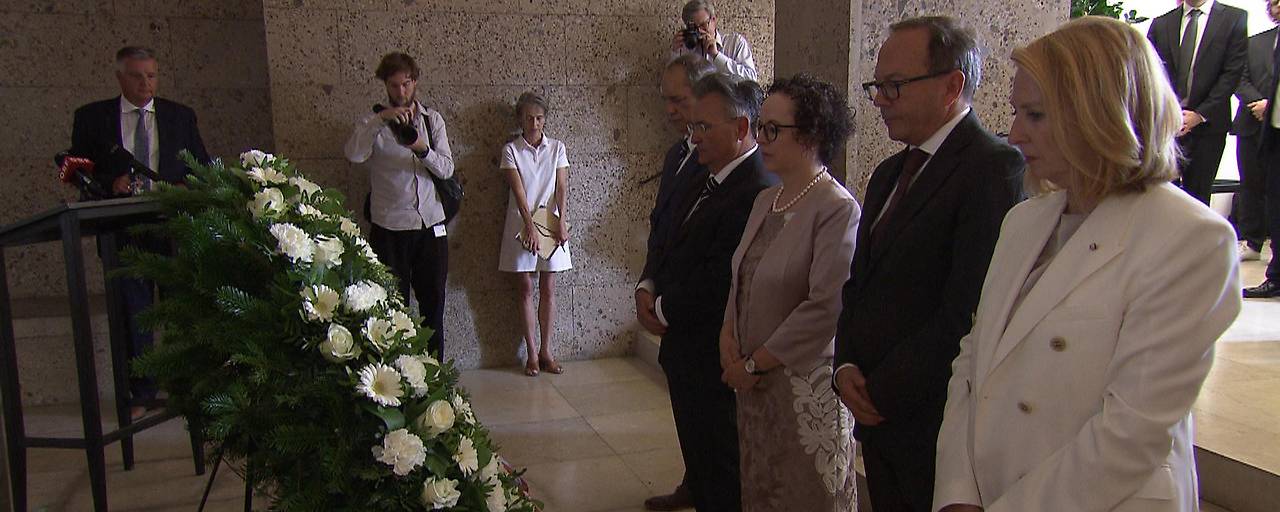
A memorial event was held in Podpoľanie at the Jewish cemetery in Zvolen on Tuesday, December 9, as part of the Ma bisteren! project dedicated to commemorating the Roma genocide during the Holocaust on the occasion of International Human Rights Day. It commemorates the fate of Roma murdered during World War II.
The Local Action Plan for the Roma Community in the Praga-Południe District 2025–2030 finished a first preliminary project in 2025. The project’s main goal was to increase the level of social and civic integration of the Roma community living in the Praga-Południe district. As a result of the project, a local action plan was developed, outlining specific directions of support and actions that address the community’s real needs. The project’s nature was participatory, meaning that all stakeholders were actively involved in its development: representatives of the Roma community, their neighbours, residents of the district, representatives of the local administration, NGOs, uniformed services, and other public institutions.
Dr. Joanna Talewicz, president of the “W Stronę Dialogu” [towards Dialogue] Foundation, has been fighting for years to stop the Roma community from being perceived through the prism of folklore and romantic yet harmful notions. In a conversation with Andrzej Grupa, she discusses why the label of “expert on Roma issues” began to bother her, how the foundation’s new campaign, “Rozprowadzemy stereotypy o Rom(k)ach,” exposes prejudice, and how building community and alliances is the safest “insurance policy” for uncertain times in Poland.
In the December review episode of SODAcast, podcast authors Zdeněk Ryšavý and Patrik Banga look back at the key events of the end of the year. In addition to the newly published Report on the Status of the Roma Minority and the debates surrounding anti-Gypsyism, they also address one of the most controversial moments of the current political situation – the nomination of Filip Turek as Minister of the Environment in the emerging government of ANO, SPD and Motorists.
Sinti and Roma are frequently subjected to prejudice and discrimination by the police, according to a report. The Reporting and Information Center on Antigypsyism (MIA) analyzed 215 cases reported by victims between 2020 and 2024 for the report presented in Berlin on Thursday.
According to the report, Sinti and Roma often report that their complaints are not recorded by the police, and that incidents are downplayed or denied. Investigations against police officers following complaints are reportedly dropped. In some cases, victims who file a complaint themselves become the target of investigations. The study evaluates hundreds of allegations of discrimination against Roma and Sinti by the police. The spectrum ranges from reports not being recorded to violence – even at a children’s birthday party. Experts are calling for recognition of institutional problems within police departments.
Minority policy has now existed in Sweden for 25 years. A seminar was held in the Riksdag that both looked back on the development and pointed out what is needed going forward. Lars Lindgren, a Swedish Rom “Reisende” from DO tells how he views these 25 years and what challenges still remain.
The traveling exhibition “Swabian Sinti and Roma in Past and Present,” organized by the Swabian District Heritage Preservation Office, has opened at the Church of Mary Queen of Peace (Johannesstr. 4). The exhibition is a collaboration between the Swabian District Heritage Preservation Office and the Regional Association of German Sinti and Roma Swabia. It is open daily from 12 pm to 7 pm until January 22. (AZ)
The exhibition “Resistance and Dignity” by the feminist organization RomaniPhen e.V. and the FHXB Friedrichshain-Kreuzberg Museum focuses on the knowledge and experiences of Roma and Sinti. Since 1945 to the present day, Roma and Sinti have been fighting for a dignified life and remembrance.
A special rapporteur of the UN Human Rights Council criticized the lack of awareness of racism in Austria following a visit there. “There is a widespread reluctance to fully acknowledge the existence of racism,” Indian political scientist Ashwini K. P. told the APA news agency on Monday at the UN headquarters in Vienna. She clearly stated her opposition to the planned headscarf ban for girls, arguing that it would reinforce prejudices.
She had also received “disturbing reports and accounts” of discrimination against Roma and Sinti. She was also “deeply concerned” about the increase in anti-Semitic incidents.
The city of Heidelberg has honored Romani Rose with its Citizen’s Medal for his outstanding commitment to the city and the rights of Sinti and Roma.
Mayor Eckart Würzner presented the award on Thursday evening, December 4, at the town hall. Romani Rose has been Chairman of the Central Council of German Sinti and Roma since 1982. From 1991, he served as Managing Director of the Documentation and Cultural Center of German Sinti and Roma in the Old Town.
In reaction to the femicide, Vjelko Kajtazi, president of the Kali Sara Roma association said that every time an incident occurs, Roma suddenly have no name and surname. He was attending a meeting with the vice president Davor Božinović and representatives of the Međimurje local government. The topic of the meeting was the integration of members of the Roma national minority.
in Sitnice, in Northern Croatia close to Slovenia, a man shot two women, killing one, and leaving the other severely wounded in hospital. The two young women were shot in their home in a Roma settlement.
The mayor of Mursko Središće stated that the Sitnice Roma settlement is one of the safest in the country.
A large number of Croats, especially from Međimurje, reacted with hate speech in comments on social networks, without any sympathy for the young woman who lost her life, mocking the Roma and calling for their murder or extermination and the abolition of social assistance.
This is a classic example of femicide, which is a growing problem worldwide, including in Croatia.
79% of Roma live in overcrowded housing compared to 34% of the entire Bulgarian population, experts announced at a national roundtable on the topic “From data to action: Conclusions on the situation of Roma in Bulgaria from the study of the EU Agency for Fundamental Rights” in Sofia. Organizers are the Centre for the Study of Democracy and the EU Agency for Fundamental Rights (FRA).
The first and most visible problem for our society regarding Roma citizens is forced eviction from their homes, said Ombudsman Velislava Delcheva during a the National Roundtable.
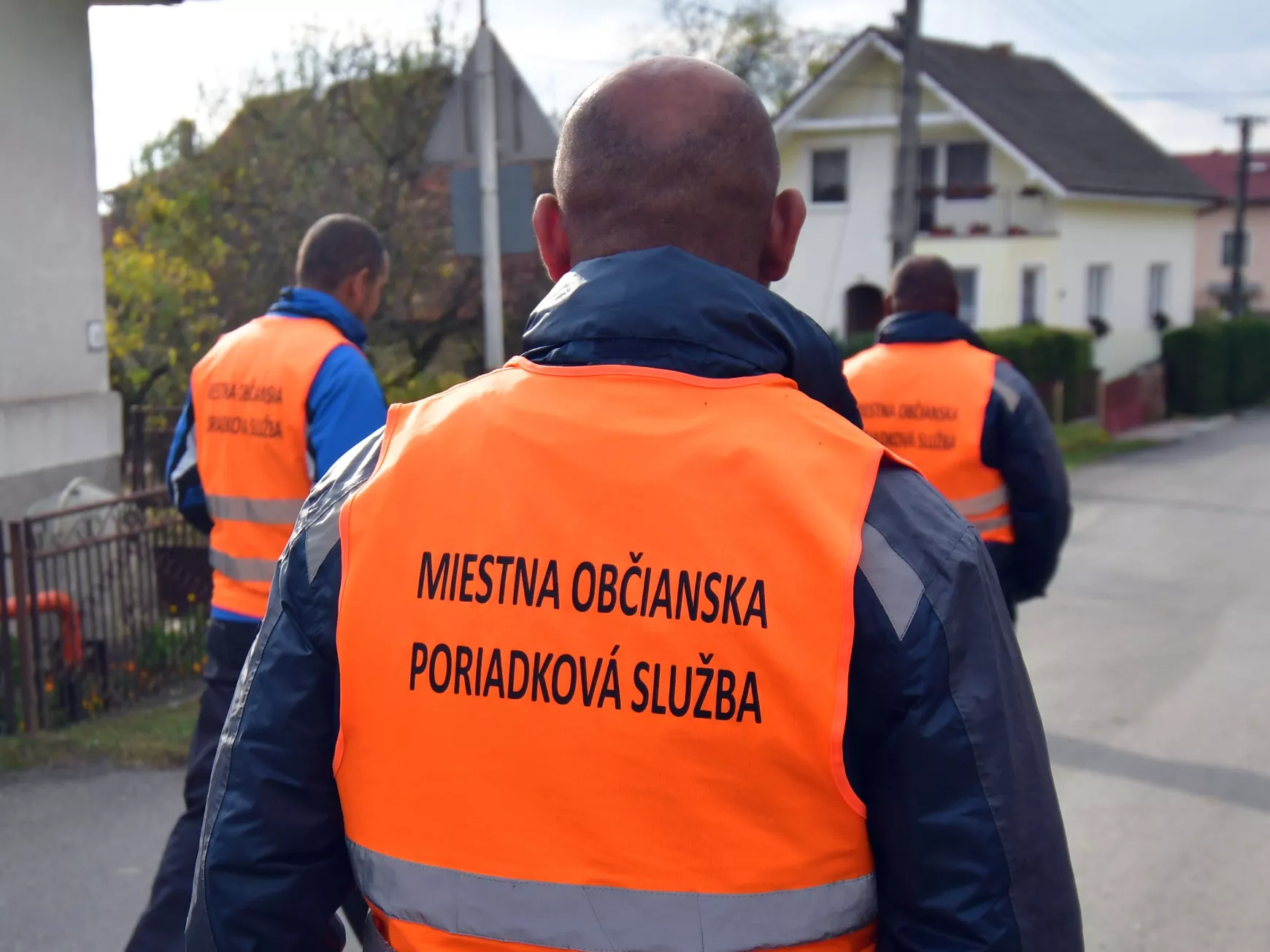
The Slovak Ministry of Labour is pushing ahead with the Work instead of Benefits initiative that foresee a stop of benefits if people refuse a job offer. So far, they have sent 13’000 job offers and 77 people are now at risk of losing their benefits as they refused an offer.
They are also creating new positions for Roma assistants have also been created at labour offices. Their task is to help with communication and reduce barriers between clients and offices.
Residents of Vrh pri Šentjerneju and Dobravice warn of increasingly unbearable living conditions near the Roma settlement on Trdinova cesta. Roma councillor says it’s not that bad. Residents complain of noise up till after midnight; shooting, even with semi-automatic weapons; and of speeding cars even at night. They say the police doesn’t do anything.