Slovenian Conference and Serbia

Published by:

Slovenian Conference and Serbia

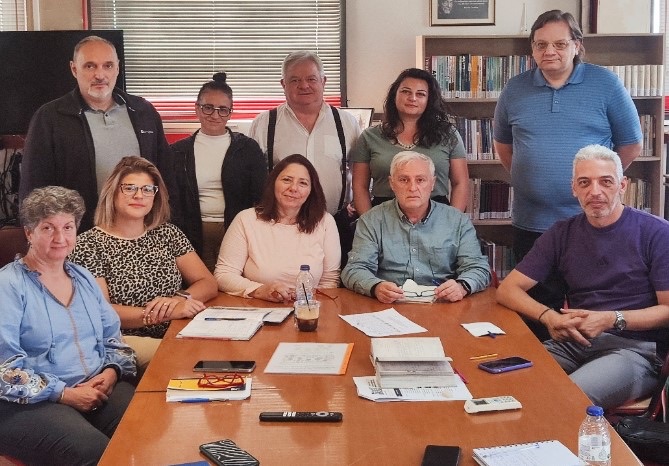
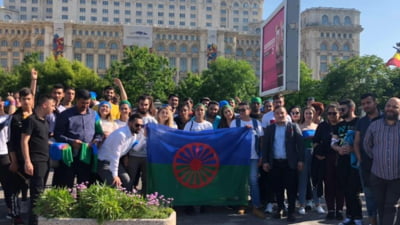
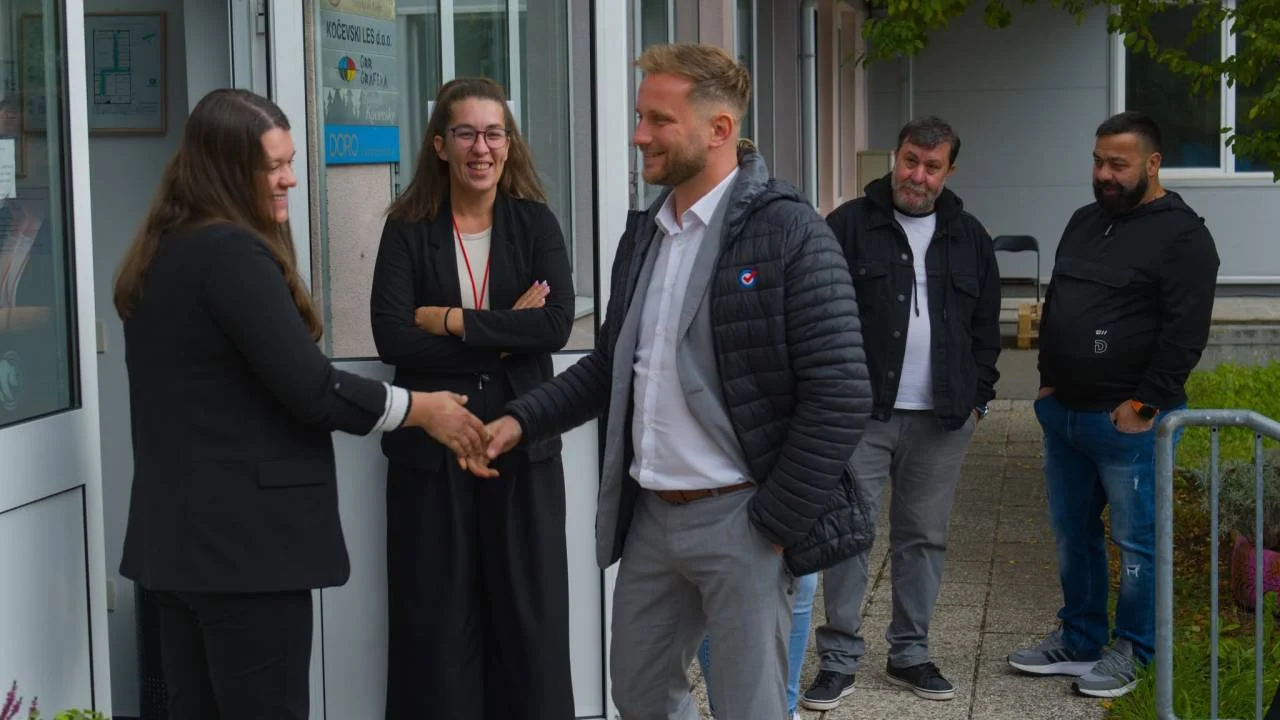
The National Council of the Roma National Minority from Serbia participated in the Second International Roma Conference in Slovenia, focusing on the progress and challenges faced by the Roma community over the past 20 years.

Dalibor Nakić, the president of the council, highlighted advancements in education, political participation, and decision-making inclusion for Roma in Serbia, attributing these to collaboration with various institutions and organizations.

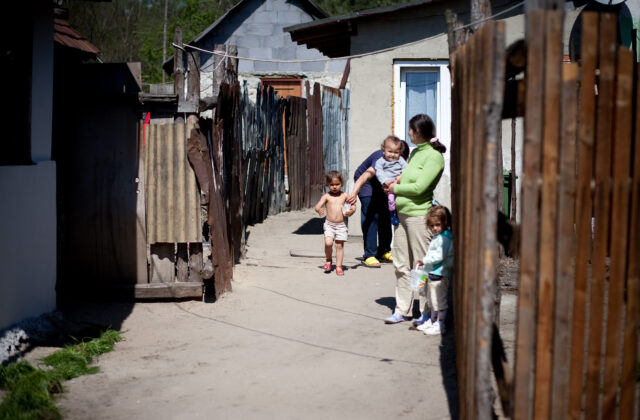
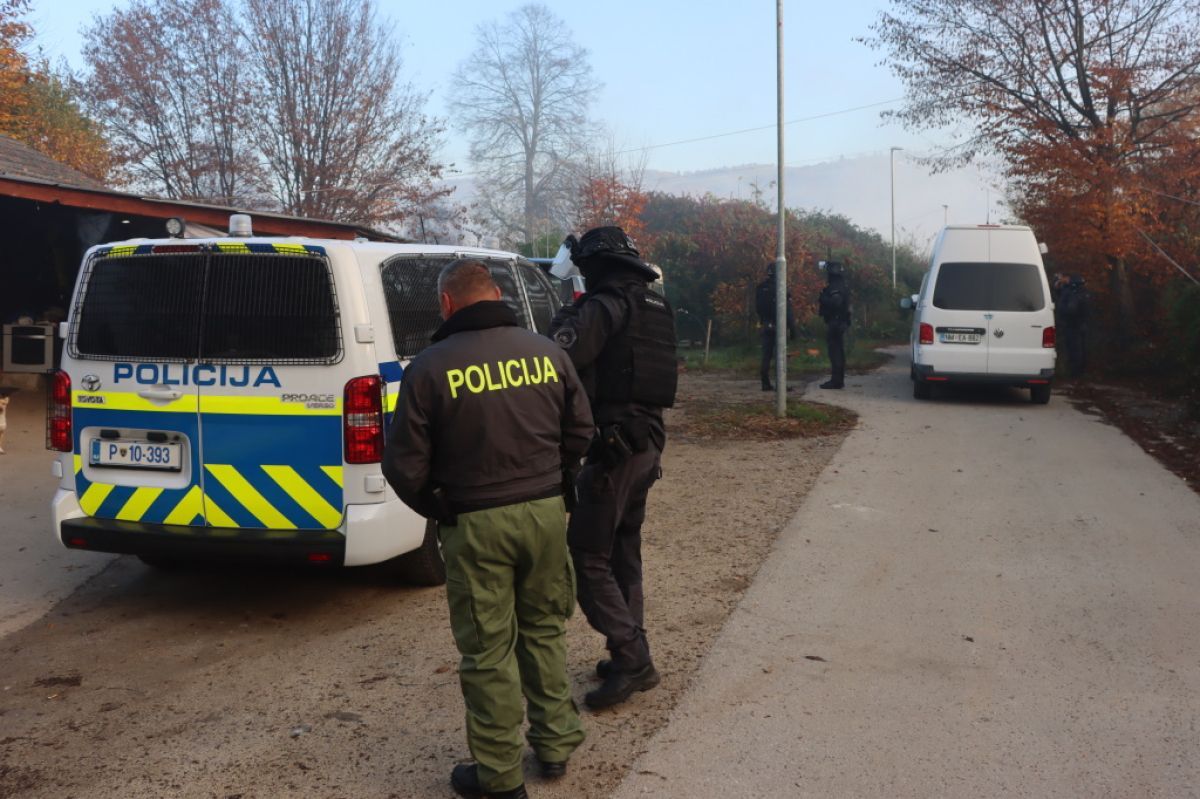
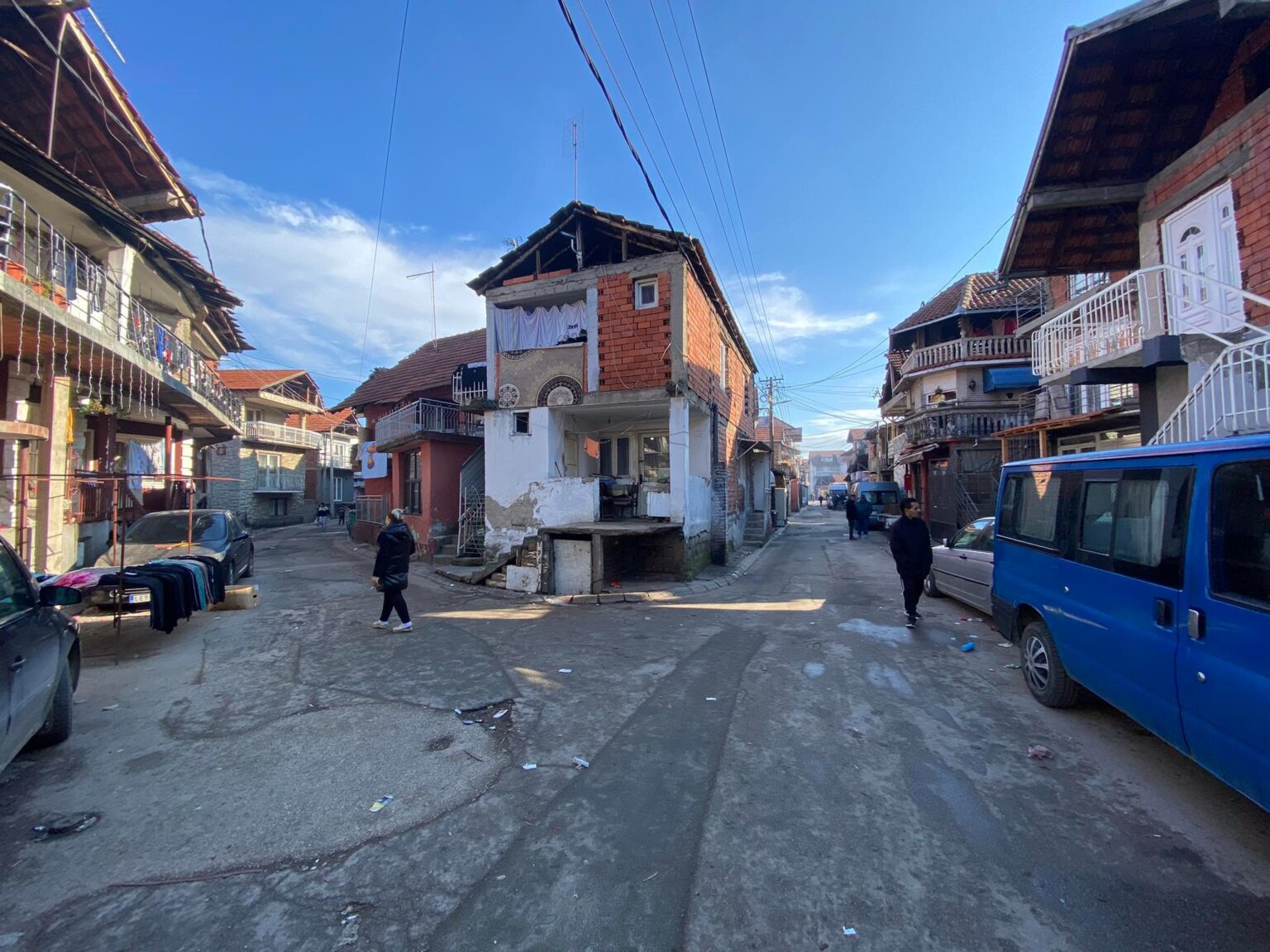
The conference included discussions on housing and local development, with a visit to the Pušča Roma settlement in Slovenia, recognized as a model for organized Roma communities with developed infrastructure.

All wishful thinking …

Dzansever Dalipova

Published by:

Dzansever Dalipova

Renowned singer Djansever Dalipova passed away in Essen, Germany, at the age of 59 after battling leukemia and undergoing a critical bone marrow transplant surgery.

The 59-year-old artist was known for her unique performances in arabesque and Romani music, leaving behind a legacy of unforgettable songs.

Dalipova’s health issues included losing an eye at a young age and being diagnosed with ankylosing spondylitis, but she made a significant comeback in her music career after a major surgery in 2009.

Djansever’s funeral is expected to take place in North Macedonia, with details yet to be finalized; she is remembered for her resilience and significant contributions to music despite her health struggles.

Politics and Roma

Published by:

Politics and Roma

The SNS (Serbian Progressive Party)  and current party in power upporting Vučić is intensifying efforts to attract Roma voters in southern Serbia, opening new offices in Leskovac, a region historically associated with the SPS (Socialist Party of Serbia).

The absence of the Roma flag in Leskovac’s SNS office raises questions about the party’s approach to representing the Roma community and whether they are being used for political gain.

The shift in political power dynamics indicates that SNS is not only targeting opposition strongholds but is also encroaching on the traditional base of its coalition partner, SPS, suggesting a weakening of the latter’s influence.

Roma Civil Guard

Published by:

Roma Civil Guard

Fülek, Slovakia, established a voluntary Roma civil guard in 2004, which transitioned to a professional service in 2014, supported by EU funding, but has faced funding challenges over the years.

Local authorities have been urging the government to finance the civil guard’s operations to ensure continuity and avoid layoffs, as the current project has ended and a new funding call was delayed.

The civil guards play a crucial role in community safety and support during city events, and the municipality has recently applied for funding to restart the program with a reduced project duration of 18 months.

The Borat Village

Published by:

The Borat Village

The village of Glod in Romania, known for its portrayal in Sacha Baron Cohen’s parody documentary about Kazakhstan, still remembers the dubious production methods and betrayals from that time.

The article describes the lives of Andrei and his grandfather Neamu, who live in this Roma community, reflecting on their history.

The village’s name, Glod, translates to ‘mud’, symbolizing its humble beginnings and the contrast with the nearby city.

Condemned

Published by:

Condemned

A man was convicted by the District Court for Prague 2 for racially motivated assaults against Romani individuals, receiving a two-year prison sentence and being ordered to undergo treatment for alcoholism.

The assaults included physical violence and threats, with the defendant using racist slurs during the incidents, which occurred in December 2025 and July 2025.

The victims expressed relief at the verdict, emphasizing the importance of standing against such violence and protecting others from similar treatment.

Lackenbach

Published by:

Lackenbach

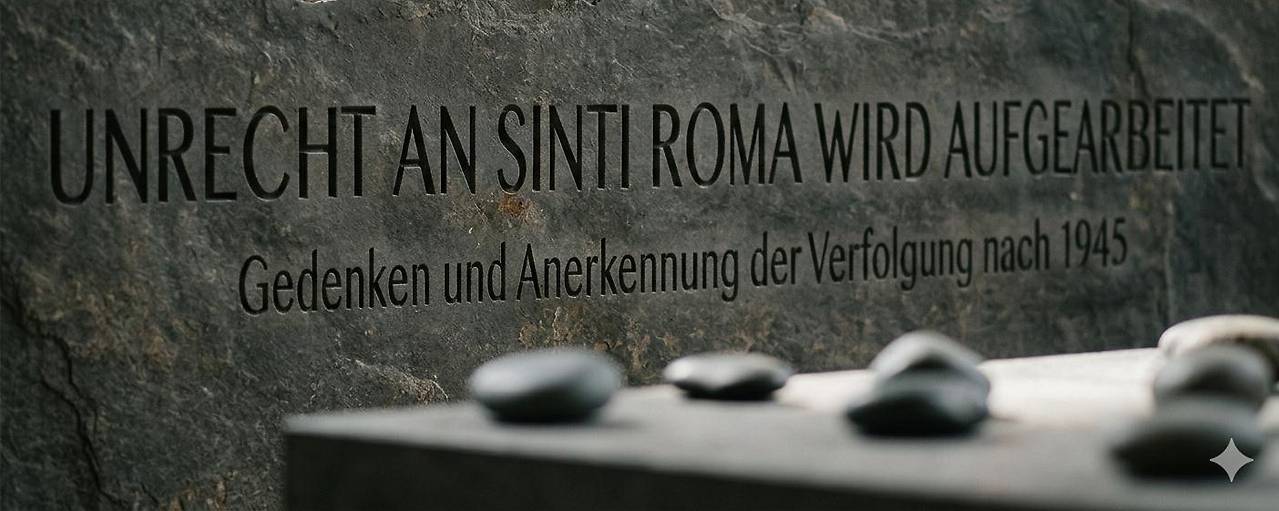
Commemorative events in Vienna and Lackenbach honored the Roma and Sinti persecuted and murdered during the Nazi regime, with speeches emphasizing the local impact of these historical crimes.

Historian Gerhard Baumgartner highlighted the inhumane treatment of Roma, including wrongful deportations based on misconceptions about them not wanting to work.

The events aimed to preserve the memory of the victims and promote the importance of maintaining the language, culture, and identity of the Roma and Sinti community in Austria.

This is really bad …

Published by:

This is really bad …

A video from a party in Ano Liosia, Greece, shows a chaotic scene where a man is said to threaten police with a knife, raising concerns about law enforcement and public safety in certain areas of Attica.

The video, intended to mock authorities, depicts police retreating to avoid escalating violence, which has led to criticism of their effectiveness and the state’s tolerance of criminal behavior.

The cover picture of the vide says it all. This is bad in every sense of the word. Bad tht it happened, and bad that it is being escalated in the press.

Another Brawl …

Published by:

Another Brawl …

The Biulgarian police are investigating a mass brawl between two Roma families in the village of Doctor Yosifovo, near Montana in Bulgarian. where a 19-year-old sustained moderate injuries. The incident occurred on Tuesday after a dispute, with a 20-year-old man reportedly inflicting the injuries.

The boulevard press is highlighting these fights on a regular basis, and this is bad. Bad that they happen, and bad, that this is becoming associated with Roma.

Čingar

Published by:

Čingar

The scandal surrounding former Roma organization leader Sergiu Sava has led to calls for a complete restructuring of leadership within the community, as many believe the organization has not served their interests for years.

Community members allege that leadership positions have been filled through favoritism and corruption, with claims of bribes and lack of accountability for financial mismanagement.

There is a strong demand for educated leaders who can effectively represent the Roma community and address their needs, as the current leadership is criticized for being unqualified and disconnected from the community’s issues.

Romanian Relocation

Published by:

Romanian Relocation

Emil Boc, the mayor of Cluj, emphasized that the integration of families relocated from the Pata Rât area is progressing well, with over 100 families already housed in rented accommodations, and no issues reported regarding unpaid bills.

The city is committed to social housing projects and support programs, including financial assistance for rent, aimed at vulnerable populations, particularly those from the Pata Rât area.

Boc rejected claims of integration challenges, asserting that the process is ongoing and supported by various funding sources, and highlighted the importance of work and education for successful integration.

Relocation

Published by:

Relocation

The story of the the Roma families evicted from a settelment in Košice, Slovakia, who relocated to Szalonna, Hungary seems to have taken another turn.

Two Roma families, who apparently do not speak Hungarian and live in deep poverty, have reportedly left Szalonna for Košice, but it is unclear if their departure is permanent or temporary.

Local residents expressed fears of mass resettlement of Roma families from Slovakia, prompting the Szalonna municipality to quickly pass a regulation to prevent further relocations.

The situation has drawn political attention, with a mayoral candidate in Košice using the issue to gain popularity, while the families face challenges due to language barriers and lack of social services in their new location.

LGBTQ+ and a song

Published by:

LGBTQ+ and a song

A controversy has erupted around Azis’s new song “Mangava tu” due to the use of the phrase “aman от pedali,” which has been criticized as homophobic by LGBTQ+ communities.

Critics argue that Azis, who is openly gay, is normalizing hate speech against sexual minorities, while supporters claim he is using a term familiar within the gay community.

Drag queen Malina Yank defended Azis, stating that within the LGBTQ+ community, such terms can be used among members without malice, emphasizing the importance of artistic expression even if it may offend some.

Really?

Published by:

Really?

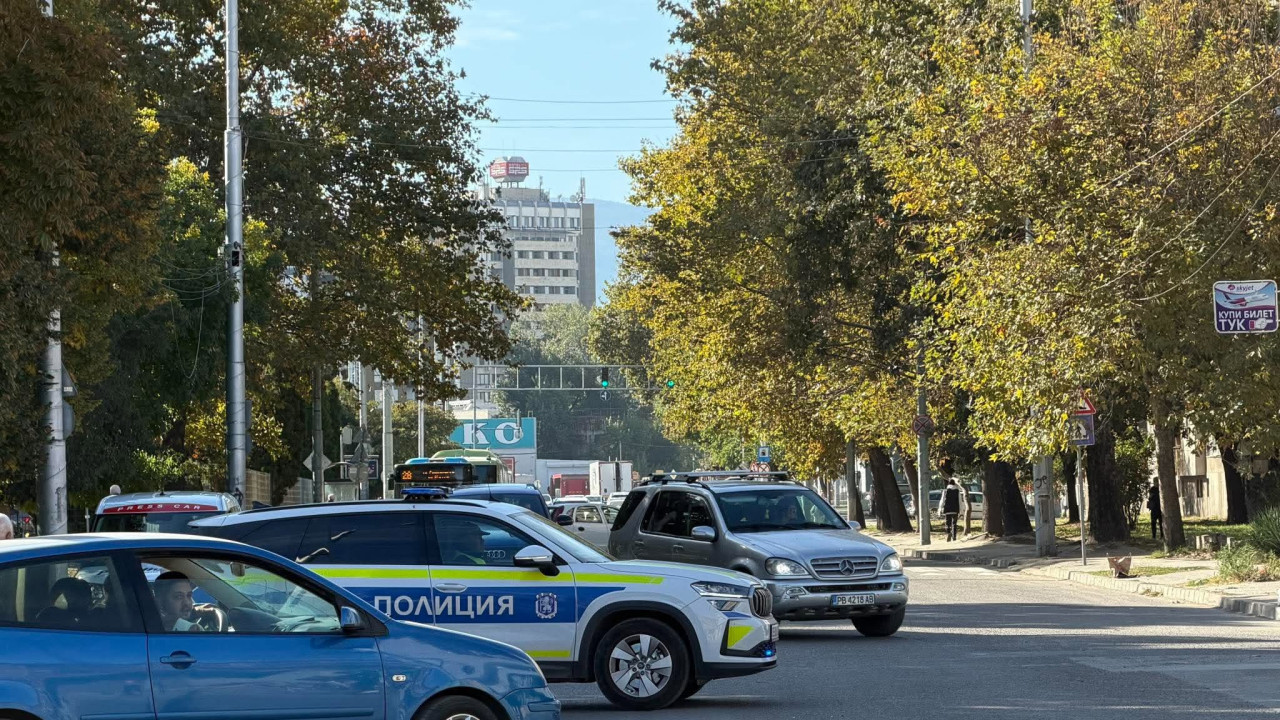
A municipal councilor in Sofia, Carlos Kontrera, proposed to immediately stop public transport lines in Roma neighborhoods following a violent incident involving a bus in the ‘Hristo Botev’ area, predominantly inhabited by Roma.

Kontrera claims that previous measures to shorten the bus route reduced incidents of vandalism, and he plans to propose further restrictions on the bus line.

He emphasizes that public transport is not a given for those who vandalize and suggests that stricter measures, including police presence, are necessary in these areas.

Kosovo Politics

Published by:

Kosovo Politics

Albert Kinoli, a member of the United Roma Party of Kosovo, and Rasim Demiri, president of the Bosniak VAKAT party, expect to meet with Prime Minister Albin Kurti about forming institutions soon.

Kinoli expressed readiness to participate in the formation of Kosovo’s institutions and to vote for the president, emphasizing the urgency of establishing these institutions.

A constitutive session of the Kosovo Assembly is scheduled for tomorrow following the elections held on June 7.

Affirmative Action

Published by:

Affirmative Action

The Romanian Ministry of Education discussed the expansion of affirmative measures for Roma students and clarified the role of a mechanism to confirm Roma ethnicity during consultations with various stakeholders.

Approved measures for the 2026-2027 academic year include guaranteed places in primary, secondary, and higher education, as well as scholarships and a mechanism for confirming eligibility based on ethnicity.

The confirmation mechanism is voluntary and aims to ensure that affirmative measures reach the intended beneficiaries, with the document being issued by Roma community organizations or local authorities.

Racial Persecution

Published by:

Racial Persecution

Accodting to the article, the roots of Nazi persecution of the Roma can be traced back to changing perceptions of the group during the modernization of European societies, as discussed in Sławomir Kapralski’s book “Naród z popiołów”.

In the 19th century, racial theories emerged that interpreted social and cultural differences as inherent biological traits, leading to the ‘naturalization of difference’ and viewing Roma as biologically distinct and unchangeable.

This perspective shifted the view of Roma from a social problem to a biological one, resulting in their increasing exclusion and eventual persecution, including sterilization and extermination.

Population Census

Published by:

Population Census

The article discusses the ongoing debate regarding the accurate population count of the Roma community in Hungary, highlighting discrepancies between census data and researchers’ estimates due to factors like identity and assimilation.

According to the latest census, about 210,000 people identified as Roma, (a 30% dreacres relative to the previous Hungar4ian Census) but estimates suggest the actual number could range from 500,000 to 1 million, with projections indicating a significant increase by 2050.

The Roma population is characterized by a young demographic structure, with higher birth rates compared to the general population, raising questions about future coexistence and integration with Hungarian society.

This latter statement is again unsubstanciated. It is assuming that all Roma have many children, whereas the majority is not. Many children is related to poverty, not to being Roma.

Relocation

Published by:

Relocation

Authorities in Hungary are investigating the relocation of Roma families from the illegal settlement in Košice, Slovakia, to Hungary, focusing on the organization and funding of the process.

The relocation, which began in July, has raised concerns about the rights of the residents, including access to healthcare and education, as the government was informed only shortly before the move.

The mayor of the district claims the move was voluntary and aimed at helping families improve their living conditions, while a police investigation has been initiated following a complaint regarding the legality of the relocation.

Burgenland Roma

Published by:

Burgenland Roma

A docuemntary about Roma from Burgenland, featuring texts by Michael Köhlmeier, spans from the 1930s to the present, addressing themes of adaptation pressure, persecution, and exclusion, while also celebrating the cultural diversity and vibrancy of the Burgenland Roma community.

The Roma community played a significant role in the creation of the documentary, with historical settings resembling a Roma camp from the 1930s being constructed for filming in Oslip.

Musical contributions to the film include works from Ferry Janoska and Tony Wegas.

rroma.org
en_GBEN