Daily Archives: August 6, 2026

LGBTQ+ and a song

Published by:

LGBTQ+ and a song

A controversy has erupted around Azis’s new song “Mangava tu” due to the use of the phrase “aman от pedali,” which has been criticized as homophobic by LGBTQ+ communities.

Critics argue that Azis, who is openly gay, is normalizing hate speech against sexual minorities, while supporters claim he is using a term familiar within the gay community.

Drag queen Malina Yank defended Azis, stating that within the LGBTQ+ community, such terms can be used among members without malice, emphasizing the importance of artistic expression even if it may offend some.

Really?

Published by:

Really?

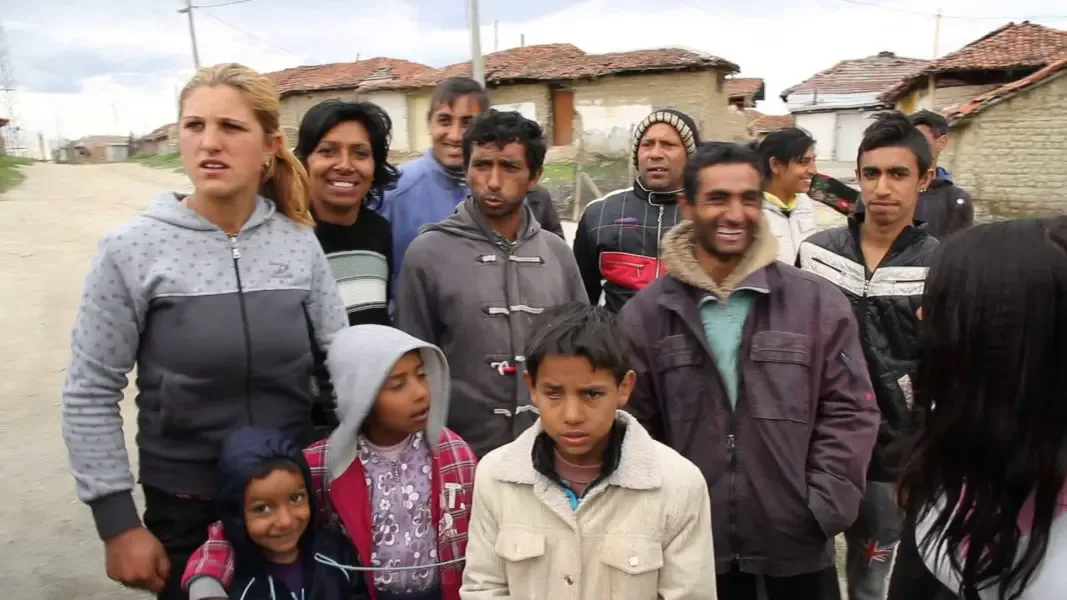
A municipal councilor in Sofia, Carlos Kontrera, proposed to immediately stop public transport lines in Roma neighborhoods following a violent incident involving a bus in the ‘Hristo Botev’ area, predominantly inhabited by Roma.

Kontrera claims that previous measures to shorten the bus route reduced incidents of vandalism, and he plans to propose further restrictions on the bus line.

He emphasizes that public transport is not a given for those who vandalize and suggests that stricter measures, including police presence, are necessary in these areas.

Kosovo Politics

Published by:

Kosovo Politics

Albert Kinoli, a member of the United Roma Party of Kosovo, and Rasim Demiri, president of the Bosniak VAKAT party, expect to meet with Prime Minister Albin Kurti about forming institutions soon.

Kinoli expressed readiness to participate in the formation of Kosovo’s institutions and to vote for the president, emphasizing the urgency of establishing these institutions.

A constitutive session of the Kosovo Assembly is scheduled for tomorrow following the elections held on June 7.

Affirmative Action

Published by:

Affirmative Action

The Romanian Ministry of Education discussed the expansion of affirmative measures for Roma students and clarified the role of a mechanism to confirm Roma ethnicity during consultations with various stakeholders.

Approved measures for the 2026-2027 academic year include guaranteed places in primary, secondary, and higher education, as well as scholarships and a mechanism for confirming eligibility based on ethnicity.

The confirmation mechanism is voluntary and aims to ensure that affirmative measures reach the intended beneficiaries, with the document being issued by Roma community organizations or local authorities.

Racial Persecution

Published by:

Racial Persecution

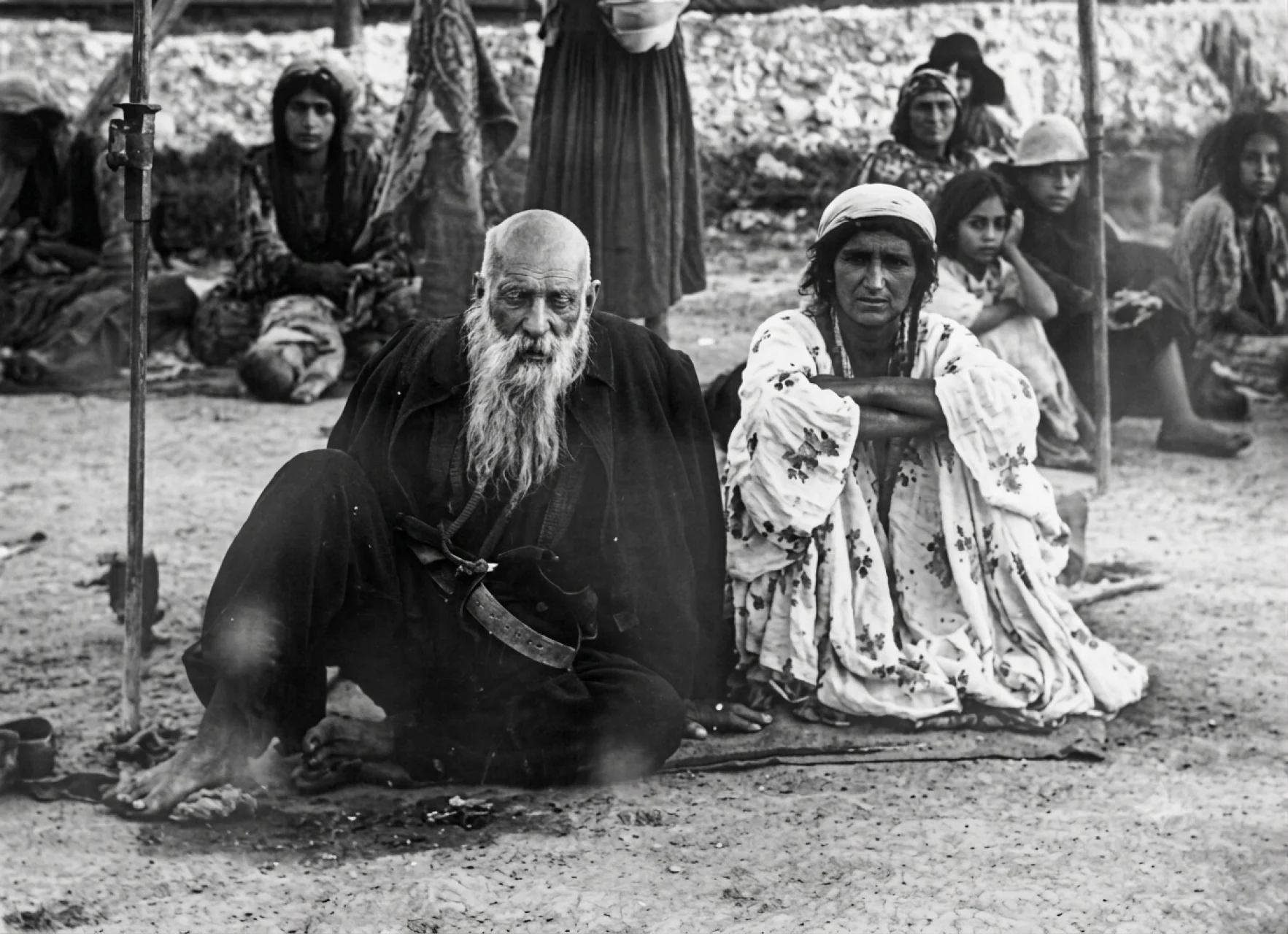
Accodting to the article, the roots of Nazi persecution of the Roma can be traced back to changing perceptions of the group during the modernization of European societies, as discussed in Sławomir Kapralski’s book “Naród z popiołów”.

In the 19th century, racial theories emerged that interpreted social and cultural differences as inherent biological traits, leading to the ‘naturalization of difference’ and viewing Roma as biologically distinct and unchangeable.

This perspective shifted the view of Roma from a social problem to a biological one, resulting in their increasing exclusion and eventual persecution, including sterilization and extermination.

Population Census

Published by:

Population Census

The article discusses the ongoing debate regarding the accurate population count of the Roma community in Hungary, highlighting discrepancies between census data and researchers’ estimates due to factors like identity and assimilation.

According to the latest census, about 210,000 people identified as Roma, (a 30% dreacres relative to the previous Hungar4ian Census) but estimates suggest the actual number could range from 500,000 to 1 million, with projections indicating a significant increase by 2050.

The Roma population is characterized by a young demographic structure, with higher birth rates compared to the general population, raising questions about future coexistence and integration with Hungarian society.

This latter statement is again unsubstanciated. It is assuming that all Roma have many children, whereas the majority is not. Many children is related to poverty, not to being Roma.

Relocation

Published by:

Relocation

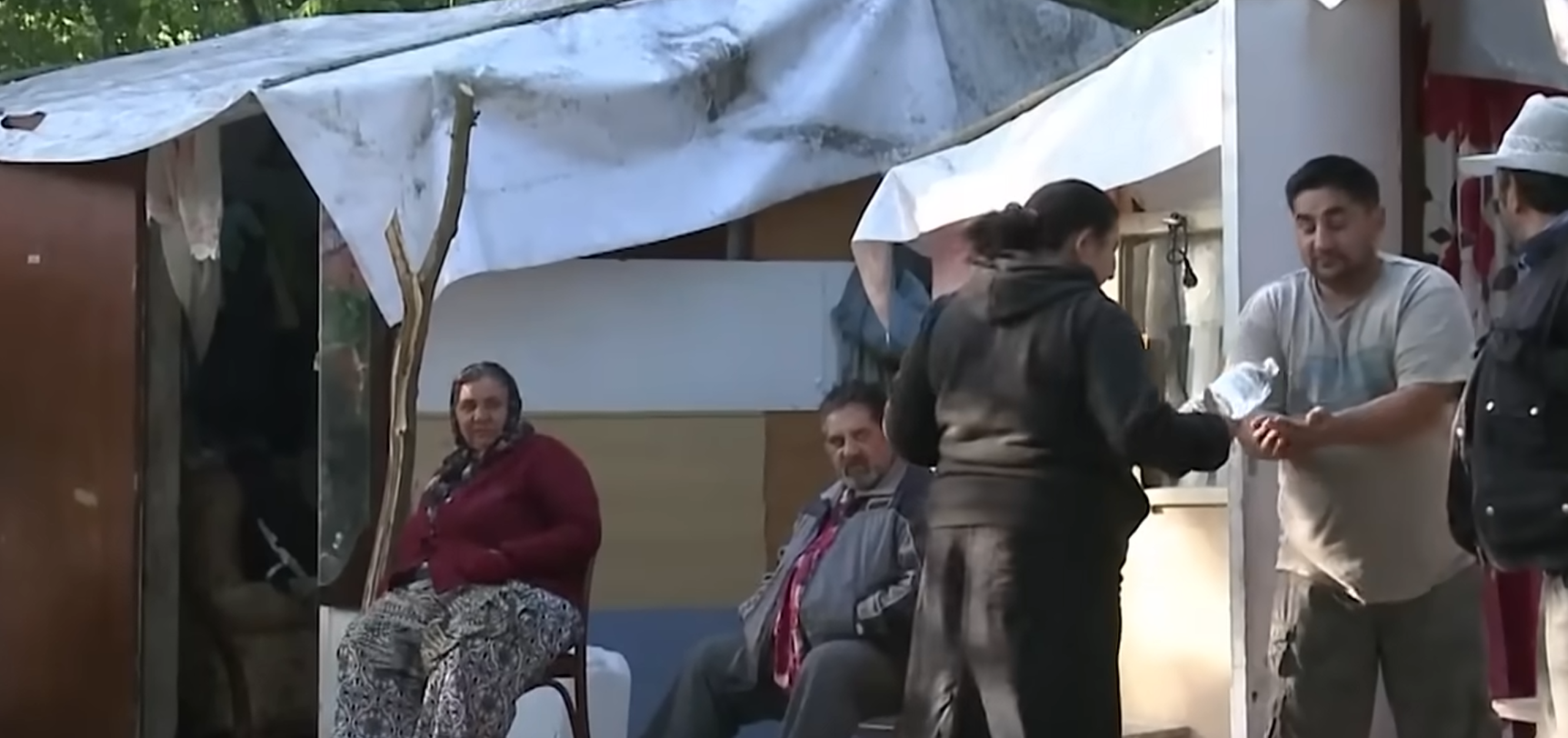
Authorities in Hungary are investigating the relocation of Roma families from the illegal settlement in Košice, Slovakia, to Hungary, focusing on the organization and funding of the process.

The relocation, which began in July, has raised concerns about the rights of the residents, including access to healthcare and education, as the government was informed only shortly before the move.

The mayor of the district claims the move was voluntary and aimed at helping families improve their living conditions, while a police investigation has been initiated following a complaint regarding the legality of the relocation.

Burgenland Roma

Published by:

Burgenland Roma

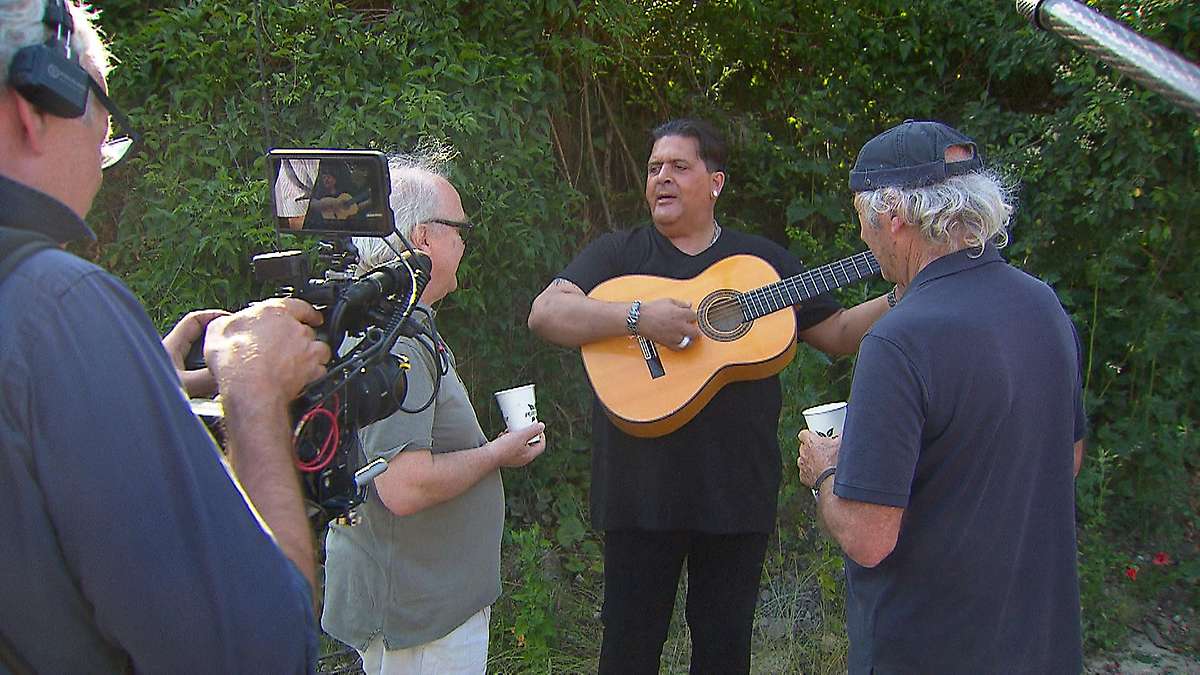
A docuemntary about Roma from Burgenland, featuring texts by Michael Köhlmeier, spans from the 1930s to the present, addressing themes of adaptation pressure, persecution, and exclusion, while also celebrating the cultural diversity and vibrancy of the Burgenland Roma community.

The Roma community played a significant role in the creation of the documentary, with historical settings resembling a Roma camp from the 1930s being constructed for filming in Oslip.

Musical contributions to the film include works from Ferry Janoska and Tony Wegas.

rroma.org
en_GBEN