Romanes

Published by:

Romanes

How to strengthen the Romani language among young people? The guest of the show is Luan Coco, manager of the Centre for Education of Roma and Ethnic Communities, who talks about how to preserve the Romani language, encourage young people to use it and why it is important for it to remain a living part of everyday life and the community.

Slovenian Museum

Published by:

Slovenian Museum

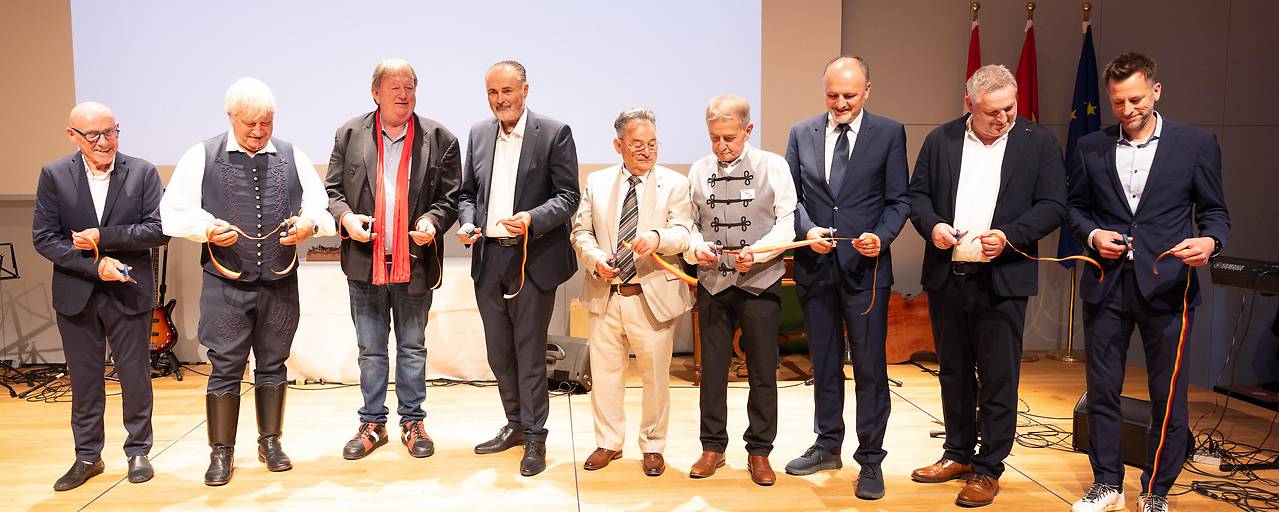
The Slovenian “European Museum of Roma Culture and History,” which opened its doors at the beginning of the month, is intended to preserve, research and present the history, language, traditions and art of the Roma and their contribution to the development of European society.

Germany: Exhibition

Published by:

Germany: Exhibition

The traveling exhibition “Swabian Sinti and Roma in Past and Present” will be on display at the Nördlingen City Museum from March 17 to November 8, 2026. It illuminates the history, culture, and way of life of the German Sinti and Roma—from the first records in the 15th century through the persecution under National Socialism to the present day.

Zakarpattia: Mobilisation

Published by:

Zakarpattia: Mobilisation

On March 10th, near the village of Patskanovo in the Uzhhorod district, a group of Roma blocked the road of a service vehicle and attacked military personnel with wooden sticks.

According to the police of the Zakarpattia region, the incident occurred during the notification of residents of the district about mobilization and verification of military registration documents. People deliberately blocked the movement of a military vehicle, after which they provoked a conflict.

Citizen Patrols

Published by:

Citizen Patrols

A Slovak project, “Citizen Patrols” which covered hundred and thirty-one cities and municipalities, 2,349 employees, 2,015 of whom are Roma, providing oversight in the municipalities and mediation, is being effectively shut down.

Bad.

Pavia and Roma

Published by:

Pavia and Roma

The 21 Luglio Association has criticized the city’s plan to create a new residential area in Bivio Vela to house some Sinti families currently residing in the Piazza Europa shantytown, one of the city’s historic settlements. According to Carlo Stasolla, president of the association, creating housing spaces reserved for a single ethnic community is a resurgence of an outdated model. “Monoethnic settlements,” he states, “risk turning into new ghettos and do not foster real inclusion.”

Mi Hazánk

Published by:

Mi Hazánk

The extreme-right My Hazánk Mozgalom (Our Homeland Movement) party, together with their anti-Roma Bűnvadászok (Crime Hunters) vigilante group did an action in the small Nógrád village of Kálló. They were met by local Roma who peacefully told them they should leave.

The party represented this as having been aggressed, even though there are no records of people being wounded or of any police action.

Bad.

Roma Inclusion

Published by:

Roma Inclusion

Students from the sixth to eighth grades of the “22. oktobar” Elementary School from Bački Monoštor, who attend the elective subject Romani language with elements of national culture, visited the Roma Inclusion Office in Novi Sad.

Accompanied by teacher Ivan Petrović, during this educational visit the students had the opportunity to learn firsthand about the work of this institution and the activities carried out to improve the position of the Roma community.

Serbian Settlements

Published by:

Serbian Settlements

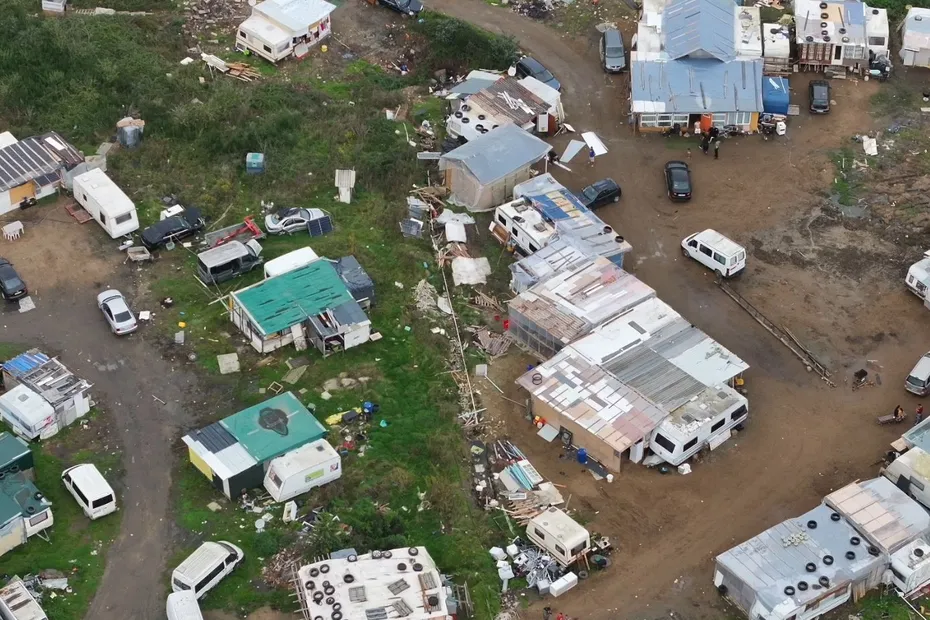
Representatives of the National Council of the Serbian Roma National Minority visited the Roma settlement “Sever” in Bor in Eastern Serbia, where about 50 families live in very difficult socio-economic conditions.

The settlements “Sever” and “Brezonik” are located in the immediate vicinity of a mine, and the residents mainly live in old and dilapidated buildings that do not meet the basic requirements for a dignified life.

Travellers in Switzerland

Published by:

Travellers in Switzerland

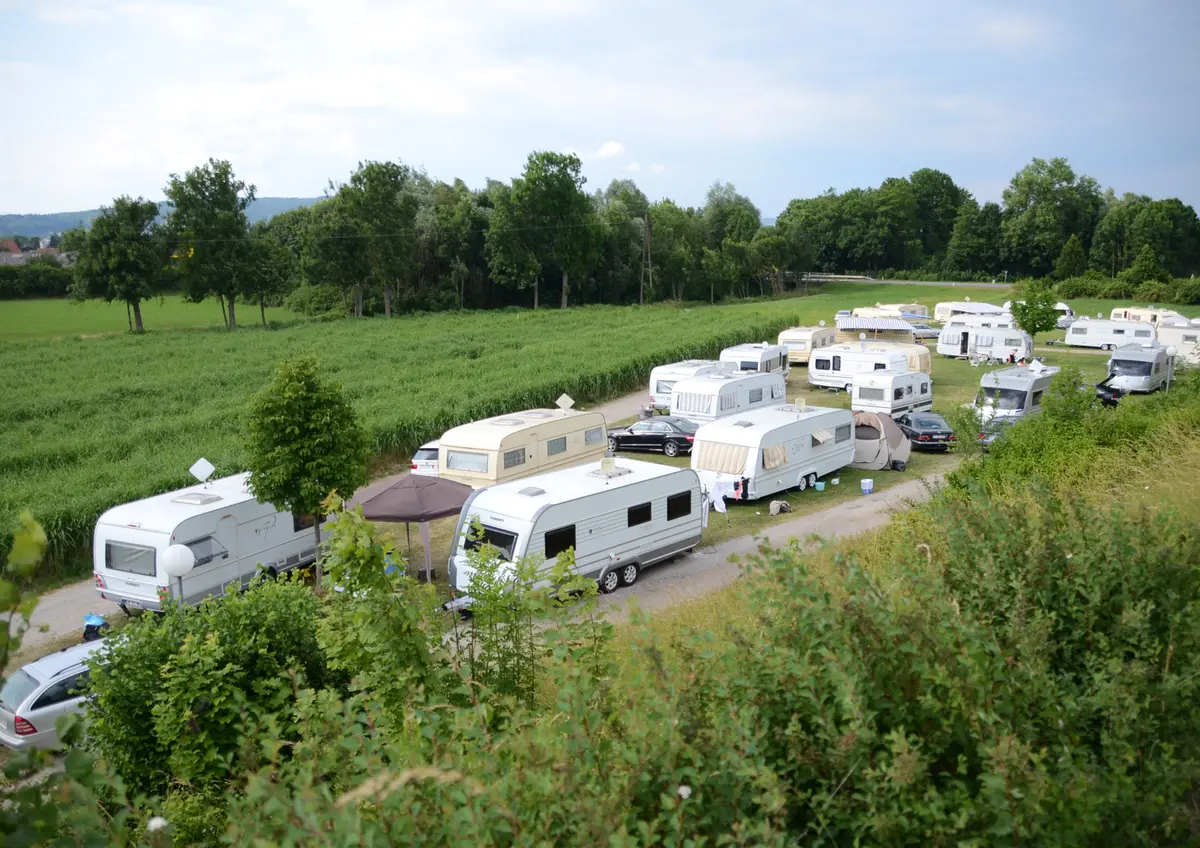
Camping space for Yenish, Sinti, and Roma in Graubünden is becoming increasingly scarce. A regional event sparked a heated discussion about their needs, rights, and respect.

It doesn’t help that some spots are reserved for “Swiss Travellers”, and not for Roma.

Every Child has a Chance

Published by:

Every Child has a Chance

An open discussion will be held on the 17th of March in the Teologická fakulta, Jihočeská univerzita v ČB,  in České Budějovice. The discussion meeting is intended primarily for representatives of city administration, schools, kindergartens and the professional public. Together they will focus on current topics related to supporting children not only in education, sharing practice, experiences, opinions and opportunities for mutual cooperation. The aim of the meeting is to create a space for dialogue and inspiration for further steps towards quality and fair education for every child.

North Macedonia

Published by:

North Macedonia

The UN Committee on the Elimination of Racial Discrimination (CERD) condemned North Macedonia for violating several provisions of the International Convention on the Elimination of All Forms of Racial Discrimination. The country had confiscated passports of Roma who were forced returned from Germany after they had lost their asylum case.

French Chronicle …

Published by:

French Chronicle …

This week, the only articles on Roma concern the municipal elections being held in France on March 12th and all of these articles concern Roma in Nantes who are trying to have a say in those elections. Apparently, they massively registered to vote (as they can in France). The only other articles are a squat being closed in Lyon, and one from the extreme right Breizh Info on a so called reportage in the largest slum in France.

Another one of those …

Published by:

Another one of those …

The body of a newborn was found in a landfill in Sliven, Bulgaria. Unfortunately, the landfill is in a Roma neighbourhood.

The police confirmed that they are working on the case. The District Prosecutor’s Office in Sliven reported to bTV that a pre-trial investigation for intentional murder has been initiated and an investigation is underway. At the moment, the state prosecution cannot say whether there are traces of violence on the child’s body. However, according to witnesses, he had visible injuries. They say that they saw the body of the newborn being thrown out of a car.

Social Inclusion in Czechia

Published by:

Social Inclusion in Czechia

The Ministry of Regional Development is preparing organizational changes that, according to information from the Seznam Zprávy server, could actually mean the end of the Social Inclusion Agency. Since 2008, it has been helping municipalities solve problems in socially excluded localities.

According to information from Seznam Zpráv, the current Department of Social Inclusion is to be merged with the Department of Housing Policy. In practice, this could mean a fundamental limitation of the activities of the Agency for Social Inclusion, which currently employs around a hundred employees and operates directly in the regions, where it helps municipalities prevent social exclusion.

Jovan Živadinović

Published by:

Jovan Živadinović

Jovan Živadinović, a Roma singer and songwriter from Serbia, debuted with the single Sve je isto in July 2021. A year after his first album, he participated in the Eurovision Song Contest 2023 with the song Greh, which led him to the final of the competition.

The second album brings a sonic blend of modern electro pop, club aesthetics and the discreet sensibility of soul and rhythm and blues. Through 19 tracks, the album follows a path of self-exploration, emotional conflicts and attempts to understand one’s own identity, from a short introductory confession by Džipsii’s mother to the final track “Kuda”.

Roma and Politics

Published by:

Roma and Politics

The Roma community in Serbia, which is estimated to number between 400,000 and 500,000 people, continues to face numerous challenges when it comes to political representation and real influence in public life. Although there are formal mechanisms for Roma political participation, many experts and activists believe that their political power is still limited.

In Serbia, Roma have certain institutional mechanisms for political action. One of the key ones is the National Council of the Roma National Minority, which represents the central institution of the Roma community in the areas of education, culture, information and official use of the language.

Well, those mechanisms have little influence, and can be called alibi excercises.

Slovakia and Roma

Published by:

Slovakia and Roma

There are approximately 450,000 Roma living in Slovakia, yet we often know little about their everyday experiences. Discussions about Roma communities are often full of stereotypes, emotions, and simplifications that obscure the complex reality of the life of the Roma minority. This new episode of the SAS Scientific Podcast, welcomed social psychologist Barbara Lášticová from the Institute of Social Communication Research of the SAS, v. v. i., and anthropologist Andrej Belák from the Institute of Ethnology and Social Anthropology of the SAS, v. v. i. In an interview with Peter Boháč, they talk about anti-Roma racism, the everyday experiences of Roma in Slovakia, and why the integration of Roma communities is so difficult.

Schools and Roma

Published by:

Schools and Roma

At one of the larger primary schools in Dolenjska, Slovenia, 15 students are repeating a grade this year, all of them Roma children. The data was confirmed by the principal of the Kočevje Assembly of Delegates Primary School, Peter Pirc.

The principal explains that a large number of unsuccessful students appear almost every year, especially in the first and sixth grades. The first grade is particularly pronounced, where many children have problems right from the start of school.

rroma.org
en_GBEN