Giving Birth in Hungary

Published by:

Giving Birth in Hungary

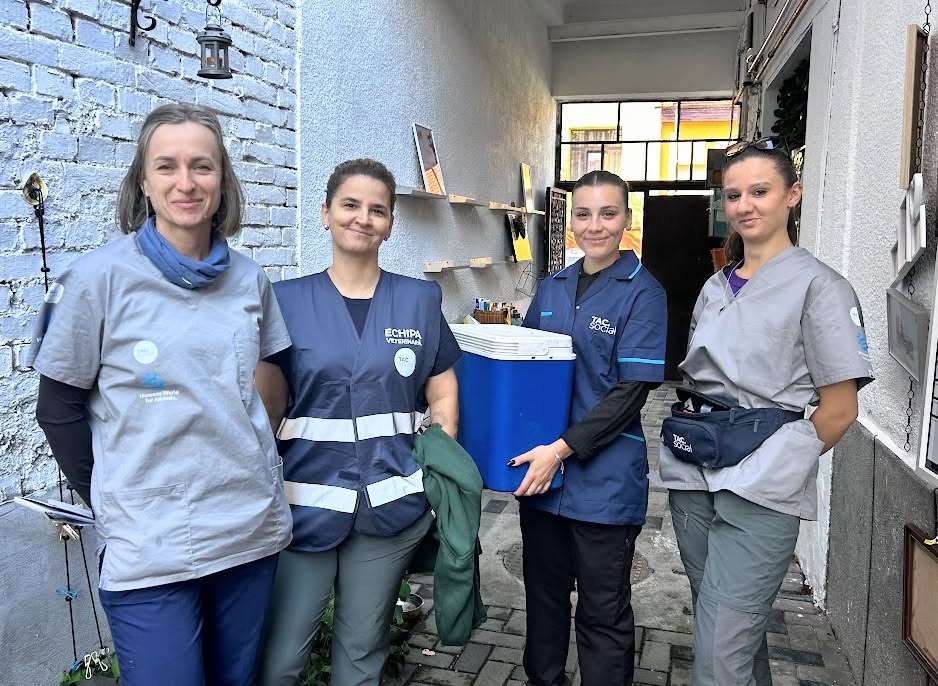
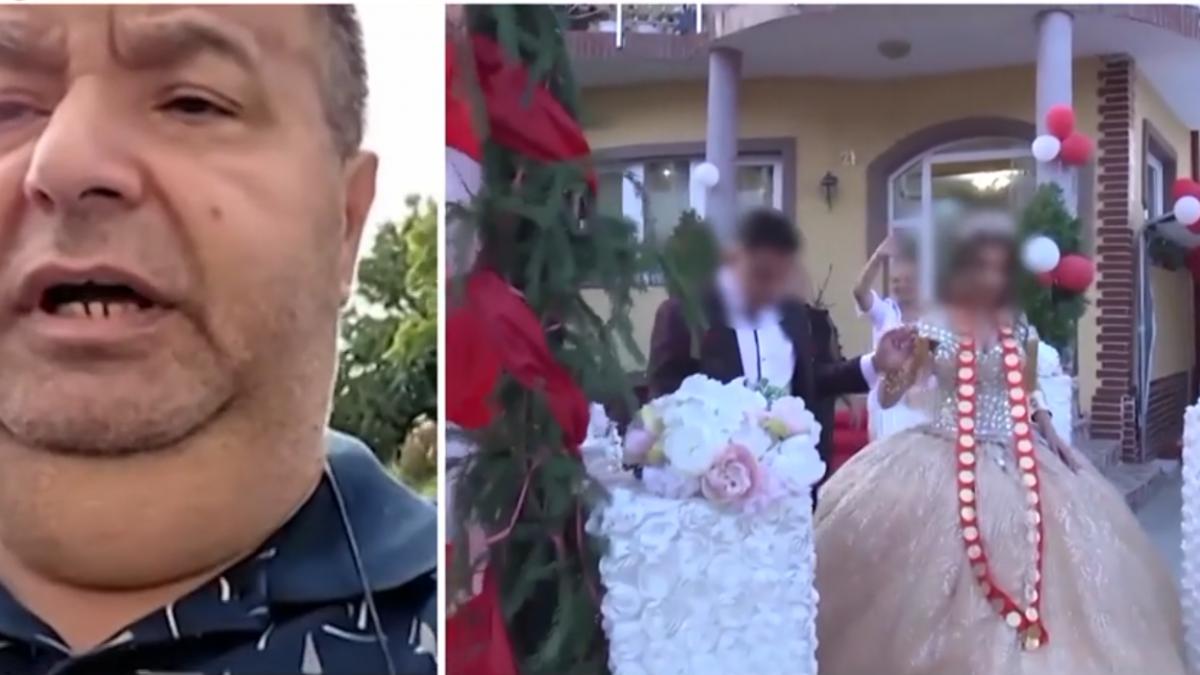
Reports of humiliation, threats, and vulnerability are not uncommon in the birth stories of Roma women. An initiative in Alsózsolca is trying to provide an answer to this: doulas trained from local Roma women accompany pregnant women. An interview with doula Rita Kishonthy-Kardos, the professional leader of the EMMA Association’s community companions program, about obstetric violence, racism, and how doulaship can become community support and a tool for self-assertion.

Integration in Bosnia

Published by:

Integration in Bosnia

Although the Roma community in Bosnia and Herzegovina continues to face numerous challenges, examples from Gradiška and Prnjavor show that the position of the Roma has been changing for the better in recent years.

Racism in Slovakia

Published by:

Racism in Slovakia

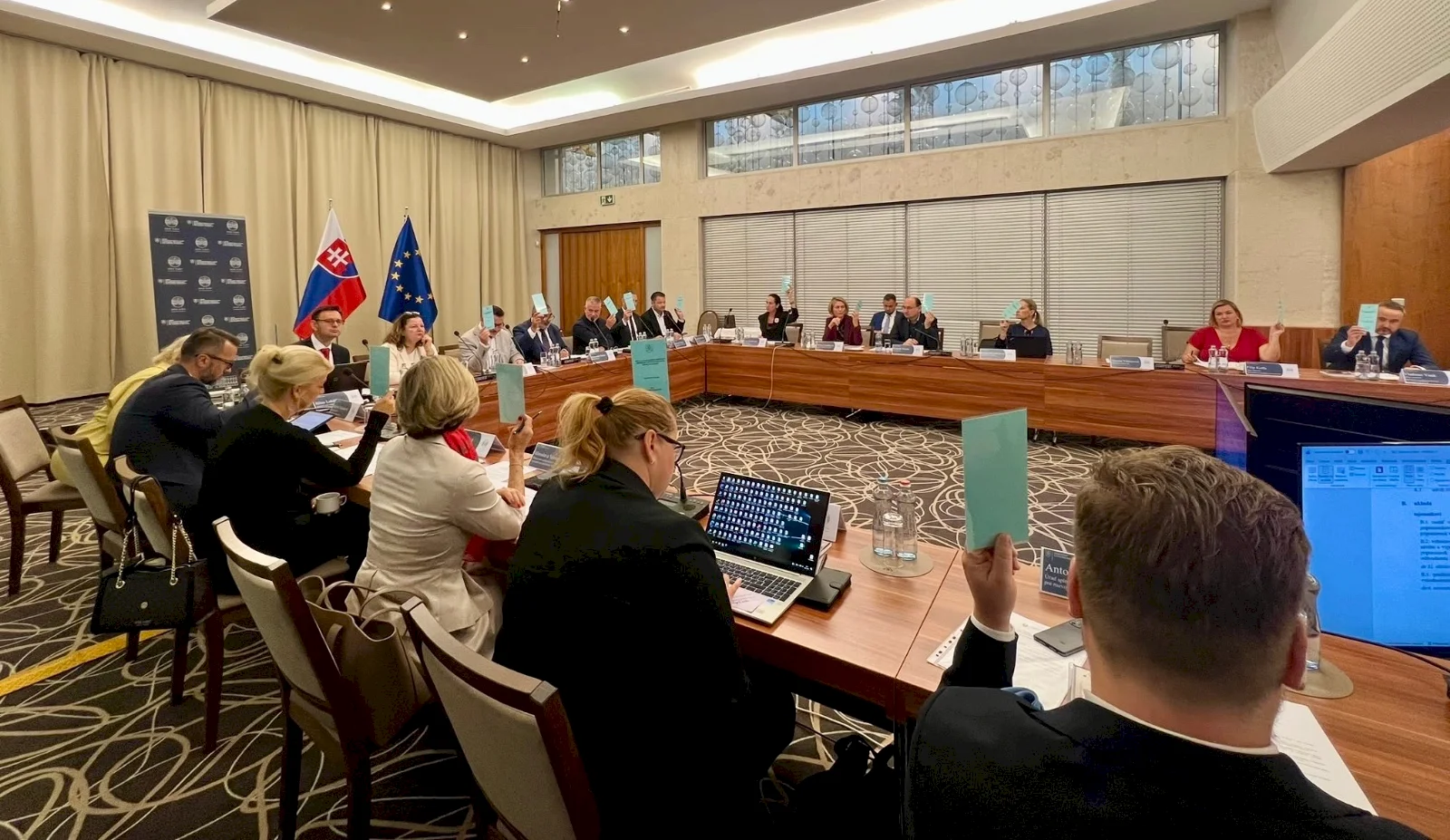
According to the European Commission against Racism and Intolerance (ECRI), which is a body of the Council of Europe (CoE), further measures are needed in the field of combating hate speech and hate crimes, in promoting equality and access to rights, as well as the integration of Roma and LGBTI communities.

Slovenia, Kindergartens, and Roma

Published by:

Slovenia, Kindergartens, and Roma

The municipalities of Šentjernej, Škocjan and Šmarješke Toplice are facing challenges in integrating Roma children into kindergartens. Despite the large number of Roma families, the enrollment of Roma children in kindergartens is very low, which raises questions about the success of integration efforts. It seems that the problems with the admission of children have been successfully addressed in the aforementioned municipalities, but we still rarely encounter Roma children in kindergartens.

Hate Speech in Serbia

Published by:

Hate Speech in Serbia

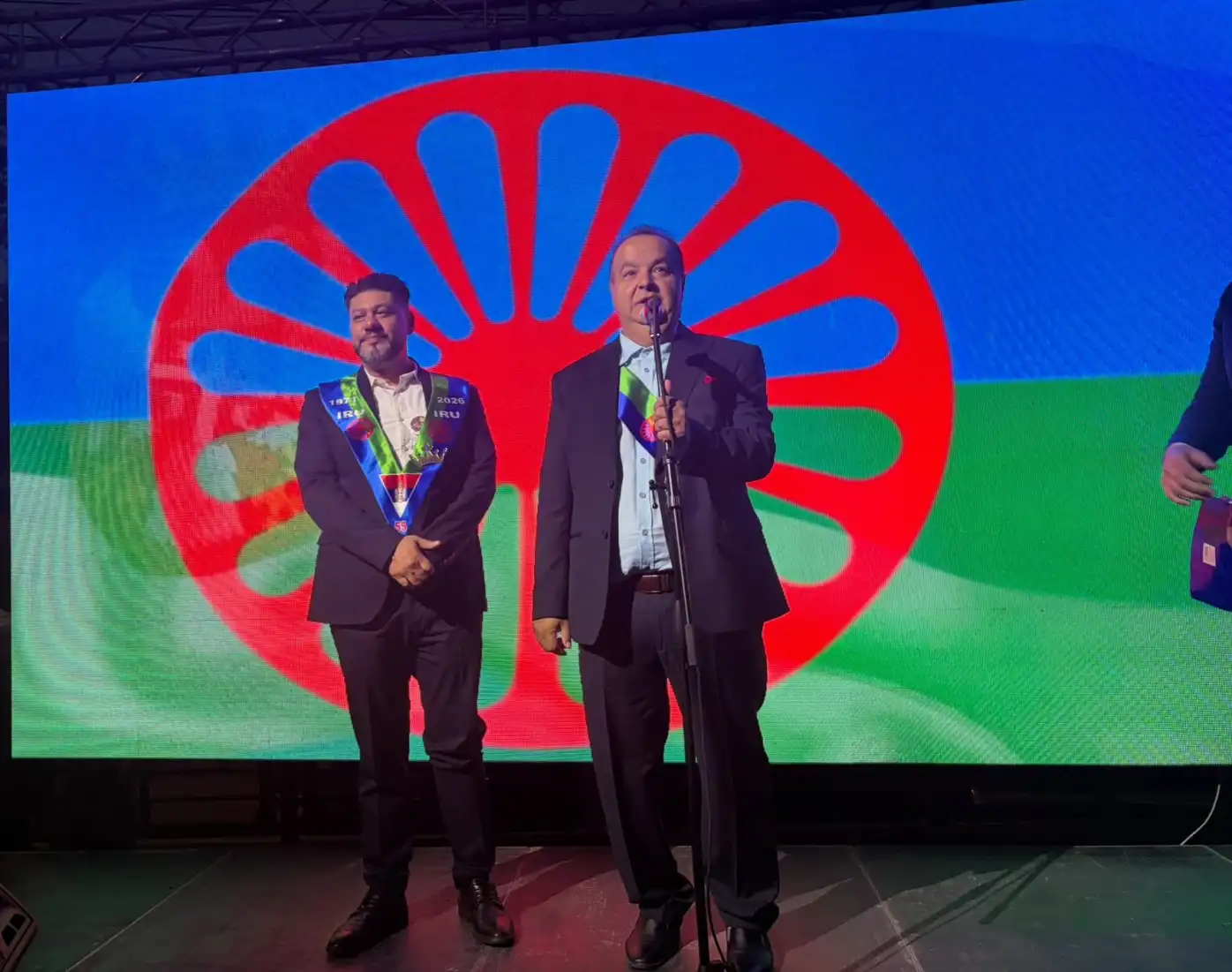
Srđan Šajn, president of the Roma Party, condemned a graffiti in Obrovac that read “Roms, be afraid,” calling it an open incitement of hate and discrimination against the Roma community. He criticized Roma officials from the ruling Serbian Progressive Party for using the incident for political propaganda instead of condemning hate speech and protecting Roma interests.

Šajn highlighted the government’s weak response to anti-Roma incidents, suggesting that the graffiti reflects a broader atmosphere of intolerance and extremism fostered by the authorities and their allies in the media.

Renting a Flat

Published by:

Renting a Flat

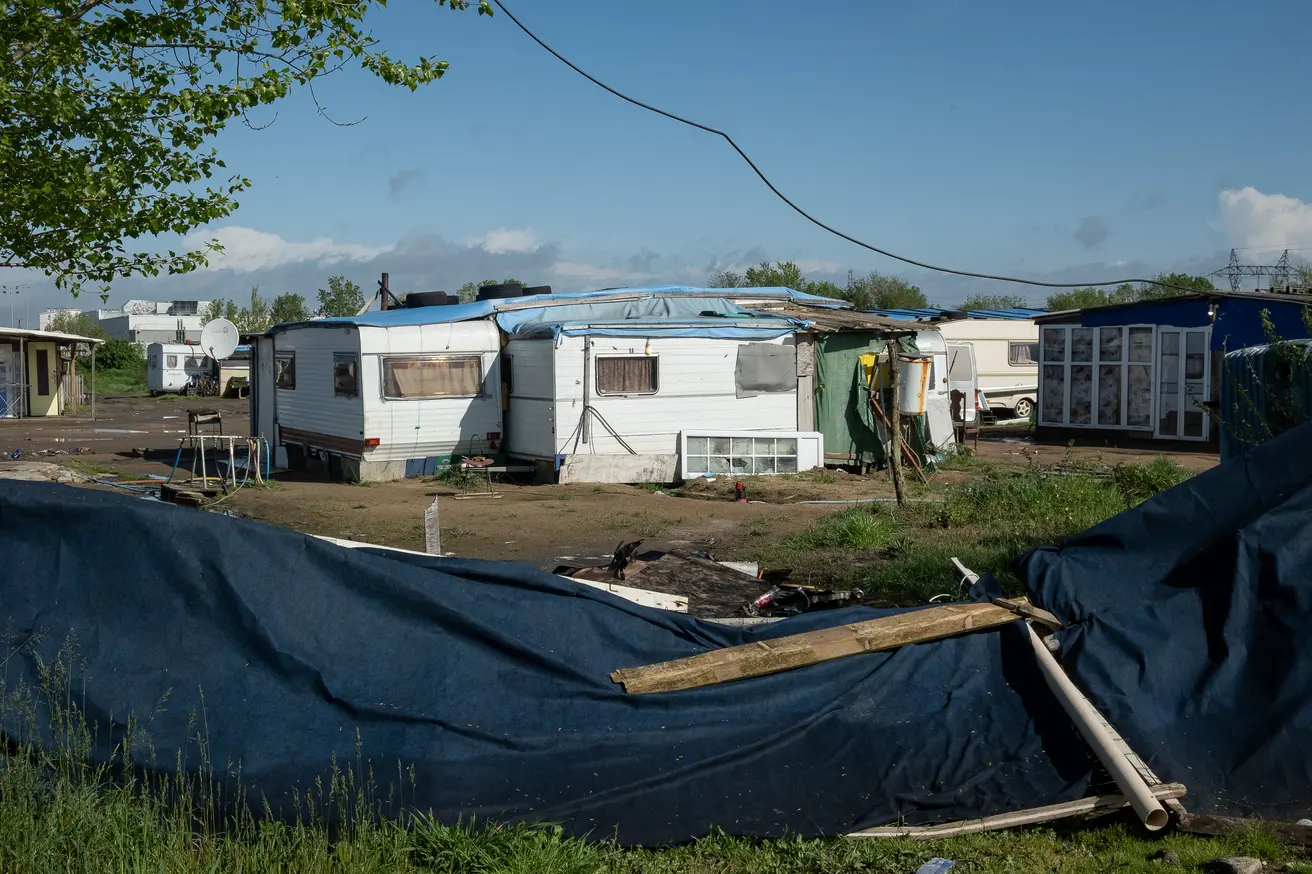
A Roma family in Hungary faces discrimination in the rental market, highlighting the challenges they encounter when landlords reject them based on their ethnic background.

Research shows that Roma applicants require significantly more attempts to secure viewings compared to non-Roma, and they often face higher rental prices due to perceived biases.

Despite existing anti-discrimination laws, societal attitudes remain largely negative towards Roma, with many Hungarians condoning discriminatory practices in housing.

Romanian Roma in Germany

Published by:

Romanian Roma in Germany

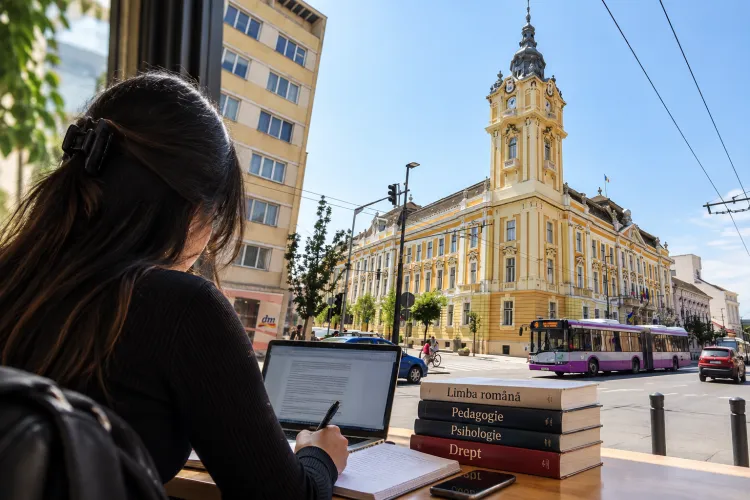
The article discusses the integration challenges faced by Romanian Roma in Germany, emphasizing the need for tailored public policies that address their specific vulnerabilities and circumstances. It highlights the differences between the historical Sinti community and recent Roma migrants from Eastern Europe, stressing the importance of recognizing these distinctions in policy-making. The author calls for collaborative efforts between Germany and Romania to enhance educational and mentoring programs, aiming for genuine inclusion and dignity for the Roma community.

Kindergarten and Roma

Published by:

Kindergarten and Roma

An article about the fact that there are almost no Roma in Kkindergarten in a Slovenian region that has several Roma settlements. According to the article:

Although there are many Roma people living in the municipality of Šentjernej, and around 70 Roma children attend primary school, this is not reflected in kindergarten enrolment. According to the principal, not a single Roma child currently attends the kindergarten.

“Despite our efforts, we have not managed to collect enough applications for a shorter program funded by the state and intended for children who do not attend kindergarten before entering school.”

Romano Dikipe

Published by:

Romano Dikipe

In this issue, Romano Dikipe accompanies the Roma-Service association during their move to the new House of Ethnic Groups in Oberwart; report on the new book by Herbert Brettl; as well as on the planned location for the central memorial for Roma and Sinti in Vienna; attended the event “Literature on the Ring” and is once again in search of traces of vanished Roma settlements in Burgenland.

London Exhibition

Published by:

London Exhibition

The Museum of Homelessness (MOH), part gallery, part support hub, part perennial meadow, is hosting an exhibition entitled ‘ Criminal: An Untold Story of Homelessness, Resistance and Survival.’ which maps 400 years of criminalisation of homelessness and nomadic lives, with 10 Foot, Matt Bonner, Spelling Mistakes Cost Lives, and Surfing Sofas, in an exhibition that was co-curated and built by MOH’s members.

Odessa: Exhibition

Published by:

Odessa: Exhibition

The exhibition “Invisible. Resilience: The Past and Present of the Roma” explores the history and culture of the Roma people and highlights the Roma community’s contribution to modern society.

The exhibition consists of two thematic sections, each focusing on the past and present of the Roma people. Particular attention is paid to identity as a form of resistance and the preservation of cultural heritage.

The event was organized by the ARKA Youth Agency for Roma Culture Advocacy in partnership with the Babyn Yar National Historical and Memorial Reserve, the Odesa Holocaust Research Center, and the Ukrainian Holocaust Research Center. The project was implemented with the support of the German Embassy in Ukraine and the Ukrainian Institute of National Remembrance.

Roma Vakeren

Published by:

Roma Vakeren

The Czech radio show “Roma vakeren” [Roma speak] talks about this year’s Khamoro World Roma Festival which revived the tradition of Roma storytelling and commemorated the legacy of the exceptional Věra Bílá. And also visit Slovakia, where the creative writing competition in the Romani language Avka, sar miri daj vakerelas / Just like my mother spoke took place.

Concentration Camp

Published by:

Concentration Camp

Within the grounds of Coudrecieux castle (Sarthe), the ruins of a World War II internment camp for “nomads” still remain. On My 31st, associations of itinerant citizens called for it to be listed as a historical monument.

French Chronicle …

Published by:

French Chronicle …

The usual in the French press about Roma camps. A mayorof the town of Riys-Orangis, near Paris, pledges that no more Roma camops will be tolerated. And in another set of news, a yong man was found dead in a Roma camp after an overdose.

Romanes in Slovenia

Published by:

Romanes in Slovenia

One of the long-standing representatives of the Romani community is Slobodan Nežirović from Šaleška dolina. He pays special attention to the preservation of the Romani language, culture, and tradition, and the inclusion of Roma in education, employment, and public life. He is also the author and editor of several publications in the field of the Romani language, poetry, fairy tales, and folk traditions.

Šutar Act

Published by:

Šutar Act

Zvonko Golobič, president of the Association for the Development of the Roma Community from Črnomelj, Slovenia, said that after 100 days of the so-called Šutar Act, representatives of the Roma settlements of southeastern Slovenia assessed that the situation of the Roma community had drastically deteriorated.

Alexander Daško

Published by:

Alexander Daško

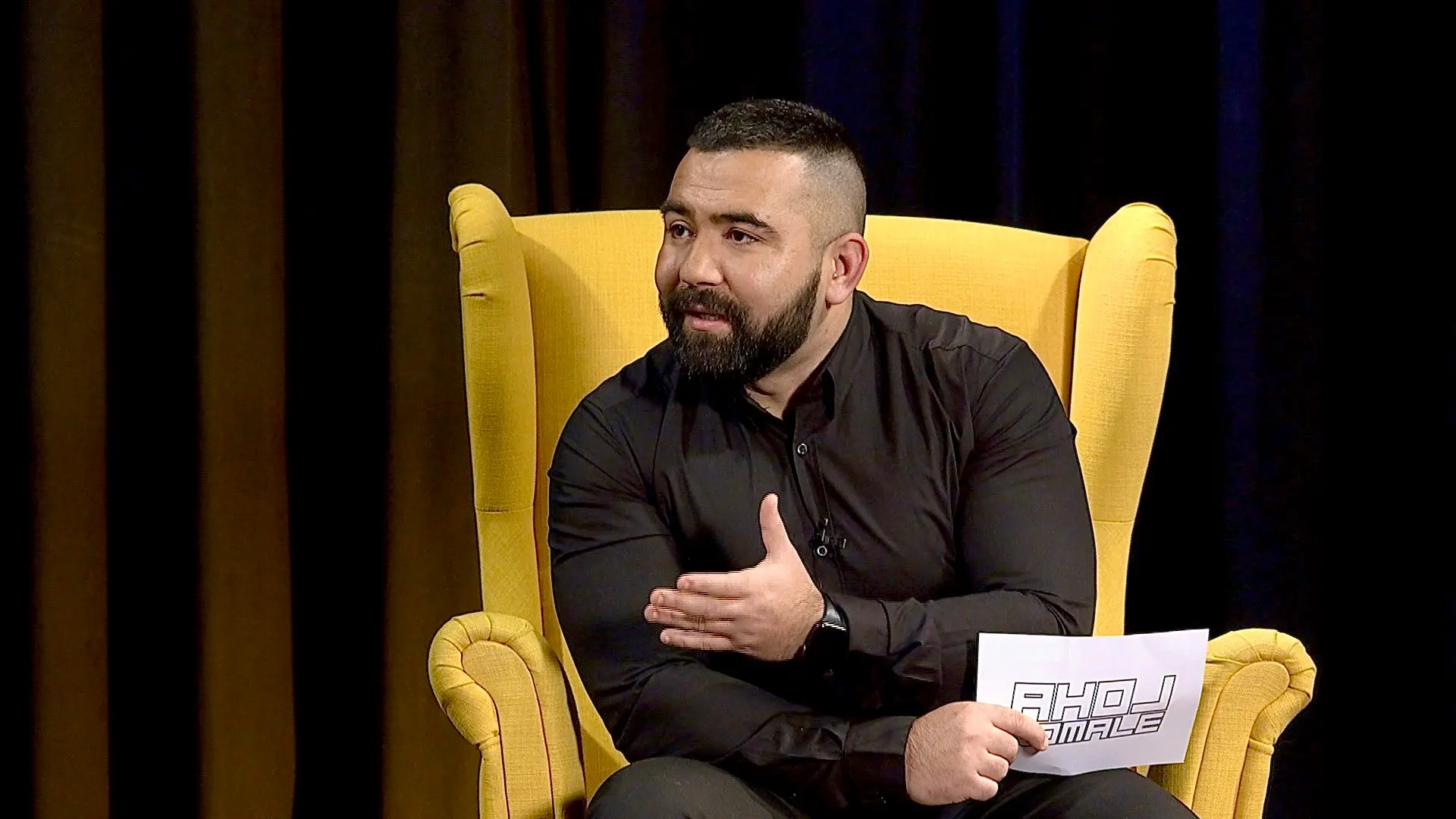
According to this article, the plenipotentiary for the Roma communities, Alexander Daško’s wife Olga’s organization, more precisely the borzoi club of Russian greyhounds, received subsidies from the Ministry of Tourism and Sports of Minister Rudolf Huliak. Huliak is a politician who once ran for the extremist ĽSNS.

This was published by Roma from the Hnutia Slovensko movement, saying that Alexander Daško “dedicates himself, his family and dogs, as the Roma community”. The president of the Borzoi club of Slovakia is Oľga Dašková. The club was founded in 2025 and is based in Banská Bystrica.

Roma in Slovakia

Published by:

Roma in Slovakia

The Office of the Government Plenipotentiary for Roma Communities (ÚSVRK), headed by Alexander Daško (Smer), will lose the ability to decide on the distribution of money from EU funds to support the inclusion of Roma men and women from July.

Roma experts criticise the move.

rroma.org
en_GBEN