Romano Vod’i

Published by:

Romano Vod’i

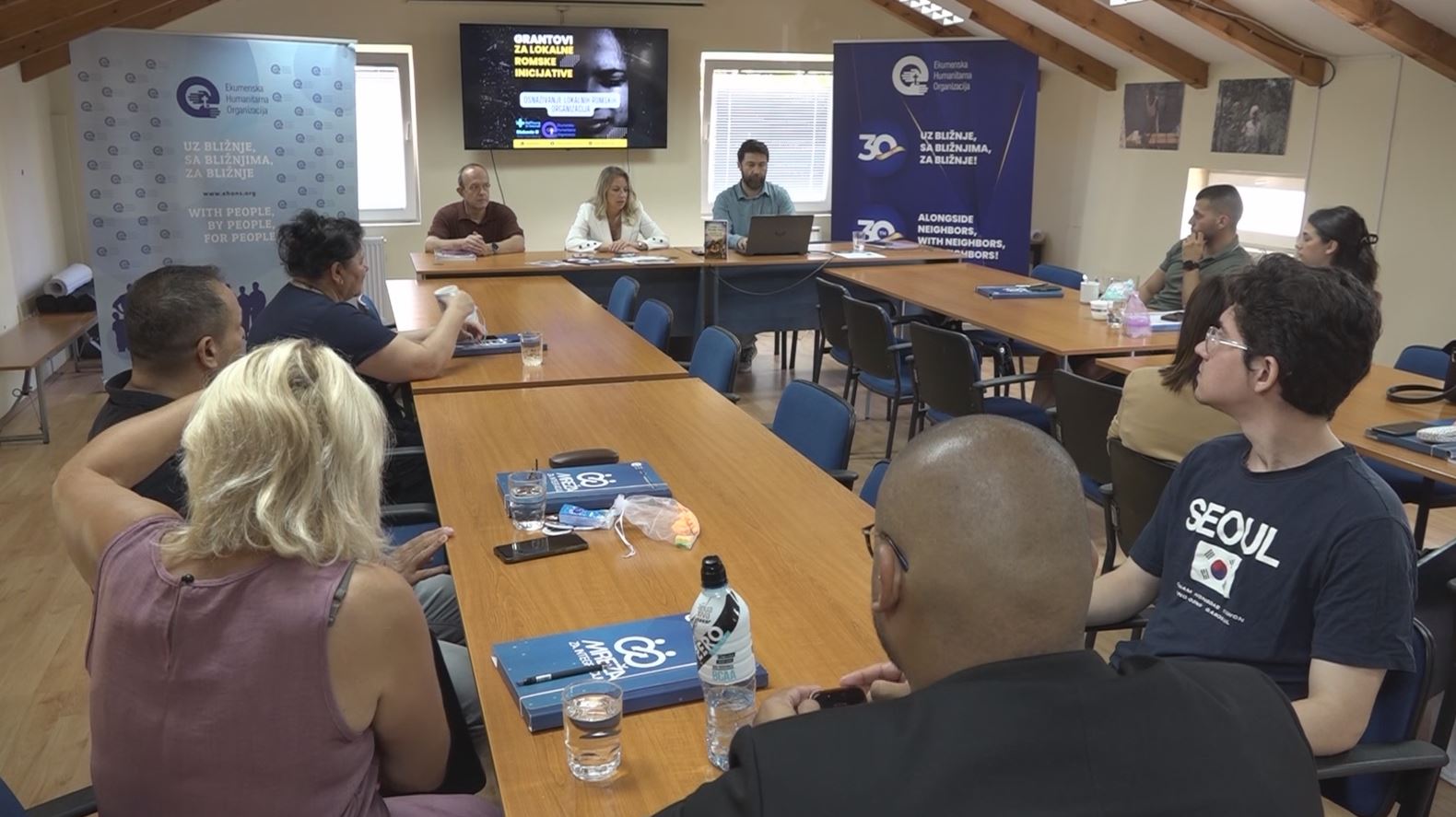
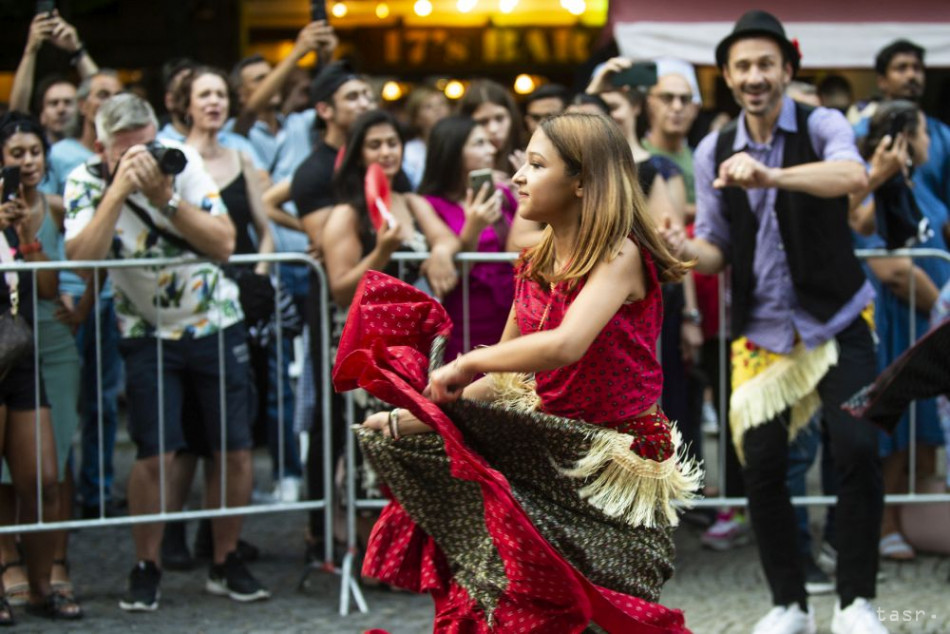
Rehearsals for the Romano voďi (Roma Soul) singing group take place regularly every Tuesday. For the children, it is a fixed point in the week that they look forward to. “We rehearse in the facilities of the Mutual Coexistence organization on Bieblová Street in Ostrava,” says Milan Giovanni Bindatsch. However, it is not just about “singing”. According to him, the key is to work systematically and sensitively. “It’s not just about singing itself, but mainly about working with the voice and listening to others so that the children sing in harmony with each other and don’t shout at each other,” says Bindatsch.

Photographs

Published by:

Photographs

An exhibition in the newly furnished exhibition room at the Museum of City and Cultural History in Menden, opens on March 7, 2026. It is titled  “Photographs of Sinti and Roma” by the photographic artist Dirk Vogel  who photographed several series of images of Sinti and Roma in Germany, Poland, and southern France during his studies.

Roma Museum

Published by:

Roma Museum

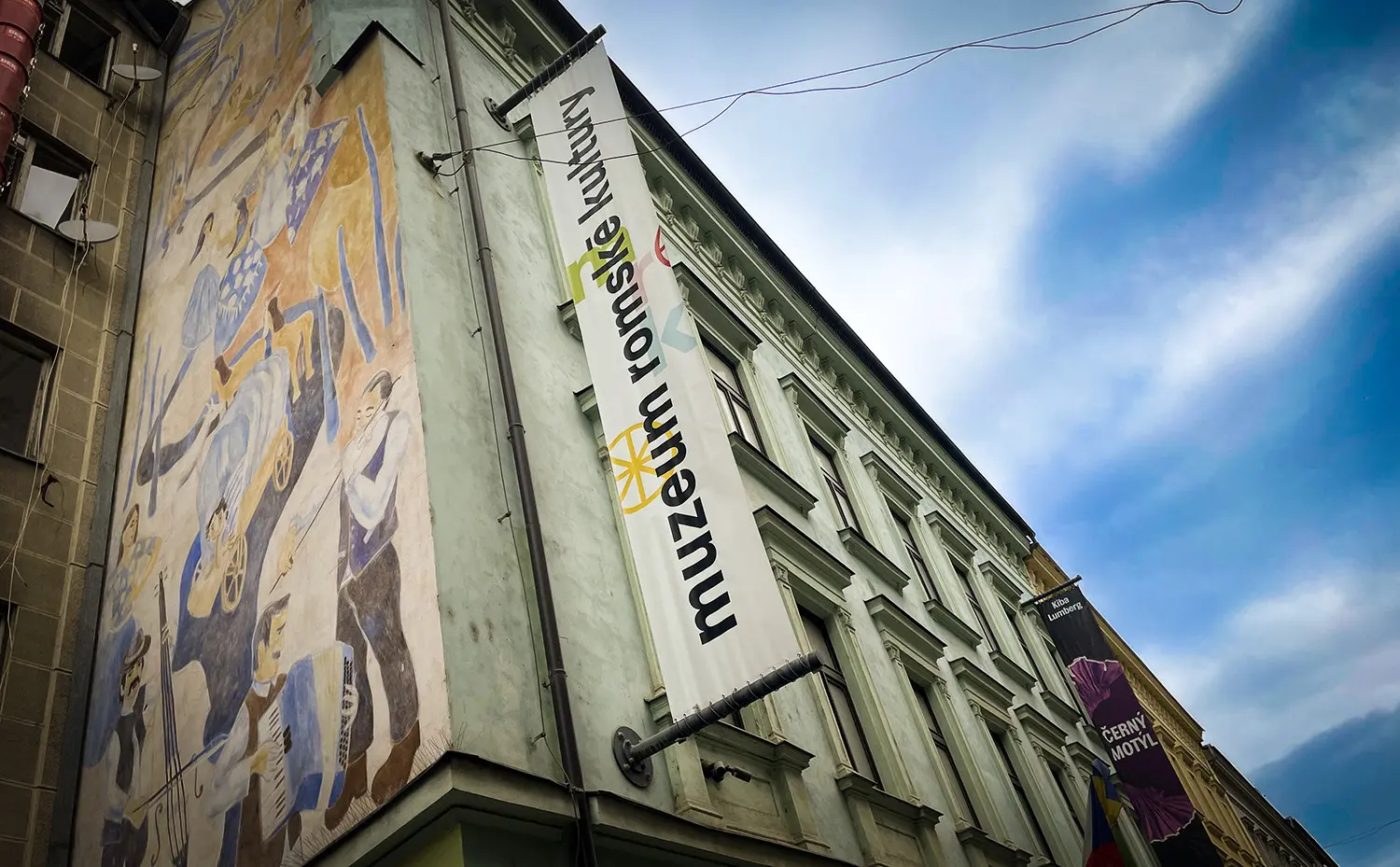
Several articles about the inauguration of the European Museum of Roma Culture in Murske Soboti, Slovenia.

Roma in Slovenia

Published by:

Roma in Slovenia

A review of land owenership in one of the largest settlements in Novo Mesto shows that the largest share of land is still owned by the state (44.1%). 13.2% of the land is owned by Roma, and 22.3% is owned by others. The municipality of Novo Mesto owns 20.4% of the land.

Why they put a picture of poor Tuskish Roma from Istanbul as a picture is somewhat strange …

Odessa and Roma

Published by:

Odessa and Roma

A former Roma neighbourhood in Odessa is being refurbished, with the creation of a large residential building xalles “Soho Quarter”. There is a catch though: the nearly 2100-square-meter plot is designated “for other historical and cultural purposes,” where residential construction is prohibited. Furthermore, the property was previously seized as part of a criminal investigation on suspicion of fraud, and the court explicitly prohibited any construction work.

Seems that the developer nevertheless got the permit … What happened to the Roma who used to live there is unclear.

Bulgaria: Brawl

Published by:

Bulgaria: Brawl

Another of those stories of a fight between Roma families in Bulgaria. This time in Karnobat.

Six seriously injured young men were brought to the emergency department of the Burgas University Hospital after a mass fight between two Roma families in Karnobat. The six have serious injuries from blows with hard objects, some have superficial lacerations, probably from knives. Two of the injured are in critical condition.

Slovenian Politics

Published by:

Slovenian Politics

Two Slovenian parliamentary parties  (Svoboda and Levica) did not attend the so-called confrontations on Roma issues in Šentjernej and Novo mesto. These were organised by the Dolenjska People’s Initiative who advocate drastic measures to curb what they deem a “Roma problem”.

Slovenia: Museum

Published by:

Slovenia: Museum

The European Museum of Roma Culture and History opened its doors at a new location at Štefana Kovača Street 24 in Murska Sobota. The opening was also attended by Minister of Culture Asta Vrečko, who emphasized the importance of preserving Roma cultural heritage and strengthening dialogue in society. The event was prepared by representatives of the Roma Association of Slovenia, the Municipality of Murska Sobota, and the Office of the Government of the Republic of Slovenia for Nationalities.

EU Help

Published by:

EU Help

A very critical report on the current office of the plenipotentiary for Roma communities and on how they use the rather large funds (ca. 200 Mio euros) received from the EU for the integration of Roma communities. It contrasts this current era with the work that was done by previous plenipotentiaries.

Roma Politics in Serbia

Published by:

Roma Politics in Serbia

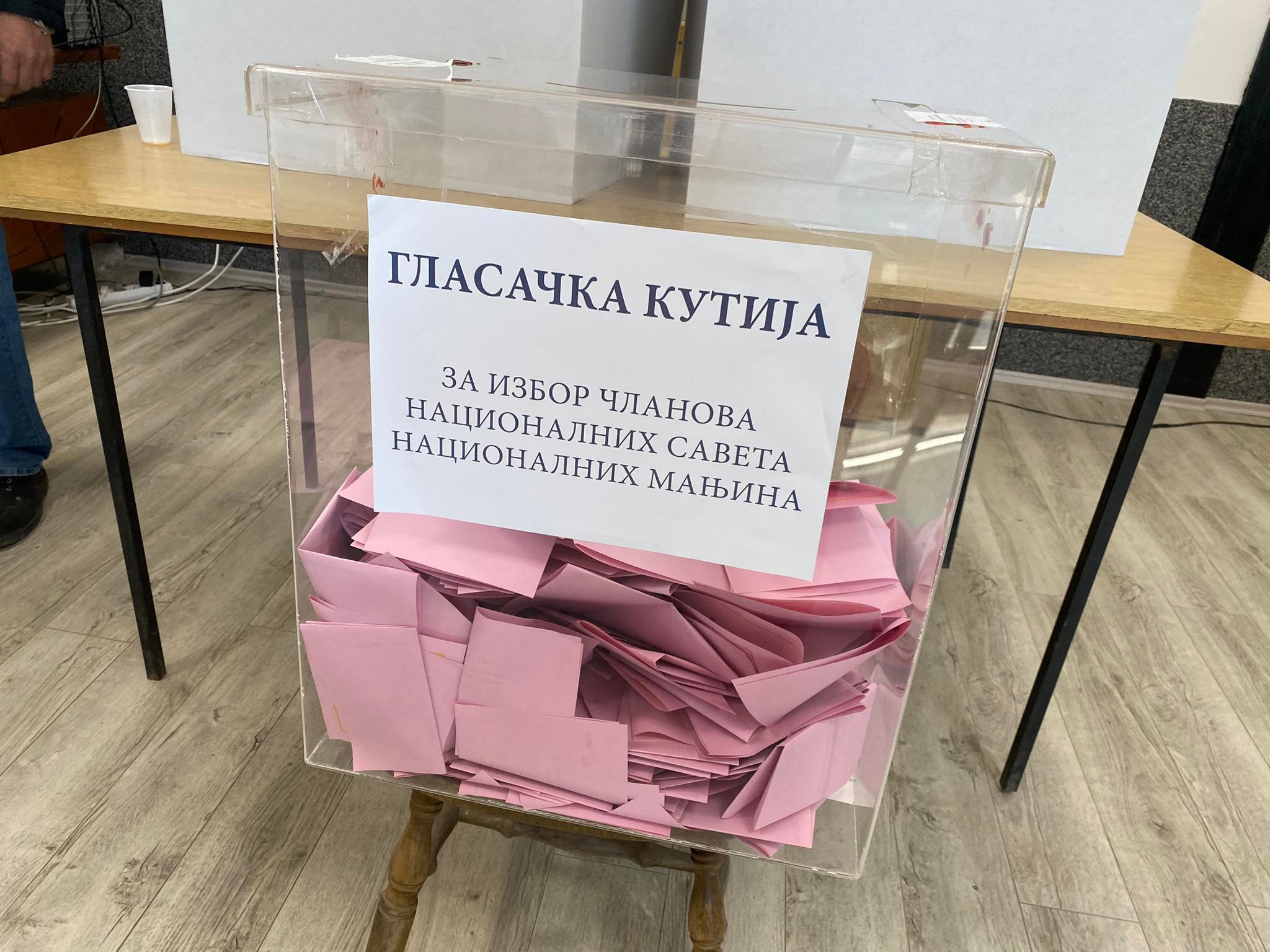
Roma political activism in Serbia intensified in the early 2000s, when Roma parties and movements attempted to institutionalize the struggle for equality through the parliamentary system. However, after that period, the Roma political scene faced fragmentation, lack of a common strategy, and reduced influence on legislative processes. The last twenty years have been marked by initiatives at the local level, but without stable and long-term parliamentary continuity.

French Chronicle …

Published by:

French Chronicle …

An exhibition of works of Ceija Stoika; and the more usual news: A camp closed near Paris, requiring lots of cleanup; the Roma question in the French municiapl elections; the Genocide of the Roma will have a memorial ihn the South of France; and a meeting with the “gens du voyage” near Paris.

Roma Activist

Published by:

Roma Activist

The lifeless body of a young man was pulled from the city lake in Zrenjanin, Serbia, on February 22nd. The Roma Party announced that it was nineteen-year-old Manuel Ametov, who disappeared eight days ago. A protest called “Justice for Manuel” was held last night because of this case. The crowd pointed out that the police were informed of the disappearance in a timely manner, but that there was no extensive search and alerting, which is available to the state.

Zigeunerlager

Published by:

Zigeunerlager

Roma and Poles commemorated the 83rd anniversary of the establishment of the so-called Gypsy camp (Zigeunerlager) by the Germans at Auschwitz II-Birkenau on Thursday. They jointly paid tribute to the victims. Twenty-one thousand Roma and Sinti died in Auschwitz.

Clothing

Published by:

Clothing

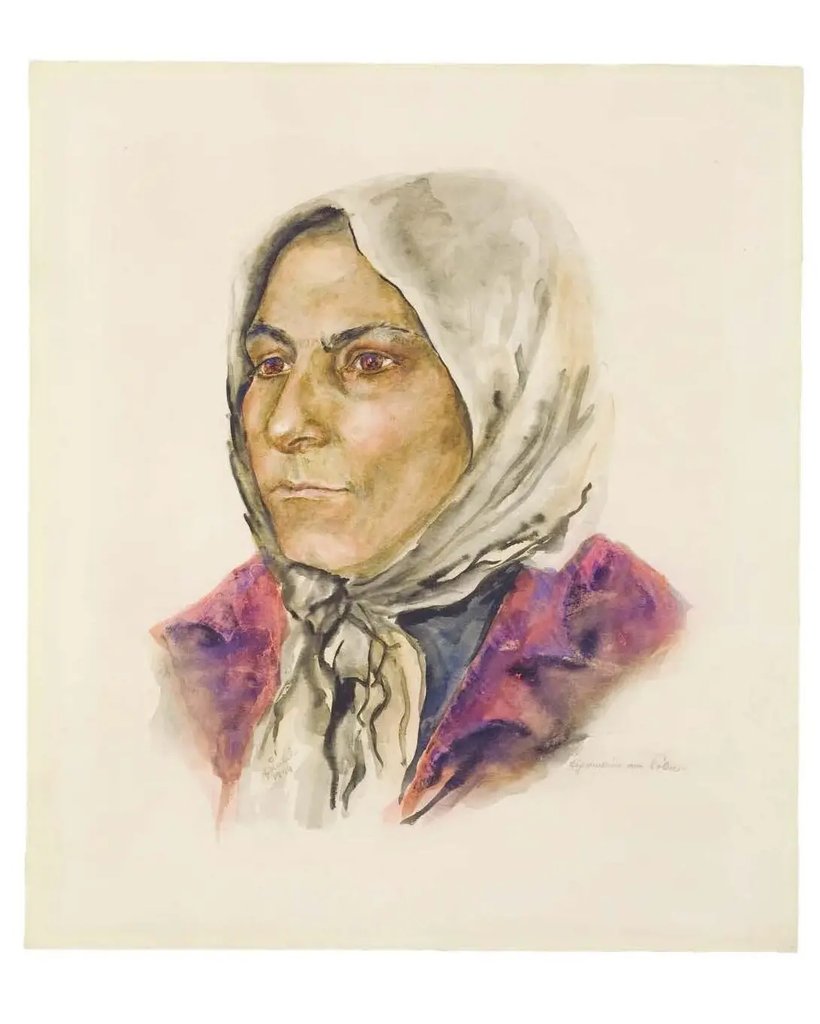
An article about Roma cloting in the Polish press.

Classic ethnographic studies emphasize that clothing in Romani communities served a social and symbolic function.

Ethnographer Lech Mróz, author of, among others, The publication “Gypsies: Diversity and Intolerance” pointed out that dress was one of the most visible signs of cultural distinctiveness and an element in maintaining intergroup boundaries. However, it was not immutable – it evolved along with living conditions.

For women, traditional clothing – long, full skirts, covered shoulders, and expressive jewelry – was associated not only with aesthetics but also with social norms, including the rules of ritual purity (marime), present in some Romani groups.

There is no single “Roma costume”.

rroma.org
en_GBEN