Southern Slovakia

Published by:

Southern Slovakia

In Fil’akovo, a third of the city’s population are Roma. However, there are no excluded communities and makeshift dwellings like in eastern Slovakia. There is a different historical development behind this.

The local Roma mostly speak Hungarian, the majority language in the city. They attend secondary schools, and some then go on to study at universities. Jobs in this region are still scarce, far away, and poorly paid. For Roma, this means that it is even more difficult to find one, which is why many choose to go abroad.

Slovakia, Romnja, and Work

Published by:

Slovakia, Romnja, and Work

Romnja from the Bardejov district in  Slovakia have been trying to improve their financial situation by getting a job for years, but many are not successful. The obstacles are persistent racism, practical problems of life in the settlement, but often also resentment from their own families. Women from marginalized Roma communities thus remain the least working group.

Bulgaria: Weird

Published by:

Bulgaria: Weird

Really weird Bulgarian news … A prisoner behind bars in Plovdiv posts a video on TikTok declaring his love for his girlfriend, rapping it in Romanes. Well, mobiles phones are officially not allowed in prisons in Bulgaria … Maybe only if you don’t pay the guards …

French Chronicle …

Published by:

French Chronicle …

Not much this week. A really bad news about a 23-year-old Rom who was arrested for reaping his 13 years old cousin that had been promised to him in marriage. The girl, from Romania, managed to escape and is now under protection. This is really bad as it enforces the stereotypes. Other than that, the extreme rightist Alain Soral who is being investigated for antisemitism is now also under investigations for rabid statements about Roma.

Slovakia and Inclusion

Published by:

Slovakia and Inclusion

The deaf Pavel Šarina (32) employs more than a hundred people, seventy percent of whom are from disadvantaged backgrounds. Among them are dozens of Roma who do not let the young boss down. In Veľký Krtíš and the surrounding area, he has a total of five establishments, from which they serve thousands of portions of food daily. He was recently awarded the Roma Spirit award, which he sees mainly as an appreciation of the work of his employees.

Czechia and Anti-Roma Racism

Published by:

Czechia and Anti-Roma Racism

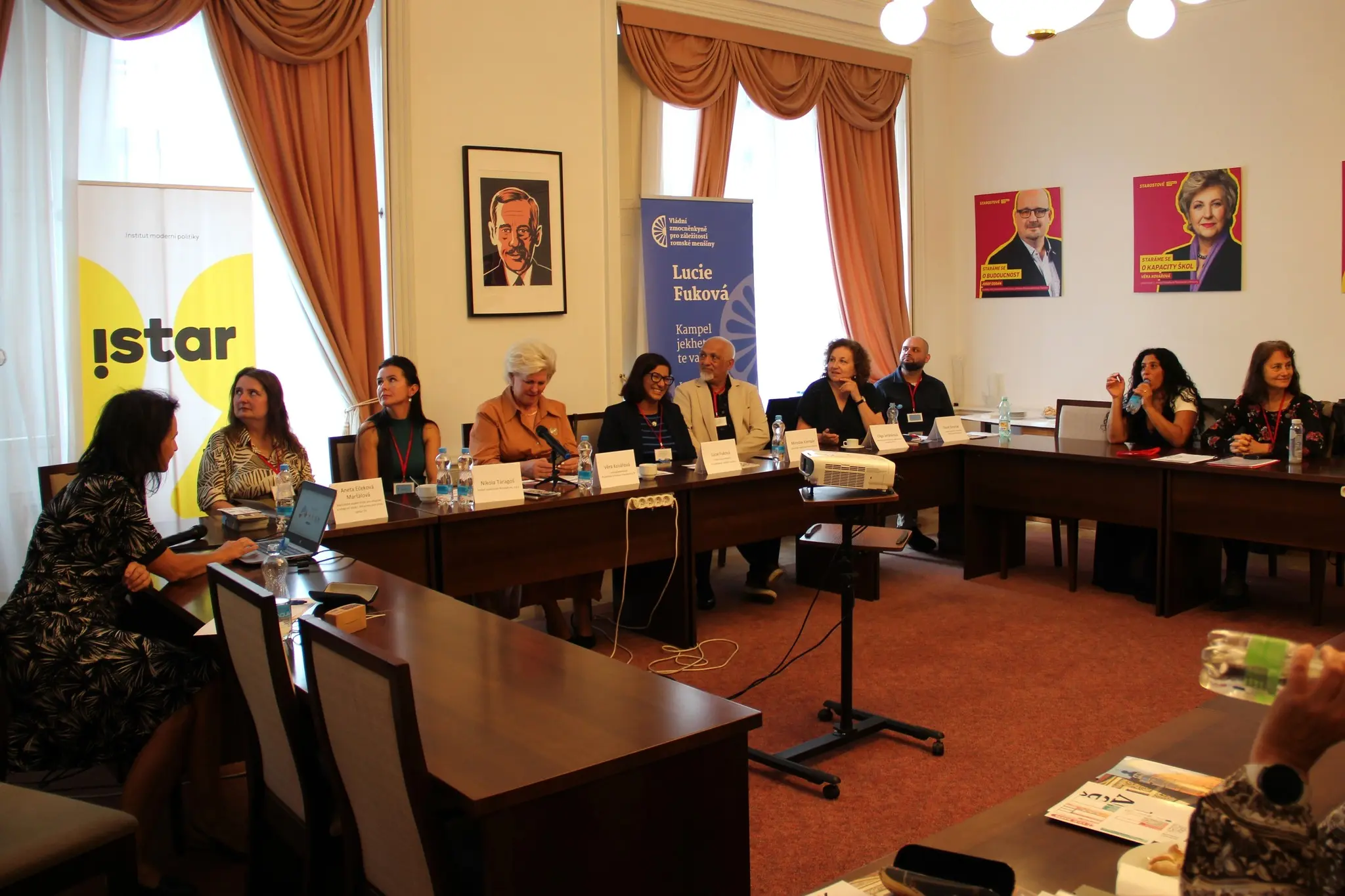
The Czech parliament adopted the IHRA non-binding definition of antigyspyism. Now, a charter against Antigypsyism is being created in the Czech Republic. Those who can sign up include firms, local governments, nonprofit organizations, public authorities and schools. This proposal is pushed by the Czech Govt Commissioner for Roma Minority Affairs Fuková, but the Czech official Ombudsman Stanislav Křeček, not all negative behaviour toward Roman can be considered antigypsyism. As an example, he mentioned the case of the doctor in Aš who refused to register Romani patients. Well that one was definitely racist …

Poland: Commemoration

Published by:

Poland: Commemoration

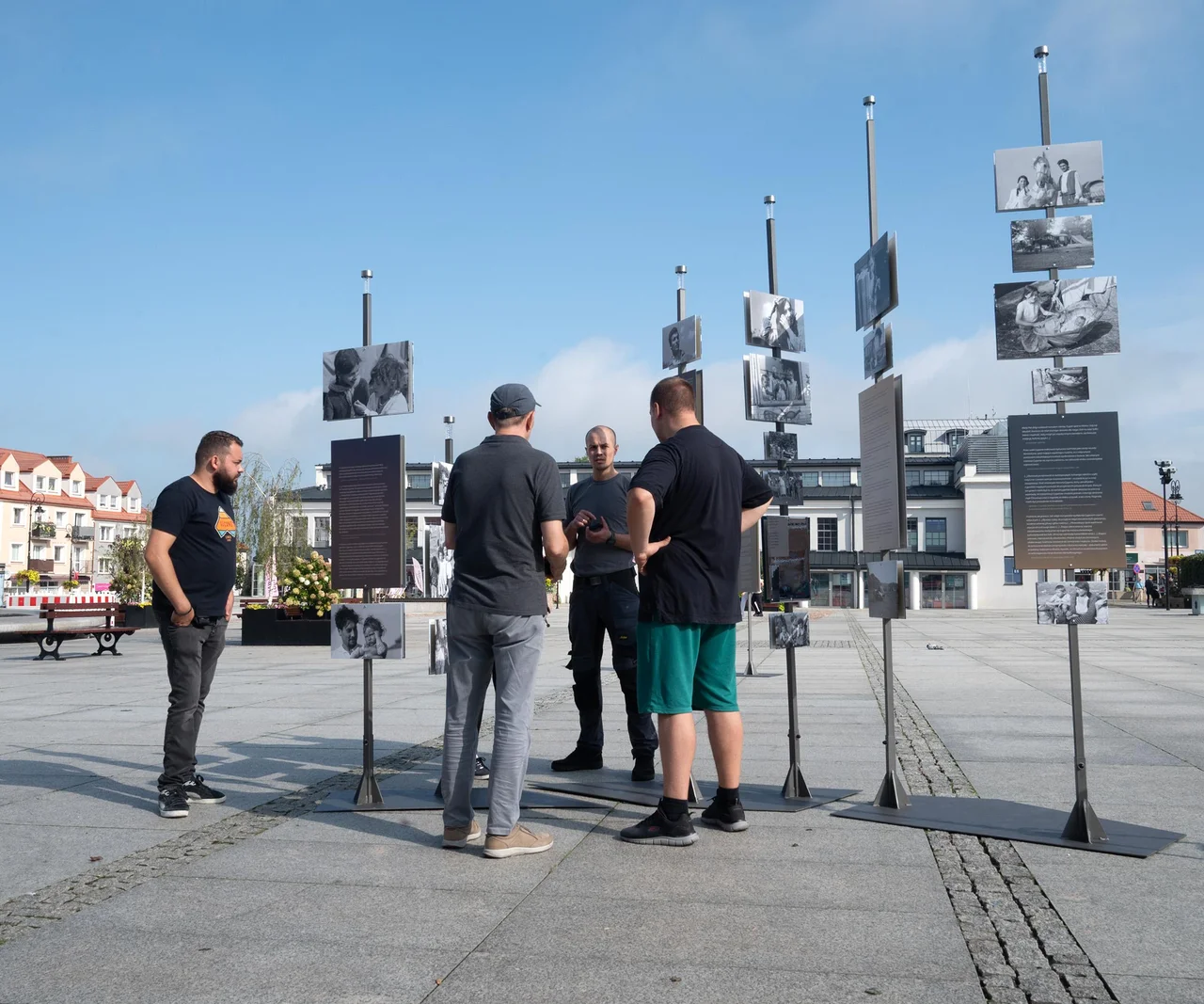
A commemoration for Roma murdered by the German gendarmerie in November 1942 in the town of Nur. The unveiled memorial brings back the memory of about fifty Roma – men, women and children, from the camp that was then in the forest near Kunin.

Slovakia, Real Estate, and Roma

Published by:

Slovakia, Real Estate, and Roma

The case of a town who ceded some land on the promise that some social housing would be built for Roma from the town. Well, the developer got the land, but social housing is nowhere to be seen. Sad.

Slovenia: Municipal Funding

Published by:

Slovenia: Municipal Funding

Currently, funds for the integration of Roma are allocated according to the size of the municipality, not aligned to the number of Roma who live there. This may be changing, if the current discussions come to an agreement.

Concert in Poland

Published by:

Concert in Poland

The musical performance “Sing to me, because I want” directed by Weronika Kowalska and under the artistic supervision of director Małgorzata Bogajewska will present Roma songs in original arrangements. – The co-creator of the performance is Teresa Mirga, a fantastic Roma singer. Before we started preparing for the concert, we went to visit Teresa and asked if it was appropriate for non-Roma to sing Roma songs, and in new arrangements. “A song is for sharing. We create a community, let’s draw from it each other” – said Teresa, and we created the motto of the concert from her words – says Małgorzata Bogajewska.

Slovakia and Integration

Published by:

Slovakia and Integration

A few new articles about the 200 mio Euroos that Slovakia di spend in 2024 on Roma integration …

Not all positive.

Slovakia: Stereotypes

Published by:

Slovakia: Stereotypes

A re-edition of an article of a while back of a Vlach Romni from Slovakia who is teaching in a school. Unfortunately, all stereotypes are present: arranged early marriages, patriarchal society, etc…

Slovakia and Roma Projects

Published by:

Slovakia and Roma Projects

The Office of the Plenipotentiary of the Slovak Government for Roma Communities (ÚSVRK) has contracted approximately 480 projects worth almost 200 million euros over the past year, within which it provided over 95 million euros for the support of Roma and the development of infrastructure. This was stated by the Plenipotentiary of the Government for Roma Communities Alexander Daško at a press conference in Šumiac, Horehronie, on Thursday as part of the annual activity report of the office.

Frankly, the results are not yet visible…

Christmas among Slovakian Lovara

Published by:

Christmas among Slovakian Lovara

The co-founder of the Roma Civic Association Lovári, Jaroslav Bihary (60) from Nitra, told us more about how these holidays take place in Roma families.

Beautification?

Published by:

Beautification?

From November 25 to December 3, 2024, a large-scale artistic visual work was realized in Humenné, Slovakia, on one of the apartment buildings in the Podskalka area.

“The mural is the result of more than six months of the Muse, Walls, Murals project and the authors of the design are renowned artists Viktor Feher and Samuel Velebný. The goal was to search for the history, roots, traditions and stories of the settlement through community-educational meetings with children from the Podskalka locality. This is how the idea for creating a mural that describes Podskalka arose,” explained the project representatives.

On Slovak Racism and the EU

Published by:

On Slovak Racism and the EU

Traditional Slovak racism thinks that Roma are mostly backward, uneducated, refuse to adapt to our culture, at best they just rub their hands together, take what they can from the system but give nothing back, at worst they cheat and steal – like Slovaks in the European Union.

There are, of course, certain differences here. For centuries, we have purposefully pushed Roma to the margins of society, we have not allowed them to settle, own real estate, or perform most professions.

Slovenia, Roma, and Schools

Published by:

Slovenia, Roma, and Schools

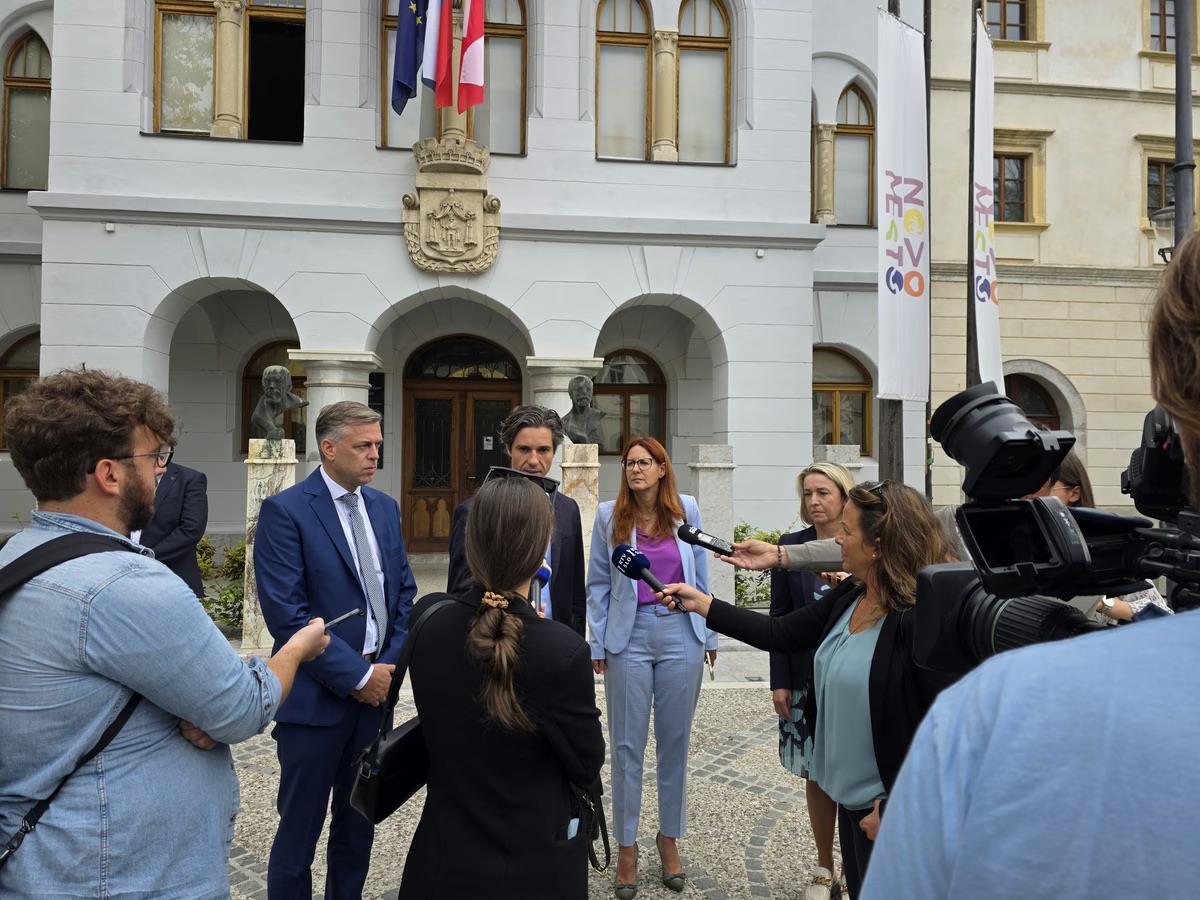
The Slovene government is working on a package of measures that address key areas such as access to education, housing conditions and security. Among the proposals is the mandatory inclusion of Roma children in kindergarten a year before primary school and the abolition of the higher child allowance for children who are not included in preschool education.

In plain text: if children do not go to Kindergarten, there’s no more money.

Slovakia: Discrimination

Published by:

Slovakia: Discrimination

The Slovak National Centre for Human Rights (SNHRC) warns of discrimination against Roma in restaurant. It revealed this based on monitoring in ten cities in eastern Slovakia. In as many as six of them, discrimination was detected. A Roma couple tested the restaurants, and, if the result was discriminatory, another couple came to verify. The centre thus teste the services in 137 restaurants in total.

Montenegro and Roma

Published by:

Montenegro and Roma

The representative of the Roma Council, Šejla Pepić, spoke at the session of the Parliamentary Committee for Human Rights and Freedoms about the current position of the Roma community in Montenegro. According to the Roma Council, there has been “no talk about Roma and their recognition as a national minority and later changes to the law concerning political participation.”

rroma.org
en_GBEN