Daily Archives: August 3, 2026

Auschwitz

Published by:

Auschwitz

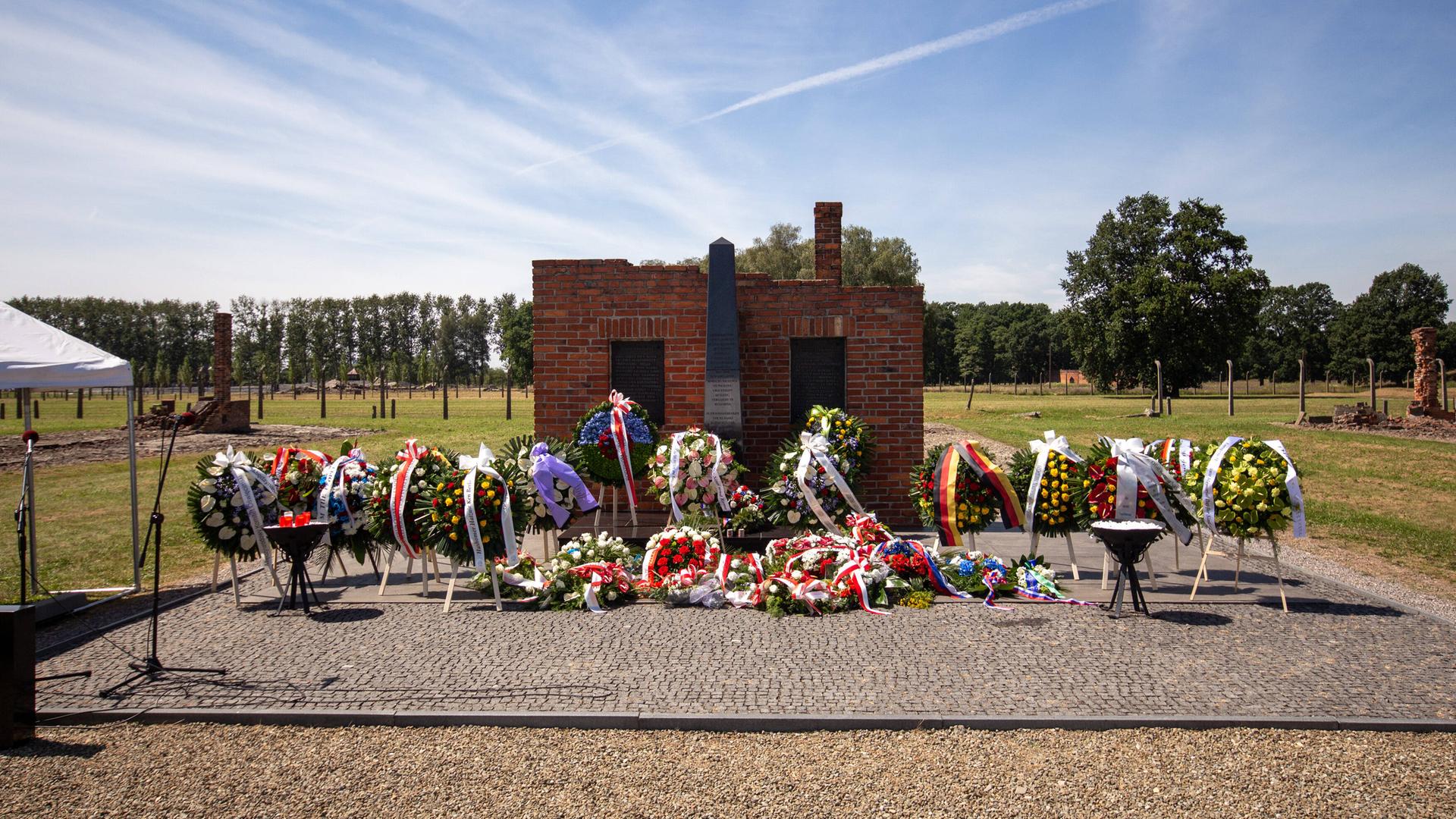
Polish President Karol Nawrocki emphasized the importance of remembering the the Roma Genocide in the Holocaust during the 82nd anniversary of the liquidation of the Romani camp in Birkenau, condemning all forms of racism and extremism.

Survivors and community leaders called for the inclusion of Romani history in European school curricula to combat rising anti-Romani sentiment and discrimination.

The event highlighted the ongoing struggles faced by Romani people in Europe, including discrimination in education, healthcare, and employment, while reaffirming Poland’s commitment to remembering the victims of the Romani genocide.

Jasenovac / Uštice

Published by:

Jasenovac / Uštice

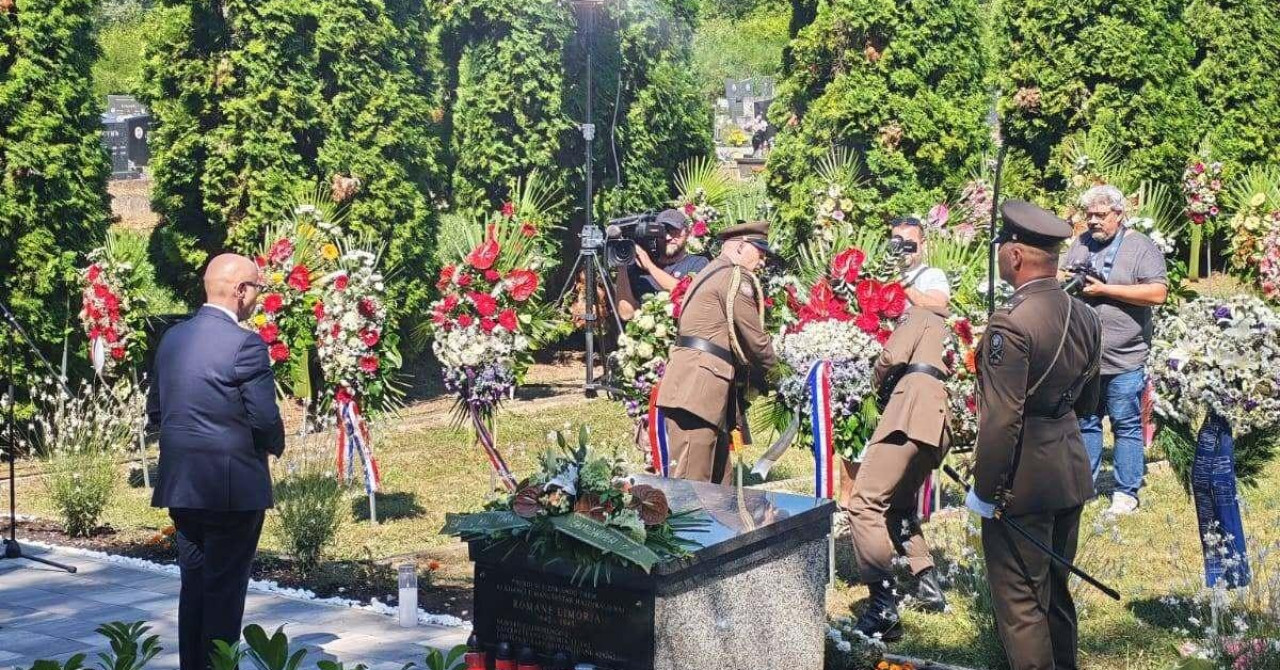
The International Day of Remembrance of the Romani Victims of Genocide (Samudaripen) was commemorated in Uštica near Jasenovac, with the opening of the ‘Amare, amale’ Peace and Friendship Park for Roma.

Minister of Labor Alen Ružić emphasized Croatia’s support for the culture of remembrance, stating that the suffering of the Roma must never be forgotten as it is essential for a society of tolerance and equality.

MP Veljko Kajtazi reminded attendees of the suffering of Roma during World War II and the importance of remembrance as a responsibility of the living.

Lackenbach

Published by:

Lackenbach

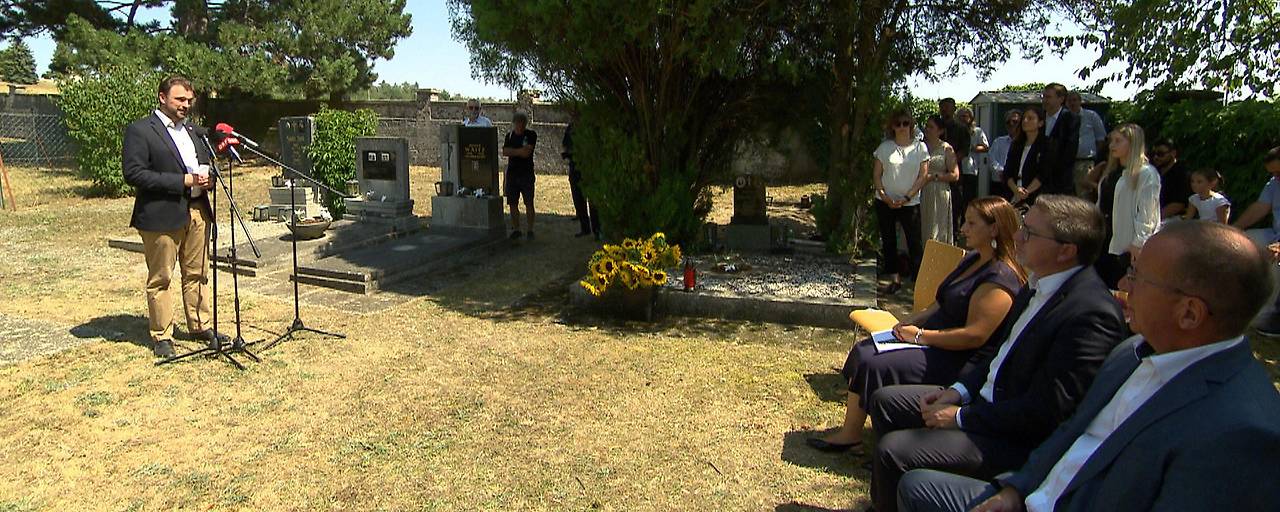
Approximately 4,000 Roma and Sinti were deported from the Lackenbach detention camp during the Nazi era, with only a few hundred surviving, most of whom were murdered.

The commemoration event emphasizes the importance of remembering these atrocities, which occurred within local communities, and the need to confront the past to ensure a peaceful future.

Political leaders stress the necessity of protecting minority rights and combating hate and discrimination as part of honoring the memory of the victims.

Liberec

Published by:

Liberec

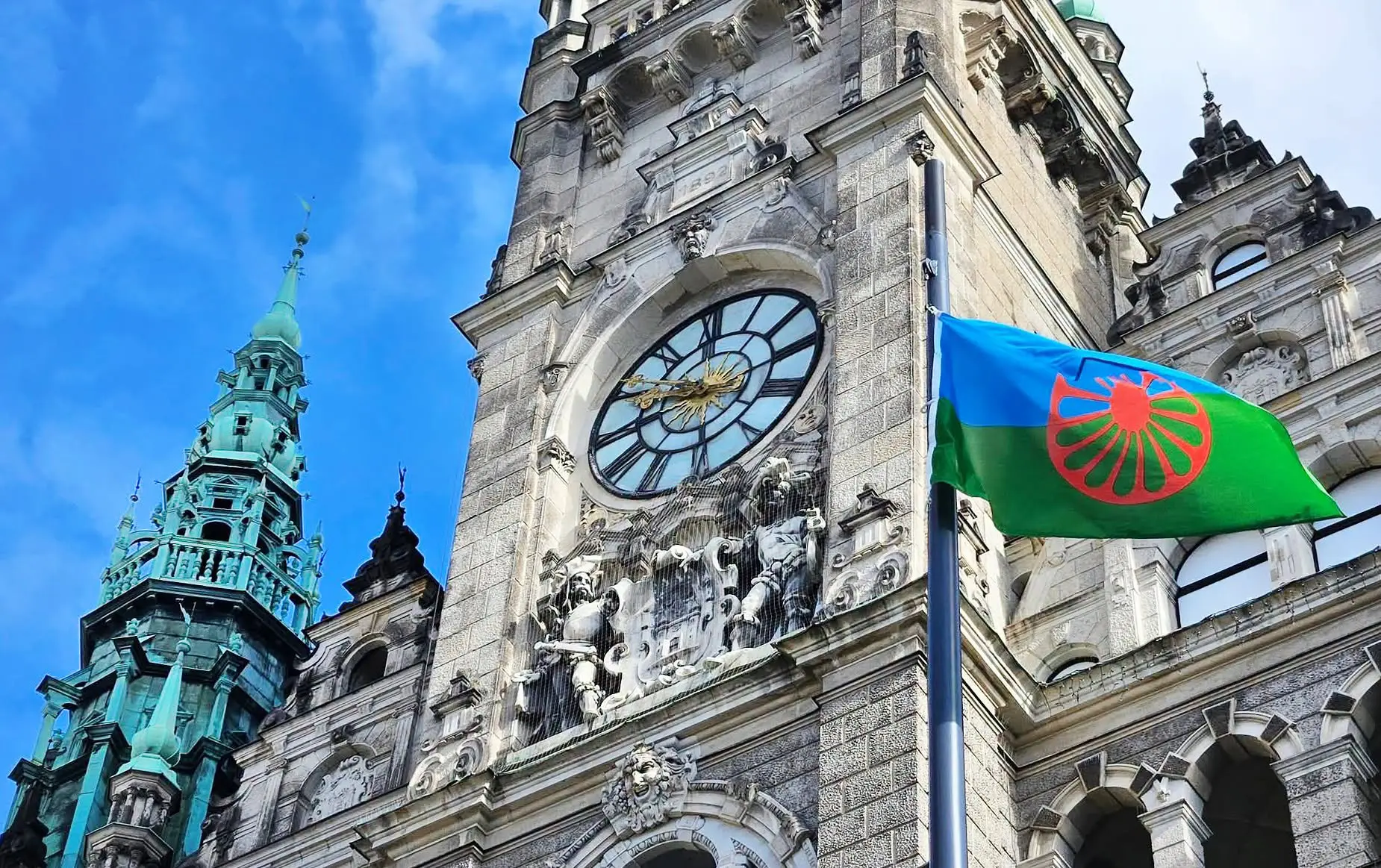
The City of Liberec commemorated Romani and Sinti victims of Nazi persecution by flying the Romani flag and emphasizing the importance of tolerance and respect in society.

The Liberec Regional Authority and local officials met with Romani community representatives to honor historical memory and promote dialogue against hate and racism.

The article highlights the tragic history of the Romani and Sinti during the Holocaust, including their deportation and murder in concentration camps, and calls for ongoing recognition and commemoration of this genocide.

Commemoration in Slovakia

Published by:

Commemoration in Slovakia

The Day of Remembrance for the Victims of the Roma Holocaust emphasizes the importance of remembering historical events that should not be forgotten and should be included in history education.

The Ministry of Education in Slovakia highlighted that remembering the Roma Holocaust is a sign of respect for the victims and contributes to preserving historical memory, promoting a society based on respect and understanding.

The commemoration marks the events of August 2-3, 1944, when nearly 3,000 Roma were murdered at Auschwitz-Birkenau, with an estimated half a million European Roma and Sinti killed during World War II, and around 1,000 Roma victims in Slovakia alone.

Commemoration in Serbia

Published by:

Commemoration in Serbia

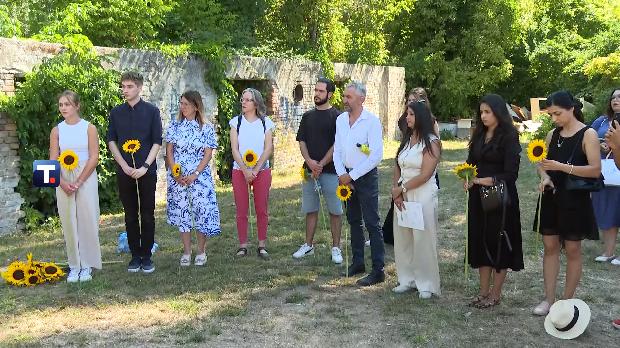
The Topovske Šupe camp was the first concentration camp for Jews and Roma in occupied Belgrade during World War II, where 5,000 Jews and 1,500 Roma perished.

Krinka Vidaković Petrov, director of the Staro Sajmište Memorial Center, emphasized the need for an inclusive culture of remembrance, advocating for a memorial plaque for Roma victims alongside the existing one for Jews.

Igor Jovanović, deputy president of the Belgrade City Assembly, highlighted the significance of August 2 as a day to remember the suffering of the Roma people during the war, as recognized by the European Parliament in 2015.

Commemoration in Hungary

Published by:

Commemoration in Hungary

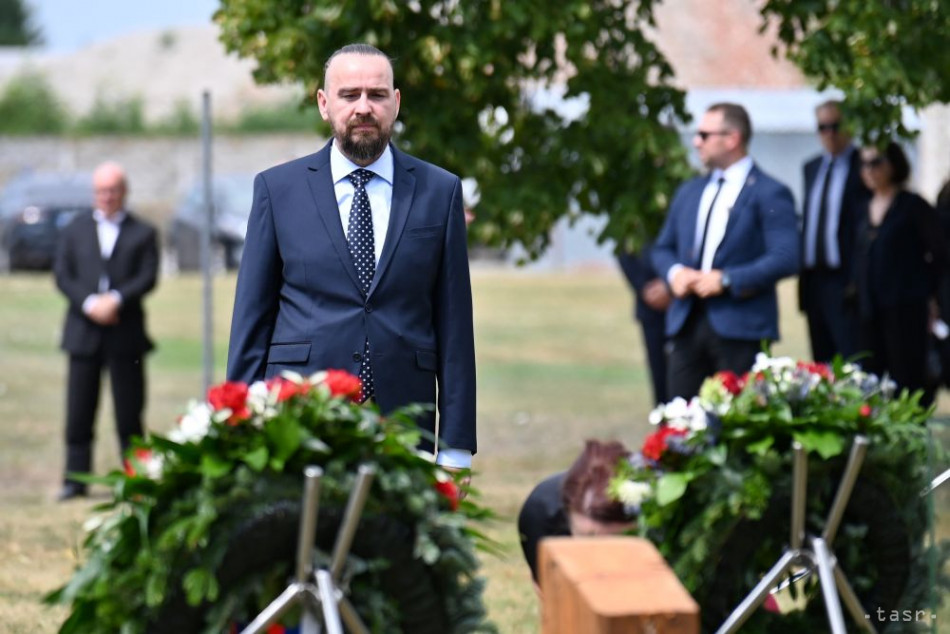
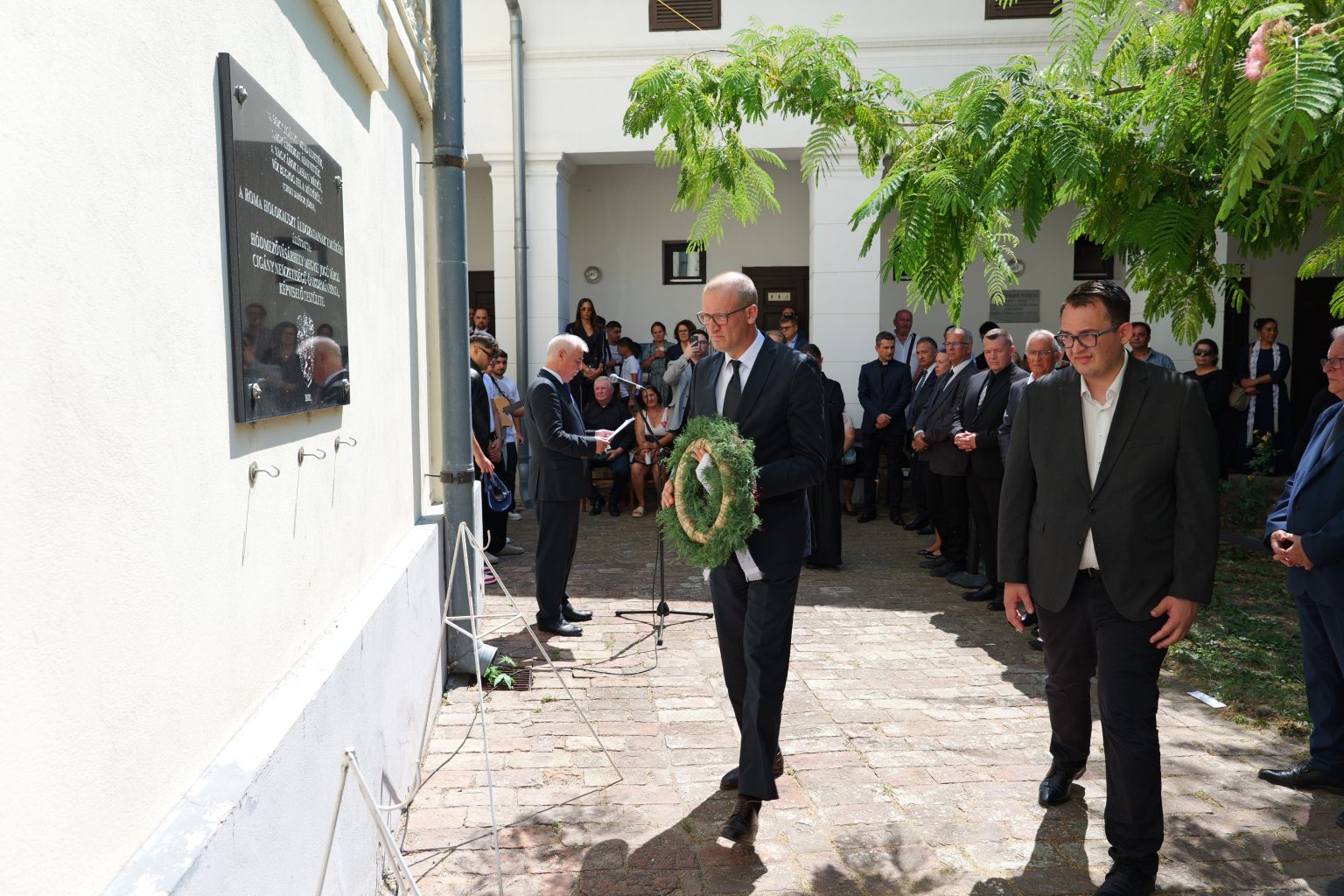
A memorial event for the Roma Holocaust was held in Hódmezővásárhely, attended by government, municipal, religious, and civil representatives, emphasizing the importance of combating hate and exclusion today.

Minister Zoltán Tarr highlighted the need to acknowledge past wrongs and promote social reconciliation during his speech.

Mayor Péter Márki-Zay noted that Hódmezővásárhely was the first city in Hungary to publicly commemorate the victims of the Roma Holocaust, warning that genocides result from long-term exclusionary processes.

Relocation

Published by:

Relocation

Several more articles on the relocation of Slovak Roma to Hungary.

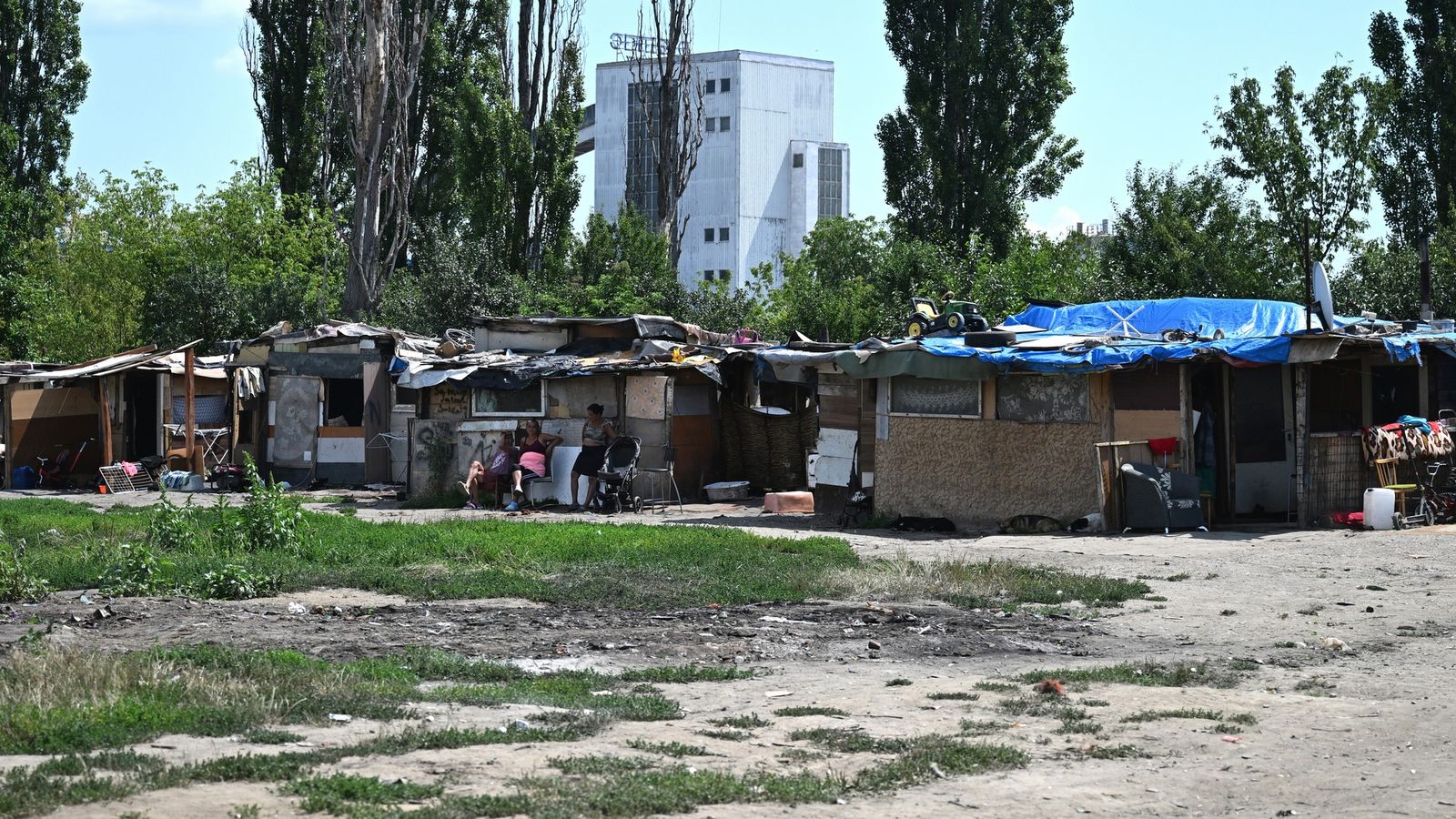
The Hungarian Ministry of Interior is investigating the relocation of Roma families from the Lubina settlement in Košice to Szalonna, focusing on the legality and organization of the real estate transactions involved.

Concerns from Szalonna residents regarding safety are being taken seriously, and the ministry plans to collaborate with Slovak authorities to clarify the situation.

The mayoral candidate for Košice, Miroslav Sabol, has filed a criminal complaint regarding the eviction of the illegal Lubina settlement, while the local mayor insists the process was not politically motivated and was organized through the non-profit sector.

rroma.org
de_DEDE