Daily Archives: August 12, 2026

Mariazell

Published by:

Mariazell

The 30th pilgrimage of Roma, Sinti, and Lovara from Austria and other European countries took place at the Basilica of Mariazell, led by Bishop Franz Scharl, who emphasized faith in Jesus Christ during the service.

The mass featured songs in Romanes and German, performed by a mixed group of Roma and non-Roma musicians, symbolizing friendship and unity, with children creating a special pilgrimage candle focused on peace.

The pilgrimage has a long tradition, interrupted in 1938, and resumed in 1996 after the official recognition of the Roma community in Austria, with an estimated 40,000 to 80,000 Roma and Sinti living in the country today.

Musik

Published by:

Musik

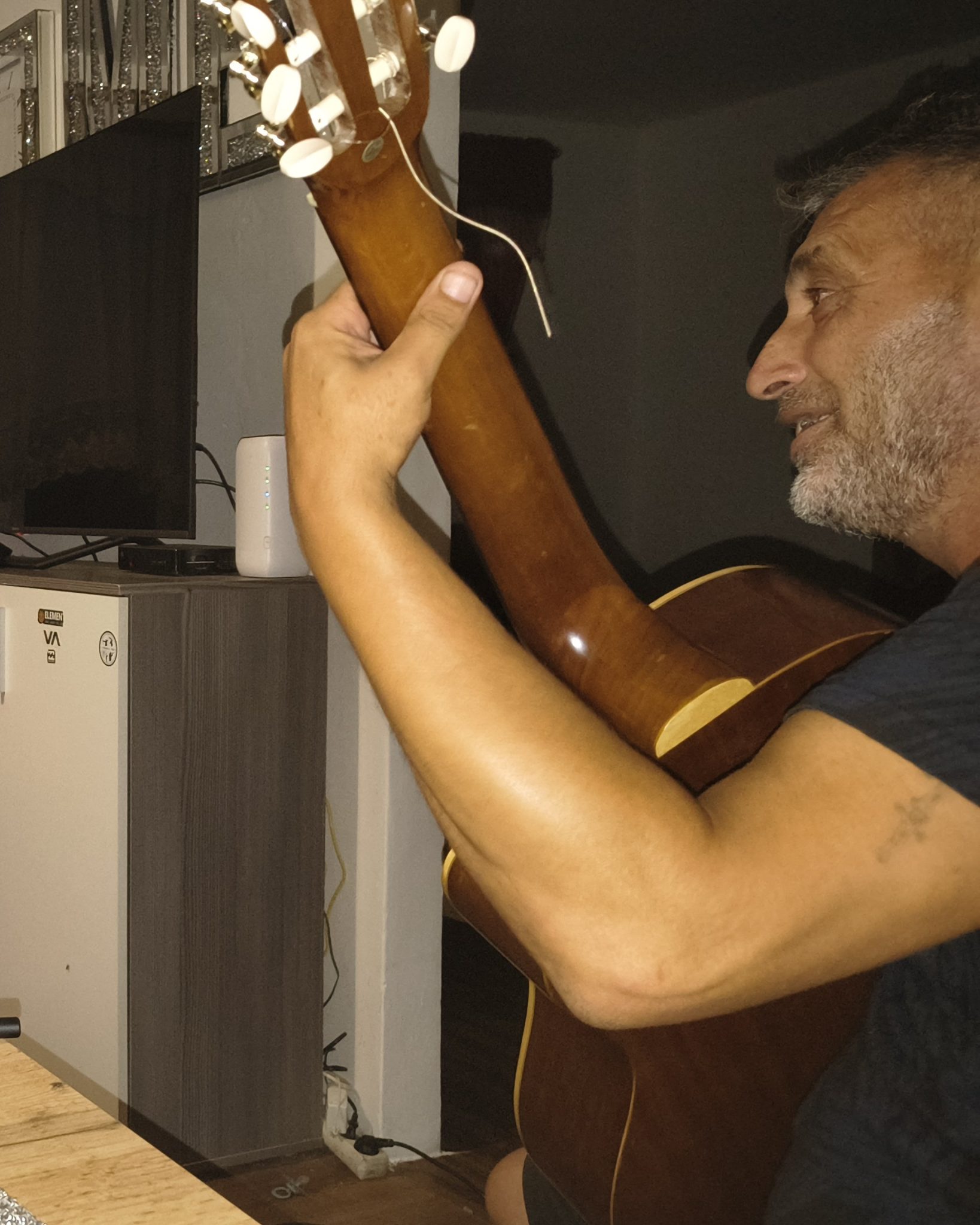
A music album titled “Zumin” was created in the Roma settlement of Habeš near Sečovce, Slovakia, featuring local musicians and children during extreme heat in August 2026.

The album includes a variety of sounds and songs reflecting themes of poverty and migration, showcasing the community’s cultural heritage.

It was produced as part of the Art Aktivista residency, which has been engaging with the community since 2014, and is available for free streaming on Bandcamp.

Roma Rights

Published by:

Roma Rights

The Roma Rights Network, coordinated by the European Roma Rights Centre, has published the first issue of the revived Roma Rights Review, highlighting the worsening situation of Roma rights in Europe due to the rise of far-right politics and increased criminalization of Roma communities.

The report details instances of police brutality, discrimination, and systemic racism against Roma, including specific cases in Greece and Hungary, and emphasizes the need for stronger protections and recognition of Roma as citizens with rights.

The publication calls for European institutions to maintain targeted funding for Roma equality and warns that attacks on Roma rights foreshadow broader erosions of rights for all marginalized groups.

Greece, Politics, and Roma

Published by:

Greece, Politics, and Roma

Aphrodite Latinopoulou, president of ‘Voice of Reason’, faced a verbal attack from a group of Roma while waiting to travel in Tinos, Greece. The confrontation escalated after Latinopoulou defended her statements stating that Roma are criminals, are evading taxes, and using deragotary terms about them, leading to vulgar insults directed at her.

The Coast Guard intervened but did not take further action after asking the parties to cease the altercation; Latinopoulou later reported the incident to the police upon arrival.

Latinopoulou described the incident, stating that she was confronted by men who challenged her comments about criminal behavior among Roma, leading to a heated exchange.

She accused the coast guard of inaction during the incident and linked the altercation to broader governmental issues, expressing disdain for the current political climate in Greece.

Ruma Music and Culture

Published by:

Ruma Music and Culture

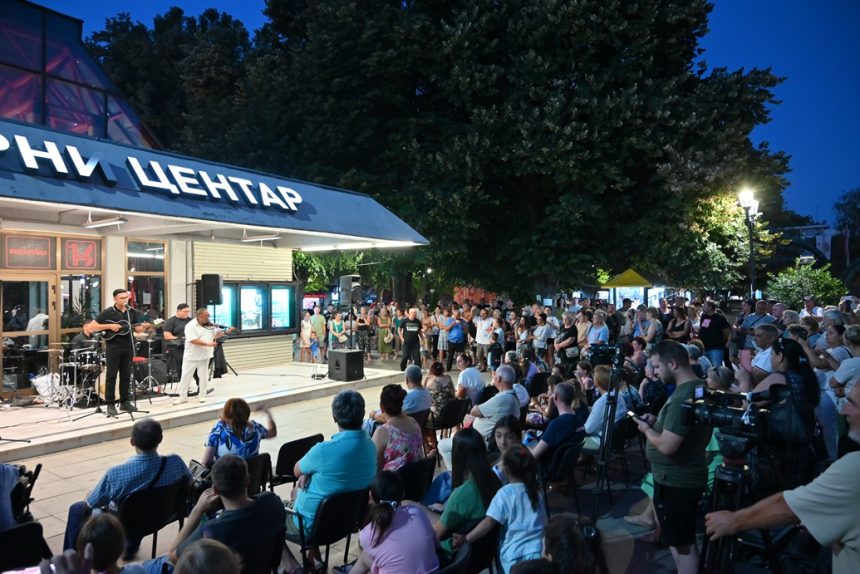
The traditional Roma evening in Ruma, in the Vojvodina in Serbia, part of the ‘Cultural Summer’ program, showcased Roma culture through music, dance, and community engagement, emphasizing the importance of cultural events in connecting communities.

Local officials highlighted the progress in education for Roma youth, with increasing numbers continuing secondary education and the introduction of teaching in the Roma language to preserve their identity.

The event was supported by the municipality, which aims to improve the position of the Roma community through various initiatives, including scholarships and educational support for Roma students.

Hungary, Roma, and Commemoration

Published by:

Hungary, Roma, and Commemoration

The Hungarian Parliament held a moment of silence to honor the victims of the Roma Holocaust, following a controversial incident where members of the Mi Hazánk (Extreme-Right) party remained seated during a previous commemoration.

Mi Hazánk’s leader, Toroczkai, criticized the political exploitation of the Holocaust remembrance and expressed dissatisfaction with the government’s handling of the upcoming presidential election. He claimed it violated house rules and that the Tisza party was exploiting the situation for political gain. Ábrahám Barnabás, a leader of the Mi Hazánk party, criticized the increasing influence of Roma in Hungary, suggesting that the focus should be on crime rather than the Roma Holocaust

The Prime Minister, other officials, as well as members of the Jewish community condemned Mi Hazánk’s actions, emphasizing the importance of honoring the victims and calling for an apology from the party.

Relocation – Continued

Published by:

Relocation – Continued

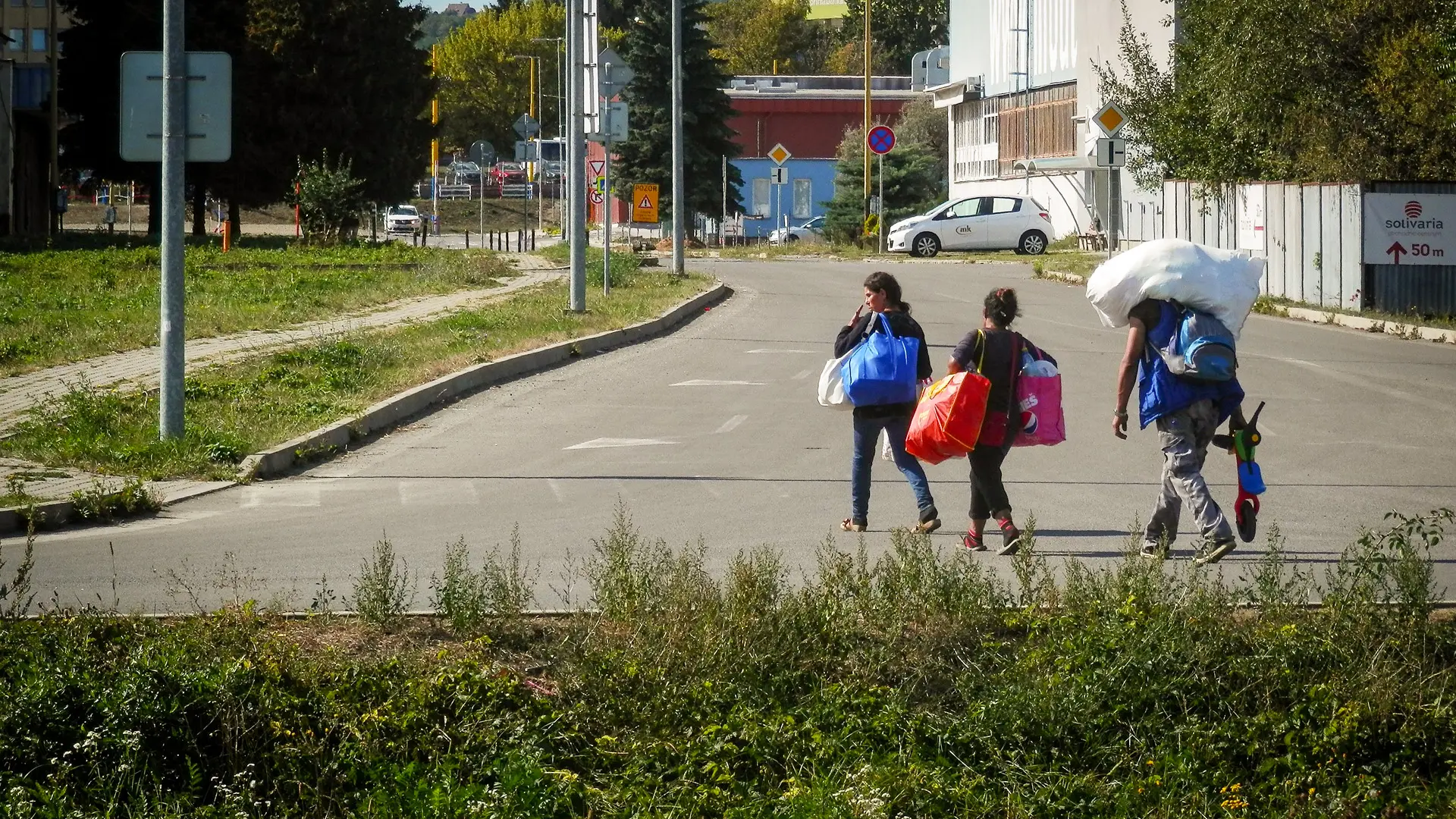
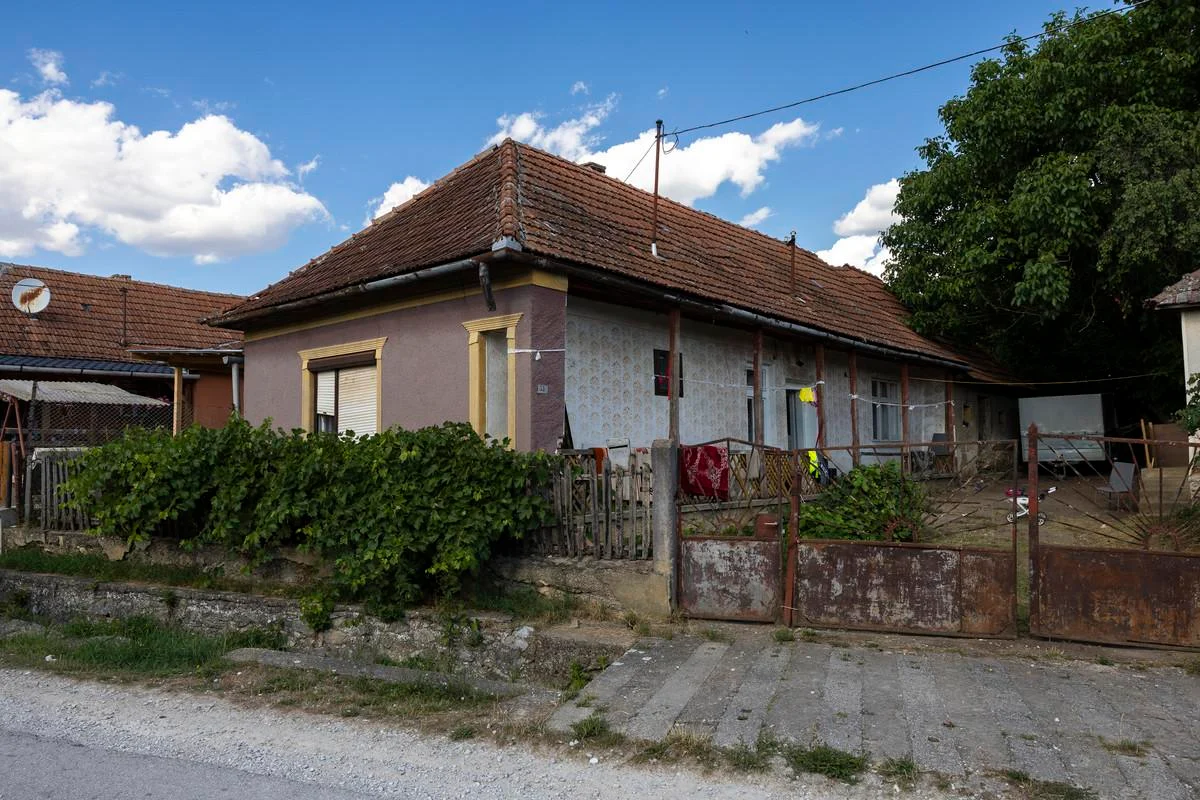
Two articles on the relocation of Roma from Slovakia to Hungary. One, in a half humouristic view, suggest to mayors with a “Roma problem” to buy houses for them in Hungary. It highlights that these actions are taken in view of upcoming election. In the second, Alexander Daško, the government’s plenipotentiary for Roma communities says there will be no large scale relocations.

rroma.org
de_DEDE