58 Roma were elected as mayors in the last round of Slovak mayoral Elections.
A full analysis of the results is provided in the Matyas Bel Institute and can be downloaded there.
58 Roma were elected as mayors in the last round of Slovak mayoral Elections.
A full analysis of the results is provided in the Matyas Bel Institute and can be downloaded there.
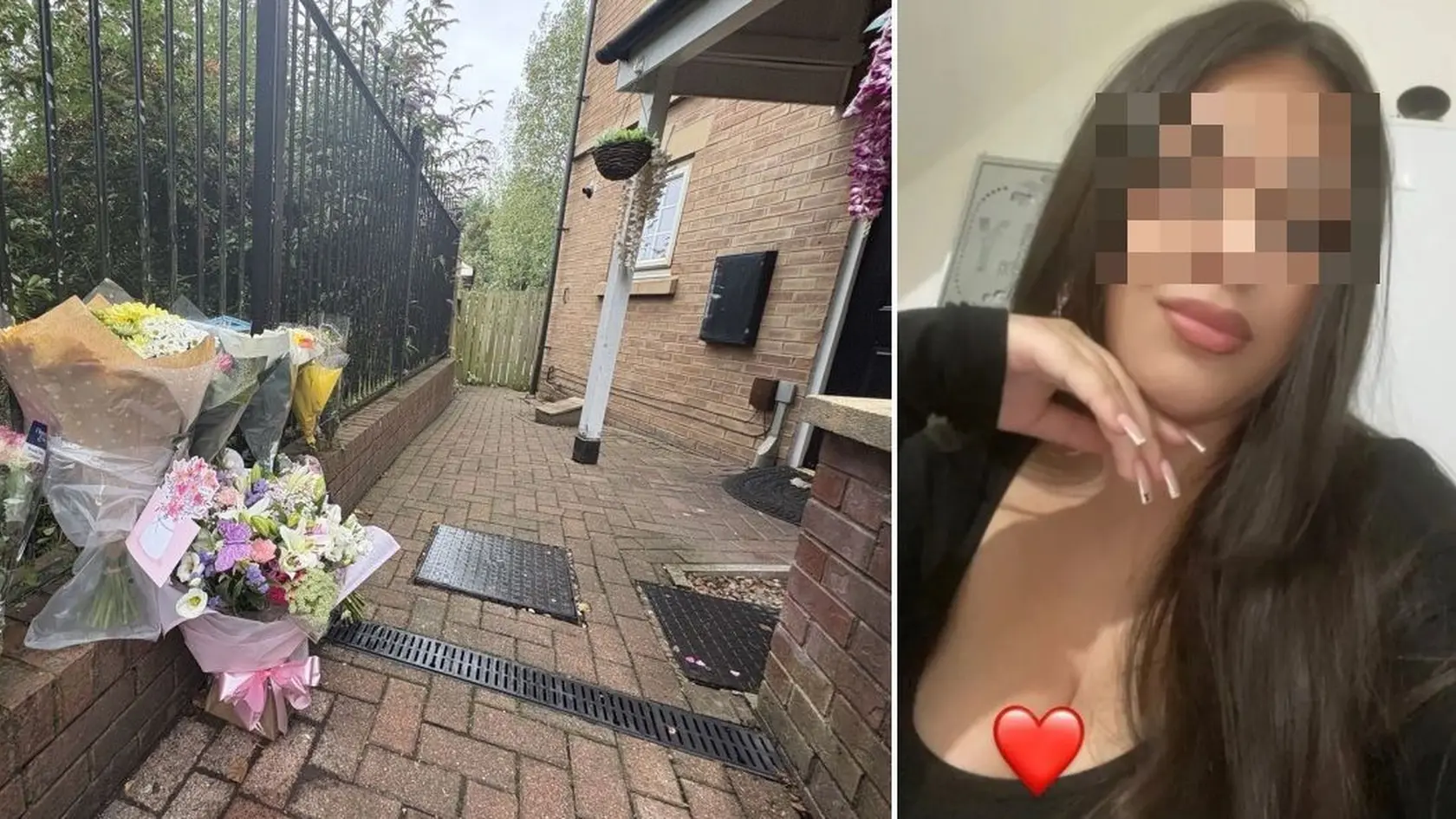
A newborn girl named Maria was buried in Sheffield after dying violently just hours after birth, with her funeral attended by grieving family members.
The mother, Andrea, is accused of involvement in the murder but claims she was unaware of her pregnancy and was not allowed to attend the funeral due to safety concerns.
The case has shocked the public due to the brutality of the attack, with Maria suffering 33 stab wounds, and several adults, including her mother, are facing charges.
Bad.

The Union of Roma in Serbia demands that the electoral list “United Roma for a United Serbia – Dejan Vlajković” withdraw from the elections for the National Council of the Roma National Minority, citing a lack of political and moral legitimacy.
They emphasize that the National Council should not serve personal or party interests but should be an independent institution dedicated to protecting the identity, language, culture, education, and information of the Roma community.
The Union raises concerns about political dependence among council members and allegations of manipulation of vulnerable Roma populations, including vote-buying and political pressure, urging authorities to investigate these claims.
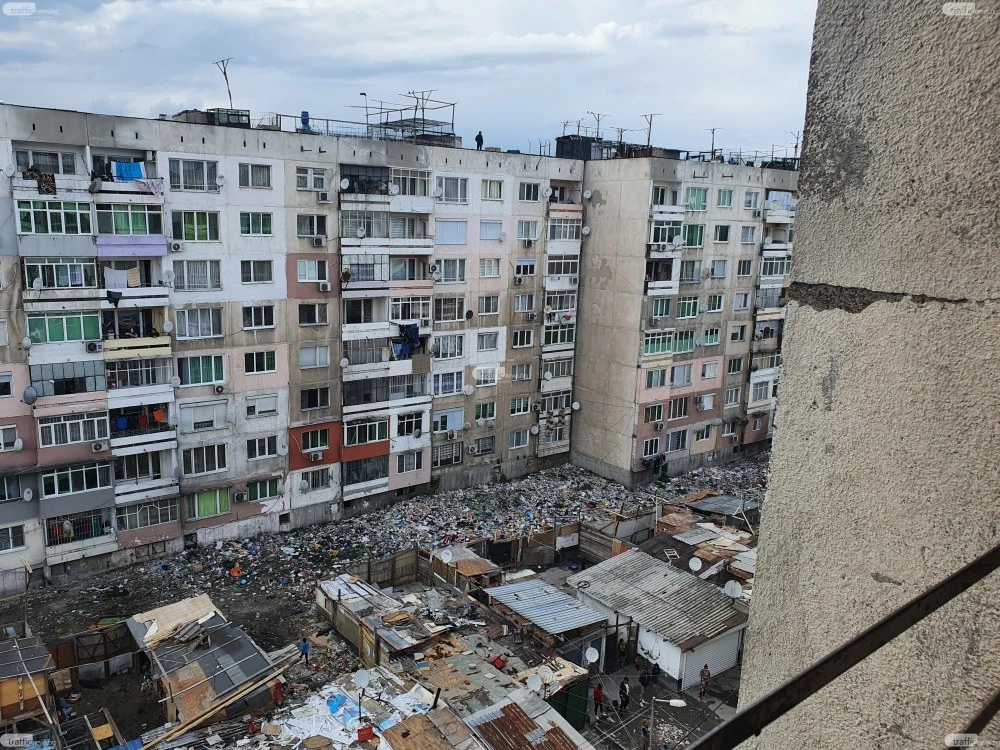
A German journalist visited the Plovdiv neighborhood of Stolipinovo to challenge the stereotype of it being the ‘most dangerous destination in the world.’
She highlighted both the visible issues in the area, such as waste and poor infrastructure, and the everyday life of its residents, including shops and social interactions.
The report emphasizes the need to recognize systemic issues and discrimination affecting the community, rather than attributing problems solely to the residents themselves.
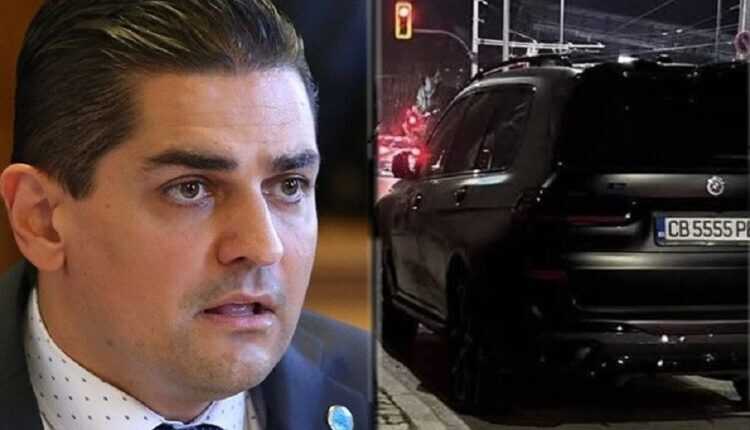
In the first round of presidential elections, Radostin Vasilev performed well in Roma neighborhoods, receiving more votes than his competitors Iliana Yotova and Andrey Gyurov in several sections. Vislev is heading a populist nationalist party, so effectively Roma voted against themselves …
Voter turnout in these areas was notably low, ranging from 2-9%, with many sections reporting only a handful of votes cast.
The reasons for the low turnout include the absence of vote-buying, and Vasilev’s unexpected success raises questions about his appeal among the Roma community.
 English (UK) English (UK)
 Deutsch
 Français