Daily Archives: November 11, 2026

Resistance

Published by:

Resistance

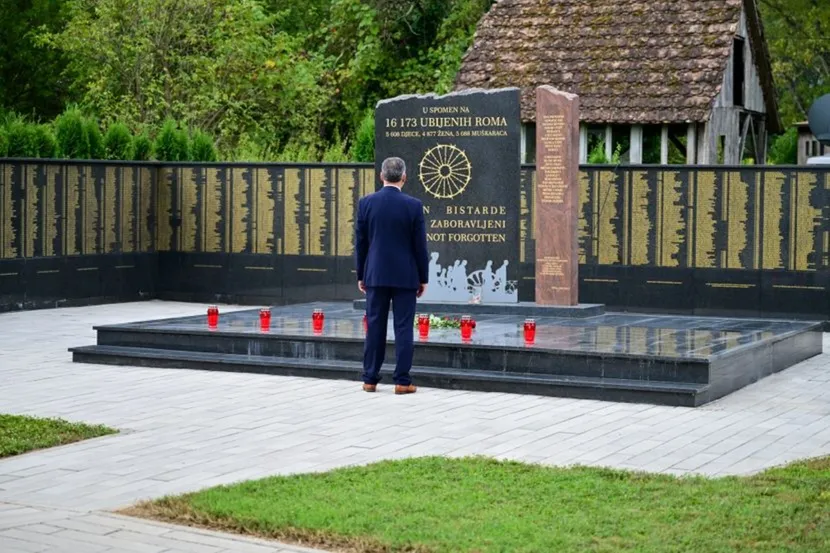
The article discusses the historical persecution of Roma during the Holocaust and World War II, emphasizing their victimhood.

It argues that Roma history should not be solely defined by suffering, as they also participated in the anti-fascist movement and fought for their existence. The author calls for greater recognition of Roma contributions and bravery in historical narratives.

All the Love

Published by:

All the Love

The short film “All the Love in My Body” by Finnish-Greek director Carmen Baltsar tells the tragic story of two Roma sisters who drowned while selling trinkets on a beach in Italy in 2008, highlighting societal indifference.

The film is part of the “Raising Romani Gaze” program at the Seville European Film Festival, showcasing works by Roma filmmakers from various European countries.

The festival aims to challenge stereotypes and provide a platform for Roma voices in cinema, with a focus on personal narratives and experiences within the community.

Jorge Nedich

Published by:

Jorge Nedich

Jorge Emilio Nedich is a prominent figure in Romani literature in Latin America, having overcome a challenging upbringing to become a successful writer and educator.

His autobiographical novel “Duše vyvrhelů” explores his life experiences, relationships with the Romani community, and the impact of discrimination, framed as a narrative from father to son.

The conversation touches on themes of identity, prejudice, and the challenges faced by Romani people, as well as the author’s humorous approach to serious topics.

National Council for Minorities

Published by:

National Council for Minorities

The elections for national minority councils in Serbia were marred by allegations of vote buying and irregularities, leading to calls for boycotts, particularly from the Roma community.

The Roma Union boycotted the elections due to concerns over the legitimacy of the candidate lists, which they claim were dominated by members of the ruling Serbian Progressive Party.

Similar issues were reported among other minority groups, including the Greek community, where ‘phantom Greeks’ were allegedly registered to vote in areas with no historical Greek presence.

Safety

Published by:

Safety

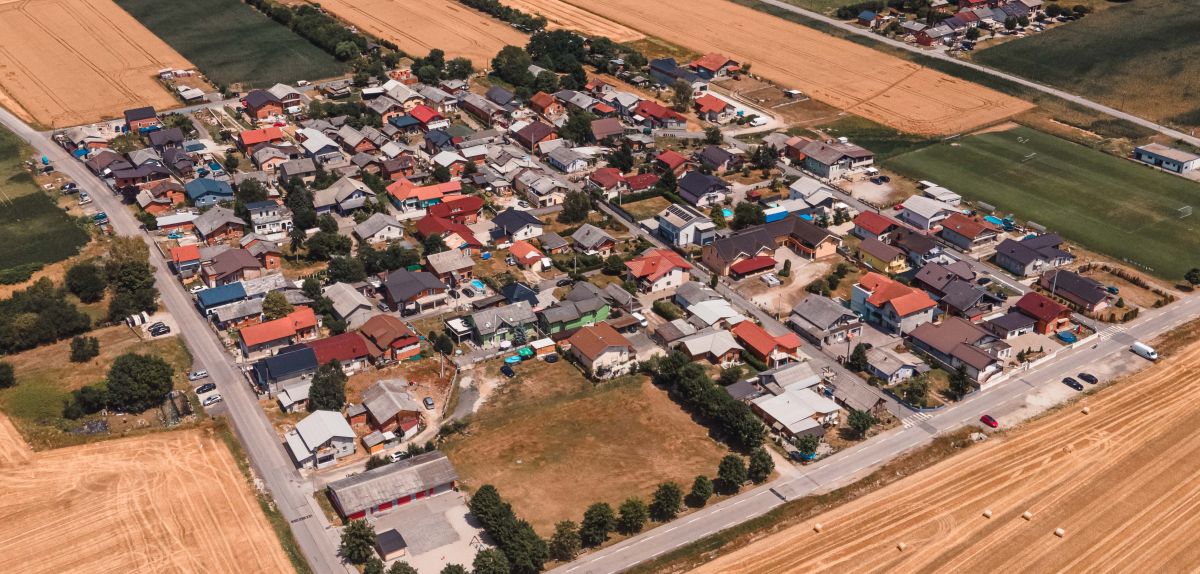
Residents of the Roma settlement Pušča are concerned about their safety due to attempted break-ins reported throughout the week. Local Roma councilor Darko Rudaš has called for increased police patrols and a community meeting to discuss security measures.

There are indications that residents may organize voluntarily to improve safety, but this poses risks, prompting the invitation of police representatives to the meeting.

This is totally ironic, as in Slovenia, Roma are being accused of all crimes… Now they are victims.

Europe Development Bank

Published by:

Europe Development Bank

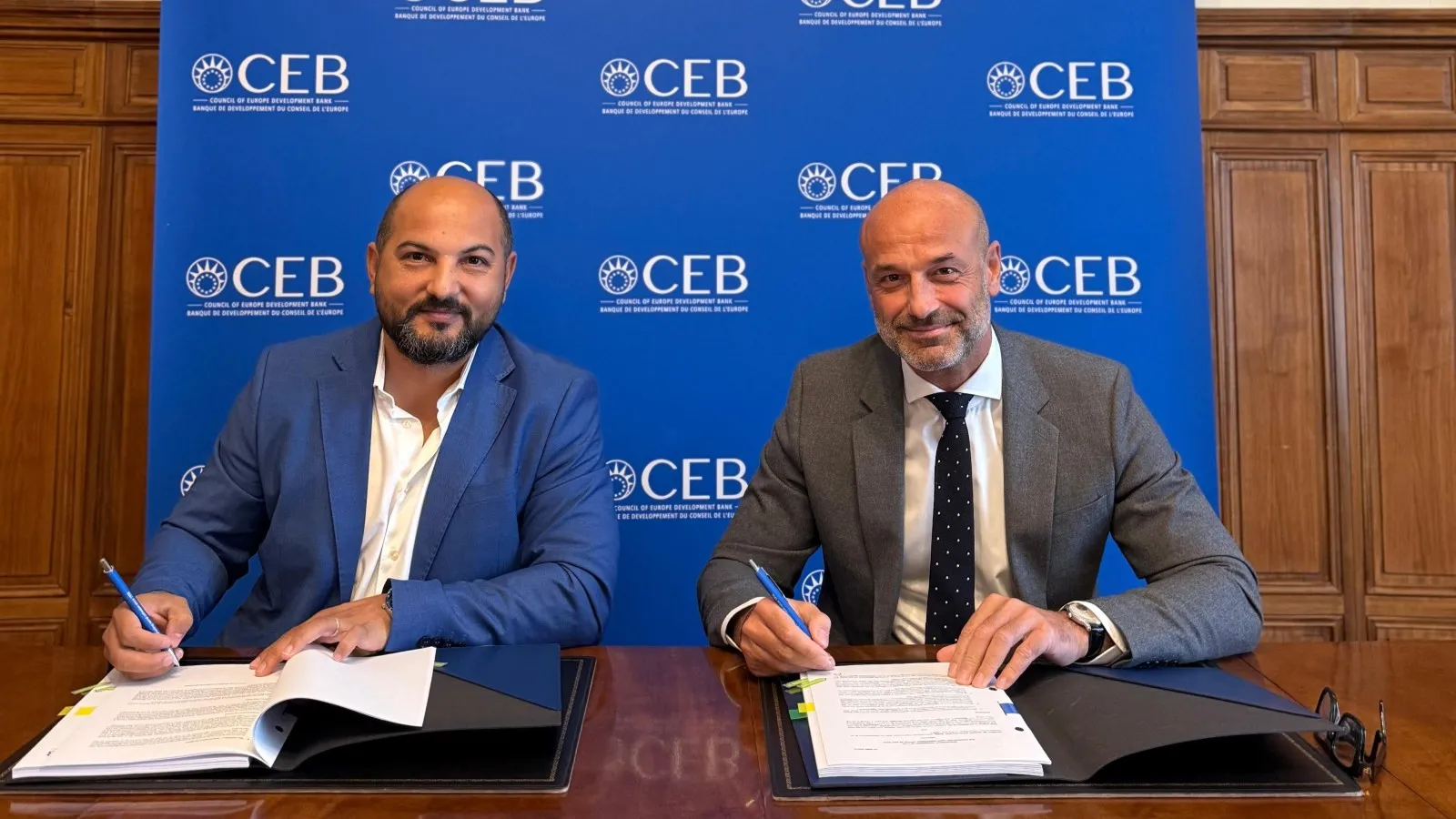
The Council of Europe Development Bank (CEB) and REDI Economic Development S.A. signed a €5 million loan to support Roma-owned microenterprises in Albania, Kosovo, Moldova, and Romania with affordable credit access.

The loan aims to unlock over €8 million in microloans, supporting over 1,000 businesses and creating or maintaining over 2,000 jobs, with a focus on women entrepreneurs and Roma communities.

This is the second loan from CEB to REDI Fund, following a previous €3 million loan in 2021, which has already supported around 460 beneficiaries, including 300 Roma entrepreneurs.

European Roma Platform

Published by:

European Roma Platform

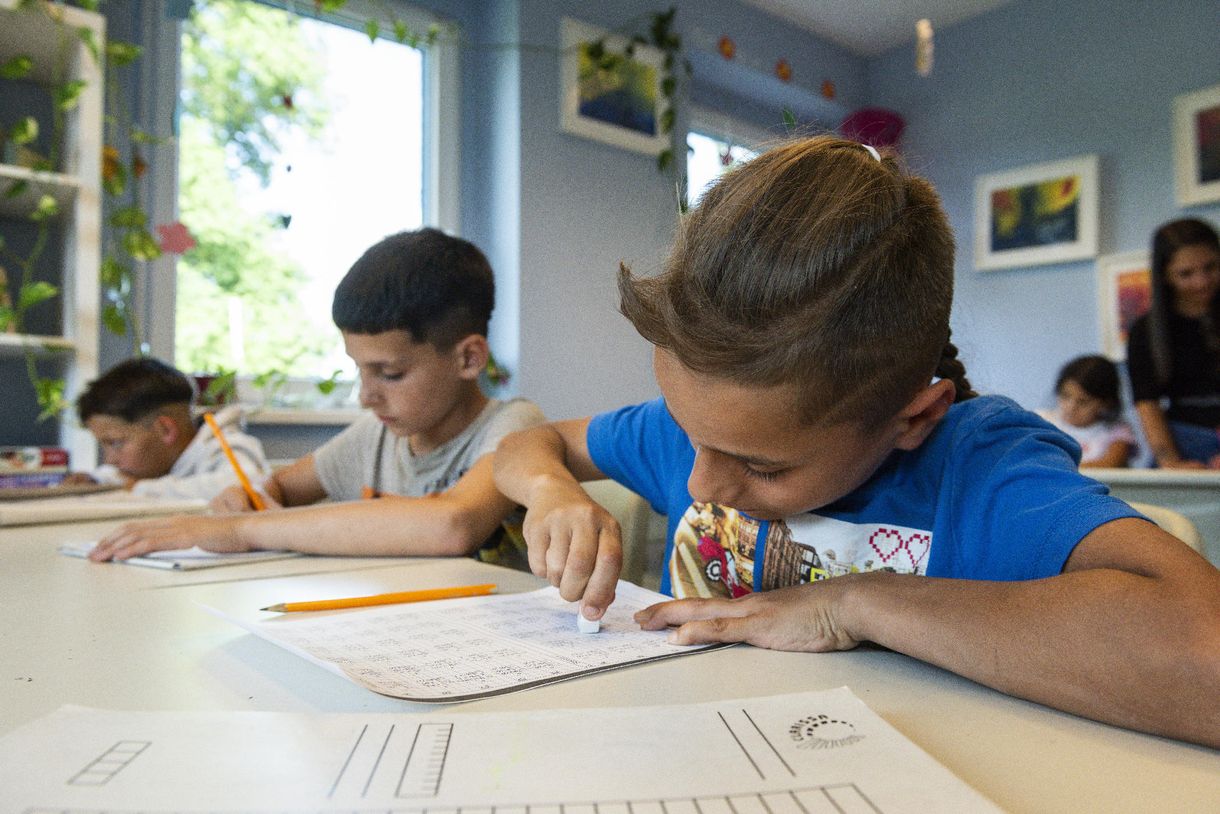
The 19th European Roma Platform was held in Dublin, focusing on the situation of Roma communities, educational inequalities, and the use of EU funding for integration efforts.

Mayor Rozália Lakatos criticized the ineffective use of EU funds for Roma integration in Hungary, citing a lack of expertise in municipalities and political interests hindering progress.

Lakatos proposed linking EU funding to active measures against segregation and suggested creating expert teams to assist municipalities in applying for and implementing integration programs.

Again

Published by:

Again

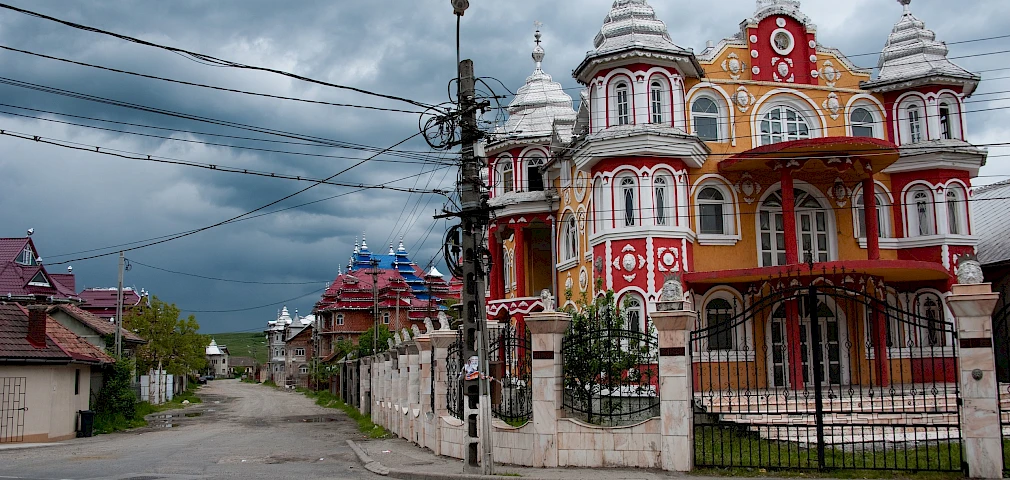
Another article on the very same palaces, which, according to the article symbolize social ascent for Roma families who gained wealth after the 1989 regime change, some reclaiming gold confiscated during the communist era, while others prospered through metal trading or foreign work.

These palaces are deeply connected to the history of the Roma community, which faced centuries of slavery in parts of Romania, with their liberation only completed in 1856, followed by further persecution and discrimination.

Romanian photographer Laurian Ghinițoiu has documented these unique buildings, viewing them as expressions of the community’s self-esteem and desire for visibility, despite outsiders often labeling them as tasteless.

rroma.org
de_DEDE