Romanes in Montenegro

Published by:

Romanes in Montenegro

On the occasion of the International Day of the Romani Language, on November 5, a panel discussion entitled “Our Language – Our Identity” was held in the gallery of the Cultural Centre in Bijelo Polje.

On behalf of the Municipality of Bijelo Polje, Miloš Kljajević said that this panel pays tribute to the rich cultural heritage of the Roma and the power of the language that has transmitted their stories, traditions and identity for centuries. He emphasized that the Romani language is a living witness to the long and complex history of the Roma.

Slovenia, Roma, and Cars

Published by:

Slovenia, Roma, and Cars

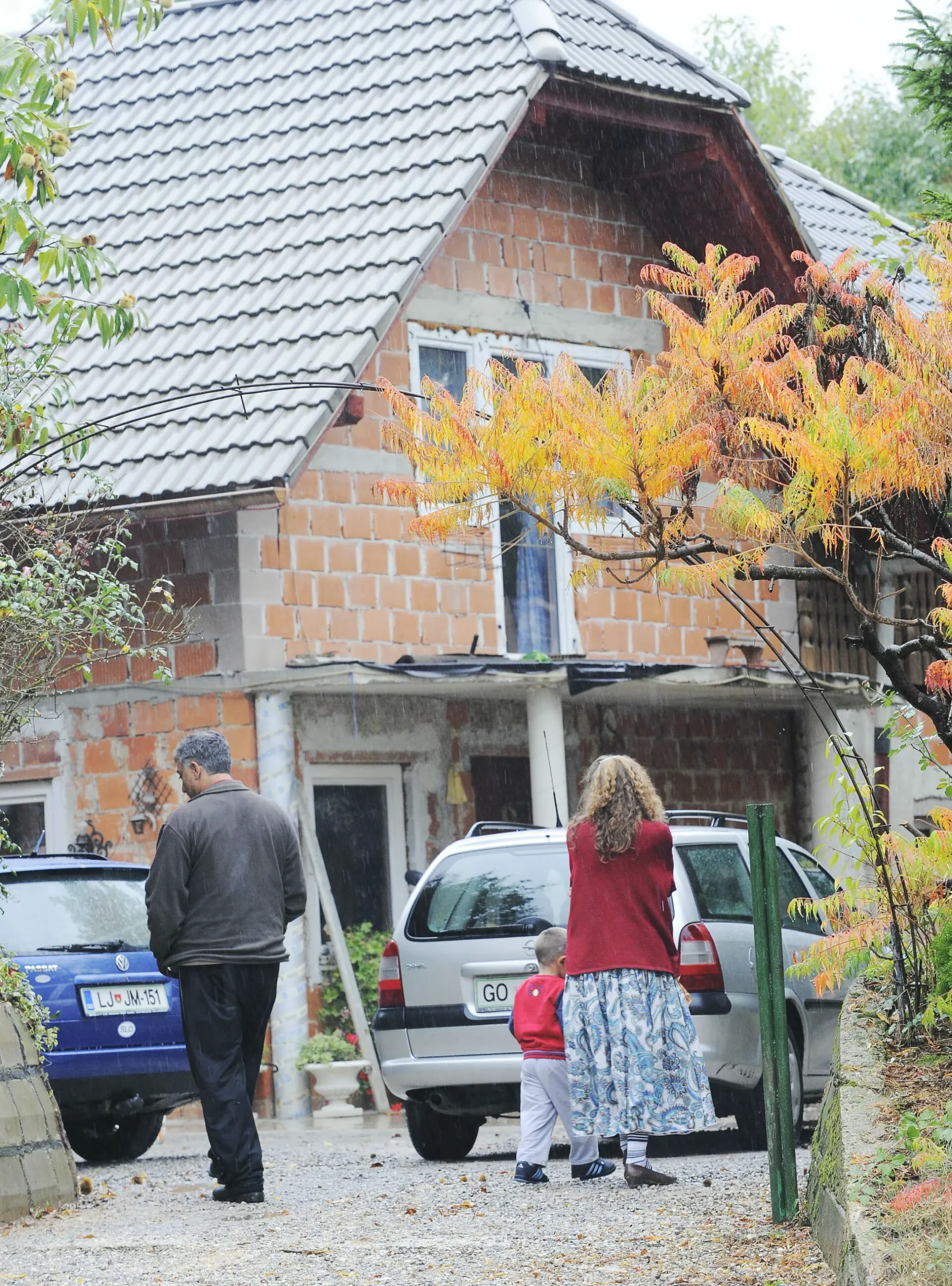
On Friday, the Roma in Krško, Slovenia, convened a meeting with the police, due to the increasing number of vehicles confiscated from Roma recently. They were told, among other things, that they were not hunting Roma, but debtors.

Really?

  • Iščemo odgovore: So res na udaru romski avti? Deklice noseče, mi molčimo? In: Svet24 TV. 16.11.2025.https://svet24.si/lokalno/dolenjska/novice/najbolj-brano-tedna-zaseg-avtomobilov-mladoletne-romske-mamice-1861568#google_vignette

Slovenia: Scary

Published by:

Slovenia: Scary

Silva Mesojedec sent a letter to the Domovina editors in which he presents his eleven-point analysis of the state of the Roma issue, its causes and possible solutions. To quote her letter:

1964: 64 Roma lived in Žabjak (census of Roma in Dolenjska).

1971: the study mentions 37 Roma families and 200 Roma.

1984: 214 Roma are mentioned.

2014: there are about 700 Roma.

Today, the number is around 1,000 Roma.

Until 1984, the state at least systematically monitored the number. Then – nothing more. This is not a coincidence, but evidence of a completely wrong attitude towards the Roma issue: if you don’t measure the problem, you don’t solve it either. There are no statistics, no strategy, no responsibility.

In brief, Roma multiply. Ever had doubts about statistics? 10% of the population in the Balkan are Roma. The 64 in 1964 was an illusion …

Austrian Memorial

Published by:

Austrian Memorial

The musician and activist Harri Stojka is calling for the swift construction of a memorial for Roma and Sinti in Austria at Schmerlingplatz in Vienna. “There, at a historically significant location in the heart of Vienna, a visible symbol of remembrance and recognition should be erected.”

Lackenbach

Published by:

Lackenbach

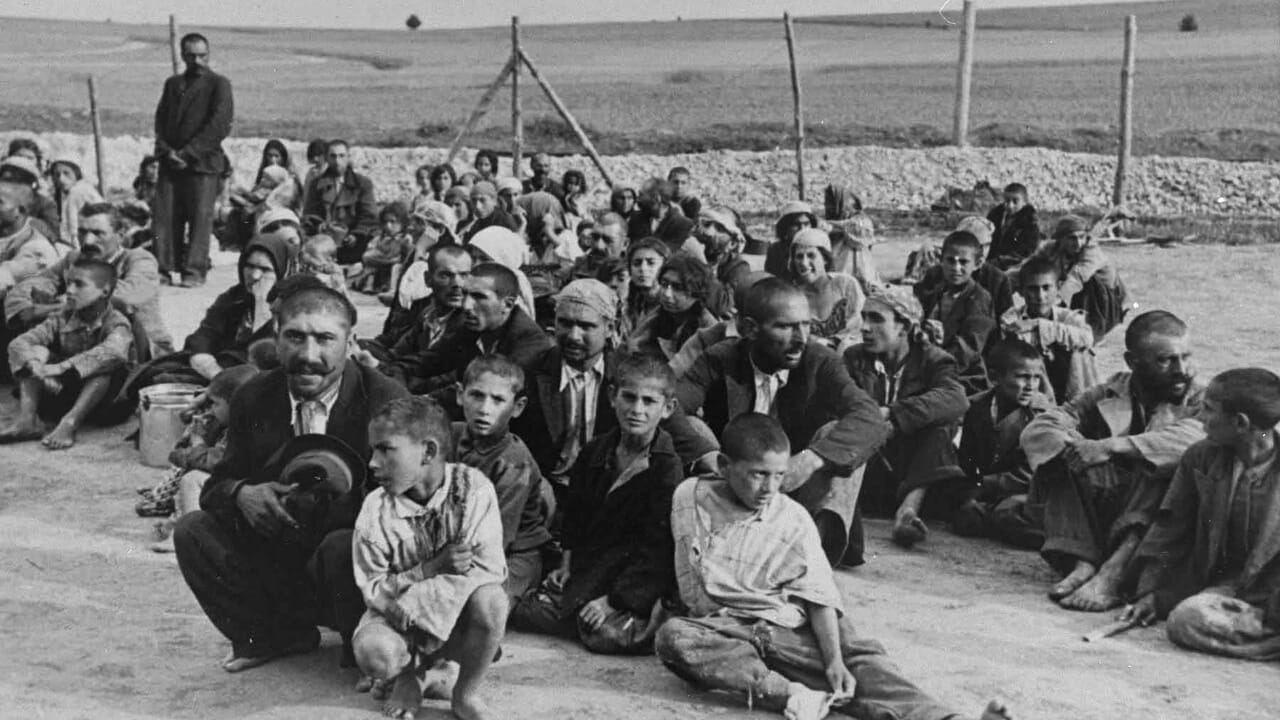
On Saturday, the Roma and Sinti who were murdered during the National Socialist regime were commemorated in Lackenbach. Along with numerous state politicians, the Minister of Justice, Anna Sporrer (SPÖ), participated. Of the 4,000 Roma and Sinti who were interned in the Lackenbach camp since the summer of 1940, only 300 to 400 survived the liberation of the camp in the summer of 1945.

French Chronicle …

Published by:

French Chronicle …

Almost no news about Roma this week in France. An expulsion, five days before the winter expulsion truce in France. And a testimony of a Romni who was deported to the French camp of Rivesaltes and who says the French were worse than the German.

Serbia: Politics and Roma

Published by:

Serbia: Politics and Roma

Deputy President of the Bujanovac Municipal Assembly Dr. Dejan Stojanović tells Bujanovačke that the start of the session has been postponed. As a reason for the postponement, he declared they had a problem with microphones. Effectively, two Roma councillors were absent, meaning there was no majority in the council.

Apparently, the council needs 21 votes for a majority, but without the Roma and another councillor who is in jail, they only have 20 votes.

Romano Them

Published by:

Romano Them

The show brings the most important news from the country and the world every day in Romanes and Serbian. It deals with topics from Roma life, showing the efforts and measures that are being taken for the emancipation and integration of this, the largest European minority community.

Here, the guest is Luan Coco, director of the Centre for Education of Roma and Ethnic Communities.

Budapest Symphony Orchestra

Published by:

Budapest Symphony Orchestra

The idea for the Budapest Roma Symphony Orchestra, known as the legendary “100 Violins” orchestra, was born in 1984, at the funeral of the famous Hungarian soloist Sándor Jarók Sr. That day, hundreds of Roma musicians from all over Hungary gathered to pay their last respects, and from that emotional moment of togetherness came the idea to found an orchestra that would preserve the spirit of the Roma musical tradition.

A year later, in 1985, the visionary László Berky and his associates founded the orchestra that would become a symbol of the Roma artistic soul and the cultural heritage of Hungary. Today, almost four decades later, the “100 Violins” orchestra continues to travel the world, bringing audiences music that transcends the boundaries of languages, nations, and styles.

School Segregation

Published by:

School Segregation

The segregation of Roma pupils in Czech schools is failing to be addressed. The European Commission has repeatedly ordered the Czech Republic to deal with inequalities in education. Fines of hundreds of millions of euros are looming over the Czech Republic.

Romanes in Czechia

Published by:

Romanes in Czechia

The Faculty of Arts at Charles University publicly celebrated the International Romani Language Day for the first time on November 5th this year. The event, initiated by students of Romani studies in cooperation with teachers and the Institute of Ethnology of the Academy of Sciences of the Czech Republic, offered not only expert contributions, but also a panel debate and authorial readings by Romani writers. The meeting showed that this language is not just a legacy of the past, but a living tool of communication, cultural expression and personal identity.

Alexander “Sacha” Kolpakov

Published by:

Alexander “Sacha” Kolpakov

The best Russian Roma 7-String guitars musician, a composer of many songs, a teacher, a father, a friend, passed away yesterday. With him, some of the traditional Romani music from Russia also passed away. From a Servi family from Saratov, he moved to Moscow where he played for a long time in the Theatre Romen. He was internationally known with tours in the US, but mostly for his participation in Madonna’s Sweet and Sticky tour which saw Madonna sing in Romanes.

May he rest in peace and continue to play in the after world.

Te Javel I phuv lokhi, i leskiro drom puterdo.


Slovenia and Minorities

Published by:

Slovenia and Minorities

An editorial on Slovenian minorities policies. Slovenia is friendly to constitutionally recognized national communities and allocates a lot of money for them. But there are no big results anywhere. Hungarians in Prekmurje are at war with each other, Italians on the Coast as well, and the sense of belonging is crumbling everywhere. Roma are even worse off.

Roma Multipurpose Centre

Published by:

Roma Multipurpose Centre

Šentjernej councillors unanimously supported the establishment of a temporary Multipurpose Roma Centre on Trdinova cesta, only Roma councillor Brajdič abstained. He is against this.

These centres are anyhow mostly alibis.

Slovenia: Massacre

Published by:

Slovenia: Massacre

On July 19, 1942, partisans went to the Roma settlement in Kanižarica near Črnomelj all kidnapped all Roma, from children to old people, and burned their homes. 62 Roma, perhaps more, were driven to the deserted nomadic village of Mavrlen on the slopes of Kočevski Rog. There, in the following days, they were all systematically murdered, probably cruelly, with cold steel.

Croatia and Roma

Published by:

Croatia and Roma

The Deputy Prime Minister of the Republic of Croatia and Minister of the Interior, Dr. sc. Davor Božinović, paid an official visit to Međimurje County. The topic of the meeting was community security, strengthening interdepartmental cooperation and the continuation of projects that contribute to better integration of the population, especially in Roma settlements.

As part of the visit, Minister Božinović visited Kuršanec Elementary School, where he met with Roma helpers in class.

Germany and Memorial Sites

Published by:

Germany and Memorial Sites

The German Federal Cabinet has adopted a new concept for memorial sites commemorating the crimes of National Socialism and the injustices committed in the GDR. Since there are fewer and fewer living witnesses, younger generations are to be informed using digitization, for example, with holograms of eyewitnesses. The concept also focuses on preserving historical sites and promoting education and research through new exhibition formats.

rroma.org
en_GBEN