Z-Word

Published by:

Z-Word

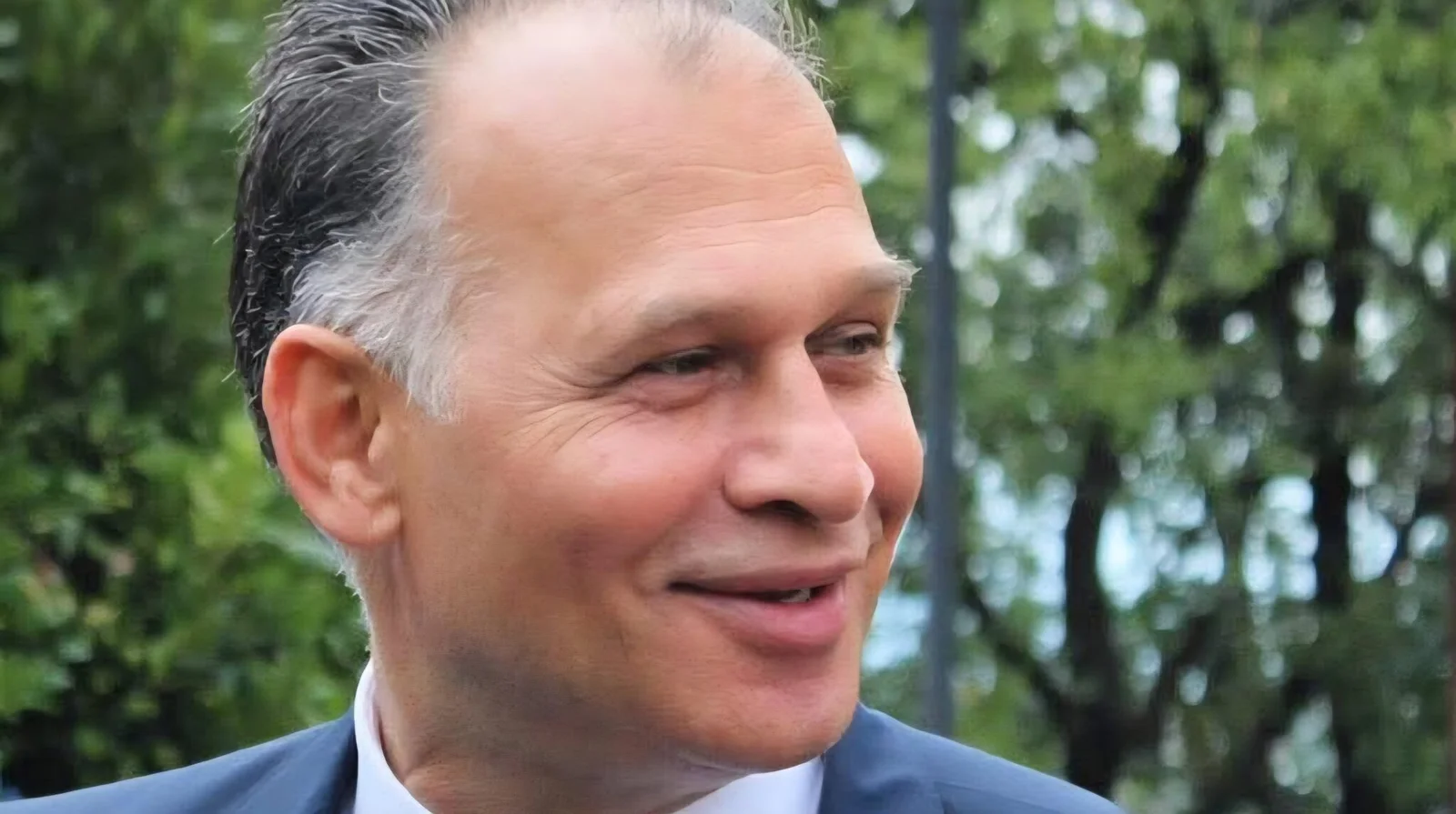
Timur Husein, a CDU representative in Berlin and the speaker for antisemitism in the Berlin Parliament, is being criticised for a tweet using the Z-word and really playing with stereotypes. He said, regarding the SPD candidate for mayor of the city:

LINKE-Bürgermeisterkandidatin @ElifEralpBerlin will, dass alle illegalen Sinti & Roma (Zigeuner) aus dem Ausland in Deutschland bleiben dürfen (so im Neuen Deutschland). Neuer Pull-Faktor für weitere illegale Zuwanderung! Um das zu verhindern, am 20.9.2026 CDU wählen!

Left Party mayoral candidate @ElifEralpBerlin wants all illegal Sinti and Roma (Gypsies) from abroad to be allowed to stay in Germany (according to Neues Deutschland). This would create a new pull factor for further illegal immigration! To prevent this, vote CDU on September 20, 2026!

This politician doesn’t even know that outside of Germany, France, and Italy, there are no Sinti (or so few that it doesn’t matter).

New Estate

Published by:

New Estate

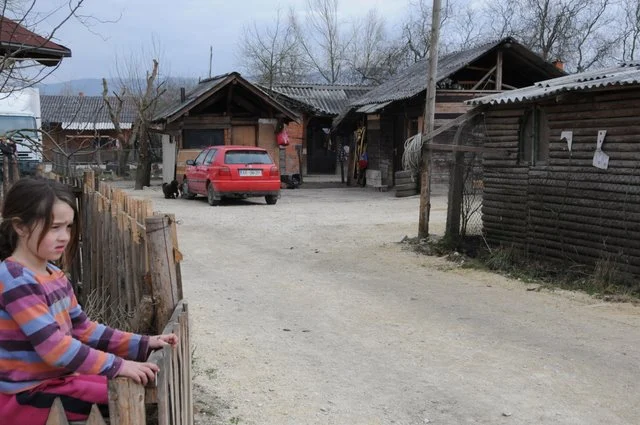
The plan of the city of Šluknov (Czechia) to buy out approximately 400 apartments in a socially excluded locality and transfer them to its own administration has provoked a reaction from the civil part of the Government Council for Roma Minority Affairs and the platform of Roma and pro-Roma organizations RomanoNet. Although they consider the plan to be potentially beneficial, they point out serious shortcomings in the proposal that may lead to destabilization of the community and violations of the rights of residents.

Racism in Sports

Published by:

Racism in Sports

The police is investigating an incident in which fans of the LHK Jestřábi Prostějov hockey club chanted racist slogans and sang a song with hateful lyrics in Hodonín (Czechia) on Saturday, November 8, 2025. According to the police, an anti-conflict team intervened on the spot and stopped the illegal actions. The police are investigating the case.

Lúč z tmy – Ray of Darkness 2025

Published by:

Lúč z tmy – Ray of Darkness 2025

For the eighth time, the organizers have solemnly presented the Ray of Darkness awards for exceptional activities and contributions in the field of social change and inclusion of Roma men and women in Slovakia. This year, the awards were again given to personalities who, through their work, contribute to a fairer and more open society, break down prejudices, support equal opportunities and give a voice to those who are often invisible.

The first laureate was Florián Giňa – mayor of the municipality of Jarovnice, a native who has lived his entire life in the local area, which many call a settlement.

The second awardee was Michal Zálešák – a lawyer specializing in the field of human rights and minority rights. Since 2012, he has been working as a legal consultant at the European Roma Rights Center.

The third awardee was Marián Balog – an actor, playwright and director, one of the most prominent figures of Roma culture in Slovakia.

Award in Slovakia

Published by:

Award in Slovakia

The Ray of Darkness Award was presented today to the mayor of Jarovnice, Florián Giňa, lawyer Michal Zálešák and actor and director Marián Balog. The awardees in the Public Award – Hat Down/Kalapa Tele category are Tomáš and Stanislava Mattovci, who help children from Luník IX.

The Lúč z tmy award is awarded annually by Roma organizations and independent personalities to those who have long-term efforts to improve the position of Roma in various areas of life or who have significantly contributed to building bridges between Roma and the majority society.

  • Ocenenie Lúč z tmy získali starosta Jarovníc Giňa, advokát Zálešák, herec Balog a manželia Mattovci, ktorí pomáhajú deťom z Luníka IX. In: Dennik N. 07.11.2025. https://dennikn.sk/minuta/4955967/

Harassment?

Published by:

Harassment?

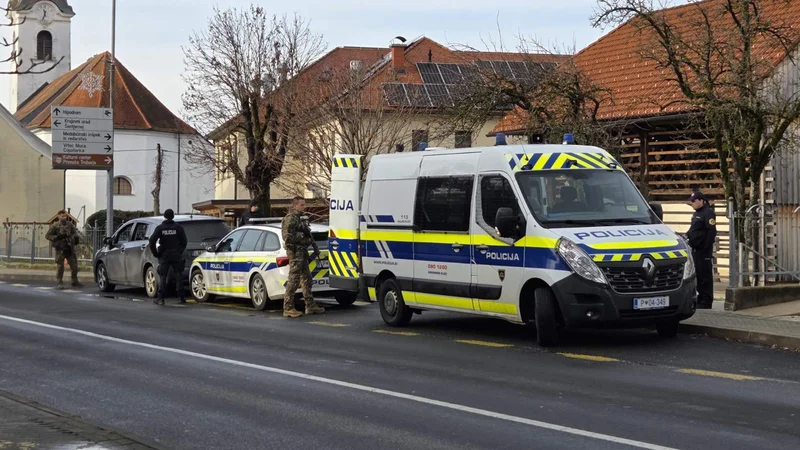
On Saturday, October 25, 2025, the police officers of the Laško Police Station in Slovenia were informed of alleged threats at the Hotemež collection centre (Radeče municipality, ed.). A woman called the Operational Communications Centre and reported that a person of Roma appearance was threatening an employee and harassing visitors to the centre.

Police officers were dispatched to the scene and found that five people of Roma ethnicity were in the collection center. After completing the procedure, they found that no violation of public order and peace had occurred. The police carried out the identification procedure and collected the necessary information, and no additional measures were necessary.

Romanes in North Macedonia

Published by:

Romanes in North Macedonia

On the occasion of World Romani Language Day, North Macedonian President Gordana Siljanovska-Davkova met with members of the Roma community: high school students from Skopje, media and education professionals, and poets.

Those who met reached a consensus on the need to codify the Romani language, establish a chair in Romani studies, and enable Romani students to study Romani not only in schools in Skopje but also throughout the Republic.

Kosovo: Renovation

Published by:

Kosovo: Renovation

The renovation of a Roma school in Mitrovica, Kosovo that was originally funded by the Serbian funds. Now, the Kosovo government is renovating the building transforming it in a refuge for women.

Well, let’s see, but at least, a segregated school is gone.

French Chronicle …

Published by:

French Chronicle …

Not much this week in France about Roma. Several camps in the region around Paris were vacated without expulsion. In the north of France, an NOGo noted 2300 expulsions. And in central France, a huge meeting of evangelical Roma with more than 40’000 people.

Award

Published by:

Award

Elena Marushiakova and Veselin Popov have received the award from the Gypsy Lore Society for the best book in 2024 on Romani Studies. The book reflects on Soviet repression against Roma under Stalin.

New Security Law

Published by:

New Security Law

Roma representatives do not oppose the proposal of the so-called Šutar Act, which was approved, but they warn that the constitutionality of some of the planned measures needs to be checked. Representative of the Črnomalj Roma Zvonko Golobič also warns of overly strict measures regarding social assistance. “These could plunge the Roma into even greater poverty,” he believes.

President of the Slovenian Roma Association Jožek Horvat Muc agrees with the adoption of measures that prevent crime and the actions that led to the law in the first place. However, he warns that the law must be drafted in such a way that the measures envisaged in it will not be constitutionally controversial, which some lawyers warn about. “Therefore, the government should submit some of the proposed measures to lawyers for review and obtain an opinion on whether they are in accordance with the constitution and legal norms,” ​​he told STA. He warns that the law will apply equally to everyone, not just the Roma.

Slovenia and New Security Law

Published by:

Slovenia and New Security Law

In the wake of the altercation and murder of a Slovene man, the Slovenian government passed a new law significantly increasing police powers to deal with criminality. Roma now fear to be victimised.

Germany and Racism

Published by:

Germany and Racism

The Higher Regional Court Thürigen (OLG) has decided not to open the case against Bengt Fuchs, Vice President of the Gera Administrative Court, on charges of incitement to hatred.

The Gera Public Prosecutor’s Office indicted Fuchs in April 2025. The indictment stemmed from a Facebook post in which he referred to members of the Sinti and Roma community as “rotating Europeans with a weakness in property rights.” The Public Prosecutor’s Office considered this to constitute the offense of incitement to hatred under Section 130 of the German Criminal Code (StGB).

Well, this is racism.

Poland and Cemeteries

Published by:

Poland and Cemeteries

A photo, taken at Poznań’s Junikowo cemetery, shows a huge, roofed tomb with a platform, as well as chairs, benches, and a table embedded in the wall and generated quite a bit of commentaries on social media.

International Romanes Day in Slovenia

Published by:

International Romanes Day in Slovenia

On the World Romani Language Day, which we mark today, the Romani community around the world and in Slovenia emphasizes the importance of preserving language as a key element of identity. Romani scholar Jožek Horvat Muc believes that “the Romani language is what tells members of the Romani community who they are and what their history was like”.

Slovenia and Integration Programs

Published by:

Slovenia and Integration Programs

Slovenian municipalities will now have to report to the state on the use of money in which Roma live. 25 of them, received over nine million euros from the state budget for this purpose this year, the most ever. But there is no clear answer to the question of where the money ends up.

Data reveals that in previous years quite a few municipalities did not spend the money at all or spent it on something else instead of integrating Roma. This is precisely why they will now have to report to the state on the use of the money in detail on a special form.

International Romanes Day

Published by:

International Romanes Day

An article in the Slovak press on the international Romanes day.

16 years ago, in 2009, at a conference on the Romani language in Zagreb, linguists, educators and leaders of Romani organizations from 15 European countries declared November 5th as the International Romani Language Day. The United Nations Educational, Scientific and Cultural Organization – UNESCO also designated November 5th as the World Romani Language Day in 2015.

Romanes is taught in schools in Slovakia and is used in the media.

Romanes is an Indo-Aryan language that belongs to the Indo-European language branch. István Vályi, who came from the area around today’s Komárno, was one of the first to conclude in the 18th century that the Romani language is of Indian origin. While studying theology in the Netherlands, he met students from India and, in conversations with them, realized that the language they spoke was similar to the language of the Roma from his native region.

Repressive Measures

Published by:

Repressive Measures

In the wake of the killing of a man by Roma in Slovenia, the government is planning new repressive measures. The current proposal will allow cutting social benefits to perpetrators of crimes and their families.

The Faculty of Social Work of the University of Ljubljana and the Association of Social Workers of Slovenia have described several measures from the so-called Šutar Act as unconstitutional and a departure from the principles of the welfare state. They called on the government to avoid collective punishment, stigmatization and repression of the poorest and most socially excluded groups.

rroma.org
en_GBEN