Daily Archives: juillet 7, 2026

Vojvodina Music

Published by:

Vojvodina Music

The event “Days of Roma Music” was organized by the Roma Cultural Center in Pančevo to promote and preserve the rich musical heritage of the Roma minority.

The event featured performances by talented children from Vojvodina, highlighting the importance of passing on traditional Roma music to younger generations.

Officials emphasized the significance of such events in fostering cultural diversity and mutual respect, with hopes that it will become a key cultural event in Vojvodina.

Education in Slovenia

Published by:

Education in Slovenia

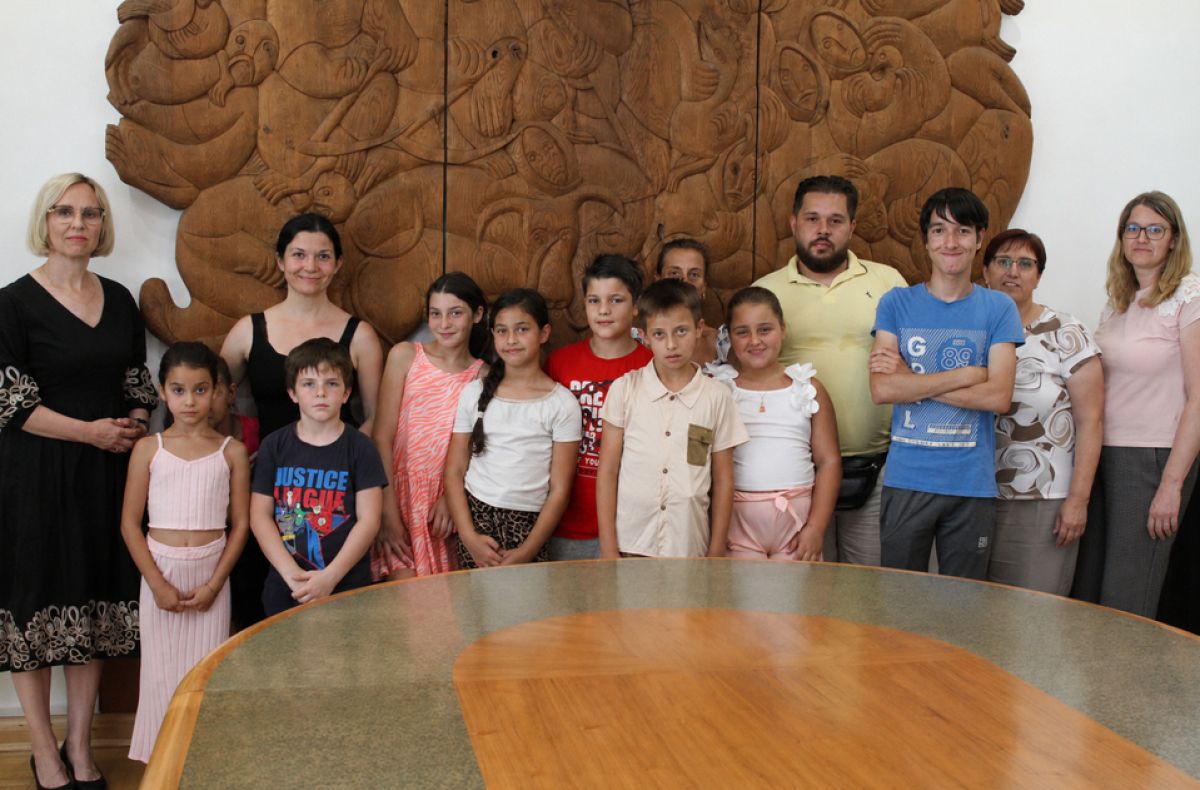
Eleven Roma students from the Kher šu beši Day Center visited the mayor of Trebnje, Mateja Povhe, after regularly attending school and center activities. The mayor emphasized the importance of education for achieving their dreams and encouraged the children to continue attending school for better opportunities.

The municipality of Trebnje is actively promoting the inclusion of Roma children in education, recognizing it as essential for their personal development and successful integration into society.

Auschwitz Commemoration

Published by:

Auschwitz Commemoration

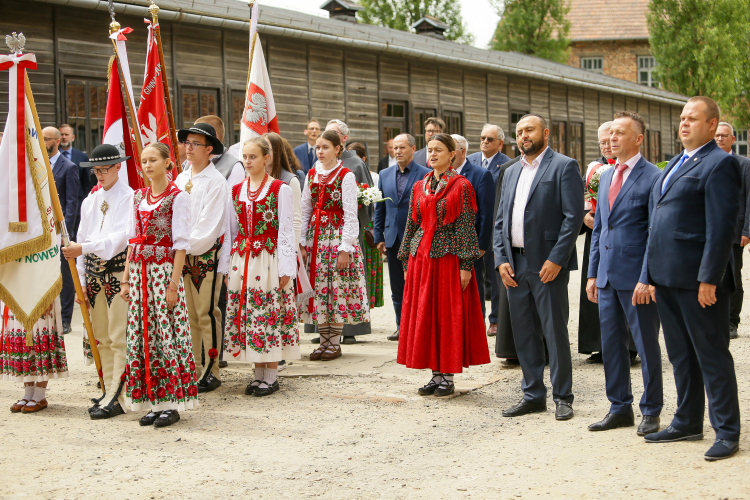
The 82nd anniversary of the liquidation of the so-called Gypsy camp at Auschwitz will be commemorated on August 2, 2024, with events organized by the Center for History and Culture of the Roma in Oświęcim. During World War II, approximately 500,000 Roma and Sinti were murdered by the Nazis, with many being exterminated at Auschwitz.

August 2 is recognized in Poland as the Day of Remembrance for the Roma Genocide and is observed in the EU as the European Day of Remembrance of the Holocaust of Roma and Sinti.

Sterilisation

Published by:

Sterilisation

Ivan Ostrochovský’s film “Only Beautiful Things to Look At” explores the historical sterilization of Romnja in 1980s Czechoslovakia through the lens of a white doctor and a Romani nurse.

The protagonist, Dr. Ingrid, initially views sterilization as optional but gradually recognizes the coercive nature of the medical practices involved, influenced by her friendship with nurse Agáta.

The film, which premiered at the Karlovy Vary festival, combines a dark visual style with a haunting score, highlighting the emotional journey of its characters amidst a backdrop of systemic eugenics

Germany and Post-War Discrimination

Published by:

Germany and Post-War Discrimination

Historian Stefanie Schüler-Springorum discusses the ongoing discrimination and persecution in post-Nazi Germany, highlighting that groups such as Jews, Sinti, Roma, and homosexuals continued to face significant challenges and societal exclusion.

She emphasizes that while the end of the Nazi regime in 1945 marked a liberation for some, it did not equate to freedom for all, as many groups remained marginalized and subjected to ongoing discrimination.

Schüler-Springorum points out that remnants of these prejudices persist in contemporary German society, with issues of antisemitism, racism, and homophobia still prevalent, reflecting a deep-rooted notion of who is considered a “true German.”

In paralle, the German government has established an independent commission to address the injustices faced by Sinti and Roma in Germany and East Germany after 1945, implementing a key recommendation from the Independent Commission on Antiziganism.

The commission aims to comprehensively document the injustices, include unheard perspectives, and integrate the experiences of affected individuals and their descendants into German memory culture.

This initiative is part of a broader European movement towards state-led processes of historical reckoning, acknowledging Germany’s unique historical responsibility regarding the genocide of Sinti and Roma.

rroma.org
fr_FRFR