Daily Archives: octobre 26, 2026

Transit Sites

Published by:

Transit Sites

The only transit site for travelers in the canton of Lucerne is at risk of being eliminated by early 2027, with no replacement solution in sight. So-called transitsites are reserved for non-Swiss travellers, mostly Roma.

Simon Röthlisberger, director of the foundation “Future for Swiss Travelers,” emphasizes the need to view traveling minorities as a natural part of Switzerland rather than a burden.

The foundation reports a bleak situation for travelers in Lucerne due to a lack of available sites and slow progress in finding new locations.

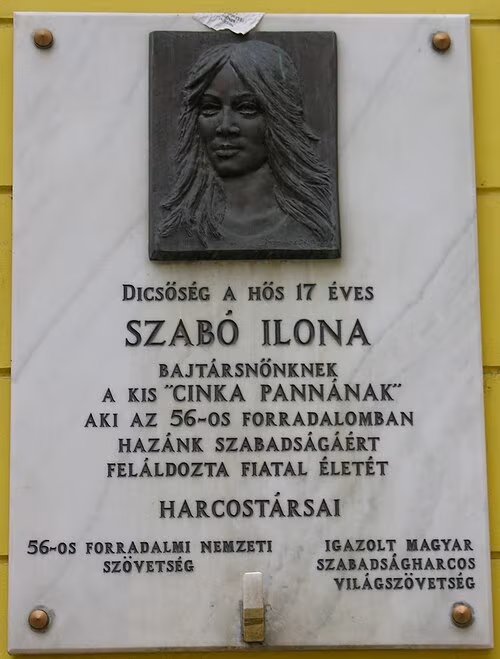
Ilona Szabó

Published by:

Ilona Szabó

In honour of the 70th anniversary of the 1956 Hungarian Revolution, a public space in Józsefváros in Budapest has been named after Ilona Szabó. The young Roma woman—nicknamed “Kócos” (meaning “Shaggy-haired” or “Tousled”)—became an armed revolutionary at Corvin Passage and was struck by a fatal shot on Práter Street.

The naming of this public space was preceded by research aimed at gaining the most accurate possible understanding of Ilona Szabó’s life and story, as not every detail can be verified through historical documentation.

Nevertheless, historians supported the initiative, as did various Roma civil society and professional organisations (such as UCCU and the Józsefváros Roma Minority Self-Government), with whom the local government also consulted.

Greece and Roma

Published by:

Greece and Roma

Aphrodite Latinopoulou, president of the “Voice of Reason” party (extreme-right), criticized Prime Minister Kyriakos Mitsotakis for failing to change the country despite having two opportunities, accusing him of corruption.

She condemned the government’s social policies, particularly regarding immigration and social benefits, claiming that integration cannot be achieved through financial aid and that certain groups, including immigrants and Roma, should not receive benefits.

Latinopoulou used derogatory language, insisting on the term “Gypsies” instead of “Roma,” and linked social benefits to crime, calling for stricter measures against those exhibiting criminal behaviour.

Roma and the Election

Published by:

Roma and the Election

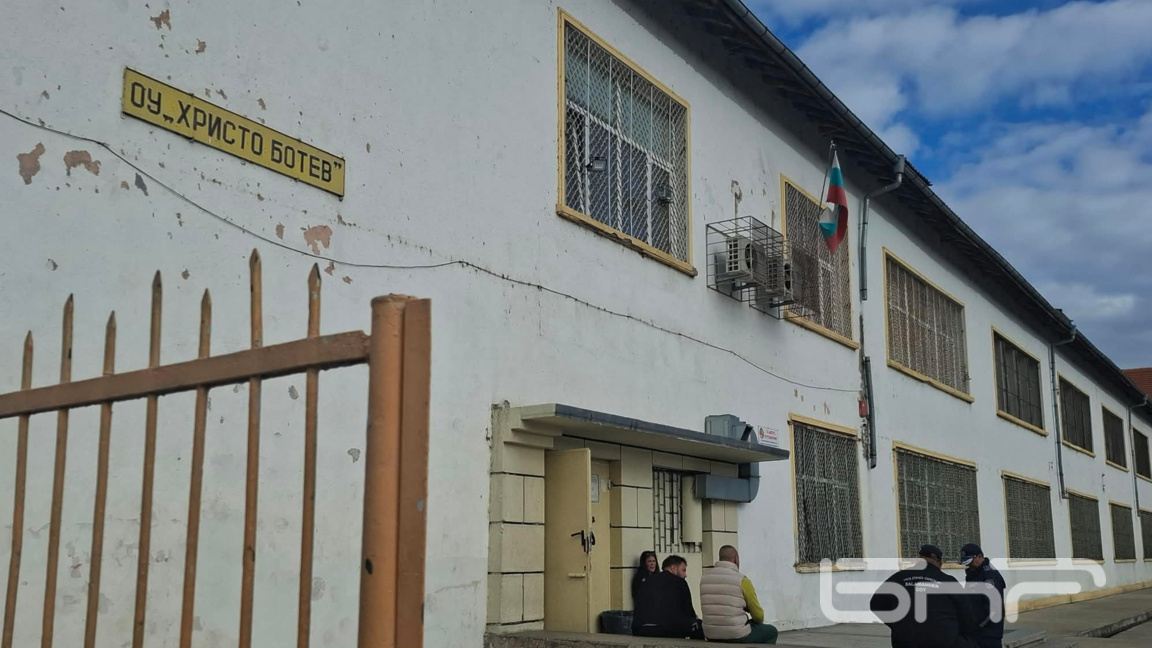
A 77-year-old election commission member, Mariyana Angelova, was removed from her position after alleging that the commission chairman was improperly assisting voters by directly indicating choices instead of explaining the voting process.

Angelova claims that many voters from a local Roma neighborhood were unable to read or write and needed help, but she insists that the chairman’s actions violated the secrecy of the vote.

Despite being accused of political agitation and racial insults, Angelova denies these allegations and plans to appeal her removal, expressing concern for her family’s safety in the current political climate.

In the Burgas Romani neithbourhoods of Pobeda and Komluka, less than 5% of registered voters voted. Many residents, primarily of Roma origin, expressed disinterest in voting due to unmet expectations and frustrations with the voting machines.

Hate Crimes

Published by:

Hate Crimes

Roma in Bosnia and Herzegovina are more frequently exposed to potential hate crimes compared to individuals of other nationalities, yet they report these incidents less often.

The study indicates that 24% of Roma respondents experienced at least one potential hate crime in the past year, compared to 18% of non-Roma respondents.

Recommendations include creating an action plan to address hate crimes against Roma, involving education and training for authorities and the public.

Ustaša and Roma

Published by:

Ustaša and Roma

The article discusses mass crimes committed against Roma by Ustaše and Chetniks during World War II, highlighting their genocidal intent to exterminate the Roma population using brutal methods such as shootings and burning alive.

It details a specific crime in Križpolje where seven Roma families (38 individuals) were taken by German and Ustaše forces in early 1944 and subsequently murdered on a nearby hill.

The perpetrators were part of the 392nd Legionary Infantry Division, known as the Blue Division, which operated in Croatia and was responsible for numerous civilian deaths and atrocities during the war.

rroma.org
fr_FRFR