Author Archives: Roma Foundation

Jana Horváthová

Published by:

Jana Horváthová

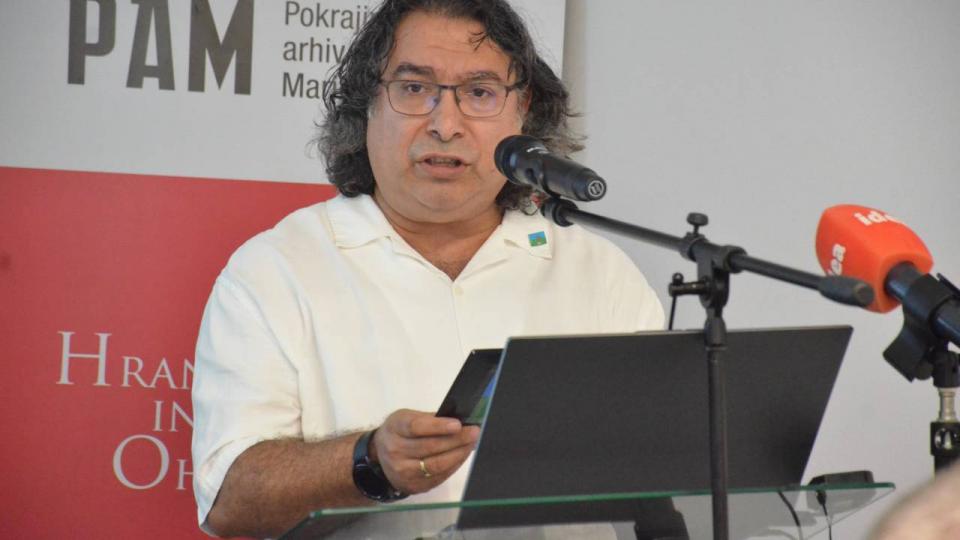
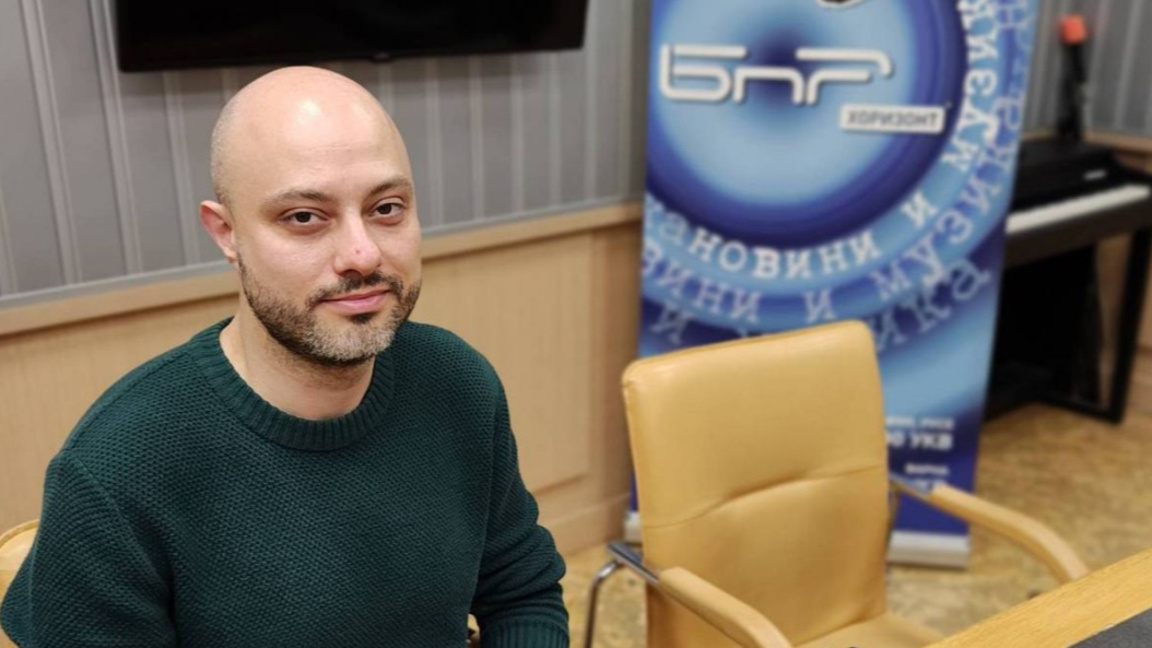
Jana Horváthová has resigned as director of the Museum of Romani Culture in Brno, citing exhaustion and a desire to focus on academic work after leading the museum since 2003.

Karolína Spilmannová will take over as acting director from September 1, ensuring continuity in leadership and operations at the museum.

The Ministry of Culture plans to redefine the museum’s Advisory Board and is seeking a strong permanent director to lead the institution’s future development.

What a pitty, and congratulation for the great work.

Roma in Geneva

Published by:

Roma in Geneva

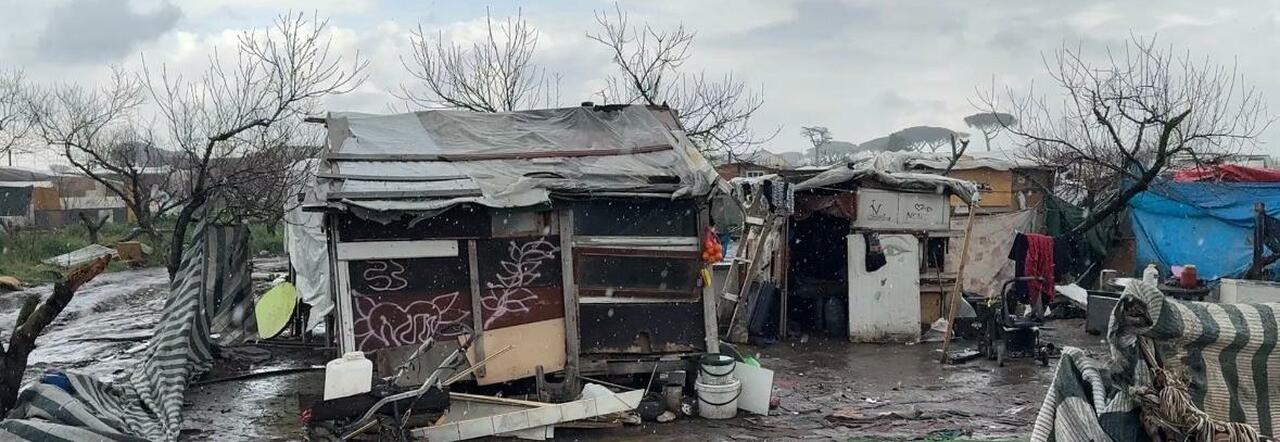
The article discusses the media focus on the Romani communities in Geneva, highlighting the political attention on their living conditions and the push to remove their presence from public view.

It criticizes the right-wing political stance that prioritizes cleanliness over the welfare of these communities, suggesting that their systematic removal exacerbates vulnerability and exploitation.

The article calls for a more humane approach to social integration and housing solutions for the Romani families, emphasizing the need for long-term support rather than punitive measures.

Imer Traja Brizani

Published by:

Imer Traja Brizani

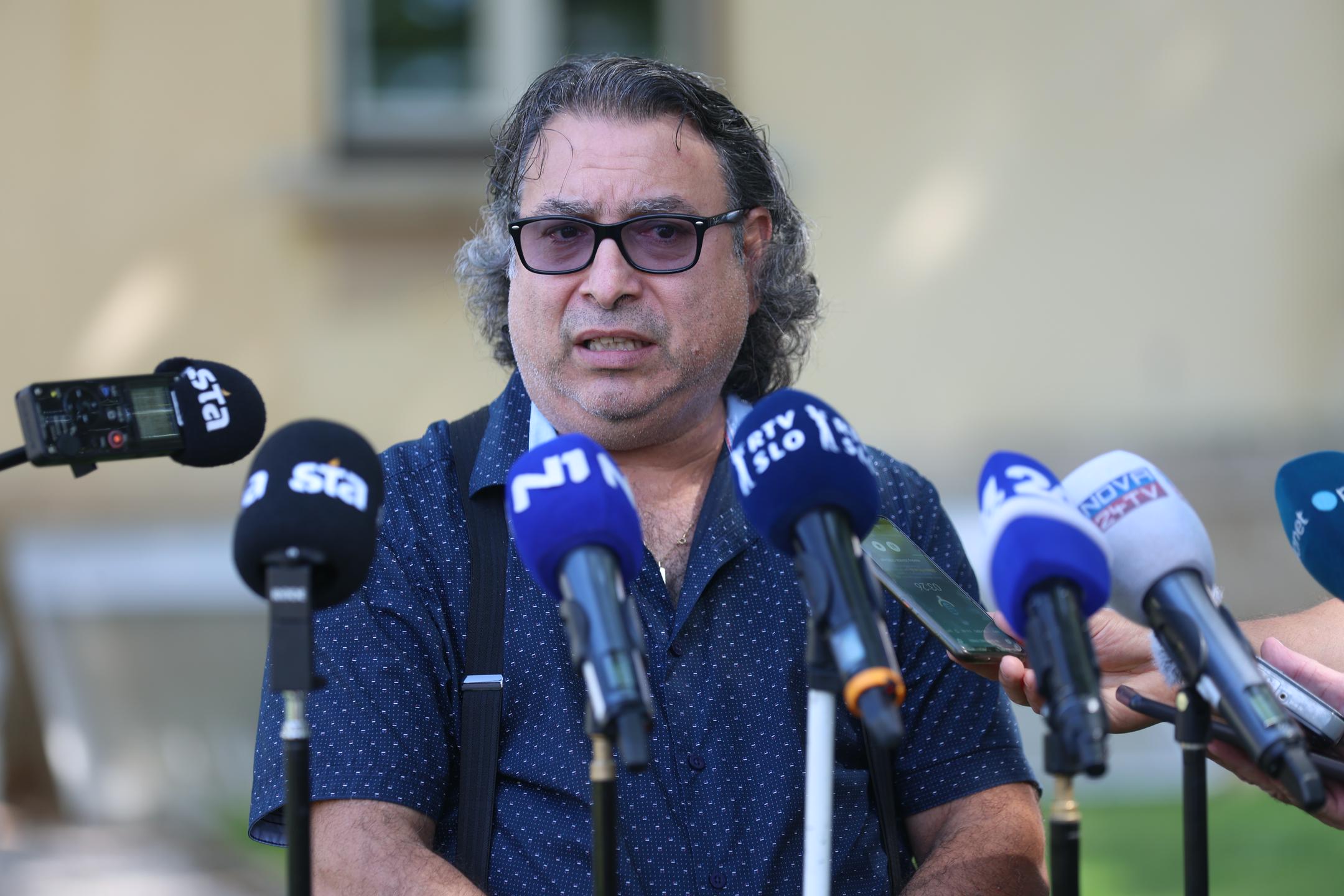
Imer Traja Brizani, a prominent Romani musician and composer, celebrates 30 years of his group Amala and 46 years of artistic creation, blending Romani music with jazz and classical influences.

He emphasizes the importance of music as a means to break stereotypes and foster cultural dialogue, highlighting his family’s musical legacy and collaborations with notable artists.

Brizani advocates for better understanding and support for the Romani community in Slovenia, stressing the need for professional knowledge to combat stereotypes and promote genuine inclusion.

Political Rally and Busing

Published by:

Political Rally and Busing

A significant number of Roma attended a political rally organized by the ruling party in Serbia, primarily coming from southern Serbia in four buses.

They received the lowest daily allowances compared to other groups, with 2,000 dinars, while Roma from Čačak received 4,000 dinars and those from Ljig received 3,000 dinars.

The Roma coordinator from Čačak, Gradimir Radosavljević, was notably vocal at the rally, initially calling out a derogatory term before correcting himself to a more neutral term.

Political Rally in Serbia

Published by:

Political Rally in Serbia

A tense political rally in Užice, Serbia, saw Serbian President Vučić facing significant local opposition, including physical confrontations with activists and police blocking access to the event.

Many attendees were reportedly brought in from other regions, while local residents, including Roma, expressed their discontent and refused to support the rally, highlighting a divide within the community.

The event was marred by violence, with reports of activists being attacked and police using tear gas against local protesters, indicating a growing unrest against Vučić’s regime.

French Chronicle …

Published by:

French Chronicle …

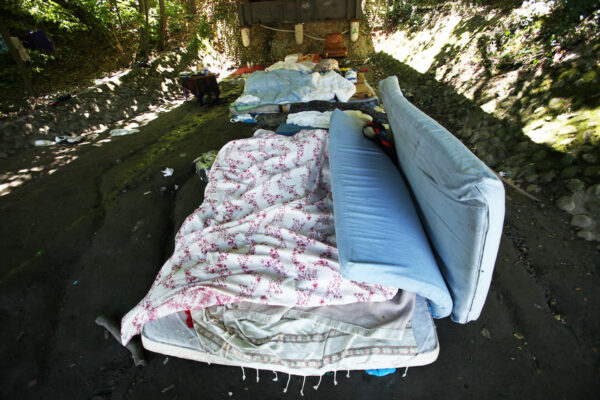
The usual, unfortunately, this week in France. Fires in Roma slums in Nantes, one of which burnt several appartments; an eviction of a squatt in Marseilles; a huge dump is left after an eviction near Paris, as usual it is not said it is the Roma or simply opportunistic; and a Ceja Stoika exhibition…

Abduction

Published by:

Abduction

A newborn Roma girl was kidnapped from a children’s home in Caserta, Italy, where she had been living for over a month, marking the fifth abduction in her family.

The girl’s siblings were previously taken by their parents to Romania due to severe neglect and poor living conditions, leading to a court ruling that separated them from their parents.

The case is being handled by lawyer Simona Molisso, who is calling for public assistance in locating the missing girl, emphasizing the urgency and violence of the situation.

Roma in Slovenia

Published by:

Roma in Slovenia

The Council of the Roma Community in Slovenia urges the government to adopt a comprehensive and inclusive approach to address key issues facing the Roma community, emphasizing the need for dialogue and responsibility from all institutions.

They highlight the importance of legalizing Roma settlements and improving basic infrastructure, as living conditions directly affect health, education, and employment opportunities.

The council condemns the rise of anti-Romani sentiment and calls for stricter sanctions against hate speech, public education for officials, and campaigns to combat stereotypes.

Ljiljana Petrović Batler

Published by:

Ljiljana Petrović Batler

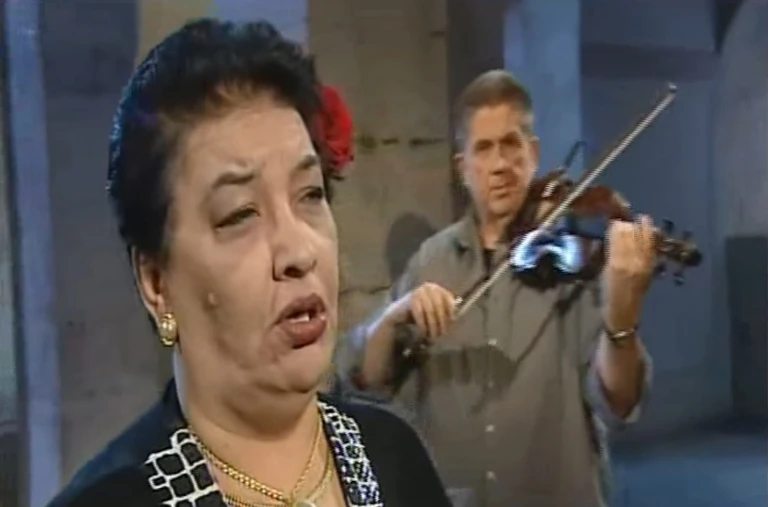
Ljiljana Petrović Batler, a prominent Romani singer, faced significant challenges in her life, including becoming a mother at 14 and working various jobs, including cleaning toilets, to support her family after fleeing to Germany during the Yugoslav wars.

Despite her struggles, she achieved fame in Yugoslavia and was affectionately known as the ‘mother of Romani soul,’ often addressing issues of racism and prejudice against the Romani community.

Batler’s life story is marked by resilience and a deep connection to her roots in Belgrade, where she expressed a strong desire to return and be buried after her passing in 2010.

Boni

Published by:

Boni

The Bulgarian singer Bony openly discusses early marriages and the need for young people to have real choices about their futures, emphasizing that family should be a conscious choice rather than a predetermined fate.

She connects the issue of early marriages to education, urging parents to support their children’s education instead of pushing them into family life and work too early.

Bony calls for broader institutional support for young families, including access to healthcare, quality education, and opportunities in various fields, advocating for stability as a tangible reality rather than just a political promise.

France and the Camps

Published by:

France and the Camps

During World War II, many Romani and other traveler groups faced severe discrimination in France, leading to their displacement and imprisonment in internment and extermination camps.

The article marks the 80th anniversary of the liberation of the last travelers from these internment camps in France.

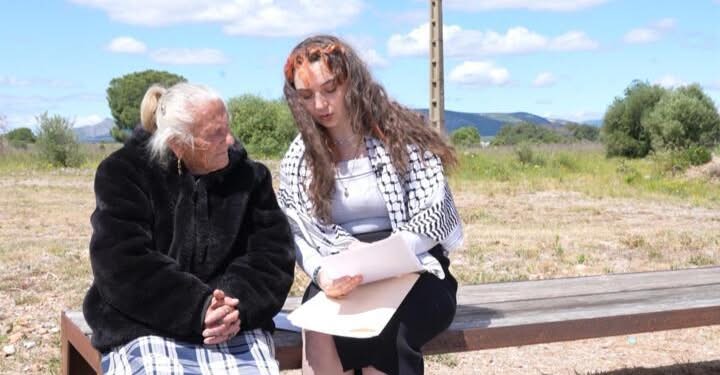
Reporters Antonia Kerrigan and Valentine Erba interviewed a French survivor of the internment camps to share their experiences.

Slovak History

Published by:

Slovak History

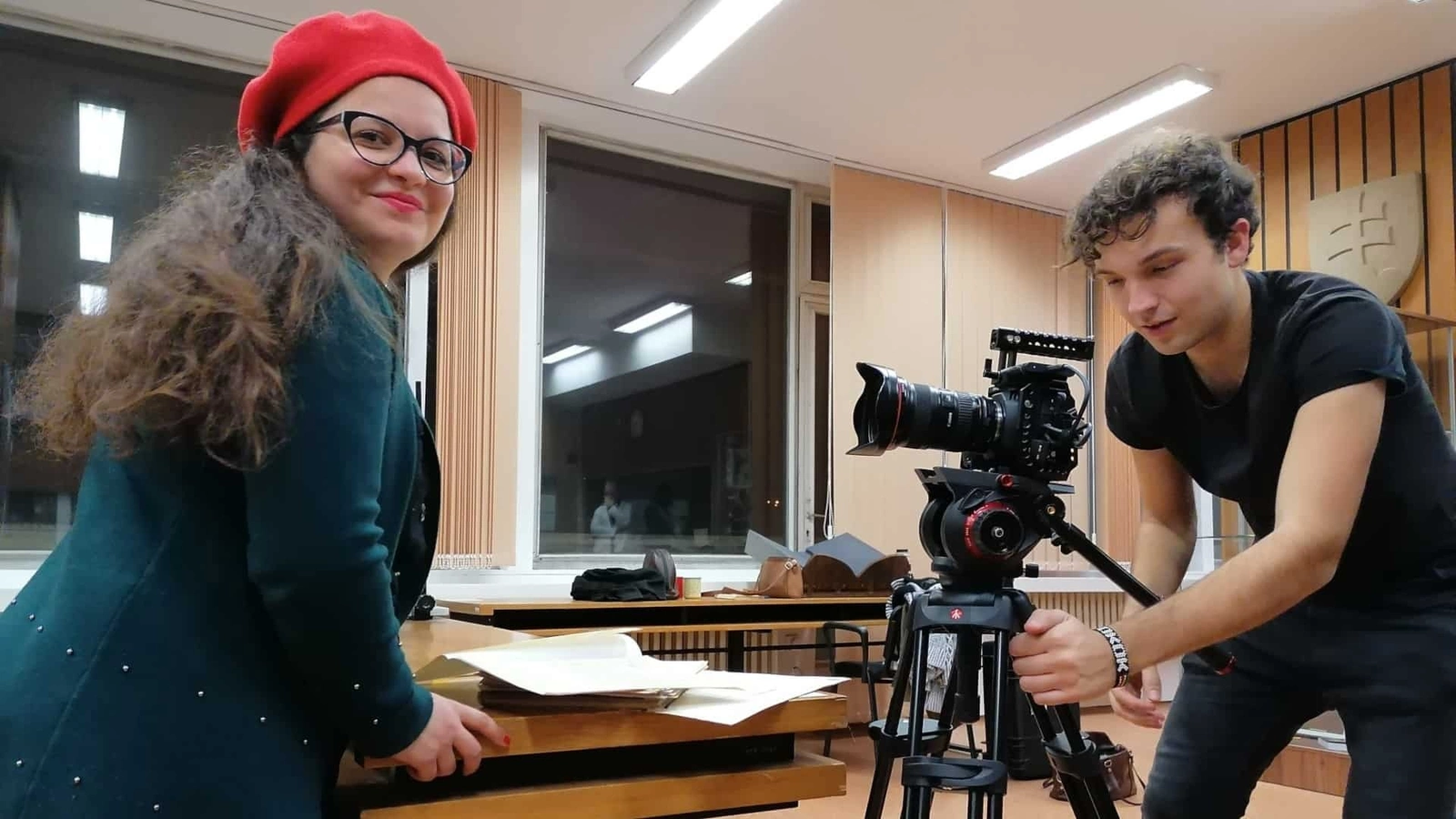
Vera Lacková, a young filmmaker, is producing a documentary about the participation of Slovak Roma in the Slovak National Uprising against fascism, highlighting historical manipulation of their role during socialism.

The film addresses the overlooked Roma Holocaust and challenges stereotypes about Roma people, emphasizing their contributions to the fight for freedom.

Lacková shares personal family history related to the impact of fascism and discusses contemporary latent racism faced by the Roma community.

Romni and Activist

Published by:

Romni and Activist

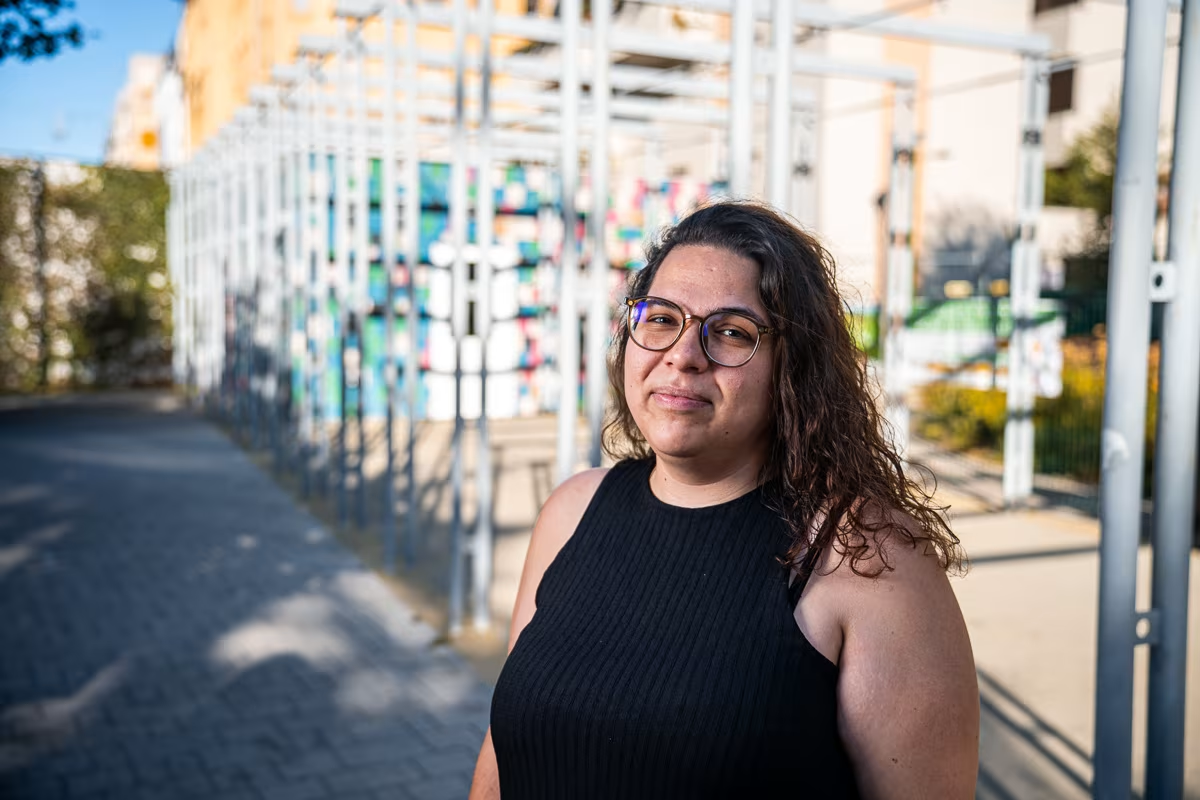
The article discusses the career journey of a Romni who transitioned from sociology and human rights work to IT support and now serves as a Roma affairs officer in a local government.

She emphasizes the importance of her diverse educational background and experiences in both civil society and corporate environments for her current role, particularly in managing Roma-related projects and strategies.

The article highlights her efforts to improve Roma community engagement and support, including a Roma internship program and research on the needs of the Roma population in Józsefváros.

EU Neighbours East

Published by:

EU Neighbours East

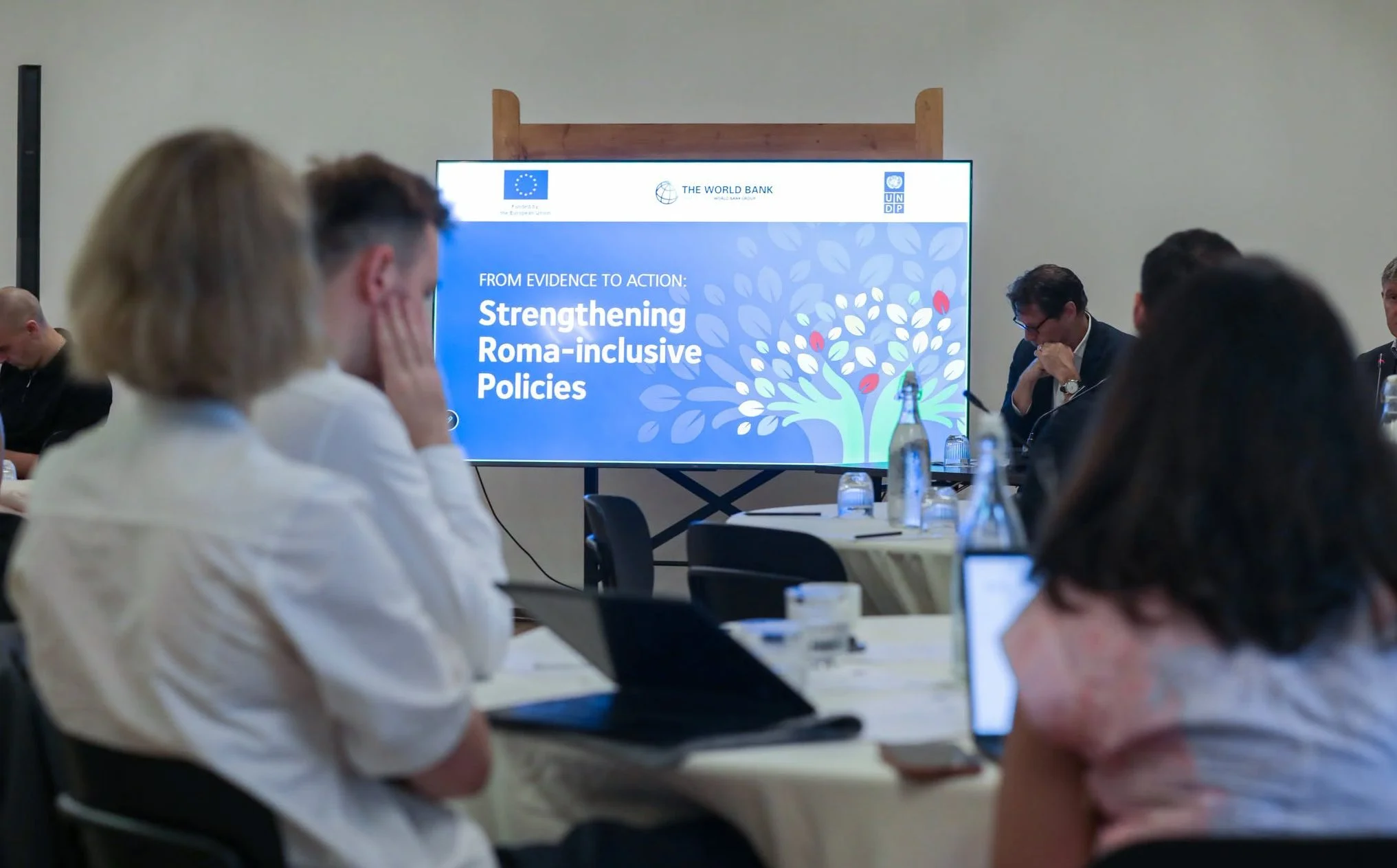
The European Union, World Bank, and UN Development Programme conducted a comprehensive assessment of the living conditions of Roma in Georgia, Moldova, and Ukraine, with results presented in Tbilisi on August 19.

The study combines survey data with real-life experiences to raise awareness of the Roma community and support the development of inclusive policies.

The project’s goal is to reduce the gap in multidimensional poverty and access to socio-economic rights between Roma and non-Roma men and women in the three countries.

Skateboarding is not for Girls

Published by:

Skateboarding is not for Girls

Director Dina Duma aimed to avoid romanticizing poverty and to portray the Roma community authentically in her film “Skateboarding Is Not for Girls,” focusing on the characters’ humanity beyond stereotypes.

The film, inspired by a young girl’s maturity observed while skateboarding, explores themes of early marriage and sisterly love in the context of poverty in the Roma community.

Duma emphasizes the importance of community involvement in the filmmaking process and addresses the pervasive issue of patriarchy, highlighting the double standards faced by women in the film industry.

Illegal?

Published by:

Illegal?

The European Court of Human Rights condemned Bulgaria for demolishing the homes of 56 Roma individuals in 2023, ruling it violated their right to a home and personal life.

The court highlighted systemic issues in Bulgarian law that allow for the removal of homes without proper legal checks, emphasizing the need for legislative reform.

The actions of local authorities were criticized as collective punishment and a deliberate attempt to deny individuals their legal rights, particularly affecting marginalized communities.

Slovenia and Roma

Published by:

Slovenia and Roma

The Slovenian Council of the Roma Community, led by Jožek Horvat Muc, emphasizes the need for the regulation and legalization of Roma settlements, active economic inclusion, and the sanctioning of hate speech.

They call for a clear political framework based on dialogue and responsibility, adhering to the principle of ‘nothing about Roma without Roma’.

The council advocates for improved living conditions, active labor market participation, and stronger measures against anti-Roma sentiment, including public education campaigns.

Zagreb and Gypsy Lore

Published by:

Zagreb and Gypsy Lore

The Romani population has lived in Croatia for over six centuries, becoming an integral part of the multicultural landscape, with scientific interest in their culture dating back to the late 18th century.

Recent years have seen a positive shift in Romani studies, particularly after 2002 when the Romani were recognized as a national minority, leading to increased research and publications on their language and history.

The upcoming “2026 Annual Meeting of the Gypsy Lore Society” in Zagreb will highlight the development of Romani studies in Croatia and enhance international recognition of Croatian scientific institutions.

Roma in Serbia

Published by:

Roma in Serbia

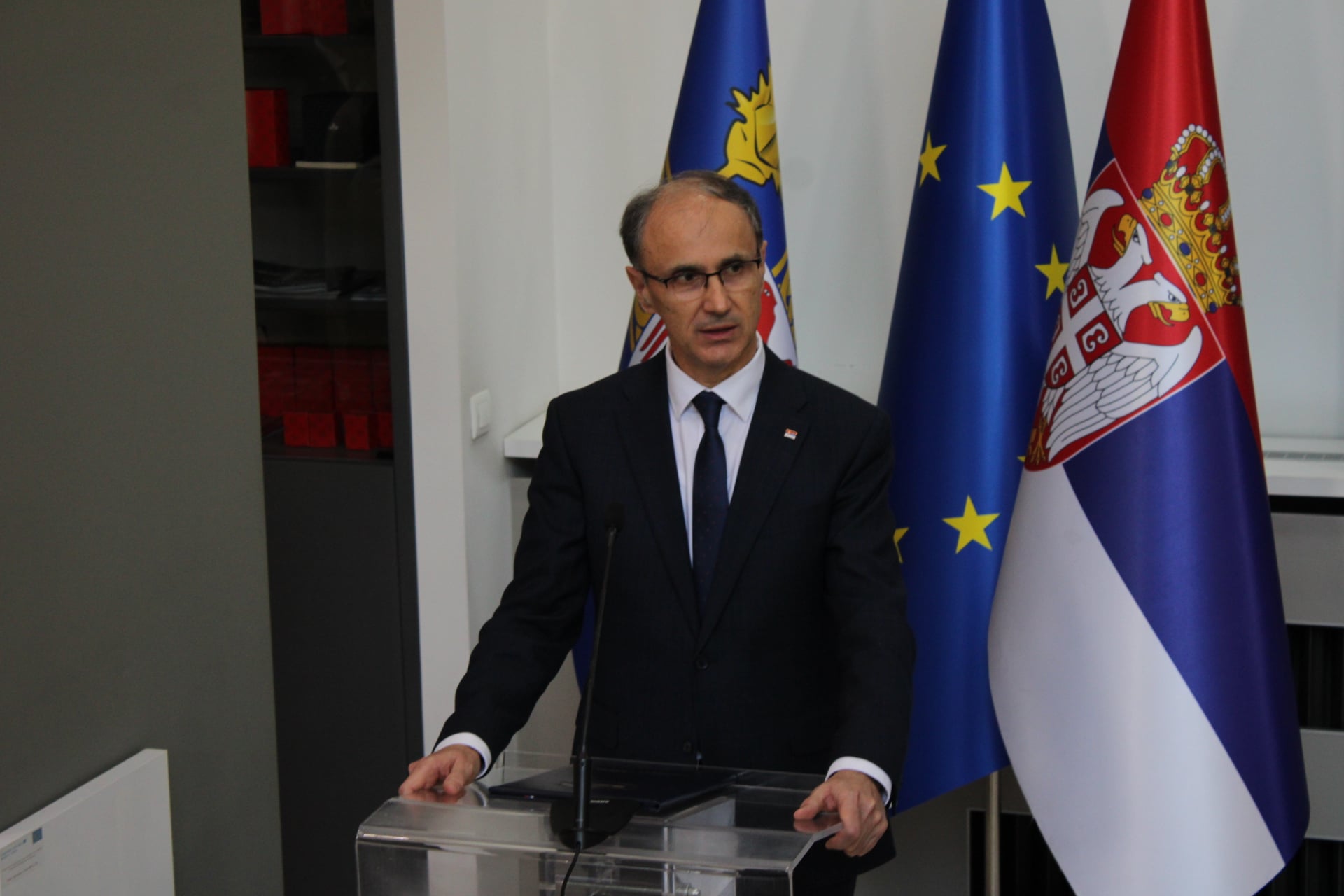
YUROM Center has initiated a proposal for a special law to ensure equal employment for national minorities, particularly the Roma, in Serbia’s public administration and sector.

The initiative highlights the underrepresentation of Roma in public administration despite their population of nearly 132,000, and calls for systematic measures to address structural discrimination and promote professional development.

The proposal includes establishing a monitoring system for ethnic representation, defining affirmative measures, and involving national minority councils in the legislative process to enhance public administration quality and support Serbia’s European integration efforts.

Bremerhaven

Published by:

Bremerhaven

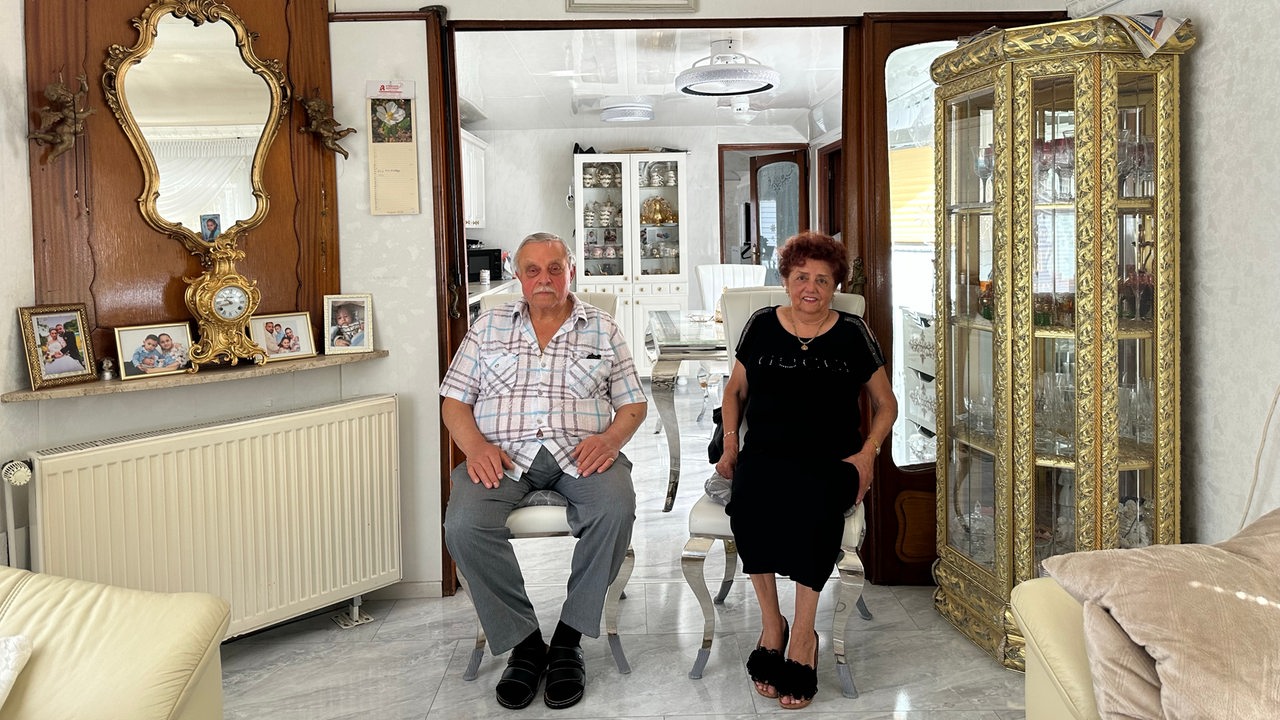
Sinti community in Bremerhaven has been living in a caravan site for 70 years, celebrating their history and unity with a special event.

The site, established after WWII, has evolved from a place with many caravans to a community of around 60 people living in modern mobile homes, emphasizing family and togetherness.

Local officials acknowledge the importance of supporting the Sinti community, especially in the face of rising populism and discrimination.

rroma.org
en_GBEN