Author Archives: Roma Foundation

Čingar

Published by:

Čingar

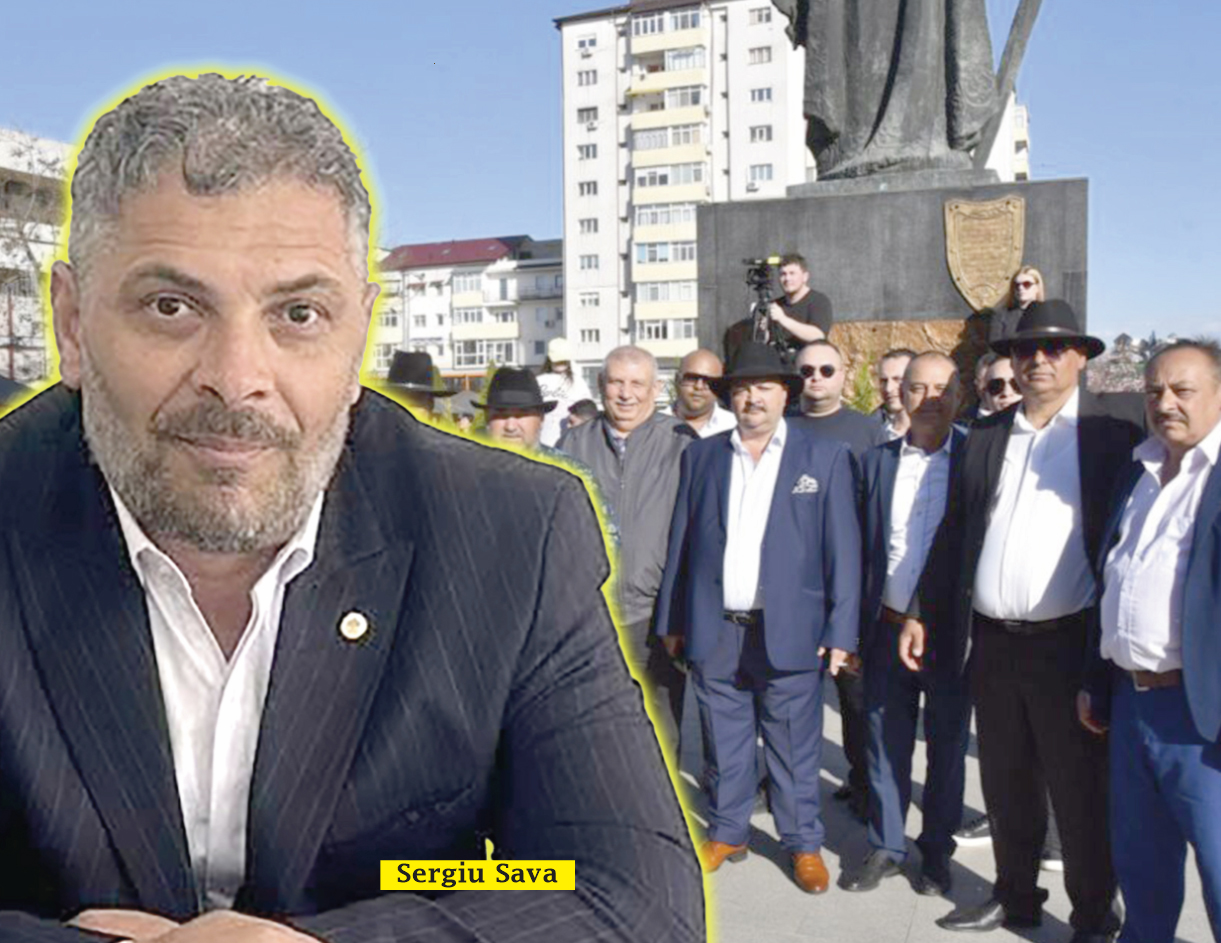
The scandal surrounding former Roma organization leader Sergiu Sava has led to calls for a complete restructuring of leadership within the community, as many believe the organization has not served their interests for years.

Community members allege that leadership positions have been filled through favoritism and corruption, with claims of bribes and lack of accountability for financial mismanagement.

There is a strong demand for educated leaders who can effectively represent the Roma community and address their needs, as the current leadership is criticized for being unqualified and disconnected from the community’s issues.

Romanian Relocation

Published by:

Romanian Relocation

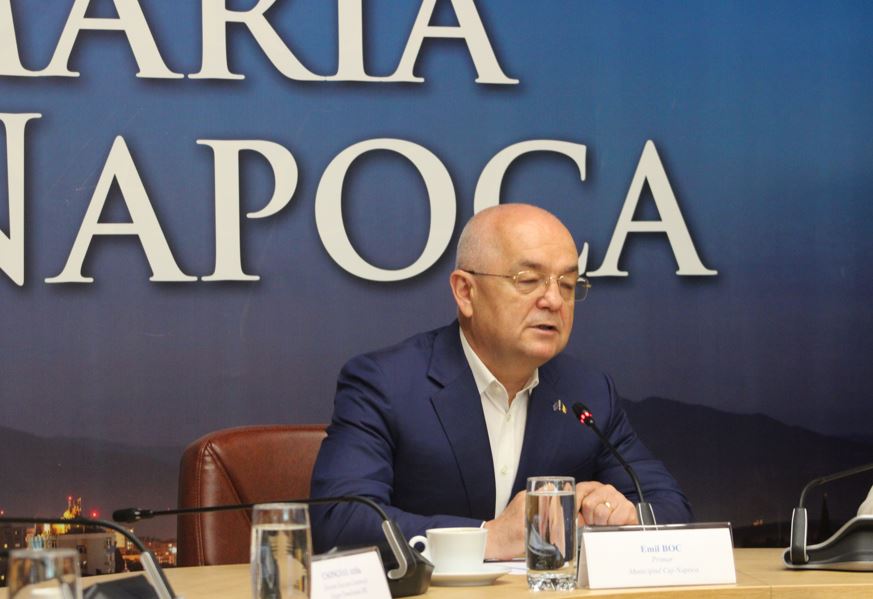
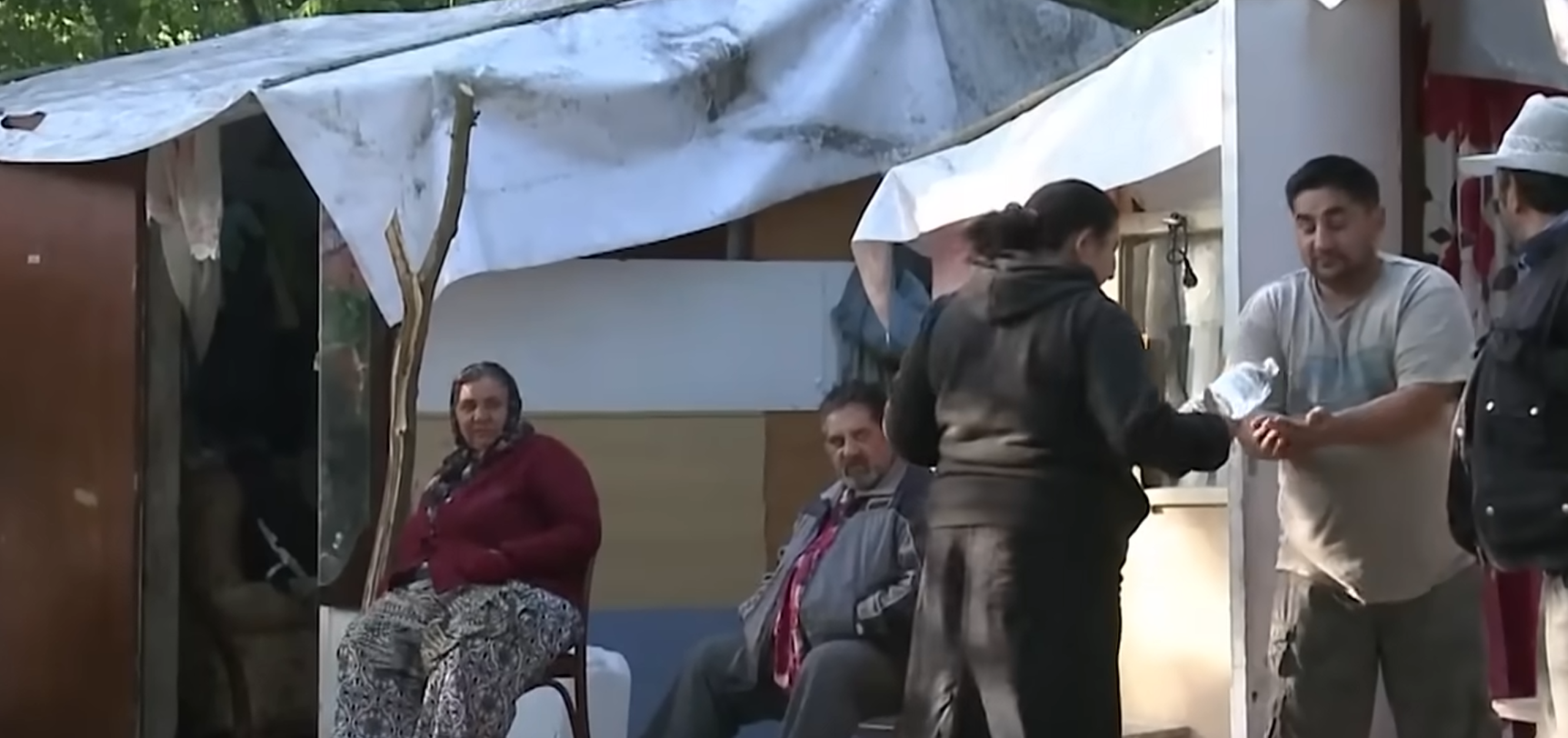
Emil Boc, the mayor of Cluj, emphasized that the integration of families relocated from the Pata Rât area is progressing well, with over 100 families already housed in rented accommodations, and no issues reported regarding unpaid bills.

The city is committed to social housing projects and support programs, including financial assistance for rent, aimed at vulnerable populations, particularly those from the Pata Rât area.

Boc rejected claims of integration challenges, asserting that the process is ongoing and supported by various funding sources, and highlighted the importance of work and education for successful integration.

Relocation

Published by:

Relocation

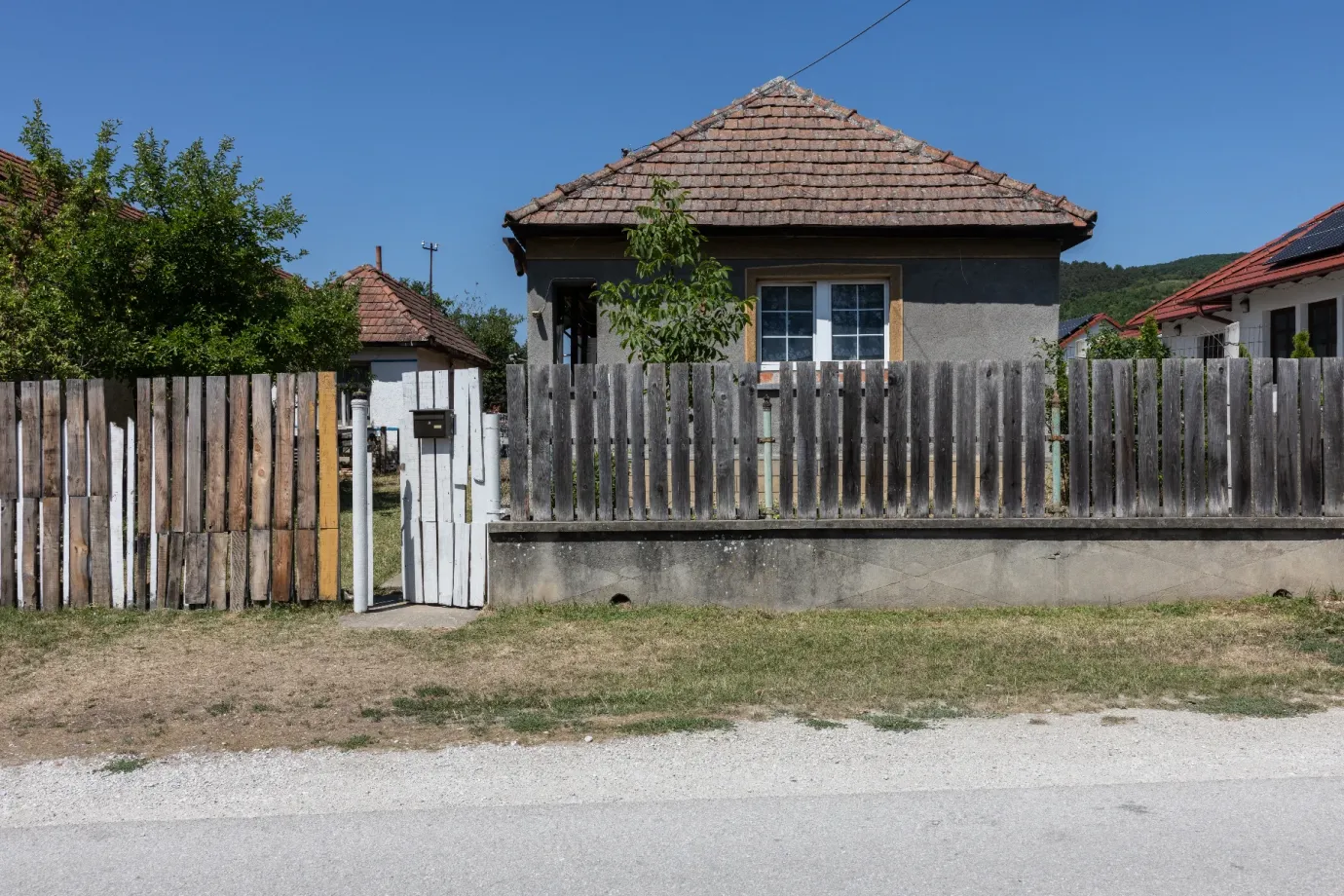
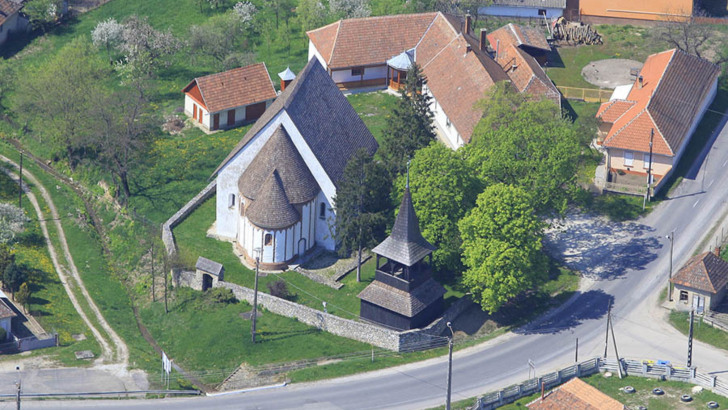
The story of the the Roma families evicted from a settelment in Košice, Slovakia, who relocated to Szalonna, Hungary seems to have taken another turn.

Two Roma families, who apparently do not speak Hungarian and live in deep poverty, have reportedly left Szalonna for Košice, but it is unclear if their departure is permanent or temporary.

Local residents expressed fears of mass resettlement of Roma families from Slovakia, prompting the Szalonna municipality to quickly pass a regulation to prevent further relocations.

The situation has drawn political attention, with a mayoral candidate in Košice using the issue to gain popularity, while the families face challenges due to language barriers and lack of social services in their new location.

LGBTQ+ and a song

Published by:

LGBTQ+ and a song

A controversy has erupted around Azis’s new song “Mangava tu” due to the use of the phrase “aman от pedali,” which has been criticized as homophobic by LGBTQ+ communities.

Critics argue that Azis, who is openly gay, is normalizing hate speech against sexual minorities, while supporters claim he is using a term familiar within the gay community.

Drag queen Malina Yank defended Azis, stating that within the LGBTQ+ community, such terms can be used among members without malice, emphasizing the importance of artistic expression even if it may offend some.

Really?

Published by:

Really?

A municipal councilor in Sofia, Carlos Kontrera, proposed to immediately stop public transport lines in Roma neighborhoods following a violent incident involving a bus in the ‘Hristo Botev’ area, predominantly inhabited by Roma.

Kontrera claims that previous measures to shorten the bus route reduced incidents of vandalism, and he plans to propose further restrictions on the bus line.

He emphasizes that public transport is not a given for those who vandalize and suggests that stricter measures, including police presence, are necessary in these areas.

Kosovo Politics

Published by:

Kosovo Politics

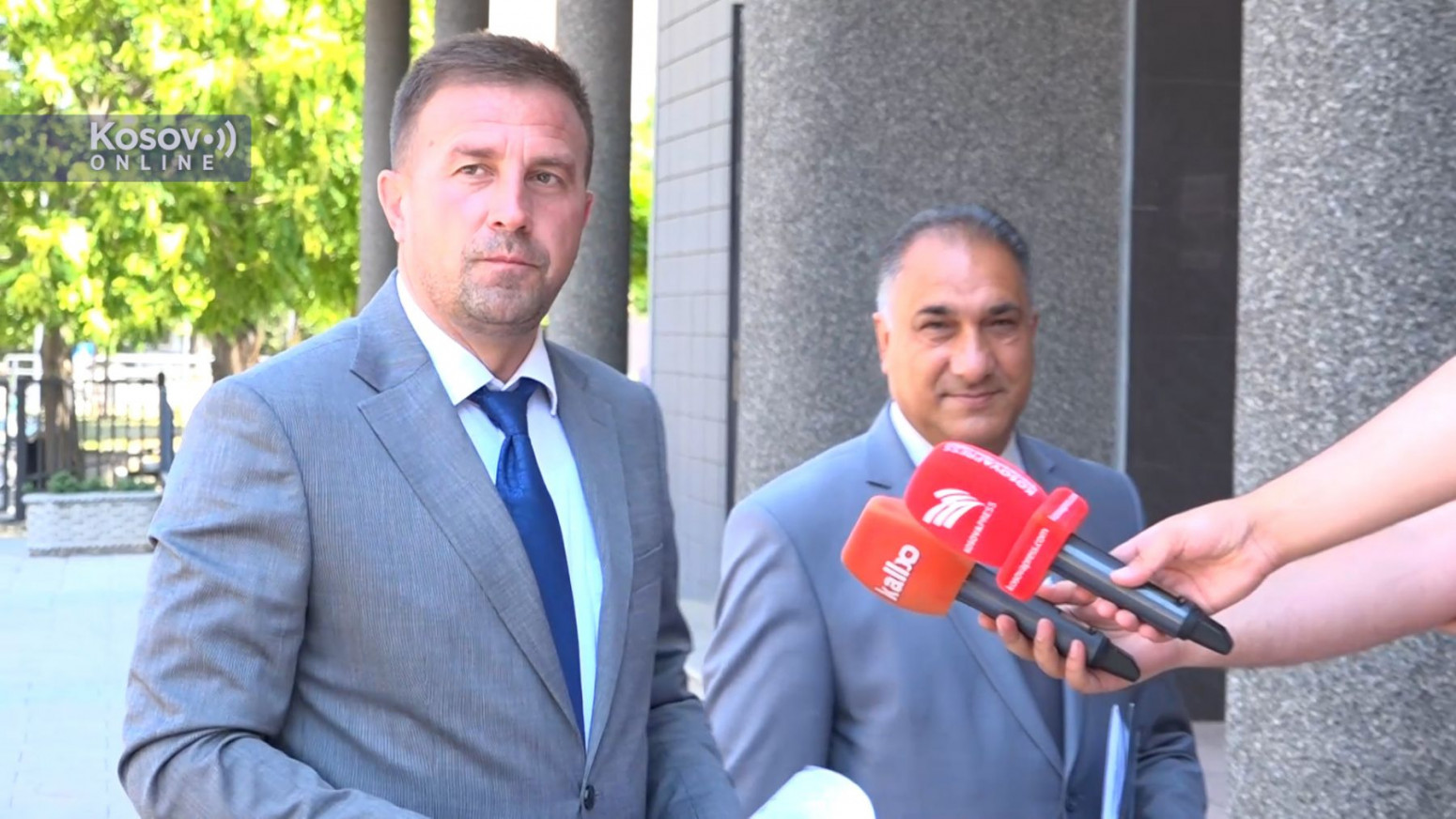
Albert Kinoli, a member of the United Roma Party of Kosovo, and Rasim Demiri, president of the Bosniak VAKAT party, expect to meet with Prime Minister Albin Kurti about forming institutions soon.

Kinoli expressed readiness to participate in the formation of Kosovo’s institutions and to vote for the president, emphasizing the urgency of establishing these institutions.

A constitutive session of the Kosovo Assembly is scheduled for tomorrow following the elections held on June 7.

Affirmative Action

Published by:

Affirmative Action

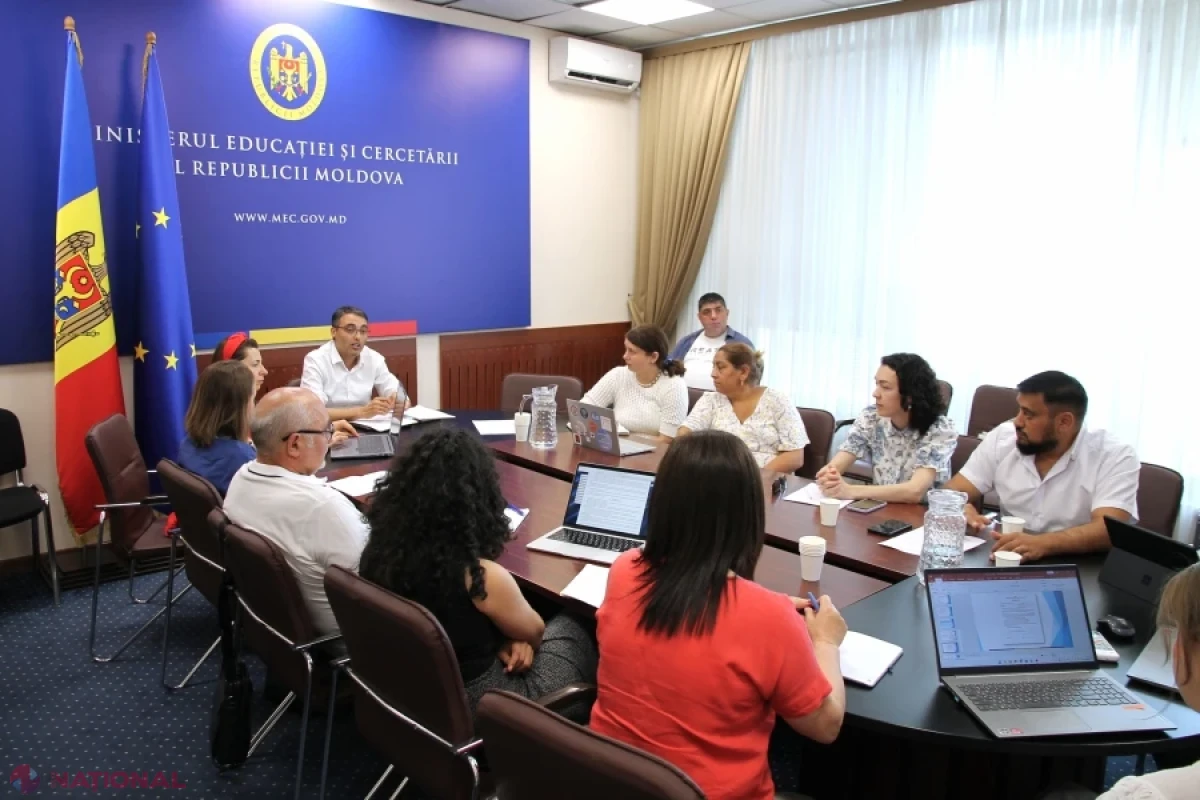
The Romanian Ministry of Education discussed the expansion of affirmative measures for Roma students and clarified the role of a mechanism to confirm Roma ethnicity during consultations with various stakeholders.

Approved measures for the 2026-2027 academic year include guaranteed places in primary, secondary, and higher education, as well as scholarships and a mechanism for confirming eligibility based on ethnicity.

The confirmation mechanism is voluntary and aims to ensure that affirmative measures reach the intended beneficiaries, with the document being issued by Roma community organizations or local authorities.

Racial Persecution

Published by:

Racial Persecution

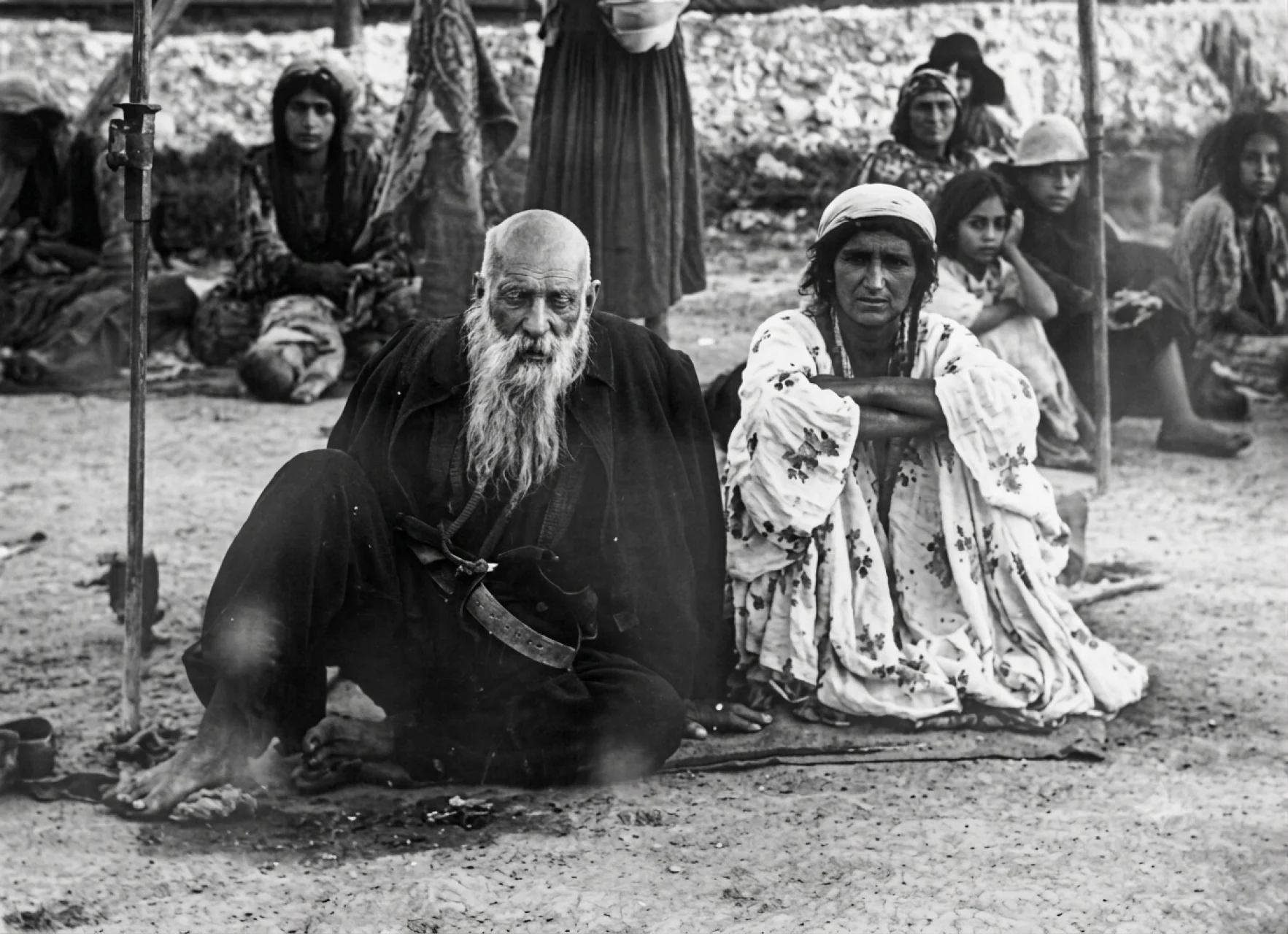
Accodting to the article, the roots of Nazi persecution of the Roma can be traced back to changing perceptions of the group during the modernization of European societies, as discussed in Sławomir Kapralski’s book “Naród z popiołów”.

In the 19th century, racial theories emerged that interpreted social and cultural differences as inherent biological traits, leading to the ‘naturalization of difference’ and viewing Roma as biologically distinct and unchangeable.

This perspective shifted the view of Roma from a social problem to a biological one, resulting in their increasing exclusion and eventual persecution, including sterilization and extermination.

Population Census

Published by:

Population Census

The article discusses the ongoing debate regarding the accurate population count of the Roma community in Hungary, highlighting discrepancies between census data and researchers’ estimates due to factors like identity and assimilation.

According to the latest census, about 210,000 people identified as Roma, (a 30% dreacres relative to the previous Hungar4ian Census) but estimates suggest the actual number could range from 500,000 to 1 million, with projections indicating a significant increase by 2050.

The Roma population is characterized by a young demographic structure, with higher birth rates compared to the general population, raising questions about future coexistence and integration with Hungarian society.

This latter statement is again unsubstanciated. It is assuming that all Roma have many children, whereas the majority is not. Many children is related to poverty, not to being Roma.

Relocation

Published by:

Relocation

Authorities in Hungary are investigating the relocation of Roma families from the illegal settlement in Košice, Slovakia, to Hungary, focusing on the organization and funding of the process.

The relocation, which began in July, has raised concerns about the rights of the residents, including access to healthcare and education, as the government was informed only shortly before the move.

The mayor of the district claims the move was voluntary and aimed at helping families improve their living conditions, while a police investigation has been initiated following a complaint regarding the legality of the relocation.

Burgenland Roma

Published by:

Burgenland Roma

A docuemntary about Roma from Burgenland, featuring texts by Michael Köhlmeier, spans from the 1930s to the present, addressing themes of adaptation pressure, persecution, and exclusion, while also celebrating the cultural diversity and vibrancy of the Burgenland Roma community.

The Roma community played a significant role in the creation of the documentary, with historical settings resembling a Roma camp from the 1930s being constructed for filming in Oslip.

Musical contributions to the film include works from Ferry Janoska and Tony Wegas.

Silence …

Published by:

Silence …

On August 2, Hungarian Prime Minister Péter Magyar and Speaker Ágnes Forsthoffer remained silent about the Roma Holocaust, which the Roma Press Center criticized, stating that silence is also a stance.

They emphasized the importance of acknowledging the historical tragedy of the Roma community, particularly the extermination of nearly 3,000 Roma individuals at Auschwitz in 1944.

The article highlights the historical responsibility of the Hungarian state in the persecution and deportation of Roma people, calling for public acknowledgment and reflection on this dark chapter of history.

Relocation …

Published by:

Relocation …

That was to be expected. After the relocation of Roma from Slovakia to Szalonna, Hungary, the extreme-right movement “Mi Hazánk”manifested itself.

It is urging government officials to “protect” the village of Szalonna from the relocation of residents from troubled neighborhoods in Košice, citing concerns over mass migration.

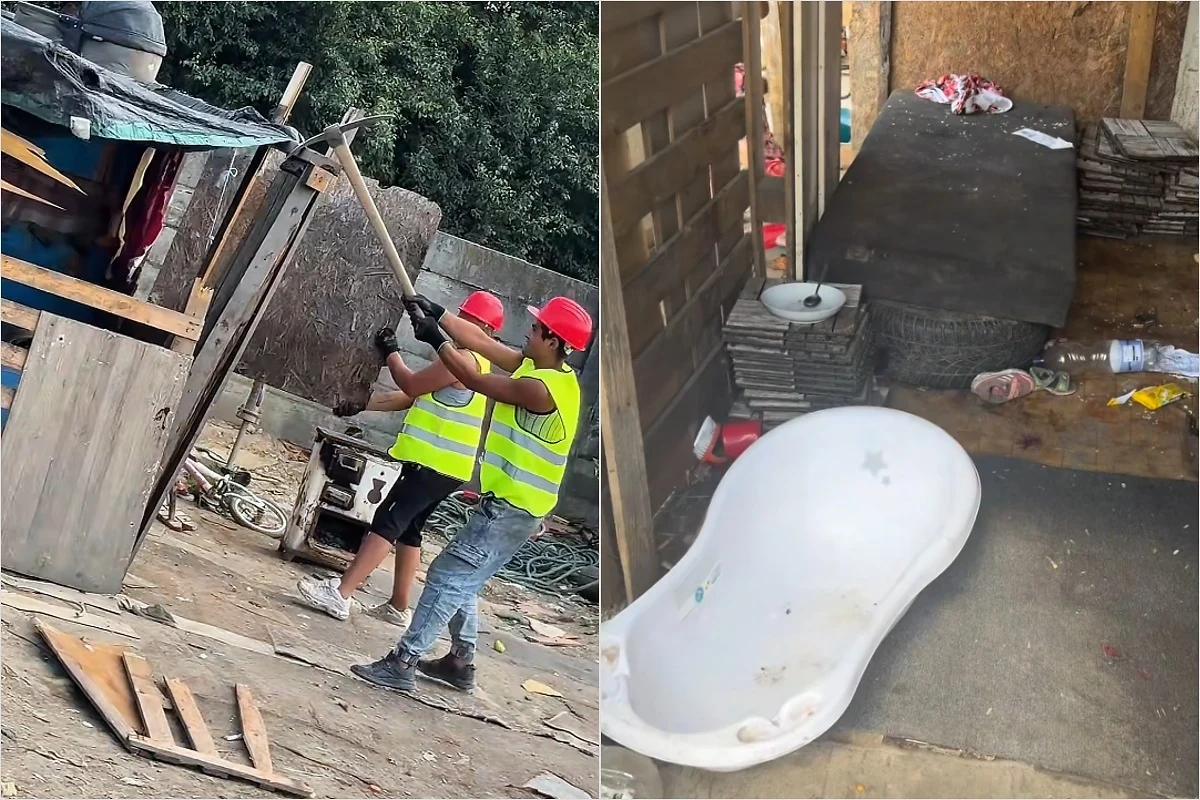
The Hungarian Ministry of Interior is investigating the relocation of Roma families from the Lubina settlement in Košice, focusing on the legality and transparency of the real estate transactions involved.

The demolition of the Lubina settlement, which affected seven families from a marginalized Roma community, has been described as highly unusual by the Slovak government’s commissioner for Roma communities.

Slovenia Commemoration

Published by:

Slovenia Commemoration

The President of the Roma Community in Slovenia, Jožek Horvat – Muc, emphasized that discussions about the genocide against Roma are crucial for understanding human rights and the current status of the Roma community.

He highlighted the dangers of marginalization and the persistence of anti-Roma sentiment in Europe, which is rooted in historical prejudice and exacerbated by contemporary socio-political issues.

The memorial event served as a reminder of the systematic extermination of Roma during the Nazi regime and underscored the importance of preserving historical memory to combat discrimination and promote social equality today.

Really?

Published by:

Really?

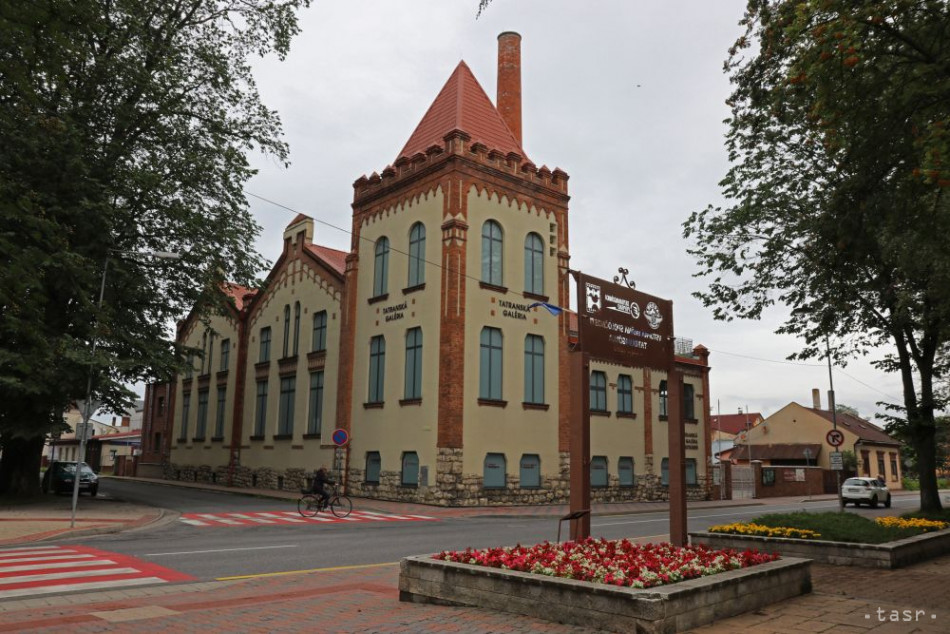
The Tatranská gallery recently opened a new exhibition. The project entitled The Color of Faith presents the works of Ľubomír Hajdučík and Jozef Sedlák. It is a theological-anthropological visual probe of the experience of faith in selected Roma communities from the settlements of Podhorany and Kolačkov.

So far so good … but then …

According to the gallery: “In the given realities, the project reveals the historically given essential orientation and attachment of the Roma in religious rituals to the magic of colors, the fascination with colorful ornaments and the ostentatiousness of clothing. In a contextual way, it captures the paradigm of the specific relationship of the Roma to the ceremonial service of liturgical ceremonies of baptism, first communion, funerals, weddings or the consecration of specific families, dwellings and entire urban spaces of settlements.”

Roma in Bosnia

Published by:

Roma in Bosnia

Dervo Sejdić highlights the historical persecution of Roma during the Nazi occupation and the ongoing discrimination in Bosnia and Herzegovina, particularly regarding the unimplemented Sejdić-Finci ruling by the European Court of Human Rights.

Sejdić, a prominent Roma rights advocate, gained recognition for his role in a landmark case that challenged the ethnic-based political system in Bosnia and Herzegovina, which excludes minorities from political representation.

Despite facing numerous obstacles, including nationalist opposition and a lack of international support, Sejdić continues to fight for the rights of minorities and the democratization of the country.

Ethnic Cleansing and Pogrom

Published by:

Ethnic Cleansing and Pogrom

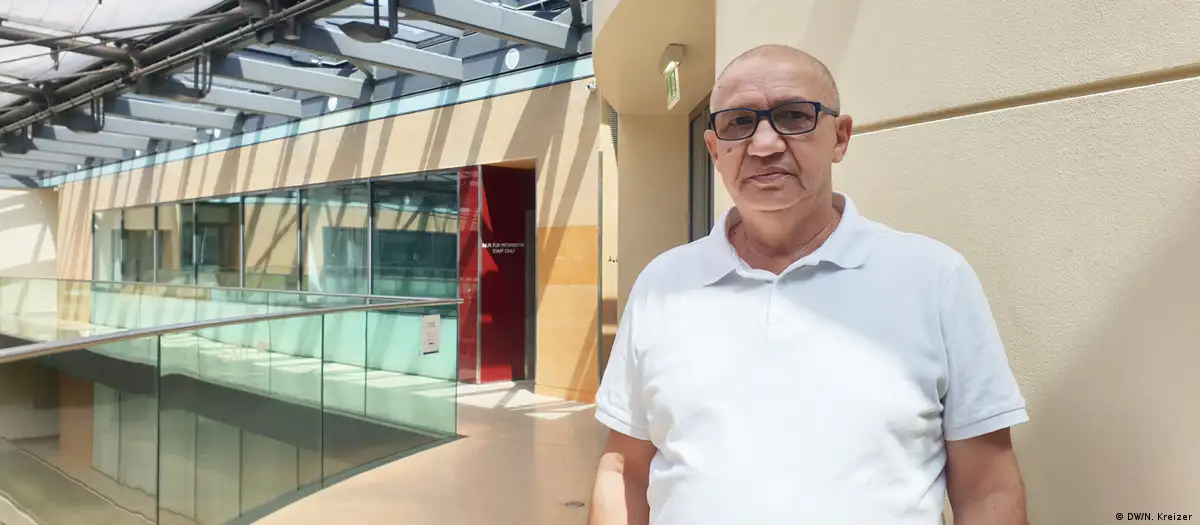
In April 1995, the Roma settlement in Danilovgrad, Montenegro, was completely destroyed during an anti-Roma pogrom after two young Roma were accused of having raped a local girl.

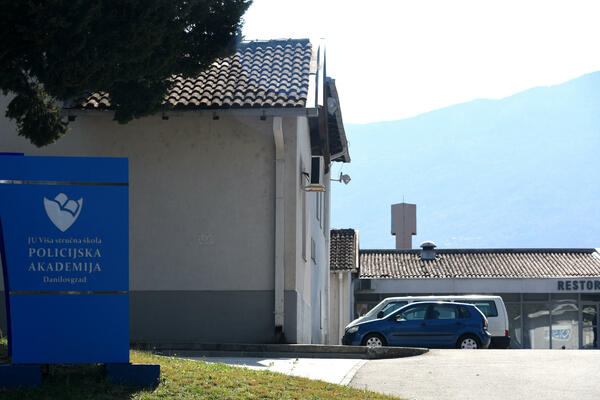
A police academy was built on the site of the settlement with no memorial left at the site.

Human rights activist Aleksandar Saša Zeković has called for a memorial to acknowledge the historical injustice and educate future police officers about the importance of protecting minority rights.

The UN Committee against Torture found that Montenegro violated international conventions by failing to prevent the violence and subsequent forced eviction of the Roma community.

Brawl in Bulgaria

Published by:

Brawl in Bulgaria

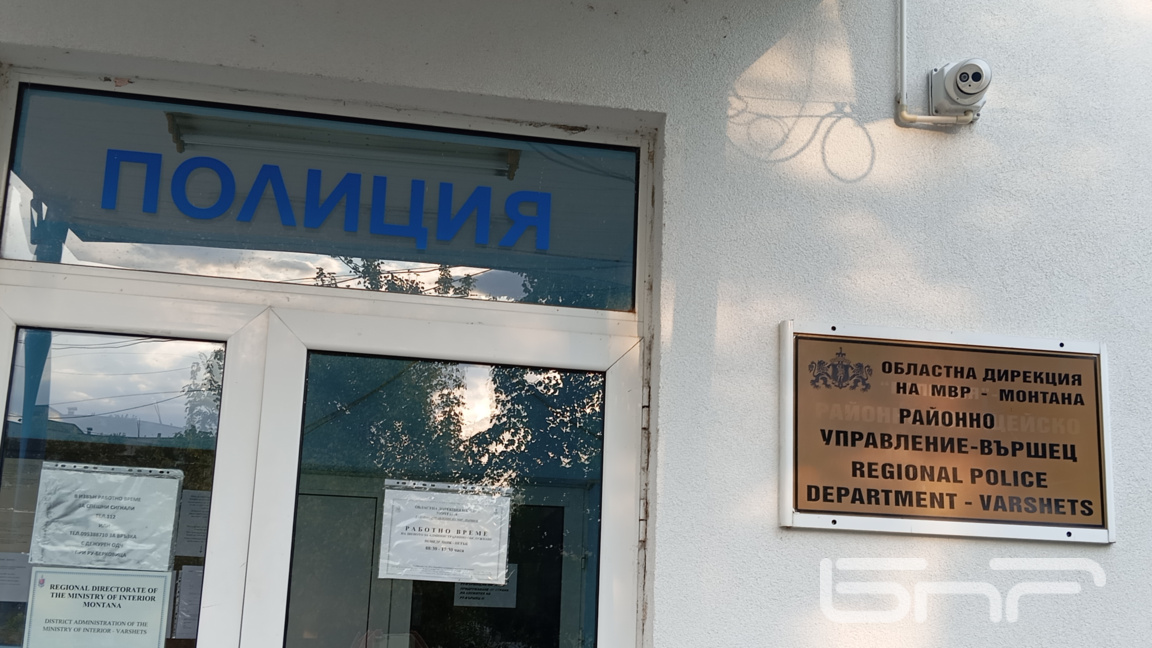
Several articles about a brawl among Roma families in Vurshitz, Bulgaria. Apparently this ivolved a large group of Roma but only resulted in one person sustaining a cut on its arm.

According to the articles, the police prevented a worse outcome.

Additional police units were deployed to maintain public order, and those involved in the fight were detained for up to 24 hours while an investigation was initiated.

Relocation – continued

Published by:

Relocation – continued

The Slovak government is overseeing the relocation of two Roma families from Košice to Hungary, with plans to evaluate the situation and issue a statement after visiting the families.

Local officials, including the mayor of Košice, deny claims of organized relocation, asserting that the families moved voluntarily and purchased properties independently.

Concerns have arisen in Hungary regarding the arrival of these families, leading to local councils considering regulations to protect community identity and prevent unwanted relocations.

Hungary and Roma

Published by:

Hungary and Roma

In her Facebook post, Minister of Education and Children’s Affairs, Lannert Judit, urged greater involvement of Roma communities, long-term cooperation and broader social dialogue.

The Minister announced in her post that the Roma Cultural Forum will be established at the initiative of the Social Policy Coordination led by Kriszta Bódis. The initiative aims to ensure that the experiences of Roma professionals, cultural actors and researchers are directly reflected in the preparation of policy decisions.

rroma.org
en_GBEN