Author Archives: Roma Foundation

Stara Zagora

Published by:

Stara Zagora

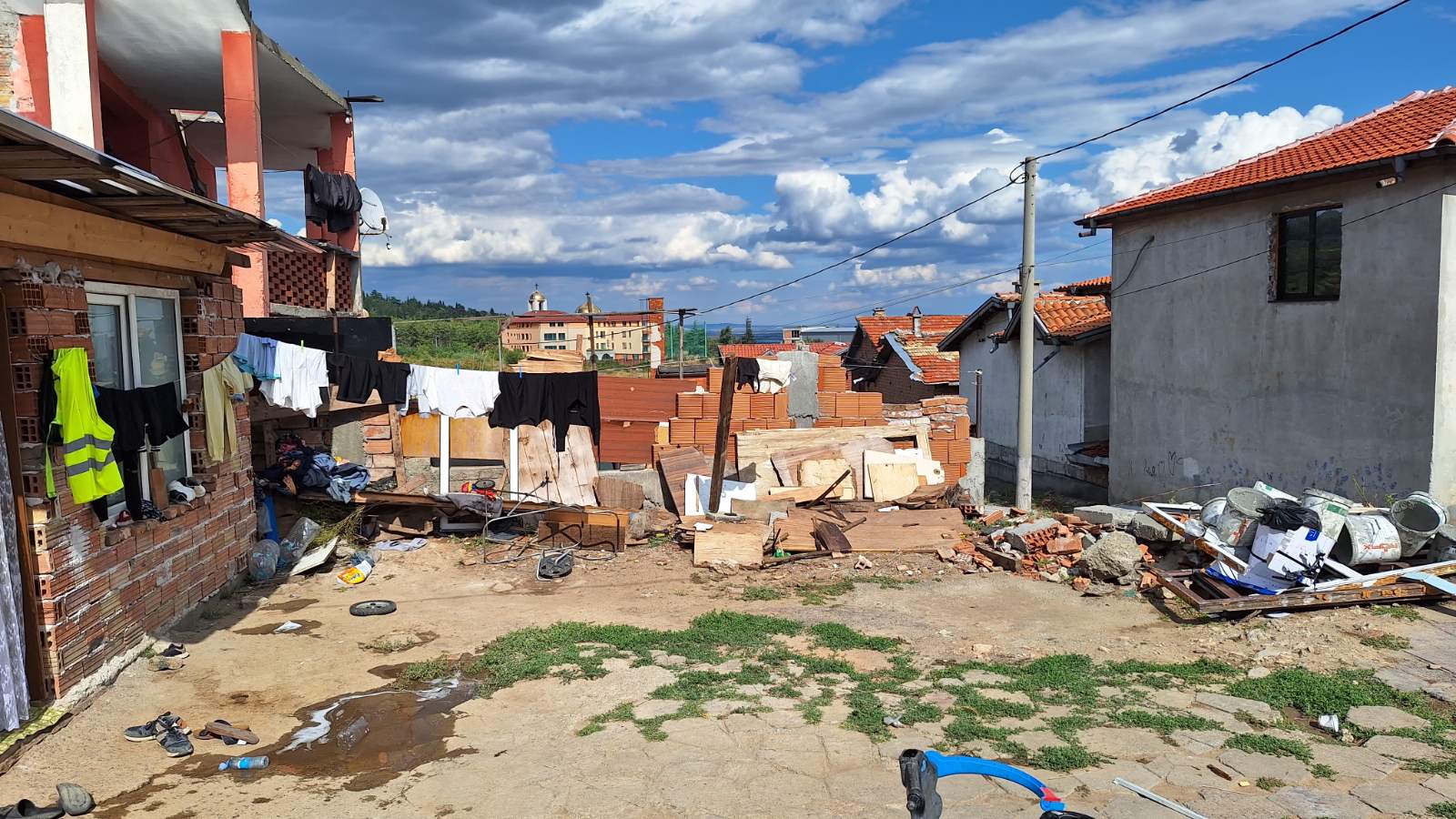
The municipality of Stara Zagora has postponed the demolition of around 30 illegal homes in the Lozenets neighborhood, primarily inhabited by Roma, for the second time, following calls from the Bulgarian Ombudsman and Amnesty International for a reassessment of the situation of affected families.

Concerns have been raised about the lack of adequate social assessments and the potential health risks for vulnerable individuals, including children and those with chronic illnesses, if the demolitions proceed without proper alternative housing arrangements.

The local government has been criticized for not conducting thorough evaluations of the impact on residents, particularly regarding the needs of children and people with disabilities, before enforcing the demolitions.

Relocation?

Published by:

Relocation?

To be verified and followed as this seems highly suspect.

A Hungarian article stating that there are plans to relecate Roma from Košice, Slovakia, to Hungary. The Slovak government office responsible for Roma communities has deemed the relocation of families to Hungary as “extremely unusual” and is seeking clarification on various legal and social issues related to the move.

Local leaders in Szalonna, Hungary, are calling for an extraordinary meeting to address the potential influx of families from Slovakia, with concerns about the legality of restricting entry based on language proficiency.

Allegations have been made regarding the possible economic motivations behind the relocation, with local officials questioning whether it is a strategy to clear land for future development.

Roma in Europe

Published by:

Roma in Europe

The European Union’s new strategy for combating discrimination against Roma, adopted on January 21, 2026, aims to address historical and institutional discrimination with more radical measures.

Roma, the largest ethnic minority in Europe, face significant socio-economic challenges, including high poverty rates and discrimination in access to education and healthcare.

The new strategy emphasizes education, equal rights, and political participation for Roma, while acknowledging the need to address broader societal issues that contribute to anti-Roma discrimination.

Housing in Slovakia

Published by:

Housing in Slovakia

The Slovak government has launched a €35.3 million initiative to support the construction, extension, and renovation of social rental housing aimed at increasing housing availability for young families, seniors, people with disabilities, and marginalized Roma communities.

Municipalities are required to maintain the rental nature of these apartments for at least 20 years and offer them at regulated rents, with a minimum percentage of units allocated for Roma communities based on their representation in the municipality.

Additional conditions include reserving 15% of the apartments for people with disabilities and establishing a maintenance fund of at least 0.5% of the acquisition costs to ensure long-term sustainability.

Slavery

Published by:

Slavery

The article discusses the historical and contemporary devaluation of Roma lives, highlighting a 1852 advertisement for the sale of Roma slaves in Romania.

It explores the etymology of terms used for Romani people, noting the negative connotations associated with the word “Gypsy” and its implications of being marginalized and dehumanized.

The author reflects on societal attitudes towards Romani people, exemplified by the recent police killing of a young Romani man, emphasizing ongoing discrimination and violence against this community.

Published by:

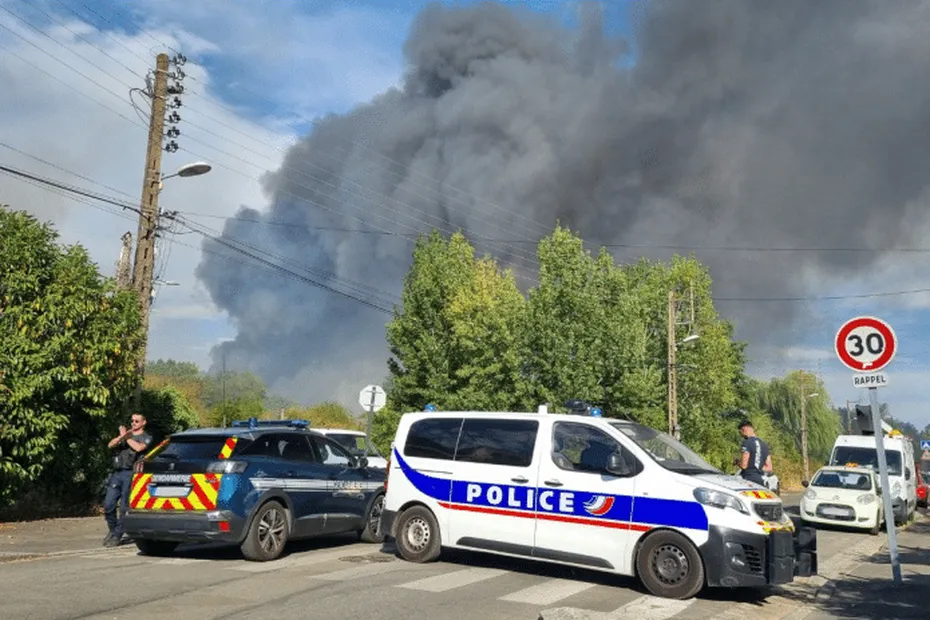
Al the articles this week on Roma in France focused on two fires in two Roma camps in Nantes and Saint Herblain. In the “Prairie des Mauves” in Nantes, 10 hectares burnt down, most caravans were destroyed. In the other fire in Saint Herblain, nearly 8 hectares and several caravans burn down. Now nearly 200 people have nowhere to go.

According to the police, the fire in the Prairie des Mauves started when a car caught fire.

In Saint Herblain, one paper suggests that the Roma were invovled in planting canabis, although there are no proofs that the plants found were planted by Roma.

Death after Arrest

Published by:

Death after Arrest

On July 8 in Százhalombatta, Hungary, police intervened with a driver who was behaving erratically and resisted arrest, leading to the use of force; the man later died in the hospital days after the incident.

The Budapest Regional Prosecutor’s Office is investigating the circumstances of the police action, with the police cooperating closely with the prosecution.

Roma leaders expressed that no lawful police action should result in severe injury or death, emphasizing the need for police to respect necessity, proportionality, and human dignity during interventions.

Baro Bjav

Published by:

Baro Bjav

The Bulgarian pop-folk star Boni has released a new project titled “Big Wedding,” showcasing the traditions and culture of the Roma people in Bulgaria and beyond.

The music video premiered on her official channel and emphasizes themes of love, family, and unity through music.

Boni expressed gratitude to all contributors and her hometown of Sliven, highlighting the collaborative effort behind the project.

https://youtu.be/ekaIkAfJctI

Mobilisation in Zakarpattia

Published by:

Mobilisation in Zakarpattia

According to local reports, on July 23, a violent mobilisation action took place in Nagylucska, near Mukachevo, in Zakarpattia (Transcarpathian Ukraine) targeting the Hungarian-speaking Roma community,  Eyewitnesses claim that masked soldiers and police indiscriminately assaulted locals, with two men reportedly shot and forcibly taken onto buses.

The presence of special units is suspected, and local Roma representatives have rushed to the scene to assist the frightened community, although official confirmation from authorities is still pending.

Unemployment in Romania

Published by:

Unemployment in Romania

In the first months of the year, 44 Roma were employed through the National Agency for Employment (ANOFM), highlighting the challenges faced by this ethnic group in the job market.

A total of over 14,000 people were hired, with vulnerable groups, including 242 individuals with disabilities, making up a small percentage of the total.

Discrimination and social barriers are significant obstacles for Roma individuals seeking employment, as noted by a young Roma woman, Ecaterina Pitula.

Serbia and Roma Voters

Published by:

Serbia and Roma Voters

Serbian opposition figure Božo Drašković made derogatory comments about Roma in Serbia, accusing them of being corrupt and selling their dignity for money.

The article criticizes the racist attitudes of the current protesters who claim to uphold European values while showing contempt for minority communities. Here they take a pro-government attitude, and amalgamate the protesters with political opposition figures.

The article highlights the failure of media hosts to condemn Drašković’s remarks, indicating, according to the article,  a broader issue of racism and discrimination against the Roma community. Well, except that even Roma say that their votes have been bought, and this by the government …

Rudolf Huliak

Published by:

Rudolf Huliak

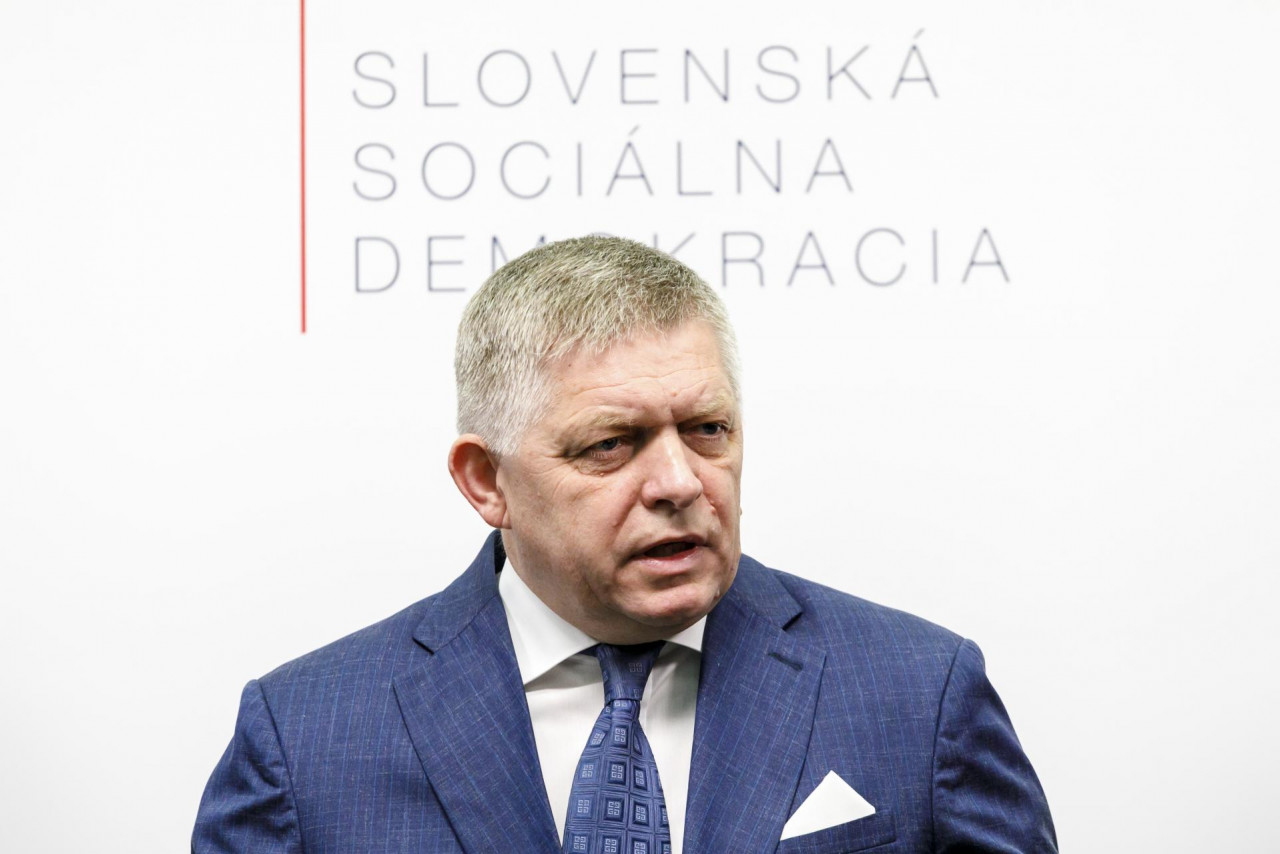
Minister of Tourism and Sports Rudolf Huliak has been advocating for the employment of Roma in Slovakia instead of accepting economic migrants for several months. He argues that Slovakia should focus on utilizing its domestic workforce and creating job opportunities for its own citizens.

Huliak questions the superiority of Indian migrants over Slovak Roma, emphasizing the need to employ local citizens rather than bringing in foreign workers. He also holds derogatody views about Roma and their willingness to work.

Slovenia and the Holocaust

Published by:

Slovenia and the Holocaust

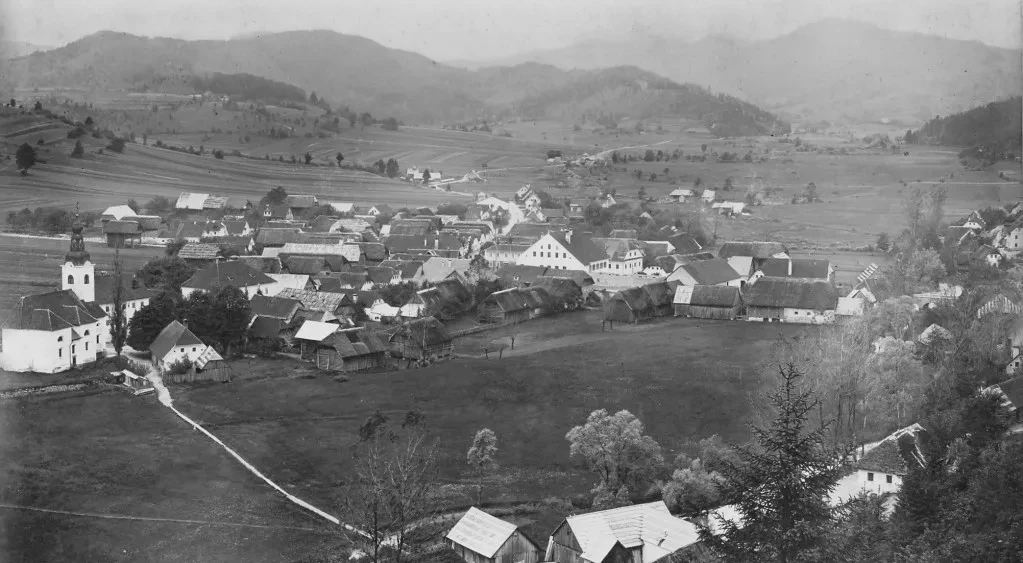
The article discusses the violent actions of communist partisans in Sodražica during May 1942, including the murder of 16 Roma and other locals, highlighting the impact of these events on the community.

It references the historical context of the region, including the rise of communism and the experiences of local families during the war, particularly the Kozina family.

While it is true that partisans executed Roma and others during the war, this is aprt of a new narrative in Slovenia whereby all crimes during the war were committed by others …  As a reminder, let’s just say the mayor of Ljubjana vetoed the transfer of Roma victims to the local cemmeraty devoted to victims of World War Two.

Police and Roma

Published by:

Police and Roma

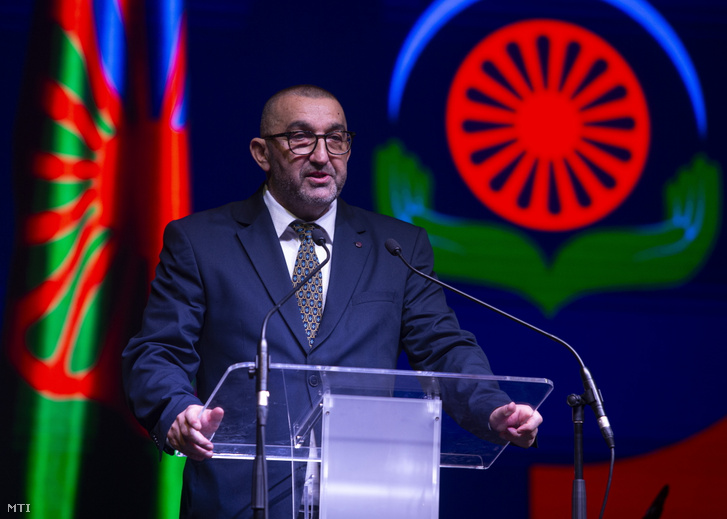
Hungarian Roma advocacy leaders emphasized that no lawful police action should result in severe injury or death, following the death of a father during police intervention in Százhalombatta.

They called for a thorough and unbiased investigation into the incident, expressing concerns over the premature reassurances from authorities regarding police conduct.

The leaders stressed the importance of mutual respect for the law by both citizens and police, insisting that police must act with proportionality and respect for human dignity.

Harri Stojka

Published by:

Harri Stojka

Harri Stojka, born on July 22, 1957, in Vienna, is a prominent Austrian jazz guitarist known for blending jazz, blues, rock, and Roma musical traditions, which he calls “Gipsysoul.”

He began his musical career in the early 1970s, founded the Harri Stojka Express in 1973, and has performed internationally, gaining recognition for his work on Gypsy Jazz and his engagement with Roma culture.

Stojka has received numerous accolades, including the Golden Honorary Badge for services to the Republic of Austria, and continues to perform and release new music while advocating for the remembrance of Roma history and culture.

Ostrava Protest

Published by:

Ostrava Protest

Police in Ostrava-Vítkovice have initiated criminal proceedings against seven individuals aged 18 to 38 for public disorder.

The incident occurred on July 19, following a prior agreement to meet due to a provocative video posted on social media. A confrontation ensued where a group of young men challenged a Romani man to a fight, which he declined, leading to one man brandishing a gas pistol and firing it into the air. The Rom ended up in hospital after having stabbed.

Stara Zagora

Published by:

Stara Zagora

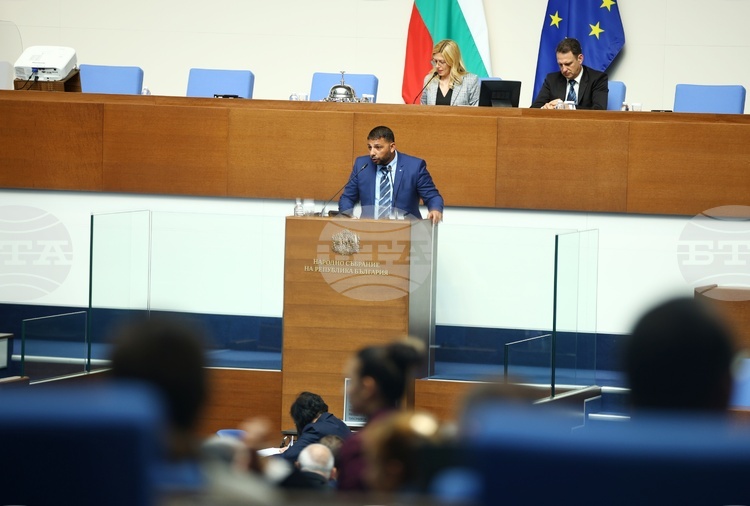
Marin Tihomirov, a member of the Bulgarian parliament, called for assistance from relevant institutions regarding the demolition of Roma homes in Stara Zagora, affecting over 30 families.

He emphasized the need for a clear plan for the relocation of these families and criticized the lack of a humane solution, urging the government to respect human rights.

Tihomirov appealed to all parliamentary groups to responsibly address the issue and highlighted the historical neglect of Roma communities despite previous integration efforts and funding.

Rape and Minorities

Published by:

Rape and Minorities

Survivors of wartime sexual violence in Kosovo were officially recognized in 2018, significantly later than other war victim categories, following years of advocacy by NGOs for women’s rights.

Over 2,100 victims of wartime sexual violence have been recognized, with 96% being of Albanian nationality, raising concerns about the neglect of minority victims in public discourse.

The story of Šehrije Baljaj, a Romani woman who testified about her rape in 1999, highlights the struggles of minority victims, as she passed away before her application for recognition was processed.

Education in Moldova

Published by:

Education in Moldova

A meeting organized by the Ministry of Education and Research focused on developing services for Roma communities through community mediators, involving various stakeholders.

Discussions included improving educational access for Roma children and youth, preventing school absenteeism, and enhancing access to health and social services.

The new regulation defines the role of community mediators and aims to strengthen cooperation between mediators and public institutions to support Roma communities in Moldova.

High School in Romania

Published by:

High School in Romania

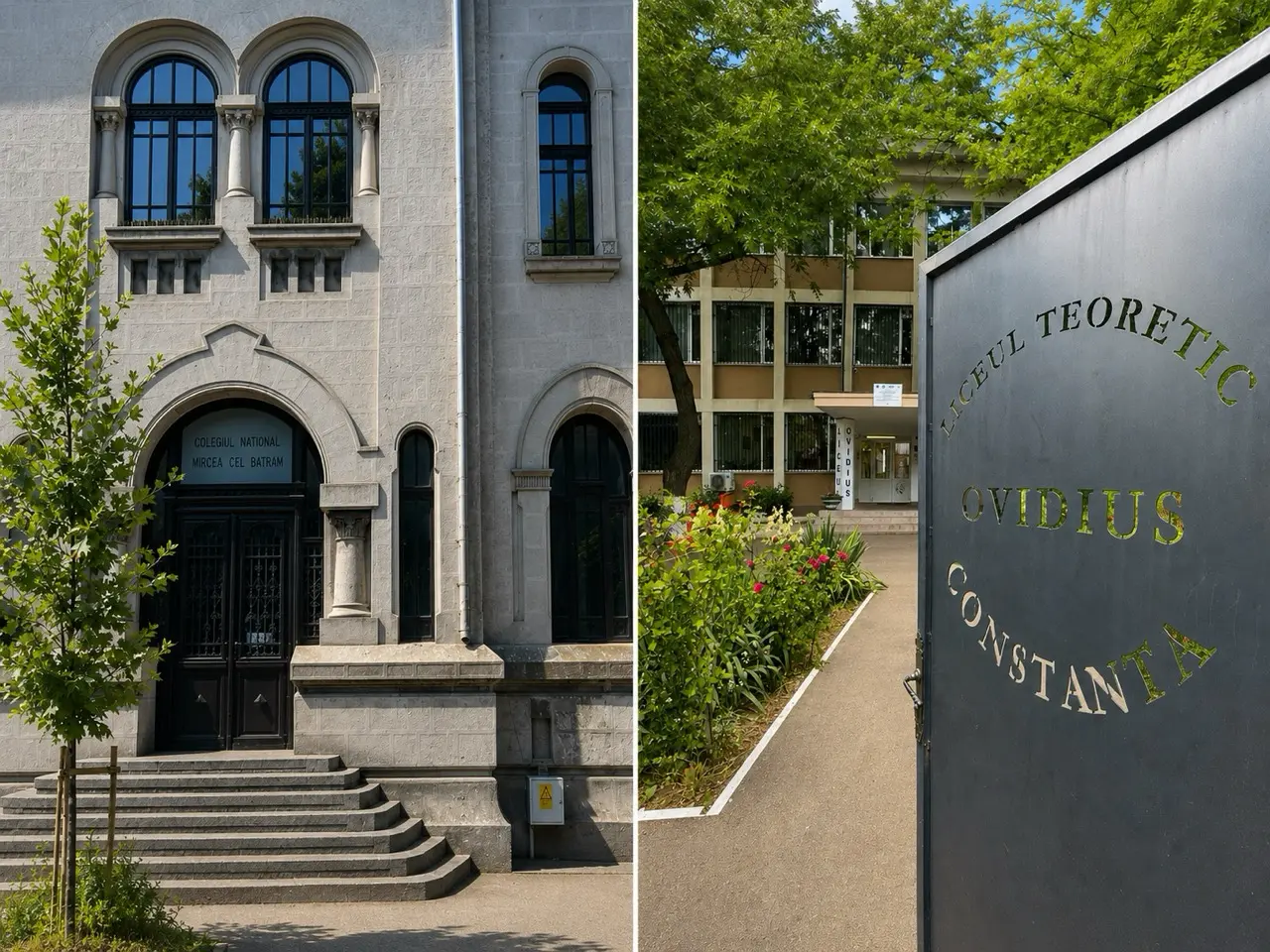
The admission process for high schools in Constanța for 2026 shows significant differences in average grades between general placements and special placements for Roma candidates and students with special educational needs (SEN).

Some of the most sought-after high schools admitted Roma candidates with averages below 6, with the lowest being 5.12 at Liceul Ovidius, while the lowest national evaluation scores were much higher.

A total of 17 candidates from these special categories were not placed, with the lowest average for Roma candidates being 1.90 and for SEN candidates being 1.35, indicating challenges in accessing education for these vulnerable groups.

rroma.org
en_GBEN