Author Archives: Roma Foundation

A Mahala against Drugs

Published by:

A Mahala against Drugs

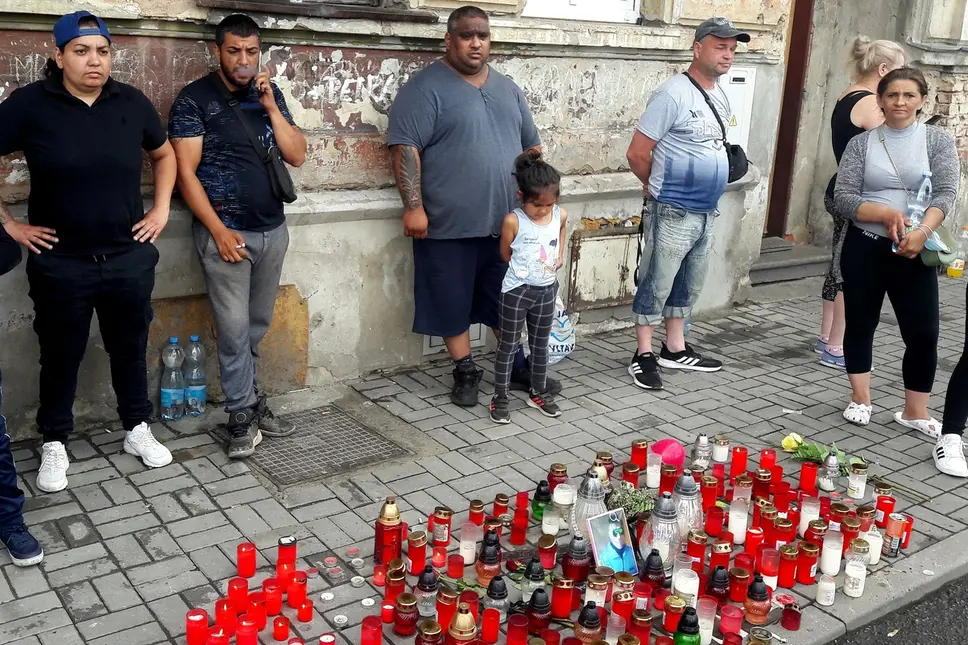
Roma residents from the “Hristo Botev” neighborhood in Plovdiv protested against drug dealers and drug distribution in their area, demanding effective measures to combat the issue.

The demonstration, titled “No to Drugs,” highlighted concerns for the safety and health of children and young people in the Roma community.

Local residents called for more active police intervention, with support from local boxing star Boris Veliev, who emphasized the need for justice and a drug-free environment for families.

Roma History

Published by:

Roma History

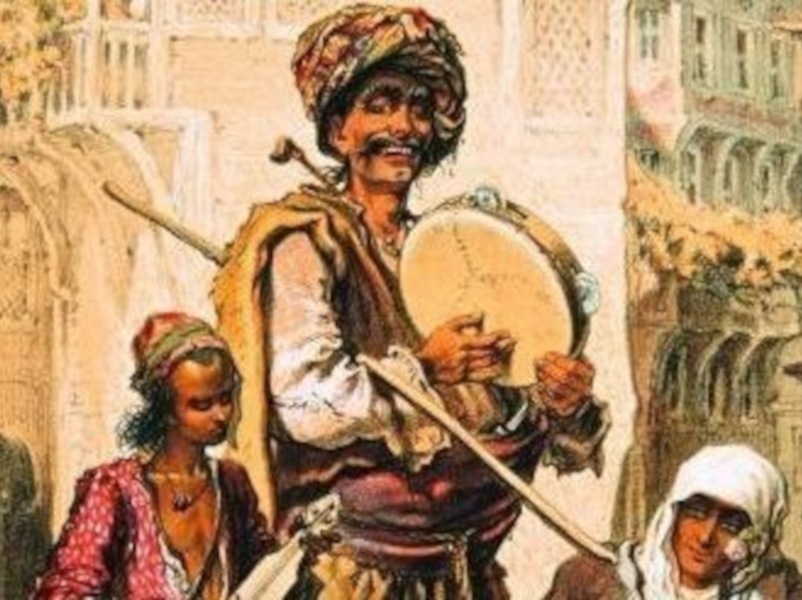
Two articles in the Greek press about the origins and history of Roma. These articles were propted by a feud on live TV Greek singer Vasilis Paiteris continues his public feud with MEP Afroditi Latinopoulou, questioning her stance in times of war and admitting he mistakenly voted for her party due to a friend’s candidacy. Paiteris labels Latinopoulou a “big racist” for her views on the Roma community, asserting that he will only apologize if she retracts her derogatory comments about them. During this, they both used the term “gyftos” that is considered to be pejorative.

The two articles are quite astonishingly accurate, with some debatable points. They also dwell on the origins of the various names given to Roma.

Disguised Discrimination

Published by:

Disguised Discrimination

According to this article, mass police operations against Roma communities in Greece reflect a broader European trend of redefining racial discrimination under the guise of crime prevention and public order maintenance.

The operations, characterized by surveillance drones and aggressive police tactics, have targeted 152 Roma communities, with over 76 operations conducted in just six months.

The rhetoric of crime prevention is used to justify systemic racism against Roma, with the Greek model potentially serving as a template for similar actions across Europe.

French Chronicle …

Published by:

French Chronicle …

News this week in France are still dominated by the fire on the site of the former Roma camp in Chambly. Its origins are unclear, and firefighters needed several days to extinguish it. The municipal opposition in Nantes accused the social services of having registered Roma to vote for the current socialist mayor. Also near Nantes, a mayor who was strongly opposing a housing scheme for Roma has now endorsed it because of the already spent money (so he says) but has introduced strong surveillance measures.

Switzerland and Jenische and Sinti

Published by:

Switzerland and Jenische and Sinti

The Swiss Federal Department of Home Affairs plans to establish an independent commission to investigate injustices against the Yenish and Sinti communities.

This decision follows calls from scholars and representatives of the affected communities for a thorough investigation into historical injustices.

Critics have expressed concerns over limited access to archival files and the need for a comprehensive inquiry into the persecution faced by these minorities.

Budapest Walk

Published by:

Budapest Walk

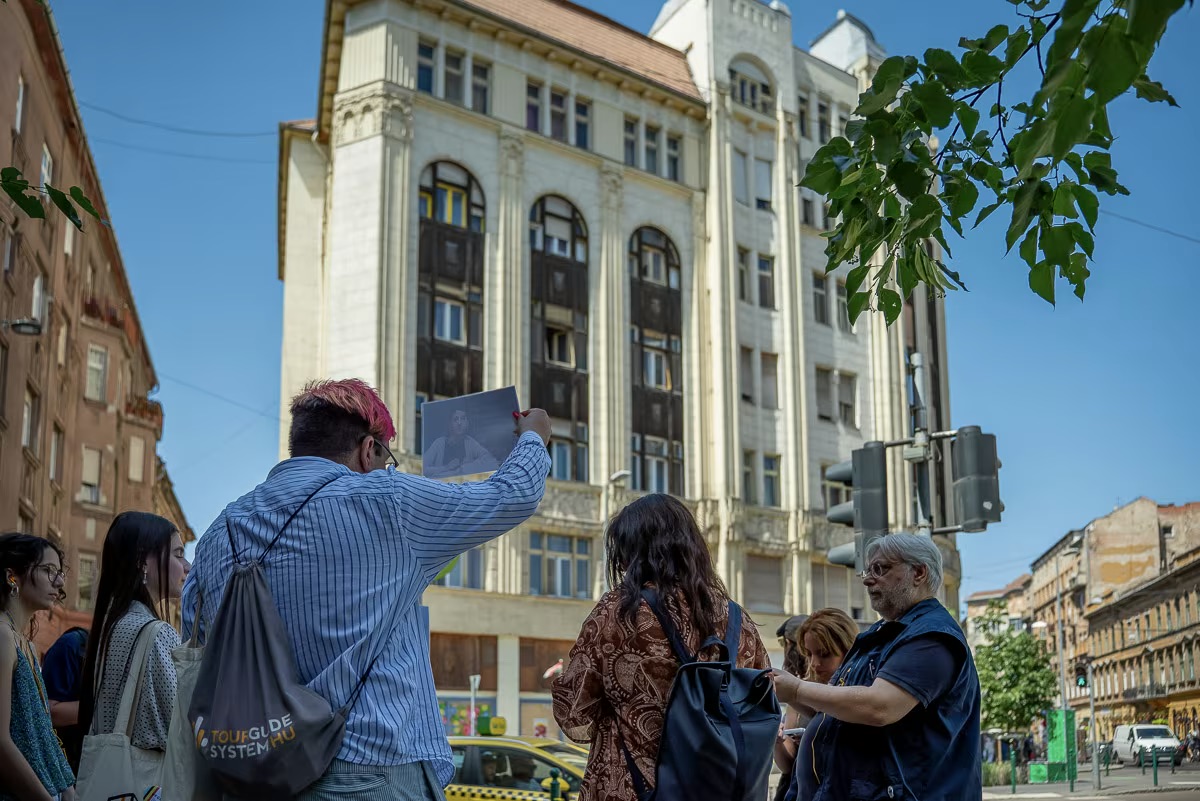
The new Józsefváros walk of the UCCU Foundation takes stock of the obvious and often invisible places of the Roma cultural presence.

This is not the first city walk of the UCCU Roma Informal Foundation, but the first one in Józsefváros – the foundation operates in the district, previously in H13, now in József utca. UCCU is not an average Roma advocacy organization, it is characterized by the self-awareness and independence of the Z generation (20–30 years old). The walk was also led by two young people, Norbert Horváth, who is already beyond his university years, and Csilla Berki, who is still a university student, who were also accompanied by Szilvia Szénási, the head of the foundation.

Crime in Greece

Published by:

Crime in Greece

The article says that in 2024, 70% of theft and burglary gangs in Greece were reported to be composed of Roma individuals, raising concerns about crime and ethnicity.

The article discusses the public’s desire for equality under the law, regardless of origin, while highlighting the perception of crime linked to specific communities.

It critiques the Greek political system for failing to address the root causes of poverty and social exclusion, advocating for equal rights and obligations for all citizens.

Bulgaria, Crime, and Roma

Published by:

Bulgaria, Crime, and Roma

Sociologist Alexey Pamporov argues that organized crime is not exclusive to Roma communities but is a result of deep poverty and institutional neglect. He highlights that similar illegal groups exist globally in areas like Rio de Janeiro, Hamburg, and Paris, where law enforcement is often absent.

The lack of educational and job opportunities for youth leads them to be drawn into criminal activities as an easy alternative.

SociolHe also criticizes the institutional blindness towards illegal wealth, highlighting the presence of luxury cars owned by unemployed individuals without legal repercussions.

The involvement of children of high-ranking officials in criminal activities complicates justice efforts, and there are concerns about lenient sentences for offenders, which discourage victims from testifying.

Michalovce, Slovakia

Published by:

Michalovce, Slovakia

In Michalovce, there is a significant Roma community facing several issues, with housing being the most serious problem.

The city plans to build rental apartments in the settlement, offering hope for change.

Many Roma students choose the Alexander Dubček Secondary Vocational School in Vranov nad Topľou for better opportunities, but not all manage to complete their education; a new scholarship program could help improve this situation.

Slovenia: New Project

Published by:

Slovenia: New Project

A new Slovenian project addresses the prevention of early and forced marriages, gender equality, women’s empowerment, and combating anti-Roma sentiment to enhance the skills of public officials working with the Roma community.

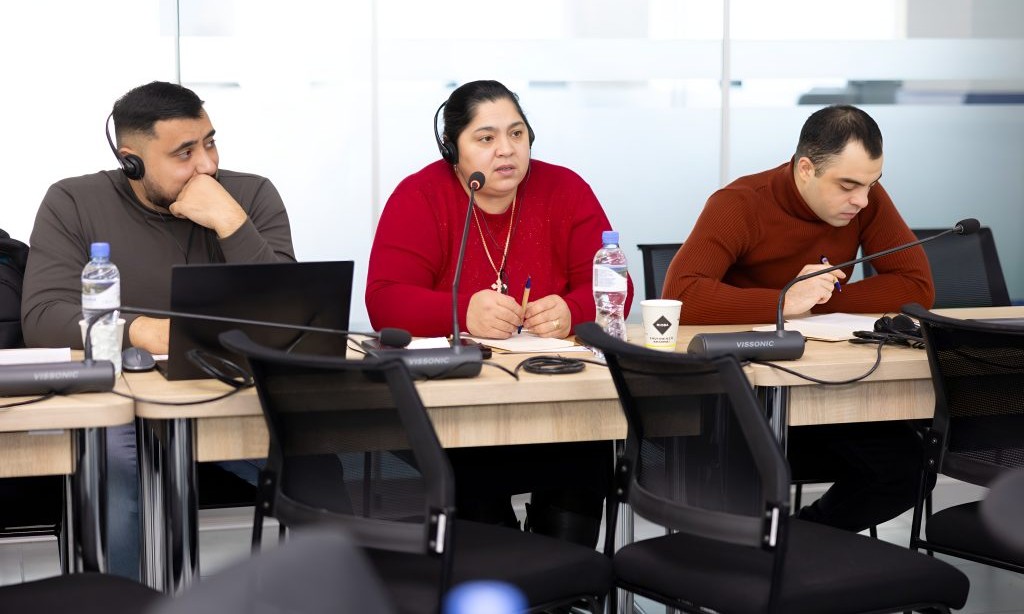
A training session was held online on June 12, 2026, focusing on various aspects of working with Roma youth, emphasizing inter-institutional cooperation and the role of social work centers. The training included presentations from government representatives and educational leaders, highlighting the importance of education in the lives of Roma youth and sharing best practices in inter-institutional collaboration.

Nice, but what is the impact?

Roma and Religion

Published by:

Roma and Religion

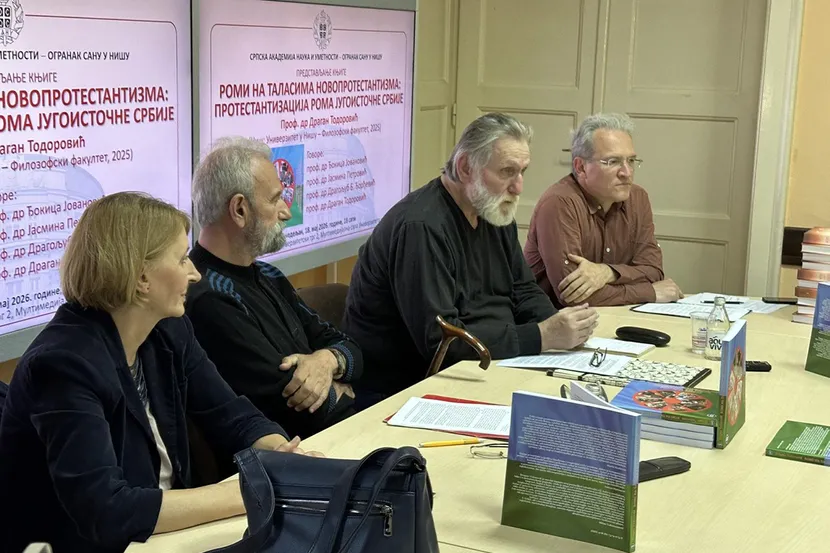
A new scientific study by sociologist Dragan Todorović explores the religious identity of Roma in Serbia, focusing on the growth of Protestant communities among them.

The study highlights the impact of religious changes on the daily lives, education, family relations, and social integration of the Roma community, particularly in southern Serbia.

Participants in the book promotion emphasized the importance of understanding the relationship between religion and social development to improve public policies for the vulnerable Roma community.

Roma History

Published by:

Roma History

Višnja Višnjić Milić won an award for her ethical reporting on Roma history and Holocaust remembrance, focusing on the suffering of Roma during World War II.

Her program “Građanin” highlighted the experiences of Roma in two concentration camps, showcasing journalistic integrity and high ethical standards. Milić emphasized the importance of creating understanding and dialogue about marginalized communities, viewing the award as motivation to continue her work against discrimination.

Bulgaria and Transgender

Published by:

Bulgaria and Transgender

This article alleges that the gang known as “Kalashniks” has taken control of the transgender sex work market, primarily involving Roma individuals, with many providing services for high rates.

Sources indicate that around 90% of transgender sex workers are of Roma descent, and the gang profits significantly from this operation, reportedly earning around 100,000 euros monthly. There are allegations of coercion and exploitation within the community, with concerns that many Roma gay men are forced into sex work as transgender women for the gang’s benefit.

As usual, “sources” are not named …

Appleby Horse Fair

Published by:

Appleby Horse Fair

Not so nice… Thousands of unsafe and counterfeit toys were seized during the Appleby Horse Fair, a major event for the Gypsy, Roma, and traveller community in the UK.

The toys lacked proper safety labeling and posed serious risks, including choking hazards, according to local authorities.

The Anti-Counterfeiting Group emphasized the importance of safety standards for children’s products and the need to protect cultural heritage events from criminal activities.

Romanes in Romania

Published by:

Romanes in Romania

In Cluj County, the Romanes is taught in various educational institutions, both urban and rural, with over 5,000 students identified as Roma in the educational system. The teaching is supported by 7 Romani language teachers and 26 school mediators, aiming to reduce school dropout rates in the Roma community. The National Day of the Romani Language is celebrated on June 16, emphasizing the importance of protecting and promoting the language and cultural identity of the Roma community in Romania.

Moldovan Mediators

Published by:

Moldovan Mediators

The Moldovan government approved changes to the regulations governing community mediators to enhance their effectiveness in assisting Roma families in accessing public services.

Community mediators will now have expanded responsibilities, including identifying vulnerable individuals and facilitating their contact with relevant public services. The reform includes ongoing professional training for mediators and aims to improve service quality and resource efficiency, promoting social inclusion and educational access for Roma children.

Illegal Dumps

Published by:

Illegal Dumps

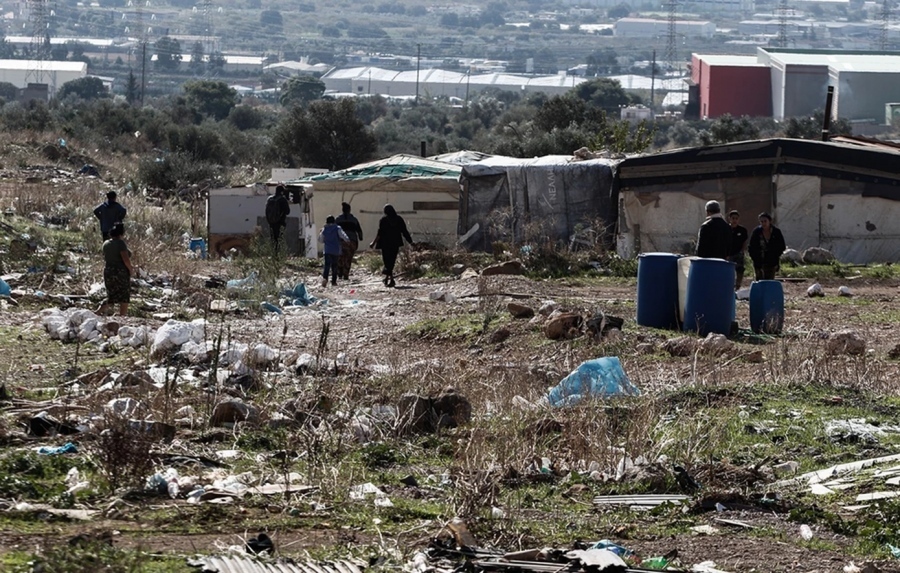
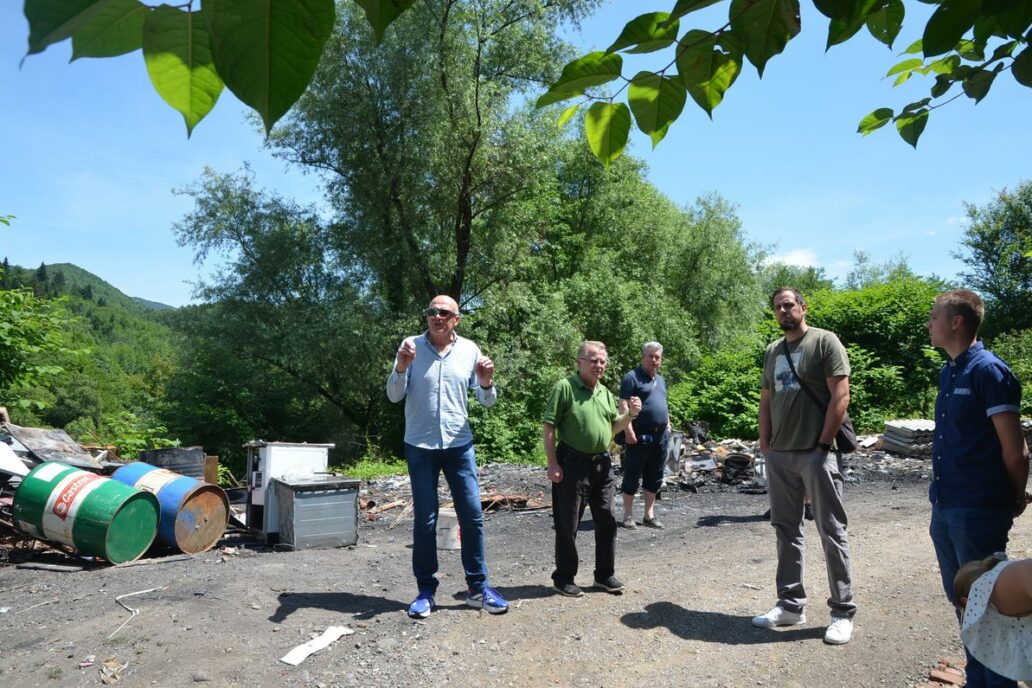
A roundtable discussion in Brod na Kupi in Croatia highlighted the illegal dumping and burning of waste by residents of the Gusti Laz area, raising concerns about environmental damage and public safety.

Local officials called for the relocation of part of the Roma population to more suitable living conditions, citing ongoing issues with crime and environmental degradation.

There is a significant debate over the labeling of the residents involved, with some officials arguing they should not be identified as Roma but rather as Croatian citizens, emphasizing the need for legal compliance and state intervention.

Lucie Fukova

Published by:

Lucie Fukova

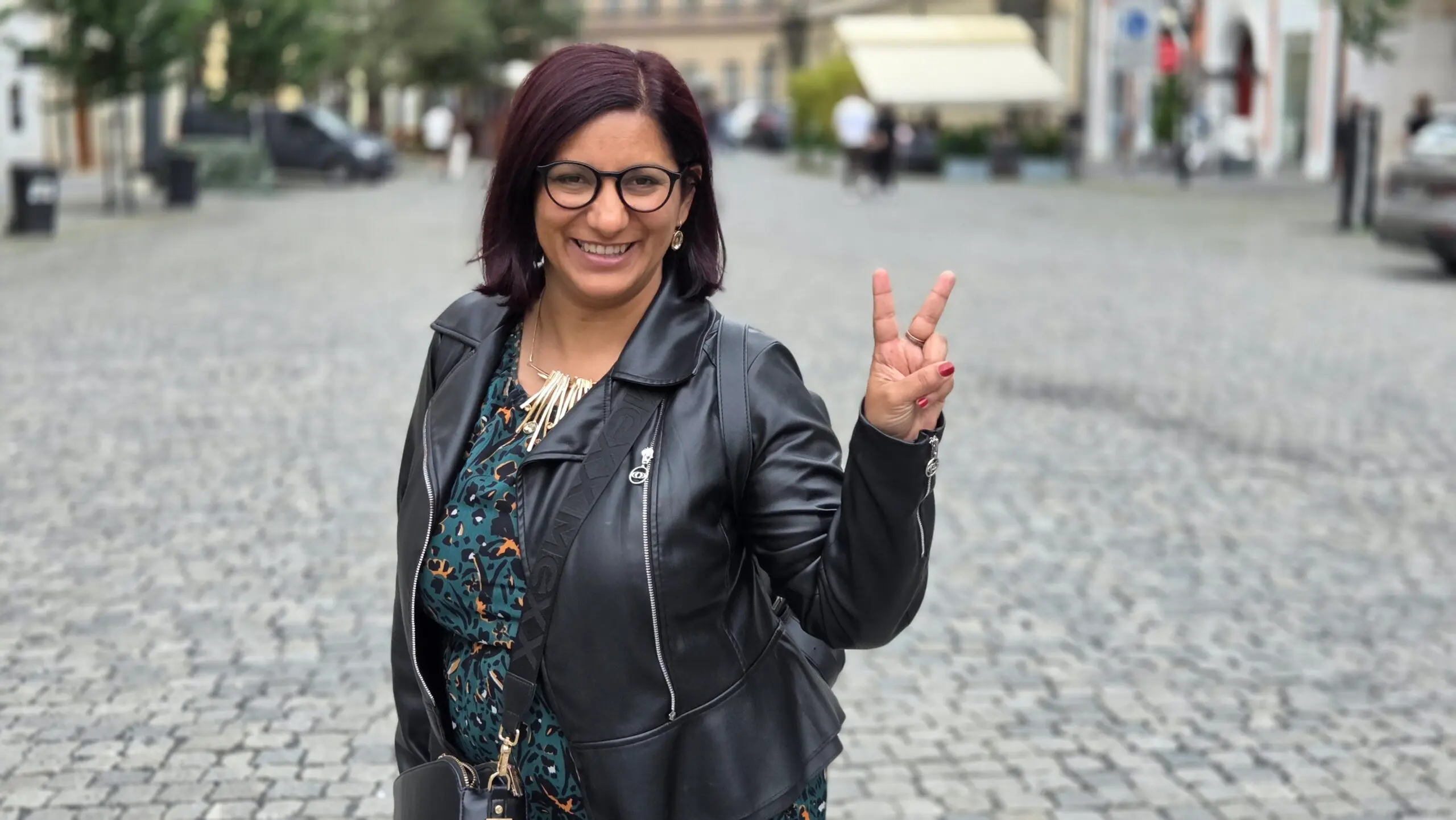
Lucie Fuková resigned as the Government Commissioner for Roma Minority Affairs due to disagreements over the new coordination system for the Romani agenda, which she believes undermines her ability to fulfill her vision for the role. She highlighted concerns that transferring the Romani agenda to the Labor and Social Affairs Ministry could reinforce negative stereotypes about Romani people being associated with social issues.

Fuková emphasized her achievements in fostering dialogue, combating antigypsyism, and promoting Romani participation in decision-making during her tenure, while vowing to continue advocating for Romani rights despite her resignation.

Unemployment in Serbia

Published by:

Unemployment in Serbia

Roma face high unemployment and discrimination, often leading them to work in the informal economy with low-paying jobs.

Marko, a 25-year-old from Kraljevo, struggled for three years to find a job after completing his hospitality education, facing consistent rejection due to prejudices against Roma. His experience reflects a broader issue in Serbia, where many Roma encounter similar barriers in the job market.

The articles discuss the broader challenges faced by Roma, including high unemployment rates, lack of access to education and healthcare, and the prevalence of working in the informal economy.

The BBC one emphasizes the need for targeted support and educational opportunities to improve the employment prospects of Roma, particularly women, who face additional discrimination and economic dependency.

rroma.org
en_GBEN