Roma and Sinti children are facing discrimination in German schools.
- Germany: Sinti and Roma children suffer discrimination. In: Deutsche Welle. 02.04.2025. https://www.dw.com/en/germany-sinti-and-roma-children-suffer-discrimination/a-72114110
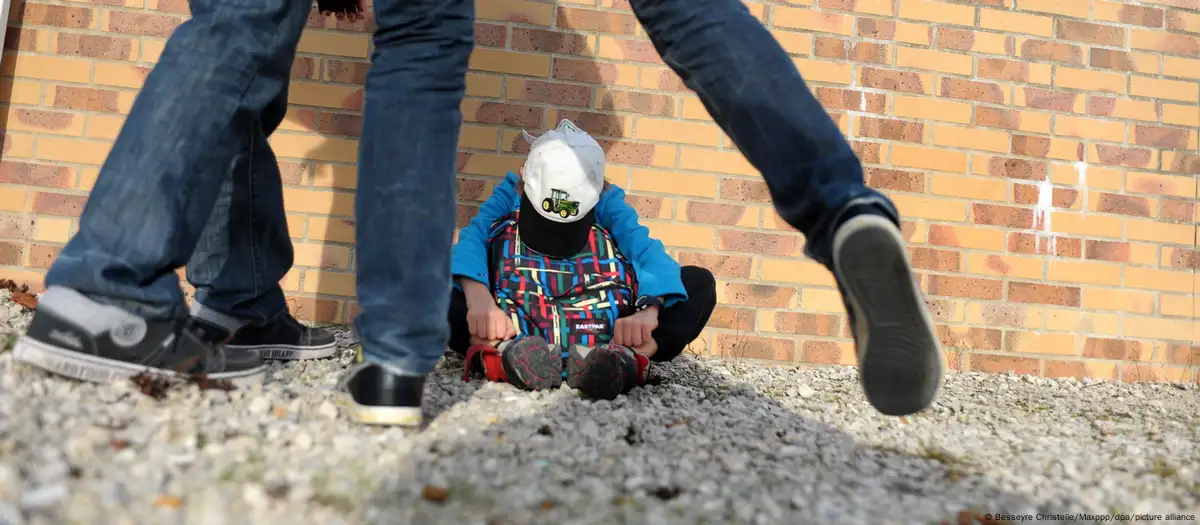
Roma and Sinti children are facing discrimination in German schools.

Several Roma associations and prominent Roma individuals from the Roma that Marinika Tepić publicly apologize to Roma for “fascist statements and attempts to criminalize and publicly target the entire Roma community”.
She had portrayed Roma who rescued an 11 year old boy who was being harassed by several Serbs as the attackers. Surveillance video shows clearly that the Roma were not the aggressors here.
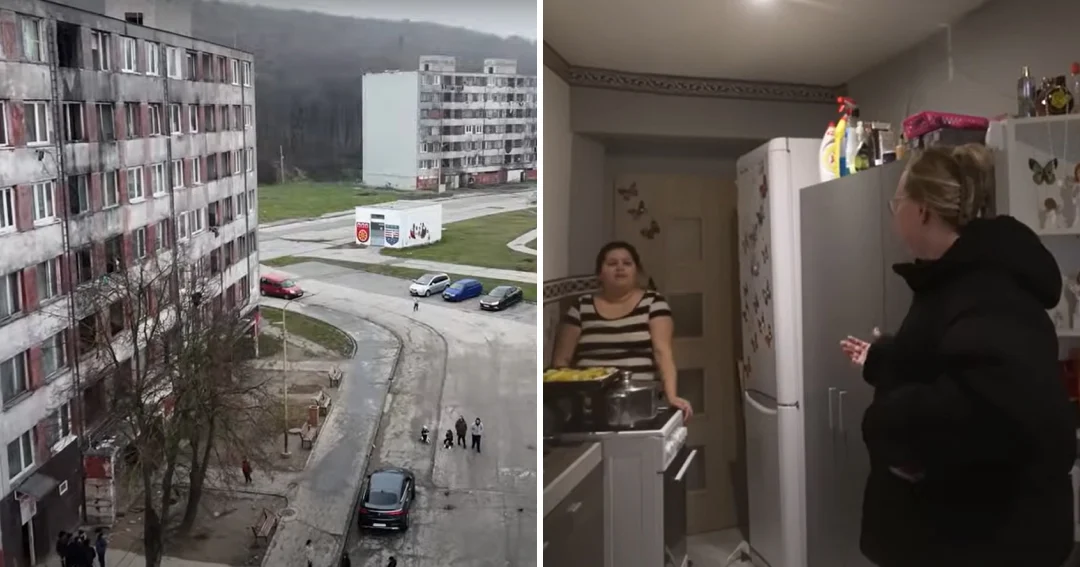
An Australian woman did a reportage inside apartments of the infamous Lunik IX estate in Slovakia. And surprise. The apartments are clean and well kept. Roma tell he about discrimination, especially when looking for work.
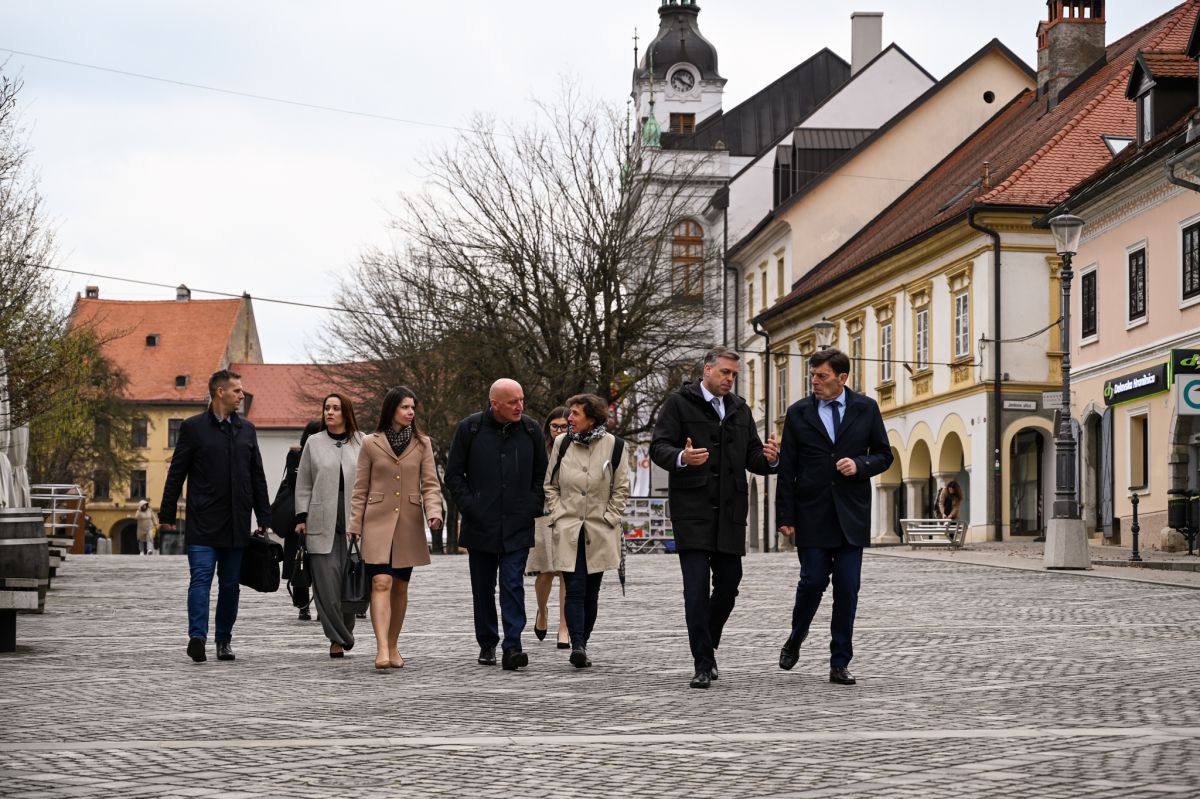
Novo Mesto Mayor Gregor Macedoni hosted Minister of Education Vinko Logaj on a working visit today, with whom they discussed, among other things, the issue of non-attendance at primary school, mostly of Roma, and safety at schools. Logaj stressed the need for joint action by several ministries, “since measures taken by one ministry alone will not be sufficient”.
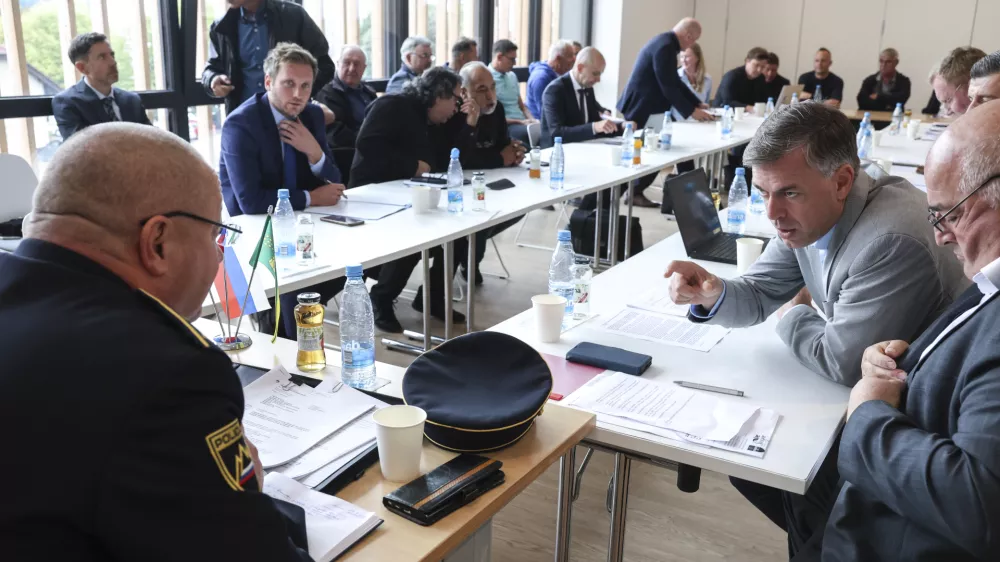
The President of the Roma Community Council, Jožek Horvat Muc, has called on Slovenian Prime Minister Robert Golob to abolish the working group for addressing Roma issues and establish a new commission for Roma issues. He accuses the current working group of doing too little and of being directed mainly by the mayors of southeastern municipalities. These municipalities clamour that the roma “problem” is getting worse.

A critique at the current Slovenian government’s new plans for Roma inclusion. Basically, they say here that Roma are not interested in working as unemployment benefits are almost equal to the minimum wage, and say that the situation and criminality has deteriorated.

The Council of Europe is launching “Opre Roma!” month with many activities in various countries.
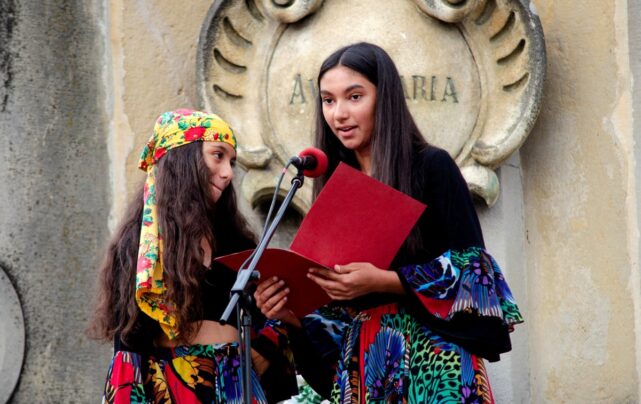
International Roma Day, which has been commemorated on April 8 for more than thirty years, will be celebrated in Banská Bystrica this coming Wednesday with the event Mirror. It will take place in Záhrad and will be a combination of the power of art, culture and social discussion.
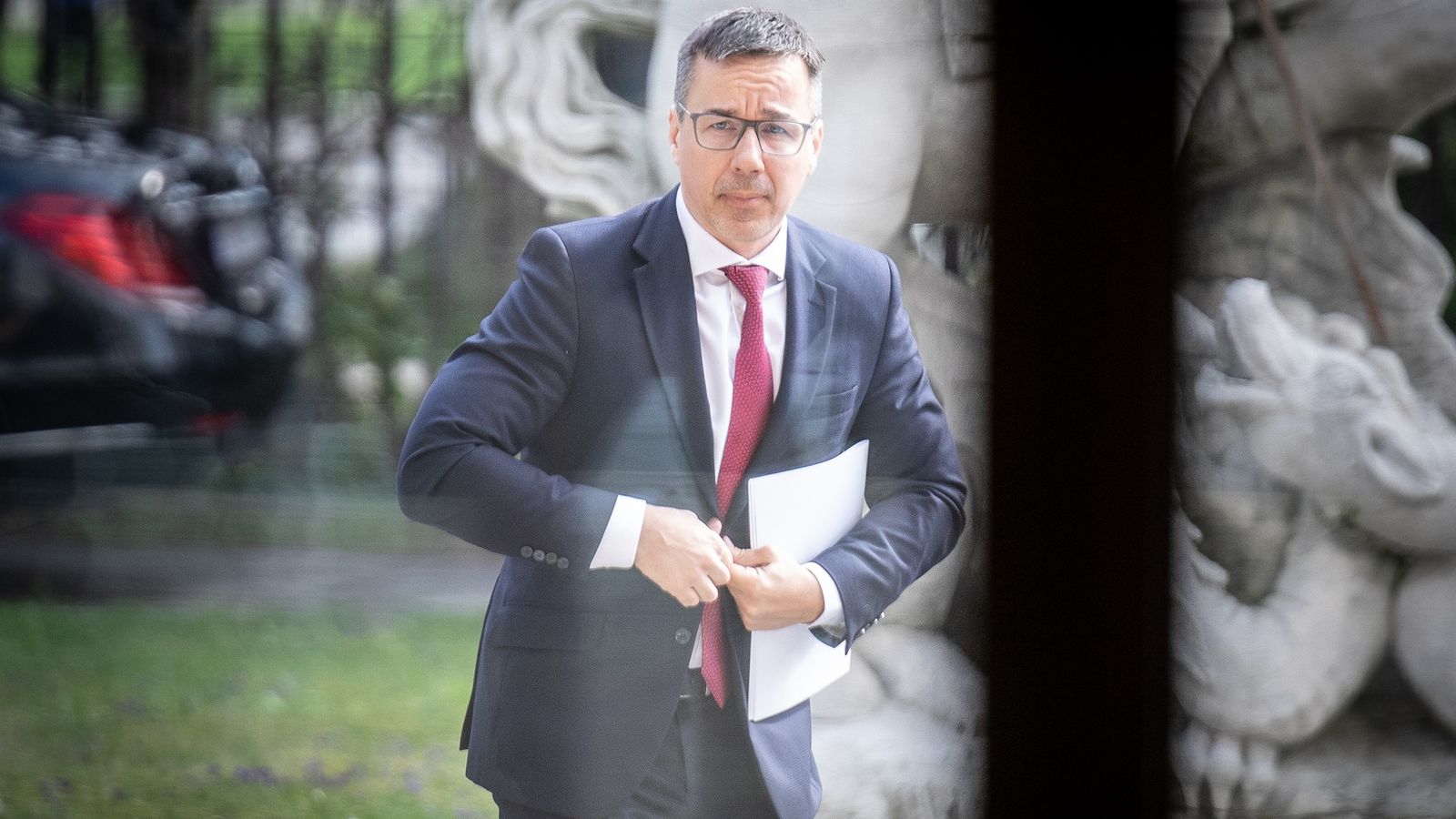
Minister Erik Tomáš came up with a catchy name “work instead of benefits”. In reality, it is a populist farce aimed against Roma that will not resolve the issues faced by Roma in Slovakia. The obstacles on the labor market are much more complex than the minister would be willing to admit. Many employers refuse to hire Roma. If you have a Roma surname, even education will not help you.
The minister chose the easiest victims. He painted a picture of a threatening army of people who sit at home all day, take money from the state and refuse to work. To make it sound even more dramatic, he did not forget to mention that this mainly concerns long-term unemployed Roma from marginalized communities.

Apparently, only 40 millions euros (out of the billion) of the Roma fund granted to Slovakia by the EU will be used for building houses for poor Roma. This is a ridiculously low sum of money.

A Roma camp on a garbage dump was dismantled in Italy. 265 children, 200 adults were displaced. For once, it was not by force, but in collaboration with Roma who will be re-lodged under normal conditions.

The council of Europe organised a workshop on inclusive education for Roma children in the Czech Republic. Nice, but right now, the issue is more the segregation that still revails in aschools in the country.
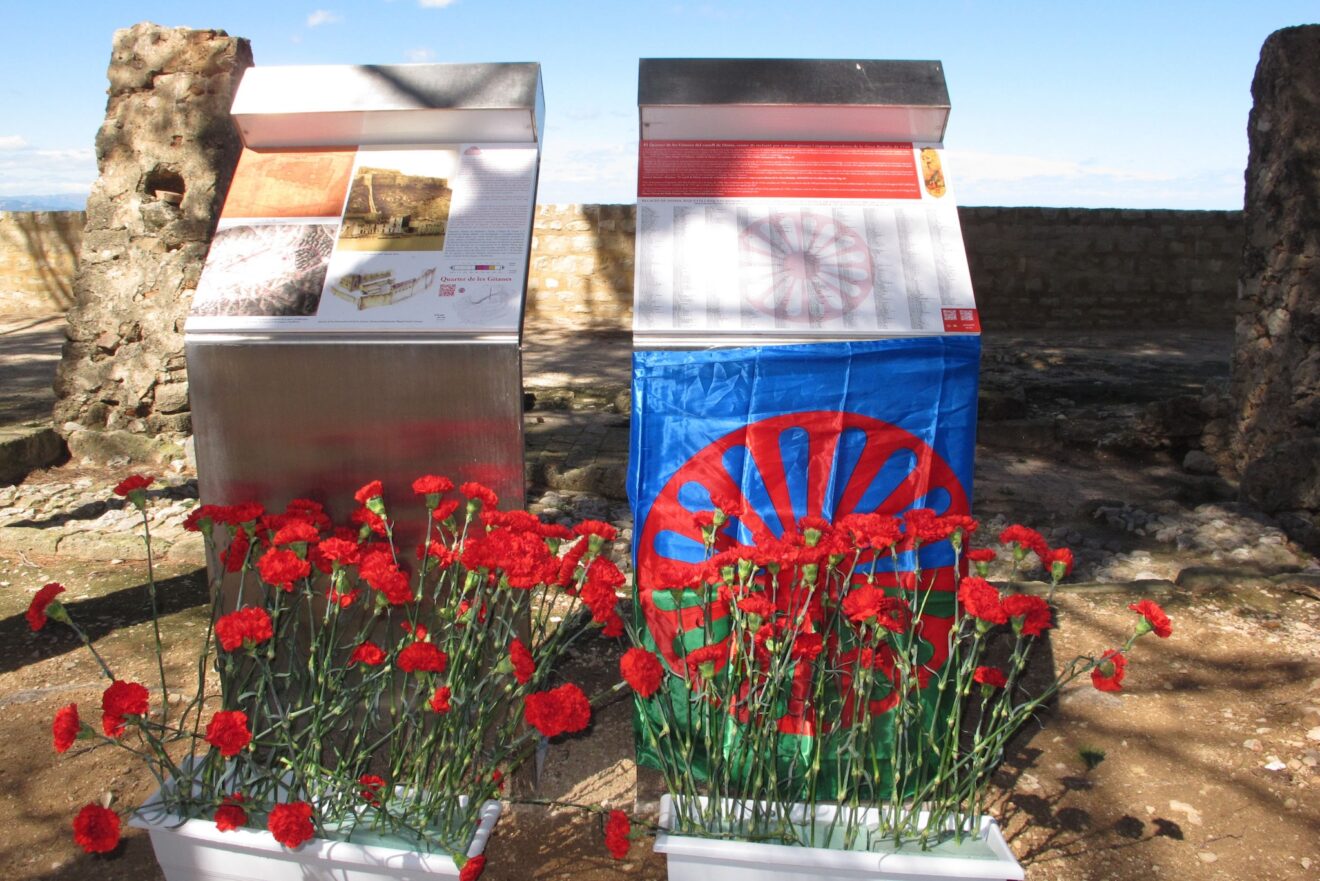
The Spanish city of Denia commemorated the liberation 275 years ago of nearly 300 Romnja and children who were arrested in a raid against Roma in 1749 that took place throughout Spain, incarcerated in the local fortress and only liberated a year later.
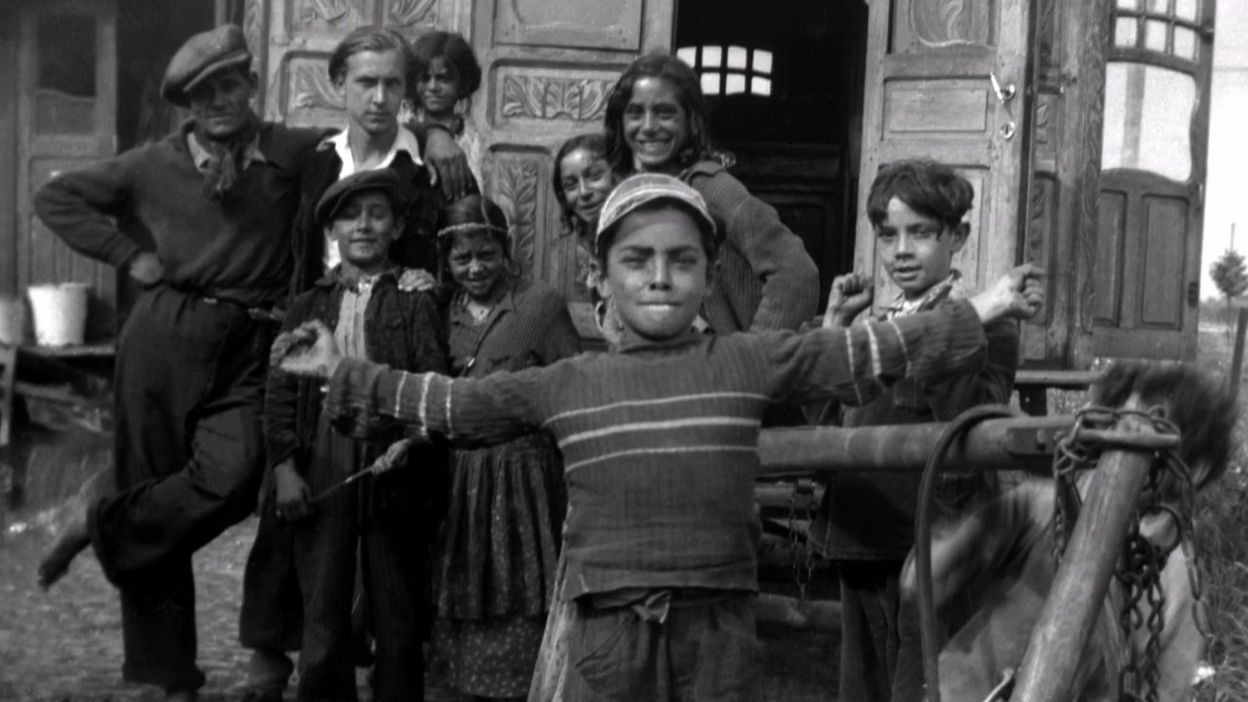
An exhibition on the Genocide of the Roma during the Nazi Era. What is unfortunate is the use of the word “Tsigane” in its title, and in the title of the article.

A reportage in a Roma camp in Preveza, Greece. Unfortunately historically inaccurate in the Greek context, but otherwise representing the situation that exists in such camps in Greece.
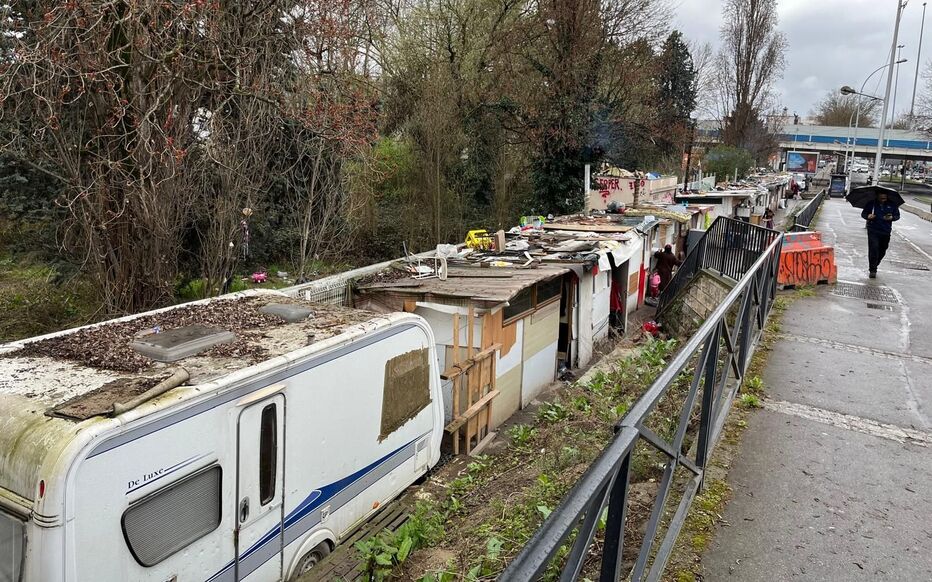
Only one significant news in the French press this week, with Jean Baptiste Borsali, the mayor of the town of Le Bourget, near Paris, asking the interior minister to evacuate two camps of Roma in this town. The mayor reports “insistent and sometimes aggressive begging”, an “increase in burglaries and snatch thefts”, a “growing sense of insecurity”, an “uncontrollable proliferation of pests despite pest control efforts” and “streets and sidewalks littered with rubbish from systematic garbage rummaging”.

The Office of the Government Plenipotentiary of the Slovak Republic for Roma Communities (ÚSVRK) is preparing an update of data related to the facilities and infrastructure of municipalities with a significant Roma representation. The data collection will be carried out in April 2025. Unlike previous updates, this will be conducted online. The Office has already pilot-tested the new sociographic mapping of Roma communities in Slovakia in seven municipalities, from February to March.

Vanesa Horáková is only 16 years old, but her talent is confirmed by her latest single “Nechcem Ťa”.
She said: “I wanted to transfer the Roma style to pop and show people that Roma music can also be made in a modern, attractive dress. I wanted to prove that a song can be created by connecting both languages, which also fit perfectly into the Latin music background. I have many fans in the Roma community and I believe that they will be pleased with the lyrics in our language.”
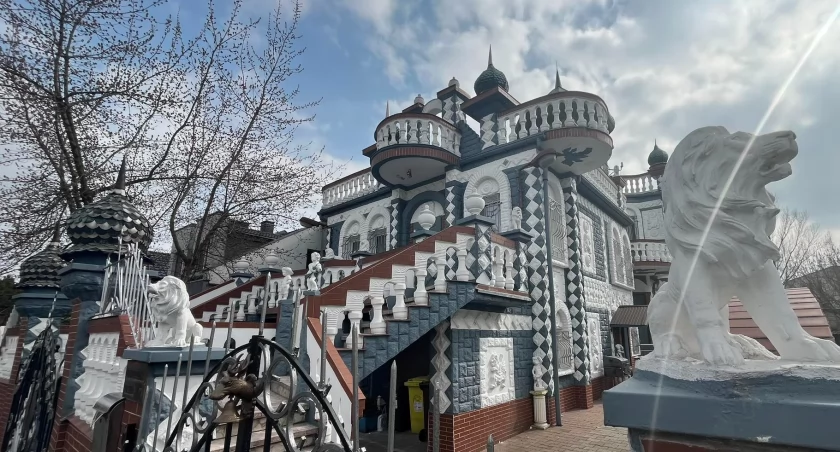
Another one of those articles, but this time in Poland. A Roma “Palace” in Wrocław, Poland.
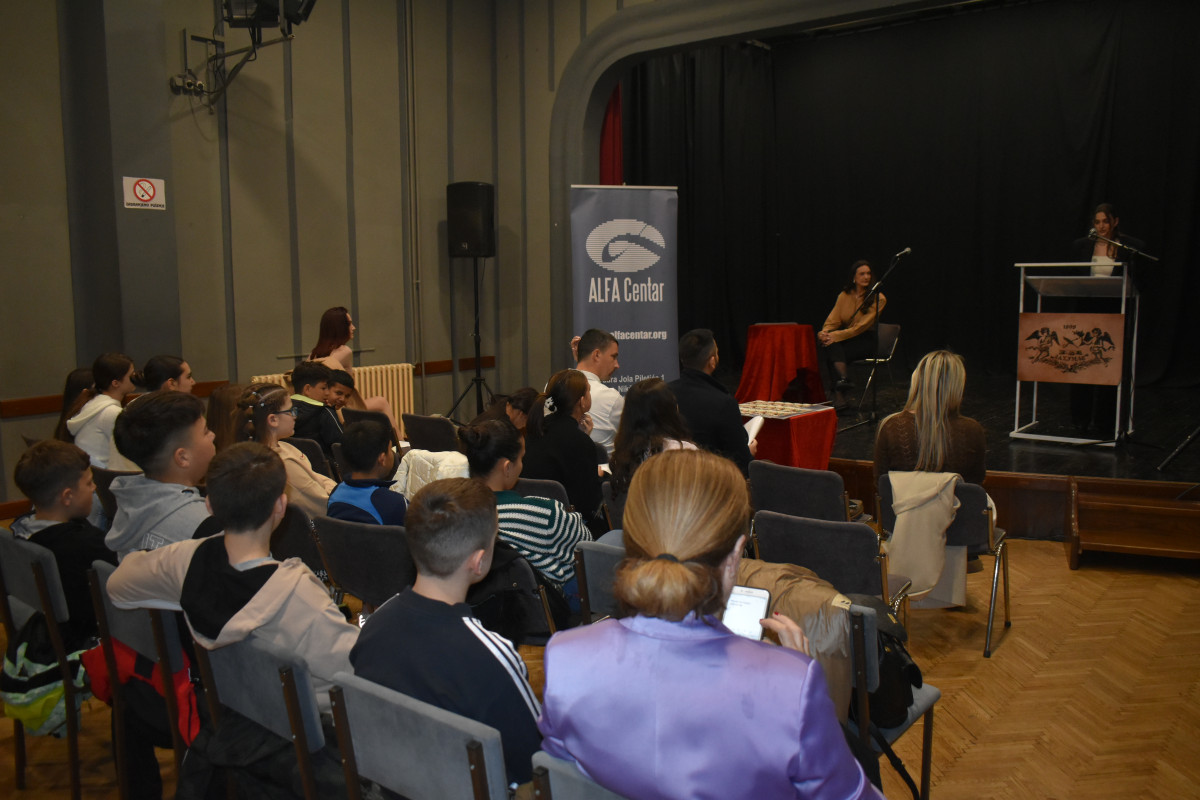
Today, ALFA Center promoted the collection of essays A Word for Coexistence and Tolerance in the hall of the Zahumlje Public Institution in Nikšić, Montenegro.
The collection consists of 11 essays by children of the Roma population from Nikšić. The essays were created at a creative writing workshop led by children’s writers Goran and Milica Radojičić, as a product of the central motif: All PEACE in us. The idea is that through essays, children present the importance and uniqueness of their culture, along with the importance of accepting all the differences in a society.
 English (UK) English (UK)
  Deutsch
 Français