The European Commission on the genocide of the Roma during the Holocaust.
- European Commission commemorates Roma Holocaust Memorial Day. In: Brussels Times. 02.08.2025. https://www.brusselstimes.com/eu-affairs/1688655/1688655

The European Commission on the genocide of the Roma during the Holocaust.

The secretary general of the International Holocaust Remembrance Alliance on the Genocide of the Roma during the Holocaust and the need to remember.

For the August 2nd commemoration of the Genocide of the Roma during the Holocaust, the Commissioner for Human Rights of the CoE issued a statement.

Former KLA leader Hashim Thaci will begin his defense against charges of war crimes committed in Kosovo and Albania between 1995 and 1998 before the Special Tribunal in The Hague on September 9, the tribunal announced.
Alongside Thaci, Kadri Veselji, Redžep Seljimi, and Jakup Krasnići were charged with crimes against Albanians, declared “collaborators,” Serbs, and Roma, in more than 40 cases held by the KLA. All the defendants were leading members of the KLA Main Staff and the self-proclaimed Provisional Government of Kosovo.

An Arte Documentary on Roma. Worth seeing it.

The dialogue between the Roma Foundation for Europe network and the newly elected President of Romania, Mr. Nicușor Dan, marked a historic moment, one in which the Roma community is not seen as an object of aid, but as an equal partner in building a European future. The delegation of Roma representatives was led by Željko Jovanović, Director of the Roma Foundation for Europe, a leader whose work has been pushing the boundaries of what is possible for decades when it comes to rights, security and dignity.

An editorial one can only agree with. There is a multiplication of events called “Roma festivals”. This article focuses on the ones created in Slovakia, but this is a phenomenon that exists across Europe. Quality, impact, and meaningfulness are seldom discussed. We have basic folklore, unfortunately pandering to the usual stereotypes.

In its 2024 annual report, the Council of Europe’s anti-racism body, the European Commission against Racism and Intolerance (ECRI), identifies four key policy challenges for European states: combating the use of racial profiling by law enforcement, addressing school segregation of Roma children, ensuring equal rights and dignity for transgender and intersex people, and strengthening national equality bodies.
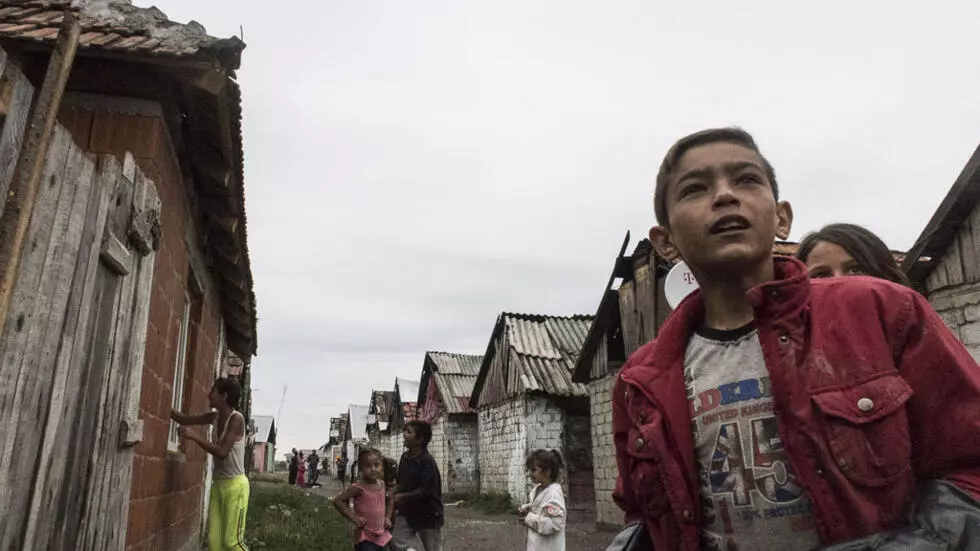
An article about Roma access to education. As usual, in spite of their good intentions, the generalisation is quite obvious: All Roma have issues accessing education. As a result, for the average reader, most Roma must be illiterate.
One speaks here of the most segregated Roma living in segregated settlements, and not of all Roma.

April 16th, Roma Resistance Day, commemorates the resistance of Roma inmates in the Auschwitz “Zigeunerlager” when the Nazis liquidated the camp.
The Council of Europe is launching “Opre Roma!” month with many activities in various countries.

A book, called “Ethnographic Methods in Gypsy, Roma and Traveller Research”, subtitled “Lessons from a Time of Crisis published in 2024 by Bristol University Press edited by anthropologist Martin Fotta from Slovakia and by Paloma Gay y Blasco from the University of St Andrews, investigates the impact of the covid pandemic on Roma communities.
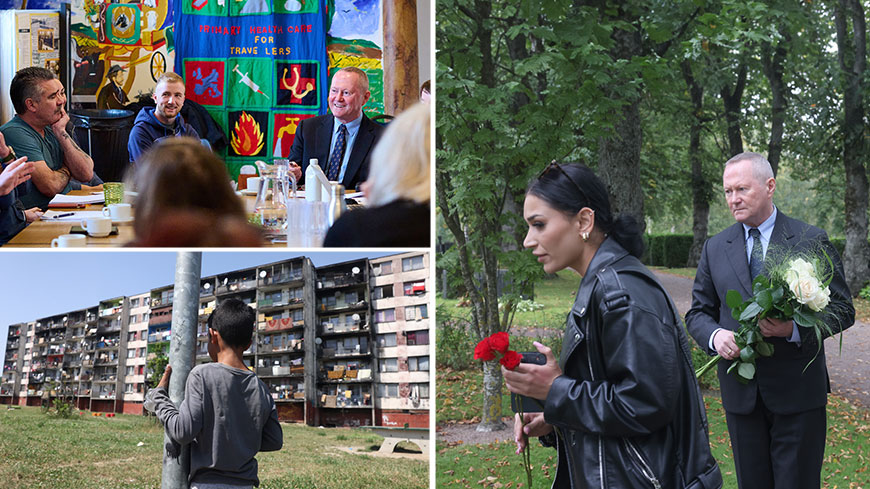
The Council of Europe Commissioner for Human Rights Michael O’Flaherty released today three Memoranda examining the human rights situation of Roma and Traveller communities in Finland, Ireland and Slovakia. Each Memorandum presents country-specific findings and recommendations based on the Commissioner’s visits to these countries, addressing pressing human rights concerns faced by the communities.
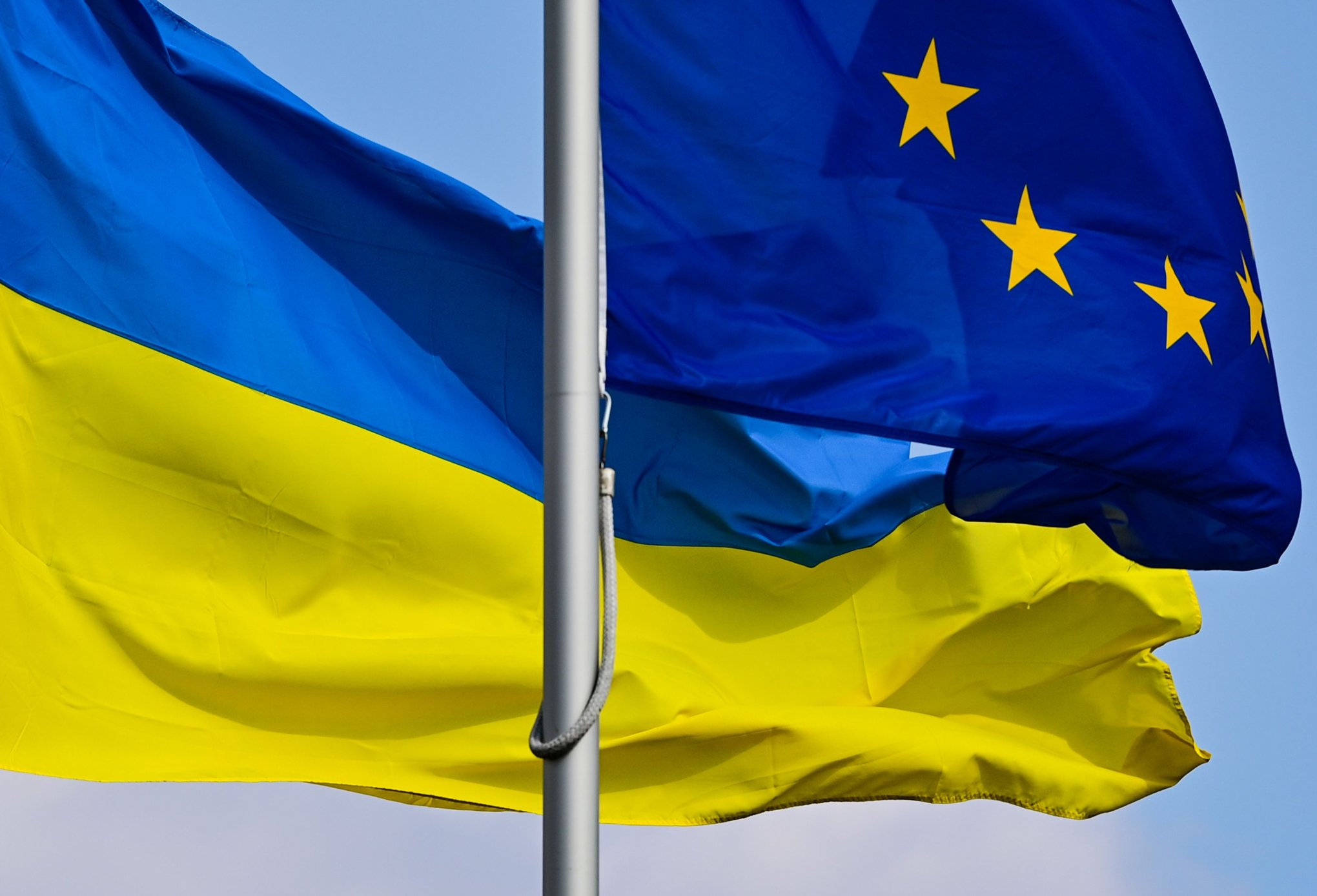
Roma who fled from Ukraine to Germany and the European Union after the Russian attack want to network better. In Göttingen, Roma representatives living in exile founded the association “Ukrainian Roma Advocacy Alliance” (Aura) on Tuesday. “Many Ukrainian Roma abroad do not even know what kind of help is available here,” said Aura board member Janush Panchenko. “We want to inform people about these offers and also advocate for the interests of the Ukrainian Roma in our host countries.” Projects in the areas of political education, culture, humanitarian and legal aid are also planned. In Germany, the association wants to work closely with the Society for Threatened Peoples, among others.
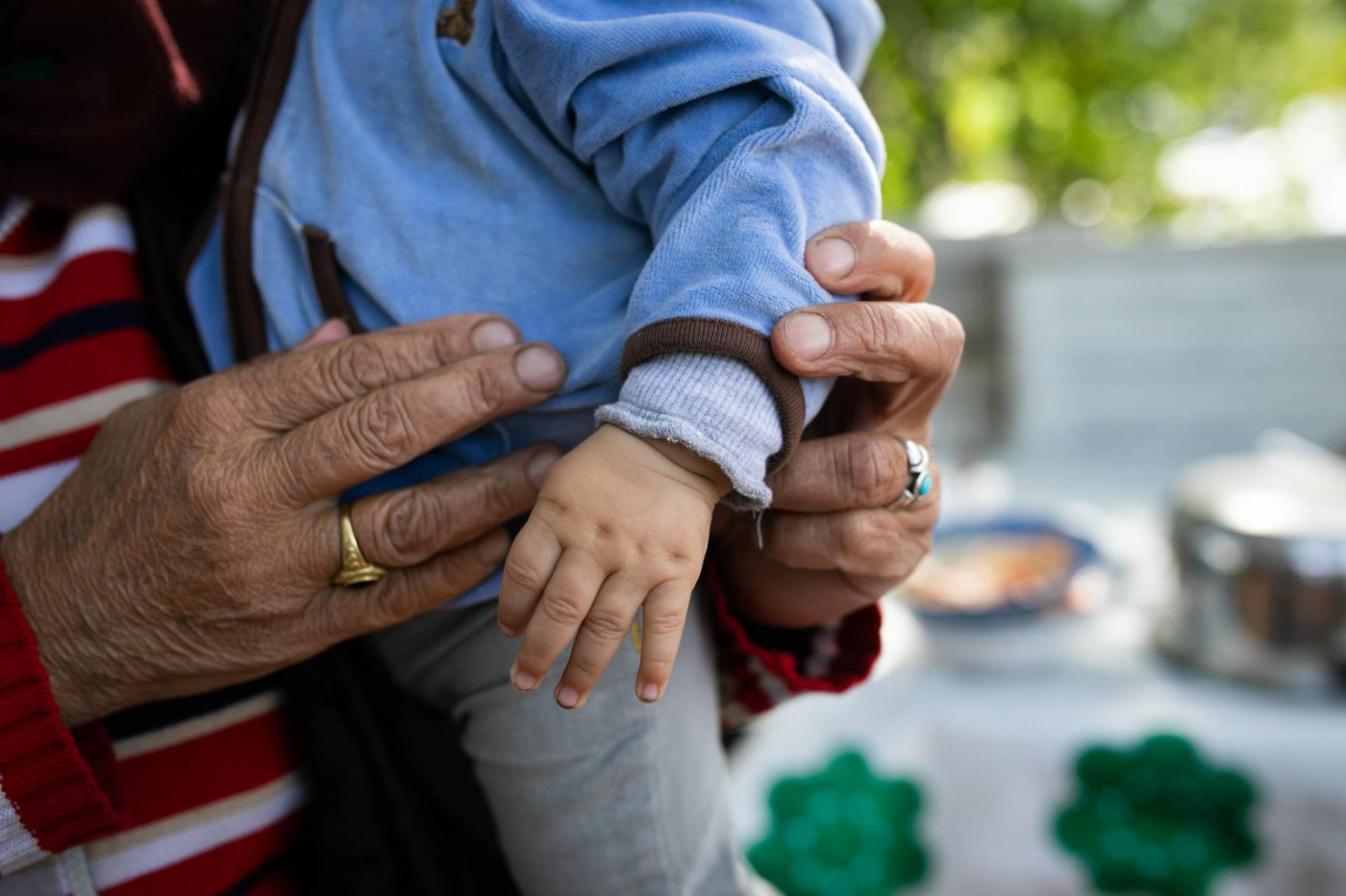
The European Court of Human Rights found that the demolition of a Roma settlement in 2015 by the city of Wrocław violated the European Convention on Human Rights. A complaint against the Polish authorities was filed by Roma, citizens of Romania.
On July 22, 2015, the city of Wrocław liquidated the Roma settlement on Paprotna Street. At the time of the demolition, the settlement consisted of five buildings. The families (adults and children) had been living in the settlement since 2009. The complaint to the ECtHR was filed in early 2016.
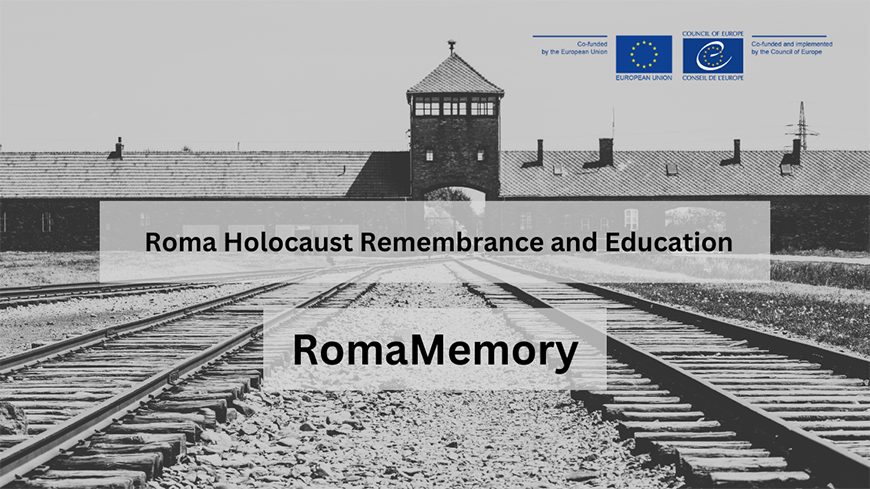
A statement of the EU delegation in the council of Europe on the 27th of January, the 80th anniversary of the liberation if Auschwitz about the genocide of the Roma.
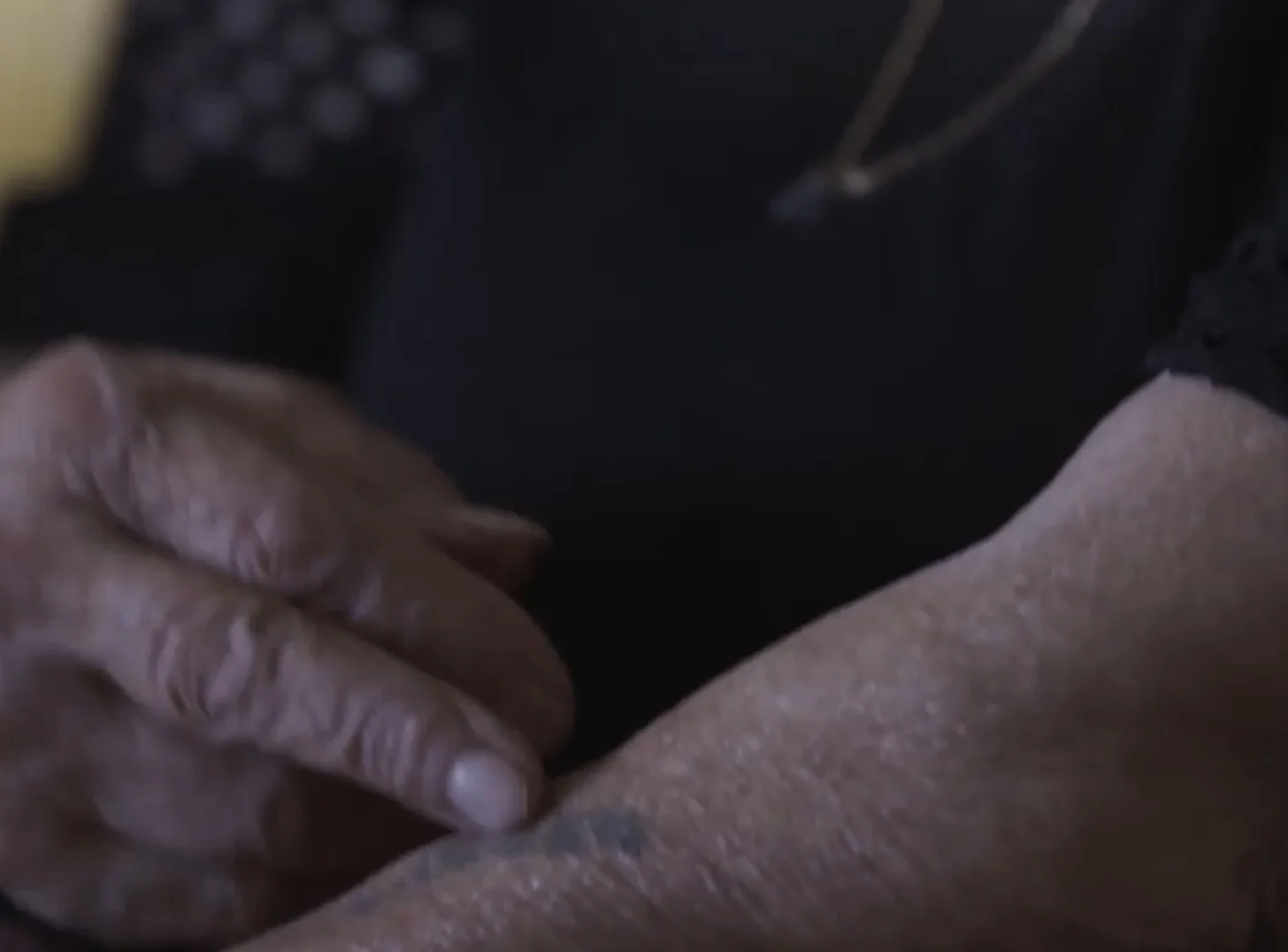
The Nazis would never have imagined that she would outlive them. The almost centenarian Philomena Franz, who escaped certain death several times, in an extermination camp and four concentration camps, delivers these words to the director, producer and film actor Detlev Buck, who meets her in her Berlin home to arrange an interview. It was 2020, Buck had decided to shoot a documentary on the Holocaust for the Arte TV network. Until then he had never dared to make a film about the Nazi persecutions. It was the survivors who encouraged him. They feared that future generations would forget what happened. Among them Philomena Franz, a Sinti, born in 1922 and died a hundred years later, on December 28, 2022.

The exhibition called “Ma Bistras” [let’s not forget] is based on the work of Luigi Toscano, who photographed and interviewed the last survivors of the Roma and Sinti genocide and their descendants to record their history, character and strength, and to draw attention to what happened to them.
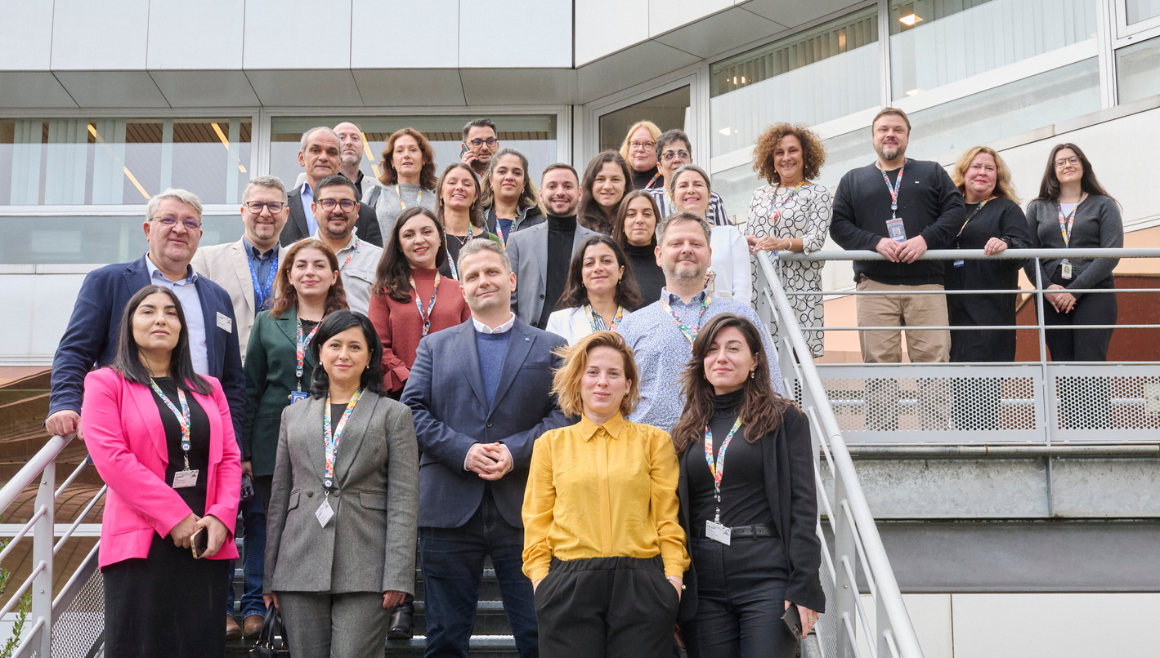
Latest developments on the strategy for integration of the council of Europe. Let’s hope this time, we will see progress.

The Council of Europe is implementing the Joint Programme Roma Integration III in partnership with the European Union to strengthen the capacities of governments in the Western Balkans and Türkiye to address the challenges faced by Roma communities. This initiative includes the development and implementation of public policies in various sectors, such as housing, employment, education, and the fight against anti-Gypsyism.
 English (UK) English (UK)
  Deutsch
 Français