Category Archives: Croatia

Reactions to the Femicide

Published by:

Reactions to the Femicide

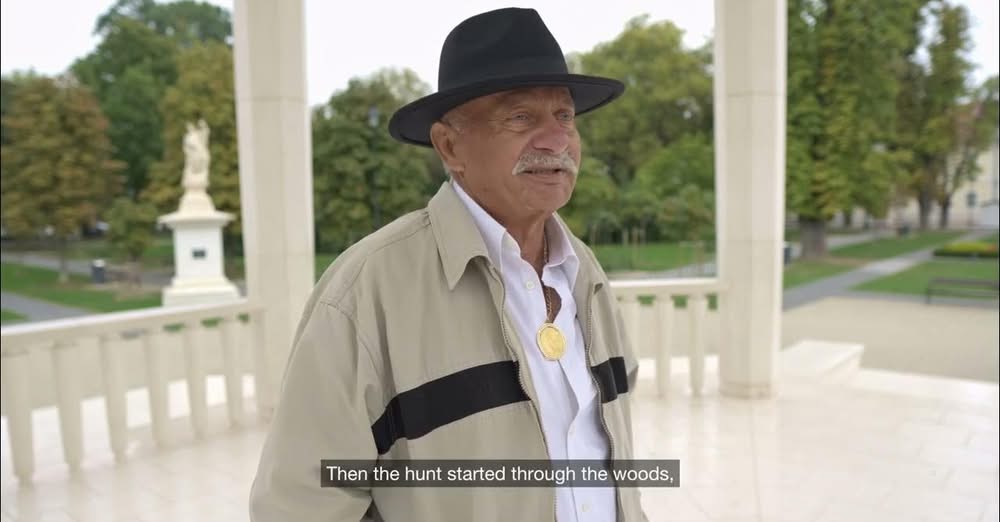
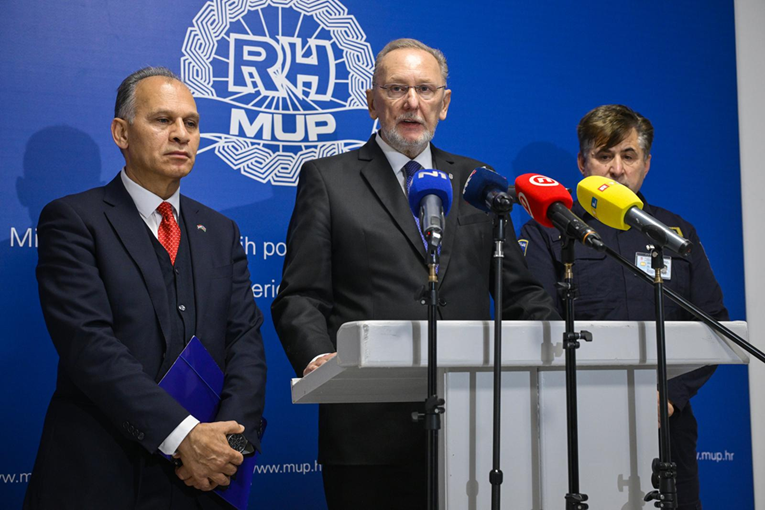
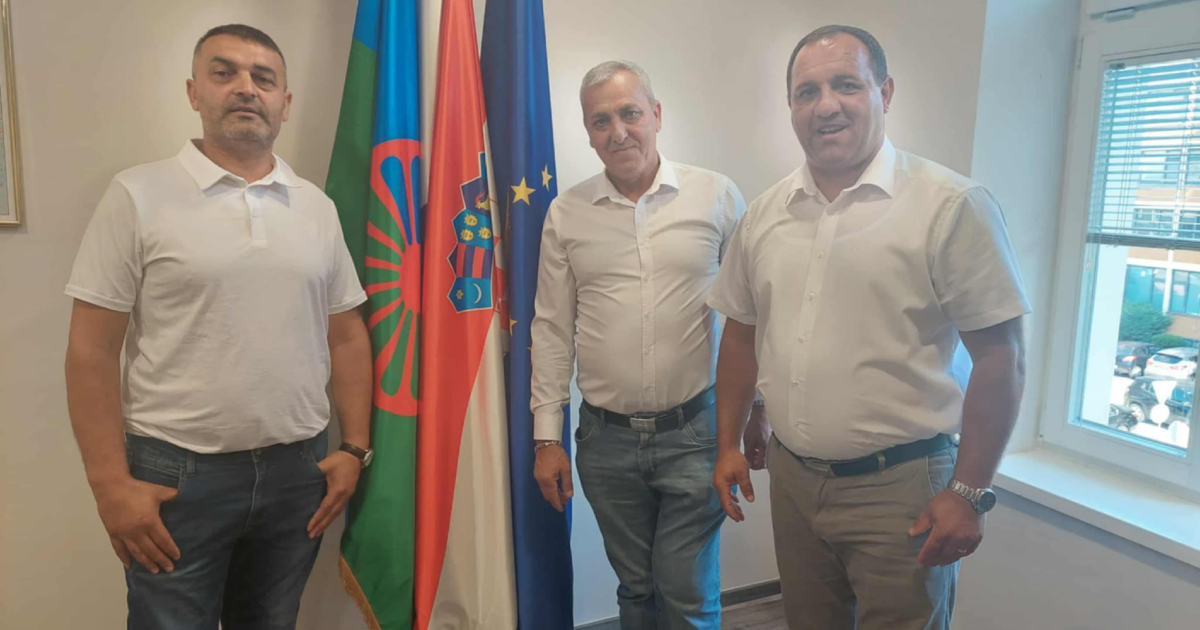
In reaction to the femicide, Vjelko Kajtazi, president of the Kali Sara Roma association said that every time an incident occurs, Roma suddenly have no name and surname.  He was attending a meeting with the vice president Davor Božinović and representatives of the Međimurje local government. The topic of the meeting was the integration of members of the Roma national minority.

Femicide and Racism in Croatia

Published by:

Femicide and Racism in Croatia

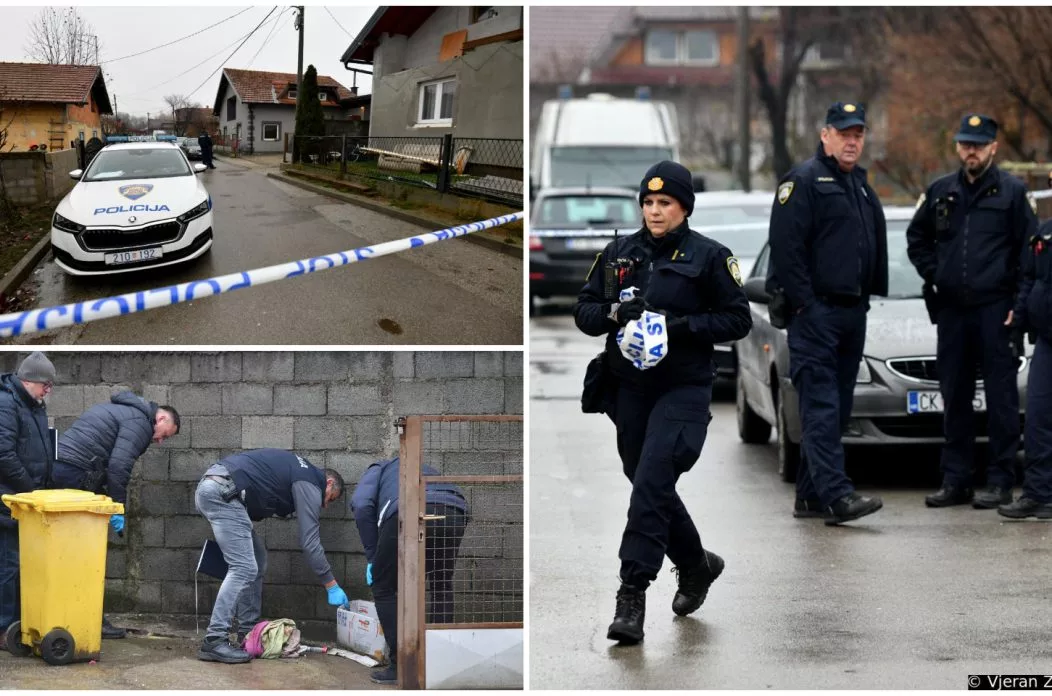
in Sitnice, in Northern Croatia close to Slovenia, a man shot two women, killing one, and leaving the other severely wounded in hospital. The two young women were shot in their home in a Roma settlement.

The mayor of Mursko Središće stated that the Sitnice Roma settlement is one of the safest in the country.

A large number of Croats, especially from Međimurje, reacted with hate speech in comments on social networks, without any sympathy for the young woman who lost her life, mocking the Roma and calling for their murder or extermination and the abolition of social assistance.

This is a classic example of femicide, which is a growing problem worldwide, including in Croatia.

Croatia and Revisionism

Published by:

Croatia and Revisionism

From the massive concert by Thompson, a Croatian music legend known for his far-right sympathies, which drew 450,000 people to Zagreb in July, to the attacks by hooligans on Serbian cultural events in November, tensions have been escalating in recent months, notes Florian Bieber of the Austrian University of Graz.

“We are seeing both a rise in historical revisionism and an increase in threats against those who think differently,” explains the researcher. This process is accompanied by numerous attempts to rehabilitate the Ustaša, the pro-Nazi regime that ruled during World War II. “This isn’t new, but it has accelerated and intensified this year,” adds Mr. Bieber.

We reported also on the fact that a “debate” on the victims of Jasenovac was held in the premises of the Croatian Parliament, denying the fact that Jasenovac was an extermination camp.

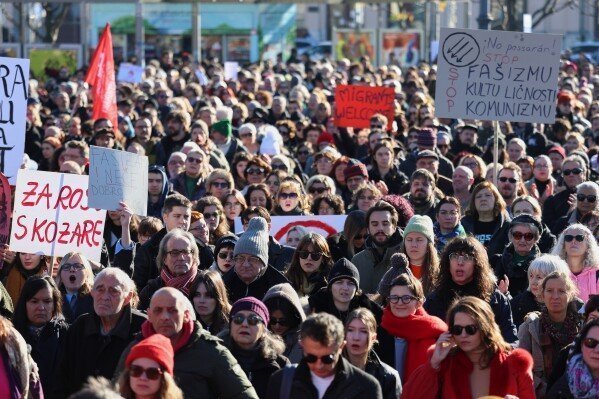
Nevertheless, thousands of Croatian manifested against this revisionism and the extreme right.

Croatian Revisionism

Published by:

Croatian Revisionism

Last month, a roundtable was held in the Croatian parliament on the Jasenovac camp which was organized by the DOMiNO and Croatian Sovereigns parties. It was attended by historical revisionists Igor Vukić and Nikola Banić, as well as of Milorad Pupovac (SDSS).

“According to credible sources, Jasenovac was not a death camp, during the roundtable. He and his interlocutors denied the official number of victims cited by the Jasenovac Memorial Site Public Institution (JUSP) citing 83,145 people killed there, among which more than 20’000 children. According to these revisionists, there were only children from neighbouring regions attending vocational schools.

The question arises as to who allowed revisionists and deniers of the crimes in Jasenovac to hold a debate and how is it possible that for denying the Holocaust in other European Union countries you end up in prison, but in Croatia you get a hall in the Croatian Parliament.

Croatia: Integration

Published by:

Croatia: Integration

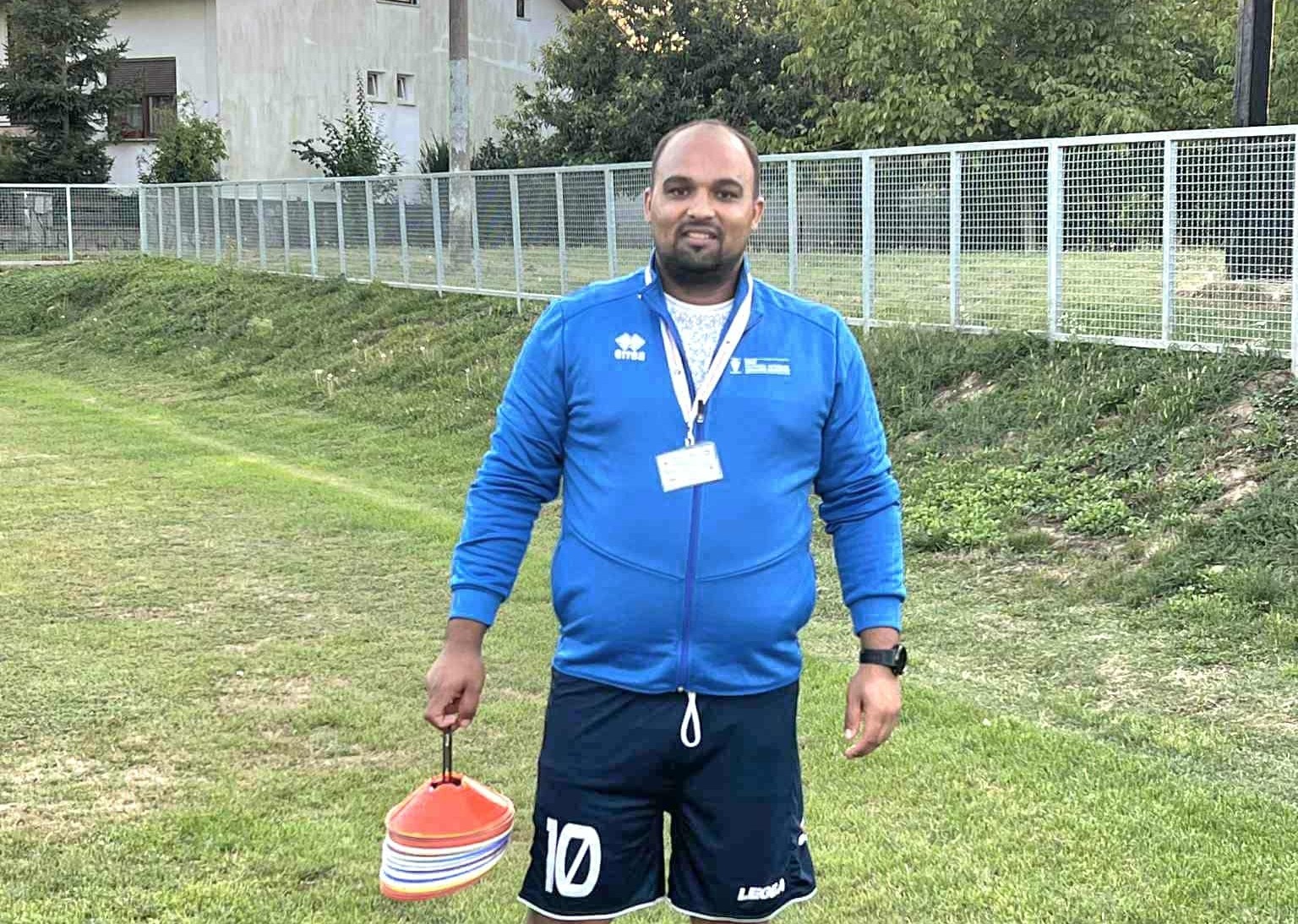
Međimurje County invited citizens to vote online to support the story of the Međimurje Sports Network about Vjeran Balog from Parag, which has entered the competition for the best journalistic work on the topic of inclusion and tolerance in the community.

The story follows Vjeran Balog, a football coach dedicated to working with young people, who last week became the first Roma to hold a coaching diploma from the Croatian Football Federation (HNS). His example shows how motivation and focus can overcome great obstacles.

Croatia and Roma

Published by:

Croatia and Roma

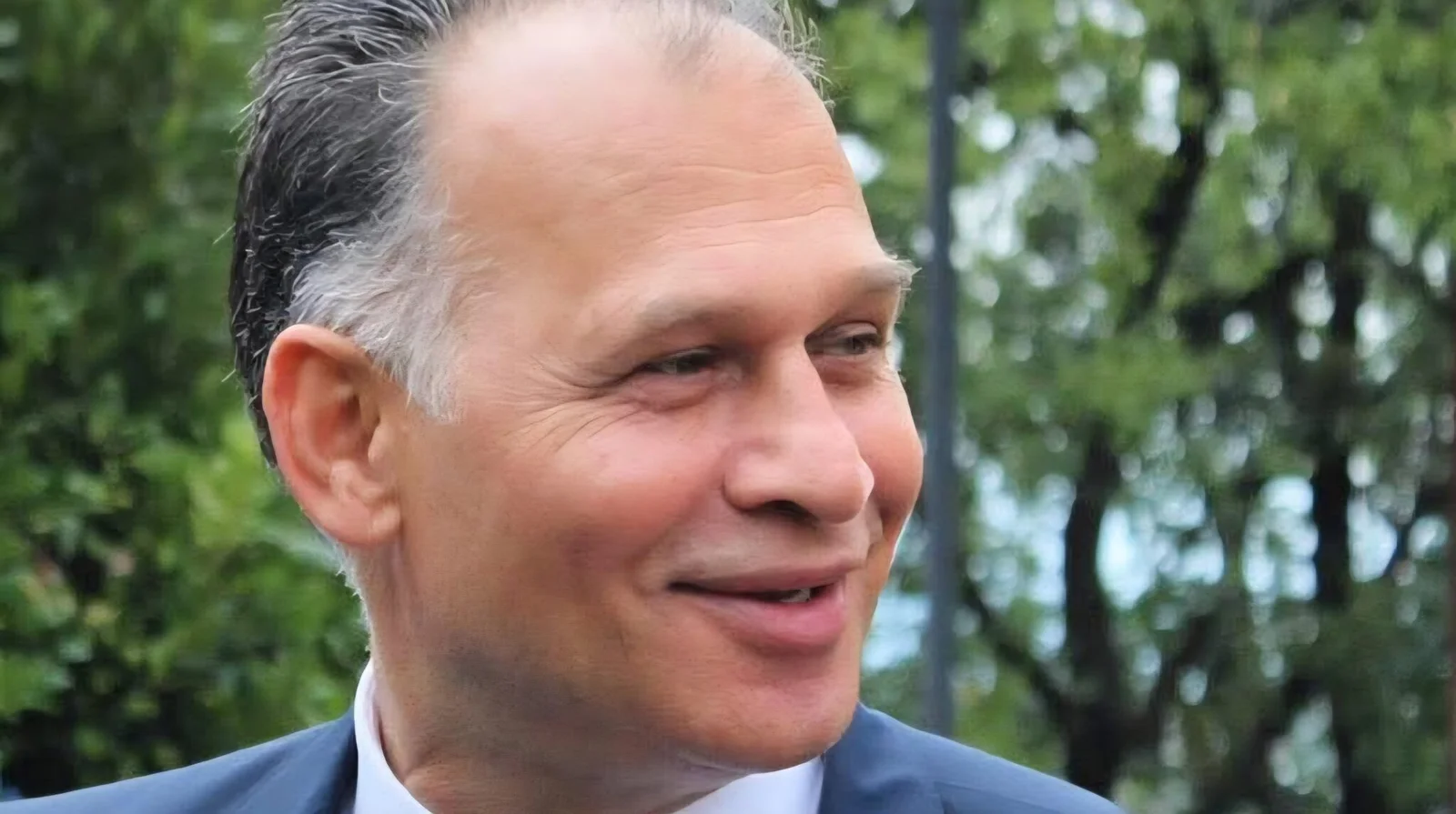
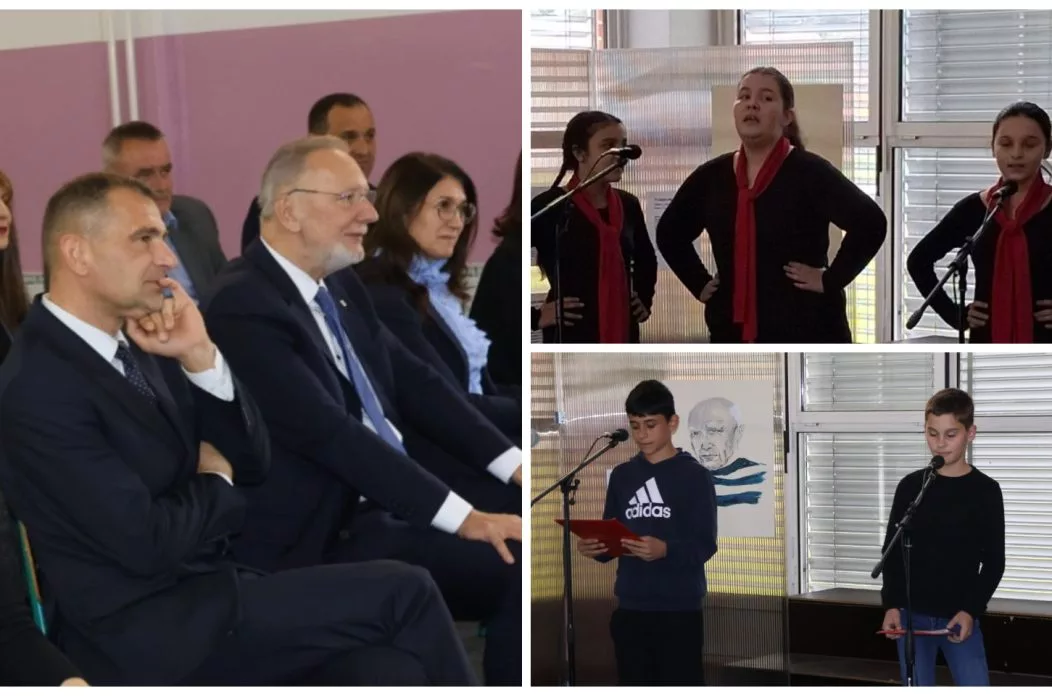
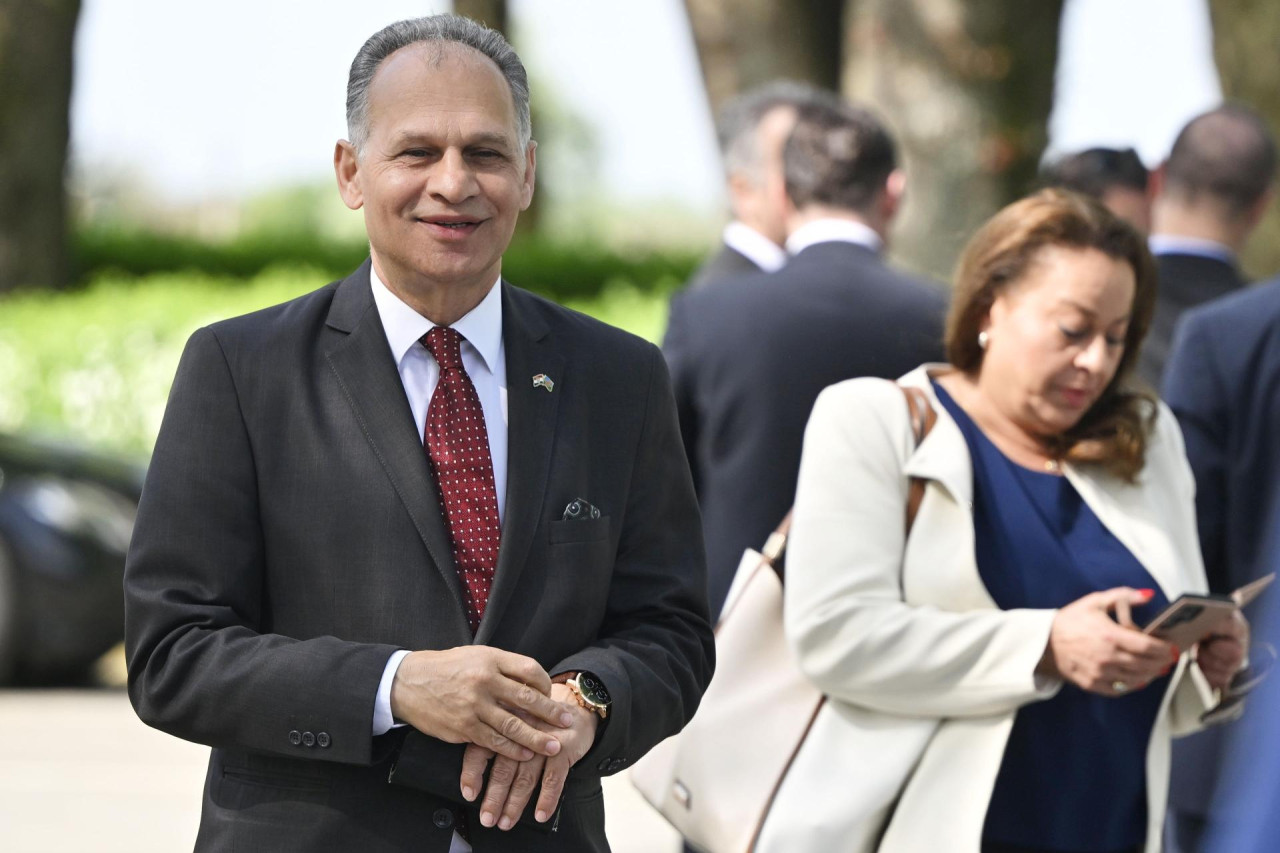
The Deputy Prime Minister of the Republic of Croatia and Minister of the Interior, Dr. sc. Davor Božinović, paid an official visit to Međimurje County. The topic of the meeting was community security, strengthening interdepartmental cooperation and the continuation of projects that contribute to better integration of the population, especially in Roma settlements.

As part of the visit, Minister Božinović visited Kuršanec Elementary School, where he met with Roma helpers in class.

Croatia: Living together

Published by:

Croatia: Living together

The deputy mayor of the Pribislavec Municipality, a Rom, Rajko Kovačić, spoke out, expressing great dissatisfaction at the stop of the work in the Roma settlement aimed at preventing the illegal dumping of garbage. Ther cause of the stop seems to be tensions within the municipal council.

Croatia: Multicultural Centre

Published by:

Croatia: Multicultural Centre

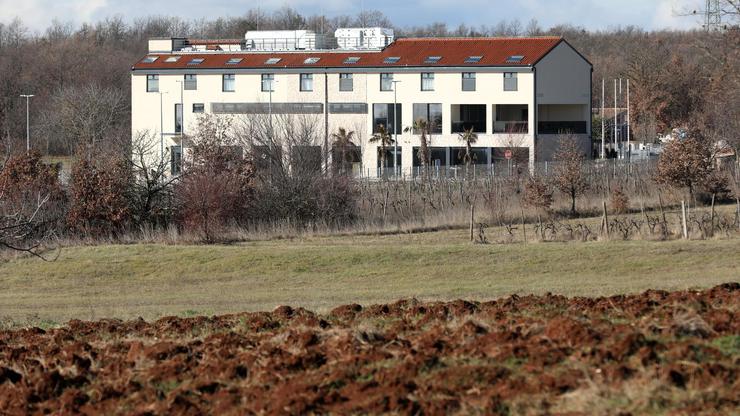
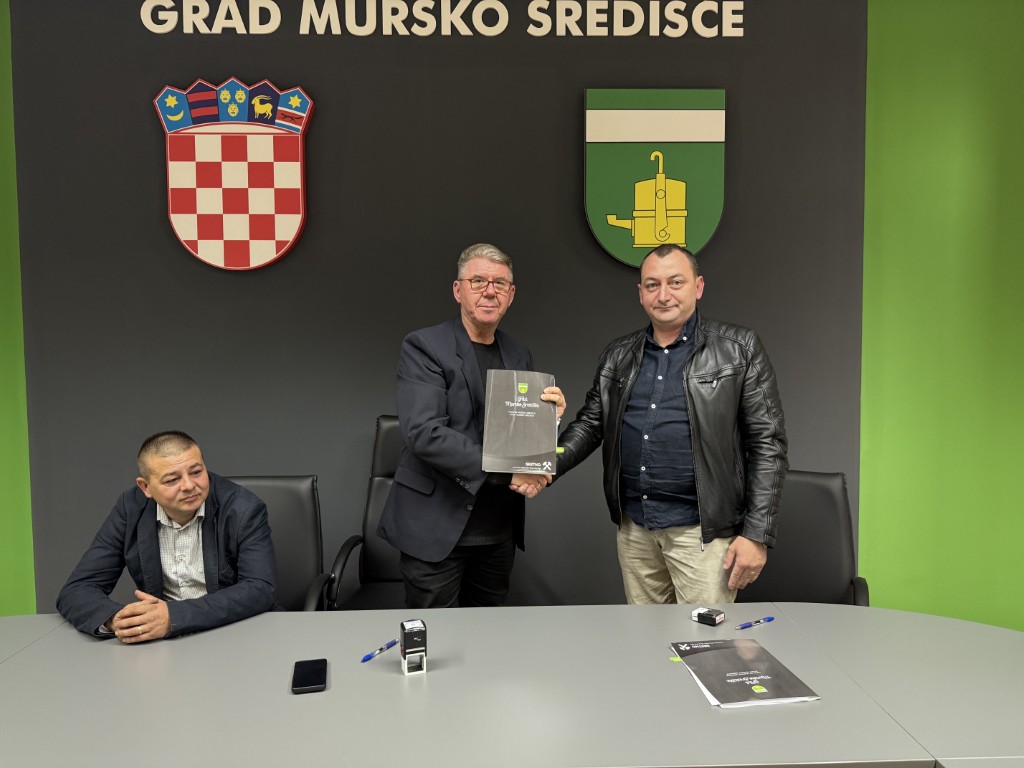
The contract for building a new multicultural centre in the Sitnice settlement in Mursko Središće was signed. With the construction of the Roma Multicultural Centre, the Sitnice settlement will receive a long-awaited space that will be used for work with children, education, culture and various social activities of the Roma community, which will significantly contribute to improving the quality of life and integration.

We’re not sur this is the best help for integration.

Romani Literature in Croatia

Published by:

Romani Literature in Croatia

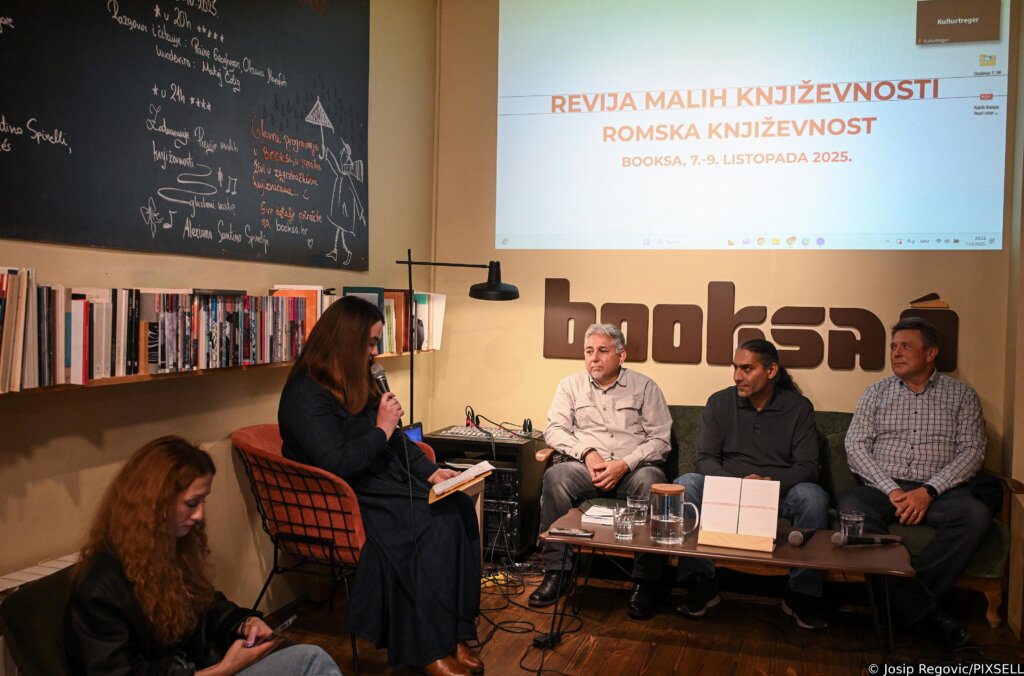
Romani literature is not small, it is just not taken seriously enough, said author Ruždija Russo Sejdović in an interview at the opening of the Review of Small Literature on Tuesday in Booksa, Croatia, this year dedicated to Romani literature in Europe.

Lovara in Croatia

Published by:

Lovara in Croatia

In the village of Maglenča in Bjelovar-Bilogora County, Lovari, with the Roma House cultural and tourist centre, preserves its rich history, customs, and cultural heritage, thereby contributing to breaking down prejudices and promoting understanding in society. Under the leadership of the Đurđević family, they offer visitors authentic experiences – from traditional food, lavender products, cultural presentations to inspiring stories about freedom, inclusion, and coexistence.

Croatia and World War Two

Published by:

Croatia and World War Two

On the occasion of the International Day of Remembrance of Roma Victims of Genocide in World War II – Samudaripen, at the Roma Memorial A commemoration was held at the Uštica centre, where the representative of the Roma national minority, Veljko Kajtazi, condemned every attempt at historical revisionism.

“When we increasingly see attempts at historical revisionism and hiding the truth, we are obliged to send a strong message from this place – a message that the victory over fascism was not in vain,” Kajtazi emphasized, adding that silence in the face of revisionism becomes complicity.

Roma Community Centre

Published by:

Roma Community Centre

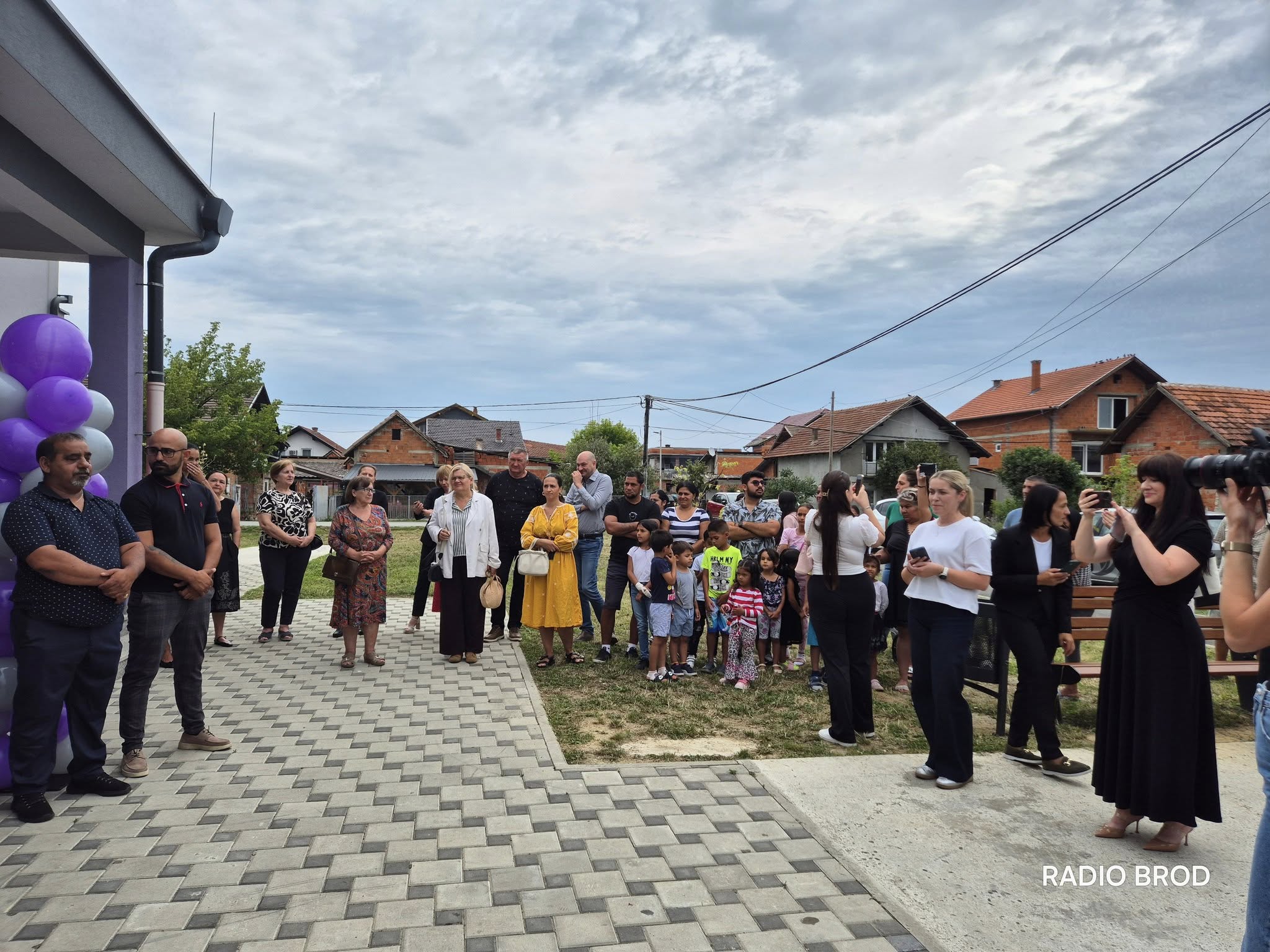
The Roma Community Center “5. studeni” was officially opened in the Slavonski Brod settlement “Josip Rimac”, a space that will play an important role in the life of the Roma community and the wider local community in the future. The opening was attended by numerous guests and locals, including MP Veljko Kajtazi, President of the Roma Alliance in the Republic of Croatia Suzana Krčmar, and Director of the Office for Human Rights and National Minorities Alen Tahiri.

Whether this is a helpful project will be seen in the coming years.

Croatia: Marko Perković Thompson

Published by:

Croatia: Marko Perković Thompson

A concert last Saturday in Croatia’s capital Zagreb by Marko Perković “Thompson”, attended by an estimated 500’000 people leaves a bitter aftertaste.

Nazi salutes, Ustaša symbols and songs.
Scary.

Croatia: Community Centre

Published by:

Croatia: Community Centre

According to Milorad Mihanović, president of the Sitnice Local Board  “the Roma settlement of Sitnice is one of the more well-organized in Međimurje. It has electricity, water, sewage, paved roads, and even broadband internet.”

About 700 locals will soon get a Roma multicultural centre – a place for education, social events, and also for children to stay. The Roma multicultural centre, a project that aims to enrich the social and cultural life of the community, has been put “under the roof”, and the value of the first phase of construction is 566,000 EUR and the funds were obtained from the budget of the Ministry of Regional Development and European Union funds, the Council for National Minorities of the Republic of Croatia and the Roma Alliance in the Republic of Croatia “KALI SARA”. The main investor and implementer of the project is the City of Mursko Središće.

Now, apparently, there is a drive to rename the street after Veljko Kajtazi, the president of the Kali Sara organisation.

Illegal Taxis

Published by:

Illegal Taxis

An article about illegal Roma taxis, basically privately owned cars from Roma settlements who drive people to and from the Roma settlements in Čakovec. Well, clearly, since most taxis refuse to drive to those places, there is little alternative …

Croatia: Romni?

Published by:

Croatia: Romni?

Maja Odrčić Mikulić, a long-time civil servant and director of the People’s University, is known for her work in the fields of social and education. The surprise came when she ran for the position of representative of the Roma minority, as it was the first time she had publicly identified herself as Roma – without any prior public mentions or connections to this community.

According to Croatian law, changing one’s ethnicity does not require proof – a personal statement is sufficient. Thus, she gained the right to run with one signature.

Croatia: Fire

Published by:

Croatia: Fire

Three children died in a fire in a Roma settlement in Croatia.

Croatia: Roma Multicultural Centre

Published by:

Croatia: Roma Multicultural Centre

In Mursko Središće, large infrastructure projects are underway that will greatly improve the quality of life of citizens and improve capacities for sports, education and social activities, the City reported. Among the most important projects are the energy renovation of the sports hall, the extension of the kindergarten and the construction of the Roma multicultural centre.

 This last project, worth 566,564 euros, is financed from the state budget. The first phase of construction, which includes works “up to the roof”, is also in full swing. The Multicultural Centre will, according to the  City, be an important gathering place for the Roma community and all citizens, providing a space for education, cultural and social activities. The purpose of the centre, they point out, is to enrich the social life of the community and encourage mutual understanding.

We are somewhat sceptical …

rroma.org
en_GBEN