Pictures of a memorial for a young Rom who was stabbed to death in Brno.
- Galerie: Smrt Roma v Teplicích: Rada Evropy požaduje urychlené nezávislé. In: Denik. 19.01.2026. https://www.denik.cz/galerie-smrt-rom-rada-evropy-vysetrovani/?photo=1
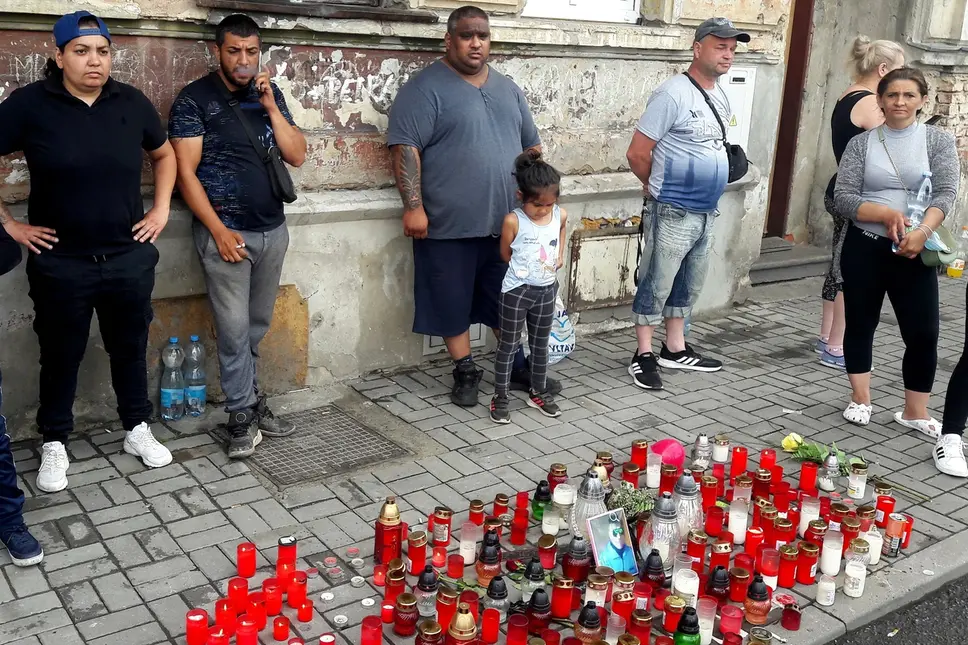
Pictures of a memorial for a young Rom who was stabbed to death in Brno.
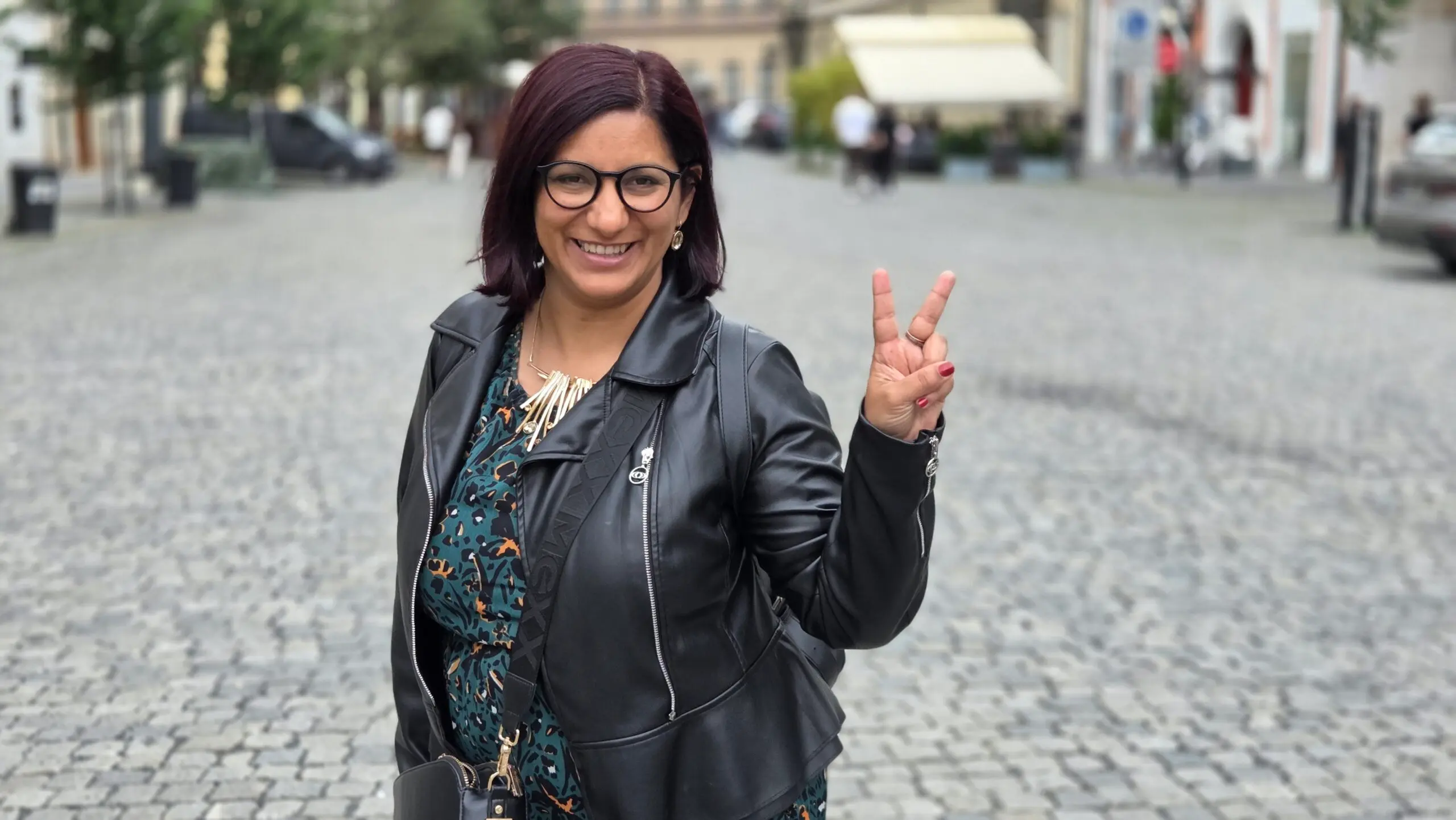
Lucie Fuková resigned as the Government Commissioner for Roma Minority Affairs due to disagreements over the new coordination system for the Romani agenda, which she believes undermines her ability to fulfill her vision for the role. She highlighted concerns that transferring the Romani agenda to the Labor and Social Affairs Ministry could reinforce negative stereotypes about Romani people being associated with social issues.
Fuková emphasized her achievements in fostering dialogue, combating antigypsyism, and promoting Romani participation in decision-making during her tenure, while vowing to continue advocating for Romani rights despite her resignation.

Romani children face prejudice, bullying, and violence in schools, with nearly half of teachers admitting to having negative personal feelings towards them.
A new project by IQ Roma Servis aims to empower Romani mothers to advocate for their rights and their children’s rights through community legal advisors. It operates a center in Brno for parents and children, including a preschool club that helps children transition to kindergarten and teaches them social skills. The club aims to prevent children from feeling marginalized and encourages them to communicate any discomfort to their parents.
A new project called “Aven savore džas anglal” is training Roma mothers to advocate for their rights and those of their children, with the goal of empowering them to become legal advisors in their communities.
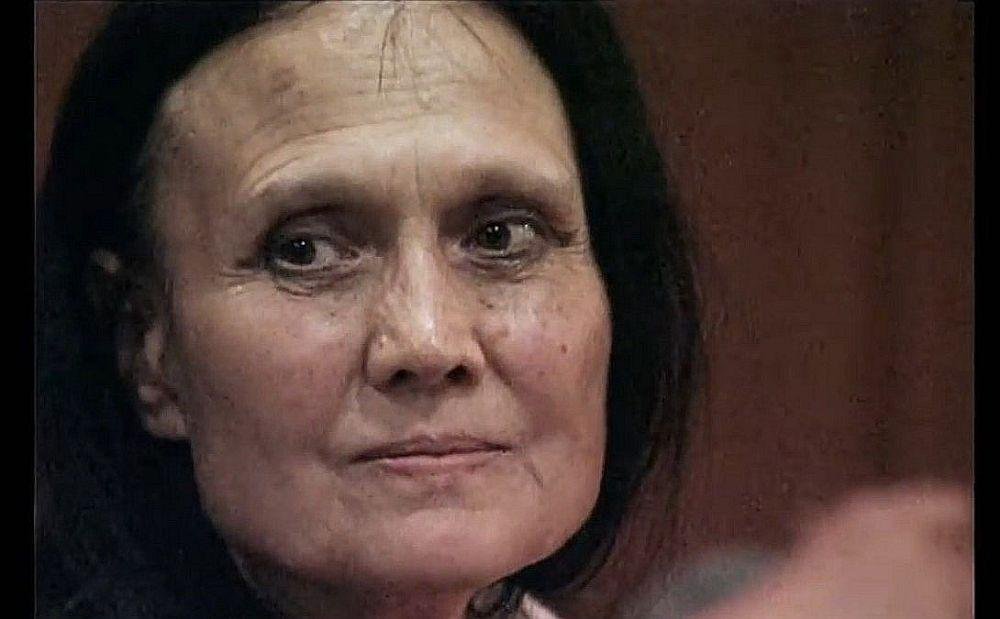
An article in the Slovak press about Milena Hübschmannová, born on June 10, 1933. She significantly influenced the lives of several generations of Roma, instilling pride in their identity and leaving a lasting impact on Czech and global culture.
She began working with Roma communities in the 1950s, encouraging written expression and supporting Roma literature through editing, translating, and publishing efforts.
Hübschmannová was instrumental in establishing Romani studies at Charles University in Prague, elevating the Romani language and culture to an academic discipline and fostering close relationships with Roma personalities.

The Czech radio show “Roma vakeren” [Roma speak] talks about this year’s Khamoro World Roma Festival which revived the tradition of Roma storytelling and commemorated the legacy of the exceptional Věra Bílá. And also visit Slovakia, where the creative writing competition in the Romani language Avka, sar miri daj vakerelas / Just like my mother spoke took place.
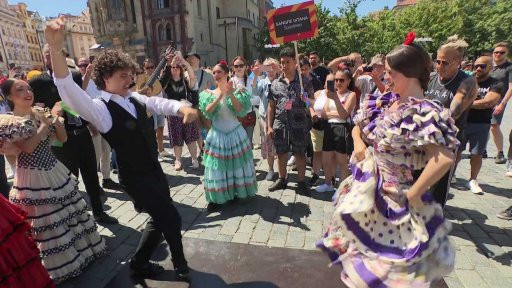
A short video from the Czech Tv of the Khamoro Festival in Prague with a series of longer features indicated.
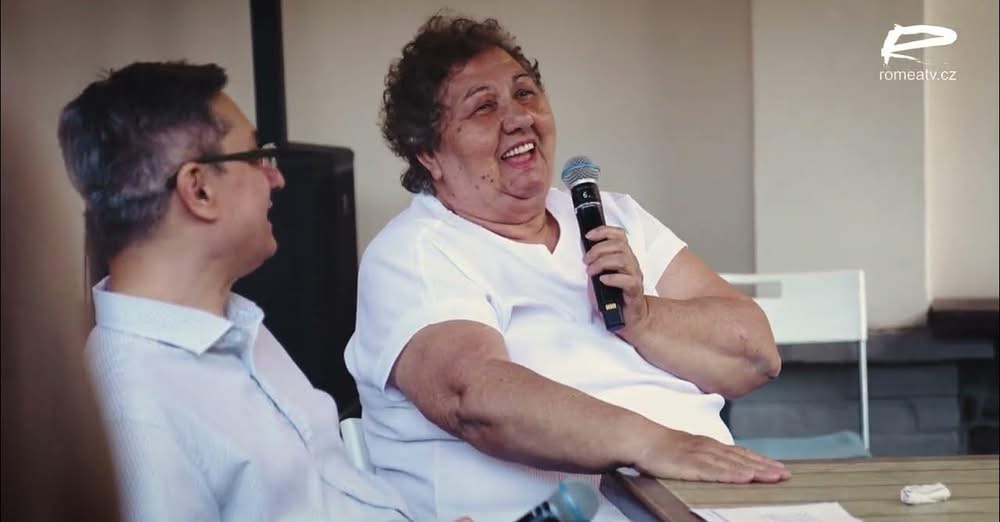
Storytelling, live music and shared reminiscences took visitors to Khamor back to the times when Romani families would sit together in the evenings and stories would be passed down from generation to generation. Monday’s Storytelling: Giľora program at the Kampa Community Center reminded of the ancient Romani tradition of vakeriben, i.e. storytelling that combines personal memories, humor, music and the experience of the entire community.

The Roma ensemble Perumos has won over audiences at home and abroad. “They didn’t want to let us go home in France,” the Gorols recall. “We experienced our greatest success in France. They didn’t want to let us go home,” recall the couple Kristína and Vojta Gorol, members of the legendary Roma ensemble Perumos. The ensemble was formed in 1986 and gained recognition not only in the then Czechoslovakia but also abroad. In an interview with Romea.cz, they recalled not only the successes they experienced in France, but also their emigration to Belgium and the transformation of the Perumos ensemble into the Perum group.

In the Czech Republic during last year’s elections, a large part of the Roma population voted for Babiš and worse, for Okamura, who is openly anti-Roma (and migrants, which is ironic as he is not exactly 100% Czech, if anything like this exists).
Well, at least the recent Hungarian elections show that this can change. There, most Roma voted against Fidesz.

An open letter from Jana Kokyová, chair of the Committee for the Redress of the Roma Holocaust, an association of families of Roma survivors of the Holocaust, to Czech Prime Minister Andrej Babiš (Action of Dissatisfied Citizens – ANO) regarding the transfer of the Roma affairs agenda to the Labor and Social Affairs Ministry. According to her, the Government’s decision undermines the importance of Roma affairs at the central level.
She is right.

More on the Khamoro Festival which started yesterday in Prague.

Nikolas Ferenc, an actor and influencer who raises Roma topics on social networks, was the guest of the Klub Rádia Junior. He revealed to the moderator Eva Sinkovičová how he refutes negative prejudices.
As he is of Romani origin, he talks about Roma culture on social media and refutes prejudices. According to Nikolas, people most often think of Roma as thieves and non-workers.
“I try to work with a bit of humor, I try to explain things historically,” he says. He considers the idea that Roma don’t work to be one of the biggest lies. “If Roma didn’t work, we wouldn’t have sewage systems in Prague,” he says, adding that Roma often do jobs that others don’t want to do.
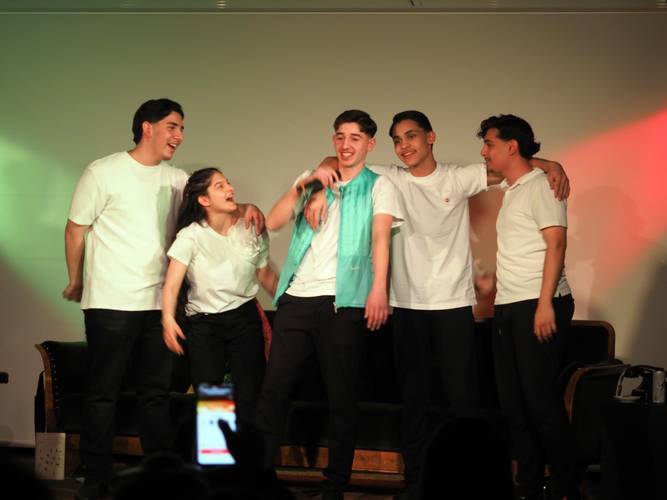
The Romani youth group PowerPeng! from Berlin meets the Romani media platform TUKE.TV from Brno. Through short films and a performance, they engage in dialogue and discuss how young Roma in Germany and the Czech Republic keep the memory of Sinti and Roma alive through their media work, how they shape resistance against the far right, and how they can maintain their place in the public consciousness.

Roma music from different corners of the world, a theatrical story about the Romani partisan Josef Serink, a traditional procession of hundreds of Romani artists through the historical centre of Prague, and debates on topics that move society. The capital will once again transform into the centre of Romani culture in the last week of May. The largest Romani festival in the world – Khamoro – is returning to the metropolis. The twenty-eighth year will offer a total of seven concerts of various genres and about two dozen accompanying events. The festival has been organized by Slovo 21 and Studio Production Saga since 1999. This year’s event was held under the patronage of the President of the Czech Republic, Petr Pavel.
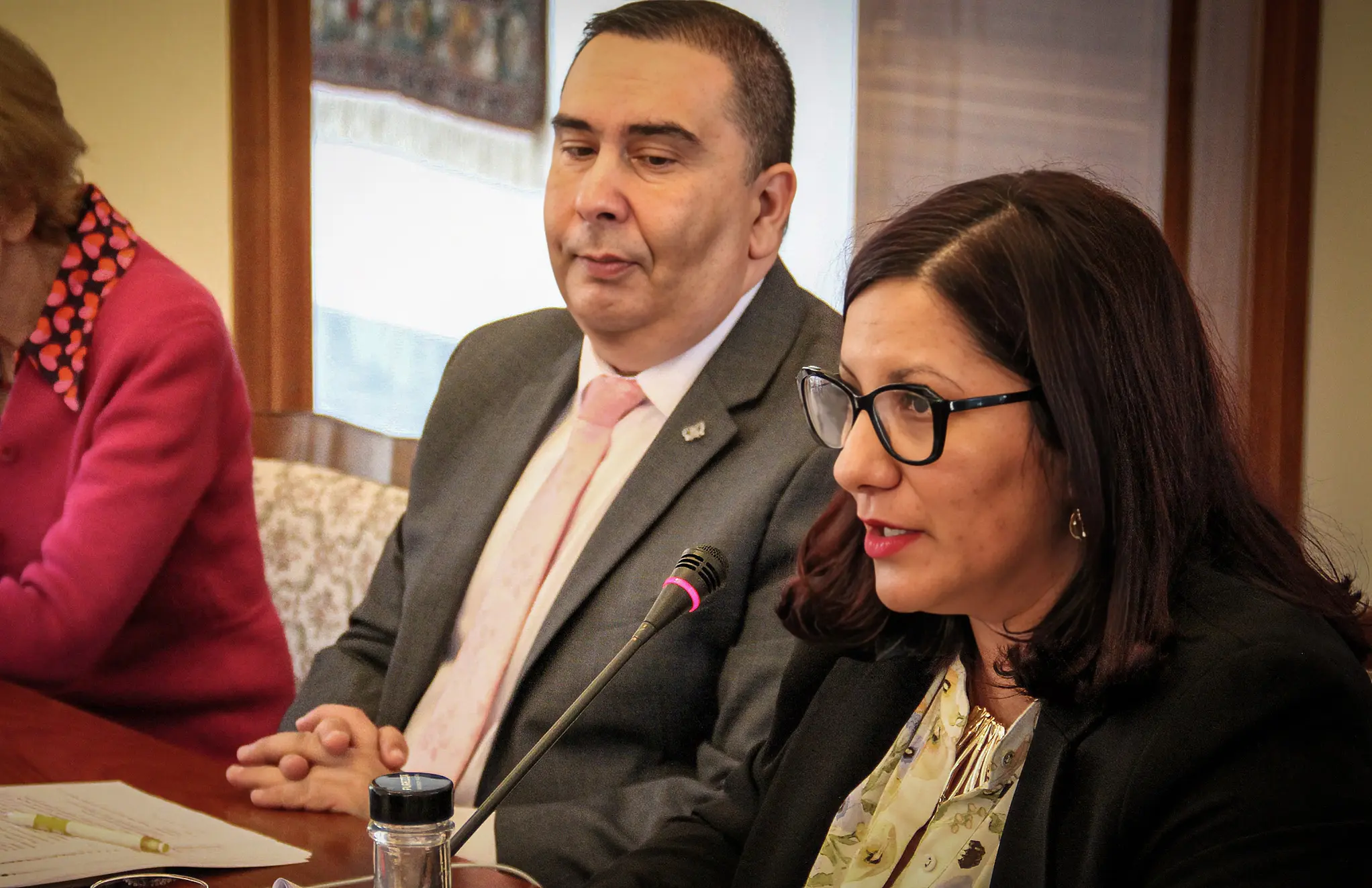
The Czech government is transfering the Romani agenda from the Office of the Government of the Czech Republic to the Labor and Social Affairs Ministry. Czech Government Commissioner for Roma Minority Affairs Lucie Fuková said that she does not yet want to give an opinion on the specific impacts this entails.
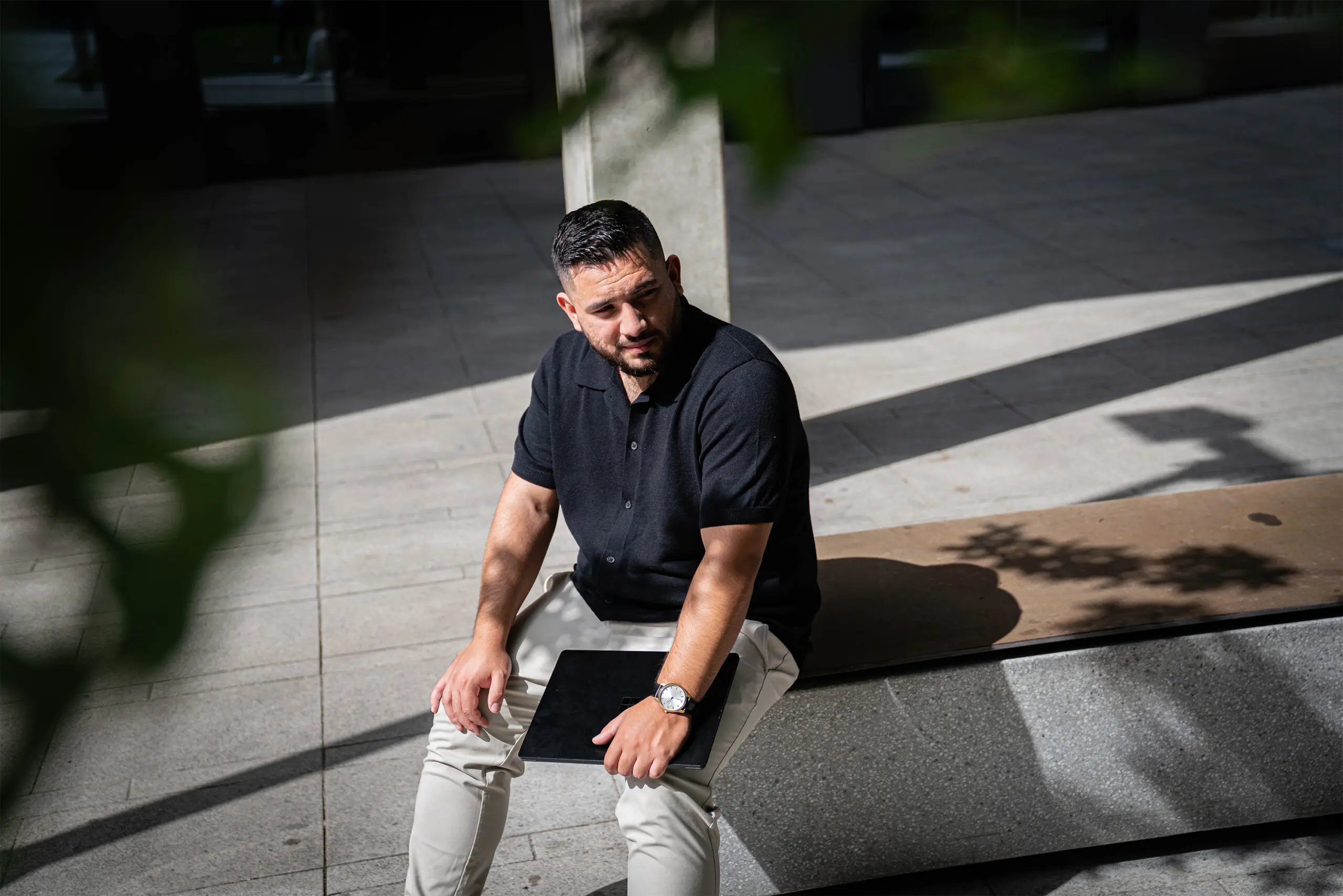
An Editorial from Cristian Szinai on what it means being Rom and on the relationship between Czech, Roma, and the country at large.

The Khamoro World Roma Festival will begin next Sunday, May 24, with a concert on Střelecký Island in Prague. Until Saturday, May 30, the 28th year of the festival will offer seven concerts of various genres and about two dozen accompanying events. President Petr Pavel took over the patronage of this year’s edition.
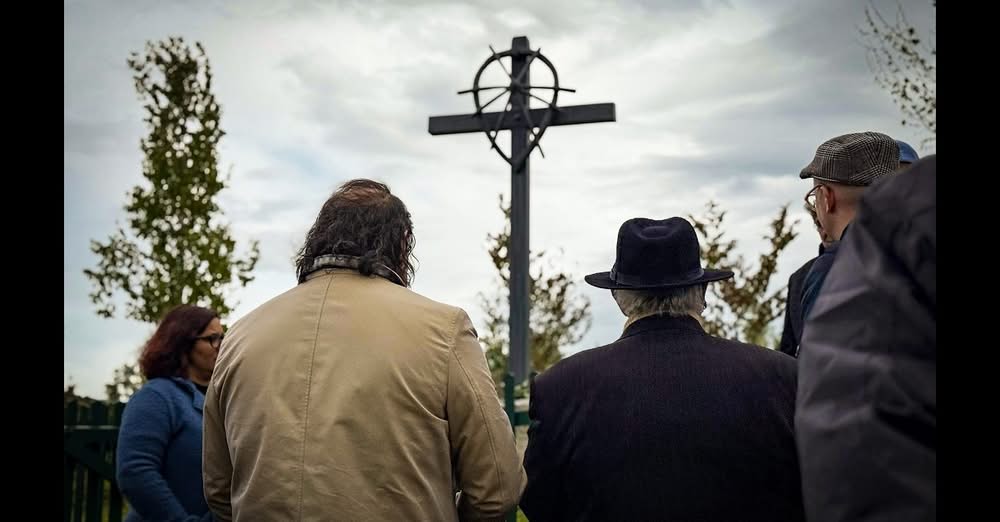
A meeting of descendants of Roma and Sinti Holocaust survivors took place at the Hodonín u Kunštátu Memorial to the Holocaust of the Roma and Sinti in Moravia on Saturday, 16 May 2026 to honour the memory of the Roma and Sinti victims of Nazism. The event was organized by the Association of Roma and Sinti in the Czech Republic together with the Brno Christian Aid Association.

In the twenty-third episode of the SODAcast podcast, its authors Zdeněk Ryšavý and Patrik Banga return to the housing case of Minister for Regional Development Zuzana Mrázová, the debate on the Agency for Social Inclusion, the May Day march against fascism and the vocabulary of some politicians. They also discuss the Sudeten Germans’ congress in Brno and the violence of some football fans.
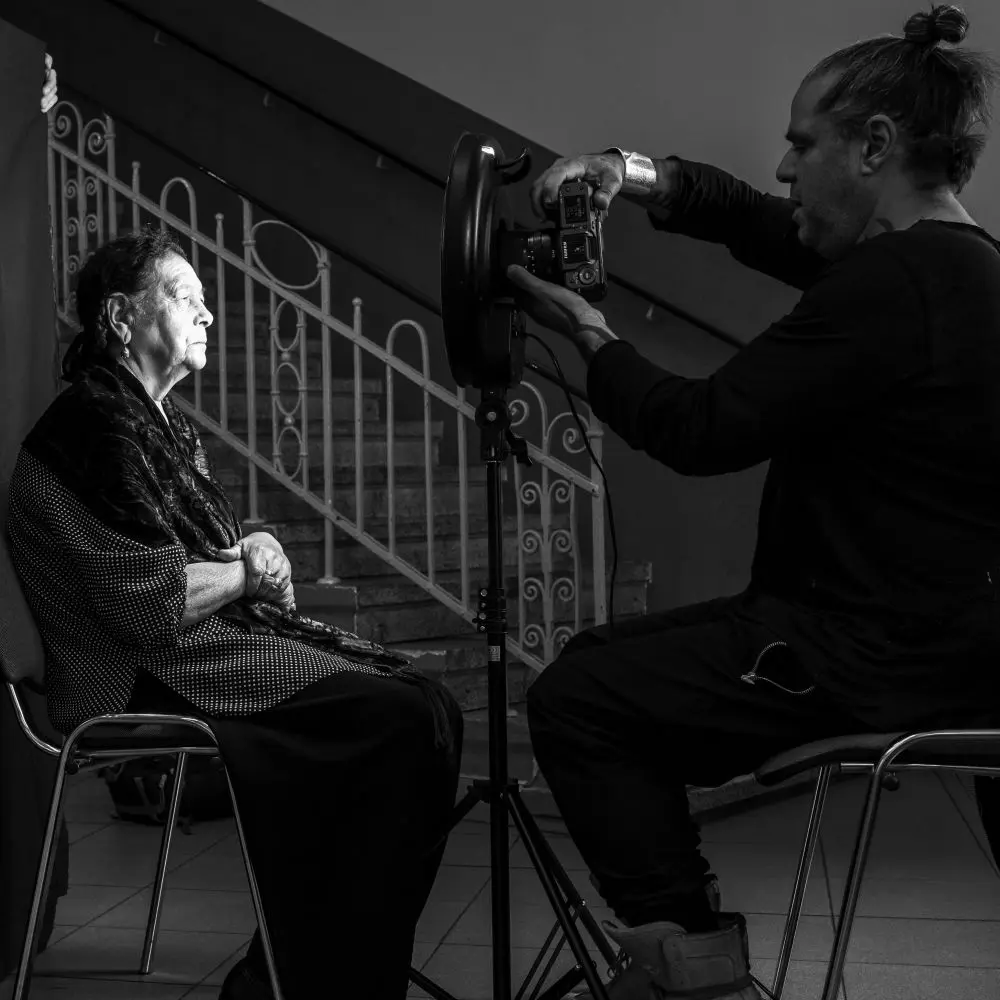
What contribution can art and culture make to remembering the genocide of the Roma and Sinti? This question will be addressed in the discussion in the context of the exhibition of the same name.
This collaborative event between the Foundation Remembrance, Responsibility and Future (EVZ) and the Goethe-Institut brings together German and Czech stakeholders from civil society and the cultural sector, inviting them to reflect, discuss, and develop new perspectives for an inclusive and future-oriented culture of remembrance. The discussion takes place in conjunction with the photography exhibition of the same name, which will be on display on Kampa Island in Prague from May 27 to June 10.
 English (UK) English (UK)
 Deutsch
 Français