Category Archives: News Eastern Europe

Kindergarten and Roma

Published by:

Kindergarten and Roma

An article about the fact that there are almost no Roma in Kkindergarten in a Slovenian region that has several Roma settlements. According to the article:

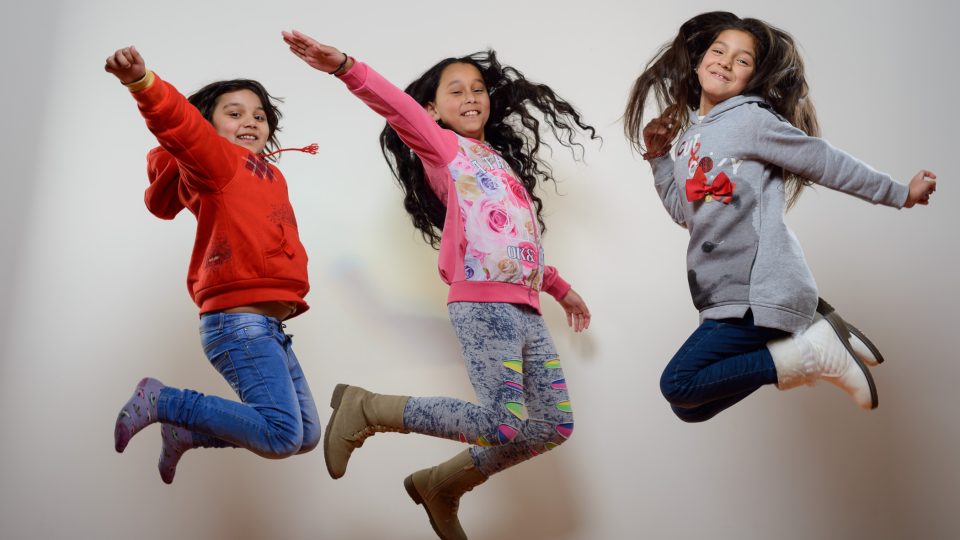
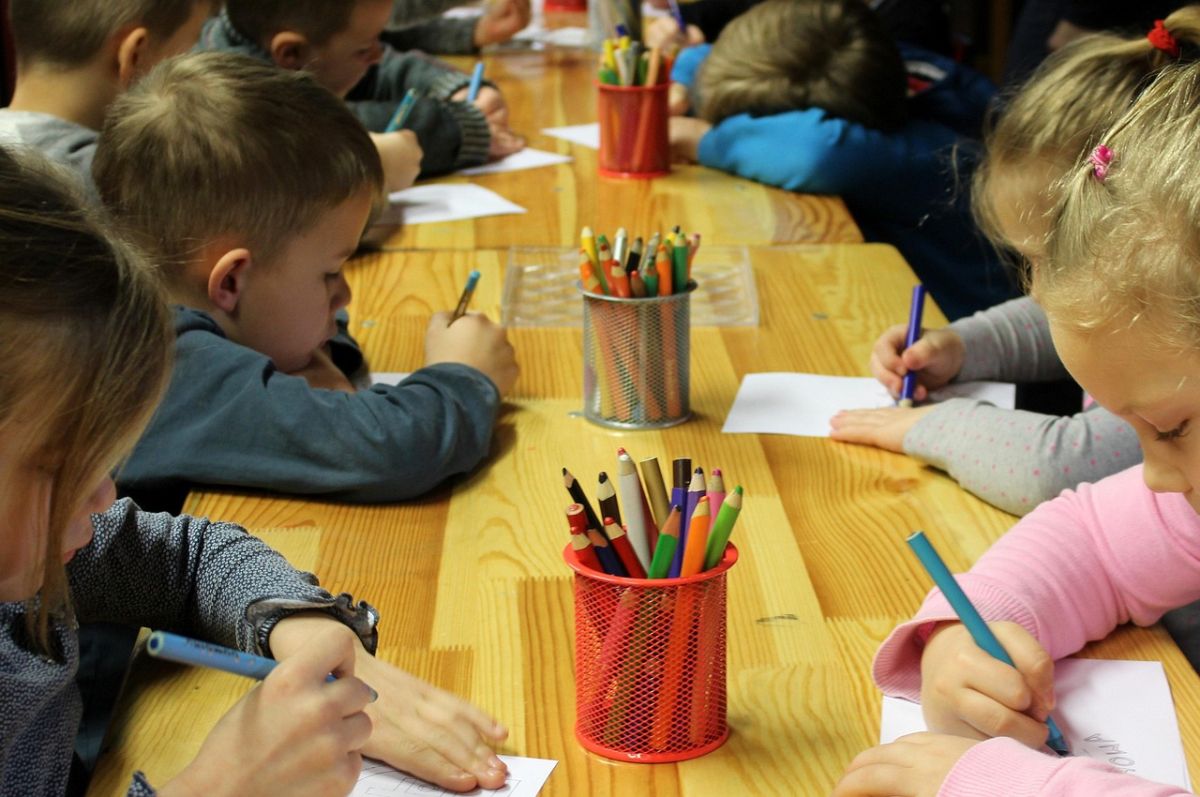
Although there are many Roma people living in the municipality of Šentjernej, and around 70 Roma children attend primary school, this is not reflected in kindergarten enrolment. According to the principal, not a single Roma child currently attends the kindergarten.

“Despite our efforts, we have not managed to collect enough applications for a shorter program funded by the state and intended for children who do not attend kindergarten before entering school.”

Odessa: Exhibition

Published by:

Odessa: Exhibition

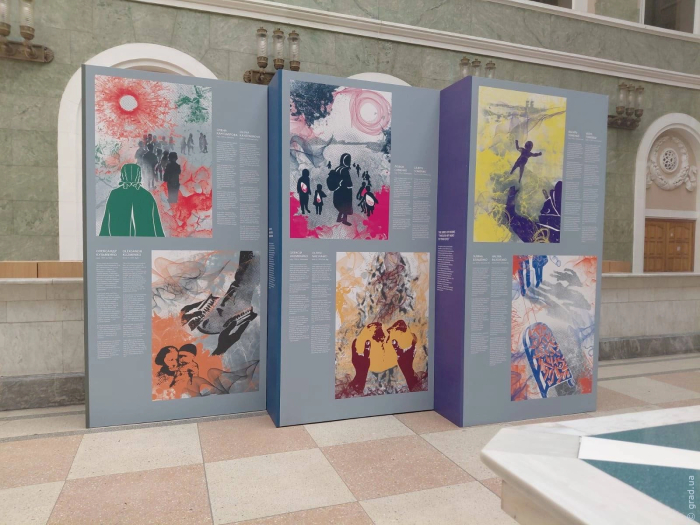
The exhibition “Invisible. Resilience: The Past and Present of the Roma” explores the history and culture of the Roma people and highlights the Roma community’s contribution to modern society.

The exhibition consists of two thematic sections, each focusing on the past and present of the Roma people. Particular attention is paid to identity as a form of resistance and the preservation of cultural heritage.

The event was organized by the ARKA Youth Agency for Roma Culture Advocacy in partnership with the Babyn Yar National Historical and Memorial Reserve, the Odesa Holocaust Research Center, and the Ukrainian Holocaust Research Center. The project was implemented with the support of the German Embassy in Ukraine and the Ukrainian Institute of National Remembrance.

Roma Vakeren

Published by:

Roma Vakeren

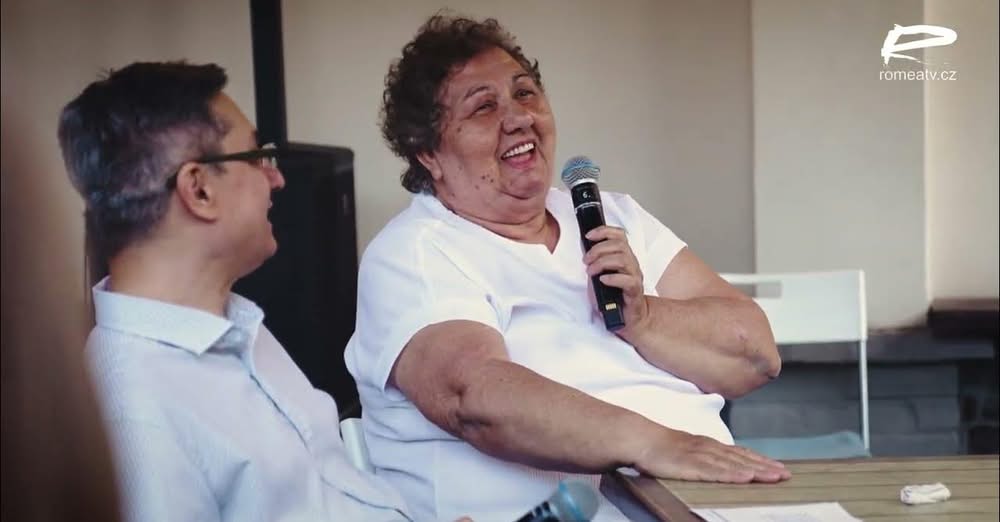
The Czech radio show “Roma vakeren” [Roma speak] talks about this year’s Khamoro World Roma Festival which revived the tradition of Roma storytelling and commemorated the legacy of the exceptional Věra Bílá. And also visit Slovakia, where the creative writing competition in the Romani language Avka, sar miri daj vakerelas / Just like my mother spoke took place.

Romanes in Slovenia

Published by:

Romanes in Slovenia

One of the long-standing representatives of the Romani community is Slobodan Nežirović from Šaleška dolina. He pays special attention to the preservation of the Romani language, culture, and tradition, and the inclusion of Roma in education, employment, and public life. He is also the author and editor of several publications in the field of the Romani language, poetry, fairy tales, and folk traditions.

Šutar Act

Published by:

Šutar Act

Zvonko Golobič, president of the Association for the Development of the Roma Community from Črnomelj, Slovenia, said that after 100 days of the so-called Šutar Act, representatives of the Roma settlements of southeastern Slovenia assessed that the situation of the Roma community had drastically deteriorated.

Alexander Daško

Published by:

Alexander Daško

According to this article, the plenipotentiary for the Roma communities, Alexander Daško’s wife Olga’s organization, more precisely the borzoi club of Russian greyhounds, received subsidies from the Ministry of Tourism and Sports of Minister Rudolf Huliak. Huliak is a politician who once ran for the extremist ĽSNS.

This was published by Roma from the Hnutia Slovensko movement, saying that Alexander Daško “dedicates himself, his family and dogs, as the Roma community”. The president of the Borzoi club of Slovakia is Oľga Dašková. The club was founded in 2025 and is based in Banská Bystrica.

Roma in Slovakia

Published by:

Roma in Slovakia

The Office of the Government Plenipotentiary for Roma Communities (ÚSVRK), headed by Alexander Daško (Smer), will lose the ability to decide on the distribution of money from EU funds to support the inclusion of Roma men and women from July.

Roma experts criticise the move.

Romano David Bowie

Published by:

Romano David Bowie

Jovan Živadonović Džipsii, a Roma musician from Zaječar who is called the Roma David Bowie, will perform this Saturday in front of the Sarajevo audience at the Hemingway’s Bar club.

Roma “Ghettoes” in Bulgaria

Published by:

Roma “Ghettoes” in Bulgaria

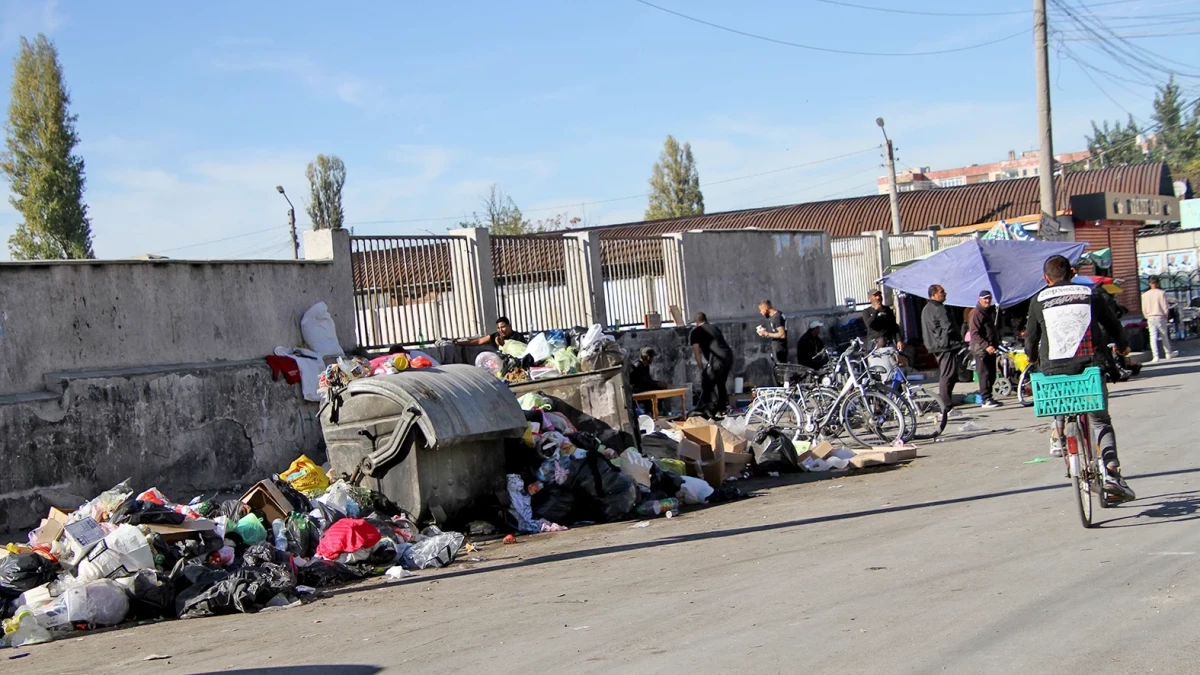
According to this article, Roma ghettos in Southern Bulgaria are growing, but not in the North. On June 2, the premiere of a 520-page research paper on Bulgarian Roma “Models of Roma Urban Ghettoized Structures” took place.

It is written by four Bulgarian scientists, led by Prof. Nadezhda Ilieva from the National Institute of Geophysics, Geodesy and Geography, who over the course of 3 years have managed to count 210 Roma neighborhoods in 148 Bulgarian cities, excluding Sofia and the villages, and to track the socio-demographic processes taking place in them.

Open Heart Festival

Published by:

Open Heart Festival

The twenty-first edition of the Children’s Roma Festival “Open Heart” is being held on June 5 and 6 in Veliko Tarnovo. It officially opened on Friday at 1 pm in the “Marno Pole” park and it is  expected that about 1500 children and students will participate. In parallel with the festival program, accompanying events will be held, in which diplomats, politicians and experts will participate.

Dance Competition

Published by:

Dance Competition

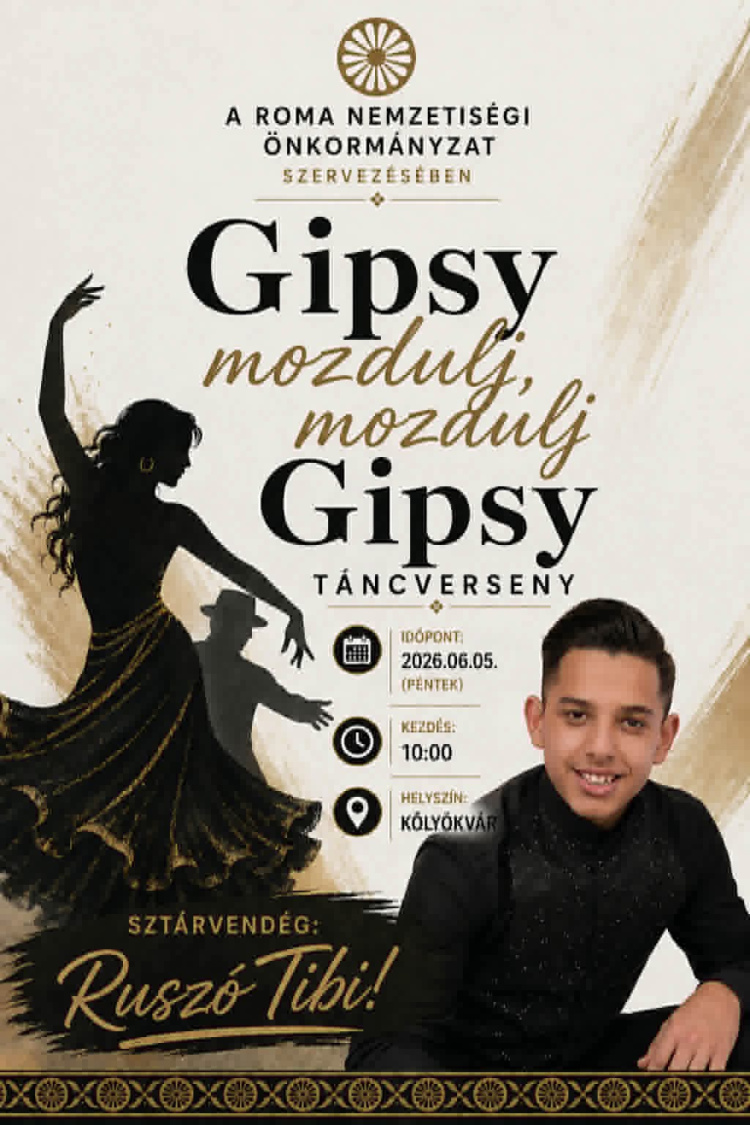
The “Move Gipsy!” dance competition, organized by the Hungarian Roma National Self-Government, aims to present cultural values ​​and strengthen community building.

The event provides an opportunity for participants to show their dance skills and performing abilities in front of the audience. The organizers aim to popularize Roma culture through the competition and support the development of talented young people.

Slovenia and Roma

Published by:

Slovenia and Roma

The change of government in Slovenia is having an effect on Roma.

According to the article, after the enactment of the Act on Emergency Measures to Ensure Public Safety (Šutar’s Act), a shift has already occurred at the local level, says the mayor of Novo Mesto, Gregor Macedoni: “Changes have been detected in the greater inclusion of children in the education system, i.e. increased school attendance.” However, the activities at the state level to date are assessed as insufficient, because progress in solving long-term challenges will require closer cooperation between all institutions, the mayor emphasizes: “We expect the new government to approach solving the problem comprehensively, and above all with a clearly established principle of equal rules for all.”

Annual Report?

Published by:

Annual Report?

The Plenipotentiary of the Government of the Slovak Republic for Roma Communities should submit its annual activity report by the end of September from 2027. This follows from the draft amendment to the statute of the plenipotentiary, which adjusts the current March deadline for submitting the annual report.

It also avoids some controversies …

Jasenovac and Croatia

Published by:

Jasenovac and Croatia

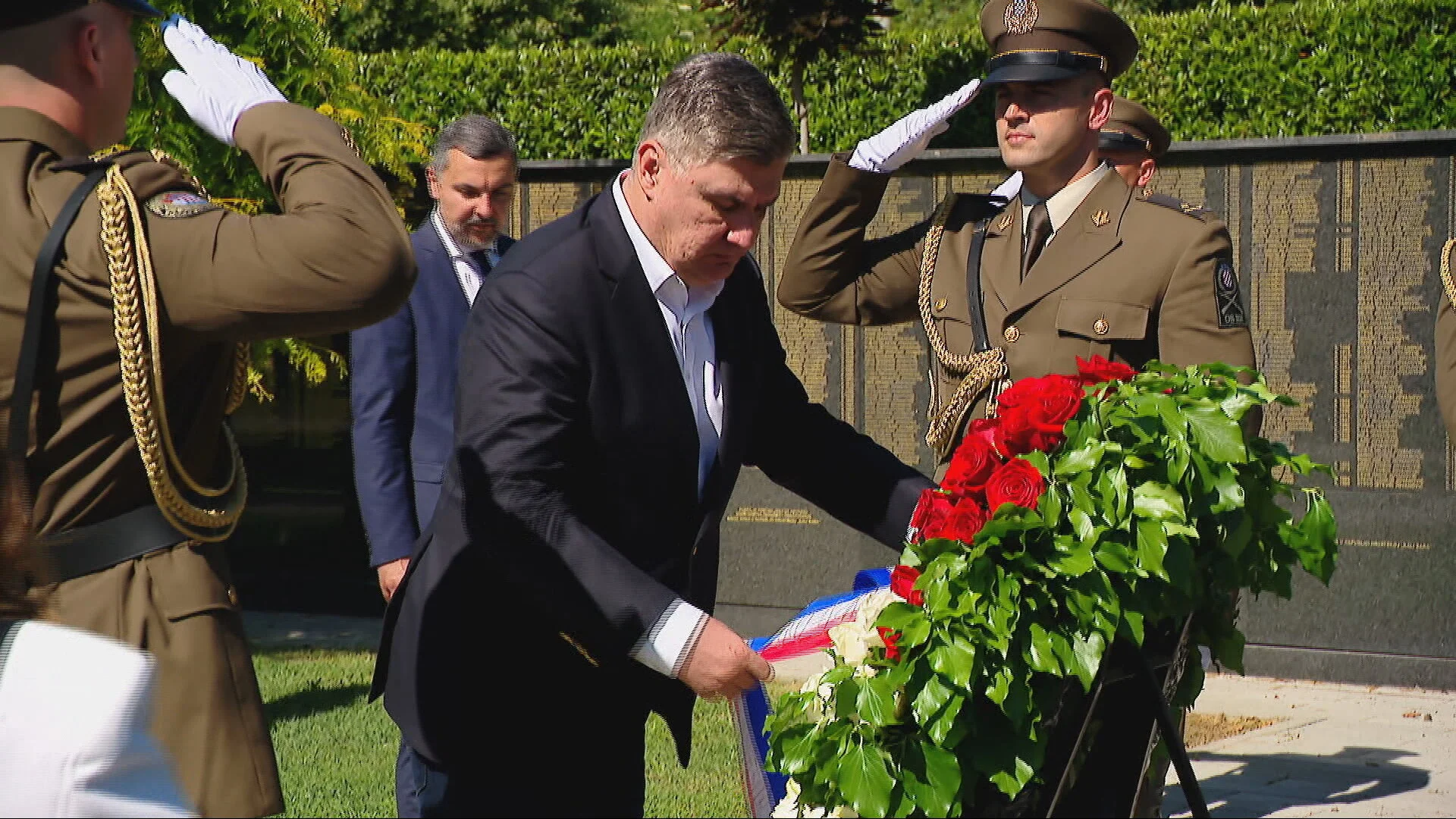
The Croatian President of the Republic, Zoran Milanović, visited the Roma Memorial Center Uštica, where he planted a Tree of Peace. During his visit, he lit a candle and laid a wreath in front of the Wall of Pain at the Roma Memorial Cemetery. So far, 21 mass graves of Roma victims have been identified in this area and more than 16’000 victims have been identified.

Bulgarian Roma in Germany

Published by:

Bulgarian Roma in Germany

According to this Bulgarian article, there are neighbourhoods in two small German towns entirely composed of Roma from Vidin, Bulgaria. Apparntly, neighbours are not so fond, and still according to the article, “quite a few of them, together with the Romanian Roma, are involved in some criminal scheme and often have problems with the local authorities”.

No comments, apart that some actual journalistic work would be nice …

Brawl in Bulgaria

Published by:

Brawl in Bulgaria

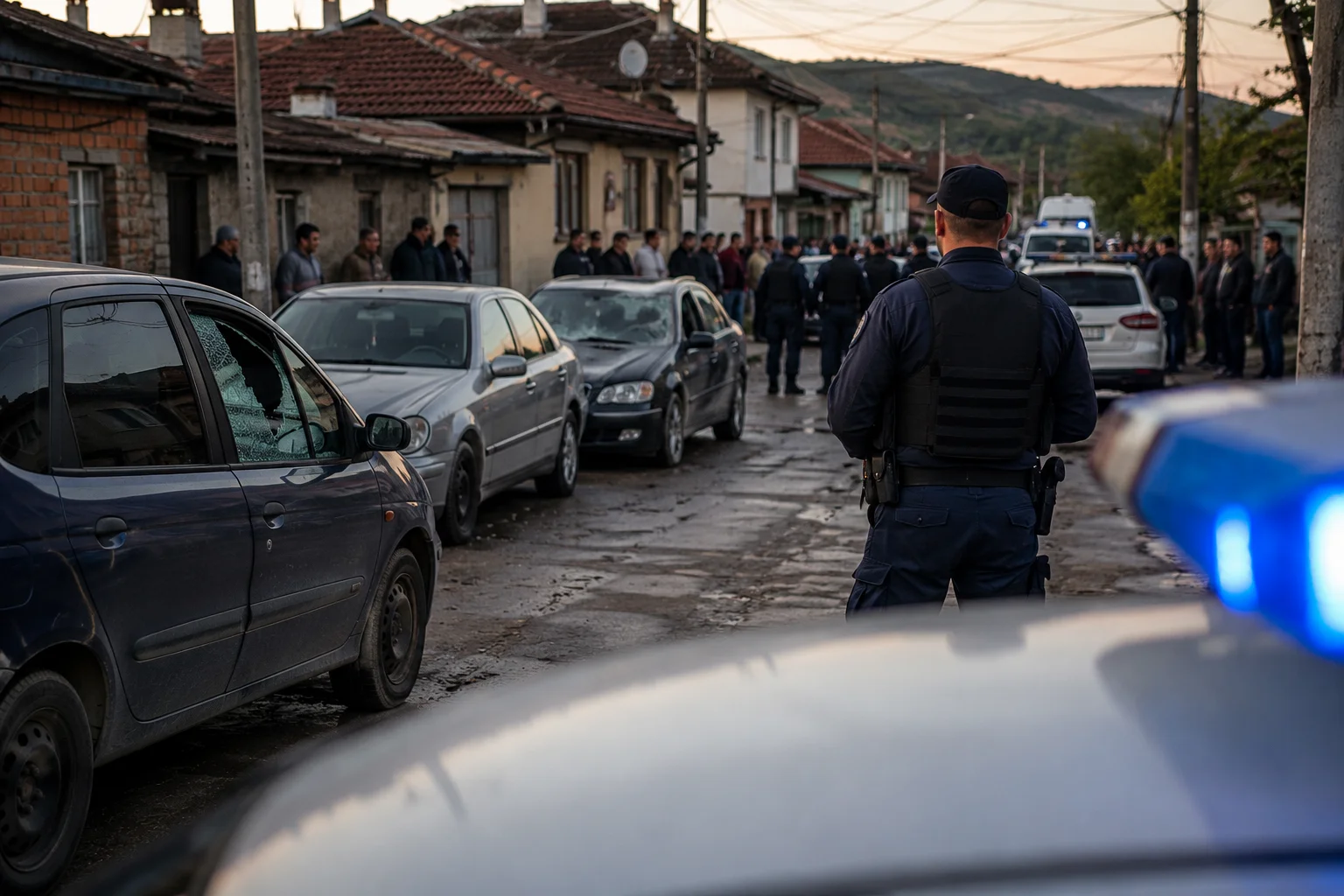
Several articles in the Bulgarian press about a fiht between Roma in Berkovitsa, resulting in injuries and the arrest of several people.

Bad.

Khamoro

Published by:

Khamoro

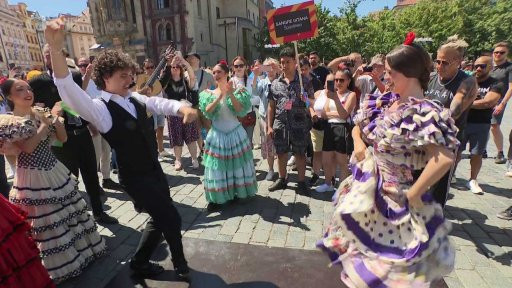
Storytelling, live music and shared reminiscences took visitors to Khamor back to the times when Romani families would sit together in the evenings and stories would be passed down from generation to generation. Monday’s Storytelling: Giľora program at the Kampa Community Center reminded of the ancient Romani tradition of vakeriben, i.e. storytelling that combines personal memories, humor, music and the experience of the entire community.

rroma.org
en_GBEN