Category Archives: News Eastern Europe

Slovenia: New Project

Published by:

Slovenia: New Project

A new Slovenian project addresses the prevention of early and forced marriages, gender equality, women’s empowerment, and combating anti-Roma sentiment to enhance the skills of public officials working with the Roma community.

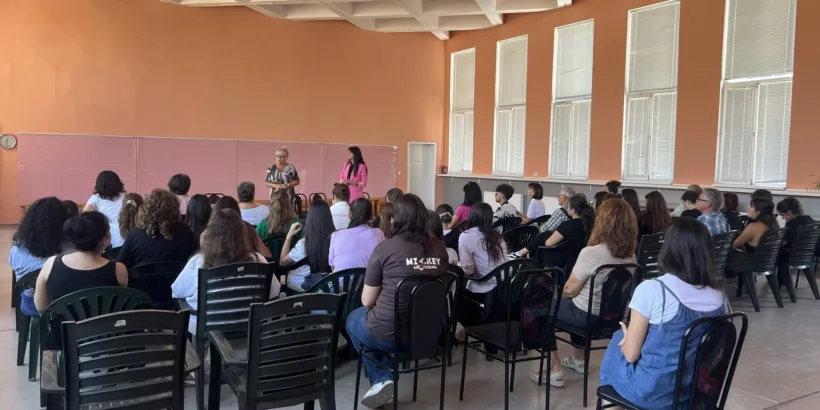
A training session was held online on June 12, 2026, focusing on various aspects of working with Roma youth, emphasizing inter-institutional cooperation and the role of social work centers. The training included presentations from government representatives and educational leaders, highlighting the importance of education in the lives of Roma youth and sharing best practices in inter-institutional collaboration.

Nice, but what is the impact?

Roma and Religion

Published by:

Roma and Religion

A new scientific study by sociologist Dragan Todorović explores the religious identity of Roma in Serbia, focusing on the growth of Protestant communities among them.

The study highlights the impact of religious changes on the daily lives, education, family relations, and social integration of the Roma community, particularly in southern Serbia.

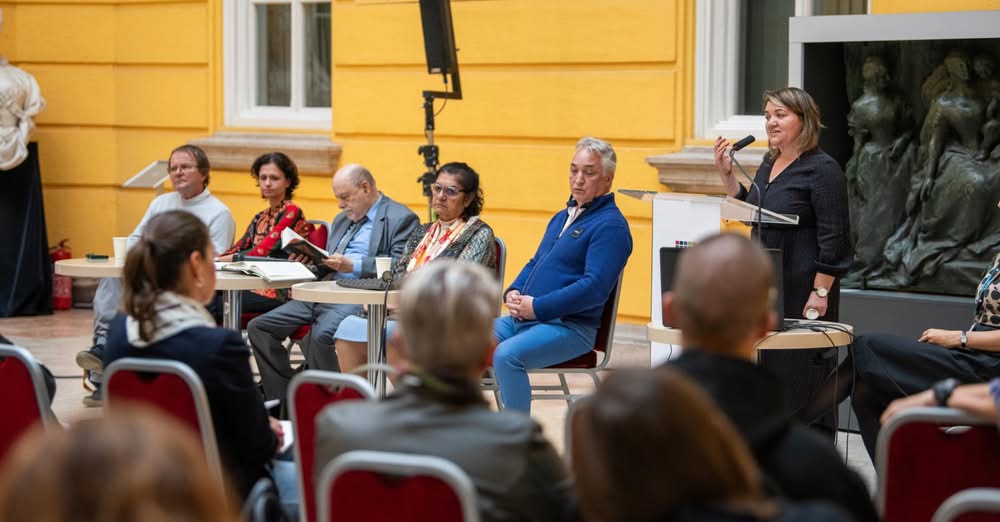
Participants in the book promotion emphasized the importance of understanding the relationship between religion and social development to improve public policies for the vulnerable Roma community.

Roma History

Published by:

Roma History

Višnja Višnjić Milić won an award for her ethical reporting on Roma history and Holocaust remembrance, focusing on the suffering of Roma during World War II.

Her program “Građanin” highlighted the experiences of Roma in two concentration camps, showcasing journalistic integrity and high ethical standards. Milić emphasized the importance of creating understanding and dialogue about marginalized communities, viewing the award as motivation to continue her work against discrimination.

Bulgaria and Transgender

Published by:

Bulgaria and Transgender

This article alleges that the gang known as “Kalashniks” has taken control of the transgender sex work market, primarily involving Roma individuals, with many providing services for high rates.

Sources indicate that around 90% of transgender sex workers are of Roma descent, and the gang profits significantly from this operation, reportedly earning around 100,000 euros monthly. There are allegations of coercion and exploitation within the community, with concerns that many Roma gay men are forced into sex work as transgender women for the gang’s benefit.

As usual, “sources” are not named …

Romanes in Romania

Published by:

Romanes in Romania

In Cluj County, the Romanes is taught in various educational institutions, both urban and rural, with over 5,000 students identified as Roma in the educational system. The teaching is supported by 7 Romani language teachers and 26 school mediators, aiming to reduce school dropout rates in the Roma community. The National Day of the Romani Language is celebrated on June 16, emphasizing the importance of protecting and promoting the language and cultural identity of the Roma community in Romania.

Moldovan Mediators

Published by:

Moldovan Mediators

The Moldovan government approved changes to the regulations governing community mediators to enhance their effectiveness in assisting Roma families in accessing public services.

Community mediators will now have expanded responsibilities, including identifying vulnerable individuals and facilitating their contact with relevant public services. The reform includes ongoing professional training for mediators and aims to improve service quality and resource efficiency, promoting social inclusion and educational access for Roma children.

Illegal Dumps

Published by:

Illegal Dumps

A roundtable discussion in Brod na Kupi in Croatia highlighted the illegal dumping and burning of waste by residents of the Gusti Laz area, raising concerns about environmental damage and public safety.

Local officials called for the relocation of part of the Roma population to more suitable living conditions, citing ongoing issues with crime and environmental degradation.

There is a significant debate over the labeling of the residents involved, with some officials arguing they should not be identified as Roma but rather as Croatian citizens, emphasizing the need for legal compliance and state intervention.

Lucie Fukova

Published by:

Lucie Fukova

Lucie Fuková resigned as the Government Commissioner for Roma Minority Affairs due to disagreements over the new coordination system for the Romani agenda, which she believes undermines her ability to fulfill her vision for the role. She highlighted concerns that transferring the Romani agenda to the Labor and Social Affairs Ministry could reinforce negative stereotypes about Romani people being associated with social issues.

Fuková emphasized her achievements in fostering dialogue, combating antigypsyism, and promoting Romani participation in decision-making during her tenure, while vowing to continue advocating for Romani rights despite her resignation.

Unemployment in Serbia

Published by:

Unemployment in Serbia

Roma face high unemployment and discrimination, often leading them to work in the informal economy with low-paying jobs.

Marko, a 25-year-old from Kraljevo, struggled for three years to find a job after completing his hospitality education, facing consistent rejection due to prejudices against Roma. His experience reflects a broader issue in Serbia, where many Roma encounter similar barriers in the job market.

The articles discuss the broader challenges faced by Roma, including high unemployment rates, lack of access to education and healthcare, and the prevalence of working in the informal economy.

The BBC one emphasizes the need for targeted support and educational opportunities to improve the employment prospects of Roma, particularly women, who face additional discrimination and economic dependency.

Bosnian Unity

Published by:

Bosnian Unity

Leaders of Roma organizations in Bosnia emphasize unity among Roma to improve living conditions, education, and employment opportunities. Future collaboration will focus on joint projects, youth support, and preserving Roma culture while strengthening ties with local communities.

The situation for Roma in Bosnia and Herzegovina is gradually improving, with education and community involvement seen as key to further progress.

Brawl in Bulgaria

Published by:

Brawl in Bulgaria

The leader of the Roma neighborhood “Kremikovtsi” in Garmen municipality, Krasi Aydarov, was hospitalized after a brawl in the area.Following the incident, police were dispatched to prevent escalation as a group of his friends and relatives gathered outside the hospital.

Authorities are investigating the circumstances surrounding the clash, and the situation remains under control.

Bad

Young Roma

Published by:

Young Roma

The Romanian National Meeting of Roma Youth took place in Brașov, focusing on civic engagement, leadership, and community development for young Roma aged 16 to 30 in Romania.

The program included discussions on civil society, project management, financial education, and the importance of Roma identity, featuring speakers from various fields to inspire participants. The event aimed to foster dialogue among youth and representatives from student organizations, emphasizing the role of youth in civic participation and decision-making processes.

Moldovan National Program

Published by:

Moldovan National Program

The central goal of the Moldovan Roma National 2027-2030 Program is to enhance social inclusion and ensure equitable access for Roma to education, health, employment, social protection, and public participation.

The program includes measures to combat discrimination, develop community mediators, and promote Roma culture, validated by a meeting involving various stakeholders including government representatives and civil society organizations. Emphasis is placed on reducing inequalities and increasing access to quality public services, with active involvement from all stakeholders deemed essential for the program’s success.

Hungary and Roma

Published by:

Hungary and Roma

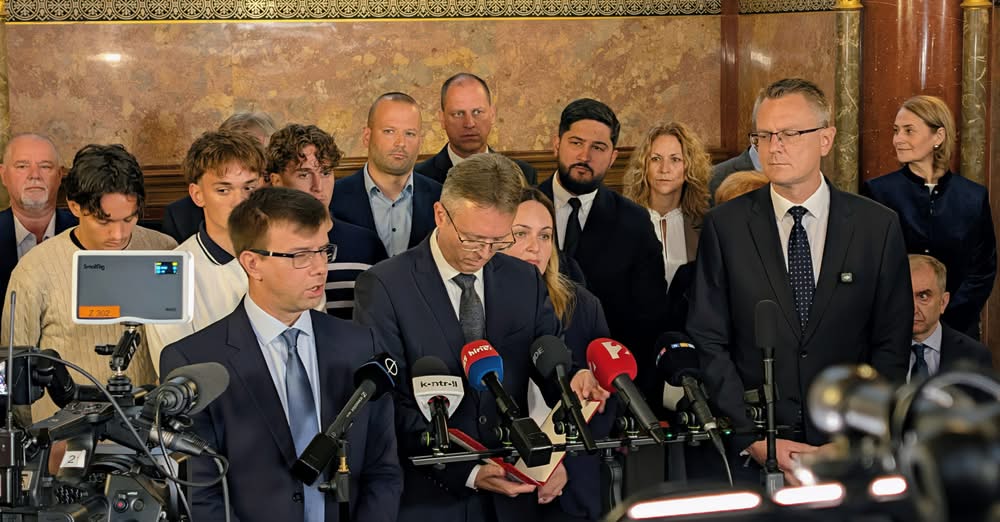
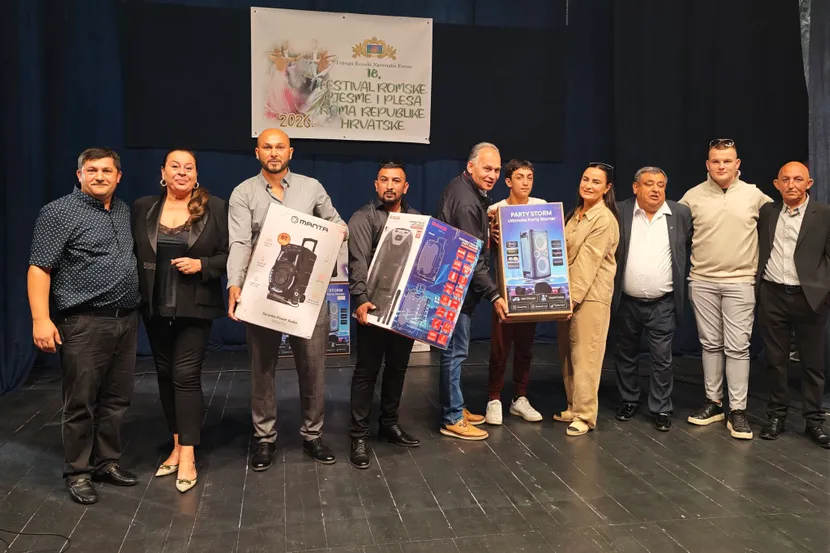
Under the new leadership of Prime Minister Peter Mađar, Hungary is taking significant steps to address discrimination against the Roma community, marking a historic moment in the country’s political landscape.

The new government includes four Roma parliament members, with Krištijan Kesegi becoming the first Roma vice president, signaling a shift towards greater representation.

Despite the positive gestures, Roma leaders remain cautious and are waiting to see if these symbolic changes will lead to real policy reforms and improvements in their socio-economic conditions.

However, Aba-Horváth István, a Roma minority spokesperson in Hungary, expresses disappointment over the loss of prestige in parliamentary representation for the Roma community, feeling they missed a historic opportunity for a genuine voice in parliament.

He criticizes the lack of cooperation from Debrecen representatives and the prevailing divisive political culture, which he believes undermines collaboration and community building.

Education in Slovakia

Published by:

Education in Slovakia

Education for children from marginalized Roma communities in Slovakia faces significant challenges, particularly regarding language barriers, as many children arrive at school speaking Romani or a Romani-influenced Slovak. Teachers report that the school system often fails to accommodate these language differences, leading to misinterpretations of children’s abilities and creating additional stress for both students and educators.

There is a call for systemic support, including the return of Roma language assistants and a shift in perspective to view Romani as a valuable part of children’s identity rather than a hindrance to learning.

Slovakia and the Genocide

Published by:

Slovakia and the Genocide

Martina Znamenáčková, a Slovak actress, discusses her role in the series “Dunaj” and her experiences as an actress. She reflects on the tragic historical context of her character’s storyline, which relates to the Roma Genocide during the Holocaust, emphasizing the importance of remembering such events to prevent future atrocities.

Znamenáčková also addresses issues of racial stereotyping in casting and the need for sensitivity in how questions about her ethnicity are posed, while sharing her ongoing projects in theater and television.

Work in Serbia

Published by:

Work in Serbia

The event “Days of Roma Careers” was held in Bor to improve employment opportunities for Roma and Romnja, focusing on self-employment and job training. It gathered representatives from institutions, civil society organizations, and the Roma community to discuss employment support programs and challenges faced by Roma in education and the labor market.

The project aims to enhance the social status of Roma through active employment inclusion, particularly targeting unemployed youth and vulnerable groups such as Romani women and persons with disabilities.

Roma Inclusion

Published by:

Roma Inclusion

A ceremony was held to celebrate the 20th anniversary of the Office for the Inclusion of Roma, which has worked to improve the position of the Roma community in Vojvodina for two decades. Key achievements over the past twenty years include better integration of Roma into society, increased access to education, employment, healthcare, and improved living conditions.

Officials emphasized the importance of continued support for the Roma community through various programs aimed at education, economic empowerment, and strengthening institutional support.

Slovenia and WWII Victims

Published by:

Slovenia and WWII Victims

The Slovene National Assembly has passed a law regarding the burial of victims of post-war killings. According to the article, the left continues to label as an ‘ideological law’ and a source of ‘division’. The article argues that this law is a necessary civilizational duty to address the thousands of unburied victims of communist terror, supported by archival documents.

It recounts historical atrocities committed by communists, including the execution of innocent civilians, emphasizing the need for the law’s implementation as a moral obligation.

Roma were also killed by Partisans in Slovenia. From mid-May 1942, communists partisans forcibly gathered and drove a large group of Roma from below Krim, from Vrblje and Podpeč into the gorge. At Benkov meadow, they shot everyone in a row without a shred of mercy: children, young people, old people, men and women. At that time, 43 innocent victims ended up in a common grave, which turned Iška into one large cemetery.

What the article fails to mention, is that the mayor od Ljbljana, who is not a leftist, denied the burial of these Roma victims in local cemetary for war victims … This all is part of a narrative whereby Roma were not killed by Slovenes, but by partisans only (some of which were indeed slovenes).

Czech Schools and Roma

Published by:

Czech Schools and Roma

Romani children face prejudice, bullying, and violence in schools, with nearly half of teachers admitting to having negative personal feelings towards them.

A new project by IQ Roma Servis aims to empower Romani mothers to advocate for their rights and their children’s rights through community legal advisors. It operates a center in Brno for parents and children, including a preschool club that helps children transition to kindergarten and teaches them social skills. The club aims to prevent children from feeling marginalized and encourages them to communicate any discomfort to their parents.

A new project called “Aven savore džas anglal” is training Roma mothers to advocate for their rights and those of their children, with the goal of empowering them to become legal advisors in their communities.

rroma.org
en_GBEN