Category Archives: Poland

Poland and Roma Street Musicians

Published by:

Poland and Roma Street Musicians

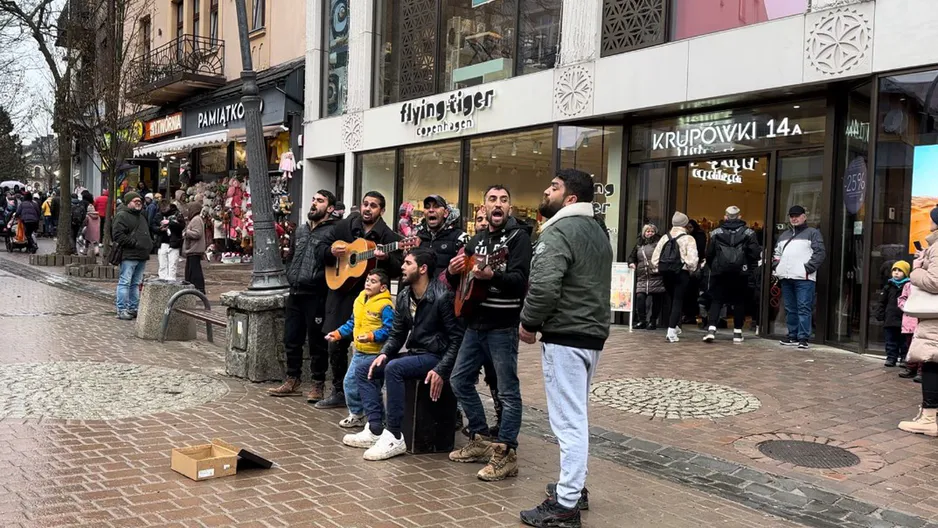
A recording of a concert of a Roma band was published on Instagram. The crowd gathered in front of the band. The spectacle was going on as usual, until suddenly the sounds of sirens of an approaching police car resounded in the background. The Roma reacted immediately. They took their instruments and set off.

Apparently, in Zakopane in the Polish Tatra mountains, there are many Roma bands playing.

Poland: Memorial

Published by:

Poland: Memorial

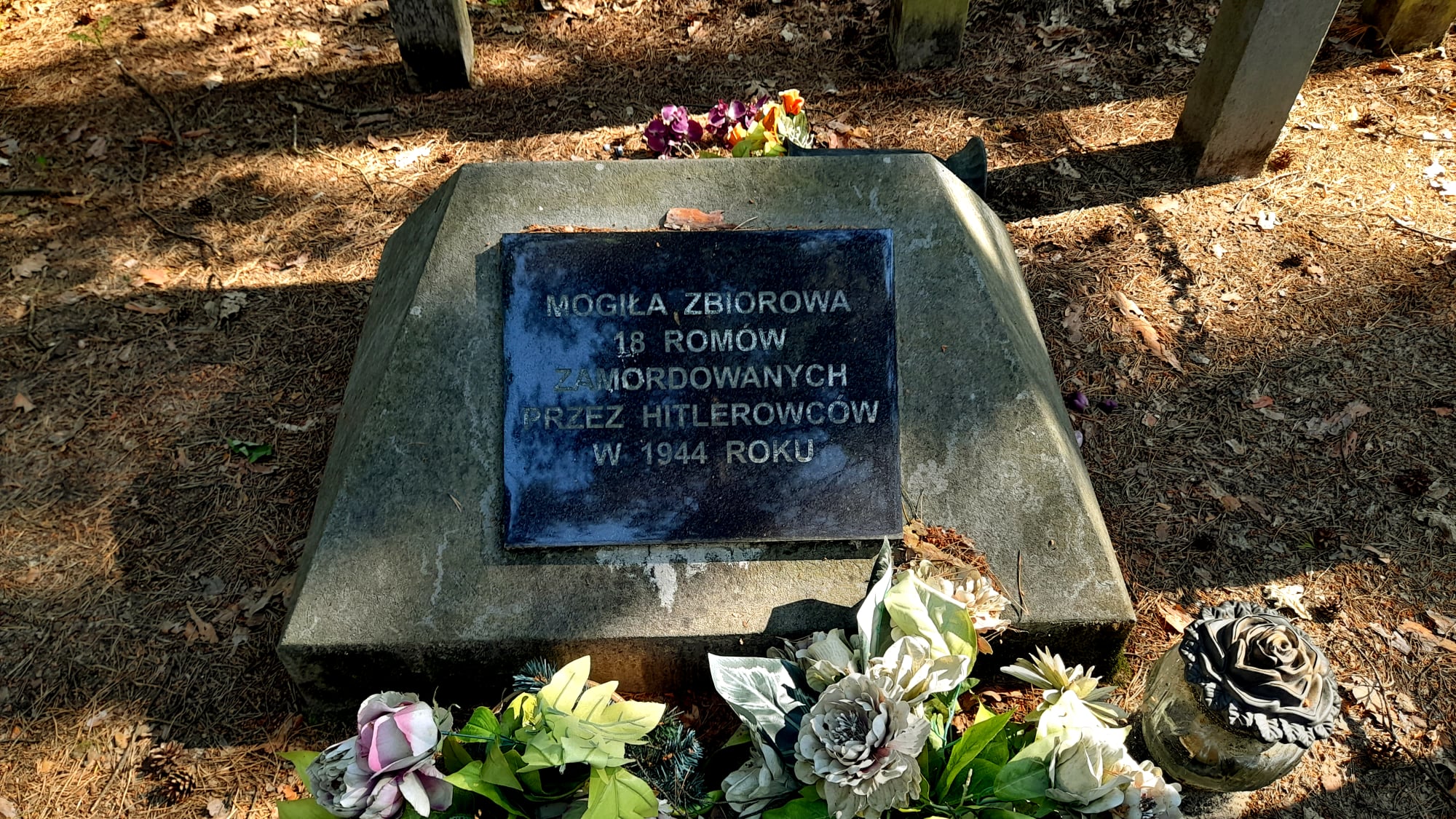
In 1944, the Germans murdered a group of escaping Roma in the forest between Zasów, Dąbrówka Wisłocka and Nagoszyn. Today, the place where the Roma died is commemorated by a memorial stone and a cross. It is still unknown how many people are buried in this grave. Photo.

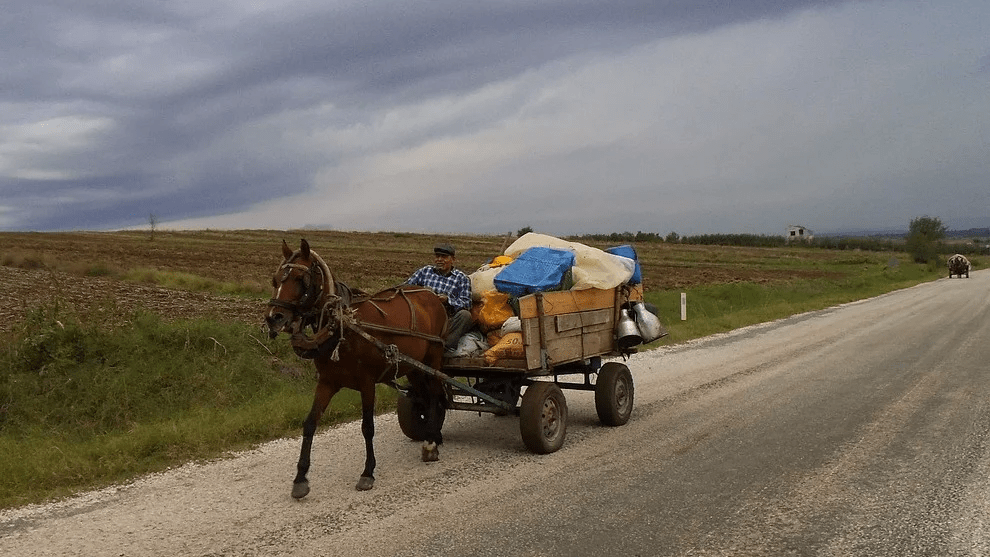
This tragic story took place in the winter of 1943 in Dębica. A group of Roma who had been living in the town for several years were informed in March 1943 by an unknown resistance group that the Germans were planning to murder them. They were advised to leave Dębice for their own safety and move to the Mielec district. Unfortunately, that year the winter was very frosty and the Gypsies postponed their departure. In the first days of April, a sudden warming came, the snow began to melt quickly and the roads began to become impassable. Despite these unfavourable conditions, the Gypsies, fearing for their own lives, decided not to wait any longer. They prepared their camps, carriages and horses for the journey. Entire families set off – men, women, the elderly and small children. Everyone left the city with the hope of saving their lives. They were unfortunately caught and slaughtered.

Litzmannstadt Ghetto: 83rd Anniversary

Published by:

Litzmannstadt Ghetto: 83rd Anniversary

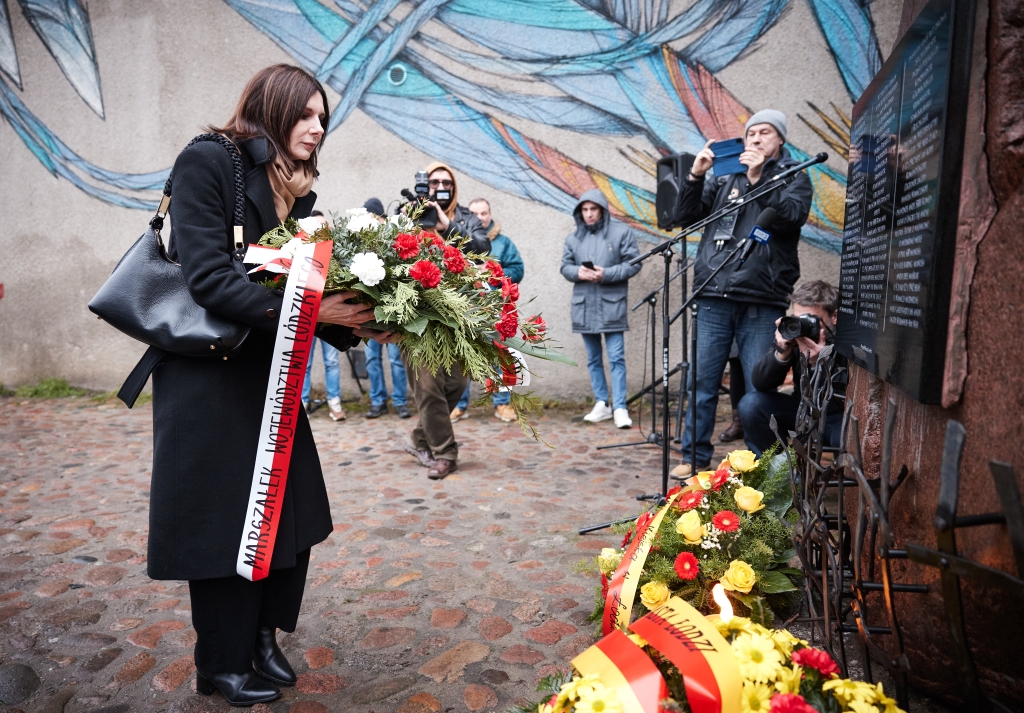
On Thursday (9 January) a commemoration for the 83rd  anniversary of the liquidation of the Roma camp in 1942, ceremonies were held in front of the so-called Roma Forge on Wojska Polskiego Street in Łódź. 5,000 Roma and Sinti from Austria were sent to the camp established in November 1941 in the Litzmannstadt Ghetto. They all died.

Poland: Podcast

Published by:

Poland: Podcast

A podcast on the future of Roma in Poland, told by Joanna Talewicz, co-founder and president of the “Towards Dialogue” foundation and the Roma Community Centre in Warsaw, member of the Polish delegation of the International Holocaust Remembrance Alliance.

Poland: Commemoration

Published by:

Poland: Commemoration

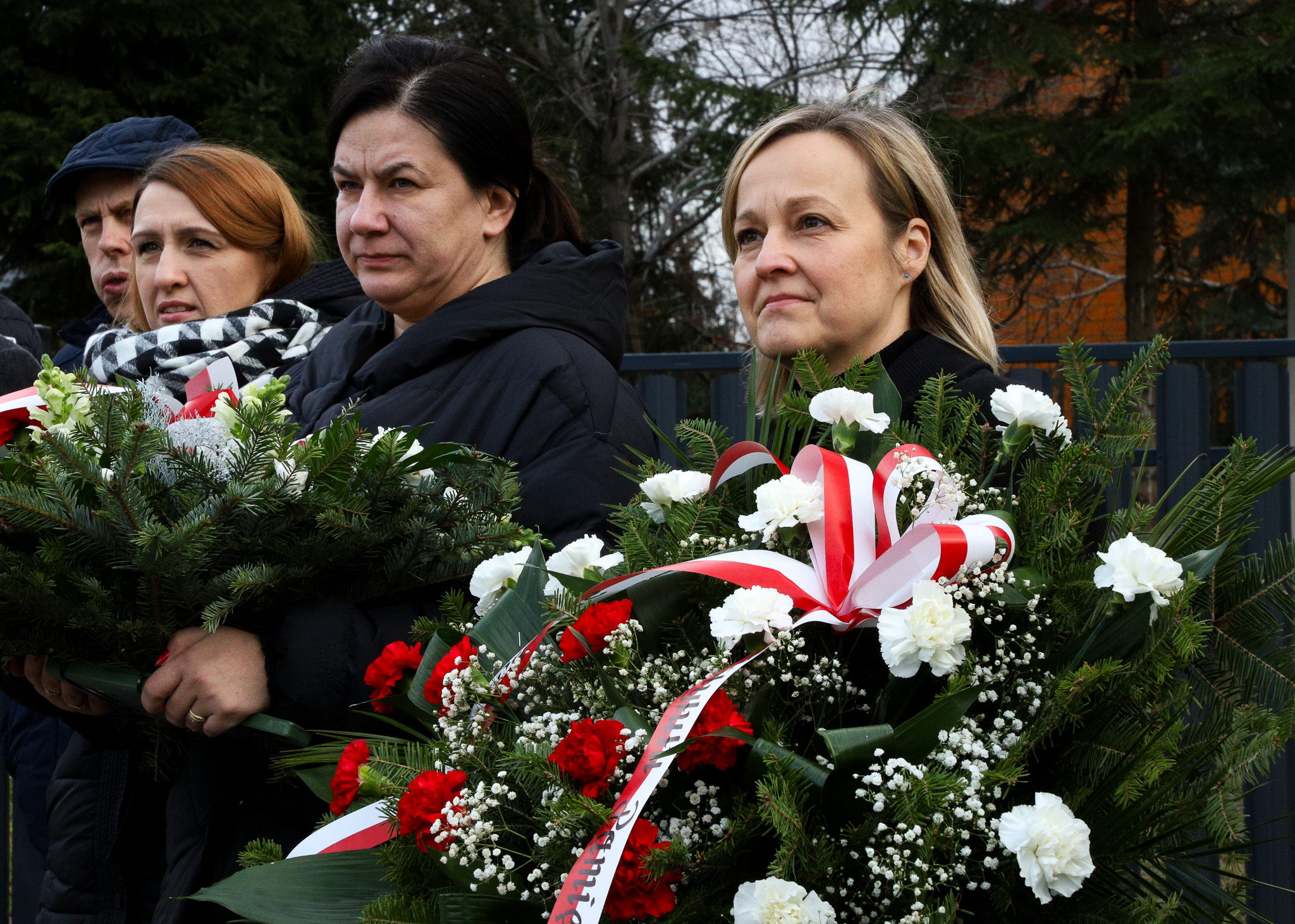
A commemoration for Roma murdered by the German gendarmerie in November 1942 in the town of Nur. The unveiled memorial brings back the memory of about fifty Roma – men, women and children, from the camp that was then in the forest near Kunin.

Concert in Poland

Published by:

Concert in Poland

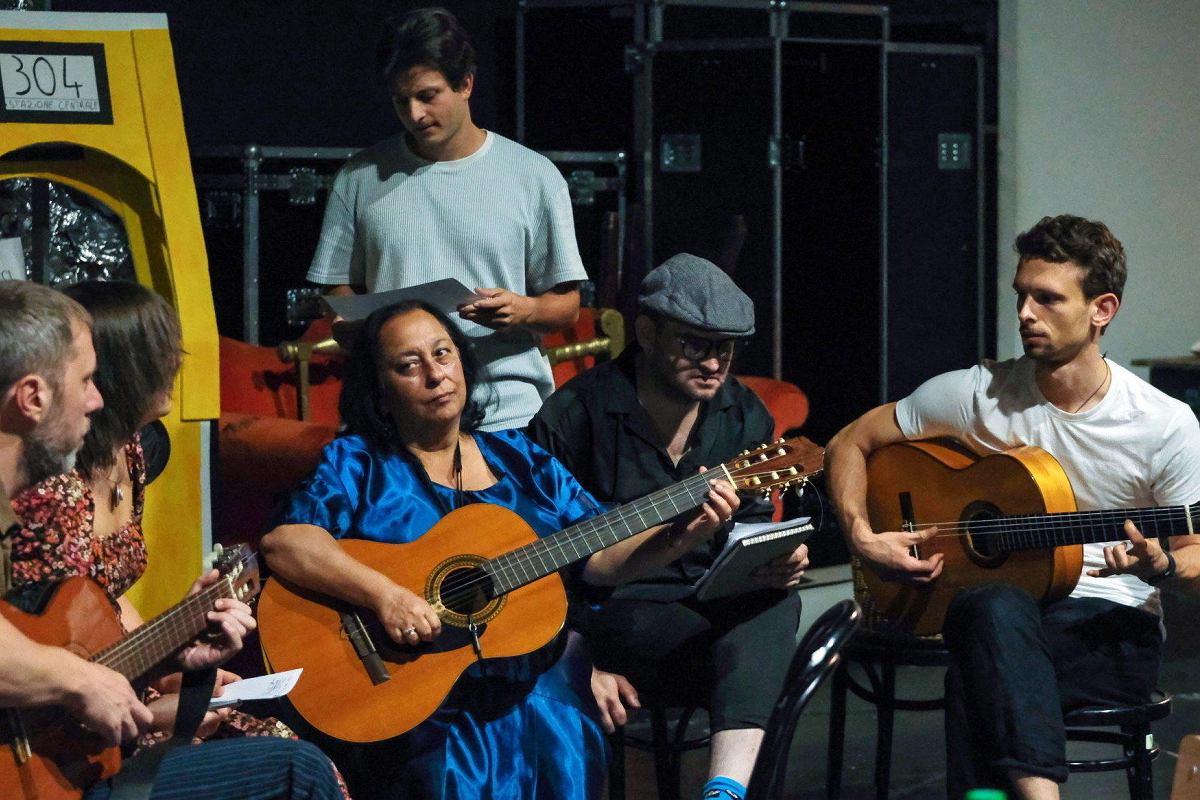
The musical performance “Sing to me, because I want” directed by Weronika Kowalska and under the artistic supervision of director Małgorzata Bogajewska will present Roma songs in original arrangements. – The co-creator of the performance is Teresa Mirga, a fantastic Roma singer. Before we started preparing for the concert, we went to visit Teresa and asked if it was appropriate for non-Roma to sing Roma songs, and in new arrangements. “A song is for sharing. We create a community, let’s draw from it each other” – said Teresa, and we created the motto of the concert from her words – says Małgorzata Bogajewska.

Poland, Roma Music, and PiS

Published by:

Poland, Roma Music, and PiS

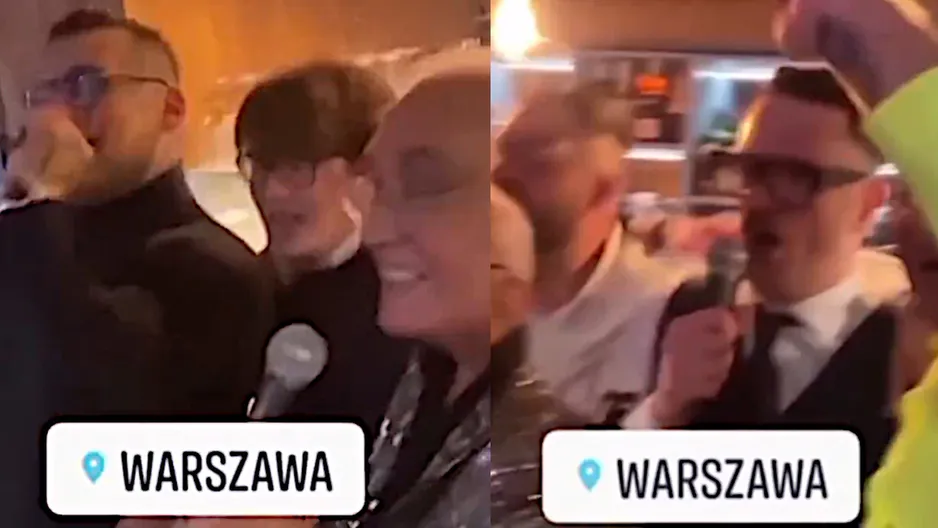
A video emerged of two politicians of the ultra-conservative PiS party dancing on Roma music. Nota bene, the party is not particularly well inclined towards Roma…

Roma Feminism

Published by:

Roma Feminism

A discussion with Dr. Joanna Talewicz about emerging Roma feminism, cultural changes in Roma communities, and the influence of pop culture on these processes.

Roma Baker

Published by:

Roma Baker

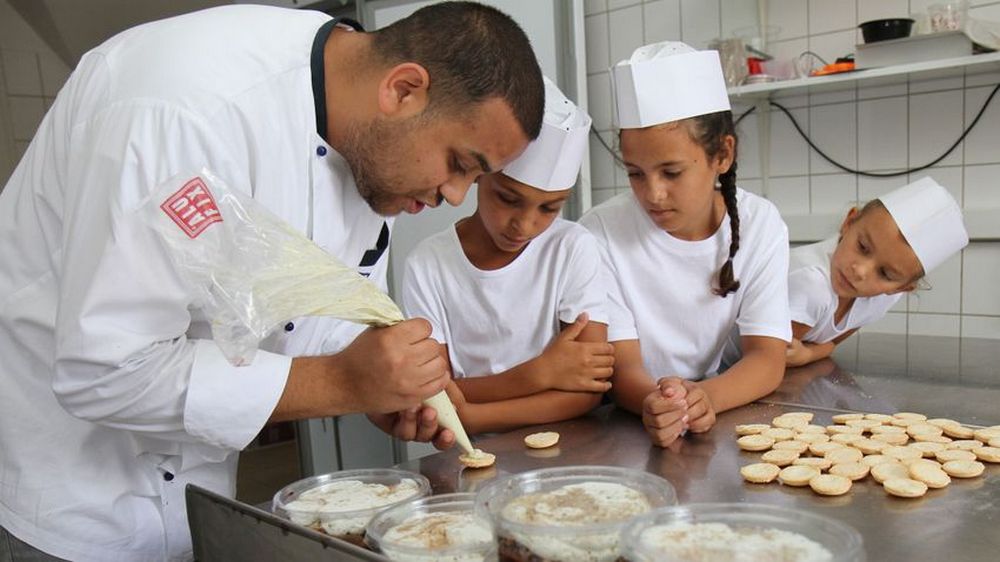
Alex Galamb has been nominated for the I Came Volunteer Award, established with the support of the Center for Family-Friendly Hungary.

The young baker was asked how he was spending the day before the holidays and what activities he planned to implement within the framework of his foundation.

Alex told that in the coming weeks he would accompany his students on a professional visit to Slovakia as part of the Erasmus programme, but when he was at home, he usually baked with the children from Sütni jó alapítvány on Sundays, and they also organised trips. They went out for hamburgers, to the cinema, and since Alex has twenty-five young bakers, they baked delicacies in the foundation bakery in three groups.

Roma, Romanians, and Poland

Published by:

Roma, Romanians, and Poland

After the fall of communism, in the early 1990s, a significant number of Roma migrants from Romania appeared in Poland. According to this article, they engaged in organised begging (and other stereotypes). But the result was that for many Poles, Romanians and Roma were two interchangeable terms, i.e. all Roam are Romanians and all Romanians are Roma…

No comments.

Russia, Roma, and the War

Published by:

Russia, Roma, and the War

A pogrom against Roma happened recently in Korkino, in the Cheliabinsk region. It happened after the murder of a 40-year-old taxi driver. She was killed by a teenage Rom. He probably argued with the woman about the fare. After her death, riots broke out in the city.

Seven Roma from Korkino have received summonses to report to a military recruitment centre. This was reported by Igor Dongauzer, the prosecutor of the Chelyabinsk region, during a regular meeting with the residents of Korkino. This is probably a punishment that is supposed to help the authorities rebuild their authority in the city.

Łodź: Lecture

Published by:

Łodź: Lecture

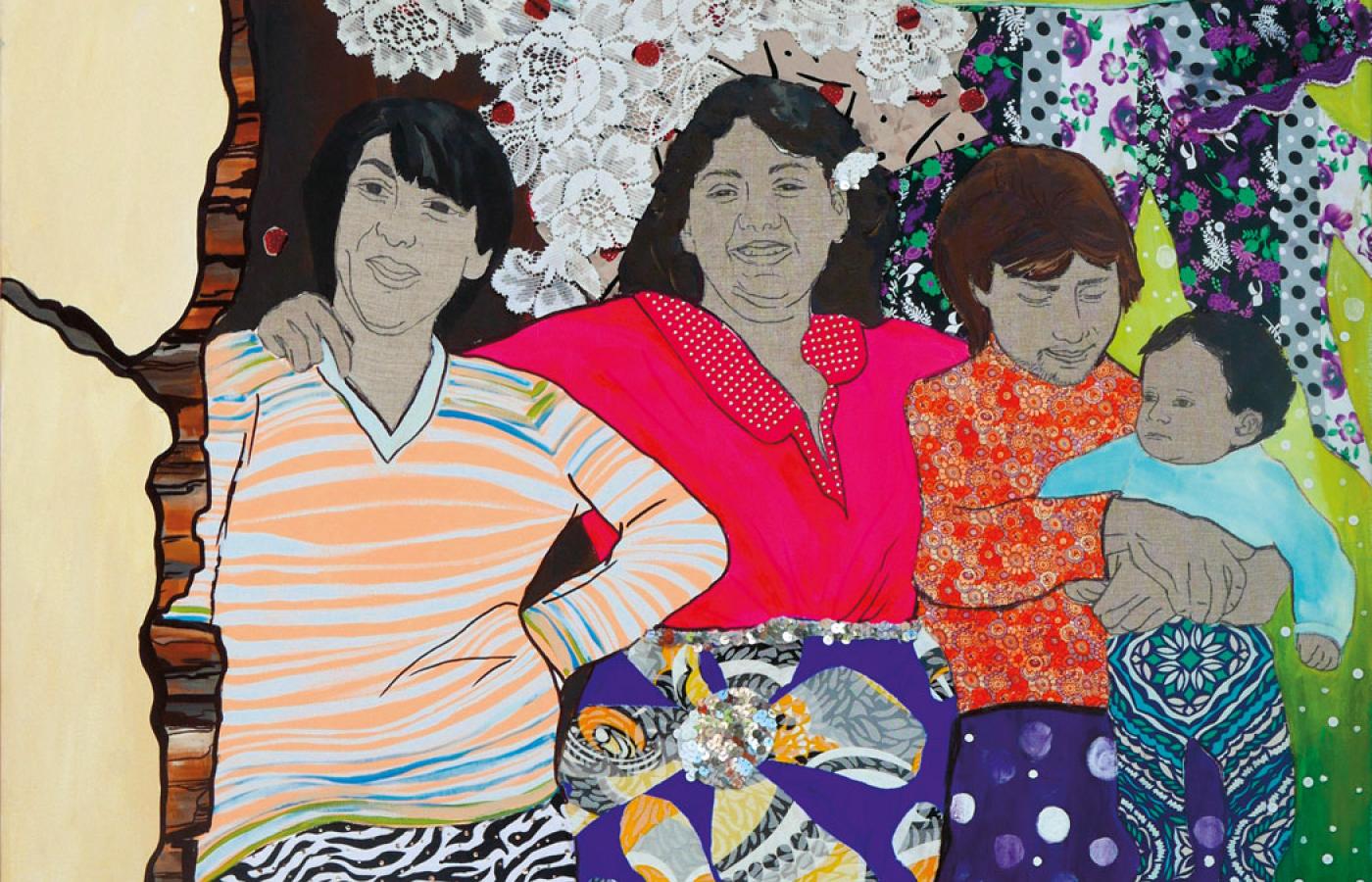
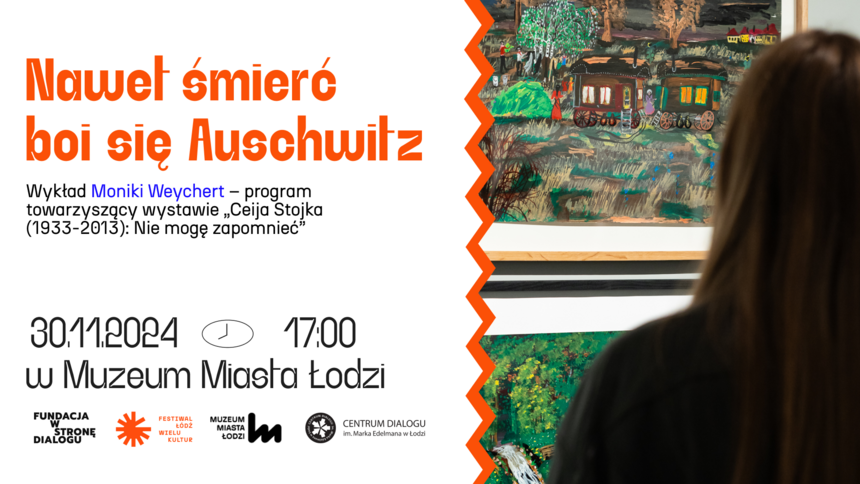
The Marek Edelman Dialogue Center in Łódź invites you on Saturday, November 30 at 5:00 PM to the City Museum of Łódź for a lecture by Dr. Monika Weychert entitled “Even Death Fears Auschwitz. Commemorations and Holocaust Art Created by People with Roma Roots”. The event accompanies the first solo exhibition in Poland by the Roma artist and writer Ceija Stojka, “Ceija Stojka (1933-2013): “I Cannot Forget””.

Oświęcim: Commemoration

Published by:

Oświęcim: Commemoration

On October 21st, 1981, an incident occurred in Oświęcim that quickly turned into a series of acts of violence directed against Roma families. The argument between Roma and non-Roma over their place in the queue escalated to such an extent that the townspeople formed a committee to “expel the Gypsies” from Auschwitz. Houses were set on fire, cars were destroyed, and physical violence was committed. Over 100 people were forced to leave the town and eventually the country. Instead of passports, the Roma were given so-called travel documents, which allowed them to leave Poland but did not allow them to return.

Łodź: Conference

Published by:

Łodź: Conference

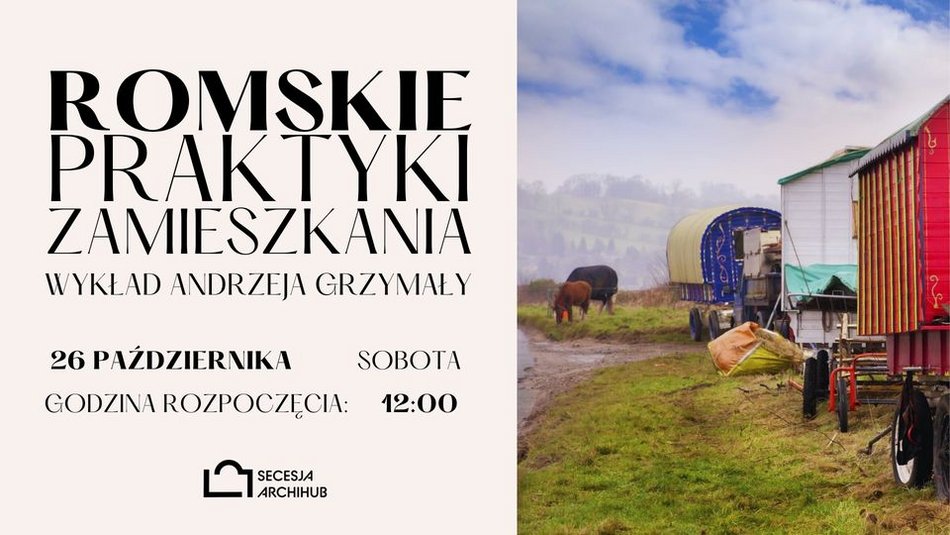
A conference on Roma settlements and houses by the political scientist Andrzej Grzymała-Kazłowski will be held on the 26 of October in Łodź.

Poland: Movie

Published by:

Poland: Movie

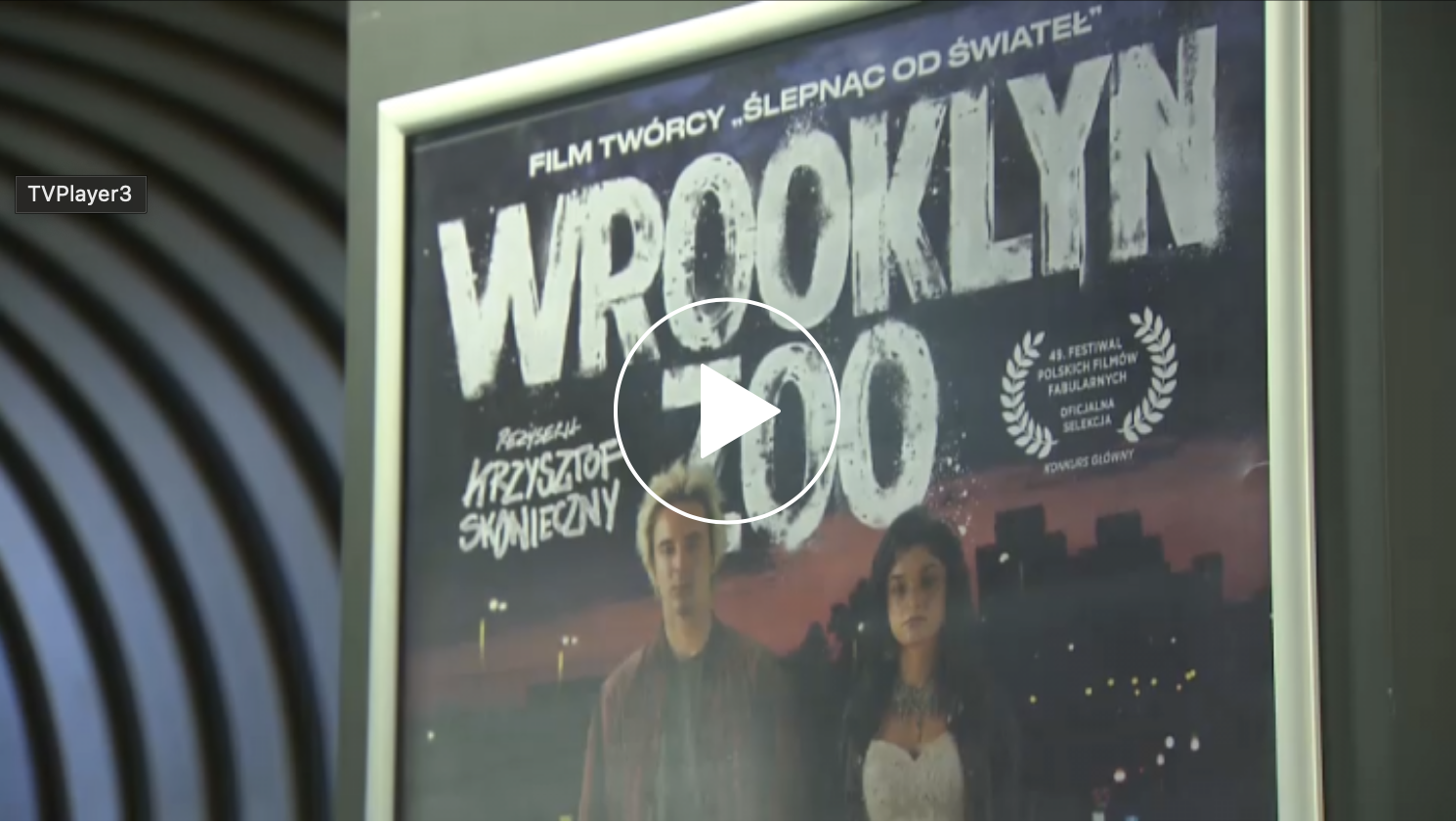
“Wrooklyn zoo” is a tribute to youth. A film with Wrocław as background is now in cinemas

Director Krzysztof Skonieczny himself comes from Lower Silesia and, like the main character of the film, as a teenager he roamed the streets of Wrocław on a skateboard.

It’s a modern version of Romeo and Juliet, except that Romeo is a skater, Juliet is a Romni and Verona is Wrocław.

Romano Feminist Theatre

Published by:

Romano Feminist Theatre

An interview with Mihaela Dragan, founder of a feminist Roma theatre. She says “My grandmother was a matriarch, so I always had feminism first-hand, although I didn’t know that such a word existed. At home, I saw that women are born leaders.”

The manifesto “Roma Futurismi” written by Mihaela Dragan, was translated into Polish by Marta Orczykowska for the Łódź of Many Cultures Festival.

Auschwitz – Oświęcim Pogrom

Published by:

Auschwitz – Oświęcim Pogrom

In the Polsih town of Oświęcim, better known by its German name, a pogrom against Roma took place in October 1981. Antoni Rokicki’s report “Wystraczy spark” is a documentary on these events.

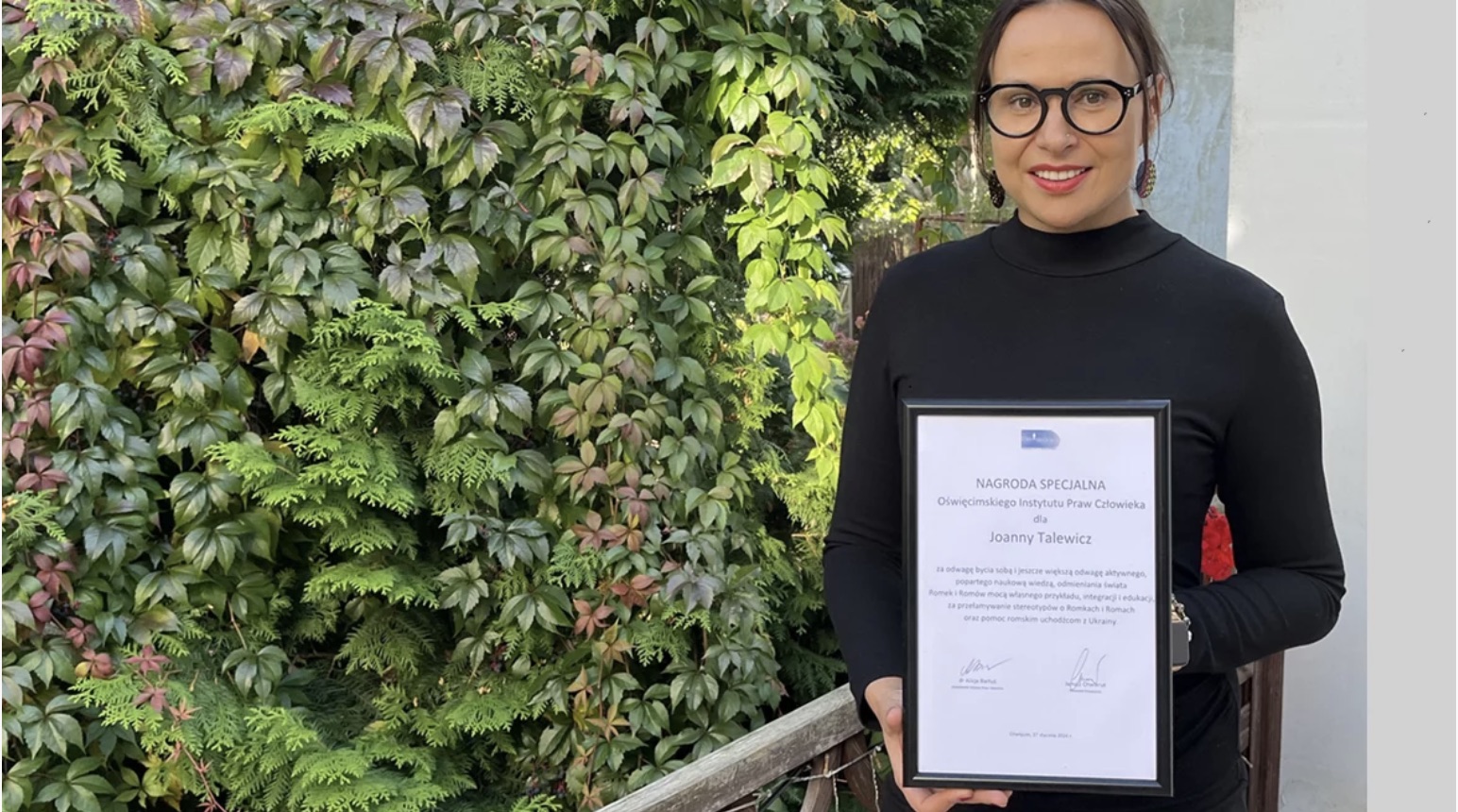
Dr. Joanna Talewicz, an anthropologist from Oświęcim and president of the W Stronę Dialogu Foundation, talks about the fact that the pogrom is still a taboo topic, even in some Roma families. “We, the Roma, often bear collective responsibility for things we did not do,” she says.

Łodź Festival

Published by:

The Łódź Festival of Many Cultures began in 2002. At that time, Witold Halski created the formula of the Festival of Dialogue of Four Cultures. At that time, it was about Polish, German, Jewish and Russian culture. Later, the name changed, and this year it was decided to broaden the scope of the event. Today, the festival wants to tell more about contemporary Łodź. Ukrainian, Belarusian and Roma influences are also strongly present in Łódź.

The festival began on Friday (October 4) and will last until Sunday (October 13). Almost 60 events have been planned, including concerts, exhibitions and film screenings. There are more Roma centred event this year.

rroma.org
en_GBEN