Category Archives: Slovakia

Slovakia: Discrimination

Published by:

Slovakia: Discrimination

Researcher Michaela Ujházyová and lawyer Lucia Gandžalová from the Slovak National Centre for Human Rights did test Slovak restaurants. They focused on discriminatory practices against Roma in ten cities in eastern Slovakia.

During a test visit, a Roma couple in a restaurant was told that some products on the menu were not available. Or the staff told a Roma couple that the lunch menu or dessert was not ready yet or that they had already sold out. There was no problem with a non-Roma couple.

The research team involved couples in the situational testing who did not come directly from the places where the selected restaurants were located and who had not even been there. “In no case could it be an experience with specific guests who had previously behaved unacceptably there, disturbed other guests or had debts there,” explains Michaela Ujházyová.

Slovakia, Sport, and Roma

Published by:

Slovakia, Sport, and Roma

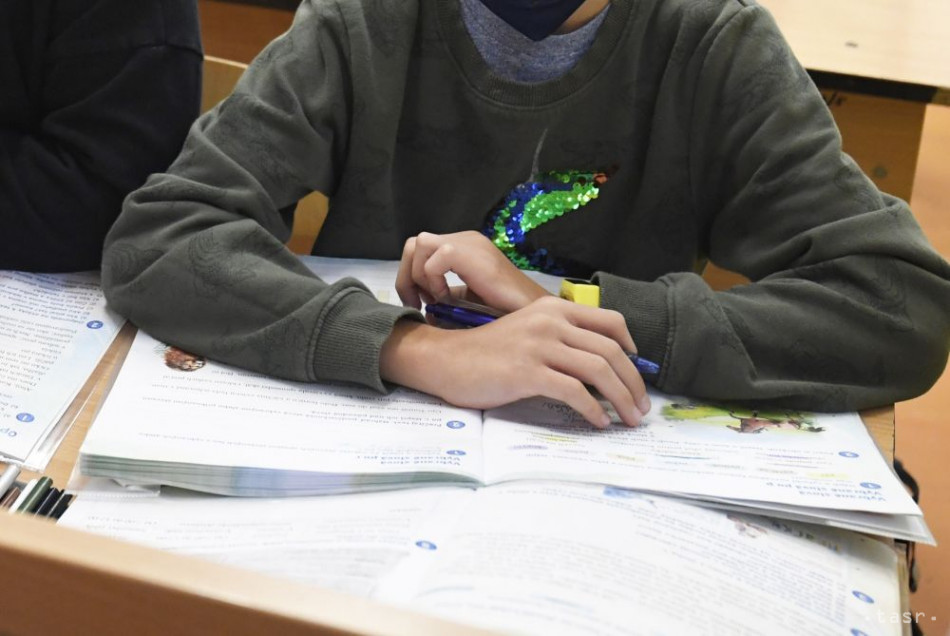
When eighth grader Sebastián Žiga traveled to Indonesia in December for the MMA World Championships, it was an extraordinary event for the Ľ. Podjavorinská Elementary School in the Luník IX housing estate in Košice.

The fourteen-year-old Roma boy was the first student in the school’s history to reach the world championship in any sport. He finished 8th in the under 16 category.

Slovakia and Social Benefits

Published by:

Slovakia and Social Benefits

The Ministry of Labour, Social Affairs and Family (MPSVR) of the Slovak Republic presented a specific bill regulating the reduction of social benefits in the event that a person able to work refuses to work. The discussion on the withdrawal of social benefits began in the middle of last year.

The issue here? Roma. And the work that the ministry is proposing is very much in line to what is being done in Hungary, so called közmunka [communal / public work] meaning cheap labour based on 19th century technology.

Bad.

Slovakia: Restauration

Published by:

Slovakia: Restauration

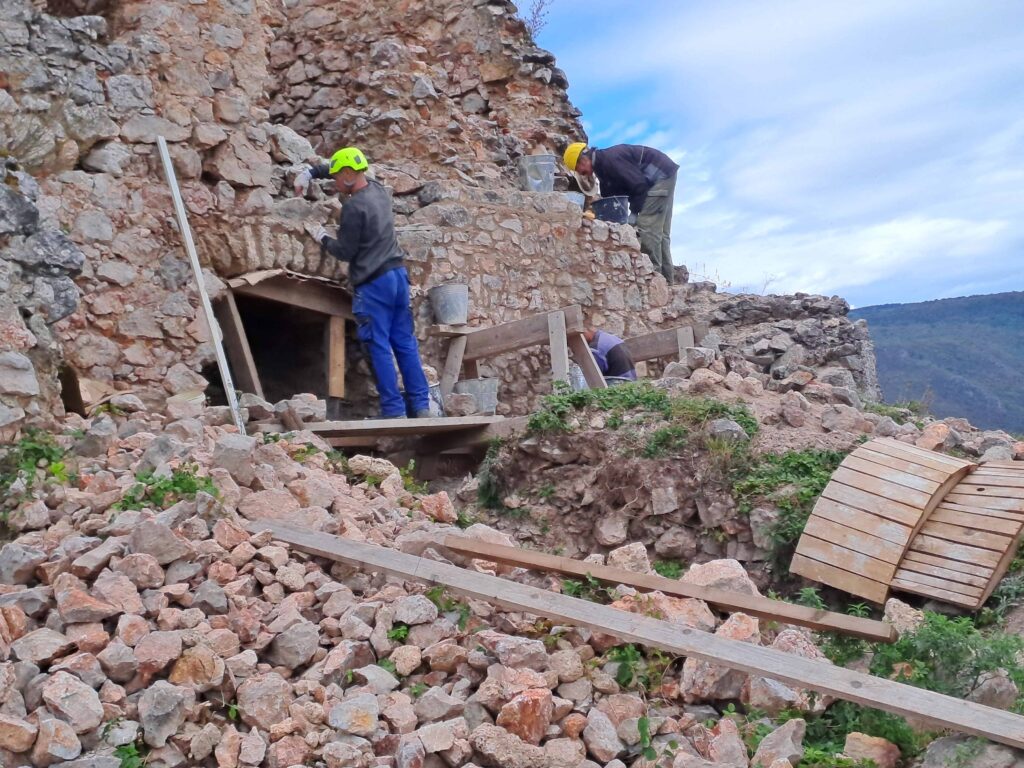
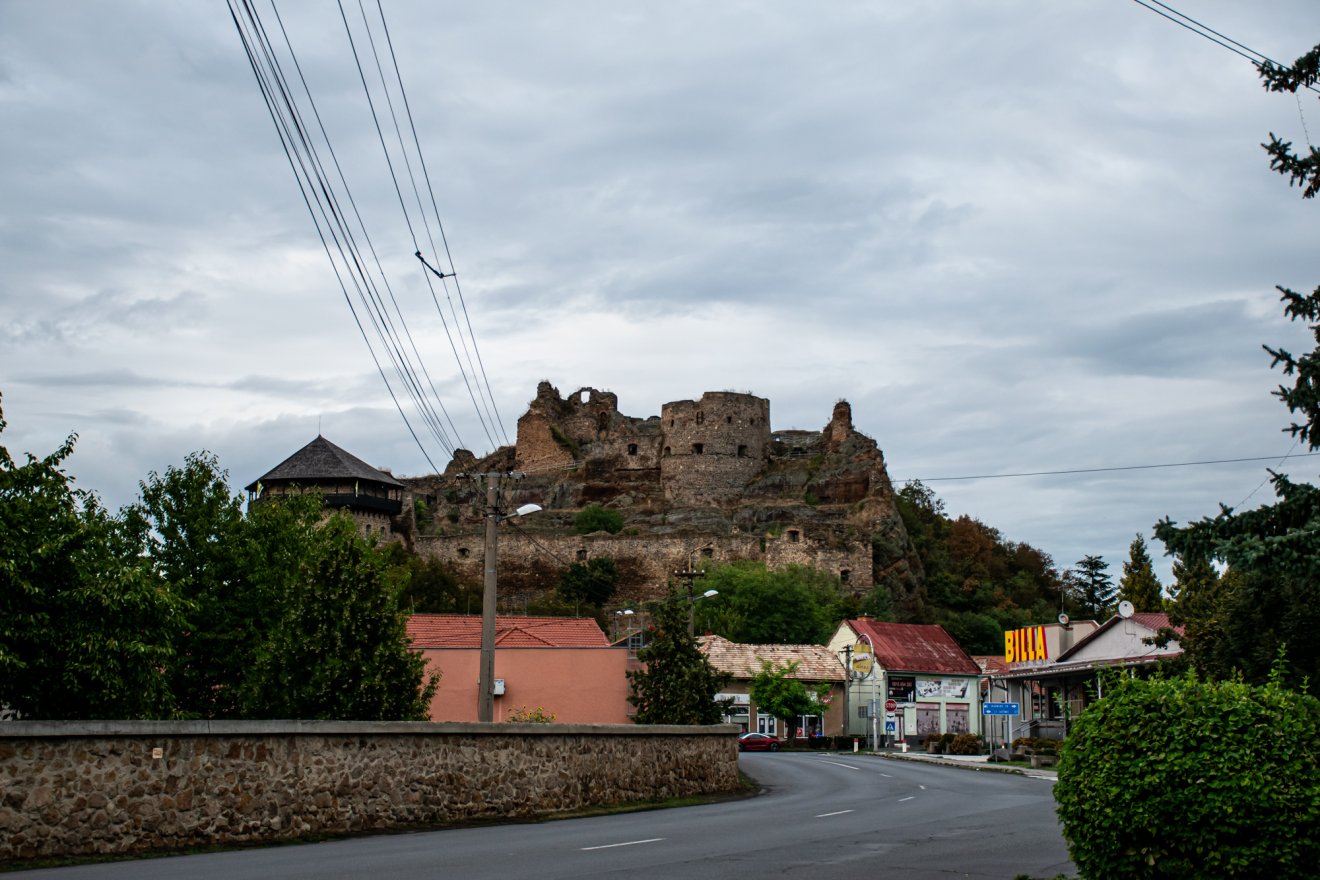
Tuňa Castle in Slovakia is being saved after centuries of neglect. Lots of manual work, not least be cause the castle ruins cannot be accessed by vehicles. The project lead says they did a lot of work in 2024. “It helped a lot that we currently have 12 employees, ten workers, a coordinator and a foreman. It helped with carrying out the material that we need to get to the castle. At the same time, it also helped with the work on the castle, where we gradually created three Roma masonry teams and therefore work was done in two or three places at the same time.”

Well done to employ Roma here.

Roma Housing in Slovakia

Published by:

Roma Housing in Slovakia

A small town in Eastern Slovakia, Gelnice, want to build social housing in the town. This raises fears, as many of the social beneficiaries are Roma. And their housing is bad.

But then, no one wants them as neighbours.

Bad.

Slovakia: Integration Projects

Published by:

Slovakia: Integration Projects

The Office of the Plenipotentiary of the Slovak Government for Roma Communities (ÚSVRK) wants to launch three national projects to support Roma communities in the first half of 2025. They will focus on helping municipalities draw on subsidy resources or supporting young Roma students. This was stated by the Director General of the European Programs Section of the ÚSVRK Ingrid Zúbková when reviewing the office’s activities over the past months.

On the other hand, they are also supporting segregating schools …

Žilina, Slovakia

Published by:

Žilina, Slovakia

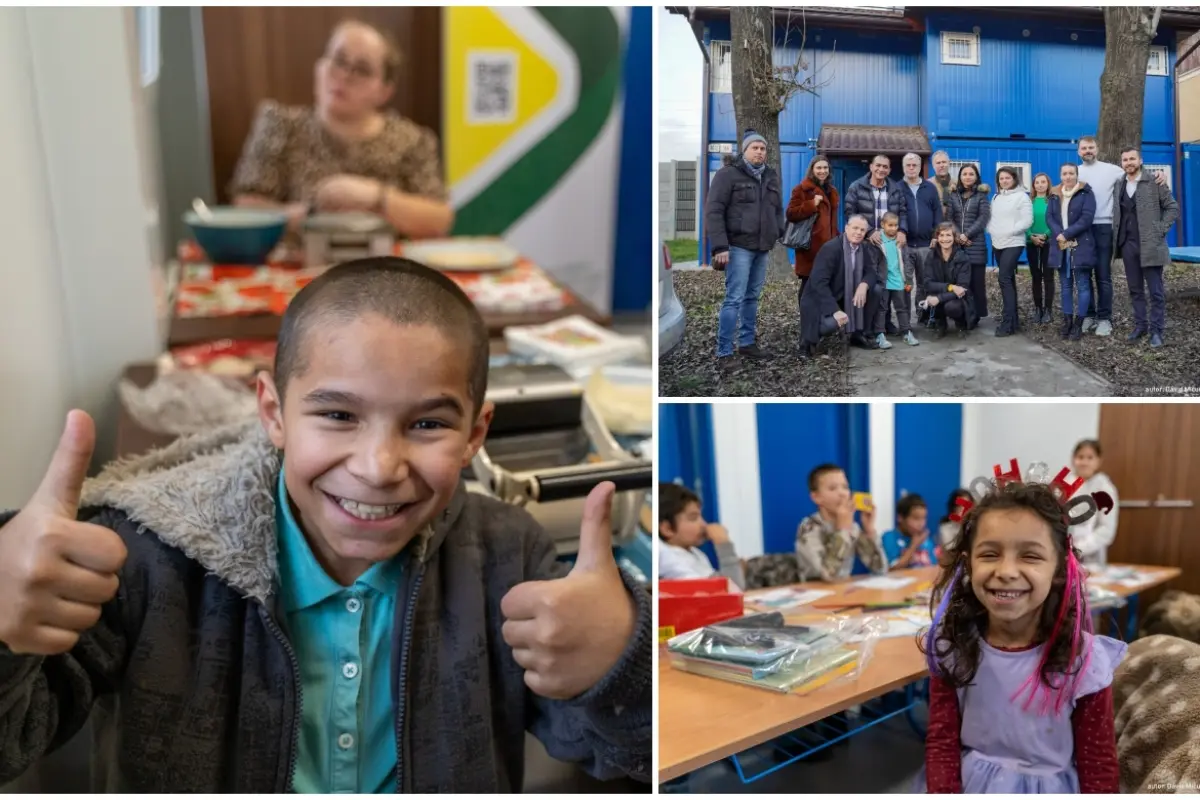
The city of Žilina completed of its ongoing projects before the year end, entitled Everyone Different, All Equal. Its goal was to expand the Community Centre on Bratislavská Street, which was created to help the marginalized Roma community. The city hall is trying to integrate Roma into society through various inclusive activities.

Well…

Southern Slovakia

Published by:

Southern Slovakia

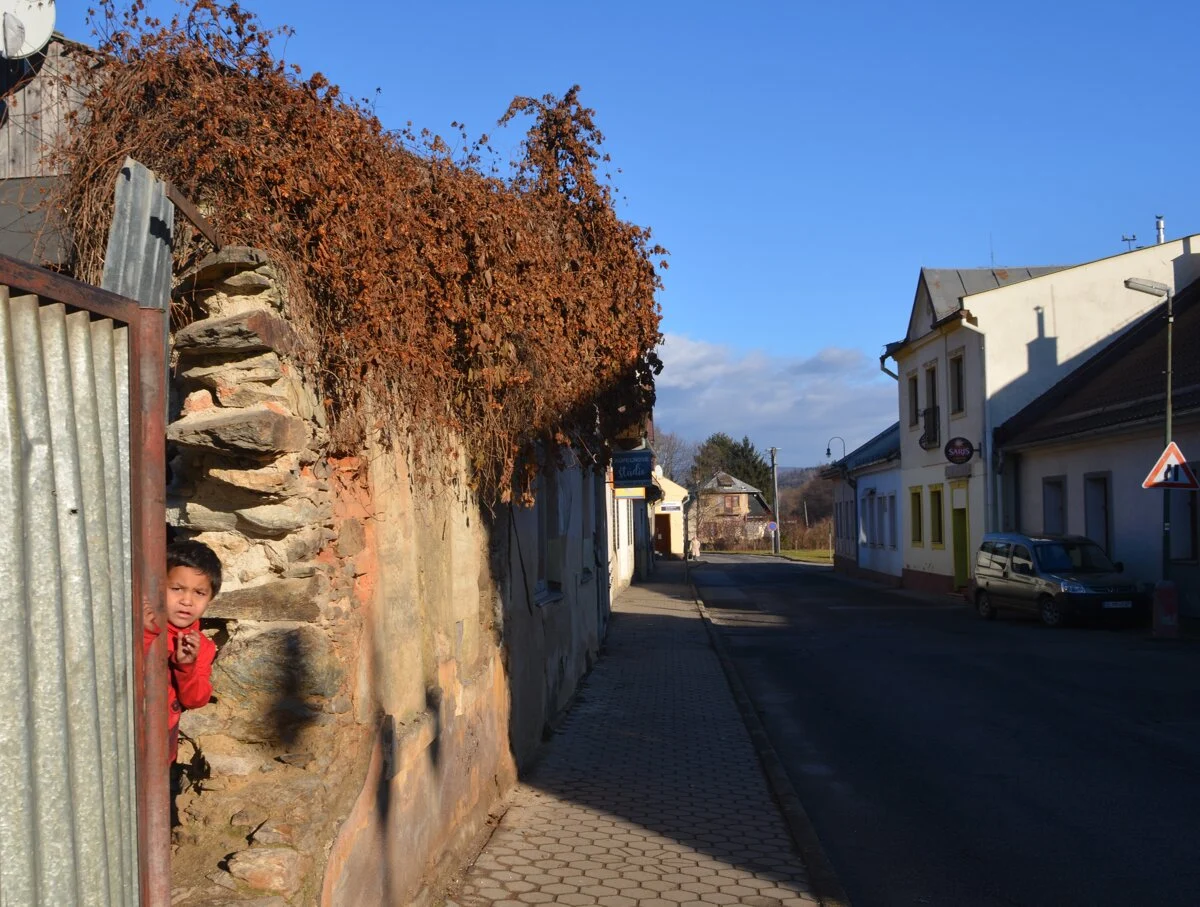
In Fil’akovo, a third of the city’s population are Roma. However, there are no excluded communities and makeshift dwellings like in eastern Slovakia. There is a different historical development behind this.

The local Roma mostly speak Hungarian, the majority language in the city. They attend secondary schools, and some then go on to study at universities. Jobs in this region are still scarce, far away, and poorly paid. For Roma, this means that it is even more difficult to find one, which is why many choose to go abroad.

Slovakia, Romnja, and Work

Published by:

Slovakia, Romnja, and Work

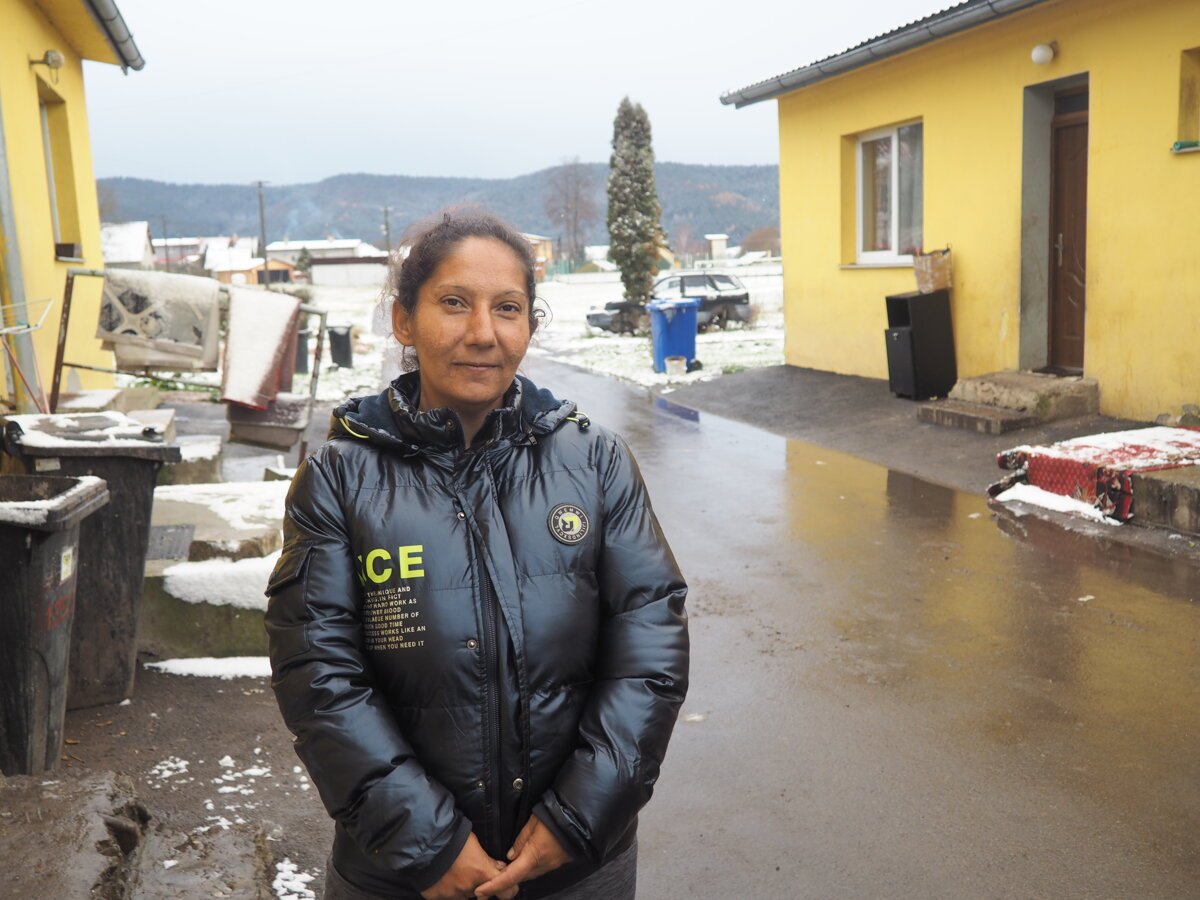
Romnja from the Bardejov district in  Slovakia have been trying to improve their financial situation by getting a job for years, but many are not successful. The obstacles are persistent racism, practical problems of life in the settlement, but often also resentment from their own families. Women from marginalized Roma communities thus remain the least working group.

Slovakia and Inclusion

Published by:

Slovakia and Inclusion

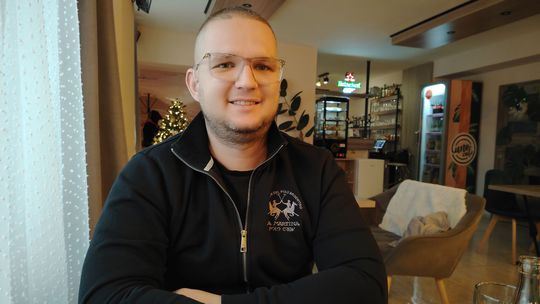
The deaf Pavel Šarina (32) employs more than a hundred people, seventy percent of whom are from disadvantaged backgrounds. Among them are dozens of Roma who do not let the young boss down. In Veľký Krtíš and the surrounding area, he has a total of five establishments, from which they serve thousands of portions of food daily. He was recently awarded the Roma Spirit award, which he sees mainly as an appreciation of the work of his employees.

Slovakia, Real Estate, and Roma

Published by:

Slovakia, Real Estate, and Roma

The case of a town who ceded some land on the promise that some social housing would be built for Roma from the town. Well, the developer got the land, but social housing is nowhere to be seen. Sad.

Slovakia and Integration

Published by:

Slovakia and Integration

A few new articles about the 200 mio Euroos that Slovakia di spend in 2024 on Roma integration …

Not all positive.

Slovakia: Stereotypes

Published by:

Slovakia: Stereotypes

A re-edition of an article of a while back of a Vlach Romni from Slovakia who is teaching in a school. Unfortunately, all stereotypes are present: arranged early marriages, patriarchal society, etc…

Slovakia and Roma Projects

Published by:

Slovakia and Roma Projects

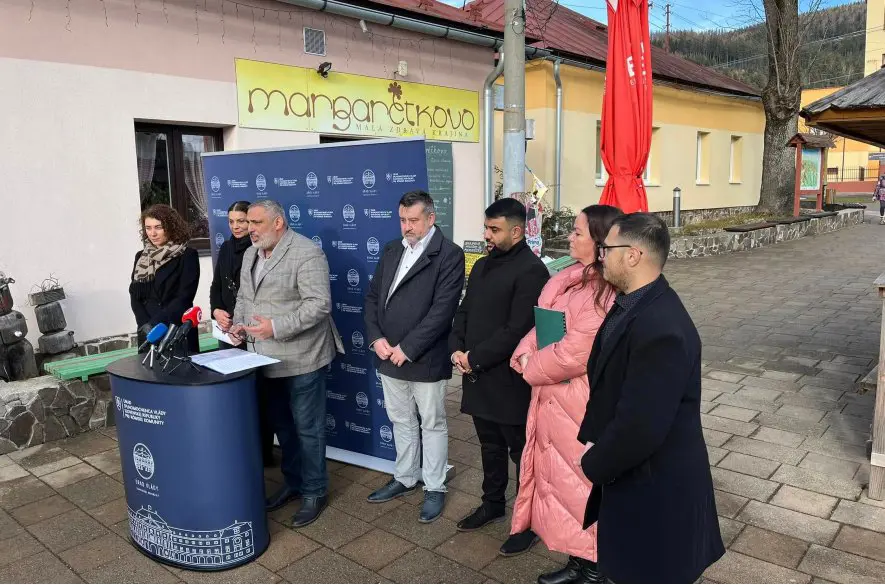
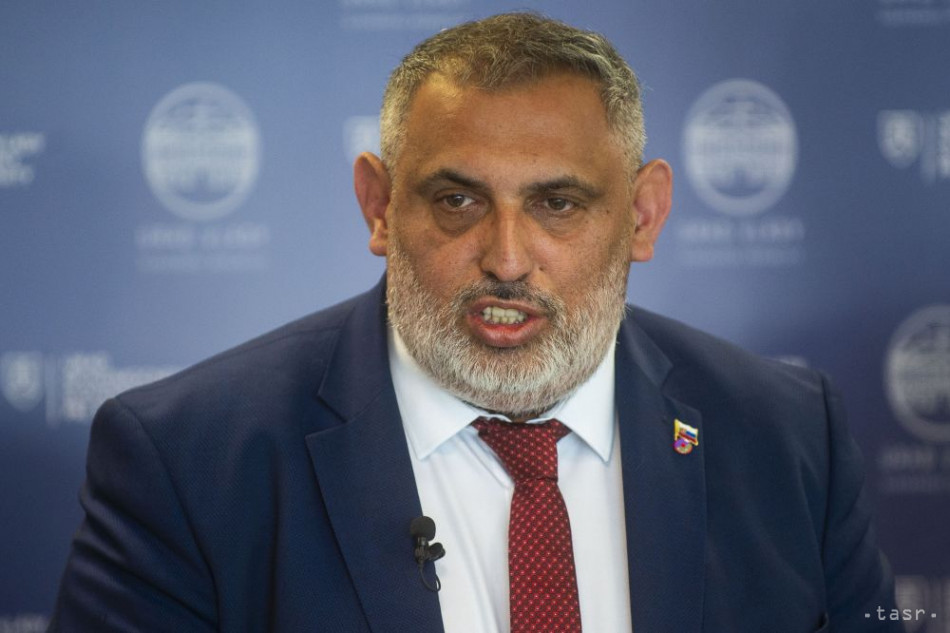
The Office of the Plenipotentiary of the Slovak Government for Roma Communities (ÚSVRK) has contracted approximately 480 projects worth almost 200 million euros over the past year, within which it provided over 95 million euros for the support of Roma and the development of infrastructure. This was stated by the Plenipotentiary of the Government for Roma Communities Alexander Daško at a press conference in Šumiac, Horehronie, on Thursday as part of the annual activity report of the office.

Frankly, the results are not yet visible…

Christmas among Slovakian Lovara

Published by:

Christmas among Slovakian Lovara

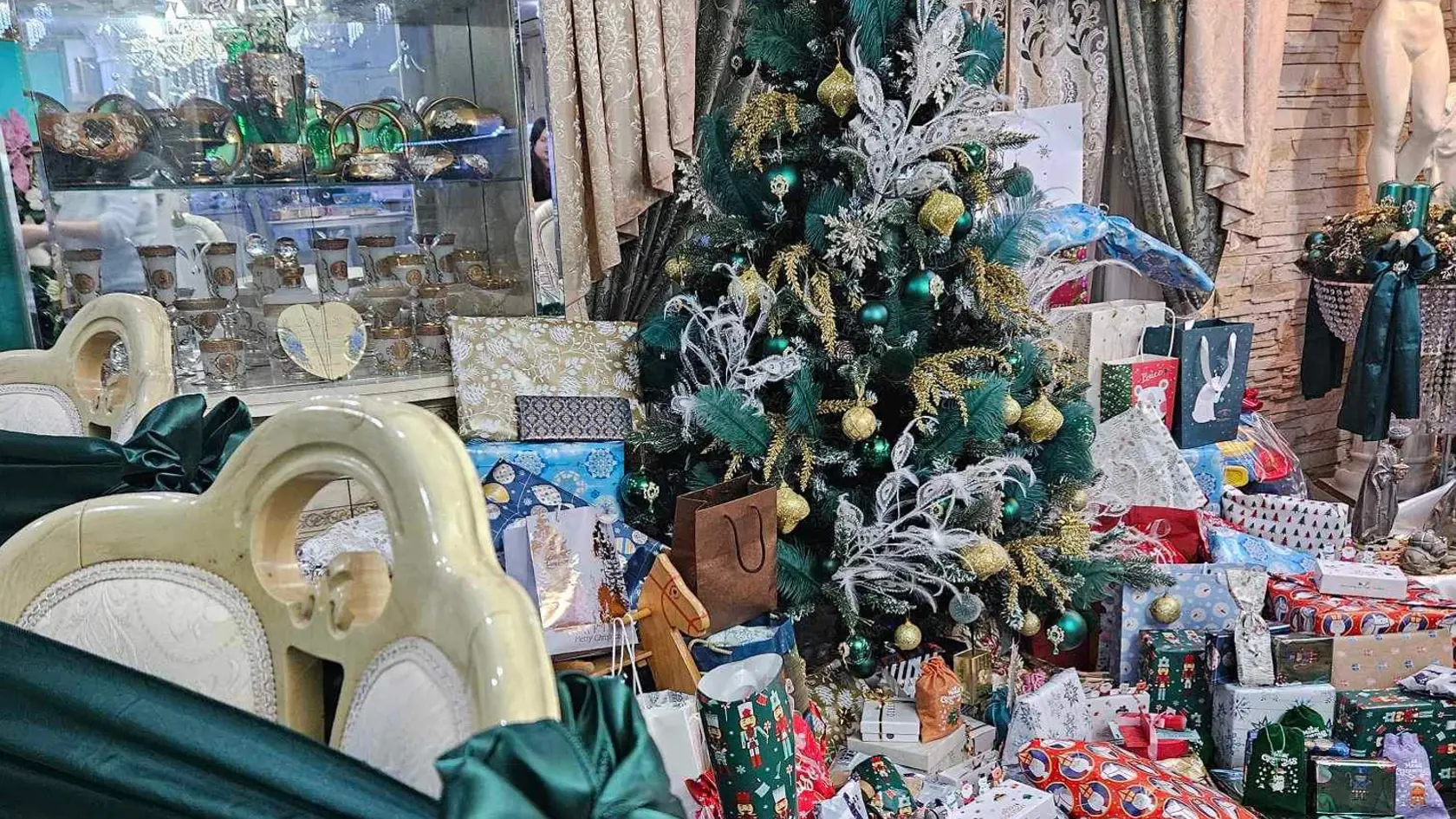
The co-founder of the Roma Civic Association Lovári, Jaroslav Bihary (60) from Nitra, told us more about how these holidays take place in Roma families.

Beautification?

Published by:

Beautification?

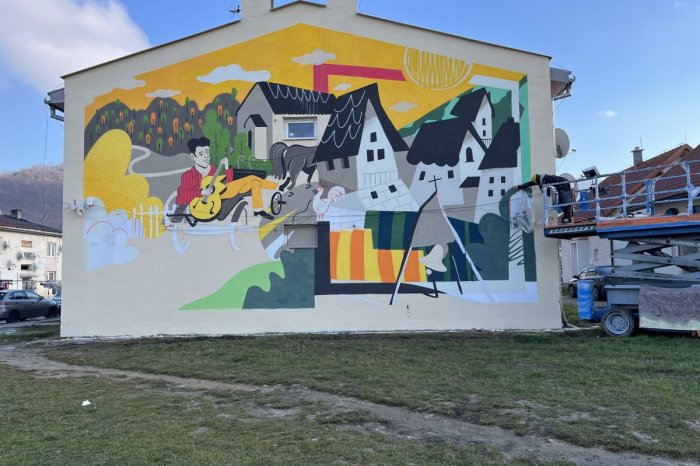
From November 25 to December 3, 2024, a large-scale artistic visual work was realized in Humenné, Slovakia, on one of the apartment buildings in the Podskalka area.

“The mural is the result of more than six months of the Muse, Walls, Murals project and the authors of the design are renowned artists Viktor Feher and Samuel Velebný. The goal was to search for the history, roots, traditions and stories of the settlement through community-educational meetings with children from the Podskalka locality. This is how the idea for creating a mural that describes Podskalka arose,” explained the project representatives.

On Slovak Racism and the EU

Published by:

On Slovak Racism and the EU

Traditional Slovak racism thinks that Roma are mostly backward, uneducated, refuse to adapt to our culture, at best they just rub their hands together, take what they can from the system but give nothing back, at worst they cheat and steal – like Slovaks in the European Union.

There are, of course, certain differences here. For centuries, we have purposefully pushed Roma to the margins of society, we have not allowed them to settle, own real estate, or perform most professions.

rroma.org
en_GBEN