Category Archives: Slovenia

Roma Foundation for Europe

Published by:

Roma Foundation for Europe

The Roma Foundation for Europe, headquartered in Brussels, is part of the Soros Foundations for an Open Society and implements various programs across Europe in support of the Roma community – it supports children and young people in education and extracurricular activities, young families in self-employment and job creation, protects Roma communities from abuse for political purposes and encourages political activation, and also invests in the preservation and development of Roma culture and language. It has not been present in Slovenia so far because it seemed that there was no need for it – because Slovenia is a sufficiently developed country with a small enough Roma population to be able to solve the problems on its own. Jovanović says today that this opinion was clearly erroneous.

Competition

Published by:

Competition

The Slovenian Office for Nationalities has announced a prize competition for diploma, master’s and doctoral theses on Roma topics. The purpose of the competition is to encourage research activities of undergraduate and postgraduate students in the field of Roma topics and to raise awareness of the need to effectively address the challenges of social exclusion and poverty of members of the Roma community, prevent antigypsyism and discrimination against Roma, promote the inclusion of members of the Roma community and their participation in the design and implementation of solutions with the aim of building trust and preserving Roma culture and identity.

Novo Mesto Story

Published by:

Novo Mesto Story

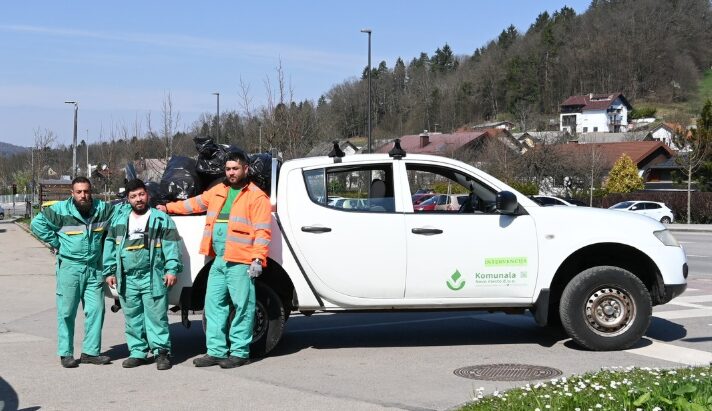
For a change, a positive story about Roma in Novo Mesto, Slovenia. Đani, Nejc and Samo. Three names that could just be part of the everyday city hustle and bustle, are today something more. They are proof that it is possible – if you want it. All three are members of the Roma community and full-time employees of the Novo Mesto Municipal Corporation, where they take care of the city’s order every day. They empty bins, collect waste, maintain public spaces. The work is not always easy, but it has weight. And it has meaning. When you meet them in the field, you don’t just see workers – you see people who were given an opportunity and took it seriously.

Good Practices

Published by:

Good Practices

Partners of the LeadEx project, co-financed by the European Regional Development Fund, participated in a study visit to Tallinn, Estonia, which took place from 9 to 11 March.

Project participants at a discussion. Slovenian representatives presented the Roma Assistant project as an example of good practice, which is being implemented at the Ministry of Education together with the Centre for School and Extracurricular Activities.

Whether this program is good practice or successful remains to be tested.

Slovenia, the Šutar Act, and Elections

Published by:

Slovenia, the Šutar Act, and Elections

The Roma issue in southeastern Slovenia remains one of the most pressing issues in the region, which has been causing social tensions, security incidents and differences in the development of individual areas for many years. That is why, before Sunday’s parliamentary elections, Social Democrats candidates from Dolenjska were asked about this issue and presented their views on the recently adopted Šutar’s law. Their answers show that they see the law as a necessary step, but they also warn of its limitations and risks.

Bad.

Slovenian Museum

Published by:

Slovenian Museum

The Slovenian “European Museum of Roma Culture and History,” which opened its doors at the beginning of the month, is intended to preserve, research and present the history, language, traditions and art of the Roma and their contribution to the development of European society.

Schools and Roma

Published by:

Schools and Roma

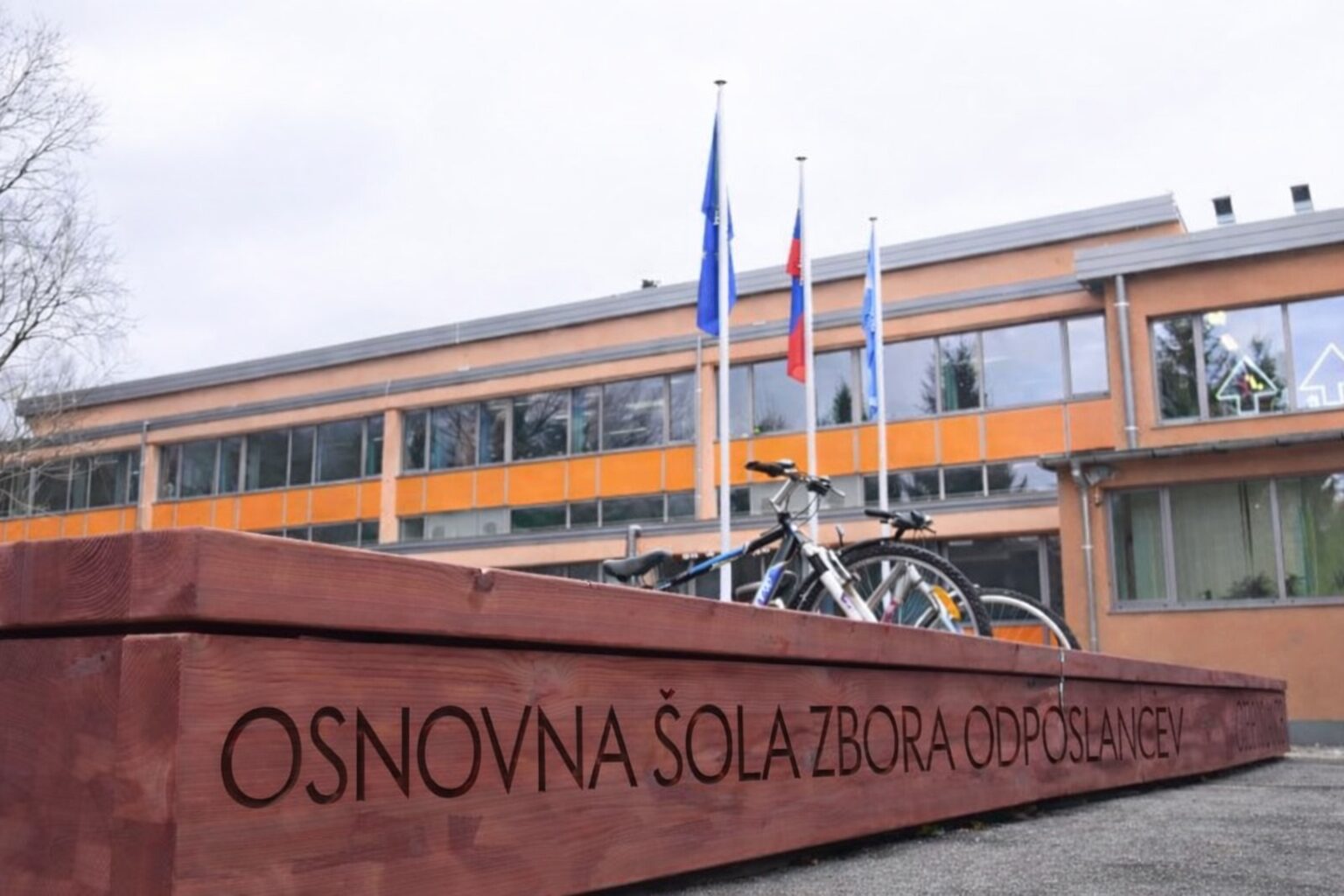
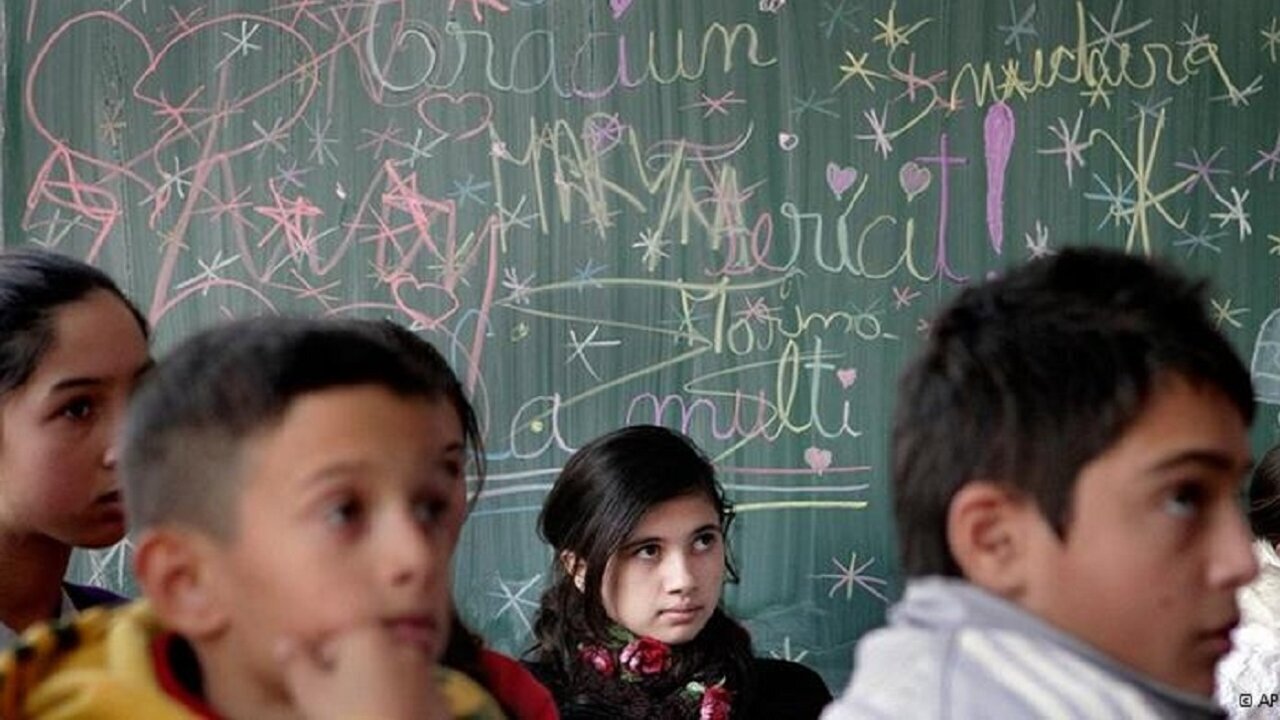
At one of the larger primary schools in Dolenjska, Slovenia, 15 students are repeating a grade this year, all of them Roma children. The data was confirmed by the principal of the Kočevje Assembly of Delegates Primary School, Peter Pirc.

The principal explains that a large number of unsuccessful students appear almost every year, especially in the first and sixth grades. The first grade is particularly pronounced, where many children have problems right from the start of school.

Racism in Slovenia

Published by:

Racism in Slovenia

Another article about a Rom, his wife and child refused service in a restaurant in Novo Mesto, just because they were Roma.

Bad, and so far without consequences.

Racism in Novo Mesto

Published by:

Racism in Novo Mesto

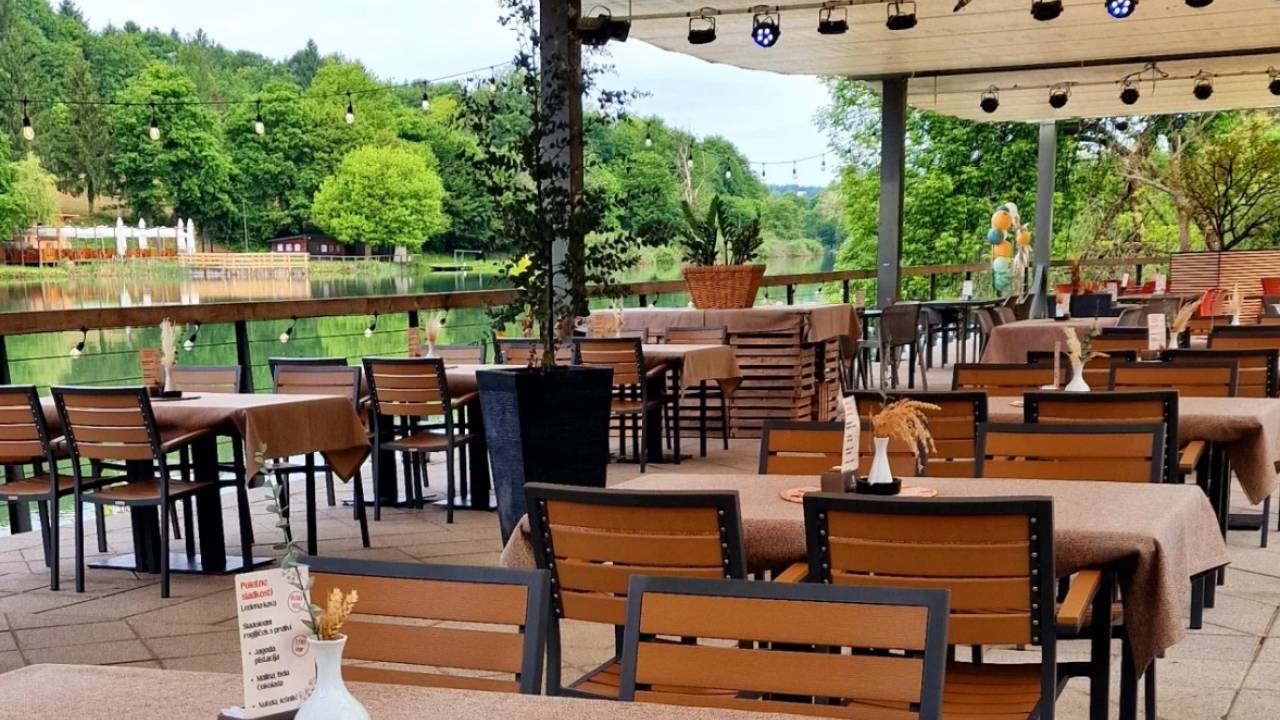
A testimony in a Restaurant in Novo Mesto, Slovenia. “Today, my family and I experienced something that really shocked and angered me. My wife and my 4-year-old daughter and I came to a restaurant in Novo mesto. We sat down at a table like any normal guest and waited for someone to come and serve us. I watched as the waiters served other guests normally, but no one came to our table.”

When his wife went to ask for a cake or ice cream and something to drink, the waiter told her: “We don’t have any cakes and we don’t have anything to drink, we’ve run out of everything.” When the man went to ask why they weren’t serving them, he was shocked by the answer: “The waiter told me that they wouldn’t serve us because I’m Roma – in the local language, because I’m a ‘gypsy’. He said that the boss ordered them not to serve Roma.”

Šutar Act

Published by:

Šutar Act

One hundred days after the entry into force of the so-called Šutar’s law, the debate on Roma issues in Slovenia is heating up again. Roma representatives say the law is harming them. Meanwhile, many residents in the southeast of the country claim something completely different – that the law has merely restricted actions that some have begun to perceive as self-evident rights.

Roma in Slovenia

Published by:

Roma in Slovenia

Zvonko Golobič, president of the Association for the Development of the Roma Community from Črnomelj warns of drastic deterioration of conditions in the Roma community.  A consultation organized by the Association of the Roma Community Umbrella-Dežnik, after 100 days of the so-called Šutare Act, representatives of the Roma settlements of southeastern Slovenia assessed that the situation of the Roma community had drastically deteriorated. They adopted the manifesto Good for Roma, Good for Slovenia, which represents efforts for better integration.

Roma Museum

Published by:

Roma Museum

Several articles about the inauguration of the European Museum of Roma Culture in Murske Soboti, Slovenia.

Roma in Slovenia

Published by:

Roma in Slovenia

A review of land owenership in one of the largest settlements in Novo Mesto shows that the largest share of land is still owned by the state (44.1%). 13.2% of the land is owned by Roma, and 22.3% is owned by others. The municipality of Novo Mesto owns 20.4% of the land.

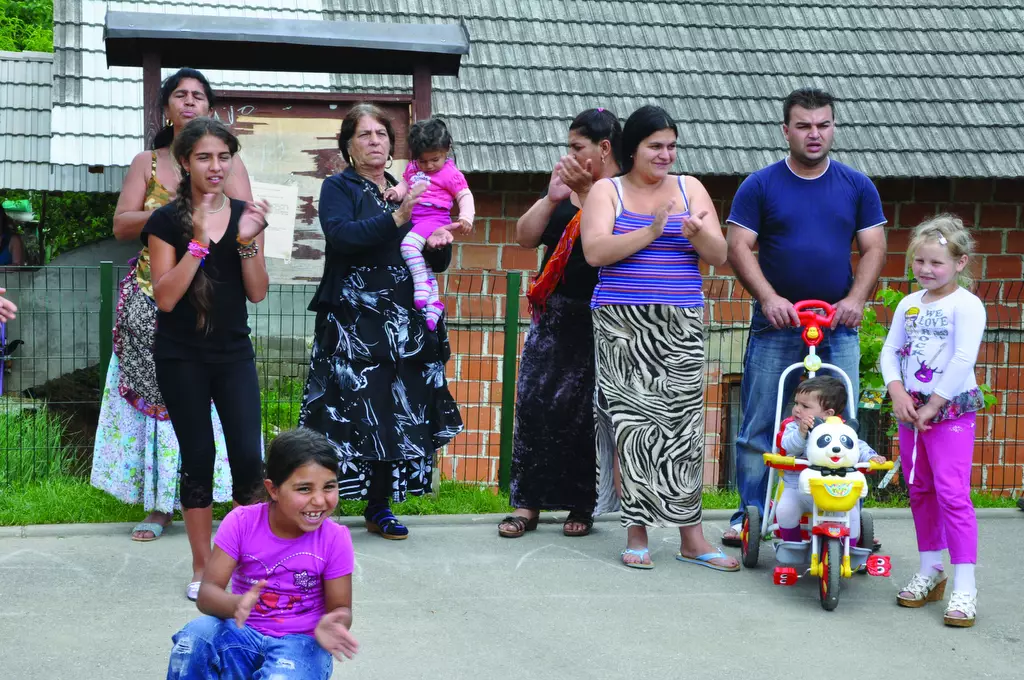
Why they put a picture of poor Tuskish Roma from Istanbul as a picture is somewhat strange …

Slovenian Politics

Published by:

Slovenian Politics

Two Slovenian parliamentary parties  (Svoboda and Levica) did not attend the so-called confrontations on Roma issues in Šentjernej and Novo mesto. These were organised by the Dolenjska People’s Initiative who advocate drastic measures to curb what they deem a “Roma problem”.

Slovenia: Museum

Published by:

Slovenia: Museum

The European Museum of Roma Culture and History opened its doors at a new location at Štefana Kovača Street 24 in Murska Sobota. The opening was also attended by Minister of Culture Asta Vrečko, who emphasized the importance of preserving Roma cultural heritage and strengthening dialogue in society. The event was prepared by representatives of the Roma Association of Slovenia, the Municipality of Murska Sobota, and the Office of the Government of the Republic of Slovenia for Nationalities.

Slovenia: Settlement

Published by:

Slovenia: Settlement

A settlement in Slovenia is increasing in size, and apparently, there are more and more illegal constructions built on agricultuyral land.

Žabjak was first legalized in 1984, when around 250 Roma lived there. Today, there are reportedly around a thousand of them, with more than 300 of them registered with the municipality and the social work center.

“Despite the seal due to illegal construction, they continue to build on agricultural land. “After the illegal renovation of the building, a Roma family has now poured concrete on a new slab to expand the building, despite the ban. The owners are exclusively recipients of social assistance. Who will take action? On which side will the Human Rights Ombudsman be this time?” was the view of the residents of one of the villages around Šentjernej echoed in public earlier this week.

Šutar Act

Published by:

Šutar Act

Šutare’s law, which enabled the Financial Administration of the Republic of Slovenia (Furs) to collect unpaid fines from recipients of social assistance, will undergo its first changes. New feature in social assistance transfers: One part will be protected from seizure.

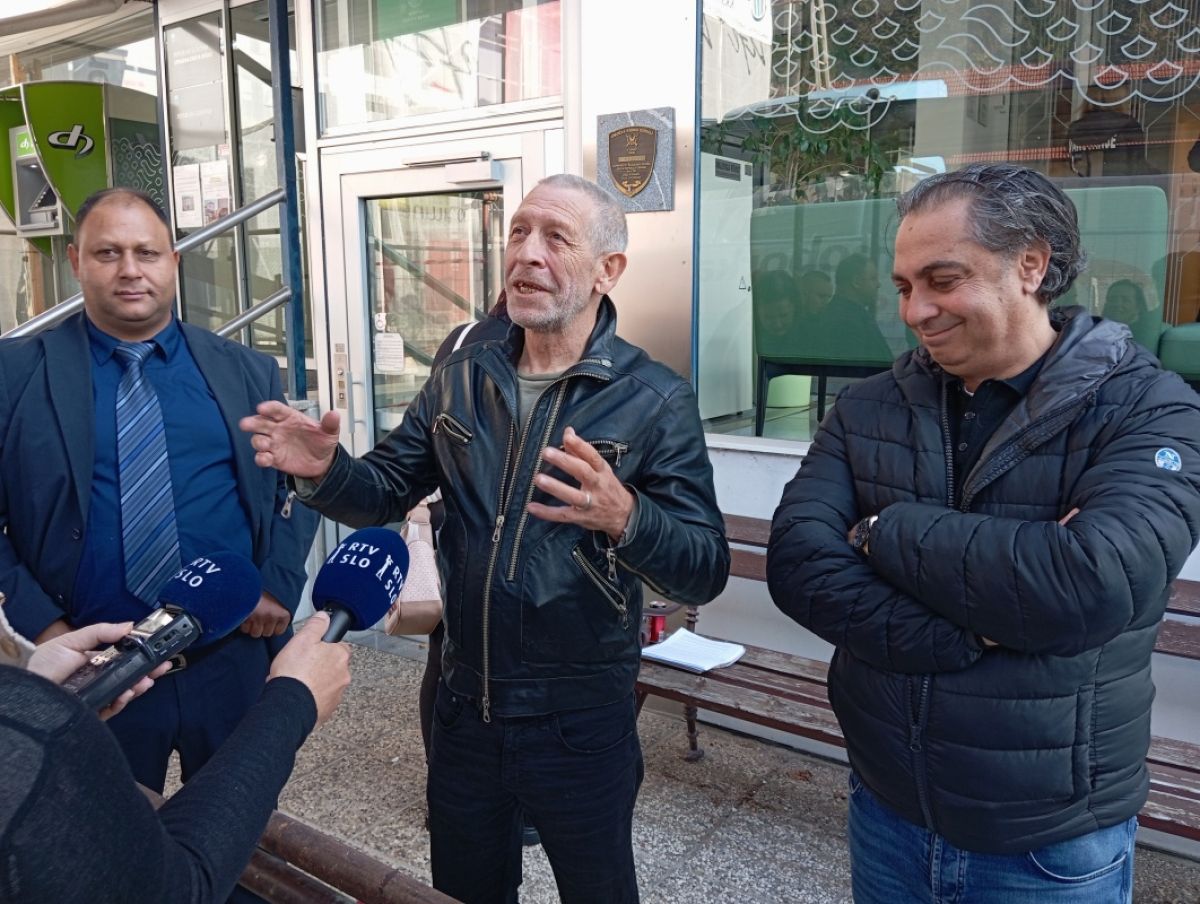
Like many other debtors, Krk Roma councilor Dejan Brajdič (left) and former Novo Mesto Roma councilor Zoran Grm (center) were left without social assistance this month.

“My partner and I were left without every cent this month. I’m 60 years old, she’s 55, we’re both sick. I couldn’t even pay for electricity. These days we will go to the Red Cross for help, but I know that they have almost nothing to give there either, because in this system it is not only the Roma who are left without social security, there are also the homeless, many tenants, people with minimum wage and the like,” former Roma councillor Zoran Grm, who was also one of the co-organisers of Tuesday’s Roma protest, which then did not take place, told us these days.

rroma.org
en_GBEN