Category Archives: News Western Europe

A Row

Published by:

A Row

Romani singer Vasilis Paiteris, who has been politically active since 1993, is facing a lawsuit from Aphrodite Latinopoulou, president of the party “Voice of Logic,” for insulting her dignity.

The conflict satarted when Aphrodite Latinopoulou called him “gyftos” (a pejorative term for Roma in Greek). He responded  by making a provocative remark about Latinopoulou’s appearance, which led to her filing the lawsuit.

In a recent TV appearance, Paiteris expressed willingness to apologize and invited Latinopoulou for coffee to discuss reconciliation, suggesting that 700,000 Romani voters could support her if she seeks forgiveness.

Roma in Portugal

Published by:

Roma in Portugal

Portugal lacks a new national strategy for the integration of Roma communities, endangering the survival of many organizations due to funding shortages.

Roma representatives criticize government delays and the impact on local projects, particularly in education and community mediation. The absence of a strategy has led to the closure of several associations, highlighting the need for stronger state support and engagement with Roma organizations.

Thessaloniki Settlement

Published by:

Thessaloniki Settlement

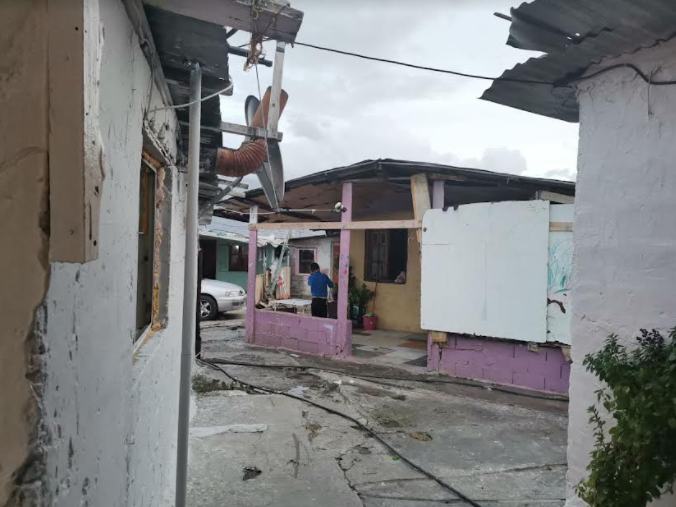
The article discusses ongoing issues in Thessaloniki, Greece, regarding the illegal settlement and eviction of Roma families from the Tsairia area, highlighting a complex legal and social backdrop.

Despite proposed solutions for relocating 12 families (about 200 members), progress has stalled due to resistance from the Roma community, citing cultural differences.

The European Court of Human Rights has mandated that the Greek state ensure the dignity of the Roma during relocation, while local officials express frustration over the situation affecting other citizens without homes.

The Ivanovitch

Published by:

The Ivanovitch

This article speaks about the Ivanovitch (in its French spelling, originally Ivanović), a Roma family from the Vojvodina who emigrated to France and became famous there. The father, Jarko, is credited with the composition of the Roma hymn “Djelem Djelem”. His two sons, Slobodan and Petro were famous musicians under the name “Les Tziganes Ivanovitch”. Petro married Natacha Bielenberg, a Russian Romni whose mother, Raja was a famous dancer in the Theatre Romen in Moscow.

Roma History and Inclusion

Published by:

Roma History and Inclusion

Panagiotis Charitos is a prominent social worker in Greece, dedicated to the education, social inclusion, and empowerment of Roma communities, with a strong academic background and extensive professional experience.

He has initiated various programs and projects aimed at improving educational access for Roma children, including the establishment of a Creative Activity Center and a Football Academy for Roma children.

Charitos has also been active in local politics, serving as a municipal councilor and advocating for Roma rights and social policies that promote equality and inclusion.

He is involved in the first Greek magazine dedicated to the history and culture of the Roma, titled “Unknown Culture of the Roma,” aims to document and preserve Roma heritage and promote positive examples from the community.

The magazine is a collective effort involving Roma scientists, educators, and community members, focusing on the rich traditions, values, and contributions of the Roma people.

It seeks to combat stereotypes and promote understanding between Roma communities and wider society, emphasizing the importance of equal opportunities and respect for Roma culture.

Roma History

Published by:

Roma History

Two articles in the Greek press about the origins and history of Roma. These articles were propted by a feud on live TV Greek singer Vasilis Paiteris continues his public feud with MEP Afroditi Latinopoulou, questioning her stance in times of war and admitting he mistakenly voted for her party due to a friend’s candidacy. Paiteris labels Latinopoulou a “big racist” for her views on the Roma community, asserting that he will only apologize if she retracts her derogatory comments about them. During this, they both used the term “gyftos” that is considered to be pejorative.

The two articles are quite astonishingly accurate, with some debatable points. They also dwell on the origins of the various names given to Roma.

Disguised Discrimination

Published by:

Disguised Discrimination

According to this article, mass police operations against Roma communities in Greece reflect a broader European trend of redefining racial discrimination under the guise of crime prevention and public order maintenance.

The operations, characterized by surveillance drones and aggressive police tactics, have targeted 152 Roma communities, with over 76 operations conducted in just six months.

The rhetoric of crime prevention is used to justify systemic racism against Roma, with the Greek model potentially serving as a template for similar actions across Europe.

French Chronicle …

Published by:

French Chronicle …

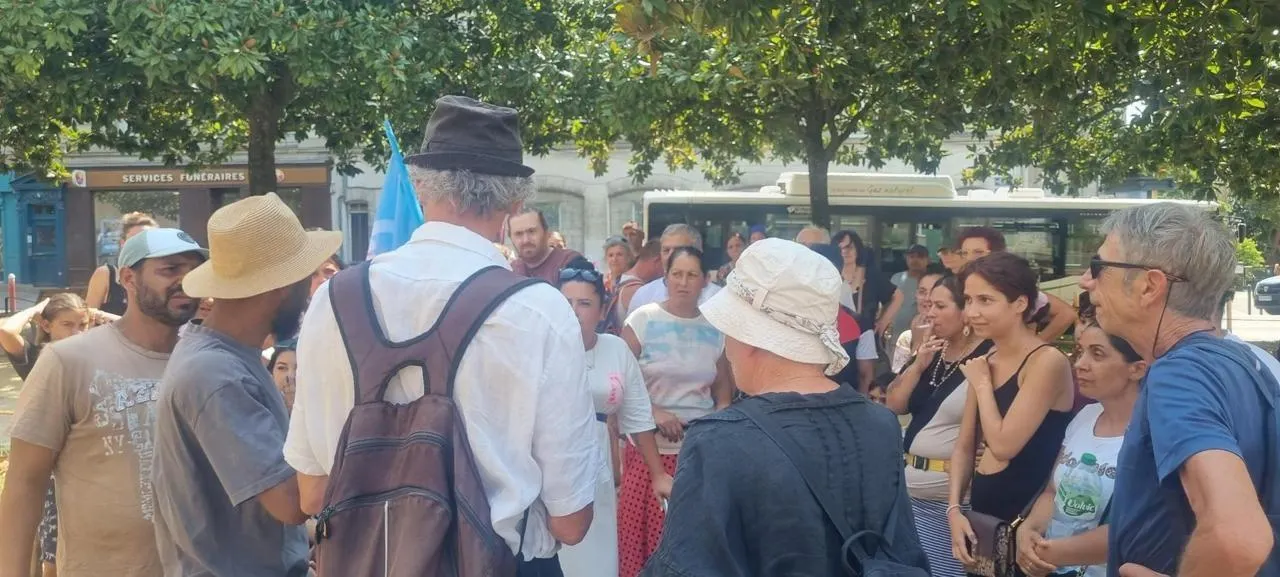
News this week in France are still dominated by the fire on the site of the former Roma camp in Chambly. Its origins are unclear, and firefighters needed several days to extinguish it. The municipal opposition in Nantes accused the social services of having registered Roma to vote for the current socialist mayor. Also near Nantes, a mayor who was strongly opposing a housing scheme for Roma has now endorsed it because of the already spent money (so he says) but has introduced strong surveillance measures.

Crime in Greece

Published by:

Crime in Greece

The article says that in 2024, 70% of theft and burglary gangs in Greece were reported to be composed of Roma individuals, raising concerns about crime and ethnicity.

The article discusses the public’s desire for equality under the law, regardless of origin, while highlighting the perception of crime linked to specific communities.

It critiques the Greek political system for failing to address the root causes of poverty and social exclusion, advocating for equal rights and obligations for all citizens.

Appleby Horse Fair

Published by:

Appleby Horse Fair

Not so nice… Thousands of unsafe and counterfeit toys were seized during the Appleby Horse Fair, a major event for the Gypsy, Roma, and traveller community in the UK.

The toys lacked proper safety labeling and posed serious risks, including choking hazards, according to local authorities.

The Anti-Counterfeiting Group emphasized the importance of safety standards for children’s products and the need to protect cultural heritage events from criminal activities.

Greece and a Dead Nurse

Published by:

Greece and a Dead Nurse

A nurse died in Nafplio. According to several early reports the 55-year-old nurse collapsed while on duty at the General Hospital, reportedly due to a cardiac arrest during a tense situation involving injured Roma. The incident apparently escalated when relatives of the injured Roma reacted aggressively after being informed that no doctor was available, leading to threats against medical staff. The number of articles reporting this and accosing Roma is so long that we cannot publish it here.

Now, the story is somewhat different, highlighting a bias against Roma in the Greek press. Greek Health Minister Adonis Georgiadis clarified that the death of a nurse in Nafplio hospital was not related to violence from a Roma family, who were concerned about their unconscious child. The hospital workers’ union president stated that the nurse should not have been in the emergency department at that time, as she was not on duty.

Louisa Price

Published by:

Louisa Price

Louisa Price, known as the ‘queen of Gypsy queens’, is being honored in an exhibition celebrating Romany and Gypsy culture in Walsall, where she lived for over 70 years. The exhibition also highlights the contributions of Pat Collins, a prominent fairground businessman and politician, who played a significant role in the local community and served as Walsall’s MP and mayor.

The event aims to celebrate the diversity of Walsall and recognize the historical presence of Gypsy, Roma, and Traveller communities in the area.

Reaction against AfD

Published by:

Reaction against AfD

The German AfD party publicly humiliated Roma individuals in Gelsenkirchen by forcing them to clean the streets, which sparked a response from the art exhibition “Radikale Hoffnung” that addresses resistance against racism.

The exhibition features works by Roma artists, including Małgorzata Mirga-Tas, who highlights the struggles of Roma women against discrimination, and Selma Selman, who critiques societal exclusion through performance art. The exhibition emphasizes the importance of collective action and social justice, linking historical labor struggles to contemporary issues of marginalization and identity loss.

Crime in Greece

Published by:

Crime in Greece

According to this article, over 70% of criminal organizations in Greece are composed of Roma, raising concerns about crime rates. Most of these organizations are involved in burglaries, highlighting the need for targeted police actions.

Authorities are urged to investigate the underlying causes of this crime and enhance prevention efforts to restore public trust.

These are basically statements without concrete proofs, stigmatising a minority in Greece.

Roma Settlements

Published by:

Roma Settlements

The article discusses the challenges of demolishing illegal Roma settlements in Greece due to international human rights protections that require alternative housing solutions before eviction. It raises questions about the definition of homelessness, the effectiveness of integration policies, and the potential for new settlements to emerge if current ones are not addressed properly.

Concerns are expressed about the social exclusion faced by the Roma community and the adequacy of existing relocation and integration programs in Patras.

Greece and Roma

Published by:

Greece and Roma

The number of articles about crime and Roma in the Greek press is horrendous. Not a day passes without 5 or more articles about crimes committed by Roma in Greece.

The show “Autopsia” ‘investigates’ crime among the Roma community, revealing the realities within their settlements. Host Antonis Sroiter interviews Roma individuals about police raids, weapons, drugs, and electricity theft. The program explores the prevalence of Roma in criminal groups and their shift from theft to phone scams, alongside personal stories and police statistics.

Basically, it portrays all Roma as criminals. Bad.

French Chronicle …

Published by:

French Chronicle …

Not much in terms of news, but a very large number of articles about a fire in a former camp of Roma that was evacuated recently. The other topic, speaks about the “calvary” of an owner whose property has been squatted by Roma.

Burgenland Roma

Published by:

Burgenland Roma

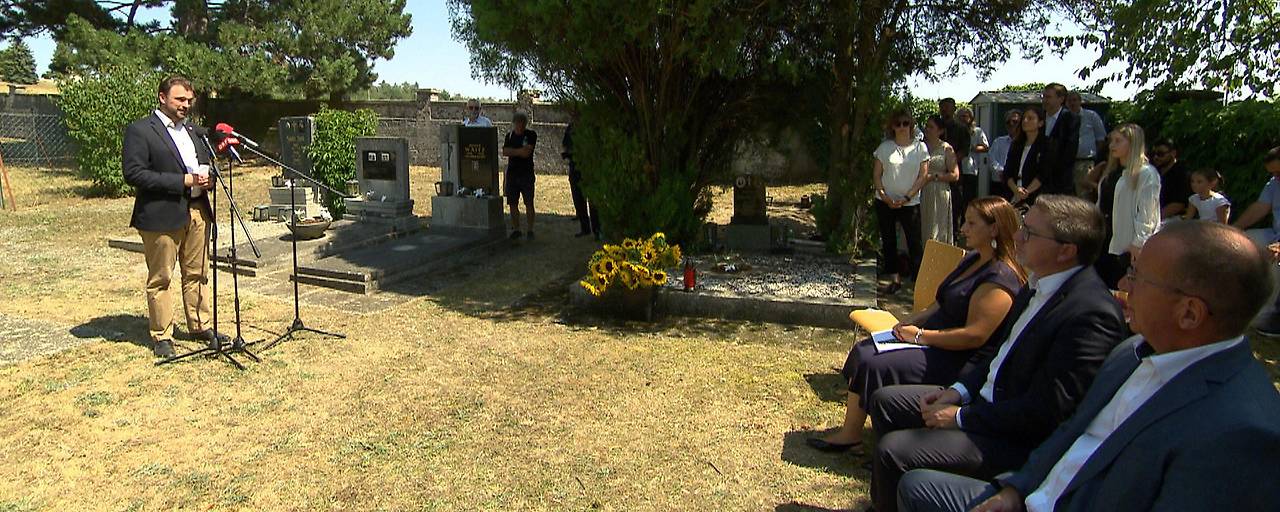
A lesser-known chapter of Burgenland’s Roma history will be discussed at an event organized by the Roma Adult Education Center in Burgenland. The event titled “Myth of the Reichsautobahn: Forced Labor and Suffering of Romnja and Roma from Burgenland” will feature writer and historian Ludwig Laher.

The event is scheduled for Friday, June 19, at 7 PM at the OHO – Open House Oberwart.

Greece and Roma

Published by:

Greece and Roma

One of the typical articles about Roma in Greek press. When they are not stealing, then, underage forced weddings are the norm…

The article says that a 16-year-old girl escaped from her 30-year-old husband in a Roma settlement in Neapolis after being forced into marriage against her will about 40 days prior.

The husband was found guilty of domestic violence and threats but acquitted of physical harm, receiving a 17-month suspended sentence. The girl testified that he physically restrained her and threatened her, while he denied any wrongdoing, claiming he loved her and did not understand her fear.

Romanian Roma in Germany

Published by:

Romanian Roma in Germany

The article discusses the integration challenges faced by Romanian Roma in Germany, emphasizing the need for tailored public policies that address their specific vulnerabilities and circumstances. It highlights the differences between the historical Sinti community and recent Roma migrants from Eastern Europe, stressing the importance of recognizing these distinctions in policy-making. The author calls for collaborative efforts between Germany and Romania to enhance educational and mentoring programs, aiming for genuine inclusion and dignity for the Roma community.

rroma.org
en_GBEN