Tag Archives: Conference

Romania – Conference

Published by:

Romania – Conference

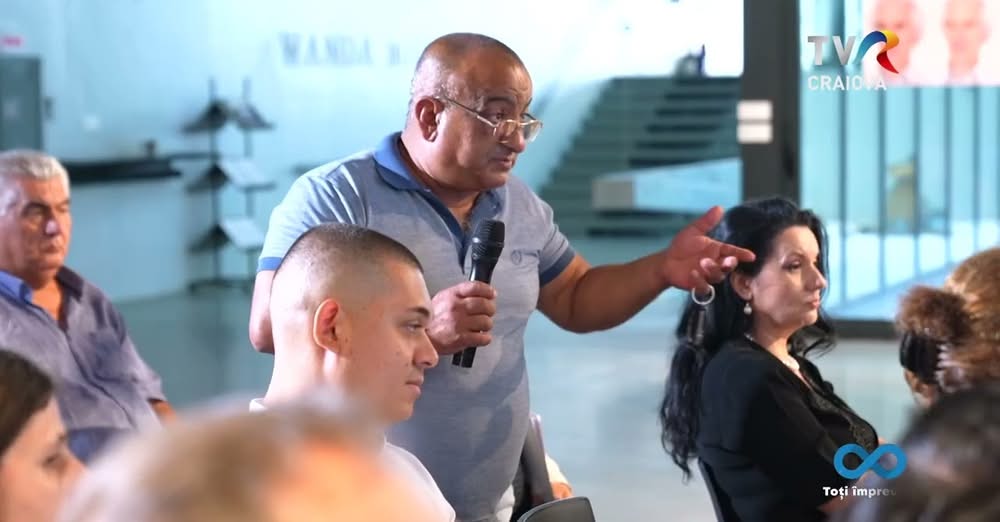
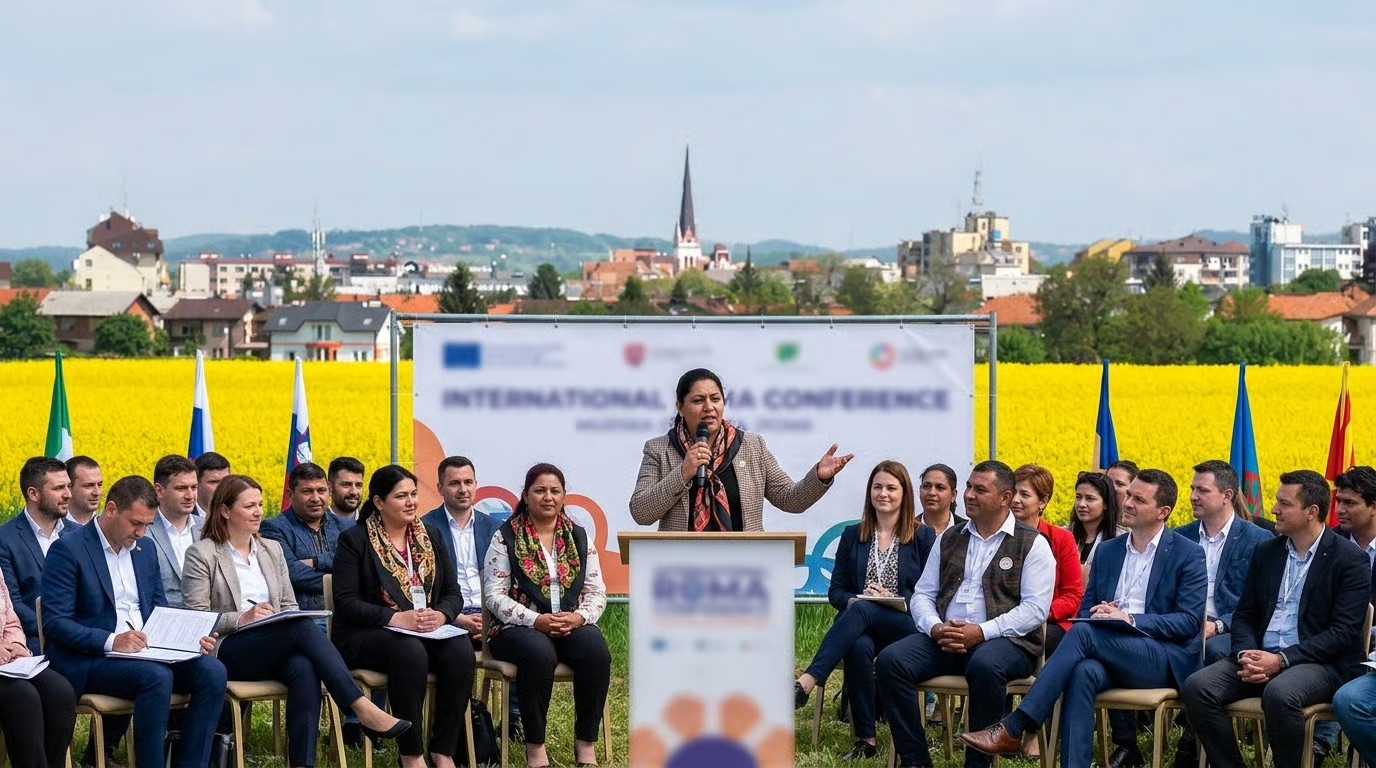
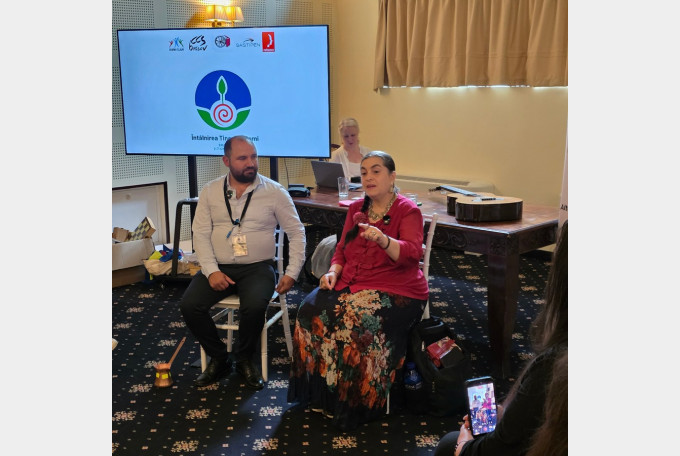
The National Agency for Roma, in partnership with the National Center for Roma Culture “Romano Kher”, organized a series of conferences in Dolj County focused on the historical slavery of Roma and the need for reconciliation through recognition and reparative policies.

The event lasted three days and aimed to shed light on this aspect of history.

Additionally, there will be a discussion about the life and work of Lucian Raicu, a Romanian critic and writer of Jewish descent, in the segment “A book…a minority.”

Conference and Event

Published by:

Conference and Event

A music and culture event celebrating Roma culture is taking place in Turin, alongside the 34th International Conference organized by the Italian Association Zingari Oggi, marking its 55th anniversary.

The conference will address issues related to housing, rights, and inclusion for Rom and Sinti communities, featuring discussions from various experts and representatives from different countries.

The event is open to the public without prior registration, allowing media representatives to interview speakers.

Roma Leaders

Published by:

Roma Leaders

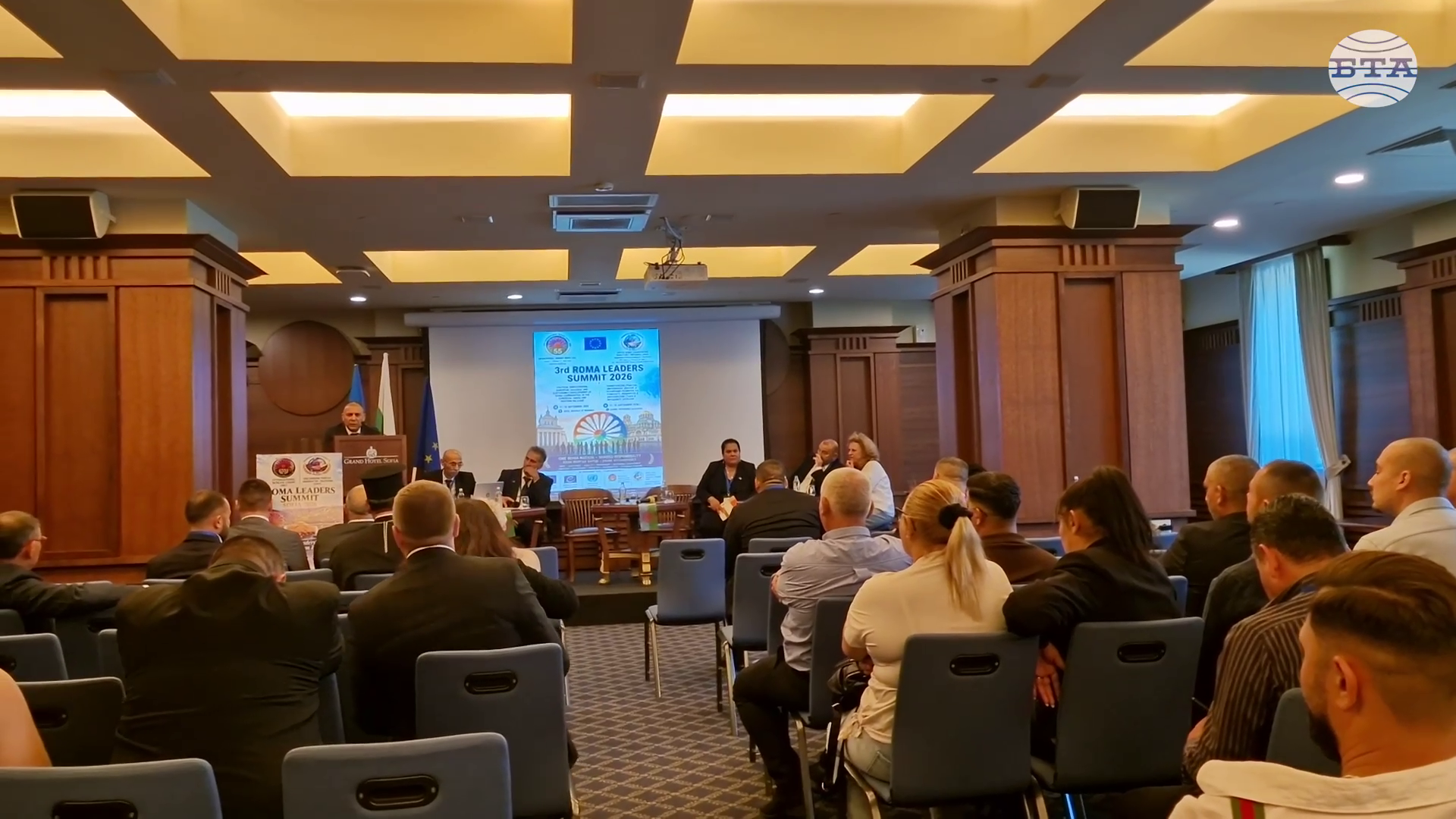
The Third Summit of Roma Leaders in Sofia focuses on unity, leadership, and a European future, organized by the United Roma Communities and the International Roma Union.

Leaders emphasize the need to move beyond merely identifying problems faced by the Roma community and instead propose solutions, seeking collaboration with Bulgarian institutions.

A declaration was presented at the forum advocating for equality, dignity, and active participation of the Roma community in society, highlighting the importance of dialogue and respect for differences.

  • Ромски лидери от различни държави се събраха в София на среща под надслов „Единство, лидерство и европейско бъдеще“. In: BTA. 09.2026. https://www.bta.bg/bg/videos/39718

Auschwitz Conference

Published by:

Auschwitz Conference

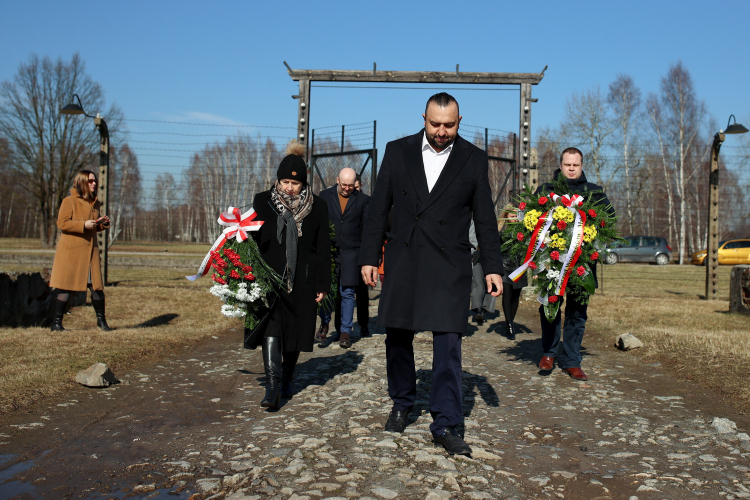
An international conference titled “Roma and Sinti – Between Historical Memory and Modernity” will take place on November 24-25 in Auschwitz, organized by the Polish Ministry of Foreign Affairs and the Council of Europe.

The conference aims to reflect on the historical memory of the Roma and Sinti genocide during World War II and its impact on contemporary identity and culture.

Participants will include educators and museum professionals, with discussions on the persecution of Roma and Sinti, and workshops on teaching without perpetuating stereotypes.

Gypsy Lore Society

Published by:

Gypsy Lore Society

The University of Zagreb’s Faculty of Philosophy hosted the annual Gypsy Lore Society conference, focusing on the history, language, culture, and social status of the Roma community.

Approximately 90 scholars from around the world presented their research and discussed various topics related to the Roma community, with some panels conducted in the Romani language to emphasize its preservation.

The conference facilitated networking among researchers and institutions, and included a visit to the Roma Memorial Center in Uštica, dedicated to the memory of Roma victims of World War II.

Šerutnipe – Šutka

Published by:

Šerutnipe – Šutka

For the first time, Roma mayors, councilors, presidents of councils and parliamentarians from different parts of Europe are coming together with Roma-led institutions, opening up one of the most important questions of the contemporary Roma political movement: what comes after political representation and how to turn the won mandate into real decision-making power and concrete changes in people’s lives.

This is taking place in the largest Roma settlement in Europe, the Šutka in Skopje, North Macedonia.

RARE

Published by:

RARE

Young Roma from various countries are participating in the RARE Roma Youth Leadership Bootcamp in Divčibare, Serbia, aimed at developing leadership skills and community engagement among Roma youth.

The bootcamp features sessions like “Own Your Voice,” focusing on building self-confidence, confronting stereotypes, and preserving cultural identity.

The program is part of a larger EU initiative to improve educational opportunities for Roma students in the Western Balkans and Turkey, funded by the European Commission.

Slovenian Conference and Serbia

Published by:

Slovenian Conference and Serbia

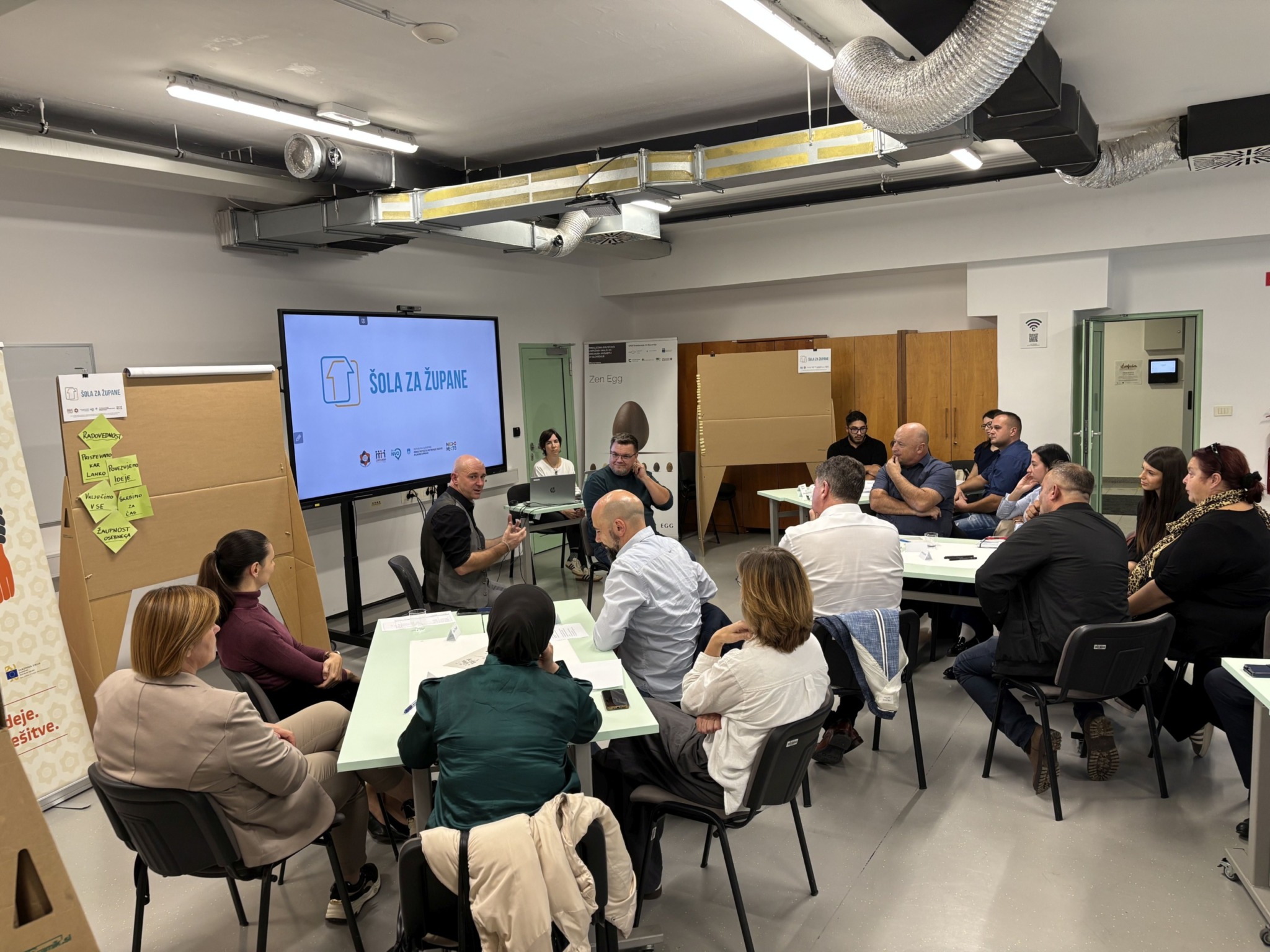
The National Council of the Roma National Minority from Serbia participated in the Second International Roma Conference in Slovenia, focusing on the progress and challenges faced by the Roma community over the past 20 years.

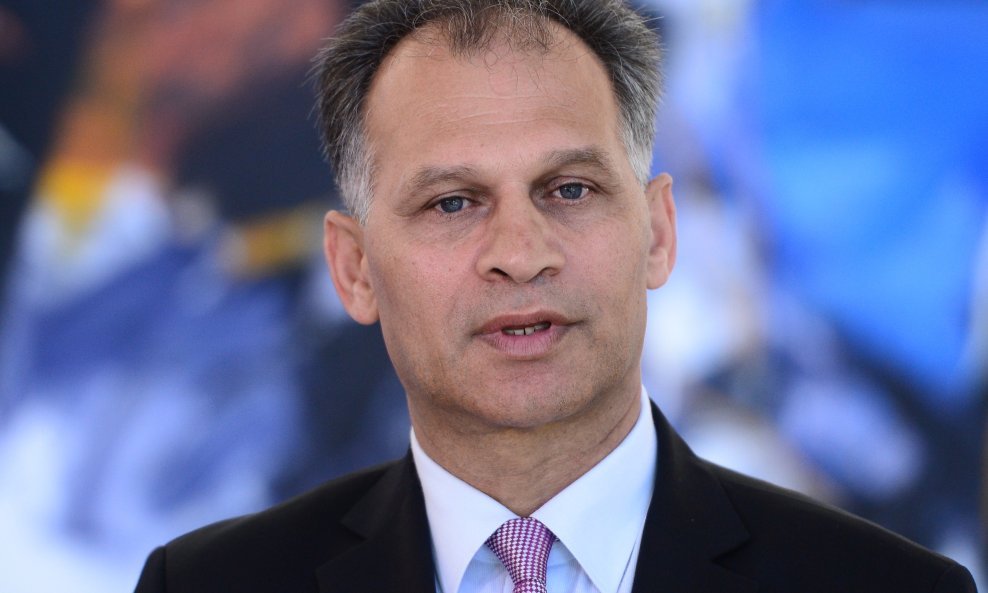
Dalibor Nakić, the president of the council, highlighted advancements in education, political participation, and decision-making inclusion for Roma in Serbia, attributing these to collaboration with various institutions and organizations.

The conference included discussions on housing and local development, with a visit to the Pušča Roma settlement in Slovenia, recognized as a model for organized Roma communities with developed infrastructure.

All wishful thinking …

Slovenian Conference

Published by:

Slovenian Conference

The conference focused on the development of the Roma community’s position over the last two decades, current challenges, and strengthening Roma activism and representation.

Key speakers emphasized the importance of collaboration between state institutions, local communities, and Roma representatives, highlighting the need for connecting formal rights with real-life improvements.

Discussions included Slovenia’s legal and financial framework for the Roma community, the significance of targeted funding, and the ongoing challenge of linking mechanisms to measurable outcomes and effective participation in decision-making.

Slovenia: International Conference

Published by:

Slovenia: International Conference

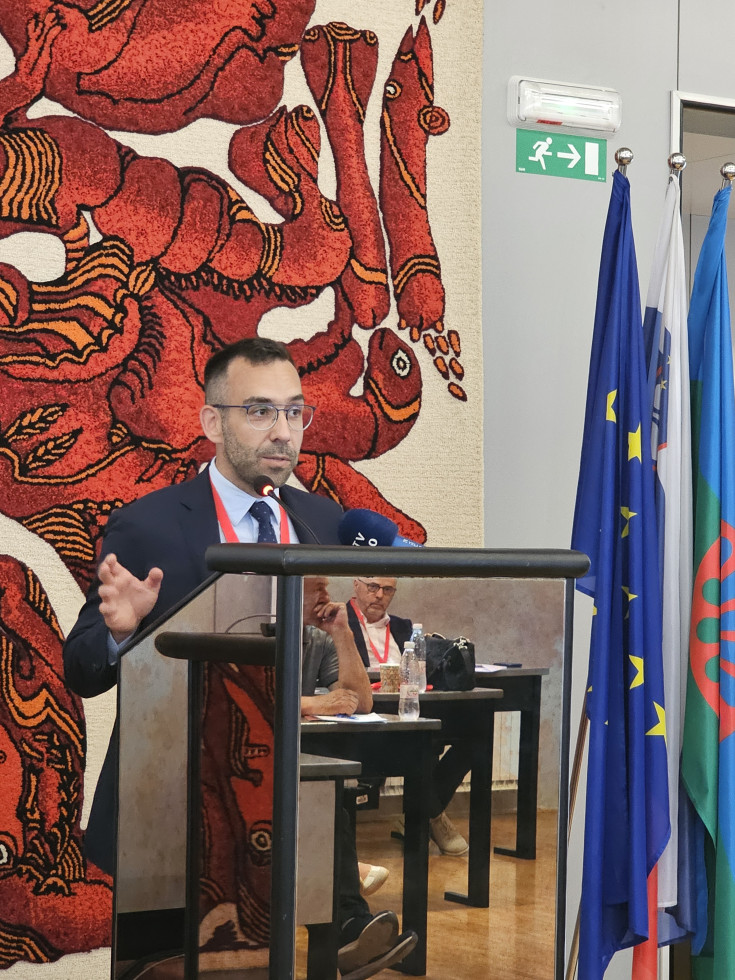
An international conference in Murska Sobota, Slovenia, gathered representatives from Roma communities and organizations across Europe to discuss the progress and challenges faced by Roma people over the past two decades.

Dalibor Nakić, president of the National Council of the Roma National Minority, highlighted advancements in education and political participation for Roma in Serbia, attributing these to collaboration with state institutions and civil society.

The conference showcased successful integration examples, particularly the Pušča settlement, recognized for its developed infrastructure and community organization, serving as a model for local development for Roma in Slovenia.

Slovenia: Conference

Published by:

Slovenia: Conference

An international Roma conference is taking place in Murska Sobota, focusing on the progress, challenges, and future of the Roma community, twenty years after intensified policies were initiated.

Jožek Horvat Muc, president of the Roma Community Council, noted some improvements due to political measures, but highlighted ongoing issues like access to education, housing, and basic utilities. The conference emphasizes the need for greater Roma involvement in decision-making and a coordinated EU approach to address the community’s challenges.

Young Roma

Published by:

Young Roma

The Romanian National Meeting of Roma Youth took place in Brașov, focusing on civic engagement, leadership, and community development for young Roma aged 16 to 30 in Romania.

The program included discussions on civil society, project management, financial education, and the importance of Roma identity, featuring speakers from various fields to inspire participants. The event aimed to foster dialogue among youth and representatives from student organizations, emphasizing the role of youth in civic participation and decision-making processes.

Burgenland Roma

Published by:

Burgenland Roma

A lesser-known chapter of Burgenland’s Roma history will be discussed at an event organized by the Roma Adult Education Center in Burgenland. The event titled “Myth of the Reichsautobahn: Forced Labor and Suffering of Romnja and Roma from Burgenland” will feature writer and historian Ludwig Laher.

The event is scheduled for Friday, June 19, at 7 PM at the OHO – Open House Oberwart.

Zagreb and Kris

Published by:

Zagreb and Kris

The 2nd International Conference on “Roma Customary Law” opened today at the Zagreb Museum of Contemporary Art, an event that could permanently change the status of Roma tradition on a global scale. The main news of the conference is the launch of an initiative to include Roma customary law, known as Romanipen or the Kriss system, on the UNESCO list of Intangible Cultural Heritage of Humanity.

Roma in Bosnia

Published by:

Roma in Bosnia

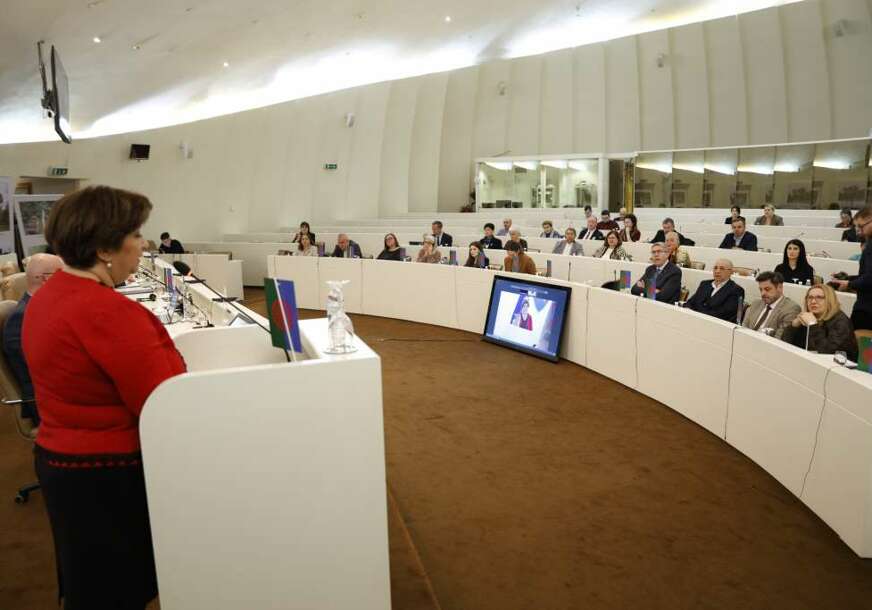
Three decades after the war in Bosnia and Herzegovina, Roma still remain outside the institutional memory, justice and reparations system, although, according to new findings, they were exposed to all forms of war crimes, from murders to expulsions and displacement, it was emphasized at the conference on the suffering of Roma in the period 1992-1995.

The conference was held in the building of the Parliamentary Assembly of Bosnia and Herzegovina under the title “Through Truth to Justice: Thirty Years of Silence on the Suffering of Roma in the Period 1992-1995”, within the project “Improving Roma Participation in Transitional Justice in BiH”, funded by the Government of the United Kingdom.

Every Child has a Chance

Published by:

Every Child has a Chance

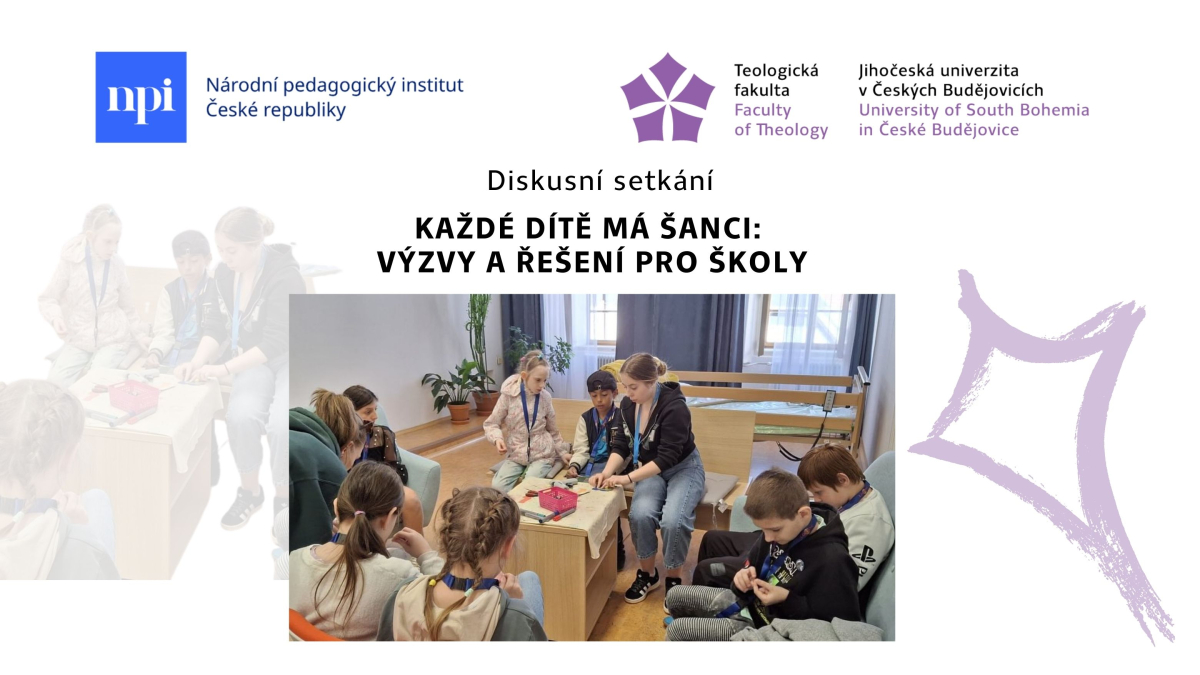
An open discussion will be held on the 17th of March in the Teologická fakulta, Jihočeská univerzita v ČB,  in České Budějovice. The discussion meeting is intended primarily for representatives of city administration, schools, kindergartens and the professional public. Together they will focus on current topics related to supporting children not only in education, sharing practice, experiences, opinions and opportunities for mutual cooperation. The aim of the meeting is to create a space for dialogue and inspiration for further steps towards quality and fair education for every child.

Conference “Antigypsyism/Racism against Roma and Sinti”

Published by:

Conference “Antigypsyism/Racism against Roma and Sinti”

This conference aims to raise awareness of antigypsyism/racism against Roma and Sinti. In particular, it seeks to sharpen the understanding of how to recognize antigypsyist discrimination and to consider it as a cross-cutting issue in administrative work.

Another focus will be on presenting existing measures implemented by the State of Berlin to combat and prevent antigypsyism. These measures will not only be presented but also discussed and considered together with regard to their further development.

Finally, the conference aims to encourage self-reflection – with the goal of critically examining how antigypsyism/racism against Roma and Sinti is addressed within the administrative context and initiating processes of change.

Urban Segregation and the Making of Roma Marginality in Türkiye: The Case of Urla

Published by:

Urban Segregation and the Making of Roma Marginality in Türkiye: The Case of Urla

Dr. Uştuk will present his ethnographic research of the Roma community in Urla, a town near Izmir. The talk will begin with a brief overview of the evolution of Romani Studies in Türkiye, situating the emergence of the field within the broader political transformations prompted by EU accession processes and the Roma civil society movement. Against this contextual background, an ethnographic case study from Urla, İzmir region, demonstrates how gentrification policies led to an “exile strategy” against the Roma community, framing them as the “unwanted others.” The research indicates that structural exclusion operates simultaneously through policy frameworks and everyday narratives of blame, sustaining a long-lasting politics of exclusion.

One can register for this conference.

  • https://romanistudies.ch/seminar-series/2025-2026/29-october-2025/

Warsaw Conference

Published by:

Warsaw Conference

The OSCE Office for Democratic Institutions and Human Rights (ODHIR) organised a conference in Warsaw on October 13 focusing on Roma human rights.

Ðorđe Jovanović, President of the European Roma Rights Centre, said that ”Sustained funding for human rights monitoring, advocacy and litigation must be urgently restored, along with institutional funding allowing Roma human rights organizations to function and operate independently,” and added that “Donors need to remove bureaucratic barriers and support civil society in protecting rights and holding institutions to account.”

rroma.org
en_GBEN