Tag Archives: Discrimination

Slovakia and Special Schools

Published by:

Slovakia and Special Schools

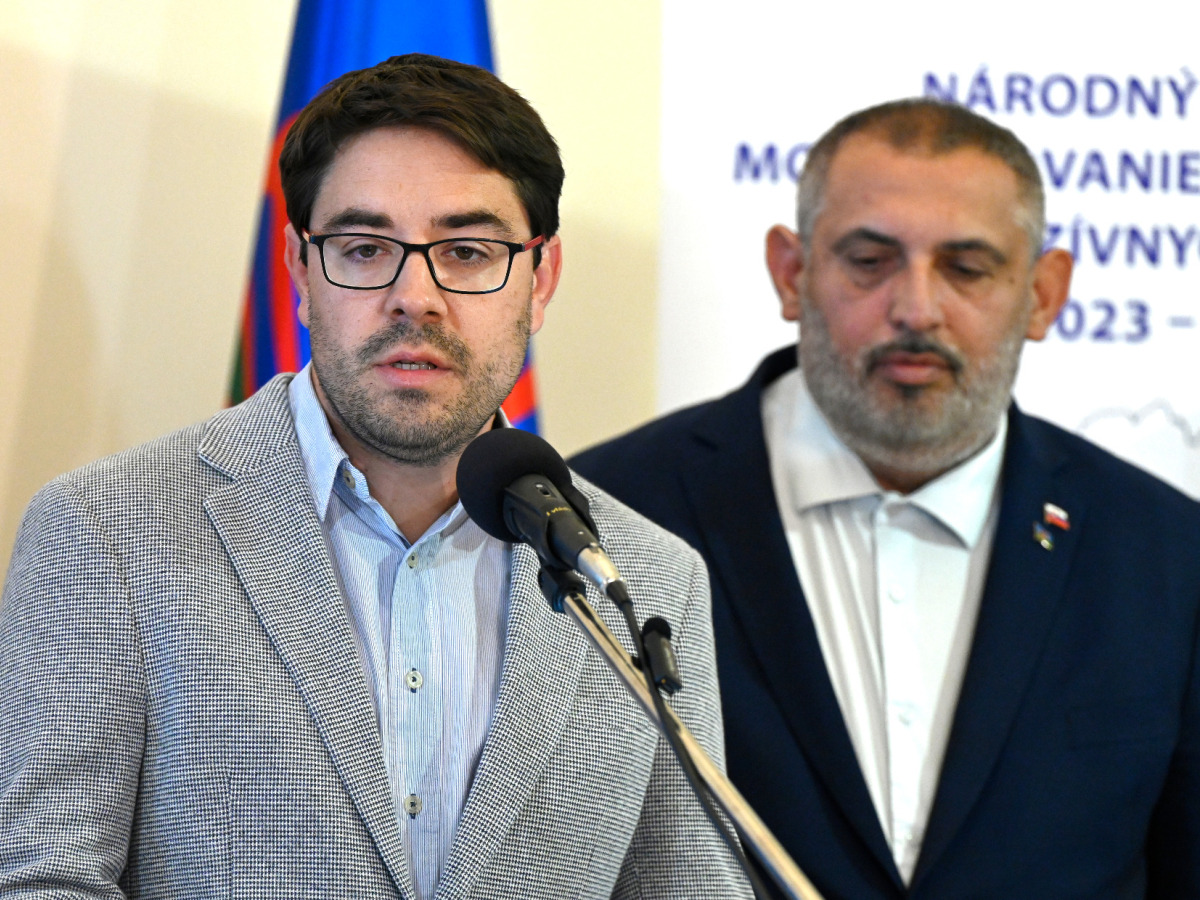
A Rom frokm Slovakia was honoured by the Association for Culture, Education and Communication (ACEC) for successfully promoting the re-diagnosis of a Roma boy from a special school, thanks to which the boy was able to continue his education at a regular elementary school in Zvolen.

Well, it says effectively a young Rom was sent to a special school for mentally disadvantaged children just because of his etnicity.

Unseen

Published by:

Unseen

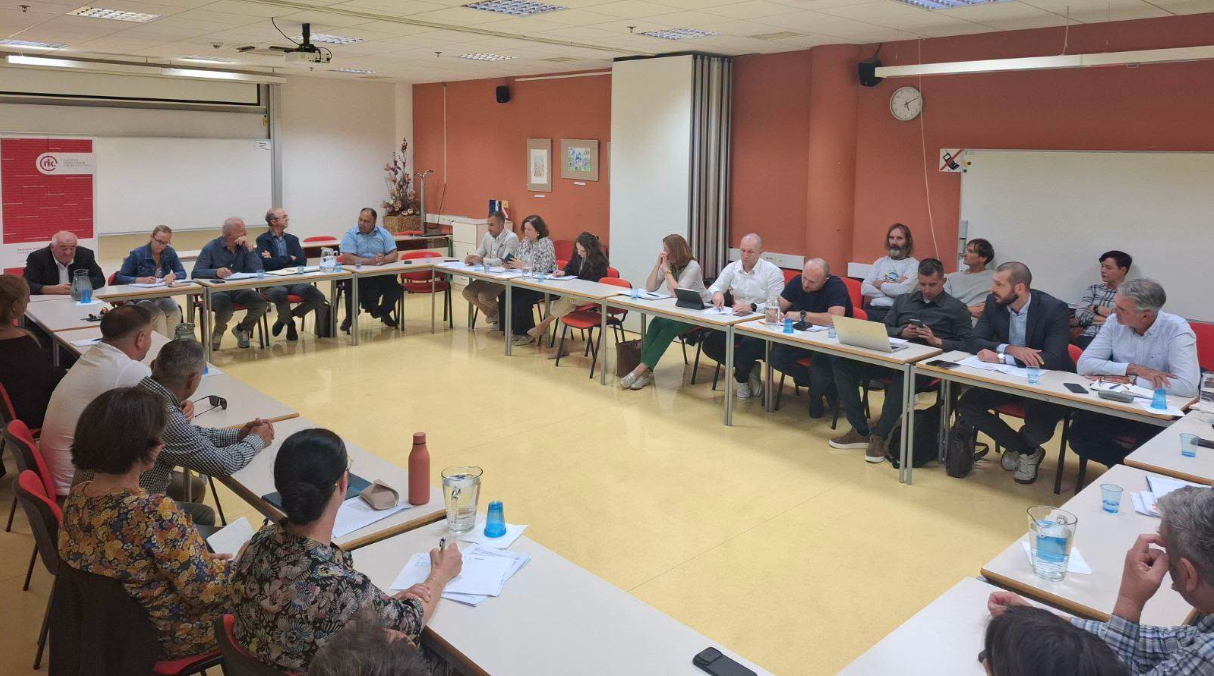
Miha Lobnik, Advocate of the Principle of Equality in Slovenia says about Roma that “To hide their roots, they prefer to choose Slovenian surnames”. He organised a roundtable discussion to highlight the problems in the education of Roma children.

Roma Foundation for Europe

Published by:

Roma Foundation for Europe

The Roma Foundation for Europe, headquartered in Brussels, is part of the Soros Foundations for an Open Society and implements various programs across Europe in support of the Roma community – it supports children and young people in education and extracurricular activities, young families in self-employment and job creation, protects Roma communities from abuse for political purposes and encourages political activation, and also invests in the preservation and development of Roma culture and language. It has not been present in Slovenia so far because it seemed that there was no need for it – because Slovenia is a sufficiently developed country with a small enough Roma population to be able to solve the problems on its own. Jovanović says today that this opinion was clearly erroneous.

Romani Pupils

Published by:

Romani Pupils

An article about Romani pupils in Polish schools. It says that for a Roma child, the threshold of school is often a threshold to a completely different linguistic world. In homes, especially in groups like Polska Roma, which cultivate a stronger tradition, the first language is Romani. It is an intimate, homely language, acting as a guardian of identity. At school, students must rapidly adapt to Polish grammatical structures to master reading and writing, which represents a tremendous cognitive effort.

Well most of them are bilingual… So not sure about that statement.

Education in the UK

Published by:

Education in the UK

A new study shows that Roma and travellers children in the Bradford area are severely disadvantaged and the lowest achievement rates.

Bad.

North Macedonia

Published by:

North Macedonia

The UN Committee on the Elimination of Racial Discrimination (CERD) condemned North Macedonia for violating several provisions of the International Convention on the Elimination of All Forms of Racial Discrimination. The country had confiscated passports of Roma who were forced returned from Germany after they had lost their asylum case.

Schools and Roma

Published by:

Schools and Roma

At one of the larger primary schools in Dolenjska, Slovenia, 15 students are repeating a grade this year, all of them Roma children. The data was confirmed by the principal of the Kočevje Assembly of Delegates Primary School, Peter Pirc.

The principal explains that a large number of unsuccessful students appear almost every year, especially in the first and sixth grades. The first grade is particularly pronounced, where many children have problems right from the start of school.

Racism in Slovenia

Published by:

Racism in Slovenia

Another article about a Rom, his wife and child refused service in a restaurant in Novo Mesto, just because they were Roma.

Bad, and so far without consequences.

Another Statistic

Published by:

Another Statistic

Another of those statistics, this time in Northern Macedonia where the Commission for the Prevention and Protection against Discrimination (CPPD) today presented its thematic report on discrimination against Roma women in the field of employment relations, on the eve of International Women’s Day, March 8. According to the commission, only 8% of Romnja have a job, and most are subject to discrimination.

There is a catch … The country doesn’t know how many Roma effectively live there…

Roma in Slovenia

Published by:

Roma in Slovenia

Zvonko Golobič, president of the Association for the Development of the Roma Community from Črnomelj warns of drastic deterioration of conditions in the Roma community.  A consultation organized by the Association of the Roma Community Umbrella-Dežnik, after 100 days of the so-called Šutare Act, representatives of the Roma settlements of southeastern Slovenia assessed that the situation of the Roma community had drastically deteriorated. They adopted the manifesto Good for Roma, Good for Slovenia, which represents efforts for better integration.

Roma, History, and Discrimination

Published by:

Roma, History, and Discrimination

Slovak Ombudsman Róbert Dobrovodský emphasizes that even 81 years after the tragedy in Dubnica nad Váhom, Roma are not protected from all forms of discrimination.

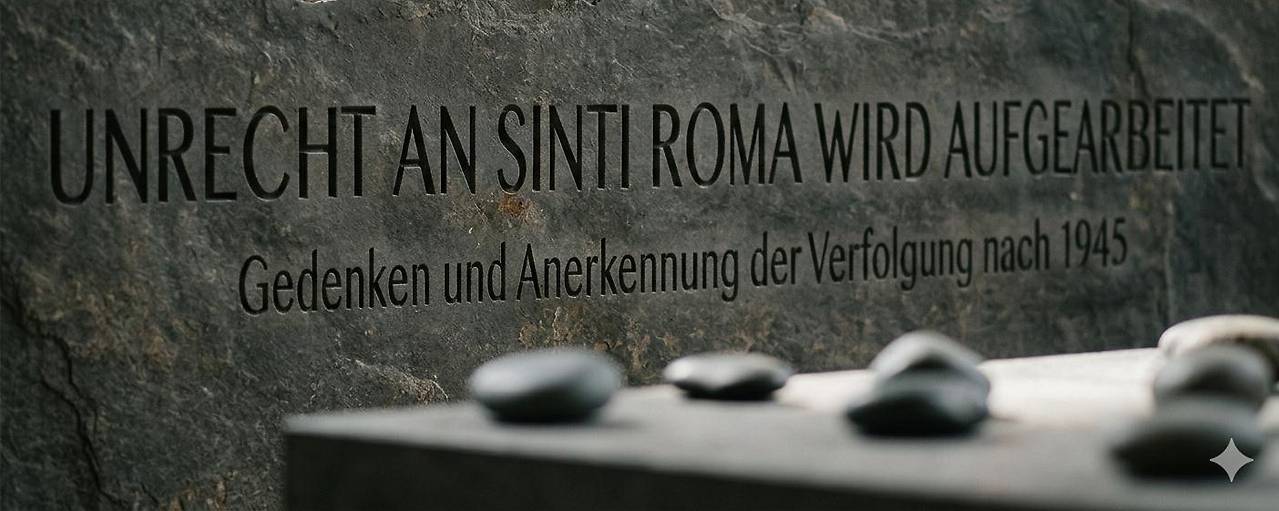
The fate of the Roma during the Holocaust was overlooked and tabooed for decades. That is why it is an obligation to talk about these tragedies openly and without relativization. In connection with the 81st anniversary of the murder of Roma in the detention camp in Dubnica nad Váhom, the public defender of rights Róbert Dobrovodský stated this on the social network.

Education and Roma in Ukraine

Published by:

Education and Roma in Ukraine

Roma are one of the most vulnerable national communities in Ukraine. Roma children experience discrimination from an early age – they are often not accepted into general kindergartens and schools, directing them to special “Roma” institutions. Such educational segregation is widespread in the Transcarpathian region. In that region, many Roma chilcren do not even go to school.

Roma and Social Care

Published by:

Roma and Social Care

A good article on Roma in Slovakia. They say:

The Roma issue is not a question of ethnic “cause”, but of social barriers and poverty. Improving living standards, access to education and job opportunities is possible.

Common myths about the Roma, that the majority live in settlements or shantytowns, do not want to work, get an education or have an “innate” tendency towards crime or maladjustment, are wrong. This is confirmed by all relevant facts, research, but often also by common sense.

Slovenia: Protest

Published by:

Slovenia: Protest

Roma organisations were planning a protest today in Novo Mesto against the Šutar Act and its implementation which has by now deprived people of all means of existence.

It was not sure in the press whether wthe protest would be allowed, so let’s see what is reported tomorrow.

Montenegro and Elections

Published by:

Montenegro and Elections

After a complaint by the ERRC, the Montenegrin Onbudsman wants to reform the registration rules that he sees as biased against Roma.

Šutar Act

Published by:

Šutar Act

In January, the Financial Administration of the Republic of Slovenia (Furs), based on the so-called Šutar Act, began enforcing cash social assistance against debtors who had repeatedly violated regulations in recent years and failed to pay the fines imposed. They blocked the bank accounts of these people, and blocked even the delivery of the basic social cash assistance, leaving these families without any means.

The Roma community is drawing attention primarily to the social consequences of such implementation of the legislation. In public statements, they highlighted cases of families left without basic resources and demanded changes in the enforcement of fines and greater involvement of social work centers.

Slovenia and Roma

Published by:

Slovenia and Roma

The president of the People’s Initiative of Dolenjska, Silvo Mesojedec, is criticising sharly Roma NGOs.

“Instead of finally confronting the causes that led to this situation (non-attendance at school, crime, unemployment), they are now attacking those rare solutions that are trying to establish order.”

The president of the Roma Association of Slovenia Umbrella – Dežnik wrote that almost 1,300 Roma families were pushed into absolute poverty with one political decision.

“The so-called Šutar legislation and the policies of the Government of the Republic of Slovenia have pushed the Roma community back centuries. The elderly, the sick and children have been left without food, water and electricity. Children are hungry today because of the decisions of a state that outwardly presents itself as social and democratic,” he wrote in a statement.

János Lázár

Published by:

János Lázár

A blunt (and Slovak) summary about the cotroversy on János Lázár, the Hungarian minister who said that if there is no migrant workforce, then Roma in Hungary will have to fill jobs such as cleaning toilets on InterCity trains.

rroma.org
en_GBEN