Tag Archives: Discrimination

Anti-Roma Racism

Published by:

The Czech government adopted the definition of antitsiganism, i.e. anti-Roma Racism. This is the definition that was done by the International Holocaust Remembrance Alliance.

According to the government commissioner for Roma minority affairs, Lucie Fuková, this indicates that discrimination is not welcome in the Czech Republic. She said this at a press conference after the cabinet meeting. According to the government commissioner for human rights, Klára Šimáčková Laurenčíková, this is the right step to reject any prejudicial and stereotypical behaviour against the Roma minority in the Czech Republic.

Brno and Roma

Published by:

Miroslav Zubaj is a guide at the Museum of Roma Culture, which stands in the middle of the feared and prejudiced Cejl district. In the interview, he describes the history of the Brno Roma community, the roots of the problems there and the current situation of the locals, which is far from ideal.

Prague 3 and Roma

Published by:

Recent research among the local Roma population of the district showed that Roma people feel safe in Prague’s 3rd district, but they encounter prejudices in the commercial housing market.

Czechia and School Segregation

Published by:

Two articles dwelling on what happened in the 16 years since the Czech Republic was condemned for school segregation and discrimination against Roma. There are still segregated school, and according to the Deputy Minister of Education Jiří Nantl (ODS), Czech society is thereby producing clients of the welfare state.

These schools should be closed, and desegregations should be enforced.

Uzhhorod Roma School

Published by:

The Czechoslovak president Masaryk contributed to the establishment of a should for Roma in what is now Transcarpathian Ukraine and before was the Ruthenian region of Czechoslovakia. The school was opened as an experiment to try to integrate Roma in the regular school system and Roma contributed to its creation. It was also a de-facto segregated school…

Czech Republic and Roma Education

Published by:

In 2007, the European Court of Human Rights, in a ground-breaking decision, condemned the Czech Republic for discriminating against Roma pupils in their access to education.

However, the Czech Republic continues to discriminate against Roma children in education in spite of this condemnation. Recent statistics show that 15% of Roma children are educated outside of the regular school system (i.e. special schools) whereas for the majority population, this is the case only for 3% of the children.

So there are still special schools in addition to at least 130 segregated ones.

Poland: Appeal for Roma Refugees

Published by:

The W Stron Dialogu  (Towards Dialogue ) Foundation works for the Roma community in Poland, writes that “Roma and Roma women from Ukraine who found shelter in Poland faced – and still face – discrimination, worse treatment and rejection.” The organization believes that Roma refugees from Ukraine have become “second-class refugees ignored by the current authorities, which turned a blind eye to segregation and the lack of access of Roma women and men to collective accommodation centres, thus allowing discrimination against this weakest group of refugees.”

They launched an appeal to the Polish Government.

Vsetin and Roma

Published by:

In 2006, the city of Vsetín turned to the Constitutional Court (ÚS) in the case of Roma eviction. The Supreme Court (NS) recently increased the compensation to several Roma families who had to move out of Vsetín. Four families with 46 NS members were awarded compensation from the city in the aggregate amount of 1.825 million crowns, the management of the Vsetín town hall considers unfair.

Poland, Schools, and Roma

Published by:

Robert Bladycz, a Rom teaching assistant from schools in Kamienna Góra, has been trying to get a teaching job for many years, he tells Radio Wrocław. He has a higher degree in education, has been working in schools for 20 years, and despite repeated attempts, he has never been offered a position as a beginner teacher.

Slovakia, Social Media, and Roma

Published by:

A recent study by the Human Rights Institute shows that on social media in Slovakia, there are many hateful and racist comments about Roma. People try to hide behind pseudonyms and post many disparaging comments on Roma.

Bad.

Germany and Discrimination

Published by:

“The “Pro Sinti & Roma” contact point is intended to make it easier for people who live here, regardless of their origin and religion, to have access to society. The project is intended to be a door opener for people who are somewhere between their country of origin and their country of immigration.

Slovenia and Roma Discrimination

Published by:

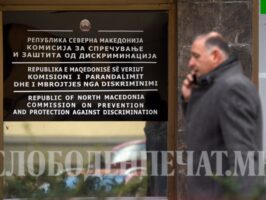
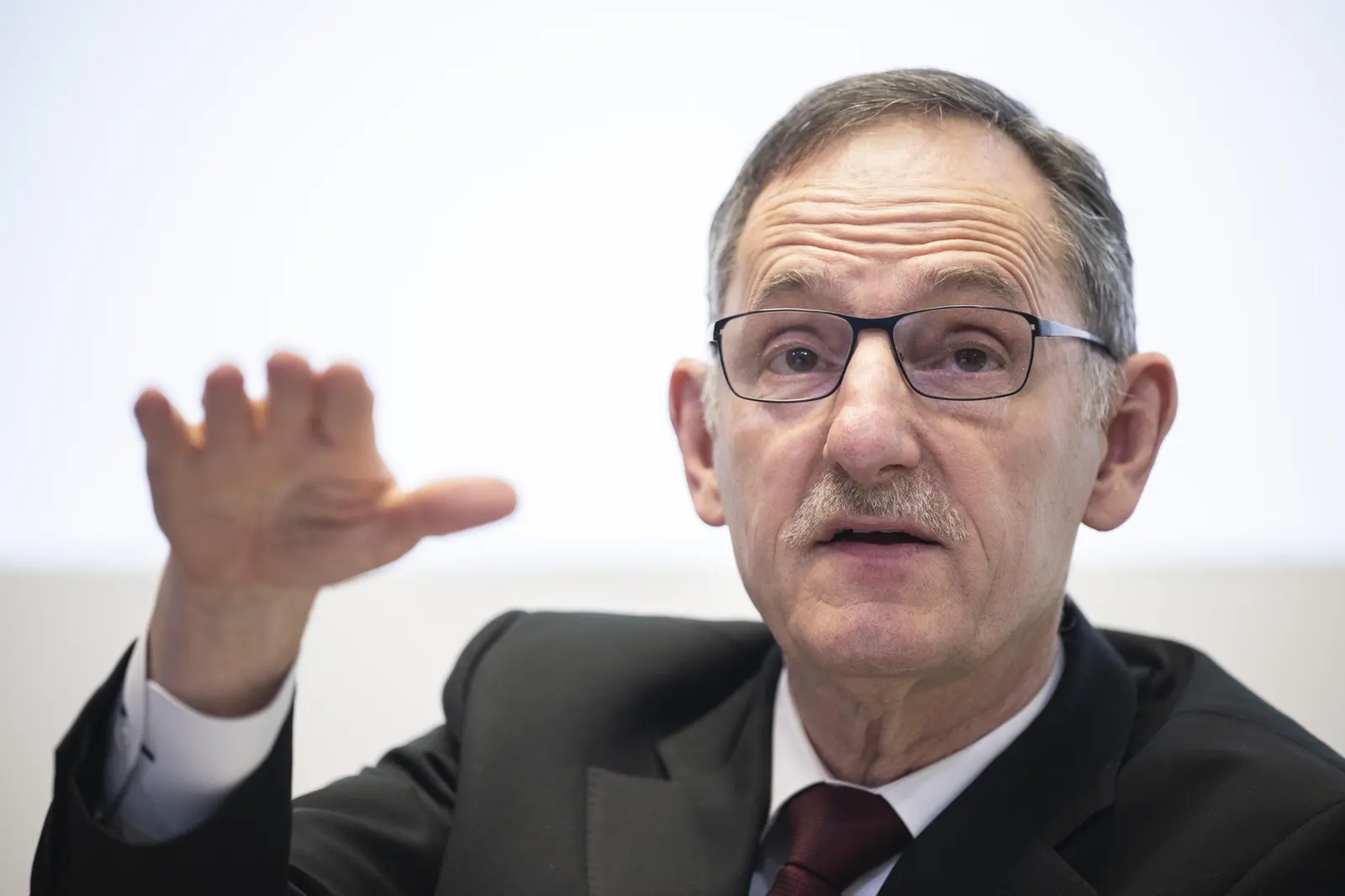
An incendiary article in the Slovene press basically saying that the Slovenian defender of the principle of equality Miha Lobnik slanders the majority population of Slovenia by saying that they discriminate against Roma. According to the article, he was not capable of naming a single case of real discrimination.

Needless to say, the article is also full of negative statements against Roma, especially the ones in the South of the country.

Slovakia: Discrimination?

Published by:

Renáta Karchňáková comes from Vranov nad Topľou, Slovakia, and has never denied she is a Romni. She has a university degree, works as a nurse, and says that people respect educated and decent Roma.
She may be right, but frankly, this would be a real exception…

Slovenia and Discrimination

Published by:

A polemic article in the Slovenian press on Roma and on the defender of the principle of equality of the country. Basically, they say that Miha Lobnik, defender of the principle of equality, must ensure that Roma “are discriminated against” in order for him to justify his salary and that of his 28 employees.

Well, in Slovenia, discrimination against Roma is ripe. The article tends to dismiss it.

Poland, Prisons, and Roma

Published by:

Reports and complaints about the improper treatment of Roma in Poland’s prisons have reached the ombudsman’s desk and indicate the widespread use of stereotypes and violations of prisoners’ rights.

Bad, but not surprising.

Slovakia and Roma

Published by:

An interview with a Czech activist living in Slovakia. She speaks about the prejudices that Roma are facing there. About stereotypes, she says:

“That Roma don’t want to work, they are just a burden and if they wanted to, they would get out of that situation right away. That’s a narrative I don’t agree with because social problems can’t be solved quickly. And people feel that it is everyone’s personal fault when they live in poverty. But often it may not be the fault of the person and his family, but the fault of the system. Especially if a person is already born into generational poverty and is not to blame.”

Croatia: Discrimination

Published by:

Recent research shows that Roma men and women are the most frequent victims of discrimination, but the number of cases reported to the Ombudsman, special ombudsmen, police and courts is still extremely low. In order to empower the victims of discrimination, Informative Legal Center (IPC) Roma mediators visited Roma settlements in Brod-Posavina and Osijek-Baranja counties for 10 months and spoke with victims of discrimination and connected them with IPC legal staff who provided them with free legal assistance. The victims of discrimination with whom the Roma mediators talked most often complained about discrimination at work and in employment. They say that employers can often conclude that they are members of the Roma national minority based on their name, surname or address, and do not even invite them to a job interview. If they come for an interview in person, they find that employers use various excuses to not hire them, such as the position being filled, even though the ad is still active.

Slovakia, the Police, and Roma

Published by:

When a Rom complains about police’s actions, the truth is difficult to uncover. In Slovakia, the police need not fear any punishment, according to Amnesty International director Rado Sloboda.

He went to a regular work dinner but ended up in handcuffs at the police station. He claims that they pressed his head against a table, beat him and kicked him. Roma activist Zoltán Sztojka draws attention to an incident at the regional police department in Trnávka, Bratislava, where, according to his own words, he was beaten. He talks about slaps, kicks and racist insults.

rroma.org
en_GBEN