Tag Archives: European Union

Inclusion

Published by:

Inclusion

The Slovak government presented progress on the inclusion of marginalized Roma communities (MRK) during an annual performance review of the Slovakia Program to representatives of the European Commission.

A total of 514 million euros has been allocated for MRK inclusion, with over 413 million euros already contracted for various projects aimed at improving employment, infrastructure, and social services.

Positive feedback was received from the European Commission regarding the effective use of funds and the broader impact of these initiatives on local communities.

Let’s see, so far, the track records is not really good …

Europe Development Bank

Published by:

Europe Development Bank

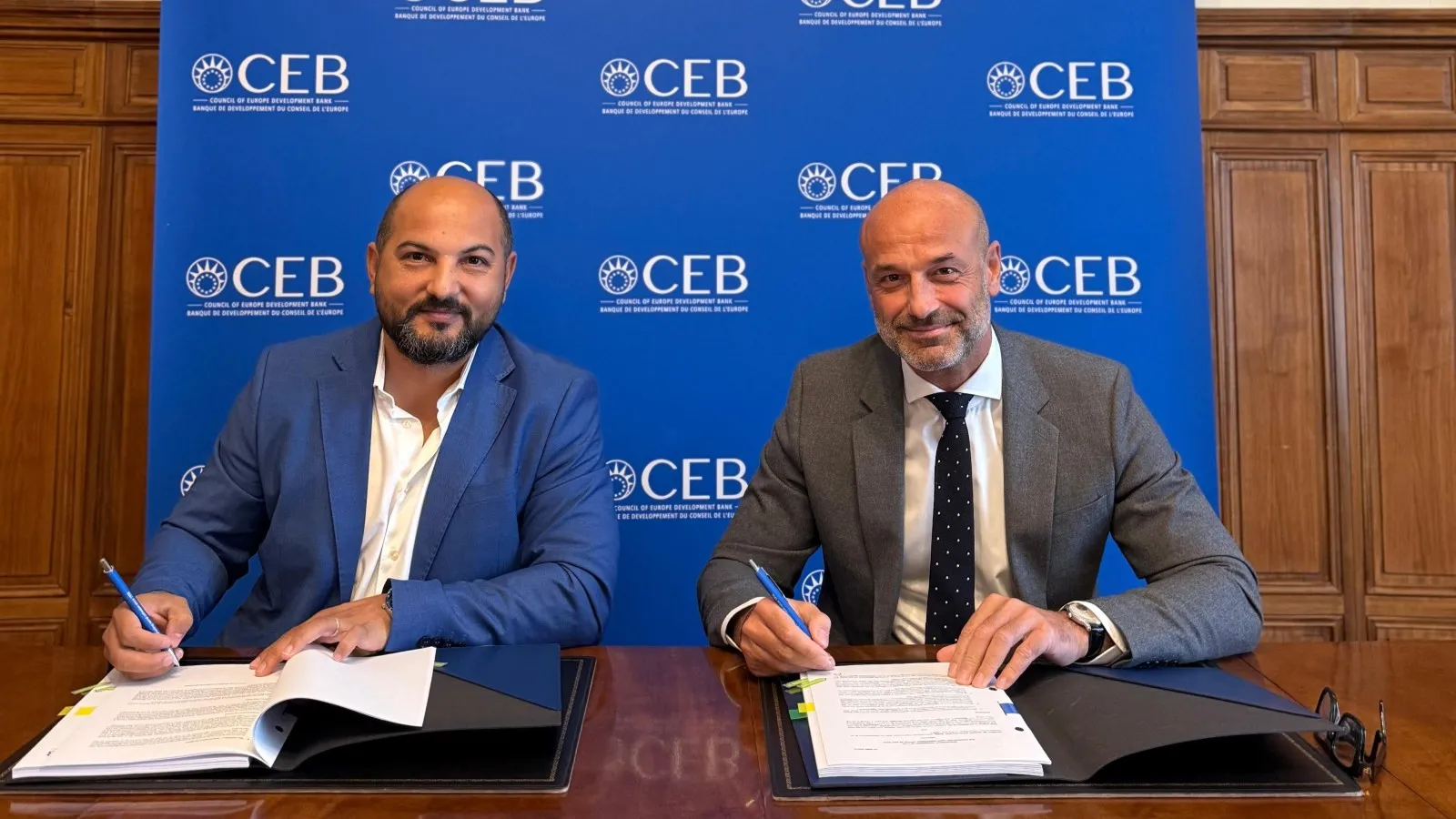
The Council of Europe Development Bank (CEB) and REDI Economic Development S.A. signed a €5 million loan to support Roma-owned microenterprises in Albania, Kosovo, Moldova, and Romania with affordable credit access.

The loan aims to unlock over €8 million in microloans, supporting over 1,000 businesses and creating or maintaining over 2,000 jobs, with a focus on women entrepreneurs and Roma communities.

This is the second loan from CEB to REDI Fund, following a previous €3 million loan in 2021, which has already supported around 460 beneficiaries, including 300 Roma entrepreneurs.

EU Commissioner Hadja Lahbib

Published by:

EU Commissioner Hadja Lahbib

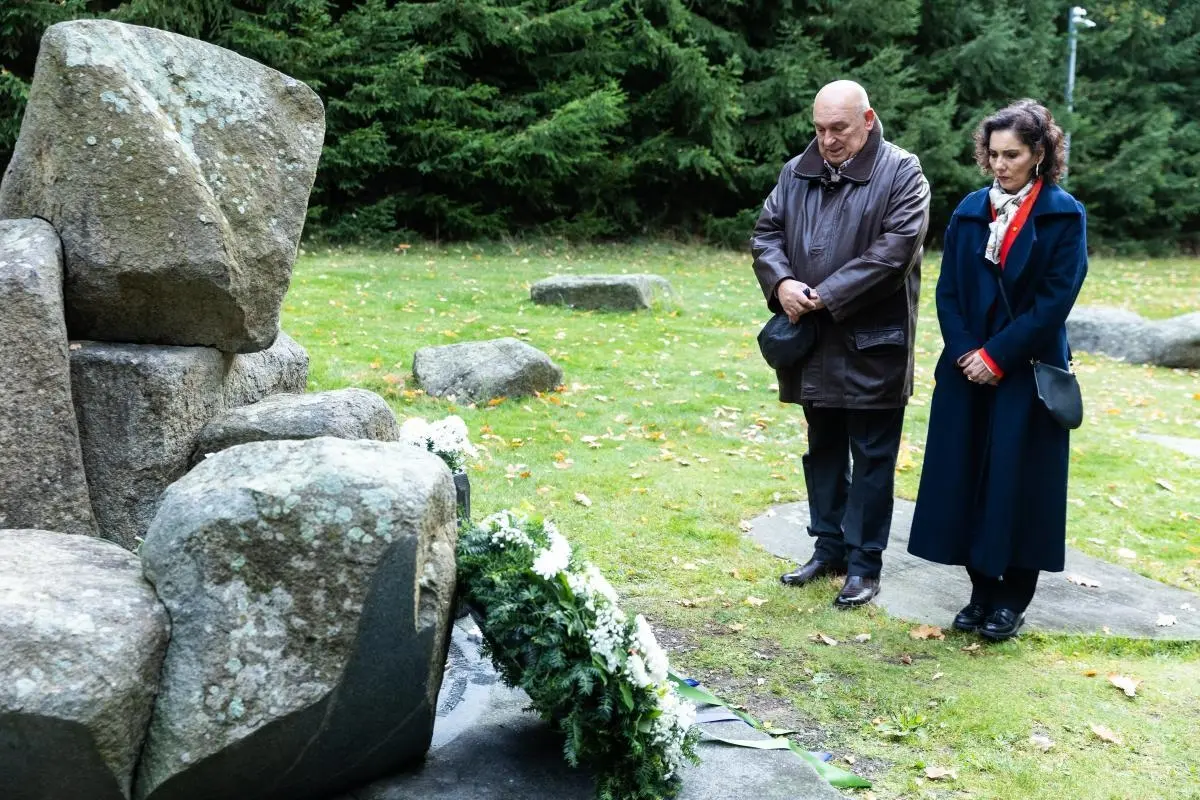
Roma, numbering between 10 and 12 million in Europe, face ongoing discrimination and historical persecution, including genocide during the Nazi era.

The EU has set goals for 2030 to combat discrimination against Roma and improve their access to education, employment, and housing, with some progress noted but significant barriers remaining.

Prejudice against Roma persists, with many Europeans uncomfortable having Roma neighbors, highlighting the need for societal change and inclusion to strengthen communities.

EU on Roma

Published by:

EU on Roma

The European Commission released its third report on the EU Framework for Roma, highlighting progress in employment, education, and early childhood care from June 2023 to March 2025, while also noting ongoing challenges.

Significant improvements were reported, including a decrease in material deprivation among Roma from 62% in 2016 to 37% in 2024, and an increase in young Roma engaged in work or education from 38% to 53%.

Despite progress, issues remain, such as only one-third of young Roma completing secondary education and high levels of poverty and social exclusion, prompting the Commission to urge member states to enhance efforts towards achieving 2030 goals.

What is amazing, is that they still give percentages, when one doesn’t know how many Roma there are …

Anti-Roma Discrimination

Published by:

Anti-Roma Discrimination

An International Roma Coalition is urging the European Commission to appoint a coordinator against anti-Roma discrimination and provide funding for protection against racist violence, as highlighted in a petition awaiting signatures from Bulgaria.

Representatives from ten European countries will present the petition on November 5 in the European Parliament, demanding special mechanisms to protect Roma from discrimination and hate crimes.

The petition emphasizes the low reporting rates of discrimination among Roma, attributing it to a lack of trust in state institutions rather than a decrease in discrimination itself.

EU Enlargement and Roma

Published by:

EU Enlargement and Roma

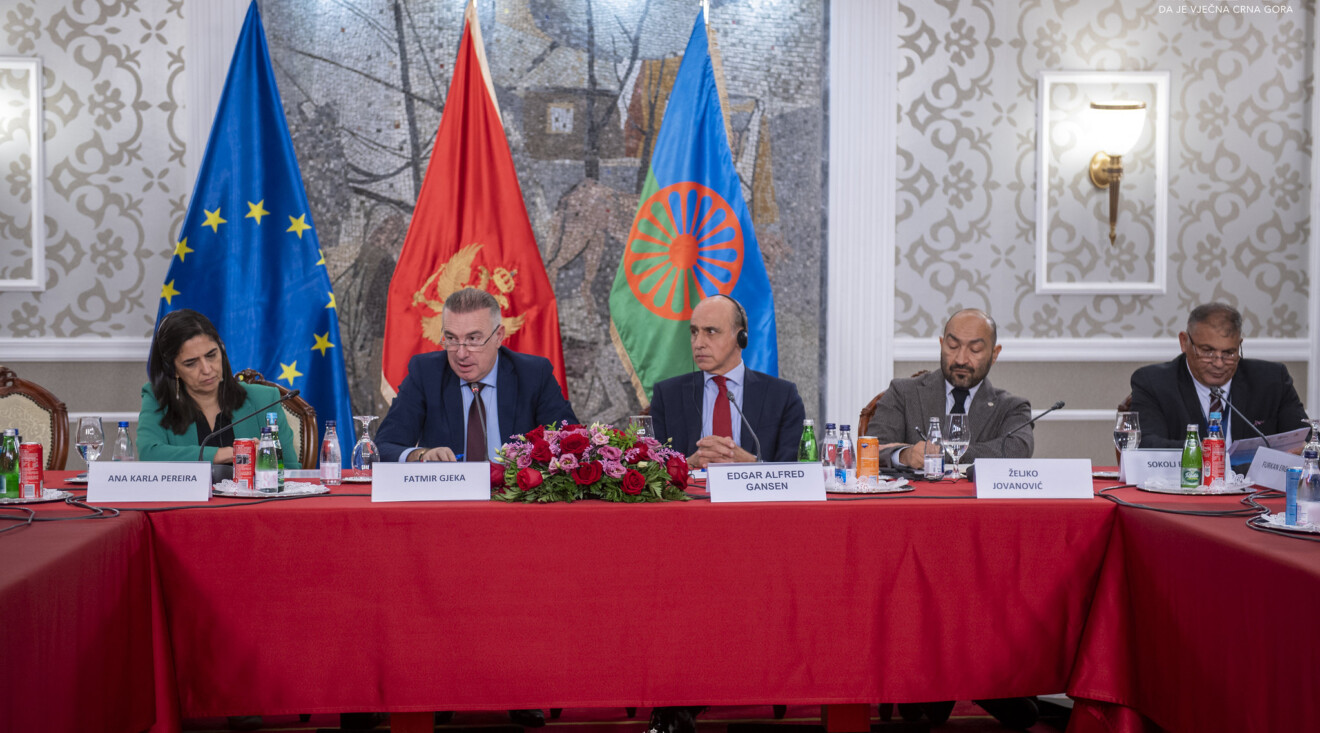
The seventh ministerial meeting on the integration of Roma in the EU enlargement process was held in Podgorica, Montenegro, emphasizing the need for concrete actions to improve the situation of the Roma community.

Officials highlighted the importance of transforming policies into tangible results, focusing on education, employment, and combating discrimination.

The meeting reaffirmed the commitment to regional cooperation and the belief that Roma inclusion is crucial for human rights and economic potential in the Western Balkans.

Slovakia: Project

Published by:

Slovakia: Project

Development teams in Slovakia will receive over 28 million euros from European sources to assist marginalized Roma communities with employment, education, housing, and social issues.

The project, named Development Teams II, aims to build on the successes of the previous initiative, Development Teams I, which helped over 2,600 families and improved living conditions for many.

The new initiative will also focus on the professional development of team workers to better meet the needs of local residents.

EU Funds

Published by:

EU Funds

Vladimir Ledecký criticizes the allocation of EU funds for Roma projects, claiming they are wasted on ineffective projects instead of addressing real issues in Roma communities.

He highlights potential corruption and nepotism in government-funded initiatives, particularly involving the organization Lavuta, which is linked to the government plenipotentiary for Roma communities, Alexander Daško, who has arranged 749,000 euros for his wife.

The Ministry of Labour defends the projects as necessary and compliant with regulations, while Lavuta argues that their work is essential for improving the lives of families in poverty.

His voice carries weigth, as he is known for his exemplary work with the Roma community when as the mayor of Spišsky Hrov and during his work in the Prešov region.

RARE

Published by:

RARE

Young Roma from various countries are participating in the RARE Roma Youth Leadership Bootcamp in Divčibare, Serbia, aimed at developing leadership skills and community engagement among Roma youth.

The bootcamp features sessions like “Own Your Voice,” focusing on building self-confidence, confronting stereotypes, and preserving cultural identity.

The program is part of a larger EU initiative to improve educational opportunities for Roma students in the Western Balkans and Turkey, funded by the European Commission.

ECHR on Bulgaria

Published by:

ECHR on Bulgaria

The European Court of Human Rights (ECHR) ruled against Bulgaria for demolishing a Roma settlement on the outskirts of Sofia in August 2023, violating the right to private and family life of the residents.

56 individuals affected by the demolition filed a complaint, and the court found Bulgaria in violation of Article 8 of the European Convention on Human Rights, but not in violation of Articles 3 and 14 regarding torture and discrimination.

The ECHR awarded each complainant €10,000 in damages, totaling €560,000, along with €18,000 for legal costs to be paid by Bulgaria.

EU, Bosnia, and Roma

Published by:

EU, Bosnia, and Roma

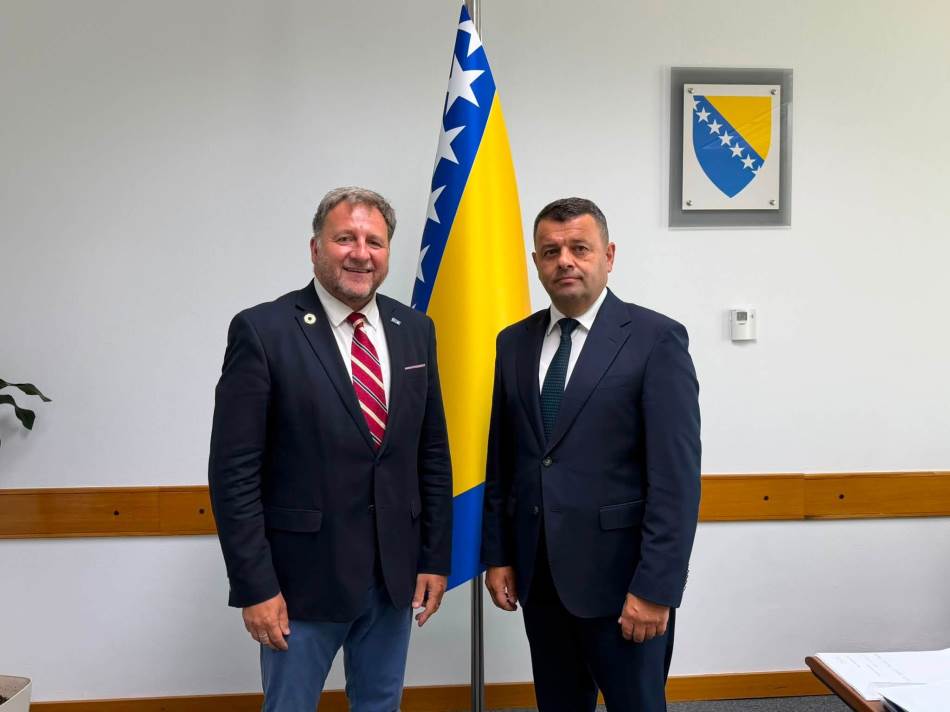
The European Union will allocate 12 million euros through IPA funds to improve housing conditions for the Roma population in 15 local communities in Bosnia and Herzegovina (BiH).

The program aims to address the housing needs of Roma families and will be implemented with the support of the UN Development Program (UNDP).

The Minister for Human Rights and Refugees, Sevlid Hurtić, emphasized the importance of directing funds to areas with the greatest needs, highlighting collaboration among local institutions, the EU, and the UN.

Czechia and Roma

Published by:

Czechia and Roma

According to lawyer Maroš Matiaško, the decision of the European Court of Human Rights in the case of the death of Stanislav Tomáš could be a key verdict for the protection of the rights of Roma in the Czech Republic. According to him, the court named errors in the police intervention, shortcomings in the subsequent investigation and the state’s failure to investigate a possible racial motive. Matiaško represents the deceased’s sister in cooperation with the European Roma Rights Center and the Human Rights Forum.

Alexander Daško

Published by:

Alexander Daško

According to this article, the plenipotentiary for the Roma communities, Alexander Daško’s wife Olga’s organization, more precisely the borzoi club of Russian greyhounds, received subsidies from the Ministry of Tourism and Sports of Minister Rudolf Huliak. Huliak is a politician who once ran for the extremist ĽSNS.

This was published by Roma from the Hnutia Slovensko movement, saying that Alexander Daško “dedicates himself, his family and dogs, as the Roma community”. The president of the Borzoi club of Slovakia is Oľga Dašková. The club was founded in 2025 and is based in Banská Bystrica.

Roma in Slovakia

Published by:

Roma in Slovakia

The Office of the Government Plenipotentiary for Roma Communities (ÚSVRK), headed by Alexander Daško (Smer), will lose the ability to decide on the distribution of money from EU funds to support the inclusion of Roma men and women from July.

Roma experts criticise the move.

Alexander Daško

Published by:

Alexander Daško

Government Plenipotentiary for Roma Communities Alexander Daško has rejected calls from the opposition movement Progressive Slovakia to resign. He claims that he has achieved concrete results in Roma communities during his almost two years in office and sees no reason to leave.

Daško responded mainly to PS’s accusations of a possible conflict of interest in allocating subsidies to the civic association Lavuta, which is associated with his family and is currently led by his wife. According to him, however, the funds did not come from the Office of the Government Plenipotentiary for Roma Communities.

Roma Funds in Slovakia

Published by:

Roma Funds in Slovakia

After the 2023 elections, Prime Minister Robert Fico (Smer) appointed loyal party member Alexander Daško as the plenipotentiary for Roma communities to decide on the redistribution of money for projects. Daško was given significant authority to gradually decide on the use of approximately 430 million euros out of the total billion that the European Union has allocated to support Roma in Slovakia until 2027. The remaining money is distributed by the ministries of labor, education, and health.

Now he is losing this, and the funds will be managed by the head of the Government Office, Juraj Gedra.

Croatian Roma Funds

Published by:

Croatian Roma Funds

The Croatian state has published the list of recipoients of the 380’000 Euros allocated to Roma in the country.

  1. ​Roma Association in Croatia “KALI SARA” (Zagreb): 238,000 euros (over 60% of the total budget)
  2. ​Roma Resource Center (Darda): 58,900 euros
  3. Roma Women’s Association “Bolja Budućnost” (Zagreb): 27,000 euros
  4. Roma National Forum Association (Beli Manastir): 21,500 euros

​The funds are intended for information, publishing, culture and events such as the “World Romani Language Day” or the commemoration of the suffering of the Roma in World War II (Samudaripen).

The article bemoans the lack of fund in the Međimurje region.

Alexander Daško

Published by:

Alexander Daško

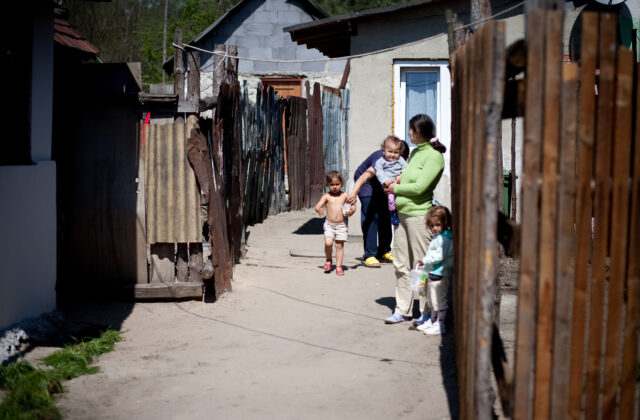
The current Slovak plenipotentiary for the Roma communities, Alexander Daško, comes for a Roma settlement. Here he is pictured as a success story. Yes he made it, but he is also at the centre of many controversies about the use of EU funds for Roma in Slovakia.

EU Funds for Roma

Published by:

EU Funds for Roma

At a press conference on Tuesday, the opposition Slovakia Movement presented a series of findings that, according to its representatives, point to the systemic misuse of European money intended to help Roma communities. Representatives of the movement pointed out suspicious subsidies, conflicts of interest, personal connections and a commission mechanism in projects in Roma settlements.

They are calling for the dismissal of the Slovak Government Plenipotentiary for Roma Communities, Alexander Dašek, from his position. The Office of the Government Plenipotentiary for Roma Communities (ÚSVRK) rejects the movement’s claims. It called them purposeful disinformation.

Multi-Purpose Community Centres

Published by:

Multi-Purpose Community Centres

The contract for a new community centre in the Boris Kidriča Settlement was signed. It is a project co-financed by the Republic of Slovenia and the European Union from the European Social Fund. The aim is to promote the integration of the Roma population into the school system, as this is a basic condition for us to no longer talk about the “Roma issue” in the future, but about Roma integration. Workshops and other programs, starting in September, will be prepared for it by a special expert team. “Let’s hope that’s the case,” says the mayor, emphasizing that this is not a new Roma settlement, but an educational space.

Well, fingers crossed …

rroma.org
en_GBEN