Tag Archives: Extreme-Right

AfD and Minorities

Published by:

AfD and Minorities

The director of ERIAC, Anna Mirga-Kruszelnicka, warns that the recent election victory of the far-right AfD in Saxony-Anhalt signifies the normalization of racism in Germany, particularly against Roma.

She highlights the historical targeting of Roma, referencing the Nazi era, and notes that the AfD’s use of derogatory terms like ‘Zigeuner’ reflects a growing anti-Roma sentiment.

Mirga-Kruszelnicka expresses concern over the AfD’s nativist agenda and the potential for increased discrimination and deportation of Roma, despite many having deep roots in Germany.

ERIAC and Racism

Published by:

ERIAC and Racism

In view of tomorrow’s elections in Saxony-Anhalt, were the AfD has a fair chance of ruling the region, ERIAC has a strong message on fascism and racism…

IT and Extreme Right

Published by:

IT and Extreme Right

David Heinemeier Hansson has called for the extensive deportation of Roma and Sinti, raising controversy around his political views.

He is known as the creator of Ruby on Rails but has lost respect in the software community due to his right-wing political stance and support for far-right extremists.

Omarchy, an initiative associated with Hansson, is linked to his controversial reputation.

Blood and Honour

Published by:

Blood and Honour

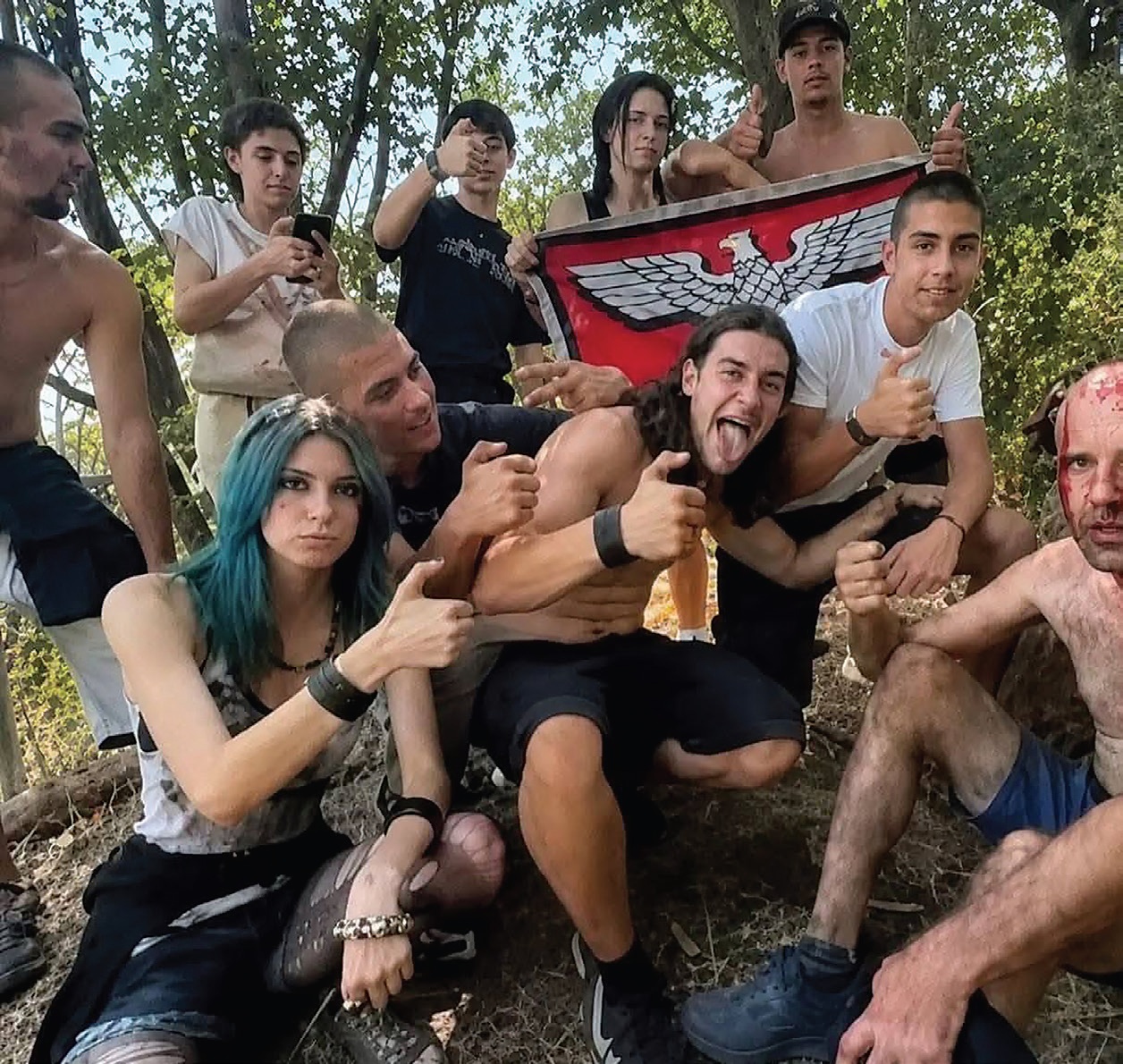
After the arrest of the killers from the Youth Hill in Plovdiv, Bulgaria, and the operation of the National Anti-Terrorism Service and the Directorate of the Bulgarian Anti-Terrorism Service in the den of “Blood and Honor”, it was established that this is a large network of minors and juveniles. They are trained to intimidate, harass and rape specific groups of people who have been targeted in advance.

Photos of gypsies were found in two of the phones, who are believed to have been targeted for a future action. According to media reports, before the victim Georgi Kuzev, the killers from the Youth Hill had attacked another victim.

Neo-Nazis in Bulgaria

Published by:

Neo-Nazis in Bulgaria

The Bulgarian police raides a private club associated with the international neo-Nazi organization “Blood and Honour” in Plovdiv, Bulgaria. The organisation is connected to nationalism and recent violent events.

Boryan Rasate, a nationalist figure, expresses disdain for the media’s portrayal of the incident, arguing that the focus on a few Nepalese individuals being attacked overshadows the daily violence faced by Bulgarians.

Rasate claims that the actions of the youth involved in a recent murder were not premeditated but rather a result of youthful recklessness, criticizing the media for sensationalizing the events and diverting attention from more pressing issues in society.

Neo-Nazis in Bulgaria

Published by:

Neo-Nazis in Bulgaria

The rise of neo-Nazi groups in Bulgaria, particularly the ‘Blood and Honor’ club, and their connections to a broader culture of ethnic nationalism and authoritarianism is discussed in both articles.

It highlights incidents of violence linked to these groups, including attacks on minorities and the normalization of extremist ideologies in society.

The authors argues that the current political climate in Bulgaria fosters an environment where such ideologies can thrive, often under the guise of patriotism and strength.

Blood and Honour

Published by:

Blood and Honour

The organization “Blood and Honour” has been raging in Plovdiv for a long time. They were involved in violent pogroms against Roma as early as 2013 and the activist of “Blood and Honor” Ivaylo Kolev says that the organization has also been leading the torchlight procession against the Neuilly Treaty for at least eight years. They are against the “islamisation” of Europe.

Despite a petition from locals to ban the organization, which has been outlawed in several countries, it continues to operate in Bulgaria.

Police Negligence

Published by:

Police Negligence

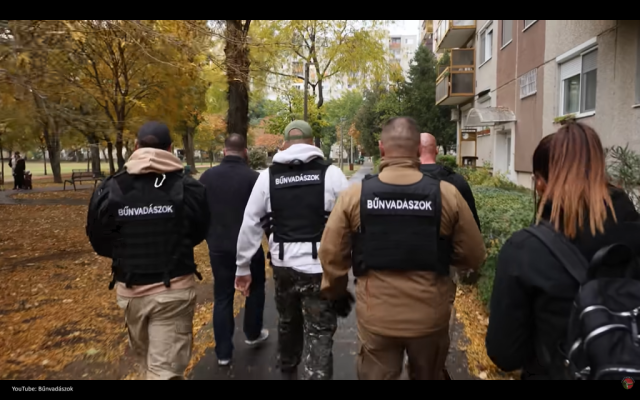
The Hungarian Ombudsman has initiated an investigation into police negligence regarding the neo-fascist vigilante group Bűnvadászok, which targets Roma communities, urging law enforcement to take action against their unlawful activities.

The Bűnvadászok, led by a member of the extremist Mi Hazánk party, have been accused of breaking into homes and intimidating residents, particularly targeting Roma individuals, while the police have historically failed to intervene.

The new Prime Minister Péter Magyar has promised to end the era of anti-Roma sentiment and police negligence, emphasizing the need for reforms to restore trust between law enforcement and Romani communities.

Hungary, Roma, and Commemoration

Published by:

Hungary, Roma, and Commemoration

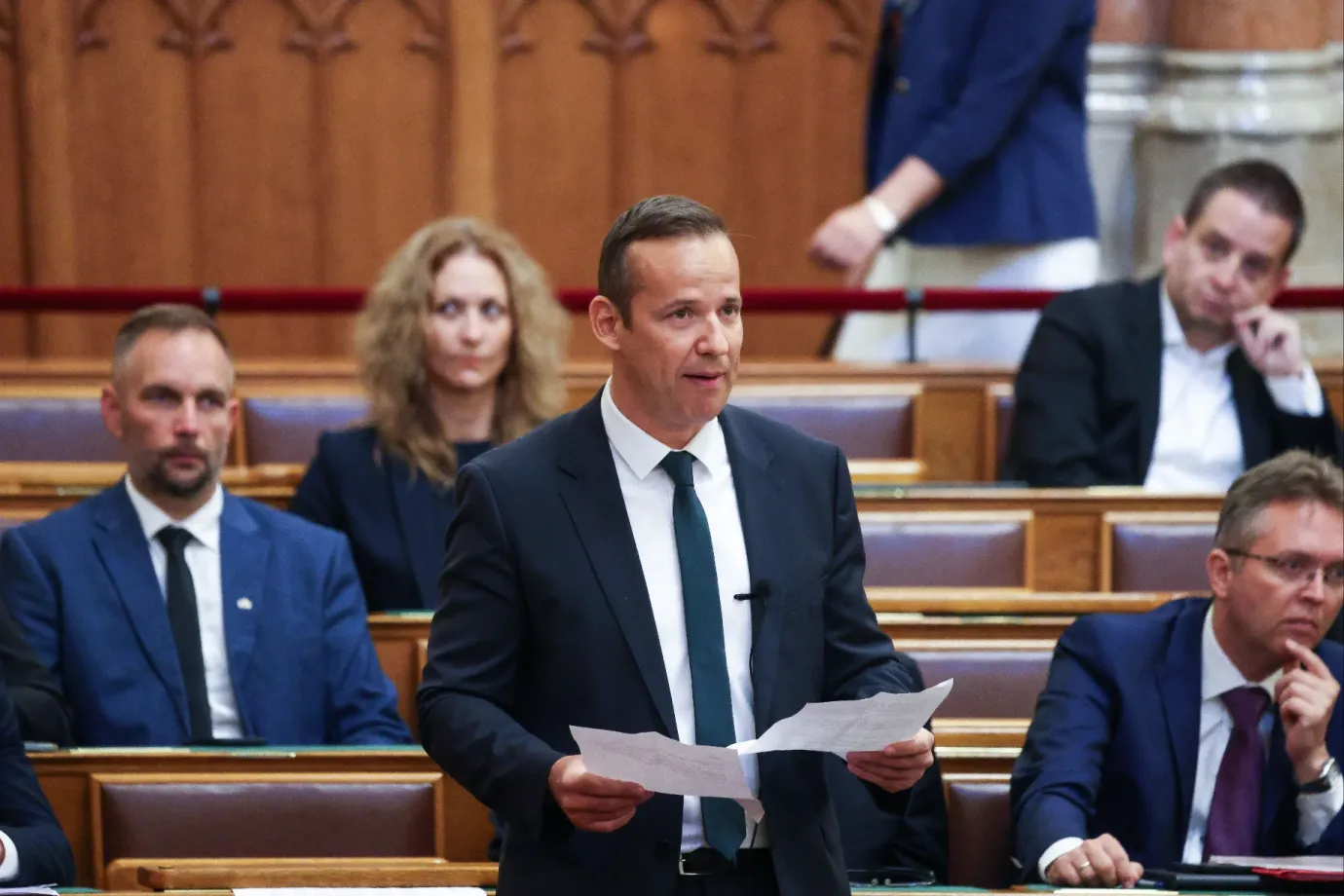
The Hungarian Parliament held a moment of silence to honor the victims of the Roma Holocaust, following a controversial incident where members of the Mi Hazánk (Extreme-Right) party remained seated during a previous commemoration.

Mi Hazánk’s leader, Toroczkai, criticized the political exploitation of the Holocaust remembrance and expressed dissatisfaction with the government’s handling of the upcoming presidential election. He claimed it violated house rules and that the Tisza party was exploiting the situation for political gain. Ábrahám Barnabás, a leader of the Mi Hazánk party, criticized the increasing influence of Roma in Hungary, suggesting that the focus should be on crime rather than the Roma Holocaust

The Prime Minister, other officials, as well as members of the Jewish community condemned Mi Hazánk’s actions, emphasizing the importance of honoring the victims and calling for an apology from the party.

Hungary and the Extreme Right

Published by:

Hungary and the Extreme Right

István Gyöngyösi, a representative from the Tisza Party, commemorated the victims of the Roma Holocaust during a parliamentary session, emphasizing the need to remember the Roma victims who were deported and murdered in Auschwitz.

The Mi Hazánk (our house – an extreme right) party members remained seated during the commemoration, leading to accusations of racism and disrespect from other political figures, including Prime Minister Péter Magyar.

Minister Zoltán Tarr acknowledged ongoing discrimination based on ethnicity and stressed the importance of remembrance and combating hate to prevent future atrocities.

Relocation …

Published by:

Relocation …

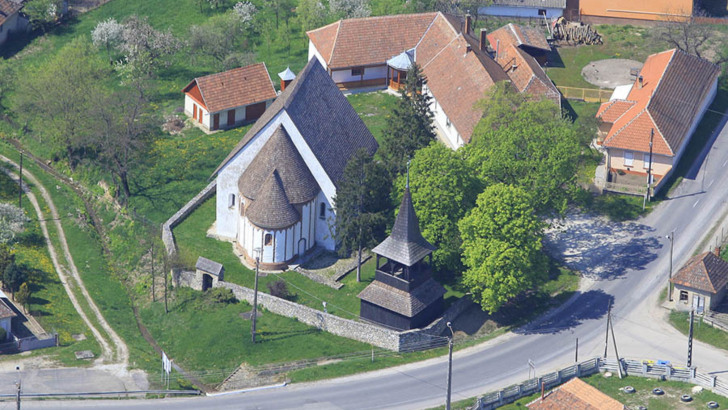
That was to be expected. After the relocation of Roma from Slovakia to Szalonna, Hungary, the extreme-right movement “Mi Hazánk”manifested itself.

It is urging government officials to “protect” the village of Szalonna from the relocation of residents from troubled neighborhoods in Košice, citing concerns over mass migration.

The Hungarian Ministry of Interior is investigating the relocation of Roma families from the Lubina settlement in Košice, focusing on the legality and transparency of the real estate transactions involved.

The demolition of the Lubina settlement, which affected seven families from a marginalized Roma community, has been described as highly unusual by the Slovak government’s commissioner for Roma communities.

Bosnia and Fascism

Published by:

Bosnia and Fascism

Young artist, author of the book “Cactus in an Orchid Field” and human rights activist Almir Agić, guesting on “Sarajevo Morning”, drew attention to the worrying level of hate speech and prejudice that the Roma community faces every day in public space.

On this occasion, Agić decided to speak about the worrying comments directed at young men and women of the Roma population instead of personal successes, emphasizing that dehumanization and racist rhetoric represent a serious problem for the entire society.

“The moment when fascism becomes a solution for something in our public space and society, it is not just a problem for Roma, it is a problem for our entire society.” – Almir Agić emphasized.

French Chronicle …

Published by:

French Chronicle …

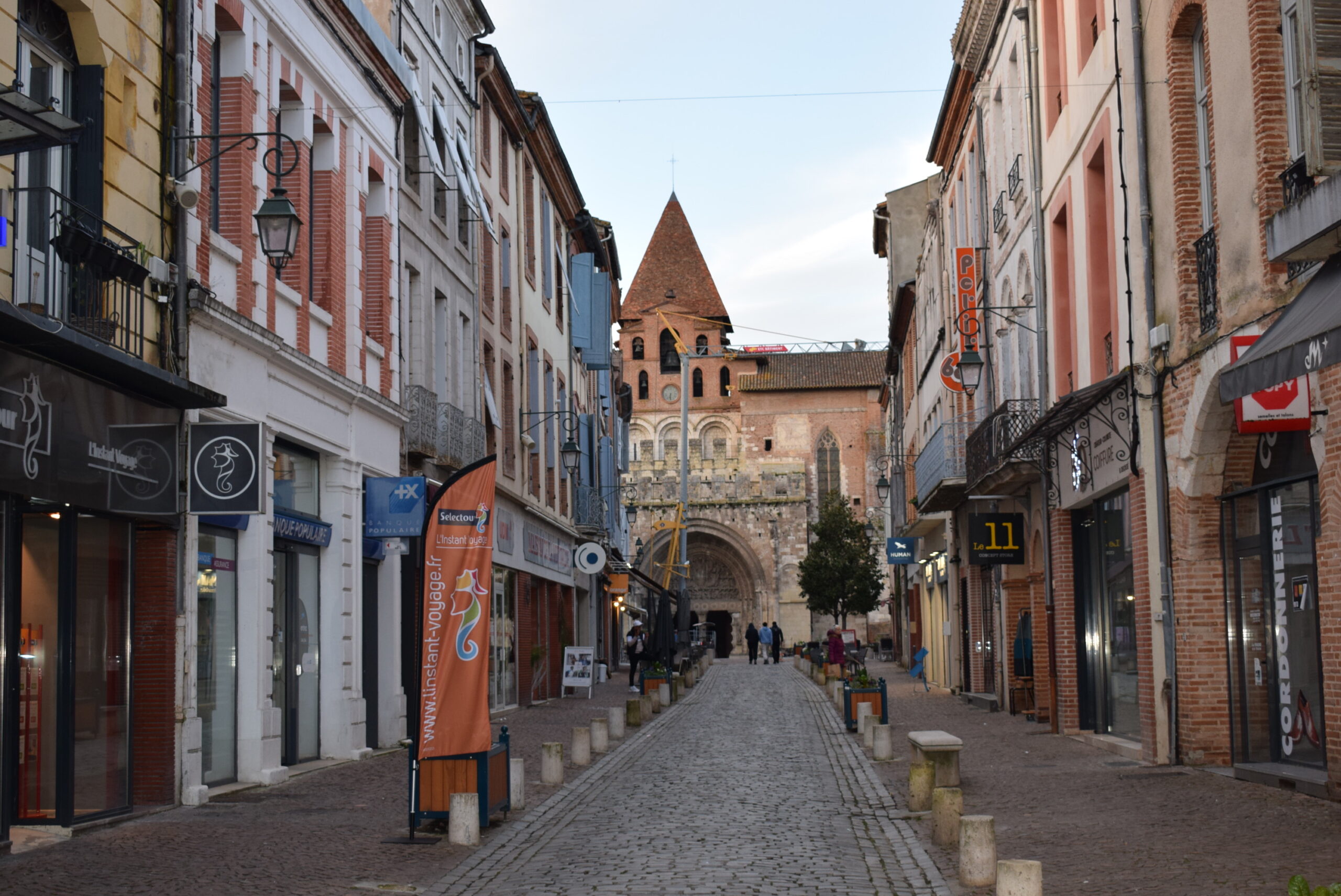
Many articles this week on the closure of what was deemed the largest Roma camp near Paris, in Stains. Out of 800 people living there, only 48 have received a re-lodging offer. A shame.

Near Nantes, in Saint Herblain, same issue: Camp closure but no alternative for its residents.

A fire near Paris on the former site of a Roma camp, implicitely attributed to them.

Then two intersting articlees, one on the commemoration of the internment of travellers in France during thed War, and the second, a reportage in a commune led by the extreme right, faced with the fact that many Bulgarian Roma live there, employed by the local farmers…

Again!

Published by:

Again!

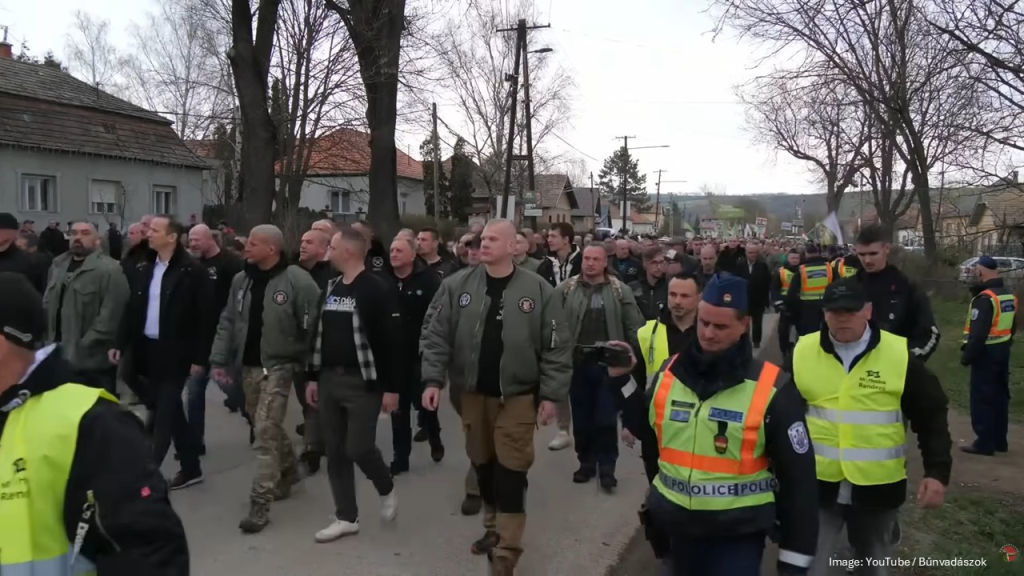
On Saturday 28th March, an estimated 1000 supporters of Mi Hazánk Mozgalom (Our Homeland Movement), and members of its affiliate paramilitary groups marched in the village of Kálló, in what the party’s chairman László Toroczkai billed as a ‘pro-order’ demonstration.

They had already done so on March 13th, but were prevented by the villagers. Now they were protected by the police.

And in another fact, the Minister of Construction and Transport, Kjanos Lázár, held a forum in Úrhida, Fejér County, where his usual arguments about protecting sovereignty eventually led to the conclusion that Fidesz should cooperate with Mi Hazánk in this regard.

Bad.

Mi Hazánk

Published by:

Mi Hazánk

The extreme-right My Hazánk Mozgalom (Our Homeland Movement) party, together with their anti-Roma Bűnvadászok (Crime Hunters) vigilante group did an action in the small Nógrád village of Kálló. They were met by local Roma who peacefully told them they should leave.

The party represented this as having been aggressed, even though there are no records of people being wounded or of any police action.

Bad.

Croatia and Revisionism

Published by:

Croatia and Revisionism

From the massive concert by Thompson, a Croatian music legend known for his far-right sympathies, which drew 450,000 people to Zagreb in July, to the attacks by hooligans on Serbian cultural events in November, tensions have been escalating in recent months, notes Florian Bieber of the Austrian University of Graz.

“We are seeing both a rise in historical revisionism and an increase in threats against those who think differently,” explains the researcher. This process is accompanied by numerous attempts to rehabilitate the Ustaša, the pro-Nazi regime that ruled during World War II. “This isn’t new, but it has accelerated and intensified this year,” adds Mr. Bieber.

We reported also on the fact that a “debate” on the victims of Jasenovac was held in the premises of the Croatian Parliament, denying the fact that Jasenovac was an extermination camp.

Nevertheless, thousands of Croatian manifested against this revisionism and the extreme right.

rroma.org
en_GBEN