Tag Archives: History

Study on Deportations

Published by:

Study on Deportations

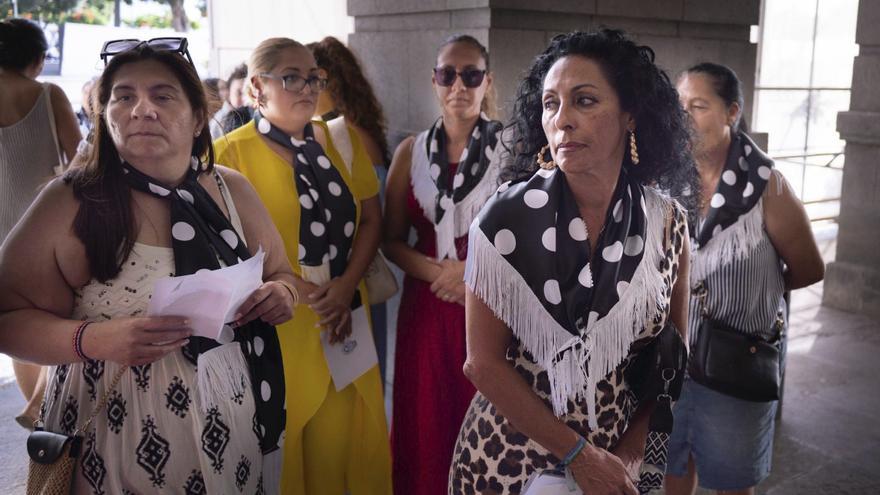
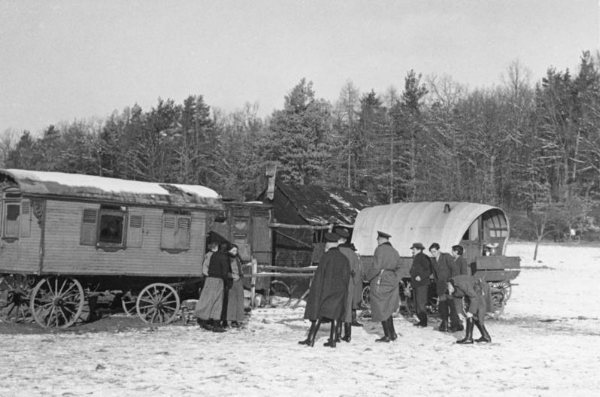
The European University of Flensburg presented the results of a two-year study on the history of Sinti and Roma in Schleswig-Holstein to the state parliament, thus filling a previously under-researched historical gap. They focused on Deportations of Sinti and Roma in Schleswig-Holstein during the Nazi Era.

Exhibition

Published by:

Exhibition

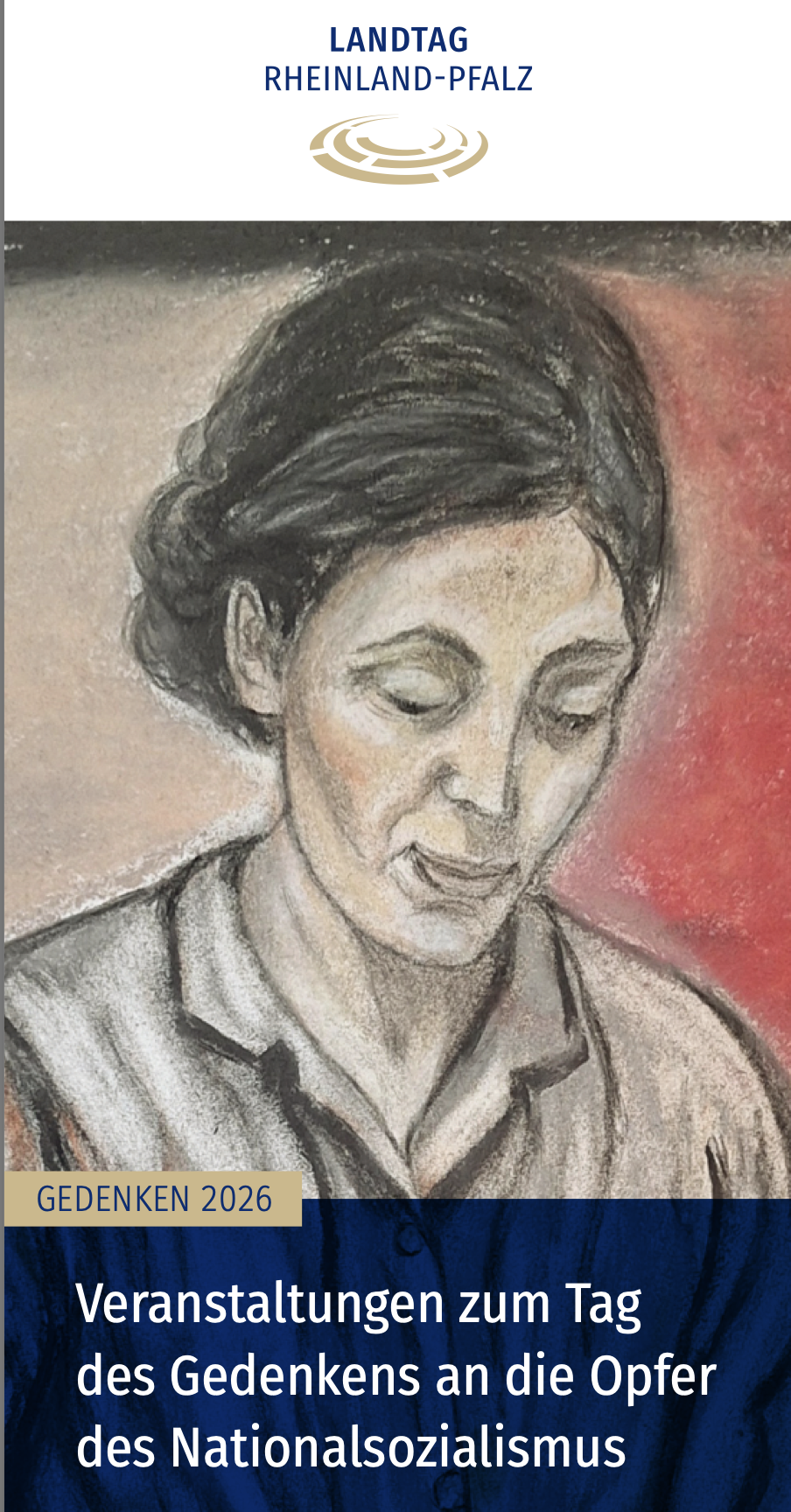
The exhibition “Murdered, Marginalized, and Stigmatized: Sinti and Roma in Rhineland-Palatinate” will be on display at the Center for Social Responsibility of the Evangelical Church in Hesse and Nassau in Mainz starting January 21. Students from the Department of History at Johannes Gutenberg University Mainz explored the history of Sinti and Roma in Rhineland-Palatinate during the summer semester of 2025. The results of the project, funded by the Rhineland-Palatinate Ministry of Science and Health, will be presented for one week, the university announced on Monday.

Kali Sara

Published by:

Kali Sara

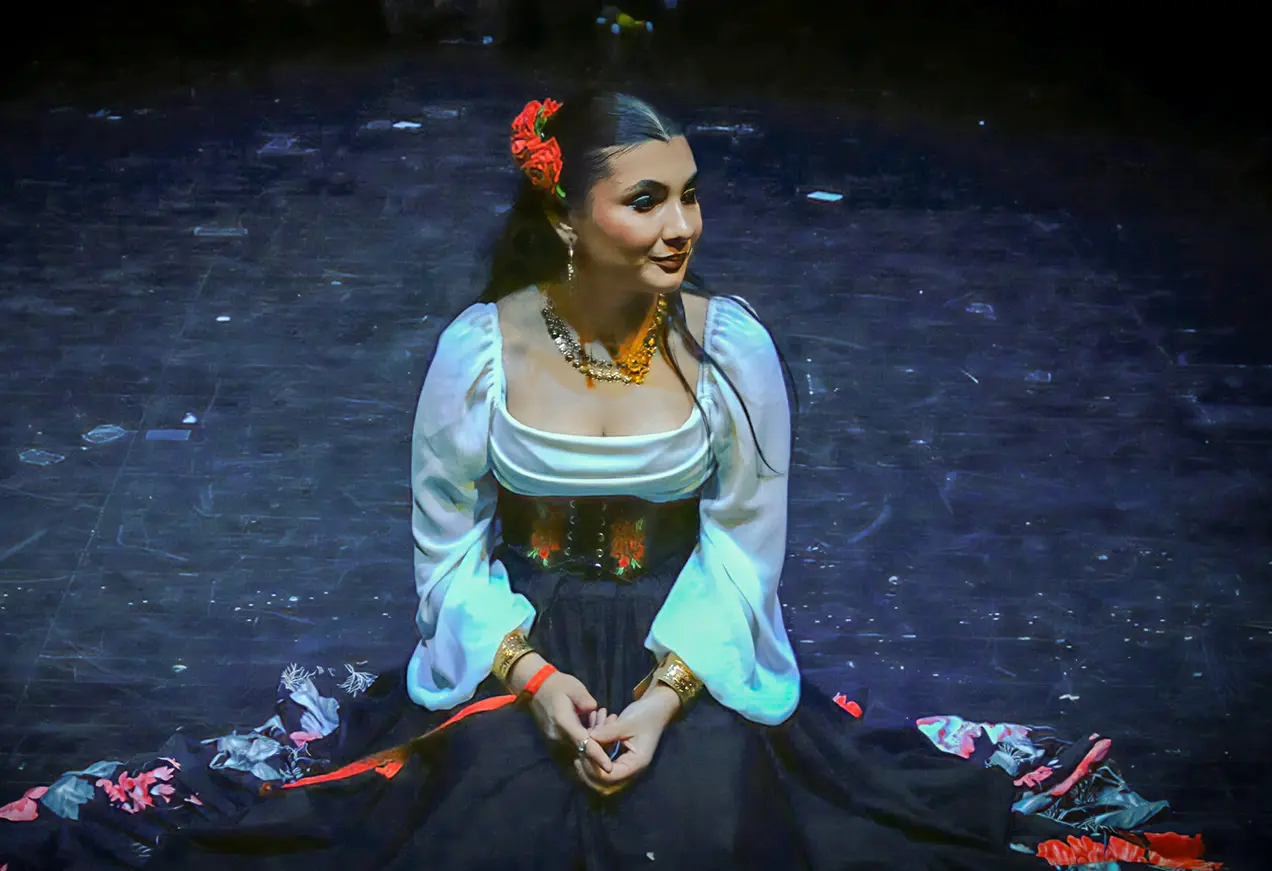
On December 20, 2025, the dance-theatre production Kali Sara, patron saint of the Roma premiered at the Horácký Theatre in Jihlava, which tells the story of the Romani patron saint and symbol of Romani identity through dance and theatre. The original performance was presented by children and young people from the art groups Lole Čhama and Bare Kalore, active in the AV-Amari Vysočina association. The production touches on the themes of equality, prejudice, trust and belonging.

Roma in Spain

Published by:

Roma in Spain

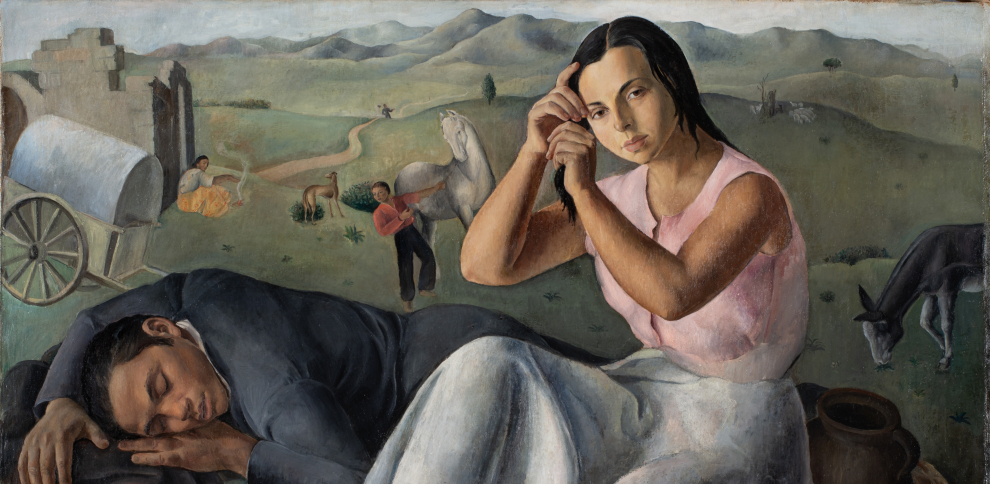
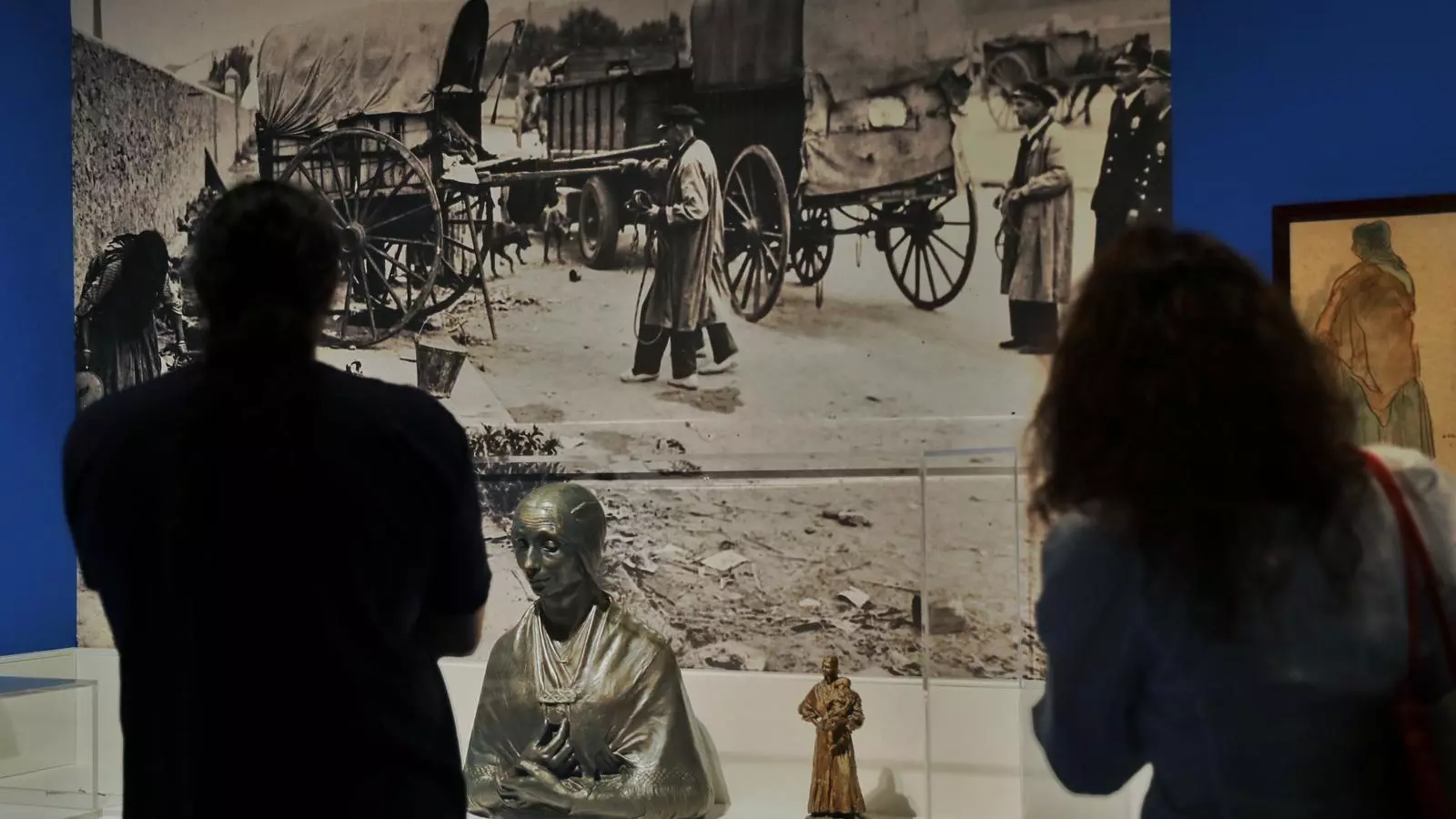
The book “Pueblo Gitano. 600 años de historia y cultura en España” [The Gitanos People: 600 Years of History and Culture in Spain] coordinated by Gonzalo Montaño, Joan M. Oleaque, and Arnau Vilaró, dismantles six centuries of silence, prejudice, and official narratives about Roma history.

Too bad they used the Gitanos name and not the endonym, “Cale”.

Roma Theatre

Published by:

Roma Theatre

The writer and journalist Luka Šteković, recently wrote “Theatre of the Valjevo Roma – The First Roma Theatre in the World”, published in the Great National Calendar for 2004 – Kolubara, edited by journalists Zoran Joksimović and Zdravko Ranković.

Luka Šteković’s text reveals the fascinating story of the Valjevo Roma Youth and its president, Čedomir Čedo Gračanin (1892–1956), a versatile talent who was a playwright, director and leading actor.

Catalogna: Exhibition

Published by:

Catalogna: Exhibition

Mercedes Porras, a Romani activist and curator of the exhibition The Roma people in Catalonia: history and culture, which can be seen at the Museum of the History of Catalonia until August 2, 2026 is part of the commemoration of the 275th anniversary of the Great Raid of 1749 and the 600th anniversary of the arrival of the Roma people to the peninsula.

“Gypsy Compound”

Published by:

“Gypsy Compound”

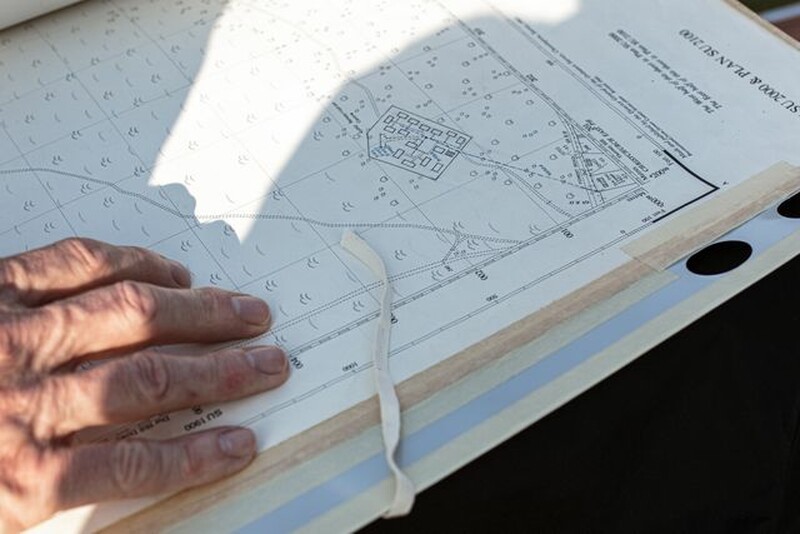
An archaeological dig is taking place in the New Forest in the UK on the site of a compound where Roma were forced settled. The compound was later replaced by a ‘Gypsy Rehabilitation Centre’ which says a lot about the ideological background of those initiatives.

New Book

Published by:

New Book

A new book on the history of Roma in Bosnia and Herzegovina was recently published. It is a joint publication of the Sarajevo University institute for history and the Zagreb Ivo Pilar Institute. It is an important cross disciplinary work featuring many new research and facts about Roma history in the region.

Spain: Commemoration

Published by:

Spain: Commemoration

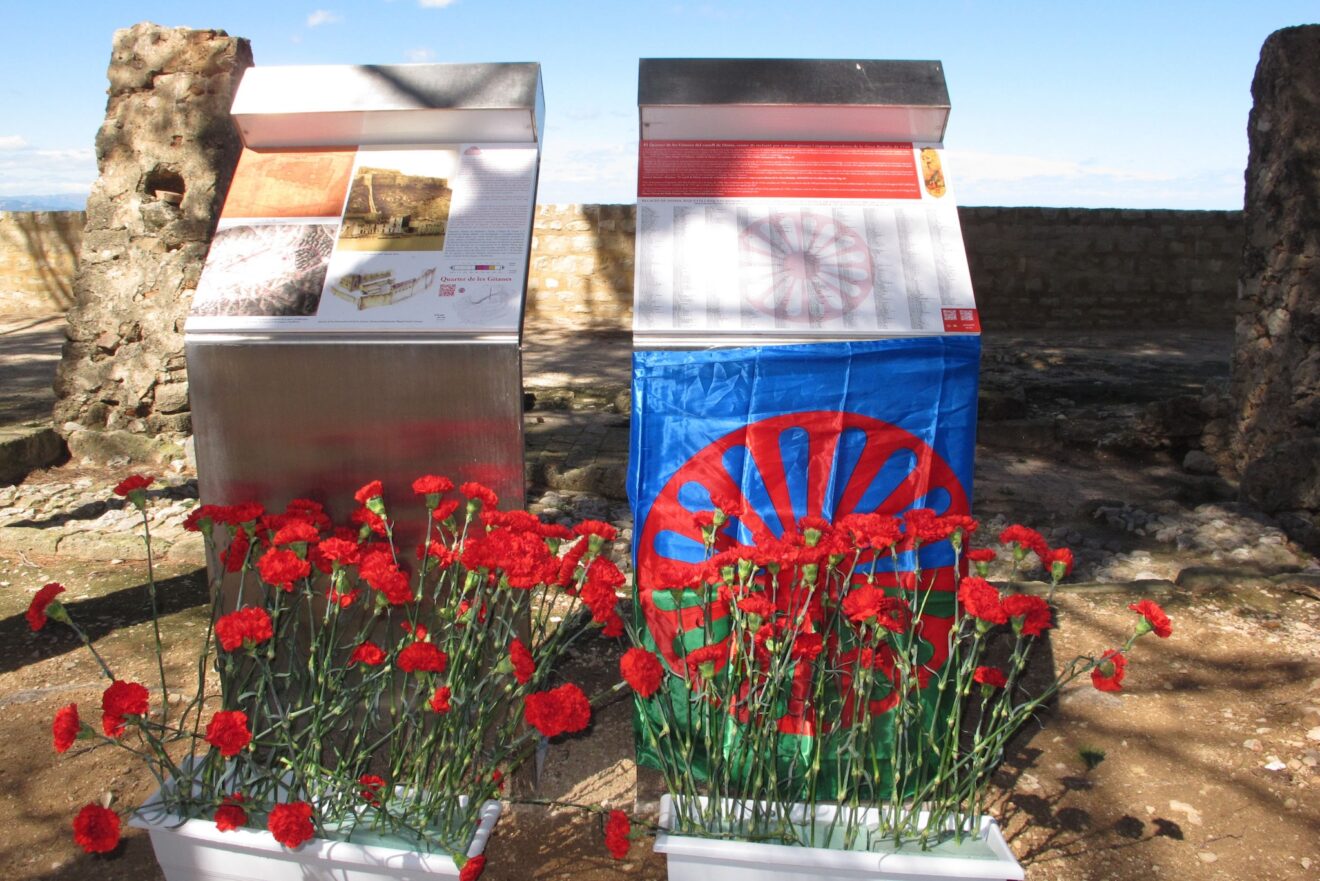
The Spanish city of Denia commemorated the liberation 275 years ago of nearly 300 Romnja and children who were arrested in a raid against Roma in 1749 that took place throughout Spain, incarcerated in the local fortress and only liberated a year later.

Ukraine: Summer School

Published by:

Ukraine: Summer School

The Roma organisation ARCA placed an open call for young activists, youth leaders, historians and researchers aged 18 to 35 to apply for their Summer School on Roma History entitled “Remembering Together”, which will take place in Berlin from June 10 to 15, 2025!

Rome: A New Course

Published by:

Rome: A New Course

At La Sapienza University of Rome, the course “Romani Language and Culture” will begin on March 5th. It aims to offer a complete overview of the language, traditions and history of the Romani population with a multidisciplinary approach that combines theory, practice and critical reflection. The course is aimed at students of humanities, social sciences and history, but also at anyone who wishes to deepen their knowledge of Romani culture and its current challenges, as well as all those who work in the field of cultural mediation, human rights and social inclusion.

Slovakia and Roma History

Published by:

Slovakia and Roma History

No wonder, the latest survey from the Office of the Government Plenipotentiary for Roma Communities also indicates that Slovaks have absolutely no idea about historical milestones in the history of the country related to Roma.

This is unfortunately not only the case in Slovakia.

Charter 77

Published by:

Charter 77

The human rights movement Charter 77 published a significant document, “The Status of Gypsies and Roma in the Czechoslovak Socialist Republic”, which is presented by Charter 77 signatory, former chairwoman of the Helsinki Committee and former public defender of human rights Anna Šabatová.

Roma Minority in Slovakia

Published by:

Roma Minority in Slovakia

Roma have been in Slovakia since the 14th century. The first written document about the Roma population in Slovakia is a document from 1322, in which the presence of Roma in Spiš is mentioned by the Spišské novoveske mayor Ján Kunch. Later, larger groups of Roma arrived in Slovakia. In 1423, Sigismund of Luxembourg issued a document at Spiš Castle that guaranteed the Roma certain guarantees of protection and self-governing judicial powers.

The difference in number of Roma in the 2021 census and the number of Roma residents in the latest Atlas of Roma Communities from 2019 is almost threefold. While the 2019 atlas indicates that at least 417,535 Roma people live in Slovakia, in the 2021 census, only 156,164 Roma people declared themselves Roma.

Poland: A piece of history

Published by:

Thanks to the meticulousness of the authorities of communist Poland, we can learn not only when exactly the first Roma arrived and settled in Środa Śląska, but also thoroughly reconstruct the history of each Roma family, find out what jobs they undertook and how their superiors assessed the quality of their work.

rroma.org
en_GBEN